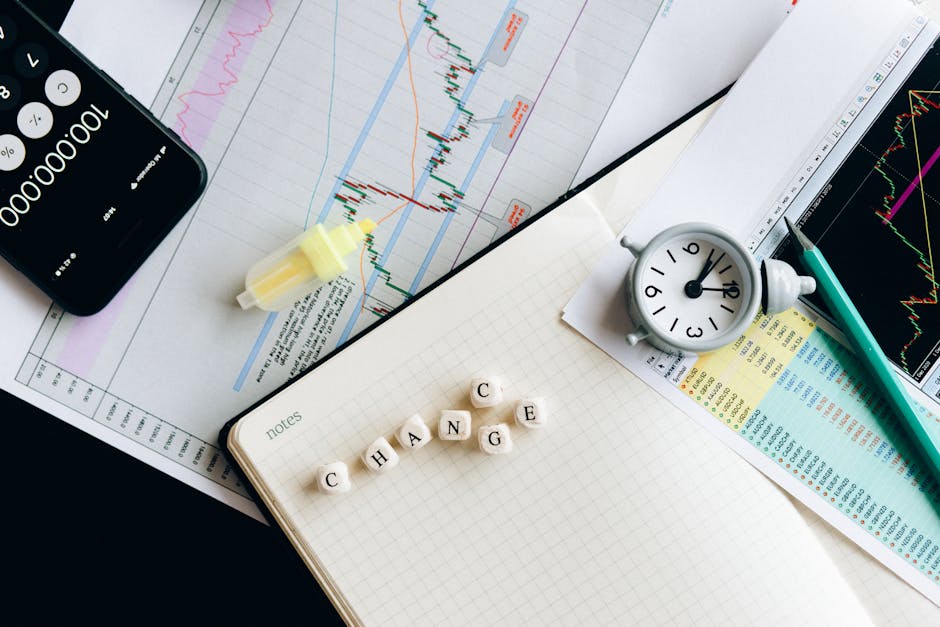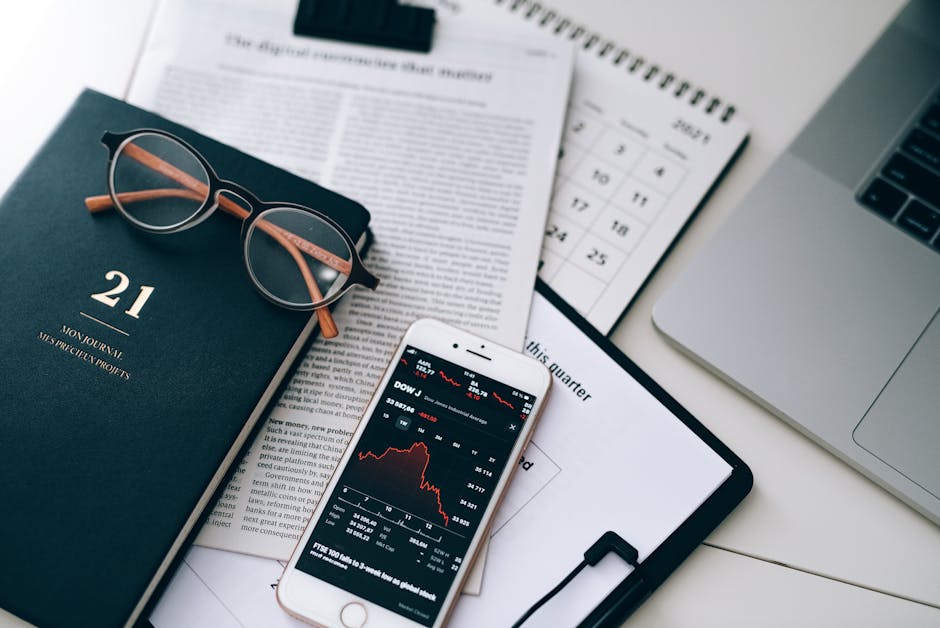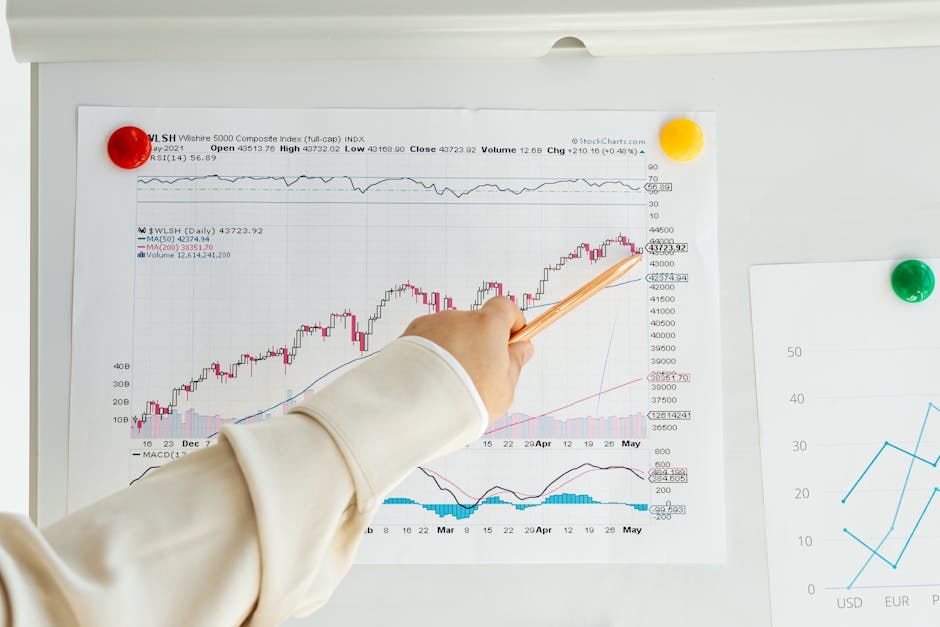
The world economy is in a state of flux, with prices continually rising at an alarming rate. Consumers everywhere are feeling the pinch in their wallets, as everyday goods become increasingly unaffordable. In this climate of uncertainty, understanding the underlying causes of inflation can empower you to make better financial decisions for yourself and your family.
Inflation is a complex issue, linked to various factors such as rising energy costs, supply chain disruptions, and geopolitical tensions. In this analysis, we will explore ten critical reasons why prices keep escalating globally and discuss actionable steps you can take to mitigate the impact on your finances.
1. Supply Chain Disruptions
One primary reason for the hike in prices is the ongoing supply chain disruptions that have plagued global markets. The pandemic has caused factory shutdowns, labor shortages, and transportation delays, severely affecting the supply of goods. As demand for products rises, the limited supply results in increased costs for consumers.
For example, essential commodities such as food and household items have seen price surges due to these disruptions. As a consumer, it’s crucial to seek alternative local suppliers and diversify your shopping options to minimize the impact on your budget.
2. Rising Energy Costs
Energy prices have skyrocketed in recent months, leading to higher operational costs for businesses worldwide. The repercussions of rising oil prices not only affect transportation and logistics but also result in increased production costs across various sectors. As companies strive to maintain profit margins, these costs are often passed on to the consumer.
To counteract higher energy costs, consider implementing energy-saving practices at home. Utilize public transportation, carpooling, or biking whenever possible to save on fuel costs. Additionally, consider shopping during off-peak hours when prices may be lower.
3. Increased Commodity Prices
Commodity prices, including metals, grains, and energy resources, have soared due to increased demand and limited supply. Investors are also seeking refuge in commodities as a hedge against inflation, further driving up prices. This surge impacts the overall cost of goods and services, resulting in inflation that consumers must grapple with daily.
To manage the effects of rising commodity prices, it’s essential to invest wisely. Diversify your investment portfolio to include commodities as a potential hedge against inflation while keeping an eye on the stock market for more stable options.
Google AdSense code can be inserted here later.
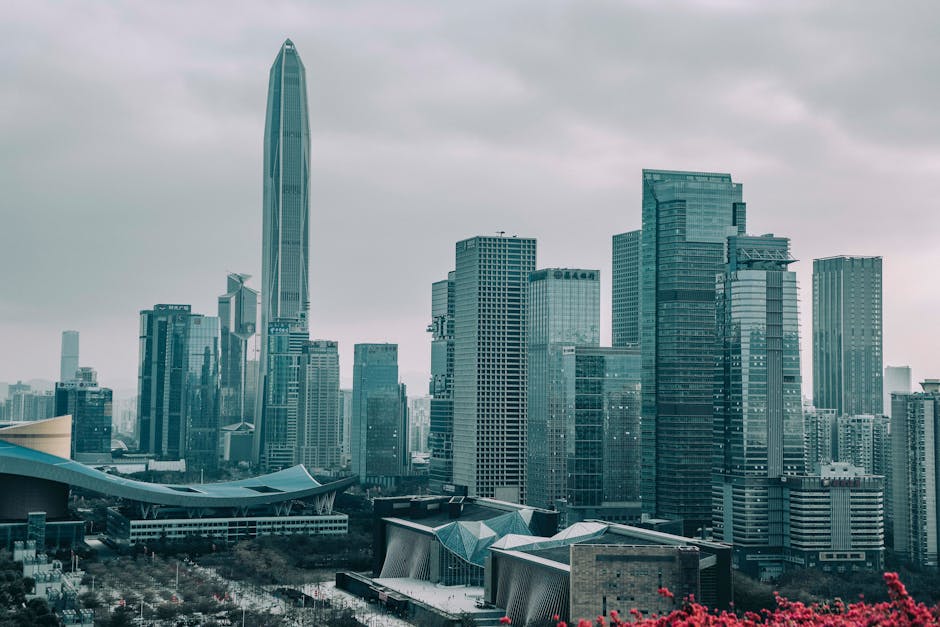
4. Geopolitical Tensions
Conflicts and geopolitical tensions often lead to uncertainty in global markets, causing fluctuations in prices. For instance, trade disputes or military escalations can derail supply chains and affect trade routes, resulting in higher transportation costs and, consequently, increased prices for goods.
In times of geopolitical instability, it’s important to stay informed. Following global news can help you anticipate changes in the market and adjust your purchasing strategy accordingly. Consider stockpiling essential goods when prices are lower.
5. Labor Wages Rising
As the job market evolves, many industries are compelled to raise wages to attract and retain talent. While higher wages are beneficial for workers, they can lead to increased costs for businesses, which may subsequently be passed onto consumers in the form of higher prices.
In light of wage increases across sectors, consider honing your skills or exploring new job markets to enhance your earning potential. This proactive approach allows you to safeguard your finances against rising costs.
6. Changes in Consumer Spending Habits
The pandemic has caused significant shifts in consumer behavior, leading to increased demand for various products and services, particularly in e-commerce. As consumers prioritize spending on goods over experiences, the surge in demand can strain supply chains and drive prices up.
To adapt to changing consumer trends, stay flexible in your purchasing habits. Embrace minimalism and prioritize necessary purchases over impulse buys to maintain control over your finances during price hikes.
7. Monetary Policies and Interest Rates
To counteract the effects of monetary policies, consider getting financially educated about interest rates. This knowledge will empower you to make informed decisions regarding loans and investments, ensuring you’re not caught off guard when rates do rise.
Second ad placement area for longer content.
8. Long-Term Economic Trends
Inflation is often driven by long-term economic trends, including population growth, urbanization, and technological advancements. As demand for resources increases with population growth, the resultant strain can create upward pressure on prices across the board.
Stay informed about these trends by following economic forecasts and analyzing market reports. Adapting your investment strategy to consider these shifts can help you capitalize on new opportunities while safeguarding against inflation.
9. Natural Disasters and Climate Change
Natural disasters and the effects of climate change can severely impact agricultural production, leading to food scarcity and subsequent price increases. With unpredictable weather patterns, crops are often at the mercy of the elements, resulting in fluctuating prices that can be difficult for consumers to manage.
To mitigate the effects of potential food price increases, consider growing your own fruits and vegetables. Even a small home garden can provide supplementary food sources and reduce dependency on market prices.
10. Global Economic Recovery Post-Pandemic
As the world emerges from the COVID-19 pandemic, economies are recovering at different rates. Some sectors are bouncing back quickly, leading to increased demand while others remain sluggish. This uneven recovery can create inflationary pressures across global markets as demand outstrips supply.
During times of economic recovery, be proactive about building your savings and considering long-term investments. This financial buffer will allow you to navigate the fluctuating prices while capitalizing on future growth opportunities.
Checklist for Navigating Rising Prices
- Diversify Your Income: Seek side hustles or additional income streams to increase overall earnings.
- Stay Informed: Keep abreast of economic news and trends that may impact your finances.
- Budget Wisely: Reassess your monthly budget to accommodate rising prices and make necessary adjustments.
- Invest in Education: Consider learning new skills to enhance your employability in a changing job market.
- Stock Up on Essentials: When possible, purchase household essentials in bulk to save during price surges.
Common Mistakes to Avoid
- Ignoring Economic Trends: Staying out of touch with economic conditions can leave you unprepared for sudden price increases.
- Overspending: Resist impulse buys, especially for non-essential items during inflationary periods.
- Failure to Diversify Investments: Avoid putting all your resources into one area; diversify to protect against market fluctuations.
- Neglecting to Update Budgets: Regularly review and adjust your budget as prices fluctuate in various sectors.
- Panicking During Market Changes: Stay calm and strategic, rather than reacting impulsively to market shifts.
Conclusion
As global prices continue to escalate, staying informed and adaptable can help you maintain financial stability in uncertain times. Whether you’re considering new investment opportunities or adjusting your spending habits, taking deliberate actions can extend your financial longevity. Ultimately, understanding the factors driving price rises allows for proactive measures, ensuring that you’re well-equipped to navigate any economic challenge ahead.
Profit Flow Daily shares practical insights on global markets, crypto, investing, money, and online income.
This article is for informational purposes only and should not be considered financial advice.