[작성자:] dbsdudah

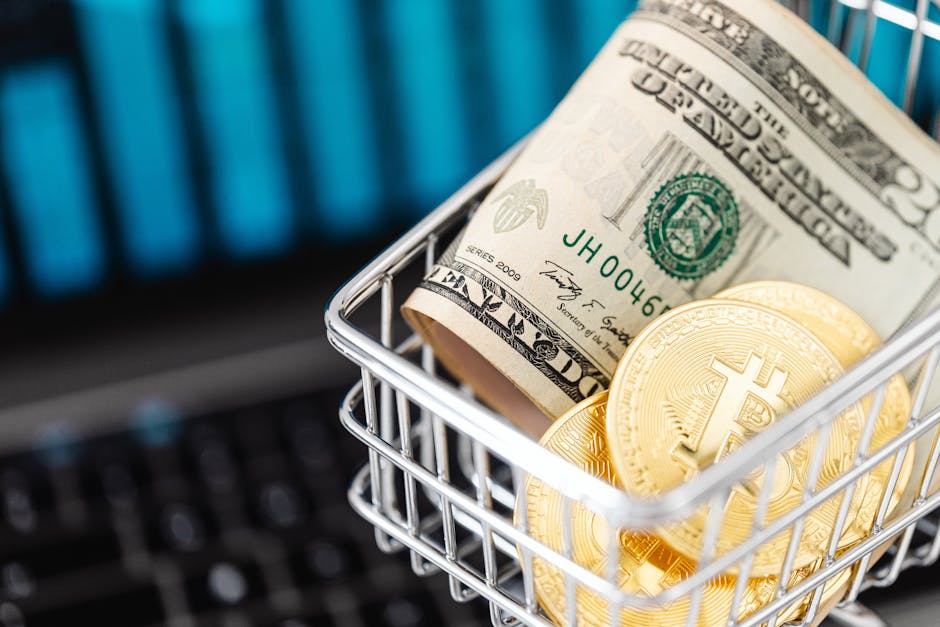
  • Understanding Bitcoin Volatility: Strategies for the Modern Investor

    Understanding Bitcoin Volatility: Strategies for the Modern Investor

    Understanding Bitcoin Volatility: Strategies for the Modern Investor
    Understanding Bitcoin Volatility: Strategies for the Modern Investor

    Bitcoin has always been a rollercoaster ride for investors, characterized by extreme highs and lows that can leave even the most experienced traders feeling dizzy. For anyone looking to capitalize on this digital asset, understanding the nuances of Bitcoin volatility is crucial. In this post, we’ll delve into what causes these fluctuations and explore effective strategies for navigating the complex landscape of cryptocurrency investments.

    The Nature of Bitcoin Volatility

    Bitcoin’s volatility is a defining feature that sets it apart from traditional investments. Several factors contribute to this phenomenon:

    • Market Sentiment: Emotion drives market movements. News, speculation, and social media hype can rapidly affect Bitcoin’s price.
    • Regulatory Changes: As governments around the world develop regulations for cryptocurrencies, announcements can lead to immediate price shifts.
    • Technological Developments: Updates to the Bitcoin network or related technologies can generate excitement or concern, affecting investor confidence.
    • Liquidity: The relatively low market capitalization of Bitcoin compared to traditional assets means that significant buy/sell orders can lead to large price swings.
    • Macro-Economic Factors: Global economic conditions, such as inflation rates and monetary policy, can influence investment in Bitcoin as an alternative asset class.

    Investor Strategies to Tame the Volatility

    Navigating the turbulent waters of Bitcoin investment requires a well-thought-out strategy. Here are several approaches that can help you manage volatility and make informed decisions:

    Dollar-Cost Averaging (DCA)

    DCA is an investment strategy where you invest a fixed amount of money into Bitcoin at regular intervals, regardless of its price. This method helps smooth the impact of volatility by averaging your purchase price over time.

    • **Pros:** Reduces the emotional impact of volatility; Less likelihood of making rash decisions during market downturns.
    • **Cons:** You may miss opportunities if Bitcoin’s price rises sharply after a dip.

    HODLing: Holding for the Long Term

    HODL, a misspelling of ‘hold,’ encourages investors to buy Bitcoin and retain it for the long term, regardless of short-term price fluctuations.

    • **Pros:** Historical data shows that Bitcoin has generally trended upwards over extended periods.
    • **Cons:** Requires patience and conviction; some may panic sell during downturns.

    Stay Informed

    Education is your greatest ally. Keeping abreast of market trends, news, and technological advances can equip you to make more informed decisions. Utilize resources like crypto news websites, forums, and podcasts.

    AdSense Area
    Google AdSense code can be inserted here later.
    Understanding Bitcoin Volatility: Strategies for the Modern Investor

    • **Pros:** Knowledge helps mitigate risks and capitalize on opportunities as they arise.
    • **Cons:** Overwhelm can occur if you attempt to absorb too much information at once.

    Technical Analysis

    For those willing to dive deeper, understanding technical analysis—using historical price data to predict future movements—can be beneficial. This involves studying charts, trends, and technical indicators to identify potential market patterns.

    • **Pros:** Ability to make educated predictions about price movements.
    • **Cons:** Not foolproof; can lead to overconfidence if you rely solely on charts.

    Risk Management: The Key to Survival

    Regardless of your chosen strategy, managing risk is essential when investing in Bitcoin:

    • Diversification: Don’t put all your eggs in one basket. Consider spreading investments across different cryptocurrencies and asset classes.
    • Set Stop-Loss Orders: Setting up stop-loss orders can prevent significant losses by automatically selling Bitcoin when its price falls to a certain level.
    • Invest Only What You Can Afford to Lose: The unpredictable nature of Bitcoin means you should invest funds that won’t jeopardize your financial stability.

    The Psychological Side of Investing

    Adopting an effective investing strategy isn’t purely analytical; it’s also significantly psychological. Successful investors often exhibit traits like discipline, patience, and emotional stability.

    • Control Emotions: Recognize that fear and greed are powerful drivers of market movement. Avoid making decisions based solely on these emotions.
    • Stay Focused on Your Strategy: Once you’ve developed an investment strategy, stick to it, rather than reacting impulsively to market changes.

    Personal Perspective on Bitcoin Investment

    Having navigated the ups and downs of Bitcoin investment myself, I can personally attest to the importance of developing a solid strategy. In my early days, I often fell prey to market emotions, buying high and selling low out of fear. However, by adopting principles like DCA and HODLing, I’ve found greater peace of mind. It’s essential to remind oneself that volatility is a natural part of the crypto landscape, and patience often pays off.

    Final Thoughts

    Bitcoin’s volatility is daunting yet presents numerous opportunities. By remaining informed, adopting sound strategies, and managing risk effectively, investors can navigate this exhilarating market and potentially benefit from its long-term growth. Remember, there are no guarantees in investing, particularly in the world of cryptocurrency. Focus on developing a strategy that aligns with your financial goals and risk tolerance.

    🔥 Takeaway: Keep checking Profit Flow Daily for practical money, crypto, investing, and online income strategies.
    Understanding Bitcoin Volatility: Strategies for the Modern Investor


    Profit Flow Daily shares practical insights on global markets, crypto, investing, money, and online income.

    This article is for informational purposes only and should not be considered financial advice.

  • Is a Crypto Market Crash Imminent? Understanding the Risks and Preparing for Volatility

    Is a Crypto Market Crash Imminent? Understanding the Risks and Preparing for Volatility

    Is a Crypto Market Crash Imminent? Understanding the Risks and Preparing for Volatility
    Is a Crypto Market Crash Imminent? Understanding the Risks and Preparing for Volatility

    The cryptocurrency market is known for its rapid rises and devastating falls. As investors eagerly anticipate the next market movement, many are left questioning: are we on the brink of another crypto market crash? In this article, we’ll explore the factors contributing to potential volatility, provide insights on risk management, and share how you can prepare for changes in the market landscape.

    Understanding the Current Market Landscape

    In recent years, the cryptocurrency market has seen exponential growth, attracting both seasoned investors and newcomers. However, with great opportunity comes great risk. The landscape is influenced by various factors, and understanding these elements can help mitigate risks associated with potential market crashes.

    Factors Influencing Market Stability

    • Regulatory Changes: Governments worldwide are increasing scrutiny on cryptocurrencies, with regulations that could dramatically affect market dynamics.
    • Technological Vulnerabilities: Security issues, network outages, or flaws in blockchain systems can lead to sudden dips in investor confidence.
    • Market Sentiment: The emotional response of investors to news, trends, and the behavior of major players can significantly sway market dynamics.
    • Macroeconomic Factors: Global economic conditions, such as inflation rates or recession fears, can impact investors’ approaches to alternative assets like cryptocurrencies.
    • Market Manipulation: The crypto market has been subject to manipulation tactics that can create artificial spikes or drops in asset values.

    Assessing the Risks of a Market Crash

    While no one can predict the future with certainty, investors should remain vigilant in assessing risks to avoid undue losses. The following points should be considered when evaluating the potential for a market crash:

    Evaluating the Current Sentiment

    Market sentiment encompasses the overall attitude of investors towards a particular market or asset class. For cryptocurrencies, sentiment can shift rapidly due to news updates or major economic events. Monitoring various social media platforms, news outlets, and forums can provide valuable insights into how the market feels at any given moment.

    Understanding Market Cycles

    Like any asset class, cryptocurrencies go through four primary phases: accumulation, uptrend, distribution, and downtrend. Being aware of which phase the market is currently in can help you make informed decisions about buying, selling, or holding assets. Use market indicators and analyses to gauge potential changes in trends.

    Practical Advice for Navigating Volatility

    Investing in cryptocurrencies is not for the faint-hearted. However, there are several strategies that can help you navigate a tumultuous market:

    Diversification

    One of the most effective ways to manage risk is by diversifying your portfolio. Consider allocating your funds across different cryptocurrencies, as well as traditional assets like stocks or bonds, to mitigate potential losses.

    AdSense Area
    Google AdSense code can be inserted here later.
    Is a Crypto Market Crash Imminent? Understanding the Risks and Preparing for Volatility

    Creating an Investment Strategy

    Develop a clear investment strategy that aligns with your financial goals. Setting parameters regarding when to buy, sell, or hold can prevent emotional decisions driven by fear or greed.

    Staying Informed

    Knowledge is power in the crypto world. Regularly update yourself on market trends, technological advancements, and regulatory developments that could impact your investments. Resources range from news websites, podcasts, to webinars that can deepen your understanding.

    Using Stop-Loss Orders

    Employing stop-loss orders allows you to set a predetermined exit point for your investments. By doing so, you can potentially limit your losses during market downturns.

    Personal Commentary on Current Trends

    As we navigate through unpredictable waters in the cryptocurrency space, I believe a cautious yet proactive approach is essential. The thrill of investing in digital currencies stems from the potential for high rewards, but it’s crucial to recognize the associated risks. Keeping in mind the broader context and your individual financial situation is vital.

    Moreover, as more institutional investors enter the market, we may see increased stability over time. However, this does not eliminate the risk of crashes entirely. It’s clear that the initial hype has faded, giving way to a more mature market but with fluctuating sentiments that need to be closely monitored.

    Conclusion

    While uncertainty looms in the crypto market, preparedness can serve as your best ally. By understanding risks and employing effective strategies, you can weather potential storms. Remember, the key is not to eliminate all risks but to manage them effectively. With the right approach, you can continue to explore the exciting world of cryptocurrency while safeguarding your investments.

    Stay Tuned for Future Updates

    As the season of volatility looms, we encourage you to stay engaged and informed. The crypto market is continuously evolving, and keeping up with insights and developments will aid you in making sound investment choices. Happy investing!

    🔥 Takeaway: Keep checking Profit Flow Daily for practical money, crypto, investing, and online income strategies.
    Is a Crypto Market Crash Imminent? Understanding the Risks and Preparing for Volatility


    Profit Flow Daily shares practical insights on global markets, crypto, investing, money, and online income.

    This article is for informational purposes only and should not be considered financial advice.

  • Essential Strategies to Safeguard Your Wealth During Inflation

    Essential Strategies to Safeguard Your Wealth During Inflation

    Essential Strategies to Safeguard Your Wealth During Inflation
    Essential Strategies to Safeguard Your Wealth During Inflation

    In today’s ever-changing economic landscape, inflation has become a pressing concern for investors globally. As prices for goods and services rise, the real value of money diminishes, prompting many individuals to seek ways to protect their hard-earned savings. This article will delve into effective strategies that can help you safeguard your wealth during times of inflation, ensuring your financial stability in the future.

    Understanding Inflation

    Before discussing protective measures, it’s crucial to understand what inflation is. Simply put, inflation is the rate at which the general level of prices for goods and services rises, eroding purchasing power. For example, if the inflation rate is 3% annually, a product that costs $100 this year will cost $103 the following year. Understanding this concept is the first step toward taking proactive measures.

    Diversification: The Cornerstone of Investment

    Diversification is a widely recommended strategy for mitigating risks associated with inflation. By spreading investments across various asset classes, such as stocks, bonds, real estate, and commodities, you can protect your portfolio from the negative effects of inflation. Here are common asset classes to consider:

    • Stocks: While some sectors are more vulnerable to inflation, companies in industries such as utilities and consumer staples can often pass costs to consumers.
    • Real Estate: Property values generally rise with inflation, making real estate a robust hedge. Rental income can also increase, providing cash flow that keeps pace with rising costs.
    • Commodities: Precious metals like gold and silver are traditional hedges against inflation. As currency values fluctuate, the inherent value of these metals tends to remain stable or even appreciate.
    • Bonds: Inflation-linked bonds, such as Treasury Inflation-Protected Securities (TIPS), can provide returns that keep pace with inflation.

    Investing in Assets That Appreciate with Inflation

    Certain asset types are designed to retain or increase value during inflationary periods. Consider the following:

    • Real Assets: Investments in physical assets (like real estate and commodities) are less affected by currency devaluation.
    • Inflation-Protected Securities: In addition to TIPS, explore other bonds that offer inflation protection, which can help preserve purchasing power.
    • Stocks with Pricing Power: Companies that can raise prices without losing customers can maintain their profit margins during inflation. Focus on sectors such as consumer essentials.

    Exploring Alternative Investments

    When traditional markets are uncertain, diversifying into alternative investments can offer new opportunities for growth and protection against inflation. Consider these options:

    AdSense Area
    Google AdSense code can be inserted here later.
    Essential Strategies to Safeguard Your Wealth During Inflation

    • Cryptocurrencies: Some investors view cryptocurrencies like Bitcoin as a hedge against inflation due to their limited supply.
    • Art and Collectibles: High-value art and collectibles (like vintage wine or rare coins) can appreciate in value and are often immune to inflationary pressures.

    Maintaining Cash Wisely

    While it might seem counterintuitive, holding cash can play a pivotal role in maintaining financial health during inflation:

    • Emergency Fund: Keep a cash emergency fund equivalent to three to six months’ worth of expenses. This secure reserve allows you to navigate inflation without relying on debt.
    • High-Interest Savings Accounts: Explore high-yield savings accounts or certificates of deposit (CDs) as they often provide better returns than traditional savings accounts.

    Continuous Education and Market Awareness

    The financial landscape is continually evolving. Stay informed about market trends, economic indicators, and investment opportunities. Here are some practical steps you can take:

    • Read Financial News: Follow reputable financial news outlets and publications to keep abreast of market trends.
    • Engage in Online Courses: Consider taking courses on investment strategies and market analysis to enhance your knowledge.
    • Connect with Financial Advisors: If possible, consult with financial professionals to tailor an investment strategy that aligns with your risk tolerance and financial goals.

    Personal Commentary: Finding Balance in Chaos

    As an investor, it can be both exciting and daunting to navigate through periods of inflation. Maintaining a balanced approach by incorporating diverse strategies can indeed set you up for success. I encourage you to view inflation as a natural part of the economic cycle rather than a hindrance to your investment journey.

    Conclusion: Taking Charge of Your Financial Future

    While inflation can pose challenges to personal wealth, employing strategic investment tactics can shield your money from losing value. By diversifying your portfolio, investing in inflation-resilient assets, and staying educated, you can take proactive steps to safeguard your finances. Remember, it’s not about eliminating risk but managing and embracing it as part of your investment journey.

    🔥 Takeaway: Keep checking Profit Flow Daily for practical money, crypto, investing, and online income strategies.
    Essential Strategies to Safeguard Your Wealth During Inflation


    Profit Flow Daily shares practical insights on global markets, crypto, investing, money, and online income.

    This article is for informational purposes only and should not be considered financial advice.

  • Unlocking Opportunities: The Best Investments During a Recession

    Unlocking Opportunities: The Best Investments During a Recession

    Unlocking Opportunities: The Best Investments During a Recession
    Unlocking Opportunities: The Best Investments During a Recession

    Investing during a recession can be daunting, but with the right strategies, you can unlock opportunities that not only protect your wealth but may even generate substantial returns. This blog post will guide you through some of the best investment options available during economic downturns while providing practical advice and insights into navigating this challenging landscape.

    Understanding Recession: An Overview

    A recession typically denotes a period of economic decline characterized by a decrease in GDP, increased unemployment, and reduced consumer spending. While such environments can create uncertainty, they also present unique avenues for savvy investors looking to capitalize on lower asset prices and shifting market dynamics.

    Why Invest During a Recession?

    Investment during a recession might seem counterintuitive, but history shows that strategic investments made during tough economic times have often led to substantial gains when the economy rebounds. Here are a few reasons why you should consider investing in a downturn:

    • Lower Asset Prices: Many stocks and real estate properties experience sharp price declines during recessions, creating potential for future appreciation.
    • A Diverse Portfolio: Maintaining an investment strategy that includes recession-resilient assets can help cushion your overall portfolio against volatility.
    • Dividends and Income: Many established companies continue to pay dividends even during downturns, providing a source of income during challenging economic times.

    Key Investment Strategies During a Recession

    1. Dividend Stocks

    Maintaining a focus on dividends can be a rewarding strategy during periods of economic turmoil. Companies with a strong history of paying dividends tend to be more stable and better able to weather economic storms.

    • Look for established, blue-chip companies with a long-standing history of dividend payments.
    • Consider sectors that are typically resilient during recessions, such as utilities, consumer goods, and healthcare.

    2. Defensive Stocks

    Defensive stocks are shares of companies that tend to perform steadily regardless of the economy’s condition. These companies often provide essential goods or services that are in demand even during downturns.

    • Essential services include grocery stores, healthcare, and utilities.
    • Research companies with strong balance sheets and low levels of debt.

    3. Precious Metals

    Investing in precious metals, particularly gold and silver, can serve as a hedge against inflation and economic instability. During recessions, these commodities tend to maintain their value.

    • Consider allocating a portion of your portfolio to physical gold, silver, or precious metal ETFs.
    • Keep in mind that while historical prices can inform your strategy, market conditions can fluctuate drastically.

    4. Real Estate

    While property values may decline during recessions, this can also present lucrative buying opportunities. Real estate offers inherent value and can provide passive income through rental properties.

    AdSense Area
    Google AdSense code can be inserted here later.
    Unlocking Opportunities: The Best Investments During a Recession

    • Focus on properties located in stable markets with strong rental demand.
    • Consider REITs (Real Estate Investment Trusts) for more liquidity and diversification in real estate investments.

    5. Bonds

    Bonds are often perceived as a safe haven during market turmoil. Government bonds, in particular, can offer protective stability to your portfolio.

    • Government Treasury bonds tend to be low risk but can offer lower returns.
    • Look into corporate bonds from stable companies with good credit ratings for potentially higher yields.

    Tips to Implement Your Recession Investment Strategy

    1. Stay Informed

    Keep yourself updated on global financial news and economic indicators that might influence market trends. Understanding current events can help you make informed investment choices.

    2. Diversify Your Portfolio

    A well-diversified portfolio can reduce risks typically associated with market downturns. Consider allocating your investments across different asset classes to spread out risk.

    3. Focus on Long-Term Goals

    Invest with a long-term perspective. While it’s tempting to react to short-term market fluctuations, history shows that maintaining a long-term view often leads to better outcomes.

    4. Reassess and Rebalance

    Continuously evaluate your portfolio for performance and alignment with your financial objectives. During a recession, some assets may perform better than others, necessitating a rebalance.

    Final Thoughts

    Investing during a recession entails navigating uncertainty and risk. By focusing on quality assets that typically perform well during downturns, you can position your portfolio for future success and take advantage of opportunities that arise. Remember to conduct thorough research and consult financial advisors if necessary, ensuring your investment strategy aligns with your long-term financial goals.

    🔥 Takeaway: Keep checking Profit Flow Daily for practical money, crypto, investing, and online income strategies.
    Unlocking Opportunities: The Best Investments During a Recession


    Profit Flow Daily shares practical insights on global markets, crypto, investing, money, and online income.

    This article is for informational purposes only and should not be considered financial advice.

  • Smart Strategies to Build Wealth in an Uncertain Economy

    Smart Strategies to Build Wealth in an Uncertain Economy

    Smart Strategies to Build Wealth in an Uncertain Economy
    Smart Strategies to Build Wealth in an Uncertain Economy

    In today’s ever-changing economic landscape, uncertainties can create challenges for wealth building. Whether influenced by fluctuating markets, geopolitical tensions, or global pandemics, investors are constantly seeking solid strategies to grow their wealth. Here, we will explore practical advice and time-tested methods to help you navigate these tumultuous times and build a secure financial future.

    Understanding Economic Uncertainty

    Economic uncertainty refers to the unpredictability that affects financial markets. This can range from inflation spikes to changing interest rates and market volatility. Recognizing these factors is crucial as it influences investment decisions and overall financial strategies.

    Diversification: Your Best Defense

    Diversification is a cornerstone of a solid investment strategy. By spreading your investments across various asset classes, you can mitigate risks associated with downturns in specific sectors. Here’s how you can effectively diversify:

    • Asset Allocation: Allocate your investments among stocks, bonds, real estate, and commodities to create a balanced portfolio.
    • Global Investments: Consider international stocks and funds to reduce exposure to local economic downturns.
    • Alternative Investments: Explore options such as peer-to-peer lending, cryptocurrencies, or collectibles, which can offer returns uncorrelated with traditional asset classes.

    Emergency Fund: A Safety Net

    Building an emergency fund is crucial, especially in an uncertain economy. This fund acts as a safety net that can cover unexpected expenses or provide financial security during downturns. Aim to save at least three to six months’ worth of living expenses:

    • Calculate Your Monthly Expenses: Understand what you need to survive for several months without income.
    • High-Interest Savings Account: Store your emergency fund in a high-yield account for easy access and some growth.
    • Automate Your Savings: Set up regular transfers from your checking account to ensure you reach your goal.

    Investing in Skills and Knowledge

    As the economy evolves, so should your skills. Investing in education and self-improvement can yield high returns. Here’s why investing in yourself is key:

    AdSense Area
    Google AdSense code can be inserted here later.
    Smart Strategies to Build Wealth in an Uncertain Economy

    • Enhance Your Employability: Developing new skills can make you more competitive in your field or even open doors to new career opportunities.
    • Pursue Certifications: Certifications in finance, data analysis, or other industries can increase your value in the job market.
    • Network: Attend seminars, webinars, and workshops to connect with industry leaders and potential mentors.

    Mindset Matters: Cultivating Resilience

    Maintaining a positive and adaptable mindset is essential for navigating uncertainty. You may face setbacks, but resilience helps you recover and continue moving forward:

    • Stay Informed: Keep abreast of economic trends and market changes. Knowledge allows you to make informed decisions.
    • Practice Patience: Building wealth takes time. Avoid impulsive decisions based on short-term market fluctuations.
    • Seek Feedback: Regularly consult with financial advisors or mentors to gain diverse perspectives on your strategies.

    Consider Passive Income Streams

    Creating passive income is a powerful way to build wealth over time. It provides a consistent cash flow without the need for active involvement. Here are some ways to establish passive income:

    • Real Estate Investments: Rental properties can offer recurring income. Consider real estate investment trusts (REITs) if you prefer not to manage property directly.
    • Dividend Stocks: Investing in dividend-yielding stocks rewards you with periodic payouts, contributing to your income.
    • Create Digital Products: E-books, online courses, or websites can generate revenue long after the initial work is done.

    Regularly Review Your Investment Portfolio

    Monitoring your portfolio is critical, especially when economic conditions change. Make it a habit to review and rebalance your investments regularly. Here’s how to do it effectively:

    • Set a Schedule: Choose a specific time (quarterly or biannually) to review your investments and assess performance.
    • Evaluate Asset Performance: Identify underperforming assets and consider reallocating funds to more promising investments.
    • Stay Updated: Economic factors can shift rapidly. Stay informed about global trends that may affect your investments.

    Conclusion: The Path to Wealth is Paved with Strategy

    Building wealth in an uncertain economy requires diligence, adaptability, and strategic planning. By diversifying your investments, maintaining an emergency fund, investing in yourself, and exploring passive income streams, you can strengthen your financial future. Remember, wealth building is a journey that requires patience and persistence. With the right mindset and strategies, you can thrive, regardless of the economic climate.

    🔥 Takeaway: Keep checking Profit Flow Daily for practical money, crypto, investing, and online income strategies.
    Smart Strategies to Build Wealth in an Uncertain Economy


    Profit Flow Daily shares practical insights on global markets, crypto, investing, money, and online income.

    This article is for informational purposes only and should not be considered financial advice.

  • Smart Investments to Consider During Economic Downturns

    Smart Investments to Consider During Economic Downturns

    Smart Investments to Consider During Economic Downturns
    Smart Investments to Consider During Economic Downturns

    As we navigate through unpredictable economic landscapes, understanding where to place your investments is more crucial than ever. Recessions, while daunting, often present unique opportunities for savvy investors. In this post, we will explore the best investment strategies you can implement during a recession that can help you not just survive but potentially thrive.

    Understanding Recession and Its Impact on Investments

    A recession is defined as a significant decline in economic activity that lasts for an extended period. The effects of a recession can be widespread, impacting businesses, jobs, and consumer spending. However, seasoned investors recognize that downturns often offer chances to buy undervalued assets, creating a pathway to future gains.

    Why Diversification is Key

    One of the first rules of investment is diversification. By spreading your investments across various asset classes, you can reduce the risk associated with any single investment. During a recession, some sectors will inevitably falter, while others may remain resilient or even flourish. Here are some key areas to consider:

    • Defensive Stocks: These are companies that sell essential products or provide essential services, regardless of economic conditions. Think utilities, consumer staples, and healthcare.
    • Dividend-Paying Stocks: Companies that pay dividends can provide a steady income stream even during market volatility. Look for well-established businesses with a history of maintaining or increasing their dividends.
    • Bonds: High-quality bonds, particularly government and corporate bonds, can provide safety and stable returns during turbulent times.
    • Gold and Precious Metals: Traditionally considered safe-haven assets, gold and other precious metals tend to retain value in times of economic uncertainty.
    • Real Estate: While real estate can be volatile, opportunities to purchase undervalued properties may arise during recessions. Consider investing in rental properties or Real Estate Investment Trusts (REITs).

    Investing in Defensive Sectors

    Defensive sectors generally encompass industries that provide essential goods and services. During an economic downturn, these industries are less susceptible to the cyclical ups and downs of the economy. Here are some sectors to keep on your radar:

    Consumer Staples

    Companies that produce everyday goods such as food, beverages, and household products tend to weather economic storms better than others. These stocks often provide stable earnings and can be a good choice to minimize risk during periods of uncertainty.

    Healthcare

    The healthcare sector remains crucial no matter the economic climate. Invest in pharmaceutical companies, biotechnology firms, or health services. People will always need healthcare services, thus providing some level of stability.

    AdSense Area
    Google AdSense code can be inserted here later.
    Smart Investments to Consider During Economic Downturns

    Utilities

    Utilities like water, electricity, and gas are necessities that maintain steady demand, even in tough times. Utility companies often offer reliable dividends, making them attractive to risk-averse investors.

    Exchange-Traded Funds (ETFs) and Mutual Funds

    If individual stock picking feels overwhelming, consider ETFs and mutual funds. These financial instruments provide indirect exposure to various sectors while diversifying your portfolio in a single purchase.

    • Sector-specific ETFs: Look for funds that focus on the defensive sectors mentioned above.
    • Bond funds: These can instantly grant you access to a variety of bonds without having to purchase them individually.

    Alternative Investments

    In challenging economic periods, some investors turn to alternative assets. These can include:

    • Real Estate: Look for properties in stable or growing markets. Timing can be less crucial if you are focused on long-term investment returns.
    • Commodities: As traditional asset classes falter, commodities like precious metals can provide a hedge against inflation and currency fluctuations.
    • Cryptocurrencies: While highly volatile, cryptocurrencies may offer diversification and potential for high returns, but only invest what you can afford to lose.

    Practical Tips for Investing During Recessions

    Here are some practical strategies to consider when investing during a recession:

    • Do Your Research: Understand how different sectors perform during past recessions. Analyze historical data to inform your decisions.
    • Have a Strategy: Establish and stick to a diverse investment strategy rather than reacting impulsively to market changes.
    • Focus on Quality: Look for high-quality investments that can withstand economic downturns. Focus on companies with strong balance sheets and competitive advantages.
    • Think Long-term: Recessions are challenging, but they typically don’t last forever. Focus on long-term growth rather than short-term gains.
    • Stay Calm: Emotional decision-making can lead to poor investment choices. Keep a level head and stick to your plan.

    Conclusion

    While economic downturns can be intimidating for investors, they also present unique opportunities for those willing to navigate the landscape wisely. By diversifying your portfolio across resilient sectors, considering alternative investments, and maintaining a long-term perspective, you can capitalize on these opportunities. Remember, even in the face of uncertainty, a well-thought-out investment strategy can help you achieve financial success.

    Always consult with a financial advisor before making significant investment decisions to tailor a plan that suits your individual risk appetite and financial goals.

    🔥 Takeaway: Keep checking Profit Flow Daily for practical money, crypto, investing, and online income strategies.
    Smart Investments to Consider During Economic Downturns


    Profit Flow Daily shares practical insights on global markets, crypto, investing, money, and online income.

    This article is for informational purposes only and should not be considered financial advice.

  • Understanding the Global Impact of Inflation: What You Need to Know

    Understanding the Global Impact of Inflation: What You Need to Know

    Understanding the Global Impact of Inflation: What You Need to Know
    Understanding the Global Impact of Inflation: What You Need to Know

    As inflation rates surge around the world, individuals and businesses alike are feeling the pressure. Whether you’re a consumer facing rising prices or an entrepreneur trying to keep costs manageable, understanding the implications of inflation is crucial. In this article, we will delve into how inflation affects different economies globally, the underlying causes, and what steps you can take to mitigate its impact on your personal and financial well-being.

    What is Inflation?

    Inflation is the rate at which the general level of prices for goods and services rises, eroding purchasing power. Central banks, such as the Federal Reserve in the United States and the European Central Bank, often aim to maintain a stable inflation rate to promote sustainable economic growth.

    Current Trends in Global Inflation Rates

    In recent years, inflation rates have seen unprecedented increases largely due to various factors including:

    • Pandemic Aftermath: The supply chain disruptions caused by COVID-19 have resulted in shortages of goods, thereby driving up prices.
    • Energy Prices: Fluctuations in oil and gas prices have a direct impact on transportation and production costs, cascading through the economy.
    • Geopolitical Events: Conflicts can disrupt supply lines and create uncertainty in markets, affecting the prices of vital commodities.
    • Monetary Policy Changes: Central banks have at times injected significant liquidity into economies, which can lead to inflation when supply can’t meet demand.

    The Global Effects of Inflation

    Inflation does not just impact consumers; its ripples can be felt throughout entire economies and on an international scale. Below are some of the significant effects inflation has globally:

    1. Decreased Purchasing Power

    As prices rise, the amount that consumers can buy with their income decreases. This can lead to a reduction in overall spending, pushing economies into slower growth or recession.

    2. Impacts on Investments

    Higher inflation can lead to increased interest rates as central banks attempt to control it. This can make borrowing more expensive and dampen investment opportunities for businesses and individuals.

    3. Currency Value Fluctuations

    Inflation can lead to depreciation of currencies as confidence wanes. As currencies lose value, it can have a direct impact on international trade, making imports more expensive and potentially leading to trade imbalances.

    4. Increased Cost of Living

    From basic goods to housing, inflation can significantly increase the cost of living across the globe, compelling consumers to reassess their budgets and spending habits.

    AdSense Area
    Google AdSense code can be inserted here later.
    Understanding the Global Impact of Inflation: What You Need to Know

    5. Social Disparities

    Inflation can disproportionately affect lower-income households, which spend a higher percentage of their incomes on essential goods. This can exacerbate social inequalities and create greater economic divides.

    Practical Steps to Manage Personal Finances Amid Inflation

    While inflation presents significant challenges, there are several strategies individuals can adopt to manage their finances effectively:

    • Budget Adjustments: Re-evaluate your budget to allocate more towards essential expenses and find areas where you can cut back.
    • Diverse Investments: Consider diversifying your investment portfolio, including assets that typically hold value well against inflation, such as real estate or commodities.
    • Staying Informed: Keep track of economic indicators and inflation trends to anticipate changes and adjust your financial strategies accordingly.
    • Emergency Savings: Building or maintaining a strong emergency fund can cushion you against unexpected price hikes or economic slowdowns.
    • Negotiation Skills: Don’t hesitate to negotiate contracts, salaries, or even everyday expenses. Inflation can mean that service providers and vendors are more willing to negotiate to retain customers.

    Looking Ahead: Solutions to Inflationary Pressures

    Despite the challenges posed by inflation, there are both short-term and long-term solutions that can be explored globally to address rising prices:

    1. Enhanced Supply Chain Management

    Improving supply chain efficiencies can help alleviate some inflationary pressures by reducing costs and ensuring that products reach consumers quicker.

    2. Investments in Renewable Energy

    Shifting to sustainable energy sources can provide more stable prices over time and reduce vulnerability to oil price shocks.

    3. Collaborative Policy Approaches

    Governments and central banks working together can develop coordinated monetary and fiscal policies that stabilize economies and mitigate the impacts of inflation.

    Final Thoughts

    Inflation is a complex issue that affects economies around the globe in various ways. While it presents significant challenges for both consumers and businesses, by understanding its impact and implementing practical strategies, it is possible to navigate this economic landscape. Remember that awareness and adaptability are your allies in facing inflation head-on.

    As we continue to monitor the global economic climate, staying informed and proactive will empower individuals and businesses to thrive, regardless of economic conditions.

    🔥 Takeaway: Keep checking Profit Flow Daily for practical money, crypto, investing, and online income strategies.
    Understanding the Global Impact of Inflation: What You Need to Know


    Profit Flow Daily shares practical insights on global markets, crypto, investing, money, and online income.

    This article is for informational purposes only and should not be considered financial advice.

  • Unlocking Wealth: The Best Passive Income Ideas for Beginners Worldwide

    Unlocking Wealth: The Best Passive Income Ideas for Beginners Worldwide

    Unlocking Wealth: The Best Passive Income Ideas for Beginners Worldwide
    Unlocking Wealth: The Best Passive Income Ideas for Beginners Worldwide

    In today’s fast-paced world, the idea of generating income without actively working for it is more appealing than ever. Passive income can provide financial freedom and allow individuals to focus on what truly matters to them. If you’re a beginner looking to dip your toes into the world of passive income, you’ve come to the right place. In this post, we’ll explore some of the best passive income ideas available globally, offering practical tips and personal insights to help you get started on your journey.

    What is Passive Income?

    Before we dive into specific ideas, let’s clarify what passive income means. Essentially, passive income refers to money earned in a way that requires little to no effort to maintain. Unlike traditional jobs where you trade time for money, passive income allows you to continue earning once you’ve set up your income-generating asset.

    Popular Passive Income Ideas

    Here are a few of the best passive income ideas that are suitable for beginners around the globe:

    1. Affiliate Marketing

    Affiliate marketing is a popular choice for many aspiring entrepreneurs. By promoting products or services through your blog, social media, or website, you can earn commissions on sales made through your unique affiliate links.

    • Choose a niche: Focus on a specific area that interests you and has potential for profit.
    • Build an audience: Utilize social media, SEO, and content marketing to grow your audience.
    • Join affiliate programs: Sign up for brands or networks in your niche and start promoting.

    This method can take time to establish, but with persistence, it can generate a steady stream of income over time.

    2. Create and Sell Digital Products

    If you have expertise in a particular area, consider creating digital products such as eBooks, online courses, or printables. This idea allows you to earn money each time someone purchases your product.

    • Identify your expertise: What knowledge can you share? Focus on a topic that excites you.
    • Create quality content: Invest time in creating informative and valuable resources for your audience.
    • Market your products: Use social media, email marketing, and collaborations to reach potential buyers.

    Once created, these products require minimal effort to maintain.

    3. Invest in Real Estate Investment Trusts (REITs)

    Real estate can be a powerful way to generate passive income, but buying physical properties can require substantial capital, not to mention the effort involved in property management. This is where Real Estate Investment Trusts (REITs) become an attractive option.

    AdSense Area
    Google AdSense code can be inserted here later.
    Unlocking Wealth: The Best Passive Income Ideas for Beginners Worldwide

    • Research REITs: Look for investment opportunities in diversified portfolios of properties.
    • Choose a platform: Many online brokerages offer easy access to invest in REITs with minimal fees.
    • Monitor your investments: Keep track of your investments and adjust your portfolio as necessary.

    With REITs, you can enjoy the benefits of real estate investing without the hassles of managing properties.

    4. Peer-to-Peer Lending

    If you’re looking for a way to make your money work for you, consider peer-to-peer (P2P) lending. This method allows you to lend money to individuals or businesses through online platforms, earning interest on your loans.

    • Select a P2P platform: Research and choose a reputable platform that aligns with your investment goals.
    • Assess risk: Review borrower profiles, considering both interest rates and risk levels.
    • Diversify your loans: Spread your investment across multiple borrowers to mitigate risk.

    P2P lending can yield impressive returns but does come with some risk, so it’s important to conduct thorough research.

    5. Start a YouTube Channel

    Creating a YouTube channel can be a fun and rewarding way to establish passive income. As your channel grows and gains subscribers, you can earn money through ad revenue, sponsored content, and affiliate marketing.

    • Find your niche: Focus on a subject you are passionate about to engage with viewers authentically.
    • Create consistent content: Regularly upload videos to keep your audience engaged.
    • Monetize your channel: Once you meet the eligibility requirements, enable monetization to earn ad revenue.

    Although building a successful channel takes time, the rewards can be well worth the effort.

    What to Keep in Mind

    While the passive income ideas outlined above can be effective, it’s essential to approach them realistically:

    • Patience is key: Most passive income ideas require time to generate significant returns.
    • Continuous learning: Stay updated on trends in your chosen niche and adapt your strategies accordingly.
    • Be cautious of scams: Many schemes promise instant wealth; always verify before investing time or money.

    By understanding the commitment involved and consistently applying your efforts, you can navigate the world of passive income successfully.

    Conclusion

    Embarking on your passive income journey can offer wonderful opportunities, but it requires a strategic approach and a willingness to learn. The ideas discussed in this article serve as a practical starting point for beginners around the world. Remember, there are no guarantees for quick success, but with dedication and persistence, you can build a passive income stream that works for you!

    🔥 Takeaway: Keep checking Profit Flow Daily for practical money, crypto, investing, and online income strategies.
    Unlocking Wealth: The Best Passive Income Ideas for Beginners Worldwide


    Profit Flow Daily shares practical insights on global markets, crypto, investing, money, and online income.

    This article is for informational purposes only and should not be considered financial advice.

  • Discover Lucrative Side Hustles You Can Start from Home Anywhere

    Discover Lucrative Side Hustles You Can Start from Home Anywhere

    Discover Lucrative Side Hustles You Can Start from Home Anywhere
    Discover Lucrative Side Hustles You Can Start from Home Anywhere

    In today’s digital age, the concept of a side hustle has become more accessible than ever. Many people are looking for ways to augment their income without committing to a traditional 9-to-5 job. Fortunately, there are numerous side hustles you can start from the comfort of your home, anywhere in the world. This guide will explore various opportunities, providing practical advice on how to leap into these ventures successfully.

    Understanding Side Hustles

    Before delving into specific options, it’s essential to understand what a side hustle is. Essentially, a side hustle is an additional job or project that someone takes on to earn extra income aside from their primary source of revenue.

    Why Start a Side Hustle?

    • Financial Freedom: Extra income can alleviate the burden of monthly expenses.
    • Skill Development: Side hustles can help you develop new skills that may benefit your career.
    • Flexibility: Many side hustles allow you to set your own hours and work from home.
    • Creative Outlet: Engage in something you’re passionate about while earning money.

    Popular Side Hustles to Consider

    1. Freelance Writing

    Freelance writing is a highly sought-after skill that allows you to create content for blogs, websites, and marketing materials. Here’s how to get started:

    • Identify Your Niche: Determine what topics you are passionate about or have expertise in.
    • Create a Portfolio: Develop samples of your writing to showcase your skills to potential clients.
    • Use Freelance Platforms: Websites like Upwork, Freelancer, and Fiverr can connect you with clients.

    2. Virtual Assistance

    As more businesses move online, the demand for virtual assistants continues to grow. Virtual assistants provide administrative support from remote locations.

    • Assess Your Skills: Determine what administrative tasks you are capable of performing (e.g., email management, scheduling).
    • Promote Your Services: Use social media and freelance platforms to market your skills.
    • Build Relationships: Establish connections with your clients for future opportunities.

    3. Online Tutoring

    If you have expertise in a particular subject area, online tutoring is an excellent side hustle. You can teach students from all over the world.

    AdSense Area
    Google AdSense code can be inserted here later.
    Discover Lucrative Side Hustles You Can Start from Home Anywhere

    • Choose Your Subject: Focus on subjects you are knowledgeable in and can effectively teach.
    • Find a Platform: Websites like Tutor.com or VIPKid can help you connect with students.
    • Create a Scheduling System: Make sure to set reasonable hours that fit your primary commitments.

    4. E-commerce and Dropshipping

    The advent of technology has enabled many individuals to start their own e-commerce business with minimal upfront investment, especially through dropshipping.

    • Choose a Niche: Determine what products you would like to sell and research potential suppliers.
    • Set Up an Online Store: Utilize platforms like Shopify or WooCommerce to create your store.
    • Market Your Products: Use social media and online advertising to attract customers.

    5. Affiliate Marketing

    Affiliate marketing is an excellent way to earn passive income by promoting products and receiving a commission for sales made through your referral links.

    • Find Your Audience: Determine who you want to target with your promotions.
    • Choose Affiliate Programs: Look for programs like Amazon Associates or ShareASale that align with your niche.
    • Produce Quality Content: Create engaging content that incorporates your affiliate links effectively.

    Tips for Success

    No matter what side hustle you choose, there are several key considerations for ensuring your success:

    • Start Small: Don’t overwhelm yourself by taking on too much at once. Start with one hustle and expand as you gain confidence.
    • Stay Consistent: Dedicate time to your side hustle regularly to build momentum.
    • Network: Engage with others in your industry to learn and share resources.
    • Educate Yourself: Invest in learning new skills or tools that can elevate your side hustle.

    Conclusion

    There has never been a better time to explore side hustles. With the rise of technology and the gig economy, numerous opportunities are available for anyone willing to put in the effort. Remember, while side hustles can provide additional income, they require dedication, but they can transform your financial situation over time. Ultimately, the most crucial step is to choose a side hustle that resonates with your skills and interests, paving the way for a successful venture from home, no matter where you are in the world.

    🔥 Takeaway: Keep checking Profit Flow Daily for practical money, crypto, investing, and online income strategies.
    Discover Lucrative Side Hustles You Can Start from Home Anywhere


    Profit Flow Daily shares practical insights on global markets, crypto, investing, money, and online income.

    This article is for informational purposes only and should not be considered financial advice.
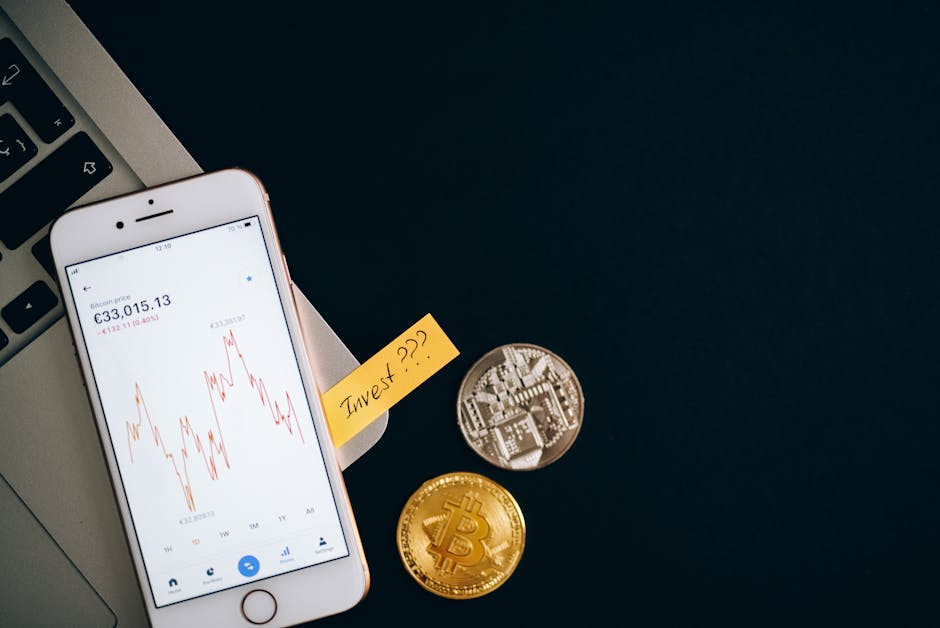
  • Understanding the Risks of a Crypto Market Crash: What You Need to Know

    Understanding the Risks of a Crypto Market Crash: What You Need to Know

    Understanding the Risks of a Crypto Market Crash: What You Need to Know
    Understanding the Risks of a Crypto Market Crash: What You Need to Know

    The world of cryptocurrency is characterized by its volatility and unpredictability. As digital currencies continue to gain popularity and acceptance, the potential for significant market fluctuations remains a critical concern for investors and enthusiasts alike. In this article, we will delve into the factors contributing to the risks associated with a crypto market crash and offer practical advice to navigate this tumultuous landscape.

    The Nature of Cryptocurrency Volatility

    Cryptocurrencies are known for their substantial price swings. Unlike traditional financial assets, crypto assets can fluctuate wildly in short periods, influenced by a variety of external factors. Below are some reasons why the crypto market is particularly susceptible to crashes:

    • Market Sentiment: Investor sentiment plays a crucial role in price movements. News, social media buzz, and influential figures can quickly sway public perception, leading to panic selling or buying frenzies.
    • Global Events: Political instability, economic downturns, or changes in monetary policy can spur crashes. For instance, regulatory announcements can trigger swift sell-offs across the board.
    • Liquidity Issues: The crypto market, while growing, can still suffer from liquidity problems, especially with smaller cryptocurrencies. Low liquidity can lead to larger price drops since it takes fewer sales to impact the market significantly.
    • Technological Failures: Bugs and hacks can undermine confidence in cryptocurrencies. Any significant breach or technological failure can lead to sharp declines in price as investors flee to safer assets.
    • Market Manipulation: Unlike more regulated financial markets, the crypto market is particularly vulnerable to manipulative practices like pump-and-dump schemes, which can cause erratic price movements.

    Identifying Signs of a Potential Crash

    While predicting the exact timing of a crash is nearly impossible, certain indicators can signal that a downturn may be on the horizon. Here are a few signs to watch for:

    • Increased Volatility: A sudden increase in price volatility can be a precursor to a crash. Keep an eye on sharp price movements and increased trading volumes.
    • Over-Leveraged Traders: A surge in margin trading can lead to an unstable market. When traders are over-leveraged, even small price declines can trigger significant sell-offs.
    • Negative News Cycle: A consistent wave of negative news regarding the crypto market or a specific cryptocurrency can erode investor confidence.
    • Regulatory Changes: Keep track of announcements from global regulatory bodies that might impact market dynamics. Tightening regulations can dampen enthusiasm and lead to selling pressure.

    Practical Advice for Navigating Market Risks

    Investing in cryptocurrencies can be thrilling, but the associated risks are high. Here are some practical steps you can take to mitigate potential losses during turbulent times:

    AdSense Area
    Google AdSense code can be inserted here later.
    Understanding the Risks of a Crypto Market Crash: What You Need to Know

    • Diversify Your Portfolio: Do not put all your investment capital into one crypto asset. Diversifying can help spread risk across different assets and reduce exposure to a single point of failure.
    • Set Stop-Loss Orders: Consider employing stop-loss orders to protect your investments during downturns. This strategy can help you limit losses by automatically selling your assets when they reach a predetermined price.
    • Stay Informed: Regularly follow crypto news updates and market analysis. Being informed can help you make more strategic decisions when volatility strikes.
    • Invest Only What You Can Afford To Lose: Given the high-risk nature of cryptocurrencies, it is advisable only to invest what you can afford to lose without compromising your financial well-being.
    • Remain Level-Headed: Emotional decision-making can lead to mistakes. Maintain a disciplined approach to trading and investing, and avoid making decisions based purely on fear or hype.

    Personal Commentary on Current Market Conditions

    As we observe the current landscape of cryptocurrency, it’s clear that the market is at a crossroads. While many believe in the long-term implications of blockchain technology and digital currencies, the short-term volatility will likely continue to challenge investors. With the increasing institutional interest in cryptocurrencies, the market has the potential for growth, but it also carries inherent risks that cannot be overlooked.

    If you are involved in crypto investment, I encourage you to stay vigilant. Monitor market trends, focus on reliable sources of information, and make educated decisions rather than falling prey to the pressures of market noise. In uncertain times, remember the importance of a strategic approach to safeguard your investments.

    The Road Ahead: Preparing for Future Market Changes

    As the cryptocurrency market continues to evolve, being prepared for future changes is essential. Understanding the mechanics behind market behaviors and keeping abreast of technological advancements will equip you with the tools necessary to navigate the ever-changing landscape. Effective decision-making requires patience, research, and sometimes, a willingness to step back and reassess.

    In conclusion, while the risks of a crypto market crash are significant, proactive measures can greatly reduce potential losses. By fostering a mindset of caution, fostering diversified investments, and staying informed, investors can better position themselves against the volatile nature of cryptocurrencies. Remember, the journey in the crypto space can be rewarding, but it must be approached with care and strategic foresight.

    🔥 Takeaway: Keep checking Profit Flow Daily for practical money, crypto, investing, and online income strategies.
    Understanding the Risks of a Crypto Market Crash: What You Need to Know


    Profit Flow Daily shares practical insights on global markets, crypto, investing, money, and online income.

    This article is for informational purposes only and should not be considered financial advice.