
[카테고리:] Economic News

  • Are We on the Brink? Key Warning Signs of a Global Market Crash

    Are We on the Brink? Key Warning Signs of a Global Market Crash

    Are We on the Brink? Key Warning Signs of a Global Market Crash
    Are We on the Brink? Key Warning Signs of a Global Market Crash

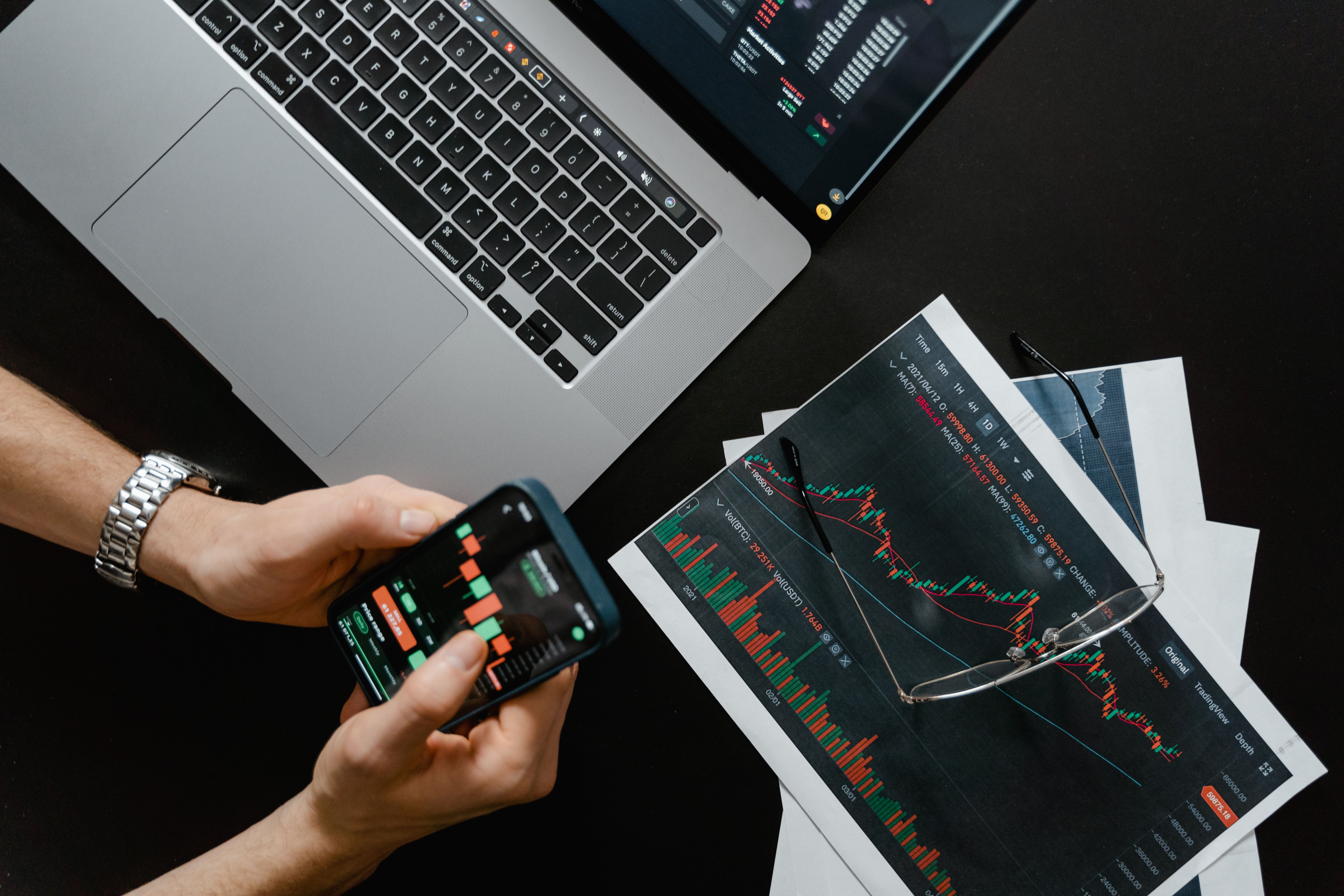
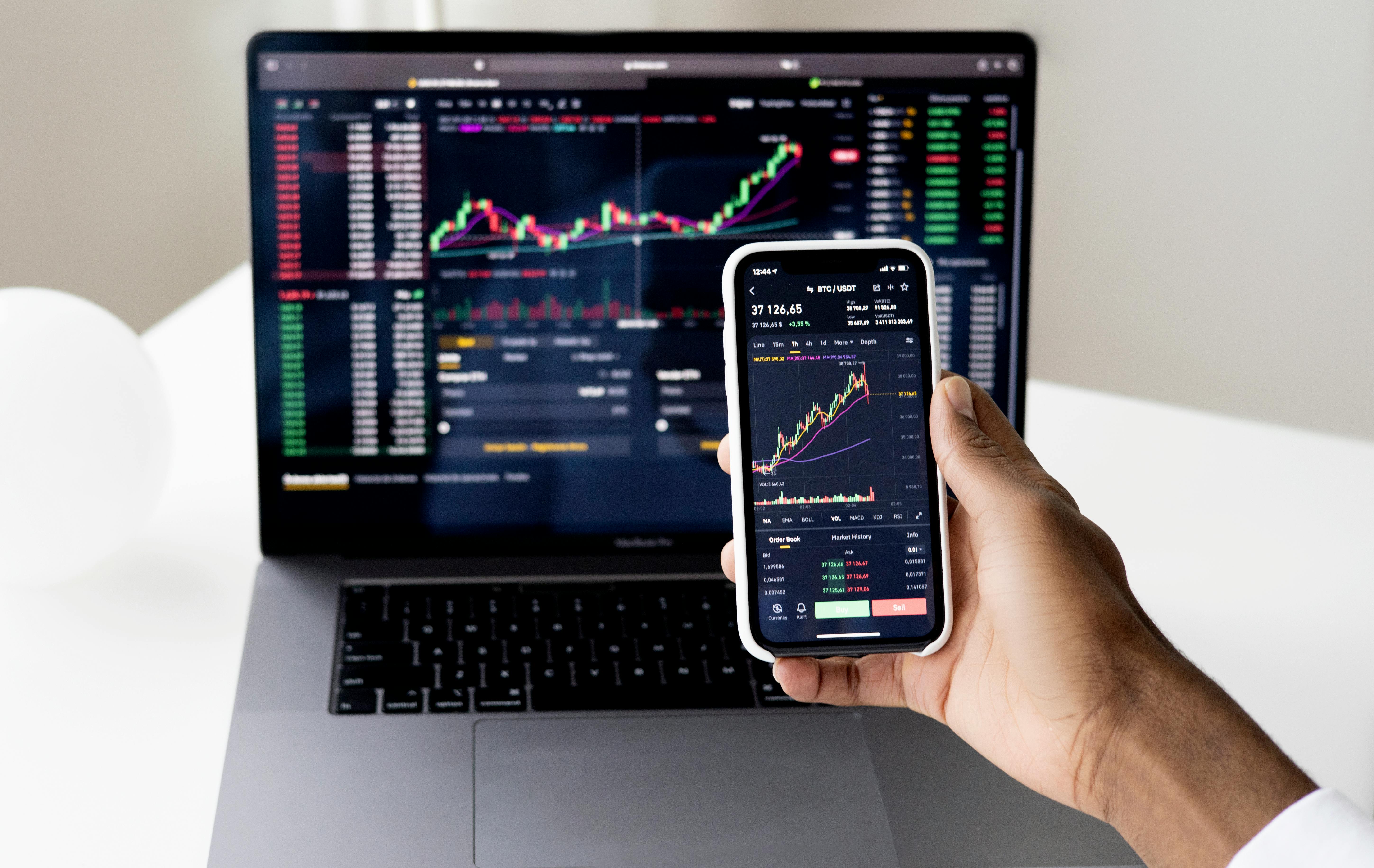
    The financial markets have always had their ups and downs, but as we look towards the horizon, we cannot overlook the growing alarm bells hinting at a potential global market crash. This piece will delve deep into the various warning signs that investors should keep an eye on to protect their finances and make informed decisions.

    Understanding Market Cycles

    Before we identify warning signs, it’s essential to grasp the concept of market cycles. These are natural fluctuations in the economy that typically have four stages: recovery, expansion, contraction, and trough. Each stage can provide hints about the overall health of the market.

    Signs of a Potential Downturn

    • Increased Volatility: A significant spike in market volatility can be a precursor to a downturn. Volatility reflects investor uncertainty, which can lead to rapid sell-offs.
    • Declining Consumer Confidence: When consumers start to feel pessimistic about the economy, it often leads to decreased spending. Look at consumer confidence reports as a potential harbinger of trouble ahead.
    • Rising Interest Rates: Central banks worldwide typically raise interest rates to combat inflation. While this can stabilize an overheating economy, higher rates also put pressure on borrowing costs for individuals and businesses.
    • High Corporate Debt Levels: The surge in corporate debt, driven by cheap loans, can lead to defaults if the economic environment changes. Investors should scrutinize companies’ balance sheets for any red flags.
    • Global Trade Tensions: Tariffs and trade wars create uncertainty and slow down growth, which can trigger negative market reactions. Keeping abreast of international relations can offer insights into market trajectories.
    • Cyclical Stock Behavior: Certain sectors tend to outperform during economic expansion and underperform during a contraction. Watch for signs that heavyweights like technology or consumer discretionary stocks are leading the charge downwards.

    Global Factors Equally at Play

    It’s crucial to consider that no region operates in isolation in today’s interconnected economy. Events in one part of the world can create waves that affect markets globally. Here are some factors to watch:

    AdSense Area
    Google AdSense code can be inserted here later.
    Are We on the Brink? Key Warning Signs of a Global Market Crash
    • Geopolitical Instability: Conflicts and diplomacy failures can rock markets. Investors should stay informed about key regions and their stability.
    • Natural Disasters: Events like earthquakes or pandemics can disrupt supply chains and economic growth. The pandemic taught us the importance of being prepared for unforeseen circumstances.
    • Technological Disruptions: Rapid advancements can disrupt existing business models. Monitor industries that could face challenges from tech innovations, as these effects can ripple through markets.

    Practical Advice for Investors

    In light of these warning signs, it’s imperative to take a proactive approach. Here are several strategies to consider.

    • Diversification: Spread your investments across various asset classes to mitigate risk. This ensures that not all your investments are affected by the same market forces.
    • Emergency Fund: Maintain a robust cash reserve to weather market downturns. This fund can provide liquidity when opportunities arise or when you need to sell investments during a downturn.
    • Long-Term Vision: In periods of market volatility, it’s important to focus on long-term growth rather than short-term fluctuations. Ensure your investment thesis aligns with your financial goals and remain patient.
    • Continuous Learning: Stay informed about market trends and economic indicators. Regularly investing time in financial education can prepare you for potential challenges ahead.
    • Professional Guidance: If you feel overwhelmed, consider consulting with a financial advisor who can tailor a strategy based on your individual risk tolerance and investment goals.

    Personal Insights

    As I navigate this economic landscape, I find that staying level-headed is crucial. While it’s easy to be swayed by sensational headlines and market noise, grounding my investment decisions in solid research and emotional control has been invaluable. I often remind myself that every downturn, while challenging, can also present unique opportunities for those prepared to act.

    Conclusion

    While predicting the next global market crash might be difficult, understanding and recognizing these warning signs can significantly enhance your preparedness. By maintaining a cautious and informed approach, you can not only protect your investments but also capitalize on the ever-evolving economic landscape. The goal should be not just to survive in turbulent times but to thrive when opportunities present themselves.

    Image Keywords

    • financial market volatility chart
    • global economic indicators infographic
    • investor sentiment bar graph
    🔥 Takeaway: Keep checking Profit Flow Daily for practical money, crypto, investing, and online income strategies.
    Are We on the Brink? Key Warning Signs of a Global Market Crash

    Profit Flow Daily shares practical insights on global markets, crypto, investing, money, and online income.

    This article is for informational purposes only and should not be considered financial advice.

  • How Interest Rates Impact the Global Economy: What You Need to Know

    How Interest Rates Impact the Global Economy: What You Need to Know

    How Interest Rates Impact the Global Economy: What You Need to Know
    How Interest Rates Impact the Global Economy: What You Need to Know

    The world is facing a pivotal moment as interest rates fluctuate across various economies. Understanding how these changes impact the global economic landscape is not just vital for policymakers but also crucial for investors, businesses, and everyday individuals looking to navigate their financial futures. In this article, we will delve into the significance of interest rates, their effects on economic growth and investment, and what you can do to adapt to these changes.

    What Are Interest Rates?

    Interest rates represent the cost of borrowing money or the return on savings, typically expressed as a percentage. Central banks around the world, such as the European Central Bank or the Bank of England, set these rates as part of their monetary policy.

    The Role of Central Banks

    • Setting Rates: Central banks adjust interest rates to influence economic activity.
    • Controlling Inflation: By increasing rates, they can help keep inflation in check.
    • Encouraging Growth: Lowering rates can stimulate borrowing and spending.

    The Impact on Global Economies

    Changes in interest rates have a ripple effect that can be felt around the globe.

    1. Investment Decisions

    Higher interest rates can deter investment. When borrowing costs rise, businesses may postpone expansion projects or capital investments. Conversely, lower rates can make it cheaper to finance new ventures, thus spurring growth.

    2. Currency Strength

    The interest rate set by a central bank influences the value of its currency. Higher rates often attract foreign capital, leading to a stronger currency, while lower rates can weaken it. This fluctuation impacts international trade and investment.

    AdSense Area
    Google AdSense code can be inserted here later.
    How Interest Rates Impact the Global Economy: What You Need to Know

    3. Consumer Behavior

    When interest rates rise, consumers may be less inclined to take out loans for big-ticket items like homes or cars. On the other hand, a decrease in rates often leads to increased consumer spending, benefiting sectors such as retail and services.

    Global Economic Slowdown and Recovery

    Recent events, such as the pandemic and geopolitical tensions, have contributed to economic slowdowns worldwide. Now, rising interest rates are being utilized as a tool to stabilize economies. Here’s how you can prepare:

    Practical Advice for Individuals and Investors

    • Diversify Your Investments: In uncertain environments, diversifying your portfolio across various asset classes can mitigate risks. Look beyond stocks and consider bonds, real estate, or even alternative investments.
    • Monitor Interest Rate Trends: Keeping an eye on interest rate announcements can provide insights into market movements. Use financial news websites or subscription services to stay updated.
    • Adjust Debt Strategy: If you have loans, consider locking in fixed rates before they rise further, or pay down variable interest debt to avoid higher future payments.

    Interest Rates and the Future of Work

    The evolution of global work structures has been profound, especially with the rise of remote work. Lower interest rates may boost innovative businesses that offer flexible work environments, while higher rates could shift dynamics as companies reassess their financial capabilities.

    Strategies for Remote Workers

    • Invest in Upgrading Skills: As the market changes, staying competitive is crucial. Consider taking online courses to enhance your skills.
    • Network Virtually: Build connections through online platforms to uncover new opportunities.
    • Utilize Tools for Financial Management: Remote work can lead to irregular income streams. Adopt tools that help track your finances and plan for variations in cash flow.

    Concluding Thoughts

    In summary, interest rates are a critical component of the global economic puzzle. While changes can create uncertainty, being informed allows individuals and businesses to adapt effectively. Stay proactive, keep an eye on market trends, and always be prepared for the evolving economic landscape.

    Remember, while navigating these waters may seem daunting, it is also an opportunity to reassess investment strategies, financial habits, and what the future holds for us all in an interconnected world.

    🔥 Takeaway: Keep checking Profit Flow Daily for practical money, crypto, investing, and online income strategies.
    How Interest Rates Impact the Global Economy: What You Need to Know

    Profit Flow Daily shares practical insights on global markets, crypto, investing, money, and online income.

    This article is for informational purposes only and should not be considered financial advice.
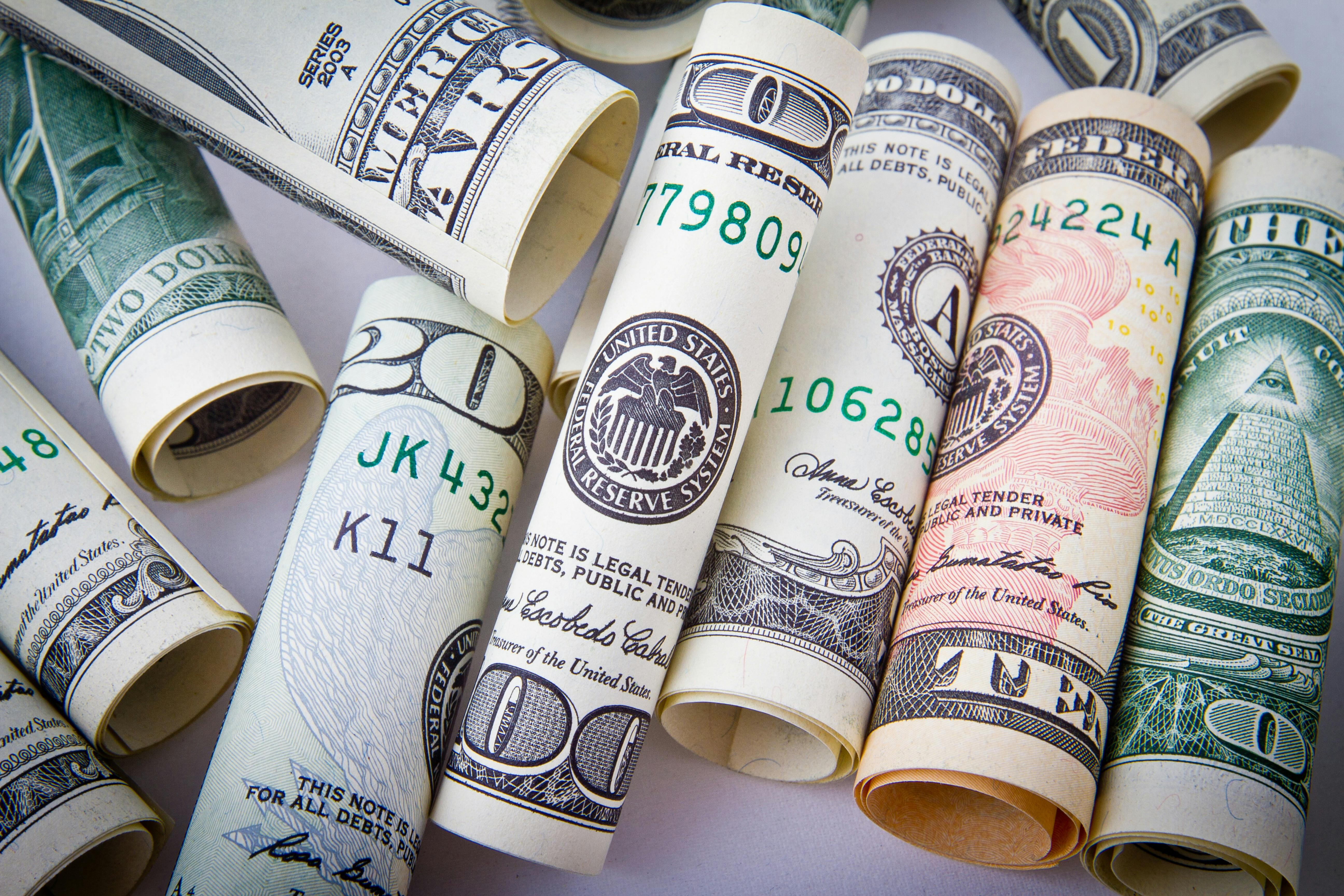
  • 🌍 The Inflation Wave: Are You Prepared for the Global Impact? ⏳

    The Inflation Wave: Are You Prepared for the Global Impact?

    In recent times, inflation has emerged as a pressing concern that reverberates across the globe. From rising prices in everyday goods to shifts in investment strategies, the ramifications of inflation are complex and multifaceted. This article aims to dissect the worldwide impact of inflation, offering insights into its causes, effects, and how you can navigate the storm.

    Understanding Inflation

    Inflation is defined as the rate at which the general level of prices for goods and services rises, leading to a decrease in purchasing power. While a moderate level of inflation is normal in a growing economy, soaring inflation can have dire consequences, affecting consumers, businesses, and economies alike.

    The Causes of Global Inflation

    • Supply Chain Disruptions: Global events, such as pandemics or natural disasters, have shown us how quickly supply chains can be disrupted. These interruptions lead to shortages, which ultimately drive prices higher.
    • Monetary Policy Decisions: Central banks worldwide may choose to print more money to stimulate economies, particularly after crises. This increase in money supply without a corresponding rise in goods can inflate prices.
    • Geopolitical Instability: Tensions and conflicts can lead to uncertainty in markets and affect the supply of crucial commodities like oil and gas, directly causing price spikes.
    • Increased Demand: Following economic recoveries, consumer demand can outpace supply, leading to higher prices. This is particularly noticeable in sectors such as travel, hospitality, and housing.
    • Currency Depreciation: A weakening national currency can make imports more expensive, contributing to overall inflation in a given region.

    The Effects of Inflation on Different Sectors

    1. Consumers

    For everyday consumers, inflation manifests as higher costs for groceries, gas, and other necessities. Households may find their budgets stretched thin, forcing difficult choices between spending and saving. Living standards may decline as a direct result.

    2. Businesses

    For businesses, particularly small and medium enterprises, inflation can squeeze profit margins. Rising costs for raw materials and labor can either lead companies to increase prices, potentially losing customers, or absorb costs, reducing profitability. Strategic planning becomes essential for navigating these turbulent waters.

    3. Investors

    Inflation can reshape investment strategies, pushing investors toward assets like real estate, commodities, or stocks in sectors that typically perform well during inflationary periods. Fixed-income investments, such as traditional bonds, may lose appeal as their returns often lag behind inflation rates.

    4. Governments

    Governments around the world may face challenges in managing inflation through monetary and fiscal policies. Decisions regarding interest rates, taxation, and spending must be weighed carefully to avoid exacerbating inflationary pressures while also maintaining economic growth.

    5. Global Trade

    As inflation affects the relative costs of goods and services, global trade dynamics shift. Countries that are able to maintain stable prices may gain competitive advantages over those struggling with inflation, leading to potential trade imbalances.

    Navigating the Inflationary Landscape

    As inflation continues to pose challenges, individuals and organizations must adapt to the changing environment:

    • Budgeting Wisely: With rising expenses, creating a detailed budget can help track spending and prioritize essential purchases.
    • Investing in Inflation-Resistant Assets: Consider diversifying investment portfolios to include assets that historically perform well during inflation.
    • Staying Informed: Keeping abreast of economic trends and forecasts can help anticipate future shifts in inflation and make informed decisions.
    • Government Action: Engage with policymakers and advocate for measures aimed at stabilizing prices and supporting vulnerable populations affected by inflation.

    Conclusion

    Inflation is a global concern that has the potential to significantly impact individuals, businesses, and economies worldwide. While the specific causes and effects can vary by region, the urgency to address this issue is universal. As we move forward, understanding and preparing for these changes will be paramount in maintaining economic stability. Are you equipped to face the challenges of inflation? The time to act is now!

    AdSense

    🔥 More strategies

  • 🌍🌪️ The Urgent Reality of Worldwide Inflation: What You Need to Know!

    The Urgent Reality of Worldwide Inflation: What You Need to Know!

    In an interconnected global economy, inflation is no longer just a national concern; it has evolved into an issue that impacts everyone, no matter where you live. As prices rise and purchasing power diminishes, the repercussions of inflation ripple through communities, businesses, and individuals around the world. Understanding the implications of inflation has never been more crucial. This article explores the causes, consequences, and potential solutions associated with inflation on a global scale.

    What is Inflation?

    Inflation is defined as the rate at which the general level of prices for goods and services rises, resulting in a decrease of purchasing power. It’s measured by indexes such as the Consumer Price Index (CPI) and reflects how much more expensive a set of goods and services has become over a certain period, typically a year. While some level of inflation is normal in a growing economy, excessive inflation can lead to significant economic instability.

    The Drivers of Global Inflation

    Several factors contribute to rising inflation worldwide:

    • Supply Chain Disruptions: Events like the COVID-19 pandemic have disrupted supply chains globally, creating shortages of essential goods and driving prices up.
    • Increased Consumer Demand: As the world recovers from economic slowdowns, pent-up consumer demand can outstrip supply, leading to price spikes.
    • Monetary Policies: Central banks around the world have implemented aggressive monetary policies, including low interest rates and quantitative easing, which can contribute to inflation if the money supply grows too quickly.
    • Geopolitical Instability: Conflicts and tensions can lead to energy price increases and commodity shortages, both of which further fuel inflation.
    • Climate Change: Environmental factors, including natural disasters and changes in agricultural production, can also impact supply and prices.

    Global Consequences of Inflation

    The effects of inflation are widespread and varied, impacting individuals, businesses, and governments worldwide:

    • Decreased Purchasing Power: As prices increase, the ability of consumers to purchase goods and services shrinks. This disproportionately affects low- and middle-income households.
    • Higher Living Costs: Everyday essentials, such as food, transportation, and housing, become more expensive, leading to increased financial strain.
    • Interest Rate Hikes: Central banks may respond to rising inflation by increasing interest rates, which can decrease borrowing and stifle economic growth.
    • Investment Uncertainty: Inflation can create an unpredictable economic environment, making it difficult for businesses to plan for the future and discouraging investment.
    • Social Unrest: Prolonged inflation can lead to dissatisfaction among the populace, resulting in protests and social movements as people demand action from their governments.

    Impact on Different Sectors

    Inflation does not affect all sectors equally; some industries may thrive while others struggle:

    • Retail and Consumer Goods: Increased prices can lead to decreased consumer spending, harming retailers and manufacturers.
    • Real Estate: Rising inflation often leads to higher property values, which can benefit existing homeowners but make housing less affordable for newcomers.
    • Energy Sector: Prices for oil and gas often rise during inflationary periods, benefiting energy producers while increasing costs for consumers.
    • Agriculture: Farmers may face increased costs for inputs, which can raise food prices and affect food security globally.
    • Finance: Financial institutions may benefit from rising interest rates, but volatility in the market can create risks.

    Strategies for Mitigating Inflation

    While inflation can seem overwhelming, there are strategies that individuals and businesses can adopt to mitigate its effects:

    • Financial Planning: Creating a robust financial plan and budget can help individuals and families navigate rising costs.
    • Investing in Commodities: Investing in physical assets, such as gold or agricultural commodities, can help preserve wealth during inflationary periods.
    • Reducing Debt: Lowering personal debt can provide greater financial flexibility when interest rates rise.
    • Advocacy for Policy Change: Citizens can advocate for policies that address inflation directly, such as responsible fiscal management and measures to enhance supply chain resilience.
    • Diverse Investments: For businesses, diversifying investments can reduce risk and help adapt to changing economic conditions.

    The Future of Inflation

    As we look to the future, it’s critical to consider how global inflation trends will evolve. Economists predict that while inflation may stabilize in the coming years, it could remain elevated due to ongoing supply chain challenges and geopolitical tensions. Additionally, climate change will continue to play a significant role in food and resource availability, making it a key factor in inflationary pressures.

    In a world that is ever-changing, staying informed and prepared is essential. By understanding inflation’s dynamics, individuals and businesses can take proactive steps to protect their economic well-being.

    Conclusion

    Inflation is a pressing issue that transcends borders and affects us all. While we cannot control the global economic landscape, we can equip ourselves with knowledge and strategies to navigate its complexities. As consumers and participants in the global economy, our awareness and actions can play pivotal roles in addressing the challenges posed by inflation. Stay informed, stay prepared, and take action to safeguard your future!

    AdSense

    🔥 More strategies