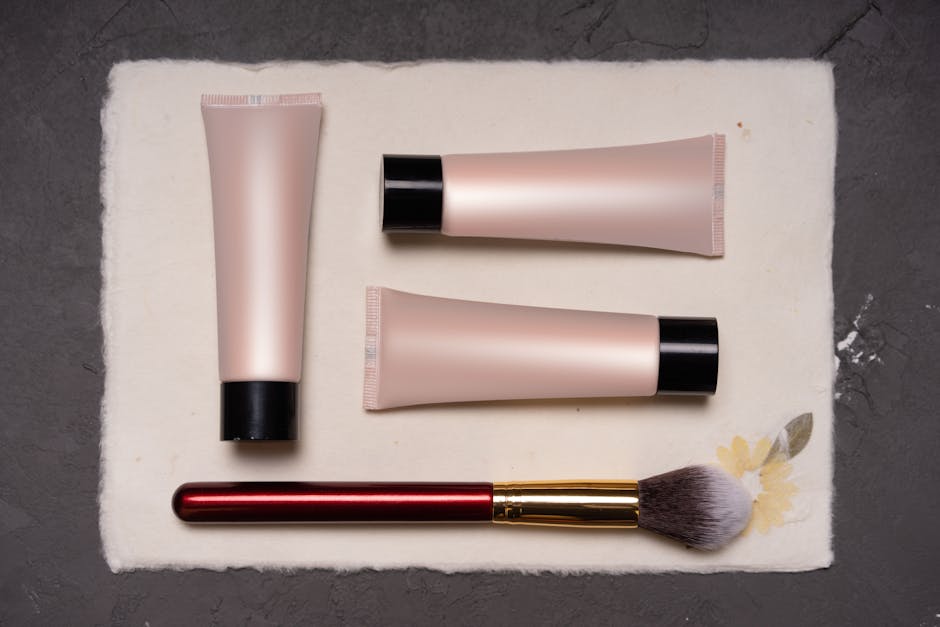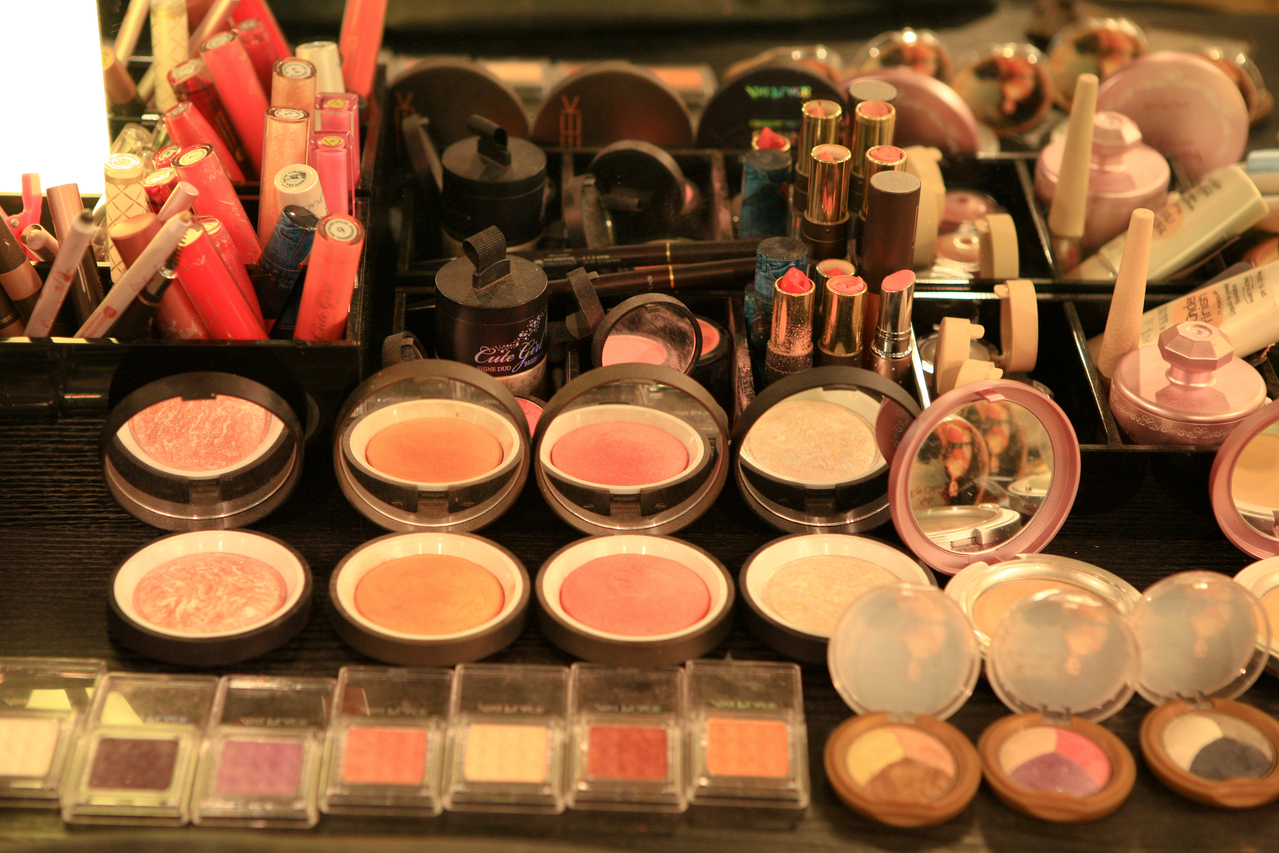
The rise of Korean skincare is not just a passing trend but rather an evolution driven by culture, innovation, and a deep-rooted philosophy towards beauty. As someone living in Korea, I have seen firsthand how various aspects of our lifestyle contribute to the trust that people around the world are placing in these products. This article explores why K-beauty has carved a niche in the global market and why it continues to flourish.
The Cultural Influence on Skincare Rituals
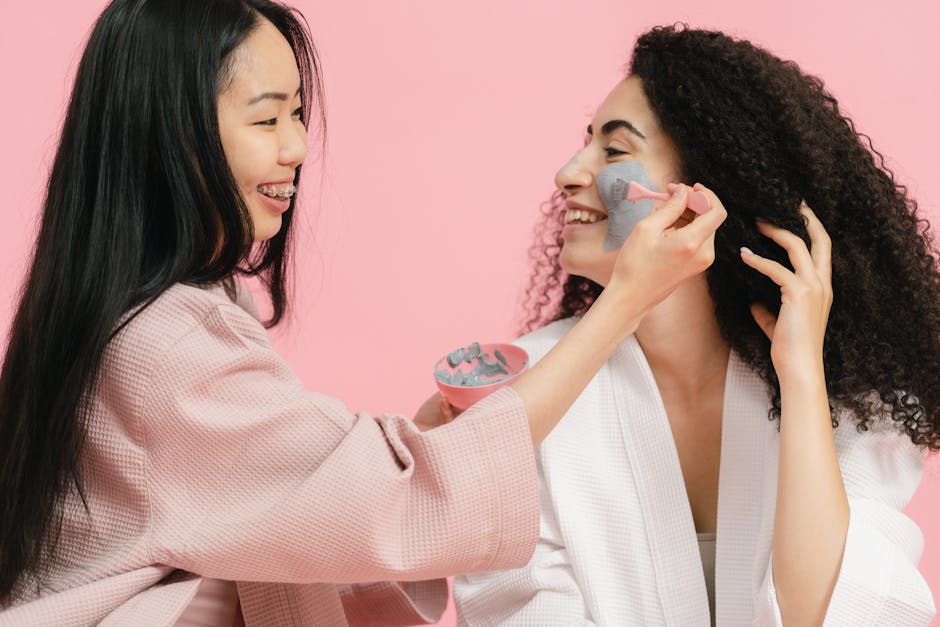
One of the fundamental reasons Korean skincare has gained global trust is deeply tied to the cultural perception of beauty and health in Korea. In our daily lives, extensive skincare routines are not just about appearance; they reflect a commitment to self-care and well-being. The multi-step regimen is aimed at nurturing the skin rather than just covering imperfections.
For instance, in Korea, it’s common to find individuals dedicating time each evening to meticulously follow their skincare routines. This cultural emphasis on prevention over correction fosters a sense of trust in products that are designed to provide long-term benefits rather than instant results. Many brands take this into account, developing formulations that are gentle and packed with beneficial ingredients.
Innovative Ingredients and Formulations
Korean dermatology and skincare brands are known for incorporating unique ingredients that have been traditionally used for centuries. From ginseng to snail mucin, the careful selection of ingredients reflects a blend of historical knowledge and modern scientific research. This innovation often results in products that deliver genuine results.
For example, brands like Laneige have become favorites worldwide due to their water-based hydration technology that addresses different skin types and conditions effectively. Such innovations are backed by scientific studies and user testimonials that reinforce customer confidence. Consumers appreciate knowing that they are using products that are not only trendy but also thoughtfully crafted to enhance their skin’s health.
Transparency and Education in Marketing
Another factor contributing to K-beauty’s global trust is the level of transparency many brands emphasize in their marketing. From my experience around Korean workplaces, it is apparent that consumers want to know what they are putting on their skin. This openness invites a dialogue between consumers and brands, creating a sense of community.
Brands like Innisfree often share detailed information about their sourcing processes, ingredient efficacy, and even the ethical considerations of their production. This kind of informative approach helps demystify the products and establish trust, leading consumers to feel informed and empowered in their skincare choices.
Google AdSense code can be inserted here later.
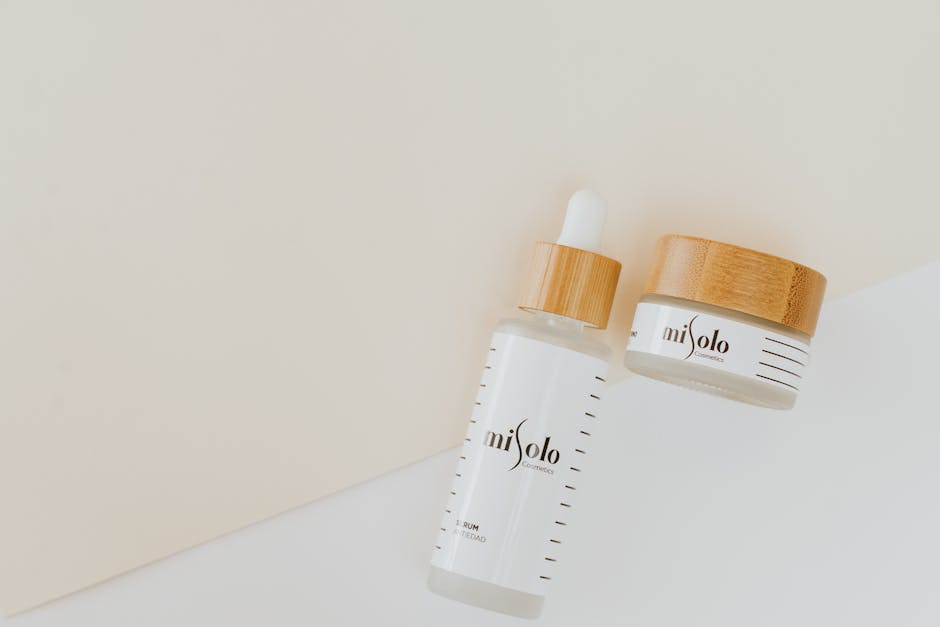
The Role of Technology in Product Development
The integration of cutting-edge technology in product development is another stellar reason behind the global acceptance of K-beauty. The use of advanced methods in extracting potent ingredients and formulating effective products is a hallmark of many Korean brands.
For example, brands utilize Biome technology to create skincare products that are not only effective but also safe for all skin types. This innovative approach resonates with consumers globally, where awareness regarding skin sensitivity and allergies is growing. As individuals become more aware of their skin’s unique needs, they are more inclined to trust brands that prioritize scientific advancements.
Community and Social Media Influence
The power of social media cannot be overlooked when discussing the global popularity of Korean skincare. Platforms like Instagram and TikTok play a crucial role in shaping beauty trends and influencing consumer behavior. In Korea, this often feels different because everyone, from influencers to everyday users, engages in sharing their experiences and results.
Through social media, companies leverage trust-building strategies by allowing real users to showcase their skincare journeys. This organic promotion not only highlights genuine results but creates communities where tips and recommendations are freely exchanged. This sense of connectedness makes K-beauty feel accessible and personally relatable, fostering a strong bond between consumers and products.
Affordability and Availability
When it comes to skincare, affordability plays a pivotal role in the decision-making process for many consumers. Korean skincare brands have made a conscious effort to maintain competitive pricing while ensuring high-quality formulations. From mass-market brands like Etude House to luxurious lines like Sulwhasoo, the spectrum of price points makes it easier for a diverse audience to find solutions that fit their budget.
Moreover, the globalization of e-commerce means that Korean products are better accessible than ever, further enhancing their appeal. As someone who witnesses the ease of purchasing skincare right from various online platforms, I find that this accessibility builds trust, as consumers feel they can easily obtain the products that work for them.
Consumer-Centric Approach
Korean beauty brands tend to adopt a consumer-centric approach, often involving their clientele in the product development process. Feedback from users frequently shapes new releases, whether through surveys, reviews, or direct engagement on social media platforms. This collaborative interaction creates a sense of ownership for consumers and fosters loyalty.
Second ad placement area for longer content.
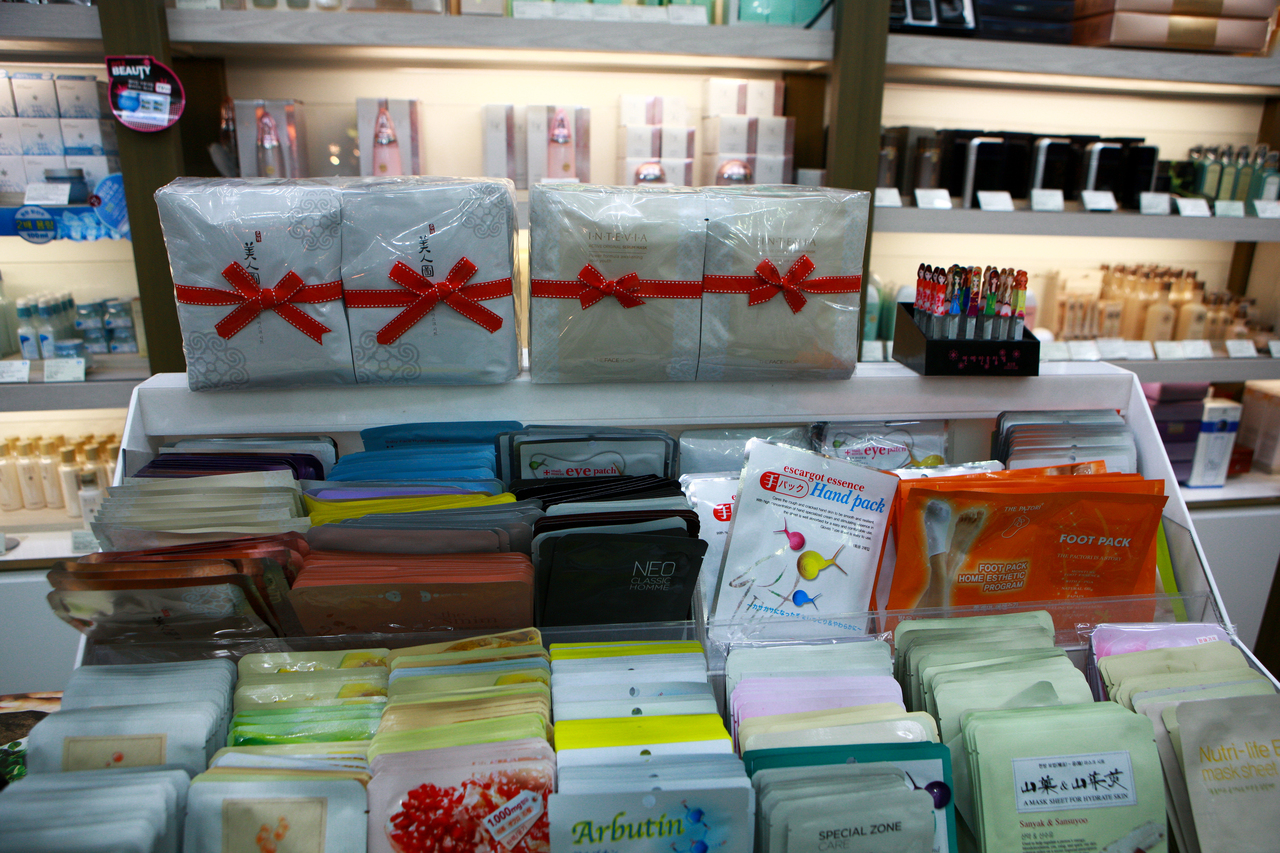
In my observation around Korean streets and stores, this focus on consumer feedback is evident even in physical retail spaces. Brands are keen to offer a range of samples that allow customers to try products before purchasing, empowering them to make informed choices. This kind of respect for the consumer’s voice bolsters trust in the products being offered.
The Rise of Clean Beauty Standards
Nowadays, clean beauty is more than a trend; it has become a core value for consumers. Korean brands are responding to this demand by incorporating clean, sustainable, and eco-friendly practices into their production processes. As I observe more people becoming conscious of their beauty choices, the availability of clean products significantly influences trust levels.
Companies are increasingly transparent about their formulations, focusing on eliminating harmful chemicals and opting for eco-friendly packaging. This commitment to sustainability resonates well with globally conscious consumers, making them more likely to choose products that care for their skin and the planet.
Engagement with Global Communities
K-beauty has effectively engaged with diverse global audiences, tailoring products to meet varying skincare needs across different climates and cultures. This adaptability has cemented its place internationally, as brands learn to embrace feedback from users worldwide.
For instance, in less humid climates, brands might emphasize products that focus on hydration and moisture retention, whereas in tropical regions, lightweight formulations might be favored. By being attentive to these differences, brands enhance their relevance and appeal, ensuring trust among global customers.
Personal Opinion
In my personal opinion, the trust in Korean skincare stems from a complex interplay of cultural values, innovation, and genuine consumer connection. From my perspective, the gradual yet impactful journey of K-beauty represents more than just external beauty; it’s an expression of self-care and holistic wellness embraced by communities around the world. The ongoing evolution of the industry not only benefits consumers but also sets a precedent for beauty standards that prioritize sustainability, transparency, and equality. As someone who witnesses these dynamics daily, I believe that the continual growth of K-beauty will lead to even richer collaborations and innovations in the future.

Profit Flow Daily shares practical insights on global markets, online income, Korean culture, Korean food, beauty, travel, and work life.
This article is for informational purposes only and should not be considered financial, investment, legal, medical, or tax advice.