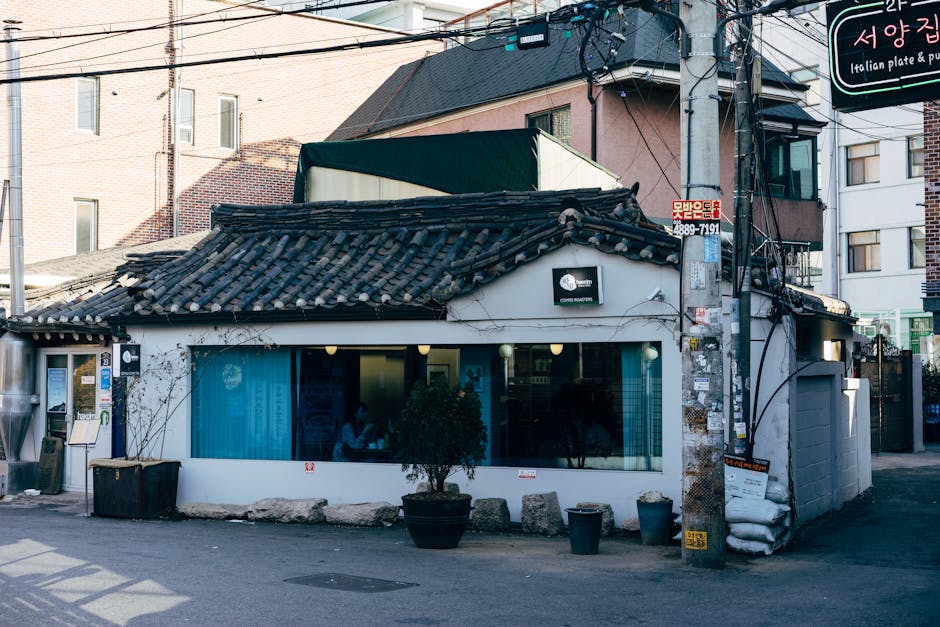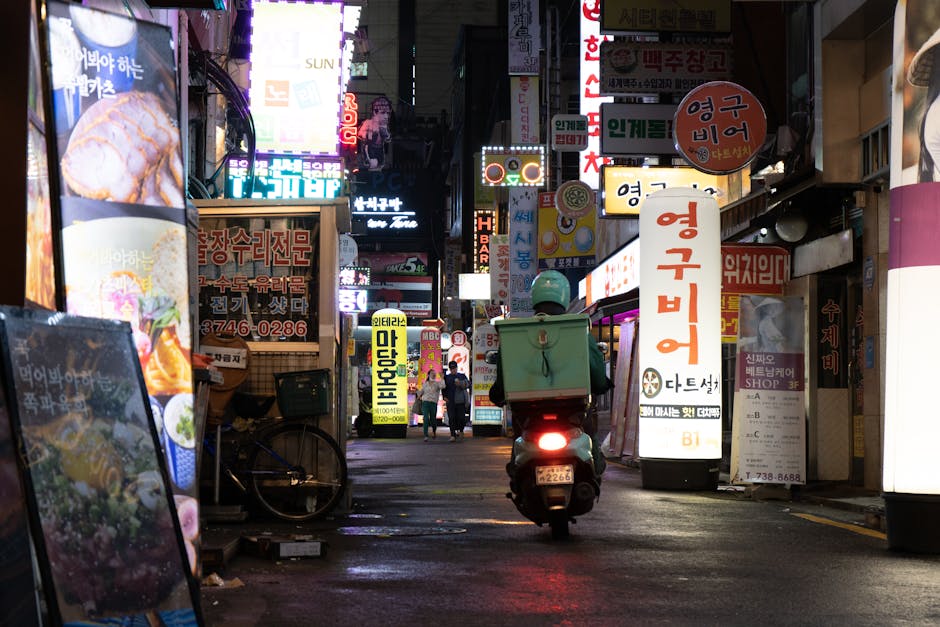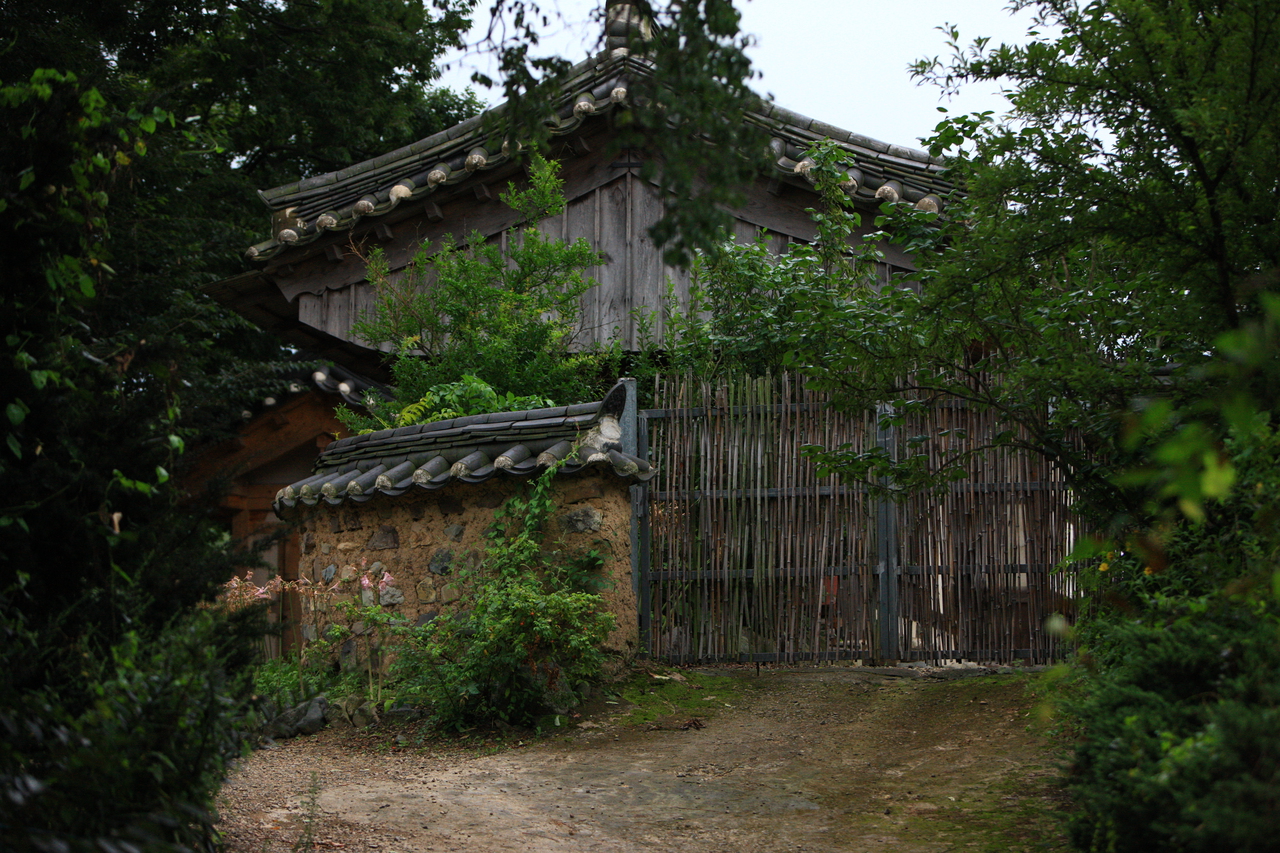
In Korea, the vibrant blend of tradition and modernity is evident in every aspect of daily life. This seamless fusion shapes how Koreans approach everything from dining to technology, creating a unique lifestyle that reflects cultural heritage while embracing contemporary advancements. One thing foreigners may not notice at first is how deeply rooted traditions coexist alongside the fast-paced lifestyle that urban areas exemplify.
1. Culinary Traditions and Modern Dining
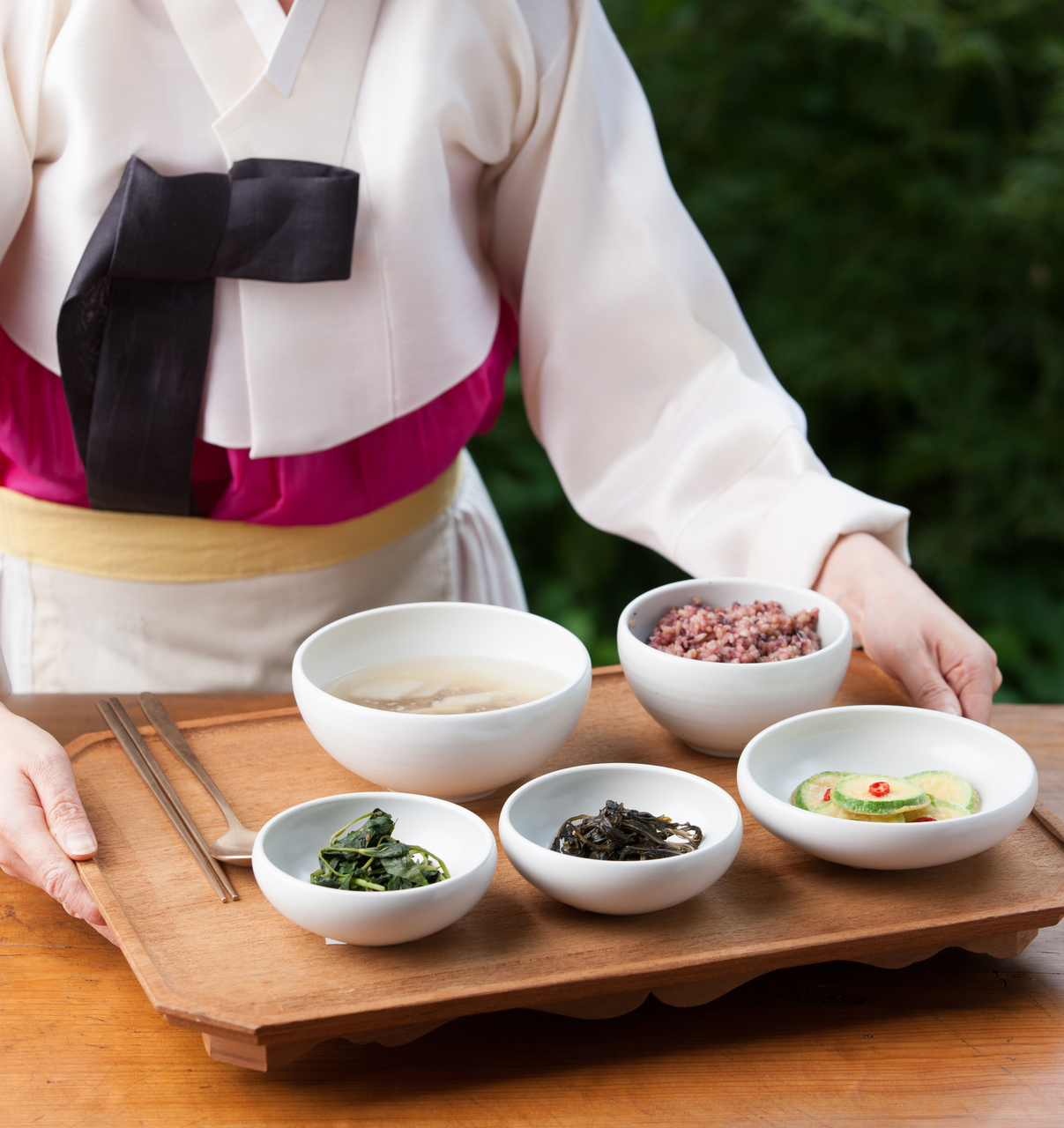
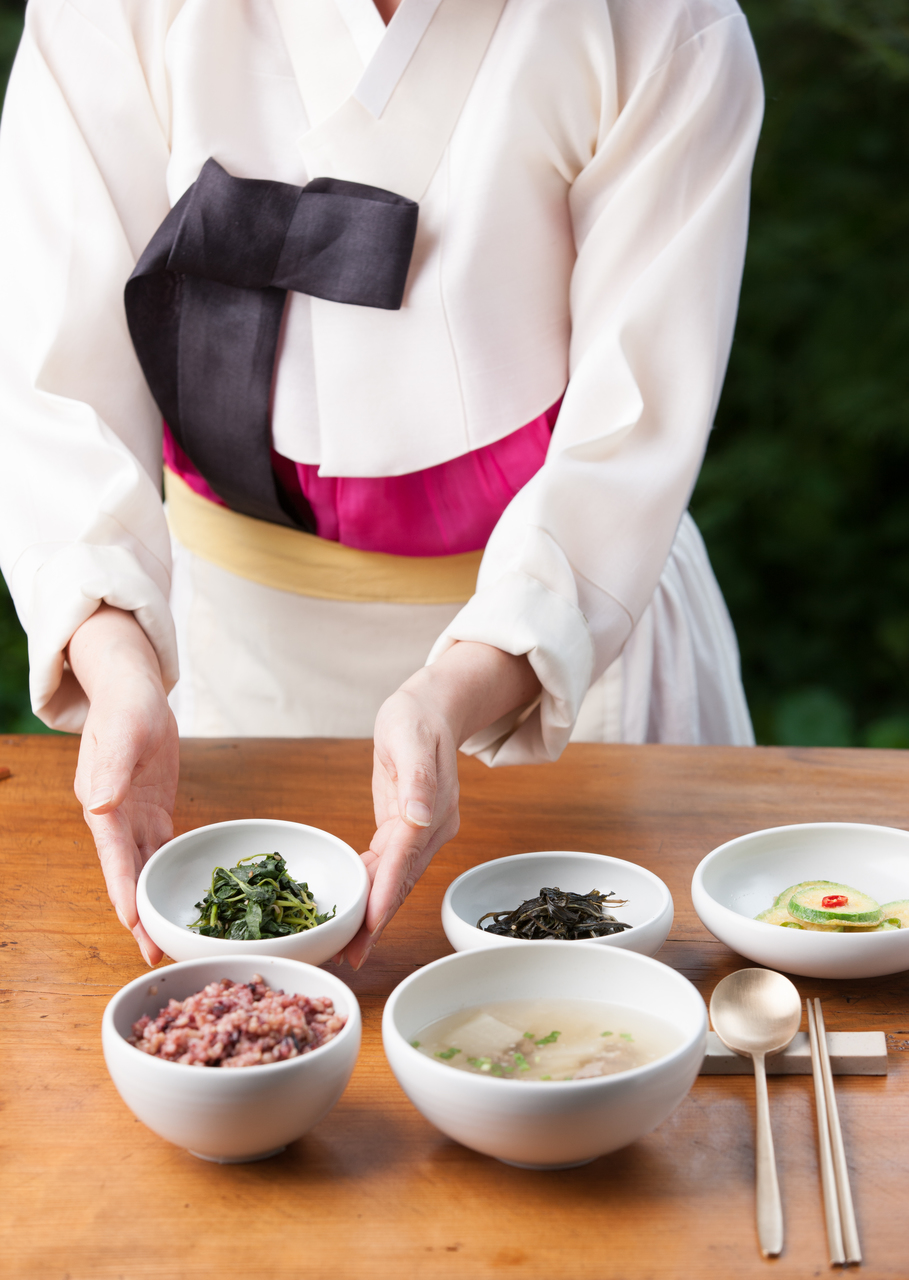
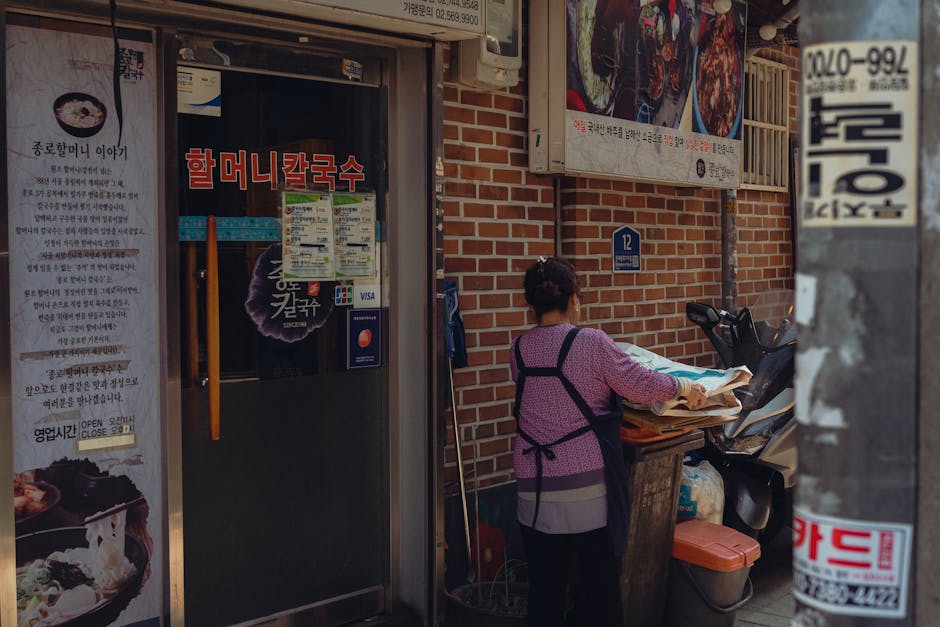
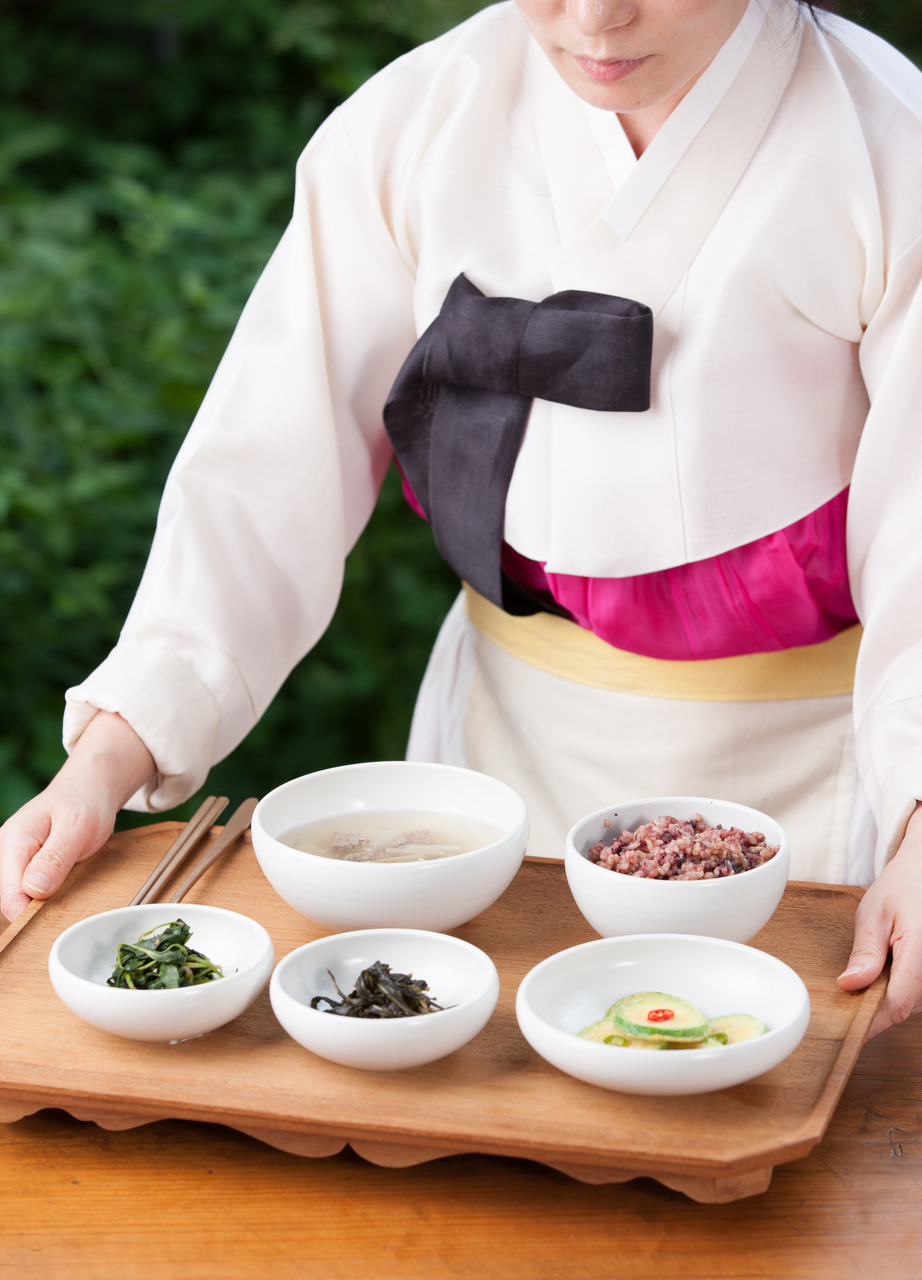
From my experience around Korean workplaces and social gatherings, meals hold a special significance in maintaining relationships and cultural identity. Traditional dining features dishes like kimchi, bulgogi, and rice, often prepared based on family recipes passed down through generations. However, the rise of convenience and speed has led to an evolution in culinary habits.
Many Koreans enjoy meals on the go, reflecting a lifestyle that prioritizes both nourishment and time efficiency. A growing number of establishments blend traditional recipes with fast-casual dining concepts. For example, you can find places that serve bibimbap in portable bowls that customers can enjoy while commuting. This not only preserves the essence of traditional dishes but also caters to the modern need for convenience.
2. Fashion: Hanbok Meets Streetwear
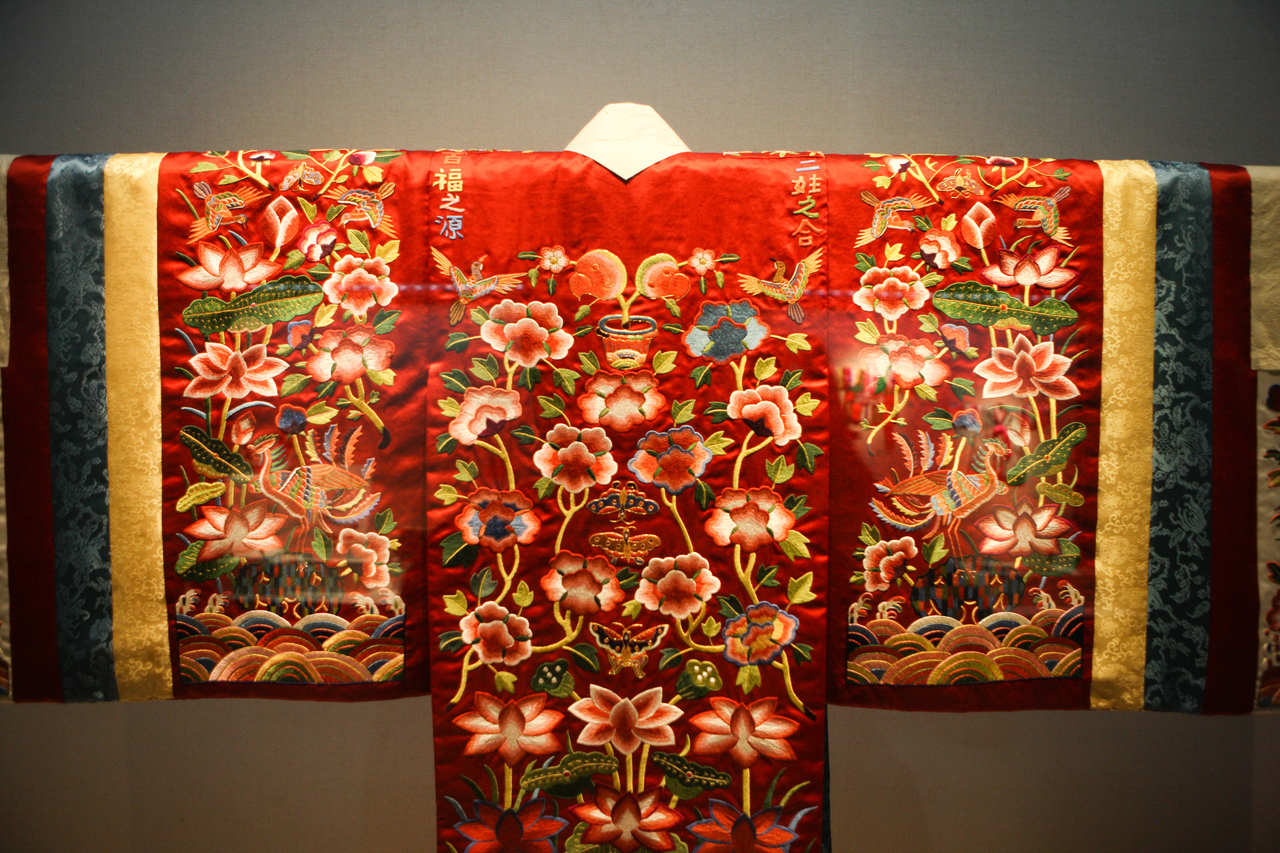
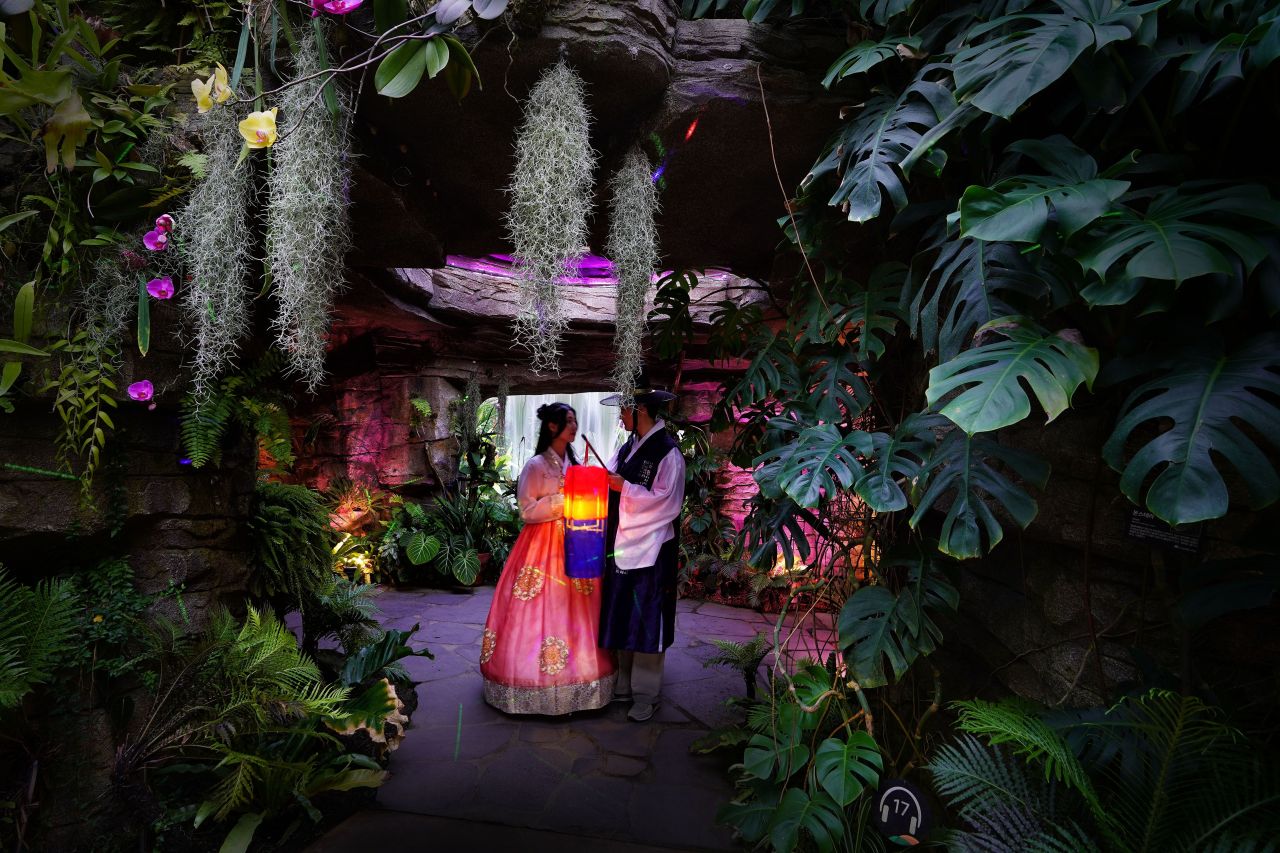
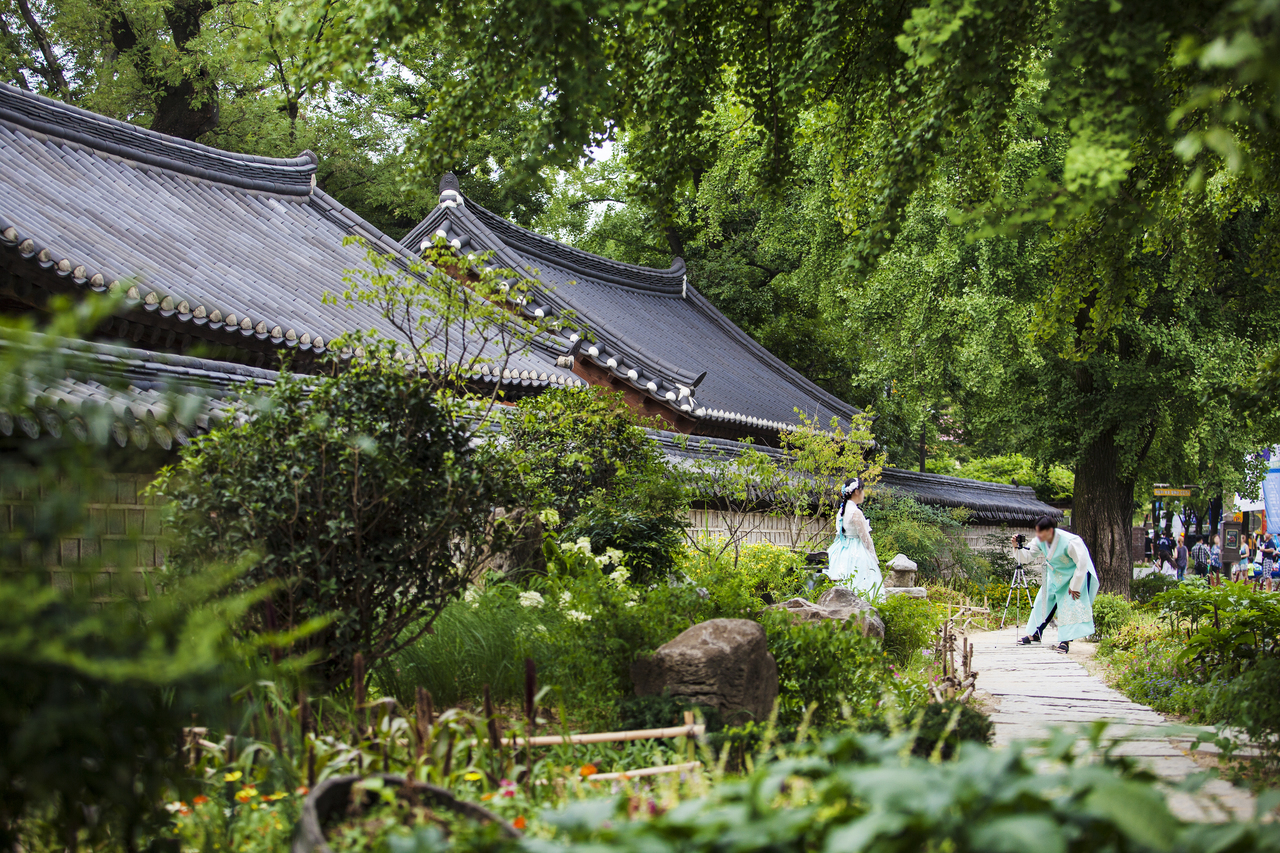
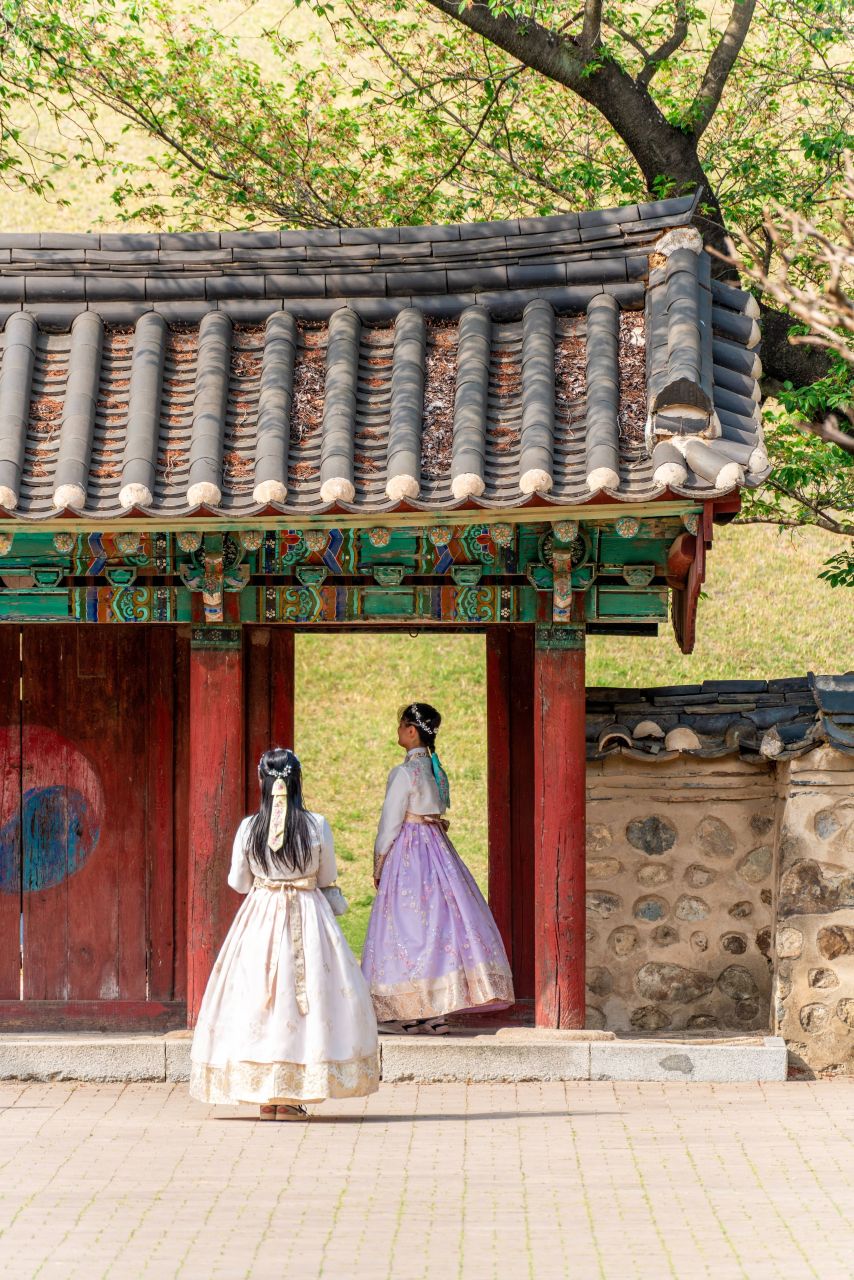
The fashion scene in Korea is a fascinating one, characterized by a unique juxtaposition of traditional attire and contemporary streetwear. Hanbok, the traditional Korean dress, is often reserved for special occasions and celebrations. It symbolizes historical elegance and cultural pride, showing off rich colors and intricate patterns.
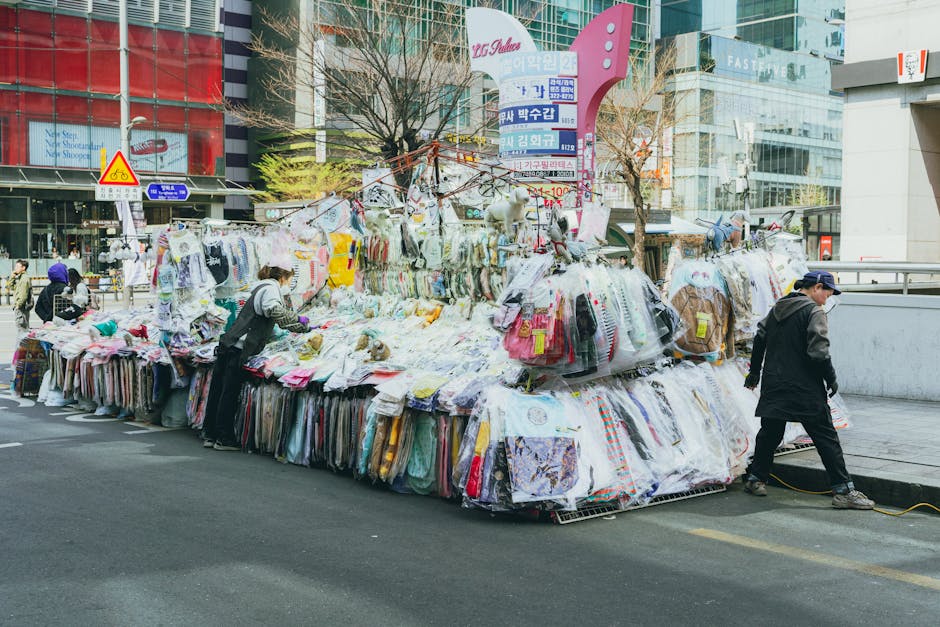
However, fashion-forward individuals frequently incorporate contemporary elements into their wardrobes, often seen blending hanbok with modern pieces like oversized jackets, sneakers, and accessories. This blend not only revitalizes traditional wear but also creates a style that resonates with the younger generation’s quest for individuality and self-expression. Efforts are seen in various fashion shows where designers experiment with traditional fabrics and forms infusing them into modern aesthetics that appeal on both local and global levels.
3. Festivals: Old Customs in Modern Celebrations
In Korea, festivals are vibrant celebrations that honor both ancient customs and modern sensibilities. One prominent festival, Chuseok, is a harvest celebration reminiscent of Thanksgiving in Western culture. It involves rituals such as ancestor worship, family gatherings, and the sharing of traditional foods like songpyeon (rice cakes).
Google AdSense code can be inserted here later.
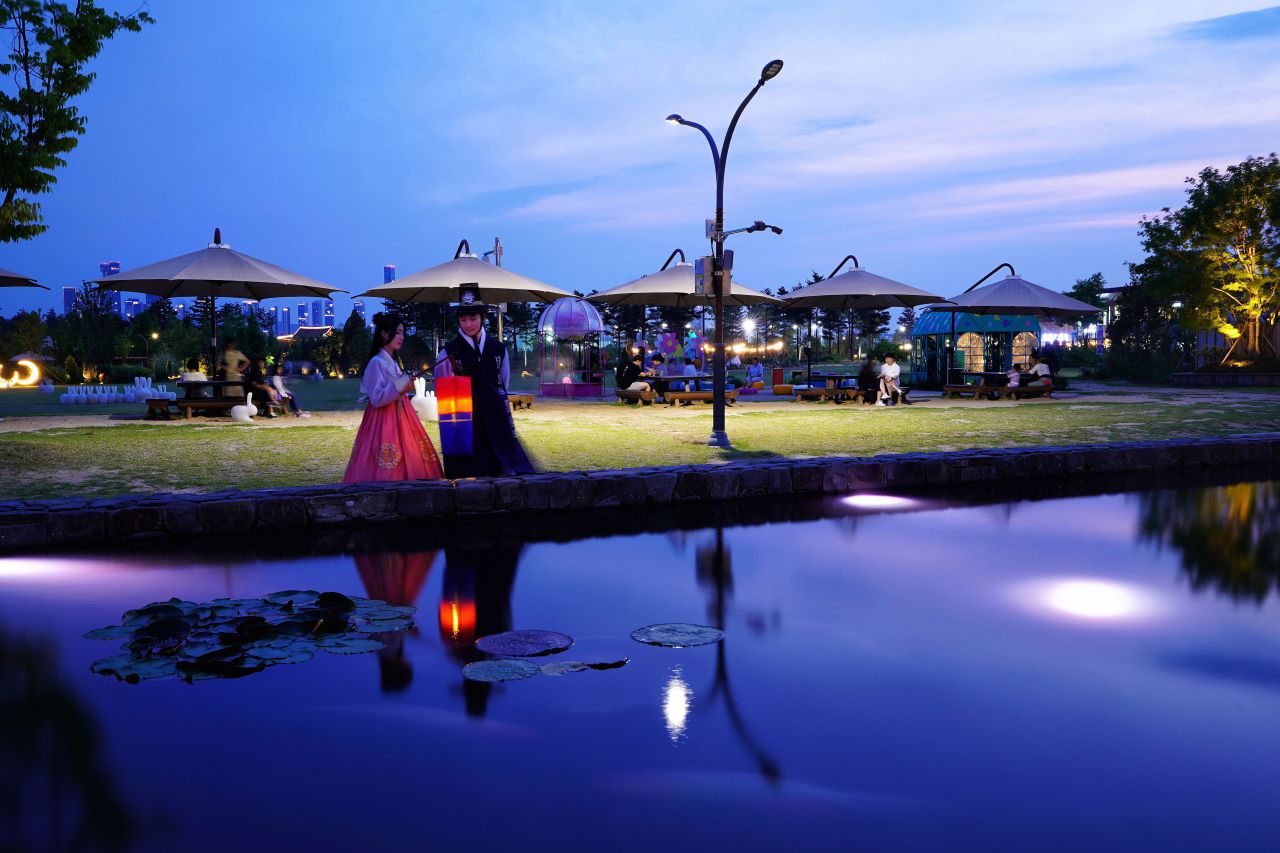
While the core traditions remain intact, the way Chuseok is celebrated has evolved. Urban dwellers often opt for travel during the long holiday, seeking new experiences rather than the traditional family gatherings. This blending of ancient customs with contemporary lifestyle choices creates a unique celebration environment that respects the past while embracing the future, illustrating that traditions can adapt without losing their significance.
4. Technology Integration in Daily Life
The integration of technology into daily life exemplifies the swift pace of modern living in Korea. From what I have observed in Korean daily life, smartphones are indispensable tools that manage both personal and professional aspects efficiently. Mobile applications facilitate everything from ordering food to booking taxis, which is a far cry from the relatively slower-paced traditional methods.
Moreover, Korean culture has embraced smart home technology, with devices that streamline household chores and enhance convenience. Products like Wi-Fi-enabled rice cookers and robotic vacuum cleaners are prevalent in many households, allowing families to enjoy more leisure time. This efficiency does not erase the traditional values of family togetherness; instead, it helps carve out time for shared experiences, drawing more people towards spending quality time together.
5. Urban Development Influenced by Tradition
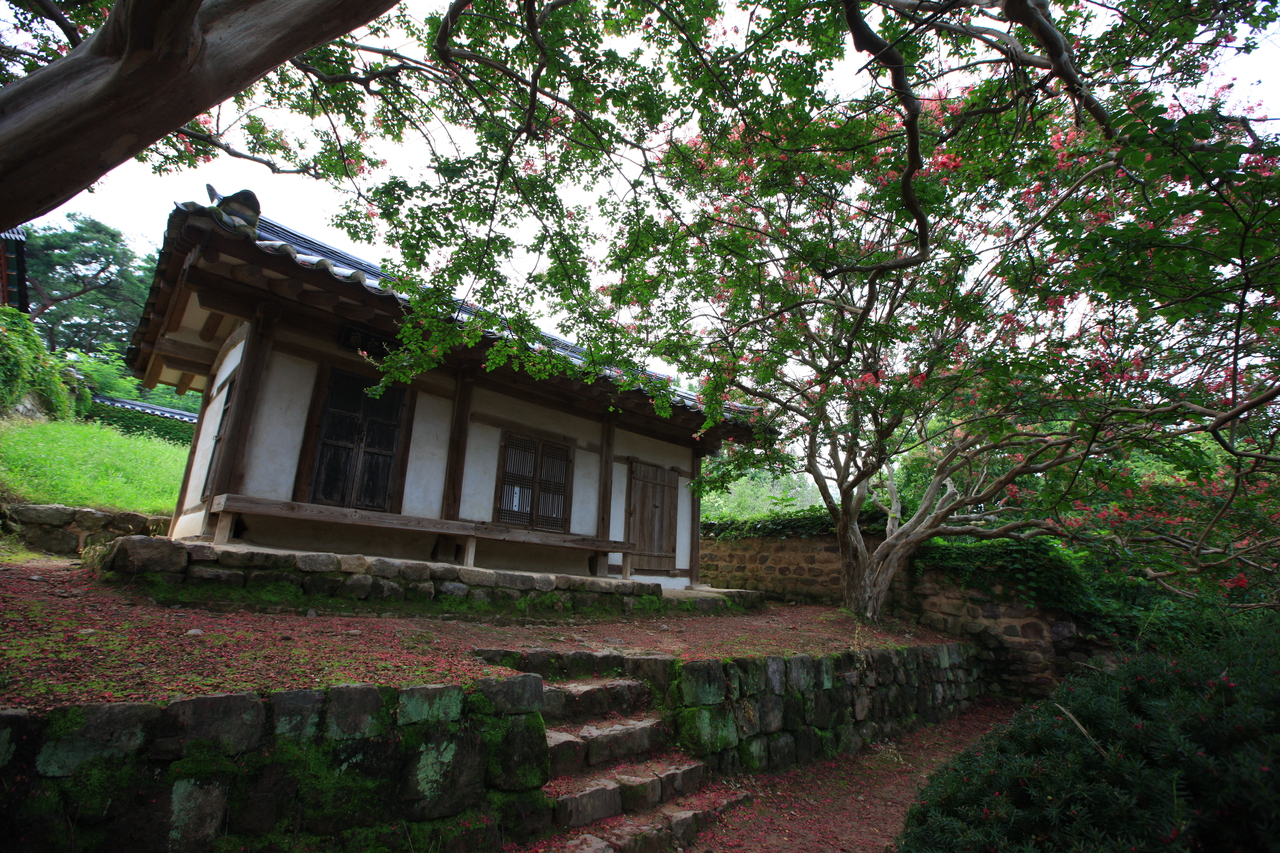
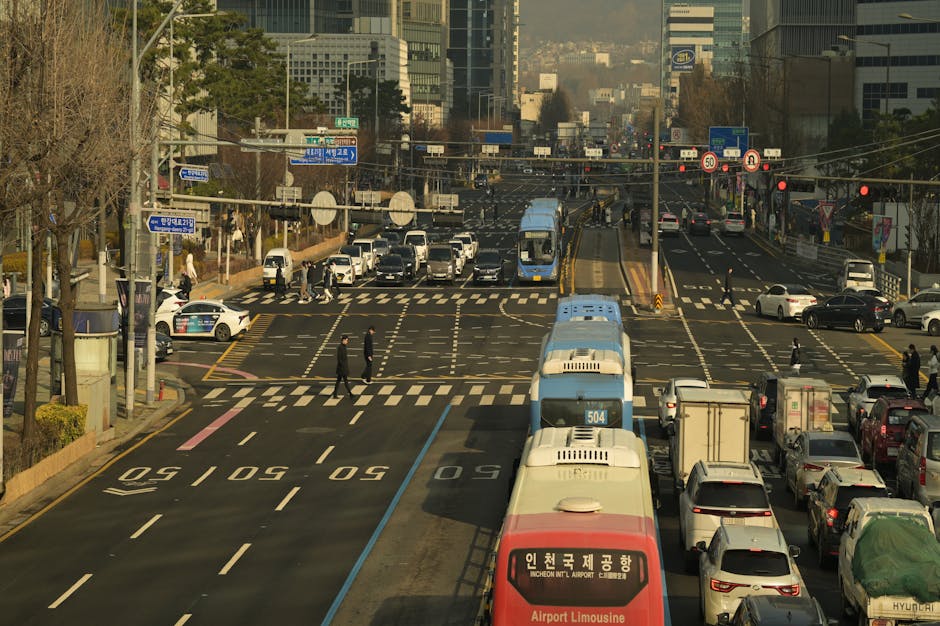
Urban areas in Korea are constantly evolving, but the influence of traditional architecture and concepts is still notably present. Many cities, particularly Seoul, seamlessly integrate historical landmarks alongside modern skyscrapers. For instance, the Gyeongbokgung Palace stands as a majestic reminder of Korea’s royal past while the surrounding districts buzz with the life of modern cafes, malls, and office buildings.
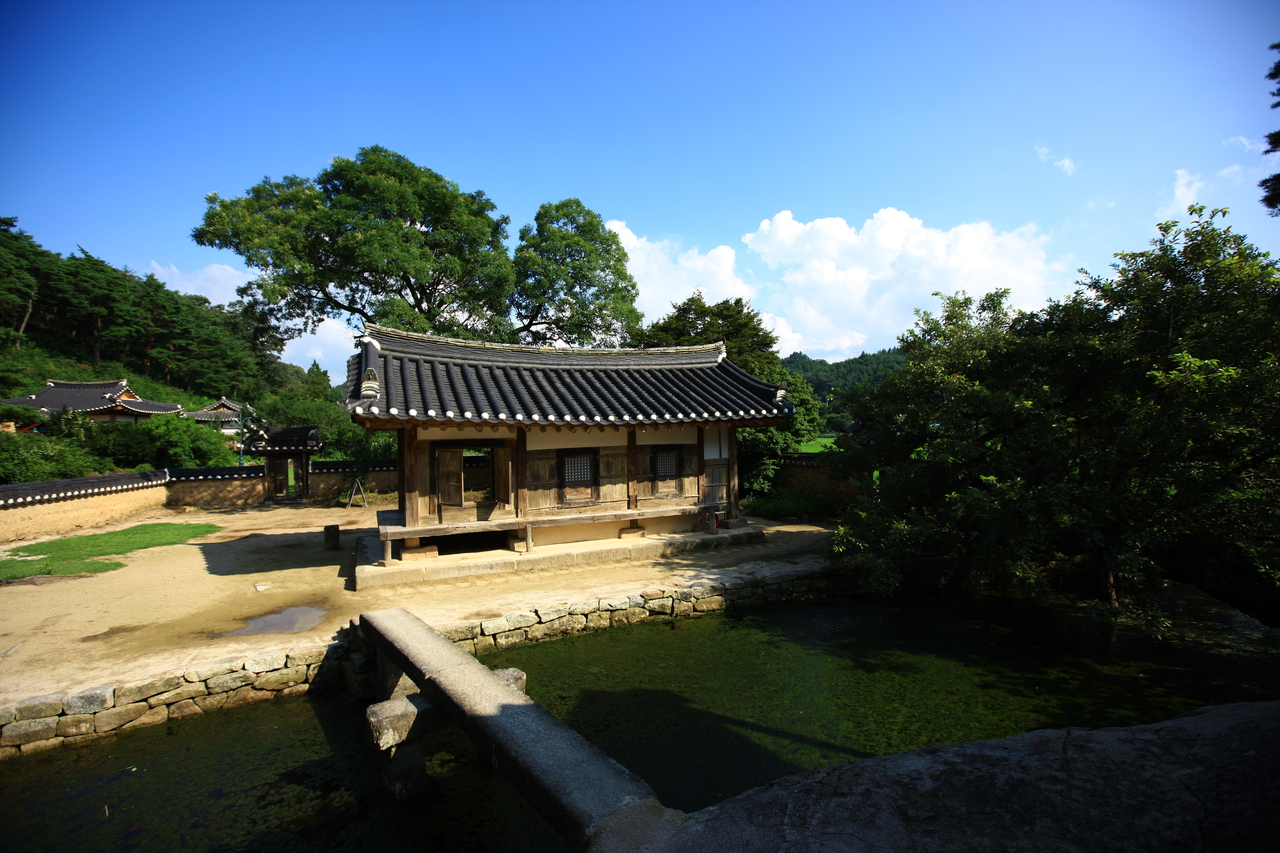
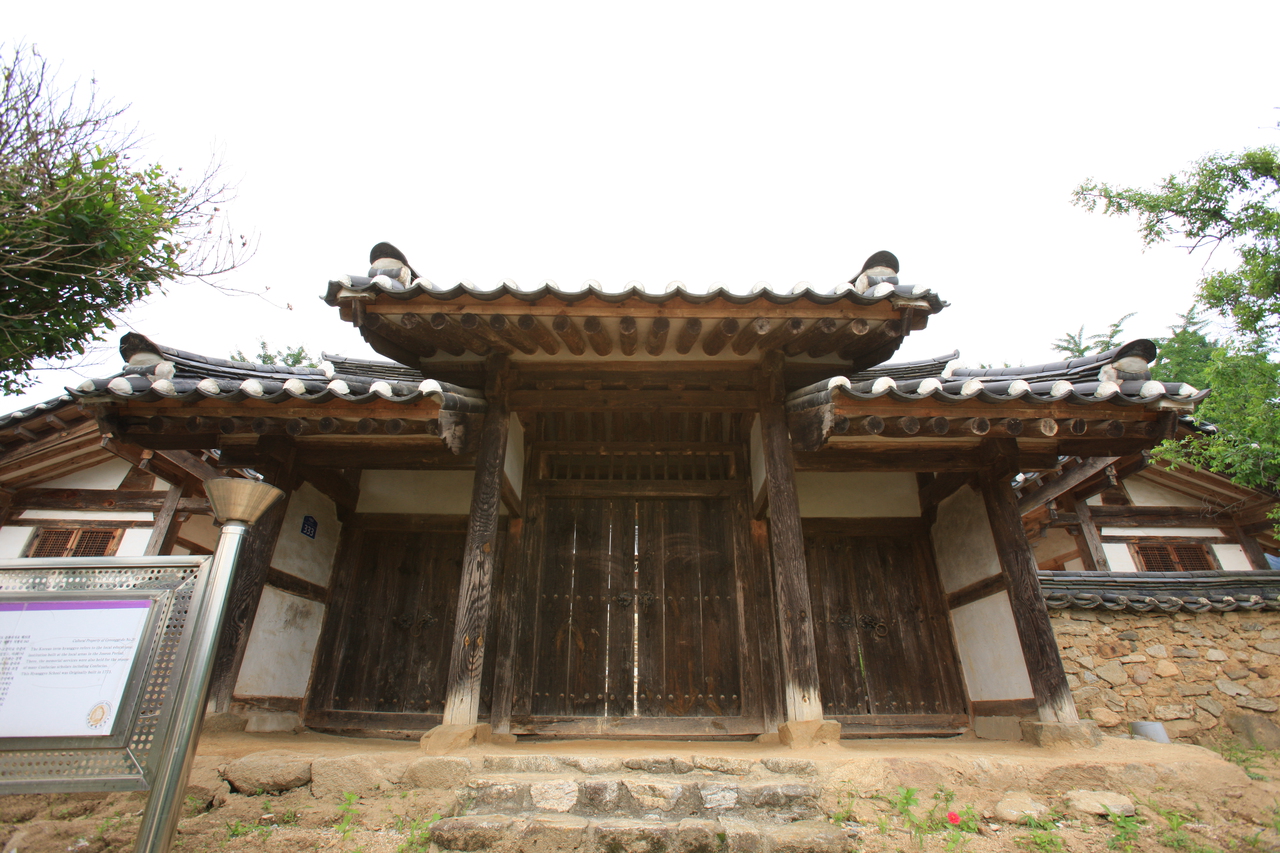
The development of public spaces like parks often includes elements inspired by traditional designs, encouraging community interaction. The presence of Hanok (traditional Korean houses) villages, such as Bukchon Hanok Village, among contemporary urban settings demonstrates that there is a space for cultural preservation within rapid modernization. This balance creates a layered experience for both residents and tourists who appreciate the aesthetic and historical richness of the environment.
6. Work-Life Balance: Cultural Shifts
In Korea, work culture has long been defined by intense schedules and a focus on productivity. This often translates into long hours at the office, creating a high-pressure environment that many find challenging. Nonetheless, there is a noticeable shift towards a more balanced approach to work and life, driven by younger generations advocating for change.
Second ad placement area for longer content.
Companies are slowly adopting policies that encourage flexible work schedules and leisure activities that foster well-being. New initiatives promoting culture days, mental health awareness, and work-from-home options illustrate an evolving understanding that while hard work is crucial, employee satisfaction is equally essential. The blending of centuries-old work ethics with modern understanding of employee welfare presents a promising pathway towards a more harmonious lifestyle.
7. The Influence of Hallyu: Pop Culture Phenomenon
The Korean wave, or Hallyu, significantly impacts lifestyle and perceptions surrounding Korean culture globally. As K-pop, dramas, and fashion gain traction worldwide, they shape the daily habits and preferences of both Koreans and international fans. From my experience around Korean workplaces, no one can deny the enthusiasm that characterizes workplaces when discussing the latest K-drama or acknowledging a popular artist’s recent comeback.
This phenomenon often leads to a blend of cultural expressions, where local artists collaborate with international talents, creating music and projects that reflect a global viewpoint. Additionally, businesses leverage this popularity by incorporating K-culture elements into their marketing strategies, from themed cafes to merchandise. This blend has essentially turned Korea into a cultural powerhouse, highlighting how quickly modern trends can rise alongside deep-rooted traditions.
8. Social Etiquette: Traditional Norms in a Fast-Paced World
Social etiquette in Korea remains deeply influenced by Confucian values, emphasizing respect for individuals based on age and position. This traditional framework is still prevalent, observed in greetings, dining, and general interactions where age hierarchy plays a significant role.
Nonetheless, as younger generations engage with global influences, there are subtle shifts in these norms. For example, while traditional rules dictate formal speech, many younger individuals feel comfortable using informal language among peers, promoting camaraderie and approachability. This evolving dynamic illustrates how tradition can coexist with contemporary social practices, allowing for a culturally rich atmosphere that welcomes both old and new.
Personal Opinion
In my personal opinion, the unique blend of tradition and modernity in Korea creates a fascinating lifestyle that continuously evolves. Observing how cultural elements integrate with fast-paced living provides insights into the resilience of traditions that adapt to modern needs. As Korea continues to grow on the global stage, it is exciting to witness how these elements influence and inspire others while maintaining a proud cultural heritage. This balance between the traditional and the new reflects not just a way of life but an invitation to embrace diversity in our evolving global community.
Profit Flow Daily shares practical insights on global markets, online income, Korean culture, Korean food, beauty, travel, and work life.
This article is for informational purposes only and should not be considered financial, investment, legal, medical, or tax advice.