[카테고리:] K-Food

  • Unpacking the Unique Essence of Korean Street Food Compared to Ordinary Snacks

    Unpacking the Unique Essence of Korean Street Food Compared to Ordinary Snacks

    Unpacking the Unique Essence of Korean Street Food Compared to Ordinary Snacks

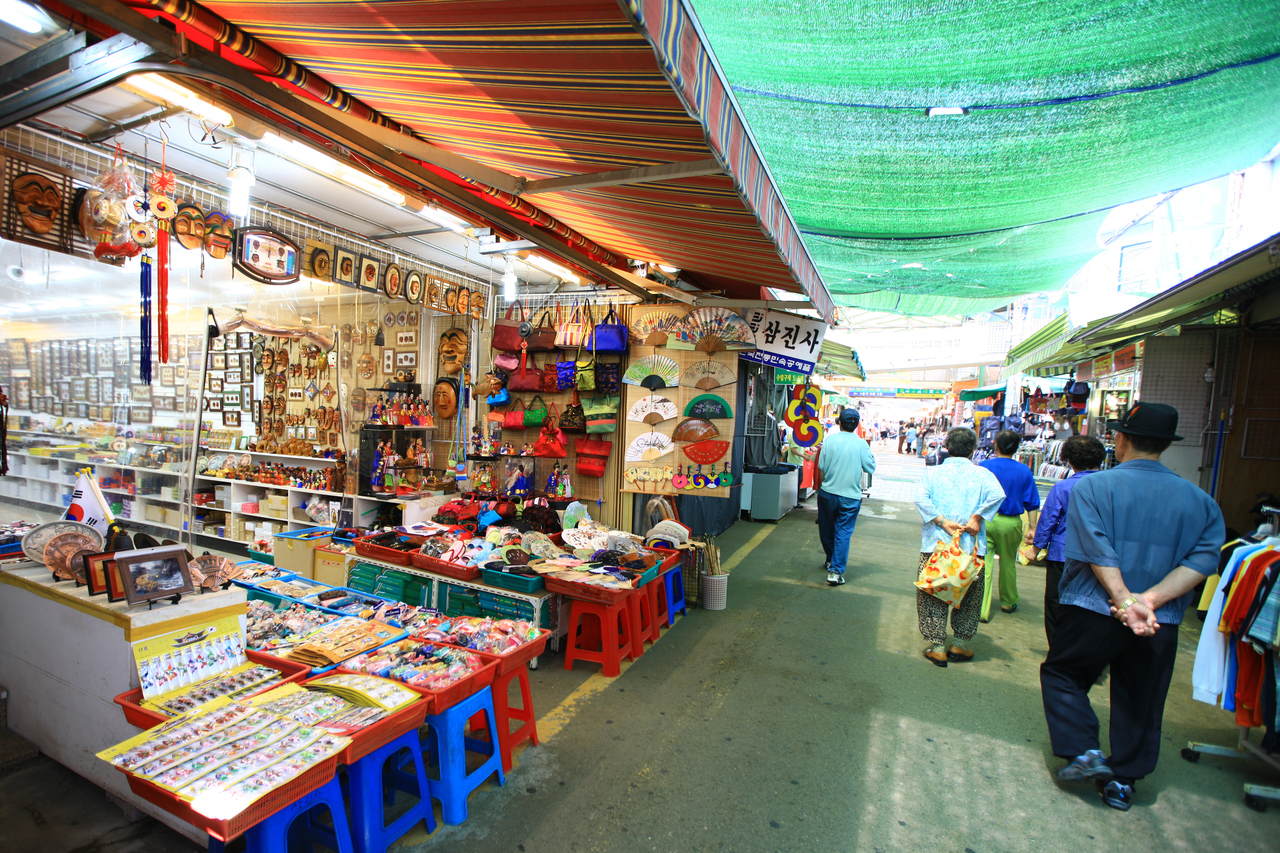
    When it comes to food culture, few things offer as much vibrancy and variety as the streets of Korea. Walking through bustling markets and vibrant alleyways, you quickly realize that Korean street food is not just about satisfying hunger; it’s an experience woven into the fabric of daily life. In this exploration of street food, I will highlight several aspects that contribute to its uniquely captivating essence.

    The Role of Fresh Ingredients

    In Korea, street food vendors often emphasize the use of fresh, high-quality ingredients, which is a cornerstone of the local culinary philosophy. Each dish, whether it’s tteokbokki or hotteok, is crafted using ingredients that are sourced regularly to ensure optimal flavor and texture. Vendors take pride in ensuring that their offerings resonate with the freshness of home-cooked meals.

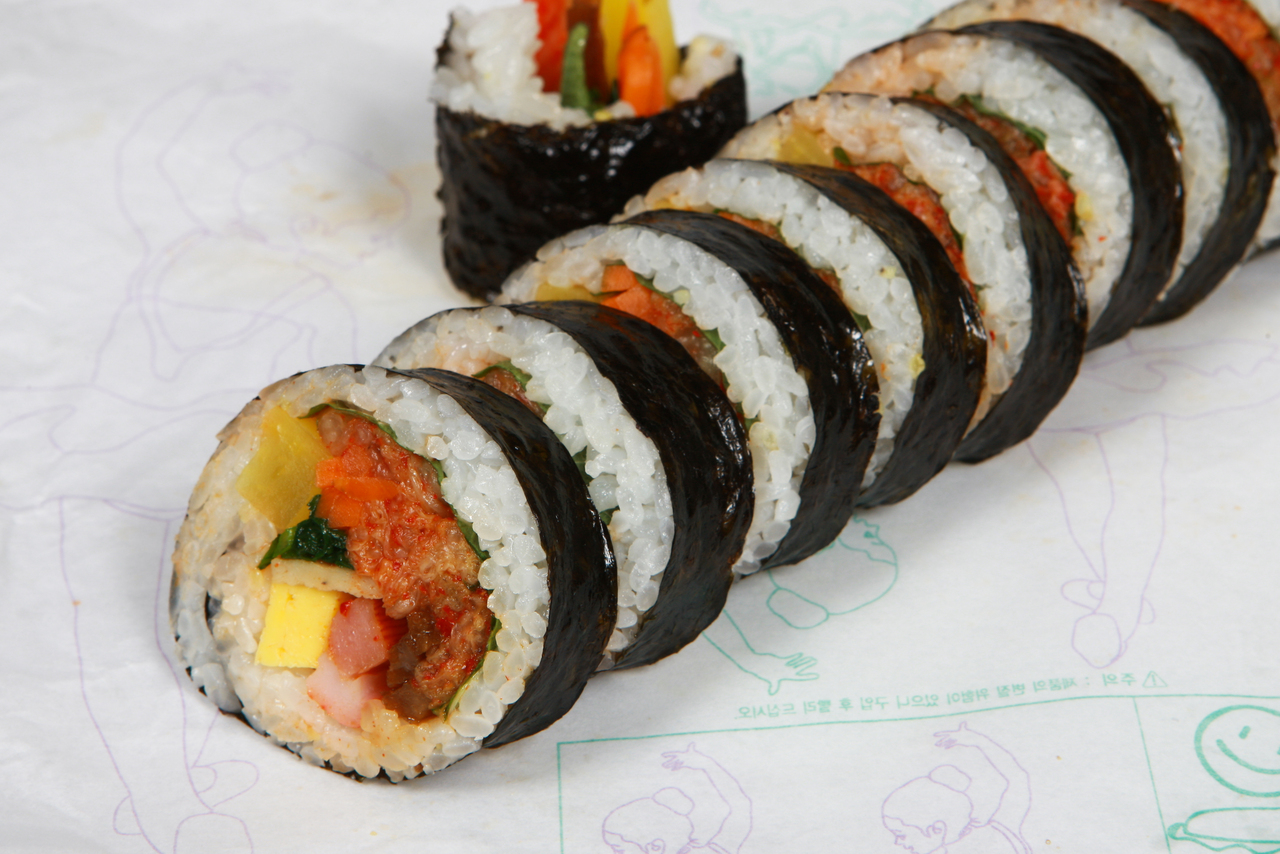
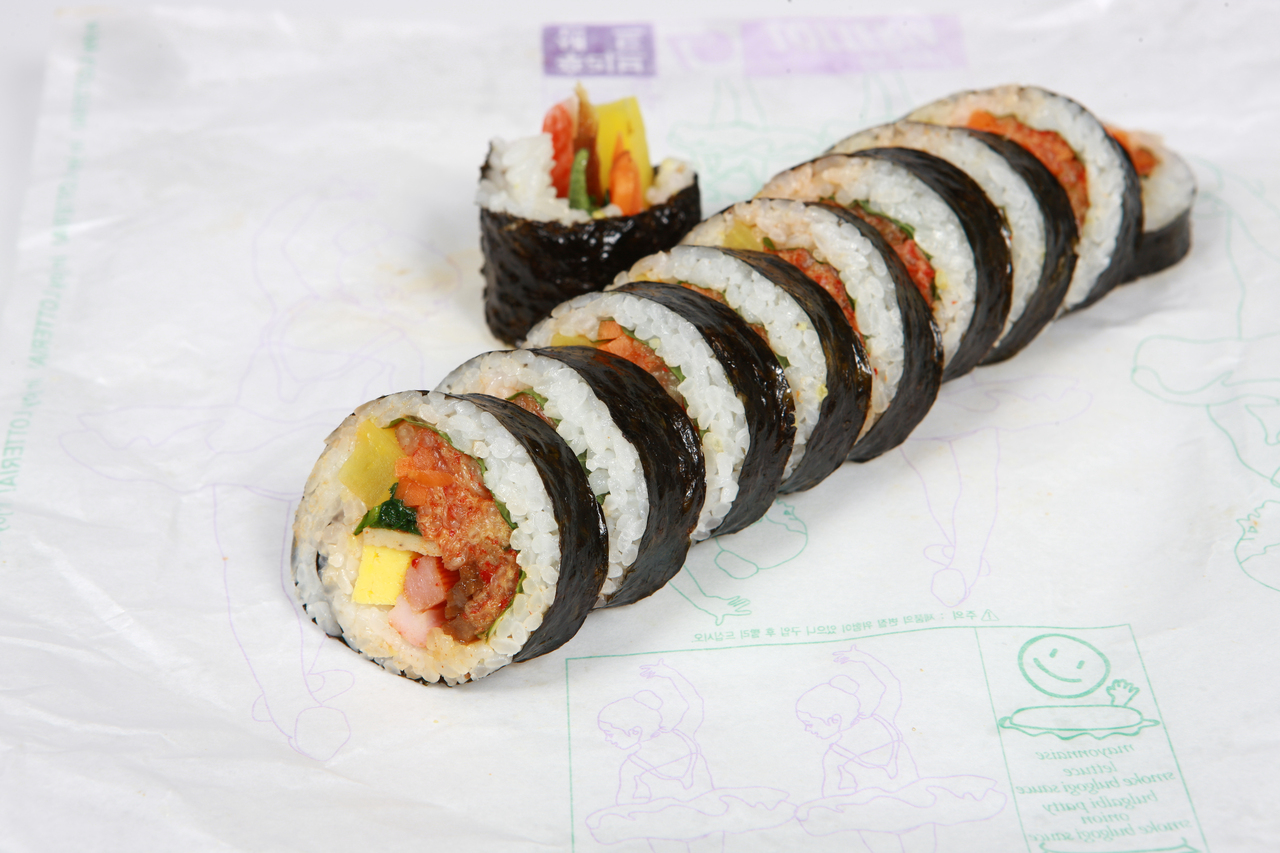
    For example, when enjoying a plate of kimbap from a street vendor, you’ll notice the crispness of the vegetables perfectly paired with the umami-rich seaweed and rice. This commitment to freshness means that even a simple snack feels like a substantial meal, creating a delightful contrast to many ordinary snacks that often rely on preservatives and artificial flavors.

    Street Food as a Social Experience

    One of the most distinctive features of street food in Korea is its integral role in social interactions. Sharing a plate of fried chicken or enjoying spicy squid with friends is a cherished tradition. This communal aspect elevates the dining experience; it encourages conversation, laughter, and another layer of enjoyment that goes beyond mere sustenance.

    From what I have observed in Korean daily life, gathering around a food stall fosters a sense of community. You might see groups of friends seated on makeshift benches, sharing not just food but also stories and laughter, creating memories tied closely to the culinary delights they consume. This authentic atmosphere is something that is often absent when indulging in solitary snacks.

    Variety and Innovation

    Street vendors in Korea showcase an extraordinary range of culinary options. While many countries might feature a static lineup of snacks, Korean vendors often experiment, providing not only traditional dishes but also unique twists that capture changing culinary trends. From fusion recipes to seasonal specialties, the variety is enchanting.

    AdSense Area 1
    Google AdSense code can be inserted here later.
    Unpacking the Unique Essence of Korean Street Food Compared to Ordinary Snacks

    Consider the modern twist on the traditional hotteok, a filled pancake; some vendors now offer versions stuffed with sweet potato or even ice cream, showcasing culinary creativity. Such innovation means there’s always something new to try, and this dynamic environment keeps food enthusiasts engaged, enhancing the exploration process.

    The Influence of Korean Cuisine

    Another significant aspect is how deeply rooted Korean street food is in traditional cuisine. Many snacks may be recognized globally, such as kimchi or bulgogi, but their street food counterparts often adapt these flavors to more accessible formats. The deep connection to cultural heritage enriches the taste and significant story behind each dish.

    For instance, the spicy and slightly sweet tteokbokki is reminiscent of the flavors found in more complex traditional stews. This connection to established culinary practises provides an authentic taste of Korea that is both comforting and nostalgic for locals while being a vivid introduction for international visitors.

    Aesthetic Appeal

    Visual presentation plays a critical role in the enjoyment of food across cultures, but Korean street food takes this to another level. Vendors are known for their colorful displays, eye-catching packaging, and artistic plating that can turn even the simplest of dishes into a visual feast. This attention to aesthetic details enhances the overall experience, making every meal Instagram-worthy.

    When you encounter a vibrant rainbow of skewered fish cakes or the visually appealing spiral potato on a stick, it’s hard not to feel tempted. This emphasis on presentation not only satisfies the palate but also entices the senses, creating an all-encompassing sensory experience that ordinary snacks seldom provide.

    Flavor Profiles and Bold Seasonings

    One thing foreigners may not notice at first is the intensity of flavors found in Korean street food. The use of bold, often spicy seasonings elevates even the simplest ingredients, creating memorable taste profiles that linger long after the meal is over. It’s about crafting an explosion of flavors on the palate, a characteristic that sets it apart from bland, ordinary snacks that might leave consumers less than satisfied.

    Quick Action: Choose one practical idea from this article and apply it today.
    AdSense Area 2
    Second ad placement area for longer content.

    For instance, Korean fried chicken takes the classic recipe and enhances it with a combination of garlic, gochujang (red pepper paste), and a touch of sweetness, resulting in a mouthwatering dish that feels indulgent and satisfying. This layering of flavors is a hallmark of Korean cuisine, turning a simple snack into an unforgettable experience.

    Cooking Techniques and Craftsmanship

    The cooking methods employed by street vendors also contribute significantly to the unique character of Korean street food. Techniques such as grilling, frying, and steaming are not just basic preparation methods but are deeply rooted in tradition, honed over generations to craft the ideal texture and flavor profile. The skills of the vendor shine through in how they prepare each dish.

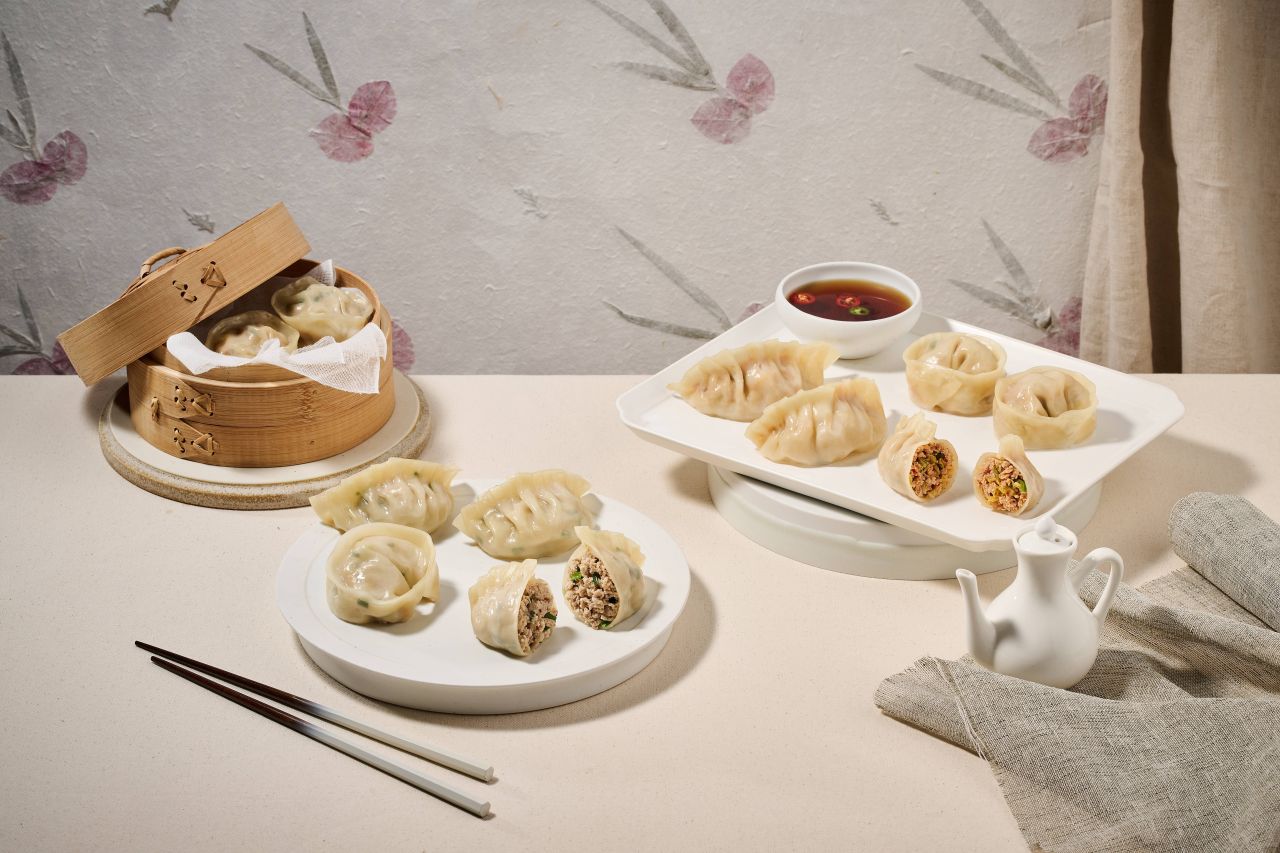
    Take the preparation of mandu, Korean dumplings, as an example. Vendors expertly fold the dough, ensuring that each dumpling is packed perfectly with fillings. The frying or steaming process is then executed with precision for a delightful crunch or a soft and chewy texture. This craftsmanship often turns the act of purchasing food into a mini-performance, adding to the overall experience.

    Accessibility and Affordability

    Finally, one cannot ignore the accessibility and affordability of street food in Korea. Prices are typically low, allowing people from all walks of life to indulge without hefty expenses. This affordability invites a diverse crowd, amplifying the joyful hustle and bustle of the street food scene.

    From my experience around Korean workplaces, streets, cafes, stores, and daily routines, it’s not uncommon to see students grabbing tteokbokki after class or office workers enjoying spicy rice cakes during their lunch break. The accessibility of these delightful snacks means that food culture thrives daily, rather than being restricted to special occasions.

    Personal Opinion

    In my personal opinion, the distinctiveness of Korean street food lies not just in its flavors or ingredients, but in its cultural significance and the experiences it fosters. It’s a bridge that connects generations, families, and friends, encapsulating the vibrant essence of Korean life. Embracing this aspect of street food can deepen one’s understanding of the country and its people while offering a taste experience that is both rich and unforgettable. Whether it’s the warmth of shared meals around the cart or the burst of flavors that tantalize the taste buds, Korean street food is an adventure waiting to be savored.

    Unpacking the Unique Essence of Korean Street Food Compared to Ordinary Snacks

    Profit Flow Daily shares practical insights on global markets, online income, Korean culture, Korean food, beauty, travel, and work life.

    This article is for informational purposes only and should not be considered financial, investment, legal, medical, or tax advice.


  • Understanding the Unique Allure of Korean Street Food

    Understanding the Unique Allure of Korean Street Food

    Understanding the Unique Allure of Korean Street Food

    Walking through the bustling streets of Korea, the air often carries an irresistible aroma that beckons passersby to indulge in a variety of snacks. While many countries offer their own street food, there’s something uniquely captivating about the offerings found here. Delving deeper into the various aspects that contribute to this distinctiveness reveals why these snacks transcend the ordinary.

    1. The Culture of Sharing

    In Korea, food is not just a means of sustenance; it represents a fundamental aspect of social life. Street food vendors often see customers gathering around tables or sitting on low stools, sharing plates and trying different dishes. This culture promotes a sense of community, allowing friends, family, and even strangers to bond over their love for food.

    Unlike typical snack experiences in other countries that can often feel solitary, sharing street food creates an inviting atmosphere. For instance, while enjoying tteokbokki (spicy rice cakes), it’s common to see groups of friends enthusiastically sampling each other’s portions, deepening connections in a casual yet vibrant setting. This communal aspect transforms eating into a shared experience encapsulated by laughter, discussion, and mutual enjoyment.

    2. A Symphony of Flavors

    One thing that stands out about Korean street food is the boldness of its flavors. Ingredients are often infused with spices and seasonings that deliver vibrant, punchy tastes. Dishes like hotteok (sweet pancakes filled with sugar and nuts) offer a delightful mixture of sweetness and warmth, while spicy chicken skewers present a fiery kick that ignites the palate.

    In contrast to ordinary snacks, which may offer simplistic flavors, the complexity in Korean street food sets it apart. From what I have observed, the combination of savory, spicy, and sweet flavors creates a more dynamic eating experience. These layers of taste are a testament to Korea’s culinary heritage, drawing from its diverse regional influences that give each dish a unique flair.

    3. Fresh Ingredients on Display

    Korean street food vendors emphasize the importance of freshness and visibility. Many stalls proudly showcase their ingredients, allowing customers to watch as their food is prepared. This level of transparency fosters trust and excitement, encouraging people to engage with the culinary process.

    Take, for example, the preparation of kimbap (seaweed rice rolls). Vendors often have vibrant displays of vegetables, rice, and seaweed, all ready to be rolled into a delicious snack right before your eyes. This not only enhances the sensory experience of eating but also assures consumers that they are purchasing high-quality, fresh food, unlike pre-packaged snacks where ingredients may be less apparent.

    AdSense Area 1
    Google AdSense code can be inserted here later.
    Understanding the Unique Allure of Korean Street Food

    4. Innovation Meets Tradition

    Street food in Korea is a delightful blend of age-old traditions and modern interpretations. Traditional dishes are innovatively reimagined, often resulting in fusion products that excite the taste buds. For instance, you might encounter Korean-style tacos, which combine elements of beloved street foods with international flavors.

    This innovation often attracts younger generations while still honoring the roots of Korean cuisine. From my experience, the balance between tradition and modernity is not just appealing; it rejuvenates interest in cultural heritage while making traditional foods accessible to a global audience. Vendors embrace creativity, ensuring that the street food scene remains lively and ever-evolving.

    5. Accessibility and Affordability

    Korean street food is remarkably accessible, both in terms of physical presence and price point. Vendors set up stalls in busy urban areas, universities, and local markets, making it easy for anyone to grab a bite. This convenience is essential, especially for students looking for quick meals between classes.

    Moreover, the affordability of these snacks offers a diverse culinary experience without straining the wallet. A typical serving of odeng (fish cake) or twigim (tempura) can be found for just a few thousand won. For newcomers wanting to immerse themselves in local cuisine, this is an advantageous way to sample a variety of dishes without committing to a full meal in a restaurant.

    6. Seasonal and Regional Specialties

    The availability of street food items often reflects Korea’s diverse seasons and regions. Vendors may offer seasonal specialties, allowing food enthusiasts to experience the changing flavors of the country. For instance, during the spring, you might find refreshing dishes that incorporate seasonal greens, while winter brings out hot meals that warm the soul, like sweet potato soup.

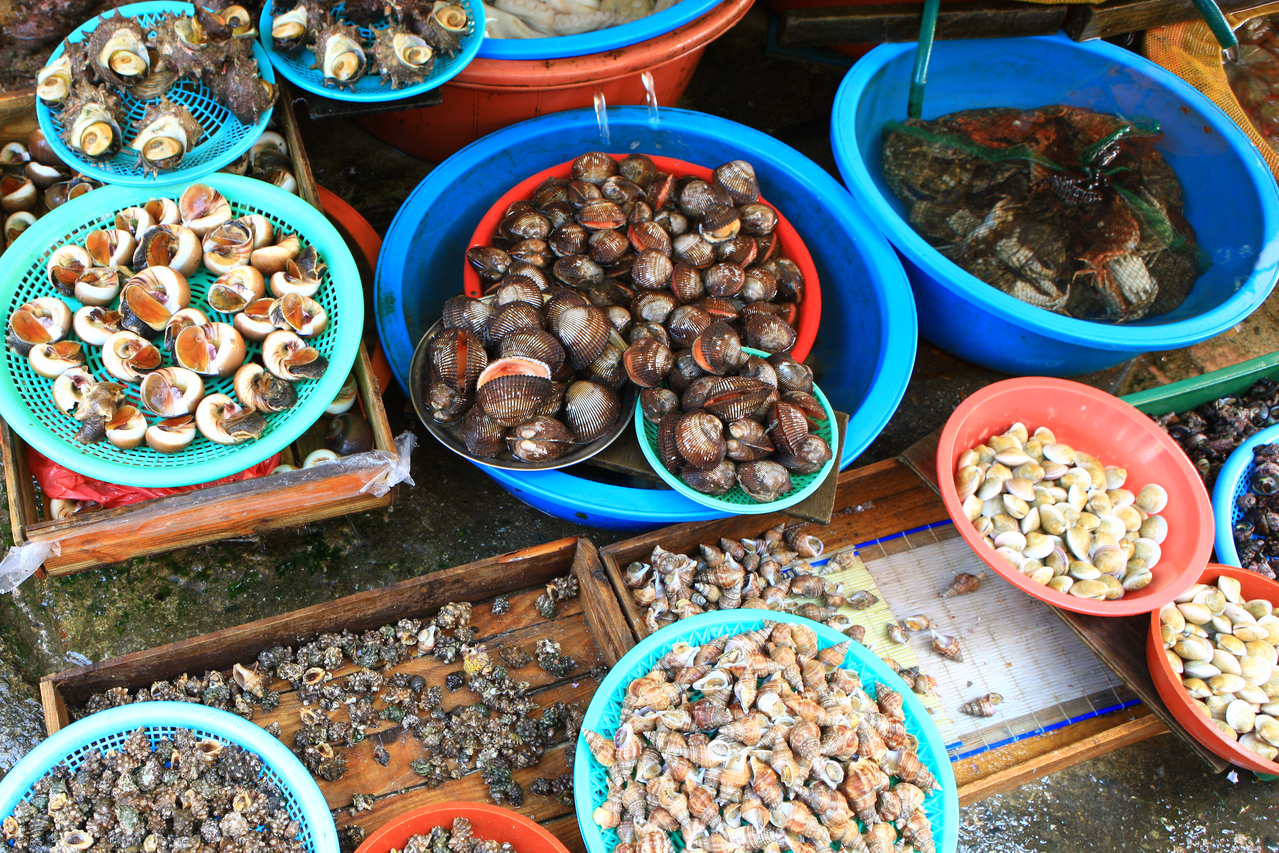
    Regions also take pride in their local delicacies. A visit to Busan, for example, warrants an exploration of its famous seafood street food stalls, serving up tasty raw fish and grilled octopus. This emphasis on seasonal and regional varieties adds yet another layer of intrigue to the street food experience, making it a genuine reflection of Korea’s dynamic food culture.

    7. The Visual Feast

    Every dish served on the streets of Korea is a visual delight, often crafted with care to ensure they are not only flavorful but also appealing to the eye. Vendors frequently present their food with vibrant colors and artistic arrangements, turning each plate into a small work of art. Dishes like bibimbap (mixed rice with vegetables and meat) are not just about taste but also about the aesthetic experience they provide.

    This attention to presentation heightens the overall enjoyment of eating. From bright green vegetables to richly colored sauces, the visual aspect encourages people to take that first bite. It’s common to see people hovering over their plates, capturing the perfect photo before diving in, showcasing how good looks complement good food in Korean street culture.

    Quick Action: Choose one practical idea from this article and apply it today.
    AdSense Area 2
    Second ad placement area for longer content.

    8. The Personal Touch

    Korean street food vendors often bring a personal touch to their offerings. Many of them are small family-run businesses, where recipes are handed down through generations. The passion that they have for their food is often visible in the way they engage with customers.

    Listening to a vendor recount the story behind a particular dish adds depth to the overall experience. This personal connection not only enhances the appreciation of the food but also makes the visit special. For instance, a vendor might share the traditional methods of preparation, reflecting their family’s culinary legacy, embedding a personal narrative in every bite.

    9. Street Food Festivals and Events

    Throughout the year, Korea hosts various street food festivals that celebrate the rich culinary landscape of the nation. These events feature a plethora of stalls offering everything from traditional bites to innovative creations. Attending such a festival can be an exhilarating experience.

    At these festivals, one can taste a wide array of dishes, interact with passionate vendors, and witness cooking demonstrations. This communal atmosphere amplifies the enjoyment of tasting food and serves as an opportunity to engage with local culture. From what I have seen, these festivals are not merely about eating but embody the essence of gathering, sharing, and celebrating Korea’s vibrant street food culture.

    10. Challenges and Sustainability

    As delightful as Korean street food is, it also faces challenges, particularly regarding sustainability and waste management. Many vendors rely heavily on single-use plastics, which raises environmental concerns in a country that is striving for greener practices. However, some are beginning to adapt by using eco-friendly packaging and encouraging recycling among customers.

    For anyone interested in supporting sustainability, opt for vendors who emphasize environmentally friendly practices. Consumers also play a critical role by making choices that reflect a desire for responsible consumption. Participation in community discussions geared towards improving street food practices can lead to positive changes for both vendors and consumers.

    Personal Opinion

    In my personal opinion, the essence of Korean street food transcends mere dietary pleasure. It fosters community, showcases cultural heritage, and brings innovation to the forefront. Each bite reflects a story waiting to be told, marrying tradition with modern flavors while supporting local economies. As both a resident and an enthusiastic consumer, I find it fascinating how street food encapsulates the spirit of Korea, inviting people from all walks of life to partake in a shared culinary journey. The unique experience of savoring these exceptional snacks is something that truly enhances daily life here, making it a cherished aspect of the vibrant culture.

    Understanding the Unique Allure of Korean Street Food

    Profit Flow Daily shares practical insights on global markets, online income, Korean culture, Korean food, beauty, travel, and work life.

    This article is for informational purposes only and should not be considered financial, investment, legal, medical, or tax advice.

  • The Global Rise of Korean Cuisine: A Deep Dive into Its Popularity

    The Global Rise of Korean Cuisine: A Deep Dive into Its Popularity

    The Global Rise of Korean Cuisine: A Deep Dive into Its Popularity

    The rise of Korean food on the global stage is a captivating phenomenon that showcases not just a culinary trend, but a cultural exchange that highlights the richness of Korea’s culinary heritage. From spicy kimchi to savory bulgogi, Korean cuisine has struck a chord with food enthusiasts around the world. This shift can be attributed to various factors that intertwine the unique flavors of Korea with global appreciation for diverse culinary experiences.

    1. The Influence of K-Dramas and K-Pop

    One major factor contributing to the popularity of Korean food is the rise of K-culture, particularly K-dramas and K-pop. These entertainment mediums have significantly raised global awareness and interest in Korean lifestyle, including its food. K-dramas often include scenes featuring appetizing dishes that reflect cultural values and family bonds, which resonates deeply with viewers. Fans not only want to watch their favorite characters enjoy these meals, but they often seek out these dishes to experience a taste of the story themselves.

    K-pop has similarly created a massive platform for the promotion of Korean culture. Music videos often showcase vibrant food and dining experiences, making them an integral part of the visual storytelling. Fans find themselves intrigued not just by the music, but also by the lifestyle that surrounds it. As a result, global audiences have developed a curiosity about the meals depicted, leading many to dine at Korean restaurants or try their hand at cooking traditional dishes at home.

    2. Health Benefits of Korean Cuisine

    The growing emphasis on healthy eating has also played a pivotal role in enhancing the popularity of Korean food. Korean dishes often highlight fresh ingredients, fermented foods, and a balance of flavors that cater to contemporary health-conscious consumers. For instance, vegetables are used abundantly in traditional recipes, and many dishes are prepared with minimal oil, allowing the natural taste of the ingredients to shine through.

    Moreover, fermented foods like kimchi are rich in probiotics, which have been linked to various health benefits, such as improved digestion and enhanced immune function. This has garnered attention from nutritionists and health enthusiasts who advocate for a balanced diet. As more people become aware of these benefits, they are turning to Korean cuisine as a flavorful and healthy alternative to their usual meals.

    3. The Role of Social Media

    Social media platforms have transformed how people discover and celebrate food. Instagram, TikTok, and YouTube abound with food influencers and creators showcasing their culinary experiences, and Korean cuisine is frequently a star on these platforms. The vibrant and colorful presentation of dishes such as bibimbap and tteokbokki is inherently photogenic, making it perfect for social media sharing.

    AdSense Area 1
    Google AdSense code can be inserted here later.
    The Global Rise of Korean Cuisine: A Deep Dive into Its Popularity

    Many individuals have learned how to prepare Korean meals through online tutorials, further driving their interest and involvement in Korean cooking. Users are not just passive consumers; they engage actively by sharing their own renditions of Korean dishes, creating a community centered around appreciation for this cuisine. This sharing culture elevates Korean food’s visibility and encourages even more people to try it.

    4. Accessibility of Korean Ingredients

    The globalization of the food supply chain has made it easier for people outside Korea to access Korean ingredients. Asian supermarkets are now prevalent in many urban areas around the world, allowing home cooks to find essential ingredients for authentic Korean dishes without hassle. Key ingredients such as gochujang (red chili paste), doenjang (fermented soybean paste), and various kinds of rice have become increasingly available.

    The surge of online shopping has also contributed to this accessibility. Many e-commerce platforms offer Korean cooking kits and ingredient shopping options, enabling interested diners to bring Korean flavors into their own kitchens. As people become familiar with using these ingredients, their interest in Korean cooking grows, leading to increased demand for recipes and more diverse offerings in restaurants.

    5. The Appeal of Unique Flavors

    Korean cuisine is known for its unique and bold flavors that are often a delightful surprise to many. The combination of sweet, spicy, sour, and savory makes each dish compelling and offers a varied dining experience. For instance, the use of garlic and ginger in marinades creates a depth of flavor that is incomparable, while the various textures found in dishes add to the overall enjoyment.

    Additionally, the communal aspect of dining in Korean culture, which often involves sharing multiple dishes among diners, enhances the experience. This not only encourages social interaction but allows individuals to sample a wide range of flavors in one sitting. The overall dining philosophy promotes a unique experience, leading to a more fulfilling meal compared to typical individual servings found in many other cuisines.

    6. Korean Food Festivals and Culinary Events

    Food festivals and culinary events focusing on Korean cuisine have gained traction around the world, further elevating its profile. These events often showcase the versatility of Korean dishes and offer attendees a chance to experience authentic flavors prepared by skilled chefs. Festivals may also feature cooking classes, cultural performances, and tastings, creating a holistic introduction to Korean culinary traditions and practices.

    Quick Action: Choose one practical idea from this article and apply it today.
    AdSense Area 2
    Second ad placement area for longer content.

    For example, events like the Korean Food Festival in Los Angeles or K-food events in London introduce a wide audience to various aspects of Korean cuisine, including live cooking demonstrations and food sampling. These events have proven invaluable in educating participants about Korean culture while simultaneously enhancing the global appreciation of its food.

    7. The Growth of Korean Restaurants Globally

    As the appreciation for Korean cuisine has expanded, so has the supply of Korean restaurants globally. Diners can now find Korean BBQ, restaurants offering traditional dishes, and fusion concepts that blend Korean flavors with local ingredients. This variety caters to diverse tastes and preferences, making it easier for more people to try and enjoy Korean food.

    The trend of food trucks and pop-up restaurants has also contributed to this boom. These less formal dining options provide a convenient entry point for individuals unfamiliar with Korean cuisine, allowing them to experiment without a full commitment. With positive experiences, these diners often return to explore further or visit traditional restaurants, creating a ripple effect in the interest of Korean food.

    8. Korean Food as a Cultural Ambassador

    Korean cuisine serves as a cultural ambassador, opening conversations about Korea’s rich heritage and traditions. From what I have observed in Korean daily life, meals are not just about sustenance but are often an essential part of gatherings and celebrations. Every dish carries a story, and sharing food provides a tangible way to explore and appreciate cultural values. 

    This cultural significance is a selling point for many people interested in more than just the flavors; they are intrigued by experiencing a piece of Korean culture through its food. This makes each dining experience an opportunity for cultural exploration and fosters a greater appreciation for international diversity.

    Personal Opinion

    In my personal opinion, the rise of Korean food globally is more than just a passing trend. It reflects a broader acceptance of culinary diversity and an eagerness to explore new flavors and traditions. As someone who observes the interconnectedness brought about by globalization, it’s gratifying to see people worldwide embracing not just the dishes but the stories and culture behind them. Korean cuisine has undeniably earned its place at the global table, and its future seems promising as it continues to bring people together through shared meals and experiences.

    The Global Rise of Korean Cuisine: A Deep Dive into Its Popularity

    Profit Flow Daily shares practical insights on global markets, crypto, investing, online income, and Korean culture.

    This article is for informational purposes only and should not be considered financial, investment, legal, medical, or tax advice.

  • Exploring the Connection Between Korean Meals and Lifestyle

    Exploring the Connection Between Korean Meals and Lifestyle

    Exploring the Connection Between Korean Meals and Lifestyle

    Korean cuisine offers more than just delightful flavors; it serves as a window into the rich tapestry of Korean life and culture. The way meals are prepared, shared, and consumed not only showcases culinary techniques but also reveals the values and social structures inherent to Korean society. In examining how meals reflect lifestyle, it becomes evident that food plays a pivotal role in social interactions, traditions, and the daily rhythm of life in Korea.

    The Importance of Shared Meals

    In Korea, meals are often communal experiences. Gathering around a table for food fosters a sense of connection and unity among family and friends. This practice is deeply embedded in the fabric of Korean culture, stemming from historical practices where families would bond over shared dishes.

    The traditional Korean dining setup usually includes several side dishes, known as banchan, which are placed on the table for everyone to enjoy. This encourages sharing and conversation, making meals a perfect opportunity to strengthen relationships. From what I have observed in Korean daily life, this emphasis on collective dining promotes not only familial bonds but also social cohesion. It is common to see family members and friends engaging in lively discussions, laughter, and storytelling during meals, highlighting the role of food in bringing people together.

    Emphasizing Health and Nutrition

    Another aspect of Korean meals that mirrors lifestyle is the focus on health and nutrition. Traditional Korean food is rich in vegetables, lean meats, and fermented foods, contributing to a balanced diet. Dishes like kimchi, made from fermented vegetables, are not just flavorful; they are also packed with probiotics that promote gut health. This dedication to nutritious eating reflects the high value placed on well-being in Korean society.

    In Korean households, it is common for meals to be prepared with a keen eye on seasonal ingredients. This practice demonstrates a harmonious relationship with nature, as families often cook with what is locally available and in season. This is observed in the market culture where fresh produce is prioritized, and many people will shop daily for the freshest ingredients. Ultimately, this commitment to health and the environment shapes a lifestyle that values both personal and planetary wellness.

    AdSense Area 1
    Google AdSense code can be inserted here later.
    Exploring the Connection Between Korean Meals and Lifestyle

    Food as a Cultural Expression

    Korean meals often serve as a canvas for cultural expression. From regional specialties to historically significant dishes, the variety found across Korea is astounding. Each dish tells a story, reflecting the local history, climate, and resources available. For instance, the spicy seafood stew known as jjamppong is not just a meal; it is a reflection of Korea’s coastal geography and robust culinary traditions.

    Moreover, food plays a significant role in festivals and celebrations. During events like Chuseok (Korean Thanksgiving) and Seollal (Lunar New Year), traditional foods take center stage, symbolizing gratitude, renewal, and connection to ancestors. In Korean workplaces or everyday culture, I often notice how these meals are a vital part of celebrations, bridging the gap between work and home life. The preparation and enjoyment of these dishes reinforce cultural identity and continuity, making meals a vibrant aspect of life.

    The Role of Technology and Modern Adaptations

    As much as traditional practices shape Korean meals, modern technology and globalization have introduced new dynamics into dining experiences. Food delivery apps and online grocery shopping have transformed how Koreans access and enjoy their meals. This shift illustrates a blend of traditional values with contemporary conveniences, showing how lifestyle evolves while remaining rooted in cultural heritage.

    Street food has also gained popularity, becoming a staple part of the modern dining experience. From my observations, you’ll find a plethora of options like tteokbokki (spicy rice cakes) and hotteok (sweet pancakes) available in vibrant markets across urban areas. This trend encapsulates the fast-paced lifestyle that many Koreans lead today, offering not just sustenance but also a quick and enjoyable experience. Despite these modern influences, traditional dining principles, such as sharing and community, persist, highlighting the adaptability of Korean culture.

    Food and Social Dynamics

    The social dynamics surrounding meals in Korea provide insight into societal structures. For instance, the act of pouring drinks for others, particularly in a business context, denotes respect and value for relationships. It is common for colleagues to engage in banquets or dinners that serve to strengthen professional bonds. One thing that often surprises foreign visitors is the ritualistic nature with which meals are approached, highlighting a deep-rooted respect for hierarchy and teamwork.

    In many workplaces, team lunches or dinners are regular occurrences aimed at fostering camaraderie. This culture of sharing meals allows employees to break down formal barriers and connect on a personal level. I often notice that these gatherings create an environment in which collaboration thrives, demonstrating that food is not just a means of sustenance but a catalyst for teamwork and trust.

    Quick Action: Choose one practical idea from this article and apply it today.
    AdSense Area 2
    Second ad placement area for longer content.

    Culinary Education and Personal Growth

    Korean meals are also reflective of a broader commitment to learning and personal development. Many families place a strong emphasis on cooking as a life skill, and culinary education is increasingly common. Young people often spend time in the kitchen, learning recipes passed down through generations, which creates a sense of continuity and identity. Cooking classes focusing on traditional dishes have also gained popularity, enabling individuals to connect with their heritage while enhancing their skills.

    This focus on culinary education shows how deeply intertwined food and self-growth are in Korean culture. The kitchen becomes a classroom where traditions are honored, and individuals are empowered to express themselves through cooking. In this way, preparing meals is seen as both an art and a responsibility, reinforcing the value placed on creativity and mastery.

    The Impact of Globalization

    Globalization has dramatically influenced Korean food culture, intertwining it with international culinary trends. This impact is visible in the flourishing popularity of Korean BBQ around the world, which has led to increased interest in authentic Korean cuisine. As dish combinations evolve and restaurants innovate, Korean food finds itself adapting while staying true to its roots.

    With the influx of international ingredients and cooking styles, the culinary landscape in Korea is rich and diverse. One thing I often notice is that young, trendy cafes in Seoul now combine Western flavors with traditional Korean elements, creating unique fusion dishes. This evolution reflects the adaptive nature of Korean culture, celebrating traditional roots while embracing the global influence surrounding it.

    Personal Opinion

    In my personal opinion, the way meals reflect lifestyle in Korea is a testament to the country’s rich heritage and adaptability. The communal aspect of dining fosters relationships, while the focus on health showcases a genuine commitment to well-being. I find it inspiring to see how food carries significant meaning, serving as a bridge between past and present. As globalization continues to unfold, Korean cuisine remains at the forefront of innovation while preserving its authenticity. This balance of tradition and change makes me appreciate the depth of Korean meals even more, as they are not just about what is eaten but who it connects with, and how it shapes lives.

    Exploring the Connection Between Korean Meals and Lifestyle

    Profit Flow Daily shares practical insights on global markets, crypto, investing, online income, and Korean culture.

    This article is for informational purposes only and should not be considered financial, investment, legal, medical, or tax advice.
  • The Essential Korean Dishes Every Beginner Should Experience

    The Essential Korean Dishes Every Beginner Should Experience

    The Essential Korean Dishes Every Beginner Should Experience

    For those venturing into the world of Korean cuisine, there is a rich tapestry of flavors, textures, and ingredients to explore. Known for its bold flavors and healthy ingredients, Korean food can be both exciting and overwhelming for newcomers. However, certain dishes stand out as must-tries that can serve as a perfect introduction to this delightful culinary tradition.

    1. Kimchi

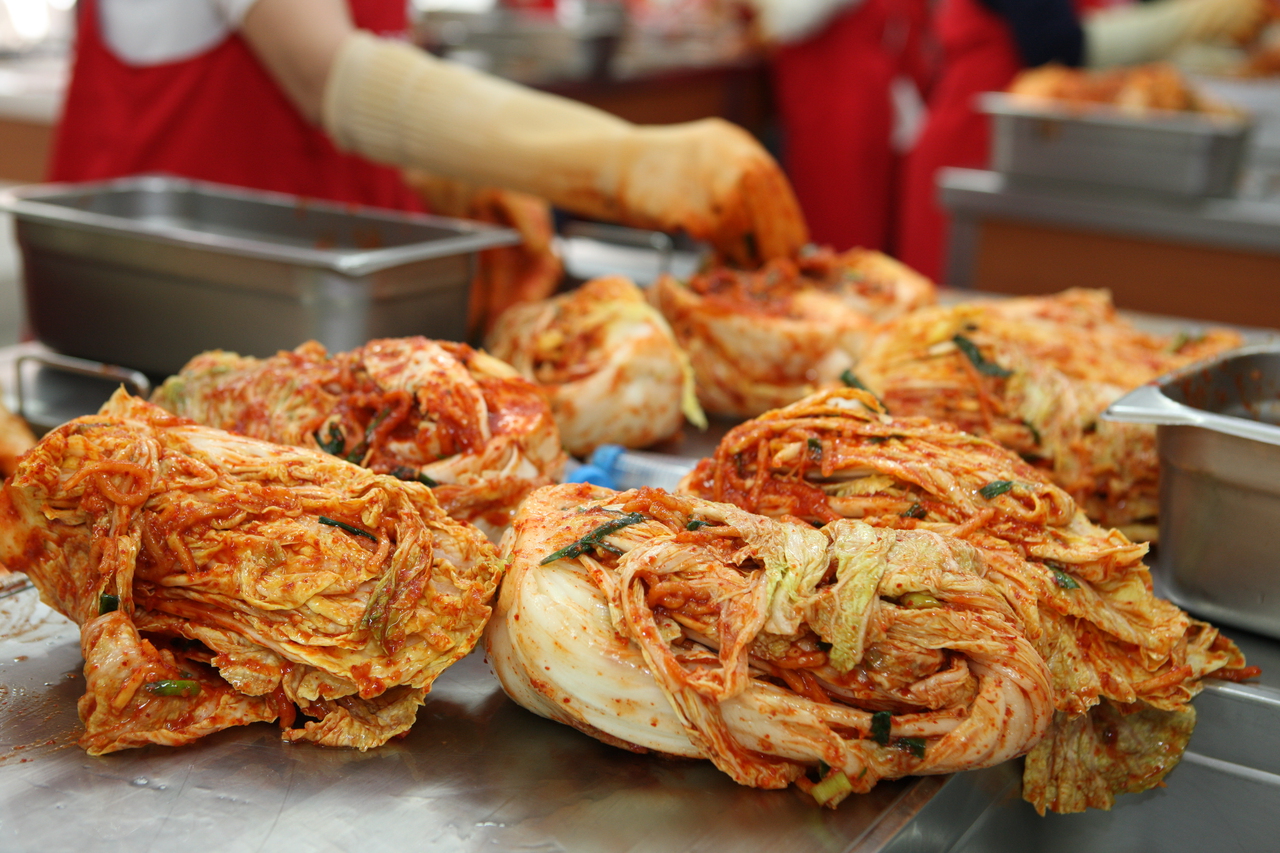
    Kimchi is more than just a dish; it is an integral part of Korean culture and cuisine. This fermented side dish typically consists of napa cabbage, radishes, and a variety of seasonings, including garlic, ginger, and Korean red pepper flakes. The fermentation process contributes to its distinct, tangy flavor, making it a fantastic accompaniment to nearly any meal.

    From what I have observed in Korean daily life, kimchi is more than a side dish; it is a staple found at almost every table. It pairs well with rice and main dishes like bulgogi or can even be enjoyed on its own as a snack. Many families even make their own versions at home, customizing the spice level and ingredients based on personal preferences. Trying kimchi for the first time can be a life-changing experience, as the myriad flavors dance on your palate.

    2. Bibimbap

    This vibrant mixed rice dish is a feast for both the eyes and taste buds. Traditionally served in a hot stone bowl, bibimbap consists of rice topped with an assortment of sautéed vegetables, a fried egg, and gochujang (Korean chili paste). It’s a wonderful medley of flavors and textures, allowing you to appreciate fresh, seasonal ingredients.

    One thing that often surprises foreign visitors is the presentation of bibimbap. Each ingredient is carefully arranged, creating a colorful array of ingredients that encourages one to mix it all together before eating. This dish encapsulates the philosophy of ‘balance’ in Korean cuisine, where harmony among flavors is key. Furthermore, it offers a fantastic way to incorporate diverse vegetables into your diet, making it a nutritious option for new and seasoned eaters alike.

    3. Tteokbokki

    Tteokbokki is a beloved street food staple that is both comforting and satisfying. This dish consists of chewy rice cakes that are simmered in a spicy-sweet sauce made from gochujang and sugar, often accompanied by fish cakes and vegetables. The combination of textures—from the firmness of the rice cakes to the softness of the fish cakes—creates a delightful eating experience.

    In Korean workplaces or everyday culture, I often notice that tteokbokki is a popular option for a quick snack or meal. It can be found at numerous food stalls and is often enjoyed with friends. If you are exploring Korean food culture, trying tteokbokki in a bustling market is an experience you won’t forget. Its satisfying flavors and heartwarming nature make it an excellent choice for first-time explorers of Korean cuisine.

    AdSense Area 1
    Google AdSense code can be inserted here later.
    The Essential Korean Dishes Every Beginner Should Experience

    4. Bulgogi

    A popular Korean barbecue dish, bulgogi consists of marinated beef that is grilled or stir-fried. The marinade typically includes soy sauce, sugar, sesame oil, garlic, and pepper, resulting in tender and flavorful meat that is difficult to resist. When cooked, the beef reveals a beautiful caramelized glaze that enhances its rich flavors.

    From what I have observed, families and friends come together to enjoy bulgogi at home or at barbecue restaurants, often cooking the meat right at the table. The interactive aspect of this dish fosters a sense of connection among diners. Enjoying bulgogi with a side of lettuce leaves to wrap the meat is a common practice, as it provides a fresh crunch that complements the savory flavors beautifully. Trying this dish gives one a taste of the communal spirit that is intrinsic to Korean dining.

    5. Japchae

    Japchae, or stir-fried glass noodles, is a delightful dish made with sweet potato starch noodles, vegetables, and often some form of protein. The noodles are stir-fried with sesame oil and flavored with soy sauce, giving the dish both a unique texture and flavor. The inclusion of colorful vegetables makes japchae visually appealing and nutritious.

    This dish easily fits into both everyday meals and special occasions, showcasing its versatility. I have noticed that it is often served at celebrations like birthdays or holidays, symbolizing good fortune and happiness. Trying japchae not only allows newcomers to appreciate the soupiness of Korean noodles but also highlights the importance of presentation and balance in Korean cooking.

    6. Kimbap

    Kimbap, often referred to as the Korean version of sushi, consists of rice and various ingredients rolled in seaweed. The fillings can vary greatly, ranging from pickled vegetables and egg to meats, providing endless customization options. It’s a convenient and portable meal, making it a popular choice for picnics or a quick lunch.

    From what I have seen, kimbap is a common sight in Korean lunchboxes and is often enjoyed during outdoor activities. It is a popular choice due to its flavor, portability, and the fact that it can be made ahead of time. Trying kimbap allows one to experience the balance of flavors and learn about the various fillings that can be combined, making it an exciting dish for beginners.

    7. Samgyeopsal

    This dish is a favorite among meat lovers, consisting of thick slices of pork belly that are grilled at the table. Rather than being pre-marinated, samgyeopsal is typically seasoned with salt and pepper and grilled to perfection. It is usually accompanied by a variety of dipping sauces and vegetables, such as garlic, green peppers, and sesame oil.

    In Korean culture, samgyeopsal is often enjoyed in a social setting, where friends and family gather around the grill. It encapsulates the communal dining experience of Korean barbecues and offers a delectable taste of grilled meats. When trying samgyeopsal, the experience of grilling the pork right at your table and then wrapping it in lettuce leaves with dips is something that brings a unique delight to newcomers. This tactile experience adds an element of fun and engagement to the meal.

    Quick Action: Choose one practical idea from this article and apply it today.
    AdSense Area 2
    Second ad placement area for longer content.

    8. Soondubu Jjigae

    This spicy tofu stew is a comforting dish that is perfect for colder weather. Made with uncurdled tofu, vegetables, and often seafood or meat, soondubu jjigae is packed with flavor and nutrition. The combination of gochugaru (Korean red pepper powder), garlic, and sesame oil brings warmth and depth to the stew.

    In Korean households, this dish is often a go-to option for a hearty meal. Its rich flavors and soft texture make it inviting, especially during winter months. The beauty of soondubu jjigae lies in how customizable it is; diners can choose their preferred level of spiciness and the type of protein used. Trying this dish offers a wonderful opportunity to experience the comforting side of Korean cuisine, reflecting its heartwarming culture.

    9. Sundubu (Soft Tofu)

    Another delightful way to explore soft tofu is through simple, seasoned dishes. Soondubu or sundubu emphasizes the delicate nature of soft tofu, which can be seasoned lightly and paired with soy sauce or sesame oil. This dish allows the true flavor and texture of the tofu to shine through.

    One thing that often surprises those new to Korean cuisine is the sheer variety in how simple ingredients can be transformed. Sundubu demonstrates this beautifully, highlighting the importance placed on quality ingredients and their natural flavors. Trying sundubu opens the door to understanding Korean culinary philosophy, emphasizing simplicity yet profound taste.

    10. Banchan

    No Korean meal is complete without banchan, the small side dishes served alongside the main course. These can range from pickled vegetables and seasoned seaweed to more unique items like spicy radishes or seasoned bean sprouts. The variety adds excitement to the meal and encourages sharing among diners.

    Experiencing banchan offers a window into Korean hospitality. It is customary for restaurants to serve several banchan dishes, providing flavors that complement the main meal. The engagement of sharing and tasting diverse items is at the heart of Korean dining culture. Trying various banchan gives a sense of exploration through flavors, offering a fulfilling experience for those new to Korean foods.

    Personal Opinion

    In my personal opinion, these dishes are excellent starting points for anyone curious about Korean cuisine. Each one represents a unique aspect of Korean culture, showing how food can bring people together and create lasting memories. The vibrant flavors, textures, and the communal dining experience offer a perspective on Korean culinary art that goes beyond just eating; it becomes a cultural exploration. As you embark on your journey through Korean food, remember to savor each dish, appreciating the craftsmanship behind it, and enjoy the connections it fosters with others.

    The Essential Korean Dishes Every Beginner Should Experience

    Profit Flow Daily shares practical insights on global markets, crypto, investing, online income, and Korean culture.

    This article is for informational purposes only and should not be considered financial, investment, legal, medical, or tax advice.
  • Exploring Korean Cuisine: A Mirror to the Korean Way of Life

    Exploring Korean Cuisine: A Mirror to the Korean Way of Life

    Exploring Korean Cuisine: A Mirror to the Korean Way of Life

    The relationship between meals and lifestyle is profound, and nowhere is this more evident than in Korean culture. Korean meals are not just about nourishment; they are a reflection of deeply rooted traditions, social structures, and modern practices. Each ingredient, dish, and custom associated with food reveals insights into the daily lives of the Korean people.

    At the heart of Korean dining is the concept of ‘banchan,’ which refers to a variety of side dishes served along with the main meal. These small dishes not only complement the main course but also symbolize the communal aspect of dining, emphasizing togetherness. Typically, a family will gather around a table with multiple banchan options, fostering conversation and connection. This practice illustrates how food serves as a social glue, bonding families and friends in shared experiences.

    Cultural Significance of Meals

    The significance of meals in Korean culture extends beyond the plate. Food rituals and customs are deeply ingrained in Korean society, often intertwined with history and identity. For example, traditional dishes like kimchi carry historical significance, stemming from Korea’s agricultural practices and preservation methods.

    Furthermore, communal dining highlights the importance of relationships in Korea. Meals are often enjoyed with family or in groups, following the principle of sharing. This collective approach emphasizes the values of harmony and respect within the community.

    Nutrition and Balance

    Another remarkable aspect of Korean meals revolves around the balance of flavors and nutrition. Korean cuisine places a premium on incorporating a variety of food groups into every meal, ensuring a well-rounded and health-conscious diet. Typical meals comprise rice, vegetables, and proteins, often served in a colorful and visually appealing manner.

    AdSense Area 1
    Google AdSense code can be inserted here later.
    Exploring Korean Cuisine: A Mirror to the Korean Way of Life

    This approach is reflective of the Korean mindset, which values health and wellness. For instance, Korean traditional medicine also influences meal planning, where ingredients are selected not just for taste but for their healing properties. This illustrates how food choices are closely linked to overall well-being and lifestyle.

    Seasonal Eating and Sustainability

    Koreans have a strong emphasis on seasonal ingredients, which plays a crucial role in their meal preparation. The practice of eating according to the seasons ensures that meals are fresh and flavorful, while also reducing environmental impact. Dishes change according to what is available and ripe, reflecting a respect for nature and agrarian cycles.

    For example, in the spring, you might find dishes incorporating fresh greens and wild herbs that signify renewal and vitality, while in the fall, hearty ingredients such as squash and root vegetables come forward as the weather cools. This seasonal approach not only enhances the culinary experience but also aligns with a lifestyle that prioritizes sustainability.

    Traditional and Modern Fusion

    The landscape of Korean meals is not stagnant. As global influences intermingle with traditional practices, a fascinating fusion of culinary styles has emerged. In modern urban settings, I often notice restaurants experimenting with traditional recipes while infusing them with international flavors. This reflects a dynamic and evolving culture that is not afraid to adapt.

    For instance, dishes traditionally made with locally sourced ingredients may now incorporate elements like truffle oil or Mediterranean spices. This evolution shows how contemporary Korean society is embracing and blending global influences into their culinary practices, reflecting a lifestyle that is both rooted in tradition and open to innovation.

    Eating Etiquette and Social Hierarchy

    Understanding the social dynamics of Korean dining etiquette can provide deep insights into the culture. There are specific customs that dictate how food is shared and consumed, often reflecting societal values such as respect for elders and hierarchy. For instance, the eldest person at the table is typically the first to start eating, symbolizing respect and status.

    Quick Action: Choose one practical idea from this article and apply it today.
    AdSense Area 2
    Second ad placement area for longer content.

    Guests and family members are often encouraged to take food from shared plates rather than serving themselves. This practice is indicative of a collectivist culture where the needs of the group are prioritized over individual preferences. This dynamic highlights the importance of relationships and mutual respect in Korean society.

    Food and Celebrations

    Certain foods play a significant role in celebrations and holidays in Korean culture. Specific dishes are prepared for various ceremonies and festivals, each carrying their own symbolism. For instance, during Chuseok, a major harvest festival, it is common to prepare ‘songpyeon,’ a type of rice cake that symbolizes harmony and prosperity.

    These culinary traditions are a crucial aspect of familial bonding and cultural identity. When families gather to prepare these special meals, it creates shared memories and fosters a sense of belonging, thereby reinforcing the idea that food is central to cultural celebration and continuity.

    Conclusion: A Culinary Journey

    In exploring the intricacies of Korean meals, one can appreciate the depth of meaning embedded in every dish served. From the essential aspects of communal dining to the significance of seasonal ingredients, food is not merely about sustenance but embodies the values, customs, and evolution of Korean society. Embracing these practices offers a holistic view of a culture that cherishes both its heritage and its future.

    Personal Opinion

    In my personal opinion, the way Korean meals encapsulate a lifestyle rich in tradition and modernity is truly remarkable. From what I have observed in Korean daily life, the act of sharing food serves as a vital connection among people, transcending simple culinary enjoyment. Moreover, the emphasis on health and sustainable practices resonates strongly in today’s global context, encouraging others to reflect on their own eating habits. As the world continues to evolve, I’m curious to see how these practices will adapt while retaining their fundamental essence, serving both the heart and mind of those who partake in this unique cuisine.

    Exploring Korean Cuisine: A Mirror to the Korean Way of Life

    Profit Flow Daily shares practical insights on global markets, crypto, investing, online income, and Korean culture.

    This article is for informational purposes only and should not be considered financial, investment, legal, medical, or tax advice.

  • The Global Rise of Korean Cuisine: A Cultural and Culinary Exploration

    The Global Rise of Korean Cuisine: A Cultural and Culinary Exploration

    The Global Rise of Korean Cuisine: A Cultural and Culinary Exploration

    In recent years, Korean food has gained significant popularity around the globe, transcending cultural boundaries and delighting taste buds worldwide. While many cuisines have captivated international audiences over time, the ascent of Korean cuisine can be attributed to a combination of factors that resonate deeply with people from various backgrounds. This article explores the reasons behind the global love for Korean food, highlighting its unique flavors, cultural significance, and influence through entertainment.

    The Unique Flavors and Ingredients

    Korean cuisine is characterized by its bold flavors, which often balance the spicy, sweet, sour, and umami tastes all in one dish. Key ingredients such as gochujang (red chili paste), doenjang (fermented soybean paste), and garlic play a significant role in creating these distinctive flavors.

    • Balanced Flavor Profiles: One of the assessments of Korean cooking is its ability to balance complex flavors. Kimchi, for example, serves not just as a side dish but as a fermented food that provides a spicy and tangy crunch to meals. The fermentation process not only preserves vegetables but enhances their nutritional value, which appeals to health-conscious eaters globally.
    • Fresh and Natural Ingredients: The focus on using fresh and minimally processed ingredients is a defining feature of Korean cuisine. Staples like rice, vegetables, and a variety of meats form the basis of many traditional dishes. This emphasis on natural flavors aligns with the growing global trend towards clean eating and organic food.

    The Rise of K-Dramas and K-Pop

    The explosion of Korean pop culture, particularly through K-dramas and K-pop, has played a significant role in popularizing Korean food. These cultural phenomena showcase not only the rich storytelling and talent of Korean entertainers but also commonly feature food as an integral part of the narrative.

    AdSense Area 1
    Google AdSense code can be inserted here later.
    The Global Rise of Korean Cuisine: A Cultural and Culinary Exploration
    • Food as a Storytelling Element: Many K-dramas portray intimate scenes around meals, emphasizing the role of food in bringing people together. For instance, popular shows often highlight traditional dishes like bibimbap or bulgogi, making viewers curious and eager to try them. These culinary moments often evoke emotions and sentimentality, further enhancing their appeal.
    • Influence of Fandom: The impact of K-pop stars on their fans is also a crucial factor. Celebrities frequently share their favorite dishes or engage in food challenges on social media. Fans often recreate these meals in their own kitchens, contributing to a broader appreciation and understanding of Korean cuisine.

    The Social Experience of Dining

    Dining in Korea is about much more than just food; it’s a social experience. Meals are typically shared amongst family and friends, which can create a sense of togetherness that captivates global audiences.

    • Communal Dining: In Korean culture, sharing food is an essential part of the dining experience. Dishes are often served in small portions for everyone to try. This practice encourages conversation and bonding as people gather around the table, aligning with a growing trend worldwide towards communal eating and socialization.
    • Restaurants and Street Food Culture: The rise of Korean barbecue restaurants and vibrant street food markets introduces diners to an interactive and engaging way of enjoying meals. Diners can grill their meats right at the table or savor freshly made tteokbokki from a street vendor, making the experience memorable and distinctive.

    Health Factors and Nutritional Benefits

    The nutritional aspect of Korean food also contributes significantly to its growing acceptance. Many Korean dishes are rich in vitamins, nutrients, and probiotics, appealing to health-conscious consumers.

    • Probiotic Benefits: As previously mentioned, fermentation is a cornerstone of Korean culinary practices. Foods like kimchi and jeotgal (fermented seafood) are packed with probiotics that support gut health. As more people become aware of the importance of gut health, these traditional foods are increasingly recognized for their health benefits.
    • Diverse and Nutrient-Rich Ingredients: The use of diverse ingredients such as seaweed, green leafy vegetables, and lean meats brings color and nutrition to meals. Options like bibimbap combine various vegetables, proteins, and rice for a well-rounded meal, which is something that resonates with global dietary trends focused on balance and variety.

    Global Influence and Fusion Cuisine

    The globalization of culinary practices has paved the way for a fusion of flavors, and Korean cuisine is no exception. Chefs around the world have started incorporating Korean elements into their dishes, creating a delightful blend of traditions.

    Quick Action: Choose one practical idea from this article and apply it today.
    AdSense Area 2
    Second ad placement area for longer content.
    • Korean Tacos and Burgers: The fusion of Korean flavors with other cuisines often results in exciting dishes, like Korean barbecue tacos or kimchi burgers. These innovative creations allow diners to experience the familiar taste of beloved dishes through a new lens, broadening their palate and introducing them to Korean flavors.
    • Cooking at Home: With the increasing availability of Korean ingredients in supermarkets and online, home cooks are experimenting with Korean recipes. This is evident from the surge in social media posts featuring homemade Korean dishes, showcasing a growing interest in cooking and sharing Korean flavors.

    Cultural Diplomacy and Global Relations

    Korean cuisine has also played a crucial role in cultural diplomacy, enhancing Korea’s image and relations with other countries. Food is a strong ambassador, breaking down barriers and fostering goodwill.

    • Culinary Events and Diplomacy: South Korea has been proactive in promoting its cuisine through various events and festivals worldwide. Initiatives like the Korean Food Festival celebrate the diversity and richness of Korean culinary heritage, facilitating cultural exchanges that deepen global appreciation.
    • Impact on Tourism: The growing interest in Korean food has led to an increase in culinary tourism, where travelers seek authentic experiences related to Korean cuisine. This interest benefits both local economies and international relations, as people develop a fondness for Korean culture and, in turn, support it through their travels.

    Accessibility of Korean Cuisine

    The rise of international restaurants and the availability of Korean recipes online have made it easier than ever for people to experience Korean food, either at home or in restaurants.

    • Online Recipes and Cooking Tutorials: The internet has vastly changed how we access food information. Numerous websites and cooking channels provide step-by-step guides to making dishes like kalguksu or japchae. This accessibility has demystified Korean cooking for many, inviting food enthusiasts to dive into the flavors they see in K-dramas or social media.
    • The Rise of Korean Restaurants: In many parts of the world, the opening of Korean restaurants has made the cuisine more broadly available. Many cities now boast authentic dining experiences, complete with traditional dishes, modern interpretations, and even fusion options that attract diverse clientele.

    Personal Opinion

    In my personal opinion, the global appreciation of Korean cuisine reflects more than just an interest in new flavors; it speaks to a cultural curiosity that transcends geographical boundaries. From what I have observed in Korean daily life, food is deeply intertwined with social relationships and traditions. This accessibility to share meals and the stories they carry creates connections among people, whether they are dining in Seoul or San Francisco. It seems that the world’s enthusiasm for Korean cuisine is not just a passing trend but a testament to the broader, unifying power of food.

    The Global Rise of Korean Cuisine: A Cultural and Culinary Exploration

    Profit Flow Daily shares practical insights on global markets, crypto, investing, online income, and Korean culture.

    This article is for informational purposes only and should not be considered financial, investment, legal, medical, or tax advice.
  • Exploring the Vibrant Culture of Korean Street Food

    Exploring the Vibrant Culture of Korean Street Food

    Exploring the Vibrant Culture of Korean Street Food

    When you think of Korean cuisine, you might immediately drift towards bulgogi or kimchi, but the culinary landscape is much broader, especially when it comes to street food. The streets of South Korea pulse with life, flavored by the sizzling grills and aromatic spices wafting through the air. Street food isn’t just a quick bite; it’s an integral part of the culture, deeply rooted in tradition and social interaction.

    The Heart of Korean Street Food Culture

    Korean street food plays a vital role in the daily lives of locals and visitors alike. In bustling urban centers such as Seoul, street food vendors line the streets, offering a variety of quick and delicious meals. From what I have observed in Korean daily life, these food stalls serve not just as places to eat but also as social hubs where both friends and strangers gather to enjoy a shared culinary experience.

    Each street food item tells a story, often intertwined with regional pride and seasonal changes. The variety in offerings often reflects local ingredients and culinary traditions, making a visit to the street stalls a delicious journey through the different facets of Korean culture.

    Popular Street Food Dishes

    • Tteokbokki
    • Tteokbokki is one of the most iconic street foods in Korea. These chewy rice cakes are typically stir-fried in a spicy-sweet sauce made from gochujang (red chili paste), giving the dish its signature flavor. The addition of fish cakes, boiled eggs, and scallions creates a delightful mix of textures and tastes. The dish is often enjoyed as a snack or light meal, commonly shared among friends or family. In Korean workplaces or everyday culture, I often notice that people tend to buy tteokbokki after a long day at work, finding comfort in this warm, filling dish.

      If you ever find yourself in a bustling market, be sure to stop by a vendor selling tteokbokki. Watching the vendor expertly prepare the dish is part of the experience. And don’t hesitate to try it with cheese for a creamy twist!

    • Hotteok
    • Hotteok is a sweet pancake filled with brown sugar, honey, chopped nuts, and cinnamon. This popular winter snack is often sold from food carts, particularly during the colder months. While the exterior is crispy and golden-brown, the inside remains gooey and warm, creating a delightful contrast. Observing Korean friends or families enjoying hotteok during chilly evenings encapsulates the communal spirit prevalent in Korean culture.

      AdSense Area 1
      Google AdSense code can be inserted here later.
      Exploring the Vibrant Culture of Korean Street Food

      This treat can be easily made at home. You can mix flour, water, and yeast for the dough while preparing the filling with sugar and nuts. Cooking it on a hot griddle allows you to enjoy it fresh and warm, embodying the street food experience right in your own kitchen.

    • Korean Fried Chicken
    • Korean fried chicken stands out for its double-fried technique, which gives it an exceptionally crispy outer layer while keeping the meat moist and juicy. Often coated with various sauces, such as sweet and spicy gochujang or soy garlic, it has taken the world by storm with its delightful crunch. One thing that often surprises foreign visitors is how fried chicken is not merely junk food in Korea; it’s also a social dish that pairs well with drinks, making it popular for gatherings.

      To experience this at its best, look for a local fried chicken joint, as they often serve it fresh out of the fryer, accompanied by pickled radish. You can also find creative variations like chicken topped with cheese or even served in a sundae form!

    • Eomuk (Fish Cake)
    • Eomuk, or fish cake, is another street food staple that varies significantly from region to region. Often served on skewers or in a savory broth, eomuk is both hearty and flavorful. In the chilly months, warm eomuk is particularly popular among locals, as it provides comfort and warmth. The unique chewy texture can be both refreshing and satisfying, making it a beloved option for many.

      If you enjoy cooking, try making your own version by mixing fish paste with various ingredients. Experimenting with different spices can give you a unique twist and will allow you to experience Korean flavors at home.

      Street Food and Cultural Identity

      Korean street food is not only about what is served; it also provides insight into the country’s cultural identity. In urban environments, these food vendors represent a fusion of traditional and modern styles. Street food is often more than just a meal; it’s a celebration of community and local heritage. Visiting food markets showcases not only culinary skills but also an entrepreneurial spirit, as many vendors have built their businesses from small carts into thriving enterprises.

      The respect for traditional methods and the willingness to innovate keep this culinary culture vibrant. For instance, you might find traditional dishes being elevated with modern culinary techniques or presentations, appealing to both traditionalists and younger food enthusiasts.

      Quick Action: Choose one practical idea from this article and apply it today.
      AdSense Area 2
      Second ad placement area for longer content.

      Dining Etiquette and Experience

      When enjoying street food in Korea, it’s essential to understand the etiquette behind the experience. Typically, street food is designed to be eaten on the go, but people also often gather around during festivals or the evening hours to enjoy their meals together. Observing how locals interact while eating is equally enriching as the food itself.

      To truly immerse yourself in the experience, try ordering a variety of dishes to share with friends. This communal style not only promotes social interaction but also allows you to taste multiple flavors, revealing the diversity of Korean street food. Additionally, don’t forget to keep some cash handy, as many stands do not accept cards.

      The Future of Street Food

      Street food continues to evolve alongside changing trends and tastes. Recent years have seen a shift towards health-conscious options, with some vendors focusing on organic ingredients or providing vegetarian and vegan alternatives. This blend of traditional and modern, health-conscious offerings reflects not just a change in consumer behavior but also a broader societal trend where culinary practices are being reassessed.

      Interestingly, the rise of social media and food bloggers has influenced street food culture significantly. Vendors are now more focused on presentation and innovation to attract attention online. In my experience, this has led to a vibrant competition where new and exciting dishes are regularly introduced, and traditional recipes are often reimagined.

      Conclusion

      Understanding the intricacies of street food culture in Korea offers a window into the nation’s lifestyle and culinary heritage. It’s a reflection of communal dining, creative innovation, and an enduring respect for tradition. Every dish has its narrative, which resonates deeply within the culture. By diving into this world of flavors, textures, and stories, you not only satisfy your palate but also engage in the rich tapestry of Korean society.

      Personal Opinion

      In my personal opinion, the experience of indulging in Korean street food goes beyond just enjoying delicious meals; it’s about connecting with people and the culture. There’s something profoundly heartwarming about gathering around a street stall, laughing and sharing stories while savoring a steaming plate of tteokbokki. It truly exemplifies the essence of togetherness and the joy that food brings, making it an integral part of the Korean experience that everyone should seek out.

      Exploring the Vibrant Culture of Korean Street Food

      Profit Flow Daily shares practical insights on global markets, crypto, investing, online income, and Korean culture.

      This article is for informational purposes only and should not be considered financial, investment, legal, medical, or tax advice.
  • Exploring the Global Appeal of Korean Cuisine

    Exploring the Global Appeal of Korean Cuisine

    Exploring the Global Appeal of Korean Cuisine

    Korean food has been experiencing a meteoric rise in popularity across many corners of the globe in recent years. This growth can be attributed to a mix of cultural, social, and culinary dynamics that come together to make it a favorite among food enthusiasts. There are numerous reasons for this trend; let us explore some of the most significant factors contributing to its global appeal.

    Culinary Diversity

    One of the primary reasons behind the growing fondness for Korean cuisine is its remarkable diversity. From savory stews to spicy barbecued meats, there is something to please every palate.

    • Variety of Flavors: Korean cuisine offers an intricate tapestry of flavors ranging from sweet and savory to spicy and tangy. Dishes like kimchi show off this flavor diversity, combining fermented vegetables with spices to create a taste sensation that is both unique and memorable. Each region in Korea boasts its own distinct dishes, influenced by the local ingredients and traditions, meaning that food lovers can continually discover new tastes.
    • Healthiness: The emphasis on fresh vegetables, lean meats, and fermented products plays into a global trend towards health-conscious eating. Korean dishes often incorporate ingredients that are not only flavorful but also nutritious. For example, although barbecue is often perceived as indulgent, when cooked with fresh vegetables and made without heavy sauces, it can be a healthier choice.

    Cultural Spread through Media

    The explosion of K-drama and K-pop has significantly influenced the culinary landscape. These cultural exports have not only captivated audiences but have also piqued their interest in Korean food.

    AdSense Area 1
    Google AdSense code can be inserted here later.
    Exploring the Global Appeal of Korean Cuisine
    • Influence of Popular Culture: Shows like ‘Goblin’ and ‘Crash Landing on You’ feature Korean meals that often appeal to viewers. As these dramas air on international platforms, they serve as a culinary tour, enticing fans to seek out the dishes featured. Social media platforms like Instagram also showcase colorful and engaging images of Korean cuisine, making it more accessible and visually appealing.
    • Emotional Connection: The stories told through K-dramas often evoke strong emotions, which can create a meaningful connection to the food presented. For viewers, eating the same dishes as their favorite characters can enhance their viewing experience, making it a more immersive encounter with the culture.

    Social Media Influence

    The role of social media in promoting global enthusiasm for Korean food cannot be overstated. Platforms like Instagram and TikTok illuminate food as an essential social experience.

    • Vibrant Representation: Korean food is visually stunning. From the colorful presentation of bibimbap to the enticing layers of kimbap, these dishes are social media-friendly, making them shareable and appealing to users keen on posting food pics. This thus helps generate interest among younger generations who frequent these platforms.
    • Communication between Cultures: With the rise of hashtags related to Korean food, a community has developed that transcends geographical boundaries. People from different backgrounds can share their cooking experiments or dining experiences, creating a sense of belonging among fans of Korean cuisine.

    Accessibility and Adaptation

    The increasing availability of Korean ingredients and restaurants has made it easier for anyone to enjoy these dishes, regardless of location.

    • Ingredient Availability: As global grocery chains expand their international sections, finding key Korean ingredients like gochujang (Korean chili paste) or doenjang (fermented soybean paste) has become easier in many places. This allows home cooks the opportunity to prepare their Korean meals, even if they may not be familiar with the cuisine.
    • Fusion Cuisine: Many chefs worldwide are experimenting with Korean flavors, blending them with local cuisines. From Korean tacos to kimchi pizzas, such adaptations make Korean food appealing to a broader audience while retaining its essence, thus developing an innovative approach that mirrors cultural diversity.

    Community Engagement

    The growth of Korean culinary festivals and food events globally lends to the social aspect of experiencing this cuisine. Engaging with food on a communal level fosters appreciation and understanding.

    • Food Festivals and Events: Cities around the world host K-food festivals that celebrate Korean culinary traditions. Such events often allow attendees to taste new dishes, learn the cooking process, and appreciate the cultural significance behind each meal. This hands-on experience can help foster a deeper, lasting appreciation for the cuisine.
    • Cooking Classes: Korean cooking classes are increasingly popular, allowing enthusiasts to engage directly with the cuisine. Participants often report that making dishes such as bulgogi or tteokbokki is much more rewarding than simply ordering them at a restaurant. The skills learned in these classes often lead individuals to prepare these meals for their families, further sharing the culture.

    Tradition Meets Modernity

    While deeply rooted in tradition, Korean food has not shied away from modernization, which has helped attract a younger audience. The balance of preserving age-old recipes while incorporating contemporary kitchens is a thoughtful fusion.

    Quick Action: Choose one practical idea from this article and apply it today.
    AdSense Area 2
    Second ad placement area for longer content.
    • Pride in Heritage: Koreans take pride in their traditional recipes, many of which have been passed down through generations. However, as the younger generation seeks faster, easier cooking methods, there has been a rise in meals that honor tradition while adapting to contemporary times. For instance, instant kimchi is now available in supermarkets, allowing people to enjoy the beloved side dish in no time.
    • Innovative Presentation: The way food is served in modern Korean eateries often attracts a younger audience. Using unique serving styles and modern plating techniques makes traditional dishes appealing in today’s café culture, contributing to the overall experience of dining out.

    Growing Diaspora Influence

    The global Korean diaspora has also been significant in spreading the culinary culture beyond its borders. Communities in many countries maintain their traditions, serving as conduits for the food culture.

    • Establishment of Korean Restaurants: As Korean expatriates establish restaurants worldwide, they bring authentic flavors to their new homes. These establishments cater not only to Korean locals but also to those eager to try something new. Some of these restaurants become cultural hubs, offering cooking classes and cultural events that further engage the community.
    • Hyperlocal Adaptations: In many locations, Korean restaurants make thoughtful adjustments to their menus, incorporating local ingredients or culinary preferences while maintaining a Korean essence. This creates dishes that resonate with a more comprehensive audience while honoring their origins.

    Personal Opinion

    In my personal opinion, the widespread appeal of Korean food exemplifies how culinary experiences can act as a bridge between cultures. From what I have observed in Korean daily life, food is not merely sustenance but a form of expression and connection. One thing that often surprises foreign visitors is how integral food is to social interaction and personal relationships in Korea. It is common for colleagues to gather for a meal after work, facilitating camaraderie and fostering deeper connections.

    Understanding Korean gastronomy goes beyond just savoring a dish; it immerses individuals in rich stories and cultural practices that elevate the entire experience. As this cuisine continues to evolve globally, the interplay between tradition and modernity will remain essential for its ongoing popularity. Engaging with Korean food allows us to discover not only new flavors but also shared values and connections that unite us all.

    Exploring the Global Appeal of Korean Cuisine

    Profit Flow Daily shares practical insights on global markets, crypto, investing, online income, and Korean culture.

    This article is for informational purposes only and should not be considered financial, investment, legal, medical, or tax advice.

  • Delicious Korean Dishes for Beginners to Try

    Delicious Korean Dishes for Beginners to Try

    Delicious Korean Dishes for Beginners to Try

    If you’re looking to embark on a culinary journey through Korean cuisine, you’re in for a treat. Korean food offers a vibrant array of flavors, textures, and colors that can stimulate the senses and create a memorable dining experience. For those just starting to explore this rich cuisine, there are certain dishes that should definitely be on your radar. Here are seven must-try items that can help introduce you to the delights of K-food.

    Bulgogi

    This marinated beef dish is a staple in Korean cuisine and is beloved by many. Bulgogi is made by marinating slices of beef in a mixture of soy sauce, sugar, sesame oil, garlic, and pepper. The resulting dish is a sweet and savory experience that is usually grilled, making the meat tender and flavorful.

    From what I have observed in Korean daily life, many families enjoy bulgogi during special occasions or weekend gatherings. It is not uncommon to find this dish served in both home environments and restaurants, reflecting its popularity. One of the best ways to appreciate bulgogi is to enjoy it wrapped in lettuce leaves, accompanied by a dollop of ssamjang— a spicy dipping sauce— for an extra kick.

    Kimchi

    No culinary exploration of Korean food is complete without mentioning kimchi. This fermented vegetable dish, typically made with napa cabbage and Korean radishes, is seasoned with a blend of chili pepper, garlic, ginger, and other spices. The fermentation process not only enhances the flavors but also introduces beneficial probiotics, which can aid in digestion.

    In Korean workplaces or everyday culture, I often notice that kimchi accompanies nearly every meal, regardless of the main dish. It’s an integral part of the Korean palate, and its diverse range of varieties means you can find options tailored to almost any taste. For beginners, starting with simple kimchi made from napa cabbage can offer a pleasant introduction to this unique condiment.

    AdSense Area 1
    Google AdSense code can be inserted here later.
    Delicious Korean Dishes for Beginners to Try

    Japchae

    This savory stir-fried noodle dish utilizes sweet potato starch noodles, giving it a distinct chewy texture. Japchae is typically prepared with a mix of vegetables such as spinach, carrots, and onions, along with sliced beef or mushrooms. The dish is sweetened with a combination of soy sauce and sugar, balancing the earthy flavors of the vegetables and protein.

    Spicy Tofu Stew (Kimchi Jjigae)

    As the name suggests, this comforting stew prominently features kimchi, making it a great way to use leftover kimchi while enjoying a warm, hearty meal. Kimchi jjigae usually includes tofu, pork or tuna, and a variety of vegetables simmered in a flavorful broth. The level of spiciness can vary, depending on how much gochugaru (Korean chili powder) is added.

    Korean Fried Chicken

    This crispy delicacy has gained international acclaim and is a must-try for beginners. Korean fried chicken is characterized by its crispy exterior and juicy interior, often coated in a variety of sauces ranging from sweet and spicy to garlic soy. The frying technique results in a lighter texture compared to traditional fried chicken, making it an addictive snack or meal option.

    Quick Action: Choose one practical idea from this article and apply it today.
    AdSense Area 2
    Second ad placement area for longer content.

    Rice Cakes (Tteokbokki)

    When it comes to street food, tteokbokki is a go-to favorite in Korea. These chewy rice cakes are typically stir-fried in a spicy gochujang sauce, often served with fish cakes and boiled eggs. The dish is fulfilling and ideal for those looking to experience the bold flavors synonymous with Korean cuisine.

    Bibimbap

    This colorful mixed rice dish features a harmonious combination of vegetables, meat, and a fried egg, all serving atop a mound of rice. The striking presentation often includes vibrant ingredients such as shredded carrots, spinach, and mushrooms, creating an appealing and nutritious meal. Once served, the ingredients are mixed with gochujang for an infusion of flavor.

    Personal Opinion

    In my personal opinion, embarking on a journey through Korean cuisine can be both rewarding and delightful. The dishes outlined above represent just a fraction of what this dynamic food culture has to offer, each coming with its own story and significance. As someone who has witnessed the joy that the tastes of Korea bring to people, I encourage anyone venturing into Korean cooking to try these dishes with an open mind and a hungry heart. The experience of cooking and enjoying these meals can foster a deeper appreciation for the culture and the people behind it.

    Delicious Korean Dishes for Beginners to Try

    Profit Flow Daily shares practical insights on global markets, crypto, investing, online income, and Korean culture.

    This article is for informational purposes only and should not be considered financial, investment, legal, medical, or tax advice.