[카테고리:] K-Food

  • The Intersection of Korean Meals and Lifestyle: A Cultural Exploration

    The Intersection of Korean Meals and Lifestyle: A Cultural Exploration

    The Intersection of Korean Meals and Lifestyle: A Cultural Exploration

    Korean meals are much more than just food; they are a reflection of a rich culture and way of life. In every dish, there are stories of tradition, history, and a deep connection to the land and community. Understanding how meals are woven into the fabric of daily life provides insight into the Korean experience.

    The Significance of Shared Meals

    In Korea, meals are typically enjoyed together, emphasizing the importance of community and relationships. Sharing food is an integral part of bonding and communication, and it reinforces familial ties. This practice can often be seen in everyday settings, where multiple dishes are served in the center of the table, allowing everyone to serve themselves from the same platters.

    Dining together builds not only personal connections but also fosters a collective identity. From what I have observed in Korean daily life, families gather around the table for dinner to discuss their day, share stories, and create shared memories, highlighting the meal’s role in maintaining strong family bonds. In a modern world where people often lead fast-paced lives, the act of sitting down for a meal becomes a grounding ritual that connects individuals to each other and their heritage.

    The Role of Seasonal Ingredients

    Korean cuisine heavily relies on freshness and seasonal ingredients. Many meals are designed to incorporate what is locally available, which not only ensures the highest quality of flavors but also reflects a sustainable lifestyle. When certain ingredients are in season, you’ll find them prominently featured in various dishes across restaurants and homes alike.

    For instance, spring heralds the arrival of seasonal vegetables, such as garlic chives and young radishes, which are commonly used in salads and stews. In summer, the famous cold noodle dish “naengmyeon” becomes a staple as people look for refreshing meals to beat the heat. In Korean workplaces or everyday culture, I often notice that conversations around meals frequently touch on ingredients and their origins, showcasing a deep appreciation for nature and local produce.

    The Tradition of Banchan

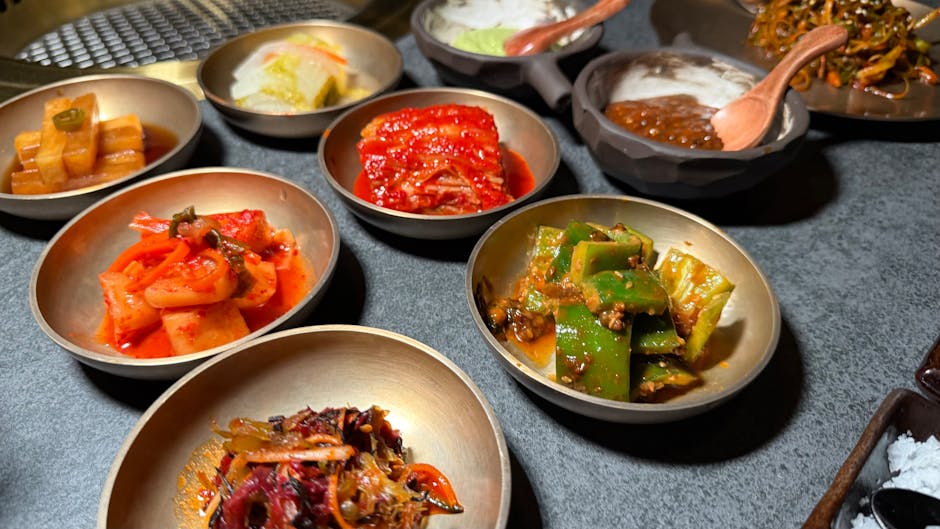
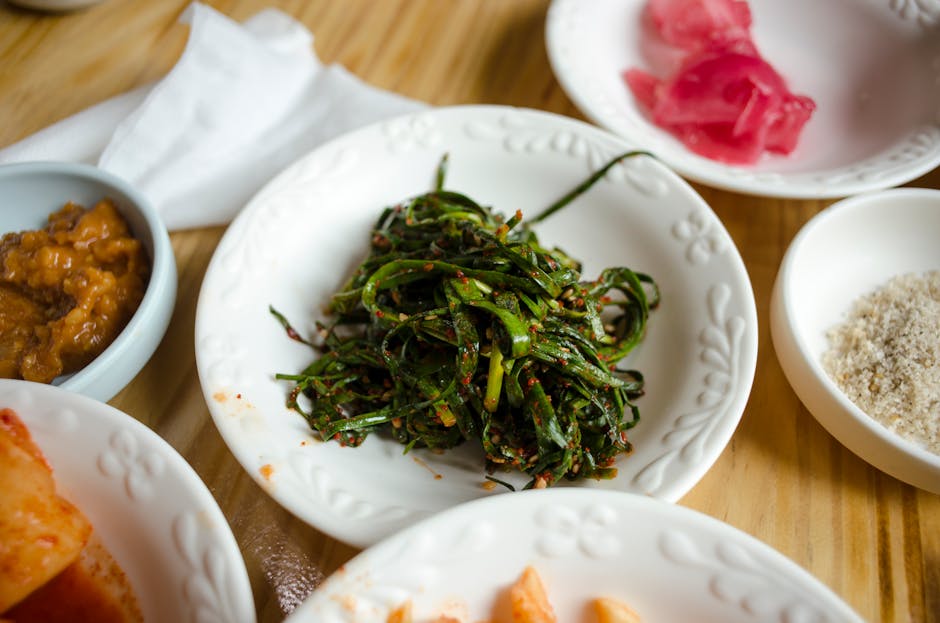
    One of the hallmarks of Korean dining is the array of banchan, or side dishes, that accompany the main meal. These small dishes offer a variety of flavors and textures, and they are often prepared in advance, reflecting the Korean approach to meal preparation. Not only do they complement the main courses, but they also symbolize the meticulous care that goes into meal preparation.

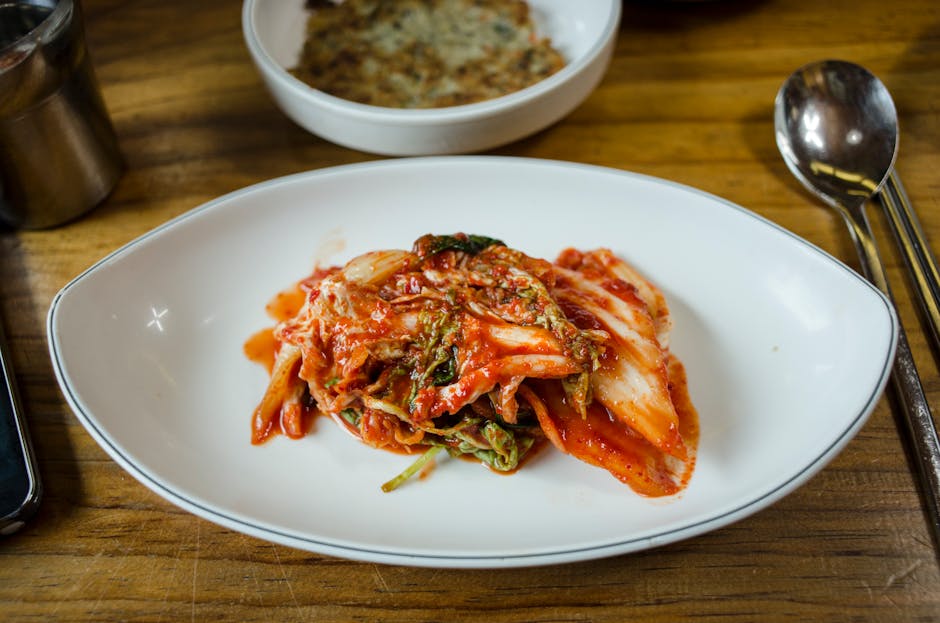
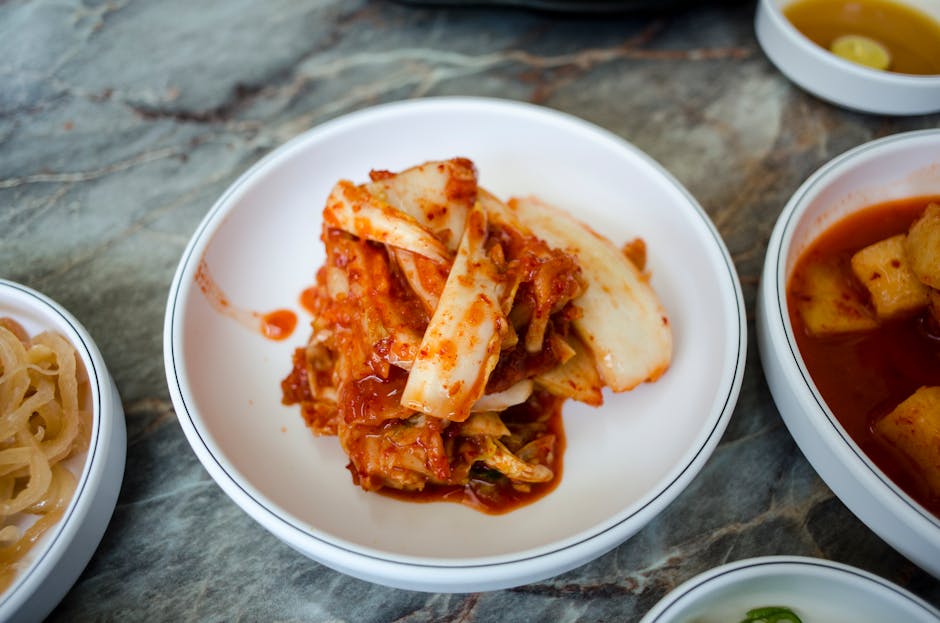
    For example, a typical K-food experience might include dishes like kimchi, seasoned spinach, and spicy radish, showcasing a balance of flavors from sweet to spicy to sour. This variety is not only visually appealing but also engages the palate in a delightful exploration during the meal. Observing the way banchan is served, it is evident that meals are designed to be shared and enjoyed in good company, reinforcing notions of hospitality and generosity.

    AdSense Area 1
    Google AdSense code can be inserted here later.

    The Intersection of Korean Meals and Lifestyle: A Cultural Exploration

    Culinary Skills Passed Through Generations

    The skills required to prepare traditional Korean meals are often passed down through generations, serving as a bridge between past and present. Many Korean families have cherished recipes and cooking techniques, which contribute to their identity. Grandmothers often play a significant role in teaching younger members about these practices, as they are seen as the keepers of culinary traditions.

    This transfer of knowledge not only preserves recipes but also fosters a sense of pride and continuity within families. From my observations, I’ve found that cooking classes, often held by older generations, are a popular way for families to bond while preserving cultural heritage. For instance, making dumplings—an activity often enjoyed during holidays—becomes a festive event filled with laughter and stories, emphasizing the importance of family traditions in the Korean lifestyle.

    The Influence of Health Consciousness

    In recent years, there has been a growing health consciousness among Koreans, influencing dietary choices and meal planning. Traditional Korean meals, which often consist of various vegetables, lean proteins, and fermented goods, align well with modern health trends. The emphasis on balanced nutrition can be seen in meal preparation that focuses on the harmony of flavors, colors, and essential nutrients.

    Koreans are also incorporating modern health food trends into their cooking, such as quinoa and avocado, while still celebrating traditional staples like rice and kimchi. In daily life, it’s common to observe people discussing the health benefits of different dishes, illustrating the conscious effort to maintain wellness through diet. Exploring local markets, you’ll often see an array of organic products catering to this health trend, allowing for a fusion of the old and new in Korean meals.

    The Evolution of Eating Habits

    As globalization continues to influence lifestyles, eating habits in Korea are evolving, reflecting a blend of traditional customs and contemporary practices. While the classic Korean meal is still cherished, fast-paced living has led to the rise of convenience foods and eating out. Many Koreans now dine at restaurants or purchase ready-made meals that align with their busy schedules.

    This modernization, however, hasn’t diminished the importance of shared meals; rather, it has transformed the way these gatherings occur. Restaurants that offer traditional dishes have become social hubs, where friends and families come together despite their hectic lives. I have often noticed that even when dining out, the ambiance creates space for conversation and connection, preserving the spirit of communal eating that is intrinsic to Korean culture.

    Festivals and Meal Practices

    Festivals in Korea are a vibrant expression of culture, where food plays a central role. During traditional holidays like Chuseok and Seollal, people prepare special dishes that have symbolic meanings, enhancing the sacredness of these occasions. These meals do not only celebrate the season but also honor ancestors and family lineage.

    Quick Action: Choose one practical idea from this article and apply it today.
    AdSense Area 2
    Second ad placement area for longer content.

    For example, during Chuseok, dishes like songpyeon (rice cakes) are made to honor the harvest and express gratitude. Observing these practices illustrates how food permeates every aspect of life, serving as both sustenance and a way to connect with heritage. Families often gather to prepare these dishes together, strengthening family bonds while practicing cultural traditions. The involvement of all family members showcases the inclusive nature of Korean holiday meals.

    The Globalization of Korean Cuisine

    Korean food has gained immense popularity worldwide, leading to a newfound appreciation and incorporation into diverse culinary scenes. This globalization can be witnessed through the rise of Korean BBQs, kimchi tacos, and other fusion dishes that blend Korean flavors with global cuisines. While this trend celebrates the richness of Korean meals, it also brings forth challenges related to authenticity and cultural representation.

    As one can see in trendy urban areas, fusion dishes often aim to make Korean flavors accessible while introducing them to new audiences. However, there is a fine line between adaptation and misrepresentation. One thing that often surprises foreign visitors is how willing Koreans are to engage in conversations about their food, explaining the history and cultural significance behind each dish. In this way, globalization becomes a means of cross-cultural dialogue rather than mere appropriation.

    The Future of Korean Dining

    The future of Korean dining holds promise for continued innovation while respecting tradition. As technology evolves, meal delivery services and cooking apps are becoming popular, enabling households to maintain their culinary traditions with convenience. Recipes that honor traditional techniques are being shared more widely, facilitating learning even from afar.

    Moreover, sustainable practices are at the forefront as younger generations increasingly align their values with environmental consciousness. Observing these trends, I feel optimistic about how the essence of Korean meals will adapt to modern challenges while retaining its cultural significance. Efforts to preserve authenticity amidst changes will likely shape the global image of Korean cuisine for years to come.

    Personal Opinion

    In my personal opinion, the beauty of Korean meals lies in their ability to tell stories of community, heritage, and adaptation to modern life. The meals we share serve as a mirror reflecting our values and relationships, deeply rooted in cultural practices while continually evolving. Whether through the simplicity of a banchan or the celebration of a festive dish, the intrinsic connection between food and lifestyle encapsulates the essence of what it means to be Korean. As the world continues to embrace these traditions, it is vital to approach them with respect, understanding, and appreciation for the cultural narratives they represent.
    The Intersection of Korean Meals and Lifestyle: A Cultural Exploration

    Profit Flow Daily shares practical insights on global markets, crypto, investing, online income, and Korean culture.

    This article is for informational purposes only and should not be considered financial, investment, legal, medical, or tax advice.
  • Exploring the Vibrant World of Korean Street Food Culture

    Exploring the Vibrant World of Korean Street Food Culture

    Exploring the Vibrant World of Korean Street Food Culture

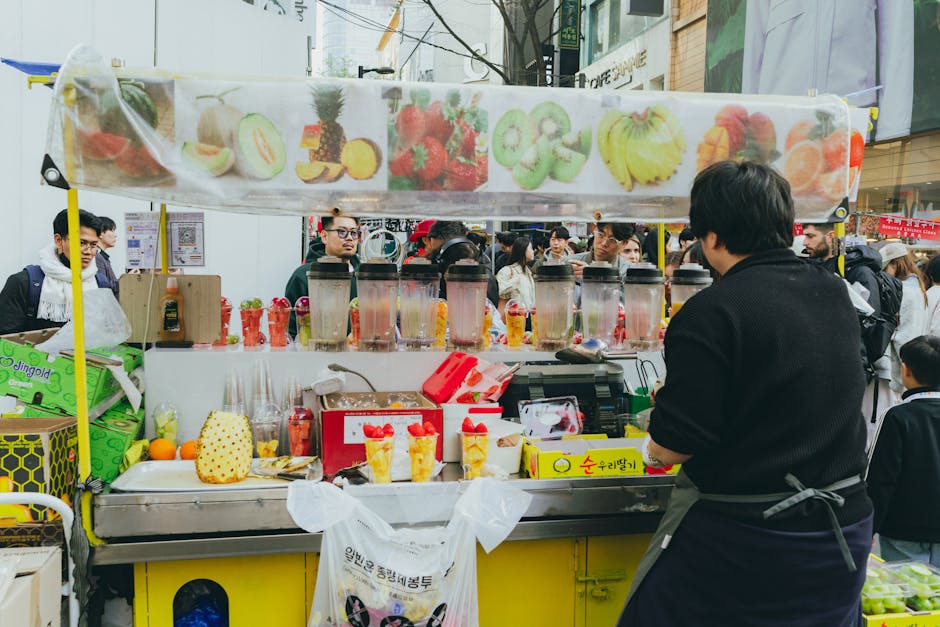
    The culinary landscape of South Korea is a delightful tapestry woven with vibrant flavors, aromas, and textures, showcasing the country’s rich street food culture. Central to daily life in urban areas, street food serves not only as a quick meal option but also as a social experience that encapsulates the essence of Korean hospitality and community. By understanding the intricacies of this food culture, global readers can appreciate not just the dishes themselves but also their cultural significance.

    Historical Context of Street Food in Korea

    The origins of street food in Korea can be traced back to the Goryeo Dynasty (918-1392), where street vendors began selling snacks and meals to common folk. This tradition flourished further in the Joseon Dynasty (1392-1910), where the number of street vendors increased significantly, adapting to societal changes and the evolving lifestyles of the people.

    From what I have observed in Korean daily life, street food has always served as a means for families to supplement their income while providing affordable meals for locals. This rich history has evolved into a contemporary culture where vendors not only preserve traditional recipes but also experiment with fusion flavors that appeal to diverse palates.

    Popular Street Food Dishes

    • Tteokbokki: Often translated as spicy rice cakes, this dish is made from chewy rice cakes dunked in a sweet and spicy sauce. Street vendors often serve it hot and can be customized with fish cakes, boiled eggs, and green onions.
    • Hotteok: This sweet pancake filled with a mixture of brown sugar, honey, nuts, and cinnamon is a popular winter treat. Freshly made and served steaming hot, it is a must-try for anyone visiting Korean streets.

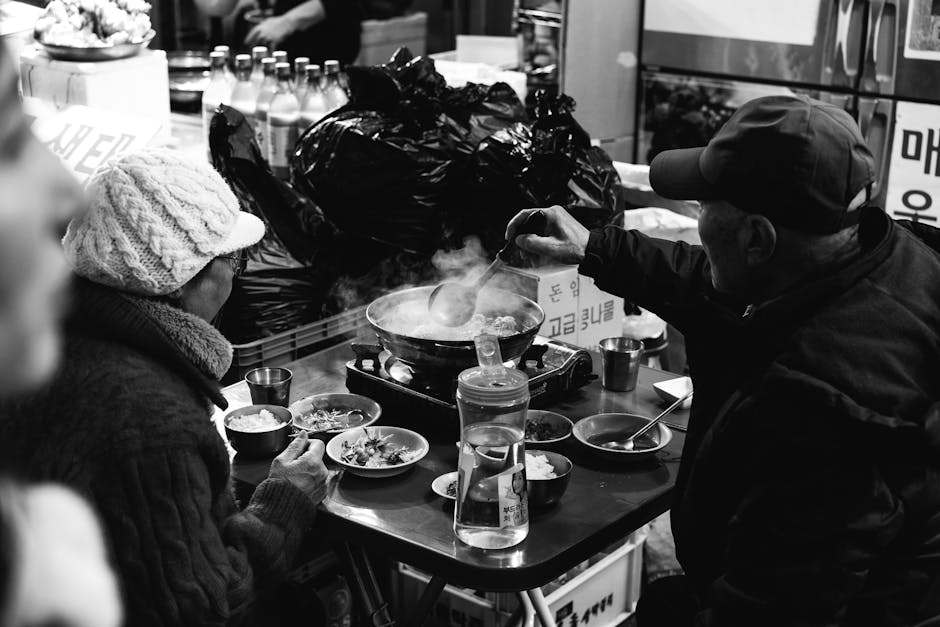
    Tteokbokki holds a special place in the hearts of many Koreans. The vendors prepare the dish in bubbling pots, creating an enticing aroma that draws in passersby. I often notice how groups of friends gather around stalls, enjoying the dish together, which epitomizes the social dimension of street food culture. Hotteok, on the other hand, offers a comforting taste of home. When I observe families enjoying these sweet pancakes on chilly days, it reflects the warmth and joy that food can bring to our lives.

    Significance of Street Food Stalls

    Street food stalls are more than just places to grab a quick bite; they represent community gathering spots. They often act as social equalizers where people from different backgrounds come together, blurring class distinctions.

    In Korean workplaces or everyday culture, I often notice colleagues discussing their day over street food during lunch breaks or after work. These stalls often serve as a backdrop for laughter and story-sharing, fostering camaraderie among coworkers. The open-air environment encourages interactions that might not occur in formal settings, making street food an integral aspect of South Korean social life.

    AdSense Area 1
    Google AdSense code can be inserted here later.
    Exploring the Vibrant World of Korean Street Food Culture

    The Influence of Festivals on Street Food

    Korean festivals significantly influence street food offerings, providing unique experiences and limited-time delicacies. Events such as the Boryeong Mud Festival and the Jeonju Bibimbap Festival showcase a variety of street food options that highlight regional specialties.

    The Role of Technology in Modern Street Food Culture

    The advent of technology has dramatically impacted how street food is presented and consumed. Many vendors now utilize social media platforms to advertise their offerings, showcasing tempting photographs and videos that capture the essence of their food.

    One thing that often surprises foreign visitors is the level of sophistication some street food vendors have achieved. With mobile apps now being used for food delivery and payment, patrons can conveniently enjoy delicious street food without hassle. This modernization sparks debate about the traditional vs. contemporary, as many strive to maintain the uniqueness of their offerings while adapting to changing consumer habits.

    Street Food and Globalization

    The globalization of cuisine has introduced Korean street food to international audiences, leading to a fascinating exchange of culinary practices. As international travel becomes more accessible, the demand for authentic Korean dishes has risen, inspiring many vendors to adapt their foods for global markets.

    For instance, fusion dishes that combine Korean elements with local flavors have emerged, allowing a broader appreciation of the culture. When I visit Korean restaurants abroad, it’s fascinating to see how chefs balance traditional recipes with innovative presentations that cater to local tastes. This adaptation helps to spread joy and appreciation for Korean street food globally while encouraging cultural exchange and collaboration.

    Quick Action: Choose one practical idea from this article and apply it today.
    AdSense Area 2
    Second ad placement area for longer content.

    Sustainability in Street Food Practices

    As environmental consciousness grows, many street food vendors are adopting sustainable practices to reduce waste and minimize their environmental footprint. Some are turning to biodegradable packaging, while others limit food waste through creative culinary techniques.

    From what I have observed in Korean daily life, there’s a growing awareness among consumers about the importance of supporting eco-friendly vendors. People actively seek out those who prioritize sustainability, transforming the street food scene into a model of responsible eating. Furthermore, community initiatives encouraging local sourcing of ingredients create a positive ripple effect, promoting sustainability in culinary practices.

    Future Trends in Korean Street Food

    The future of Korean street food is brimming with potential as trends evolve and consumer preferences shift. Health-conscious dining, for instance, is on the rise, with many vendors experimenting with lighter, healthier versions of traditional dishes.

    Additionally, as dining experiences become increasingly immersive, some street food vendors are blending culinary arts with performance, inviting diners to witness the preparation of their food. This adds an entertainment element that enhances the overall experience. I often notice that the idea of experiential dining resonates well with both locals and tourists, creating cherished memories tied to delicious food.

    Personal Opinion

    In my personal opinion, Korean street food is not just about satisfying hunger; it embodies the spirit of community and cultural identity. Eating street food is a ritual that goes beyond the flavors present on the plate. It’s an experience that connects people, fosters social interaction, and preserves tradition while embracing innovation. The bustling stalls filled with enticing aromas, vibrant colors, and lively chatter represent a core aspect of Korean life that I believe possesses the power to create lasting memories. To fully appreciate Korean street food culture, I encourage anyone interested to immerse themselves in the experience, explore local flavors, and engage with the vendors who play an integral role in this dynamic culinary landscape.

    Exploring the Vibrant World of Korean Street Food Culture

    Profit Flow Daily shares practical insights on global markets, crypto, investing, online income, and Korean culture.

    This article is for informational purposes only and should not be considered financial, investment, legal, medical, or tax advice.
  • The Global Rise of Korean Cuisine: A Delicious Journey

    The Global Rise of Korean Cuisine: A Delicious Journey

    The Global Rise of Korean Cuisine: A Delicious Journey

    Korean food has captured the hearts and palates of people around the globe, becoming a culinary sensation in recent years. This surge in popularity can be attributed to several key factors, from the increasing global interest in diverse cuisines to the unique flavors and health benefits Korean dishes offer. Let’s explore the reasons behind this trend and how it continues to flourish worldwide.

    The Influence of K-Pop and K-Dramas

    One of the most significant drivers of Korean food’s popularity is the global influence of K-Pop and K-Dramas. These cultural phenomena have not only introduced audiences to the vibrant music and storytelling of Korea but also to its rich culinary traditions. Stars from these genres often showcase traditional meals or visit local eateries, sparking curiosity and interest in Korean cuisine.

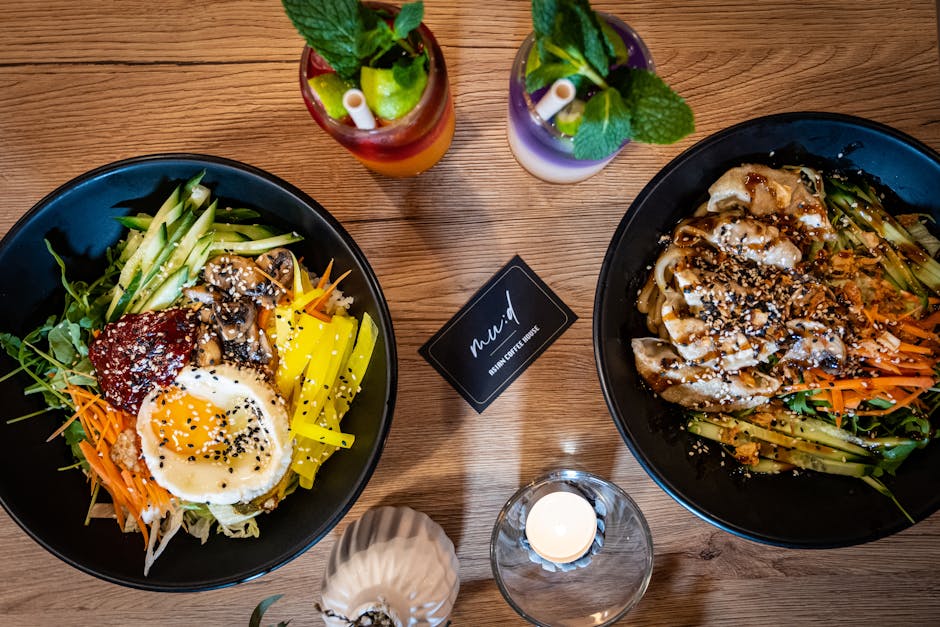
    For example, a popular drama might feature a scene where the main character enjoys a delicious bowl of Bibimbap. Viewers who become enamored with the show may feel compelled to seek out similar dishes or even attempt to make them at home. The power of visual storytelling cannot be underestimated, as scenes rich in food imagery trigger cravings and inspire cultural curiosity.

    Health Benefits and Dietary Trends

    Another reason Korean food has gained international acclaim is its alignment with contemporary health trends. Many dishes are based on fresh, wholesome ingredients and balance, promoting a healthy lifestyle. Popular ingredients such as kimchi, lean meats, and vegetables not only offer delicious flavors but are also praised for their nutritional benefits.

    Kimchi, a staple in Korean cuisine, is loaded with probiotics that aid digestion and bolster immunity. In a time when health-conscious eating habits are on the rise, dishes that boost well-being, like Korean BBQ with marinated meats, provide flavorful yet nutritious dining options. Thus, the global audience is increasingly seeking out these meals, ensuring a growing market for Korean cuisine.

    The Role of Social Media

    The digital age has played a crucial role in popularizing various food trends, and Korean cuisine is no exception. Platforms like Instagram, TikTok, and YouTube have turned food content into a global spectacle. Eye-catching photos of beautifully presented dishes, quick recipe videos, and hashtags related to Korean cuisine propel its visibility.

    AdSense Area 1
    Google AdSense code can be inserted here later.
    The Global Rise of Korean Cuisine: A Delicious Journey

    Food influencers and content creators specifically showcase dishes like Tteokbokki (spicy rice cakes) and Jjajangmyeon (black bean noodles), introducing them to diverse audiences. When these dishes go viral, they create a ripple effect, encouraging followers to seek out authentic Korean dining experiences or attempt the recipes at home. By turning food into shareable moments, social media platforms have significantly contributed to the worldwide popularity of Korean food.

    The Appeal of Korean BBQ

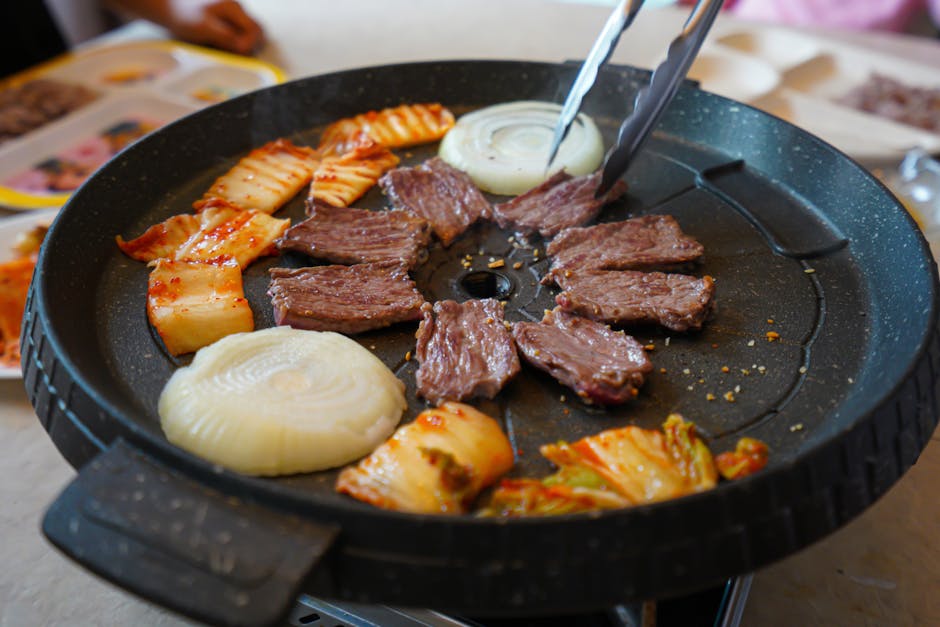
    Korean BBQ represents a unique dining experience that appeals to communal eating preferences. The interactive aspect of cooking your own meat at the table engages diners and fosters a social atmosphere. This style of dining resonates particularly well with groups looking to enjoy meals together, making it a popular choice for gatherings.

    Restaurants that specialize in this culinary experience often thrive in cosmopolitan areas, catering to diverse clientele. The sizzling meats, vibrant side dishes, and the ability to tailor each meal to individual tastes create an enticing atmosphere. One thing that often surprises foreign visitors is the variety of banchan, or side dishes, that accompany the main course, allowing for a rich tapestry of flavors with every meal. This aspect of shared dining naturally entices more people to explore the richness of Korean cuisine.

    Accessibility of Ingredients

    The growing global recognition of Korean food has led to increased accessibility of ingredients in supermarkets worldwide. Shops with international foods now commonly carry essentials like gochujang (Korean chili paste) and doenjang (fermented soybean paste), making it easier for home cooks to prepare authentic Korean dishes.

    Cooking shows, blogs, and cookbooks further promote Korean culinary techniques that can be replicated at home. For those inspired to incorporate these flavors into their cooking, the availability of these ingredients signifies that Korean cuisine is not only admired but also approachable. As more individuals become accustomed to the flavors, Korean food will continue solidifying its place in the global culinary landscape.

    Korean Food Festivals

    Food festivals celebrating Korean cuisine have been sprouting up around the world, showcasing diverse culinary creations and traditional dishes. These events often feature cooking demonstrations, tastings, and performances, which provide an immersive experience of Korean culture through food.

    Such festivals serve as a platform for local Korean restaurants and chefs to introduce their specialties to a broader audience. Attendance at these events helps to create a deeper appreciation for the richness of Korean flavors and cooking techniques. By participating in these culinary celebrations, individuals not only discover new tastes but also connect with the culture and history behind the dishes.

    Quick Action: Choose one practical idea from this article and apply it today.
    AdSense Area 2
    Second ad placement area for longer content.

    Global Fusion Cuisine

    Another trend contributing to the popularity of Korean food is the innovative fusion cuisine that merges traditional Korean elements with other culinary traditions. Chefs around the world experiment by incorporating Korean flavors into familiar dishes, resulting in exciting adaptations that appeal to various tastes.

    For instance, the introduction of Korean Fried Chicken has sparked numerous variations, combining different seasoning blends and cooking styles. These hybrid creations enable a broader audience to experience Korean food while making it more relatable to their own preferences. As fusion cuisine continues to gain traction, it reflects the global exchange of culinary ideas, promoting Korean food in fresh and exciting ways.

    The Rise of Korean Restaurants

    With the increasing interest in Korean cuisine, the number of restaurants specializing in these unique flavors has surged globally. Major cities now boast a wide array of dining options, from upscale establishments to casual eateries offering street food-inspired dishes.

    The diversity in dining options allows consumers to encounter Korean food at various price points and settings, expanding its reach. In Korean workplaces or everyday culture, I often notice that sharing meals is a significant bonding experience, which many restaurants promote through their menu layouts. This communal approach invites diners to appreciate meals together, enhancing the overall enjoyment and connection to the cuisine.

    Intercultural Appreciation

    As globalization continues to connect individuals across borders, there is a growing appreciation for diverse cultures and cuisines. This cultural exchange allows food enthusiasts to engage with other customs and flavors, leading to a newfound love for Korean dishes.

    In many cases, individuals who delve into Korean food also immerse themselves in other aspects of Korean culture, such as language, music, and arts. This expanding interest promotes intercultural dialogue and enhances the understanding of the culinary traditions that shape Korean food. As a result, the world embraces Korean cuisine not just as a trend but as part of a broader appreciation for cultural diversity.

    Personal Opinion

    In my personal opinion, the global fascination with Korean food is a reflection of broader trends in culture and communication. The unique flavors, combined with the power of modern media, create an avenue where individuals can explore and celebrate differences in culinary traditions. From my observations in Korean daily life, it is clear that food is not just sustenance; it is an integral part of the cultural fabric that brings people together. As the world continues to embrace the essence of Korean cuisine, I anticipate that it will evolve while holding its foundational values—community, hospitality, and rich flavor profiles. Embracing such diversity in our eating habits ultimately enriches our shared human experience.

    The Global Rise of Korean Cuisine: A Delicious Journey

    Profit Flow Daily shares practical insights on global markets, crypto, investing, online income, and Korean culture.

    This article is for informational purposes only and should not be considered financial, investment, legal, medical, or tax advice.