[카테고리:] K-Travel

  • Essential Insights for First-Time Travelers to Korea

    Essential Insights for First-Time Travelers to Korea

    Essential Insights for First-Time Travelers to Korea

    Traveling to Korea for the first time can be an exhilarating yet overwhelming experience. As a resident of this vibrant country, I can offer valuable insights into what newcomers should know to make the most of their visit. Here’s a comprehensive guide that encompasses local customs, travel tips, and cultural observations that may be helpful for any first-time traveler.

    1. Understanding Korean Etiquette

    Etiquette plays a crucial role in Korean culture, shaped by centuries of Confucian values. When greeting someone, it is customary to bow slightly as a sign of respect. Handshakes are also common, particularly in business settings, but the bow remains an important gesture. When addressing someone older or of higher status, using their title followed by ‘ssi’ is advised to show proper respect. This can feel slightly formal compared to some Western cultures, but it reflects the deep-seated values of respect and hierarchy in society.

    Another important aspect is table manners. It is polite to wait until the eldest person at a dining table begins eating before you start. Additionally, when pouring drinks, always serve others before filling your own glass. This culture of sharing and consideration is prevalent not just during meals but throughout social interactions. Observing and practicing these etiquettes can enhance your experience and foster a deeper connection with locals.

    2. Navigating the Transportation System

    Korea boasts an efficient and extensive public transportation network, making it easy to get around cities like Seoul and Busan. The subway systems are clean, safe, and well-marked in both Korean and English. One thing foreigners may not notice at first is the significance of the T-money card, a rechargeable smart card that can be used for various forms of public transport as well as at convenience stores. Having this card can save you time and hassle when navigating the transportation system.

    In addition to subways, buses are also an excellent way to explore areas not covered by the train. Each bus has a designated route number and is accompanied by a digital display showing the next stop in both Korean and English. From my experience, this means a bus ride can be an adventure, and I often advise visitors to take a route that passes through scenic neighborhoods rather than sticking to just the major tourist attractions. Exploring local sights can provide authentic experiences of everyday life in Korea.

    3. Exploring Korean Cuisine

    Korean cuisine offers a rich tapestry of flavors and culinary traditions that are rooted in the culture’s emphasis on harmony and balance. First-time visitors should definitely try staples like kimchi, a fermented vegetable side dish that accompanies nearly every meal, and bibimbap, a mixed rice dish that beautifully showcases seasonal vegetables. From what I have observed in Korean daily life, meals often prioritize fresh ingredients and communal dining, which provides a unique experience compared to the more individualistic dining styles seen in some cultures.

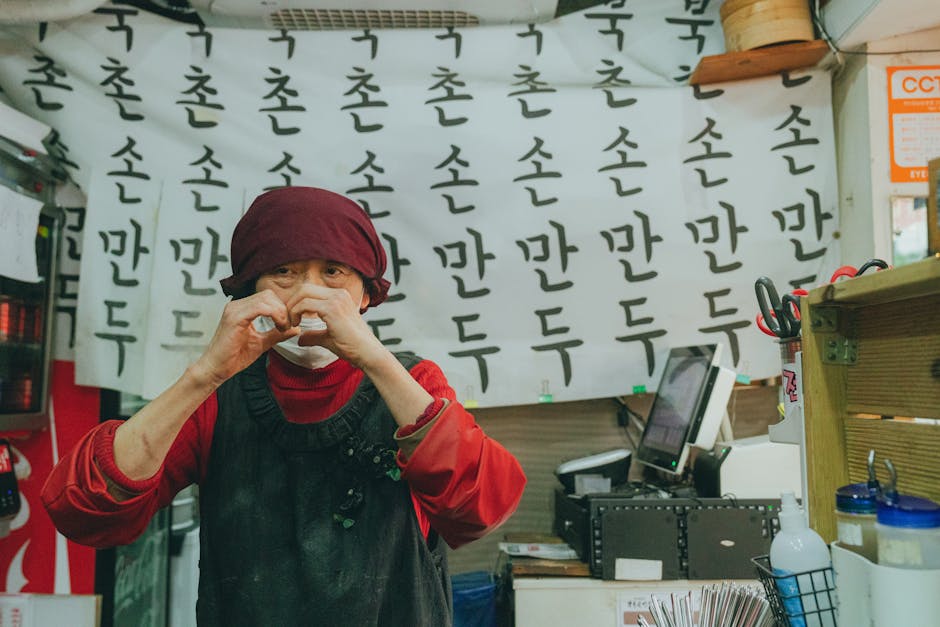
    It’s also important to be aware of the spiciness levels in traditional dishes; many are seasoned with gochujang (red chili paste) and can be quite hot for those unaccustomed. If you prefer milder options, don’t hesitate to ask for adjustments in spice levels when ordering. Visiting local markets, such as Gwangjang Market in Seoul, can give you the opportunity to taste a variety of street food such as tteokbokki (spicy rice cakes) and hotteok (sweet pancakes), which are easily accessible and affordable options to sample local flavors.

    AdSense Area 1
    Google AdSense code can be inserted here later.
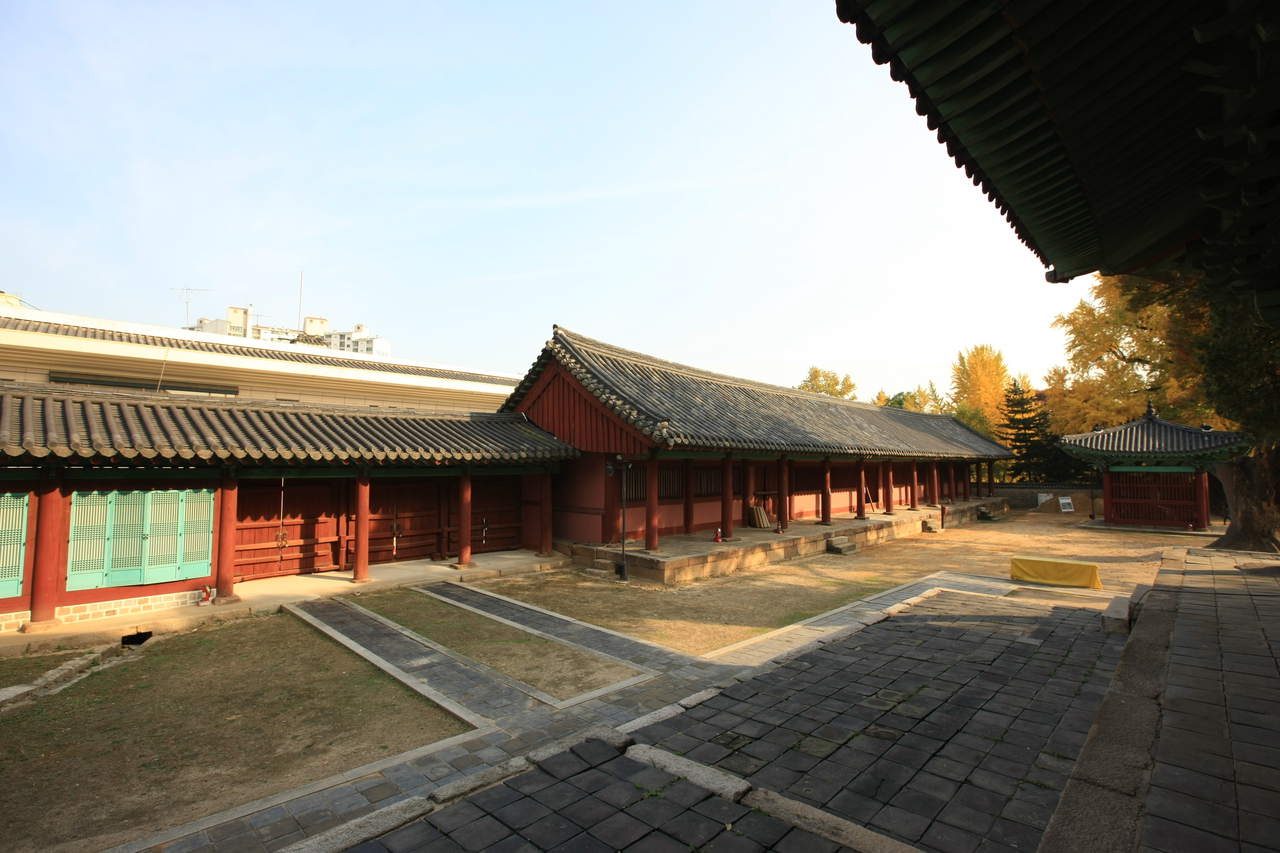
    Essential Insights for First-Time Travelers to Korea

    4. Engaging with Local Culture

    Korea is rich in cultural heritage, blending ancient traditions with modern innovations. One of the best ways to experience this is through local festivals and events that are celebrated throughout the year. Events such as Chuseok, the Korean harvest festival, feature traditional games, performances, and food, providing a unique glimpse into Korean history and customs. Participating in these events can be a fulfilling way to connect with locals and gain insights into their way of life.

    Furthermore, taking part in cultural activities, such as a traditional tea ceremony or a dance class, can also provide a hands-on opportunity to immerse oneself in the culture. In Korea, this often feels different because people have a strong desire to share their culture with others. Many cultural centers and museums offer workshops or introductory programs specifically designed for international visitors to learn and engage. This direct interaction can foster a deeper appreciation for Korea’s heritage.

    5. Staying Connected

    In today’s digital world, remaining connected during travels is vital for many visitors. Upon arrival, consider getting a SIM card or renting a portable Wi-Fi device, which can be found at the airport or various electronic shops around the city. This can be particularly helpful for navigating directions and translating Korean texts on the go. From my experience around Korean workplaces, streets, cafes, stores, and daily routines, being connected allows for smooth navigation and enhances the overall experience. Additionally, many establishments offer free Wi-Fi, so be sure to take advantage of that when available.

    Moreover, popular social media platforms function effectively in Korea, and there is widespread use of apps like KakaoTalk for communication. Learning a few basic phrases in the local language can also go a long way in establishing rapport. Try employing simple greetings or phrases to endear yourself to locals; these efforts are often appreciated and can lead to more meaningful interactions.

    6. Understanding the Social Norms

    In Korea, social interactions often adhere to a more formal structure compared to many Western countries. Addressing individuals with their proper titles and maintaining politeness, especially in new or formal situations, can reinforce respect and establish a positive vibe. Social norms here tend to emphasize group harmony over individuality, so understanding this dynamic is crucial for effective communication. From my experience, this can feel especially different when transitioning from environments that favor directness and self-expression.

    Additionally, physical touch and personal space are interpreted differently. While shaking hands is common in business settings, some people may feel uncomfortable with too much physical contact. Observing how people interact can provide helpful clues about what is acceptable. Always be mindful, as showing respect towards others can greatly improve your interactions and experiences.

    7. Appreciating the Seasons

    Korea experiences four distinct seasons, each offering unique experiences and activities. Spring, particularly in April, is characterized by cherry blossoms that cover the streets in a beautiful pink hue, making it an ideal time for outdoor walks and picnics. Summer brings hot and humid weather, which is perfect for enjoying water-themed activities, while autumn provides stunning foliage, drawing nature lovers to parks and mountains. Winter transforms the landscape into a snowy wonderland, where visitors can enjoy skiing and winter festivals.

    Quick Action: Choose one practical idea from this article and apply it today.
    AdSense Area 2
    Second ad placement area for longer content.

    In terms of planning, understanding what each season offers can influence your travel itinerary significantly. Adjusting your wardrobe according to the time of year is also crucial, as summers can be extremely hot, while winters can drop below freezing. Ensure to pack appropriately, and explore seasonal festivals or events that can provide captivating insights into Korean life throughout the year.

    8. Shopping Smart in Korea

    Korea is a shopper’s paradise, with options ranging from high-end designer stores to quaint local markets. The shopping landscape includes everything from chic boutiques in areas like Apgujeong to bustling traditional markets such as Namdaemun. It is advisable to explore local shops rather than just sticking with global brands, as many unique items such as traditional crafts and souvenirs reflect the local culture effectively.

    One strategy for first-time visitors is to look out for tax refunds for foreign visitors, which can be claimed at various retailers. Keep in mind that larger department stores and retail chains might offer different refund policies, so don’t hesitate to ask if you’re unsure. Another tip is to diligently compare prices between different shops, as they can vary significantly depending on the area and type of product. This approach not only saves money but also enhances the exploration experience.

    9. Learning Basic Korean Phrases

    Having a few basic Korean phrases in your arsenal can significantly enhance interactions with locals. Understanding common greetings such as ‘안녕하세요’ (annyeonghaseyo – hello) and expressions like ‘감사합니다’ (gamsahamnida – thank you) is not only courteous but often leads to friendlier exchanges. From my experience, most Koreans appreciate any effort made to communicate in their language, regardless of proficiency.

    Additionally, consider using language-app tools to assist with everyday interactions. Familiarizing yourself with numbers can also help when shopping or dining out. Being able to state your order or request assistance can help bridge linguistic barriers. This engagement showcases your respect for the culture and often results in locals being more accommodating during your stay.

    Personal Opinion

    In my personal opinion, preparing for a journey to Korea involves more than just packing your bags. It encompasses an understanding and appreciation for a culture that is as nuanced as it is inviting. Engaging with locals, embracing their customs, and keeping an open mind can dramatically enrich your travel experience. Whether it’s exploring the rich history, enjoying the culinary delights, or simply wandering the streets filled with unique shops, each moment has its own story to tell. I encourage anyone visiting for the first time to dive deep into the heart of Korean culture and enjoy everything this incredible country has to offer.
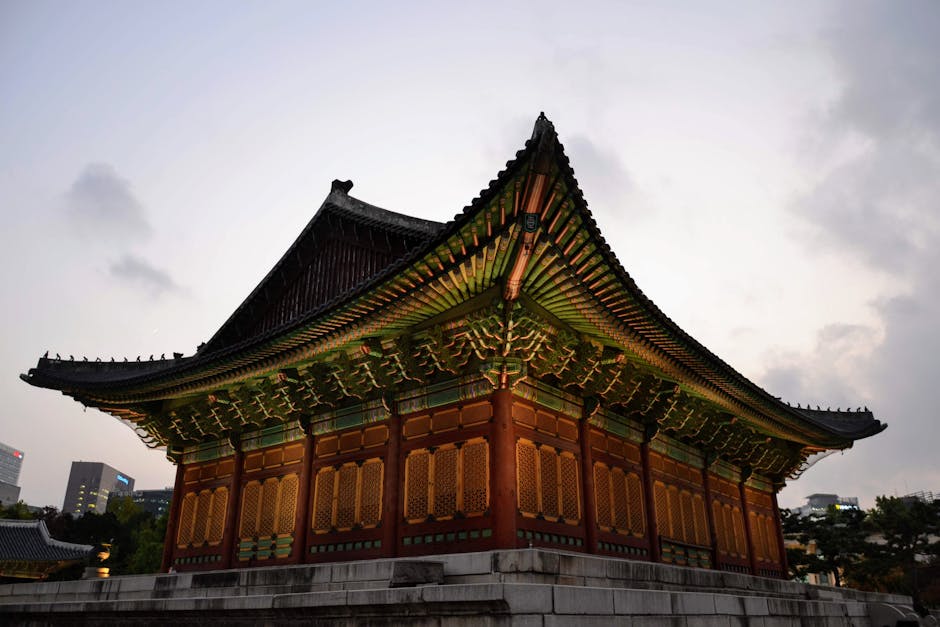
    Essential Insights for First-Time Travelers to Korea

    Profit Flow Daily shares practical insights on global markets, online income, Korean culture, Korean food, beauty, travel, and work life.

    This article is for informational purposes only and should not be considered financial, investment, legal, medical, or tax advice.

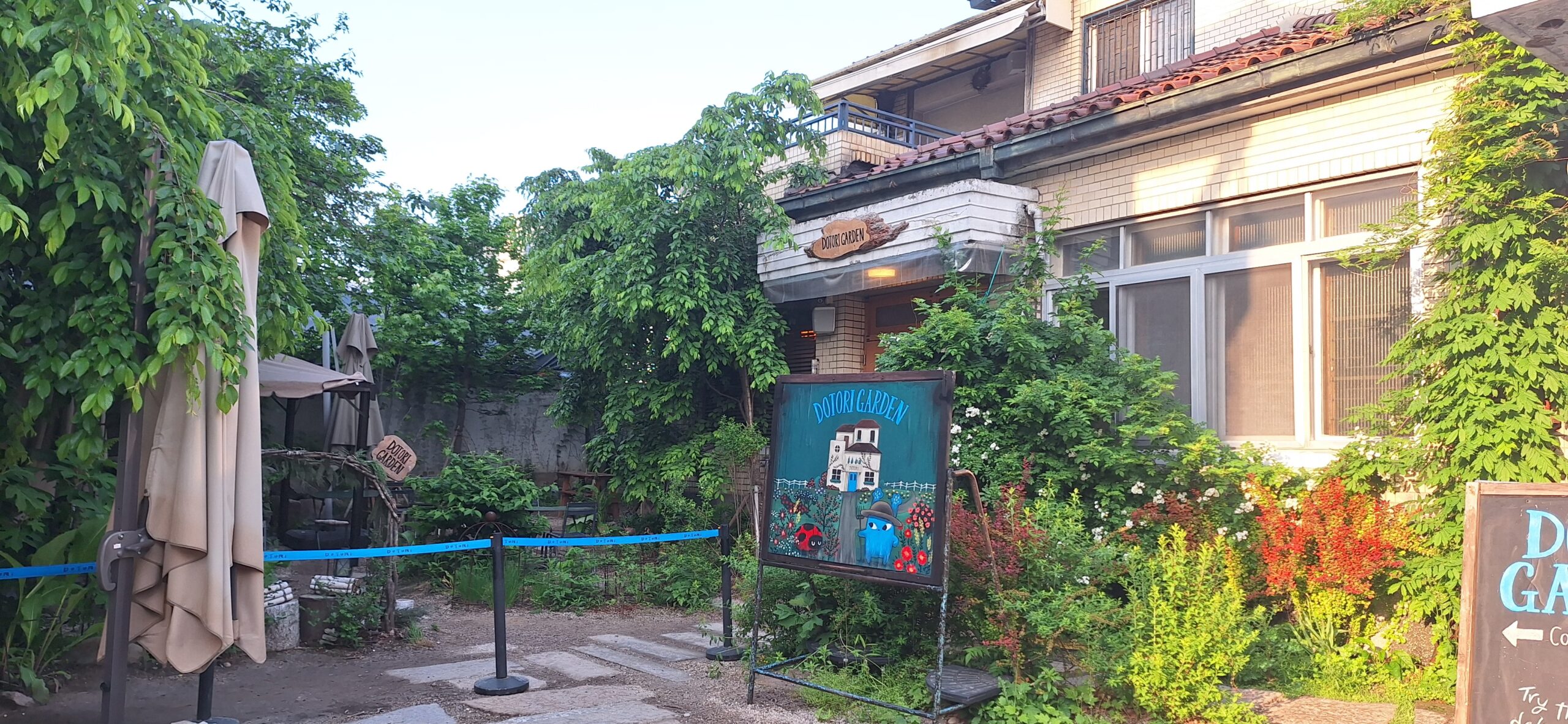
  • Essential Insights for First-Time Travelers to Korea

    Essential Insights for First-Time Travelers to Korea

    Essential Insights for First-Time Travelers to Korea

    Traveling to Korea for the first time can be an exciting and transformative experience. This vibrant country, rich in culture and history, has much to offer. However, understanding some key aspects can significantly enhance your visit. Below are several important considerations to keep in mind before setting off on your journey.

    1. Cultural Etiquette and Customs

    The way locals interact is deeply rooted in respect and tradition. From what I have observed in Korean daily life, bowing is often used as a greeting and gesture of respect. When meeting someone, a slight bow can convey politeness. Furthermore, using both hands when giving or receiving items, such as gifts or business cards, demonstrates consideration. In a culture where respect for elders is paramount, you may find that addressing someone by their proper title is essential.

    Another aspect to bear in mind is the importance of saving face, which means avoiding situations that could embarrass someone publicly. This often translates into indirect communication, so foreigners might find that Koreans are more likely to say “yes” or avoid direct refusals to maintain harmony. When dining, avoiding loud talking and using table manners—such as not sticking chopsticks upright in rice—can also help in gaining respect in social situations.

    2. Language Considerations

    While English is taught in schools and increasingly used in business settings, the majority of conversations in daily life occur in Korean. In my experience around Korean workplaces, streets, cafes, and stores, it’s clear that knowing a few basic phrases can be incredibly helpful. Simple sentences like “안녕하세요” (annyeonghaseyo – hello) or “감사합니다” (gamsahamnida – thank you) can significantly enhance interpersonal interactions.

    Additionally, learning to read Hangul—the Korean alphabet—can be beneficial. Most signs, menus, and labels are written in Hangul, and while many places offer English translations, being able to read basic signage will improve your navigation skills. There are various resources and apps that can help you familiarize yourself with the language before you arrive.

    3. Transportation System

    Korea boasts an extensive and efficient public transportation system that includes subways, buses, and high-speed trains. From what I have observed in urban areas, like Seoul, the subway is not only clean and safe but also remarkably user-friendly. Most signs and announcements are available in both Korean and English, making it easier for newcomers to navigate the system.

    To facilitate your travels, consider purchasing a T-money card, which can be used on public transport as well as in convenience stores. This tool simplifies the payment process; simply tap the card at the turnstiles or payment terminals. By planning your route using apps like Kakao Maps or Naver Maps, you can find the quickest and most convenient options, ensuring a smooth travel experience.

    AdSense Area 1
    Google AdSense code can be inserted here later.
    Essential Insights for First-Time Travelers to Korea

    4. Culinary Adventures

    Korean cuisine is a delightful aspect of the country, offering flavors and dishes that are unique to the culture. One thing foreigners may not notice at first is the variety of banchan—side dishes served with meals. Each meal typically includes multiple banchan, and trying these can enhance your understanding of Korean flavors. From kimchi to pickled vegetables, each side dish has its own story and significance.

    When dining, it’s common for meals to be shared among those at the table, so don’t hesitate to dive into a communal dish or ask for recommendations. Street food in areas such as Myeongdong or Gwangjang Market is also a must-try. Popular items include tteokbokki (spicy rice cakes) and hotteok (sweet pancakes), which provide an affordable and authentic taste of local culture.

    5. Understanding Korean Time and Punctuality

    In Korea, punctuality is highly valued, especially in business and social settings. From my experience in various situations, being late can be considered disrespectful, and it’s preferable to arrive a few minutes early. This applies to social gatherings as well; it’s common for people to show up on time or slightly ahead, so understanding this unwritten rule will help you adapt to the local way of life.

    When planning activities, such as meeting someone for dinner or participating in events, be mindful of the time. If you find yourself running late, contacting your host to notify them is essential. This small courtesy goes a long way toward showing respect for their time and willingness to accommodate any delays.

    6. Social Media and Communication

    Korea is known for its advanced technology and high connectivity; social media usage is prevalent among locals. Many Koreans communicate through platforms like KakaoTalk and Line, which are popular messaging apps. If you’re forming friendships or engaging in social interactions, being open to using these platforms may enhance connections with your peers.

    Moreover, if you have a smartphone with international roaming or a local SIM card, you’ll find accessing the internet quite straightforward. Most cafes and restaurants offer Wi-Fi, and being connected can help you out with navigation or finding local attractions. However, remember to balance online interactions with in-person experiences to truly immerse yourself in the culture.

    7. Shopping Etiquette

    Korea is a shopping paradise, from high-end boutiques in Gangnam to traditional markets in Insadong. At shops, you may notice that bargaining is uncommon when purchasing from large retailers, but it can be accepted in local markets. When entering a shop, it’s polite to greet the staff even if it’s just a nod. Many retail employees take pride in their service, so showing appreciation can increase the warmth of the interaction.

    When paying, using cash is still popular, but credit cards are widely accepted. It’s worth noting that some stores may have additional charges for using foreign cards, so keeping a mix of cash and cards is advisable. Furthermore, tax refunds are available for tourists on qualifying purchases, so don’t forget to ask for a refund form when making your purchases.

    Quick Action: Choose one practical idea from this article and apply it today.
    AdSense Area 2
    Second ad placement area for longer content.

    8. Festivals and Celebrations

    Korea has a wealth of festivals and celebrations that reflect its cultural heritage. One of the most celebrated is Chuseok, a harvest festival akin to Thanksgiving. During this time, families gather to pay respect to their ancestors and share traditional food. Visitors during this period might observe beautiful decorations and feel the warmth of family gatherings.

    Additionally, the Boryeong Mud Festival, held annually on the west coast, attracts both locals and tourists. It offers a unique blend of fun activities involving mud, live music, and food stalls. Engaging in local festivals can provide valuable insights into the cultural fabric of Korea and create lasting memories.

    9. Understanding the Seasons

    Korea experiences four distinct seasons, which greatly influence its activities and lifestyle. From my observations, spring is particularly beautiful, with cherry blossoms adorning streets and parks. Autumn is another stunning season, as the foliage turns brilliant shades of red and gold. Planning your visit according to the seasons can enhance your overall experience, as specific regional festivals and events align with each season.

    During winter, you can experience snow activities like skiing in popular resorts, while summer can be hot and humid. It’s wise to check weather forecasts and pack appropriately, considering both temperature and precipitation throughout your stay. Being prepared for these variations ensures that your trip remains enjoyable and comfortable.

    10. Respecting Nature and the Environment

    As a nation, Korea places a strong emphasis on the environment, and this is especially evident in urban areas. One important observation is that littering is frowned upon, and you will find designated trash and recycling bins in public facilities. Adhering to local recycling practices demonstrates respect for the community and its commitment to sustainability.

    Additionally, when visiting natural sites such as national parks or scenic areas, follow the guidelines provided. Korea’s breathtaking landscapes are a treasure, and preserving their beauty requires collective responsibility. Engaging in eco-friendly practices during your visit will not only reflect well on you but also contribute positively to the environment.

    Personal Opinion

    In my personal opinion, understanding and adapting to the nuances of Korean culture can significantly elevate your experience in this remarkable country. Embracing local customs, trying the delicious food, and connecting with people will lead to meaningful interactions and lasting memories. Each journey is an opportunity for learning, and Korea’s rich landscape is ready to welcome you with open arms.

    Essential Insights for First-Time Travelers to Korea

    Profit Flow Daily shares practical insights on global markets, online income, Korean culture, Korean food, beauty, travel, and work life.

    This article is for informational purposes only and should not be considered financial, investment, legal, medical, or tax advice.
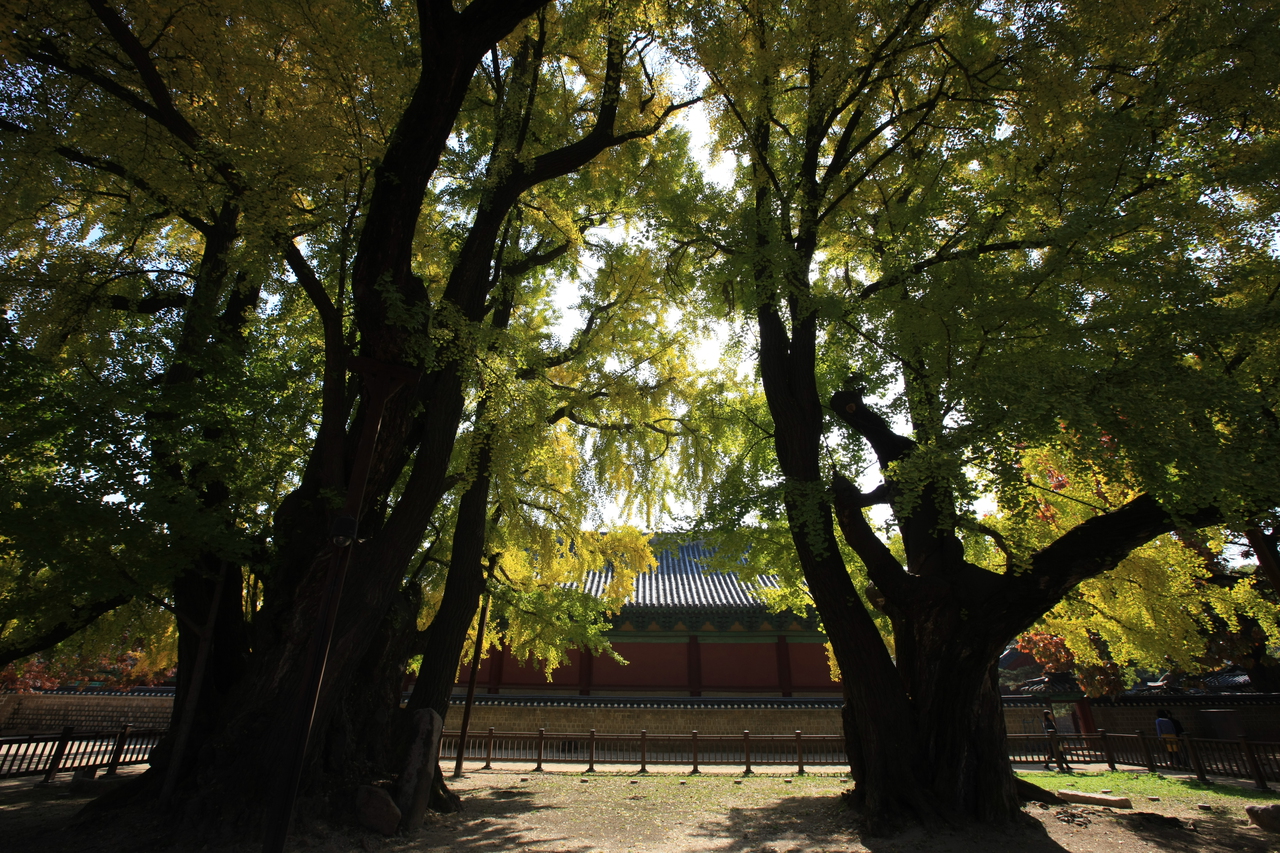
  • Unveiling the Unique Vibes of Korean Cities for Global Visitors

    Unveiling the Unique Vibes of Korean Cities for Global Visitors

    Unveiling the Unique Vibes of Korean Cities for Global Visitors

    As a resident of South Korea, I’ve had the pleasure of experiencing the vibrancy of Korean cities firsthand. Each city offers its own unique atmosphere, blending tradition and modernity. For many foreigners, the first experience of urban Korea can be overwhelming but equally enchanting. Understanding what these cities feel like is crucial for anyone planning to visit. Here’s a closer look at the dynamic experiences Korean cities have to offer to international visitors.

    The Hustle and Bustle of Seoul

    Seoul, the capital city, is often the first stop for many foreigners. Known for its rapid pace and bustling streets, it presents a stark contrast to many Western cities. From what I have observed in Korean daily life, the energy here is palpable – with locals rushing to catch subways, street vendors skillfully preparing food, and the constant hum of chatter filling the air.

    One notable aspect is the structure of the public transportation system. The subway is clean, efficient, and user-friendly, making it easy for newcomers to navigate. Additionally, stations and trains are equipped with English signage, which facilitates a smoother experience for non-Korean speakers. This accessibility may differ greatly from cities where public transport can be less intuitive.

    The Blend of Tradition and Modernity

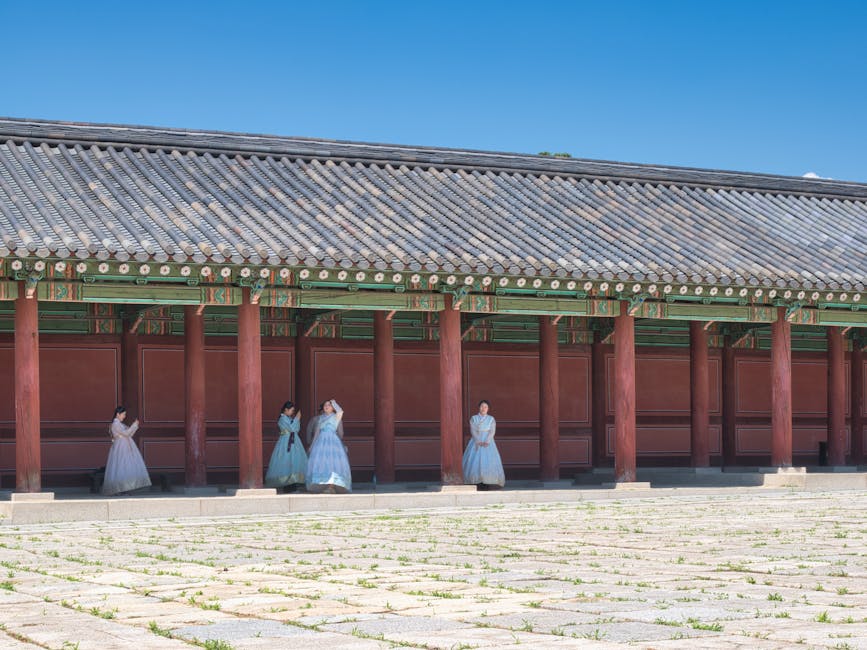
    In Korea, this often feels different because the old coexists harmoniously with the new. Historical palaces sit next to high-tech skyscrapers, creating an intriguing juxtaposition. For instance, Gyeongbokgung Palace is a majestic representation of Korea’s rich heritage, while the Dongdaemun Design Plaza showcases cutting-edge architecture.

    When wandering through neighborhoods, one thing foreigners may not notice at first is how seamlessly both elements are integrated. Traditional markets coexist alongside modern shopping malls; you can enjoy a delightful street food experience right before stepping into a high-end fashion store. This blend encourages tourists to immerse themselves in various cultural experiences without having to go far.

    Culinary Adventures

    Food is central to the Korean experience, and the diverse culinary landscape reflects the country’s regional variations and historical influences. From my experience around Korean workplaces, streets, cafes, and stores, meals are often shared, and there exists a profound appreciation for culinary craftsmanship.

    Street food stalls are abundant in cities like Seoul and Busan. Tasting dishes like tteokbokki (spicy rice cakes) or hotteok (sweet syrup-filled pancakes) is a rite of passage for many visitors. Unlike simply eating in a restaurant, engaging with street vendors allows a glimpse into daily life, as these bustling food markets often serve as social hubs for locals.

    AdSense Area 1
    Google AdSense code can be inserted here later.
    Unveiling the Unique Vibes of Korean Cities for Global Visitors

    Social Interactions and Language Barriers

    When visiting Korean cities, it is essential to be aware of social etiquette. Koreans typically greet with a bow, signaling respect. In casual settings, younger generations might use more informal greetings, but for many foreigners who are still mastering the language, this can lead to misunderstandings. My firsthand observation is that addressing someone formally is always a safe bet.

    Moreover, although English is widely taught, especially among the younger population, it is not universally spoken. In urban spaces, you may find more English speakers, but in quieter, suburban areas, communication can be challenging. Basic Korean phrases can go a long way in showing respect and openness to local culture, and many Koreans appreciate the effort.

    Technology and Innovation

    Korea is often at the forefront of technology, and this is particularly noticeable in its cities. From smartphones to advanced gaming, the country’s innovations significantly influence daily life. For instance, my interactions in cafes or public spaces reveal a society that heavily relies on technology for convenience – from digital ordering systems to cashless payments.

    This technological immersion can be striking for foreign visitors. The availability of high-speed internet, even in public places, enhances navigation and communication, making it easier to adapt to life in Korea. This strong integration of technology into the social fabric allows visitors to enjoy a modern city experience while engaging with cultural aspects.

    Festivals and Cultural Events

    Attending local festivals can offer a deeper understanding of Korean culture and traditions. Major cities host a myriad of events throughout the year, celebrating everything from cherry blossoms to the harvest season. Based on my observations, such events are not only vibrant but also inclusive, welcoming both locals and tourists alike to participate.

    One significant experience is the Boryeong Mud Festival, where participants engage in a range of activities revolving around mud. This festival attracts both Koreans and visitors, creating a fun and lively atmosphere that fosters interaction and cultural exchange. It’s a perfect example of how such events can bridge cultural gaps and create memorable experiences.

    Urban Green Spaces

    Despite the urban density in cities, Korea has made considerable efforts to incorporate green spaces. Parks and riverside promenades provide an oasis of calm amidst the hustle. For those unfamiliar with the concept, these spaces serve as social gatherings where people of all ages stroll, jog, or have picnics.

    Quick Action: Choose one practical idea from this article and apply it today.
    AdSense Area 2
    Second ad placement area for longer content.

    In Seoul, places like Hangang Park are popular spots for both relaxation and recreational activities. This contrasts with many global urban areas where green spaces may be less accessible. Such areas not only support mental well-being but also allow visitors to witness how locals balance their busy lives with relaxation in nature.

    Retail Therapy: Shopping Culture

    Shopping in Korean cities is an experience that goes beyond merely purchasing items. From my experience, retail therapy here often involves visiting diverse marketplaces, department stores, and unique boutiques. Each shopping location offers its flavor of the local culture, often displaying a distinctive Korean aesthetic.

    One aspect worth noting is the rise of K-beauty products. Visitors are often surprised at how popular and diverse Korean skincare and cosmetics are. Shops dedicated to beauty products thrive, and visitors tend to leave with much more than they initially intended. The sheer variety and often affordable pricing make it an enticing attraction.

    Nightlife and Entertainment

    The nightlife in Korean cities deserves special mention, as it presents a vibrant mix of entertainment options. From bustling karaoke rooms to lively bars and clubs, there’s truly something for everyone. As someone who’s engaged in this scene, I can attest that nightlife is a communal experience, often enjoyed in groups.

    Karaoke, or noraebang, is unmissable and is a popular activity for friends, families, and colleagues. Many visitors may initially be hesitant to join in, but karaoke is an essential part of socializing. The lively atmosphere encourages participation and often leads to shared laughter and memorable moments, making it an unforgettable experience for anyone willing to try.

    Personal Opinion

    In my personal opinion, the allure of Korean cities lies in their complex yet harmonious blend of modernity and tradition. Each aspect of city life offers a unique lesson, be it through food, technology, or cultural festivities. For foreign visitors, immersing oneself in these experiences allows for a richer understanding of what makes Korea distinct. While navigating these vibrant urban spaces may come with challenges, they are ultimately outweighed by the endless opportunities for discovery and connection. With an open mind and a willingness to embrace the unexpected, anyone can truly appreciate the dynamic essence of life in Korea.

    Unveiling the Unique Vibes of Korean Cities for Global Visitors

    Profit Flow Daily shares practical insights on global markets, online income, Korean culture, Korean food, beauty, travel, and work life.

    This article is for informational purposes only and should not be considered financial, investment, legal, medical, or tax advice.
  • Discovering the Hidden Reasons People Are Drawn to Korea

    Discovering the Hidden Reasons People Are Drawn to Korea

    Discovering the Hidden Reasons People Are Drawn to Korea

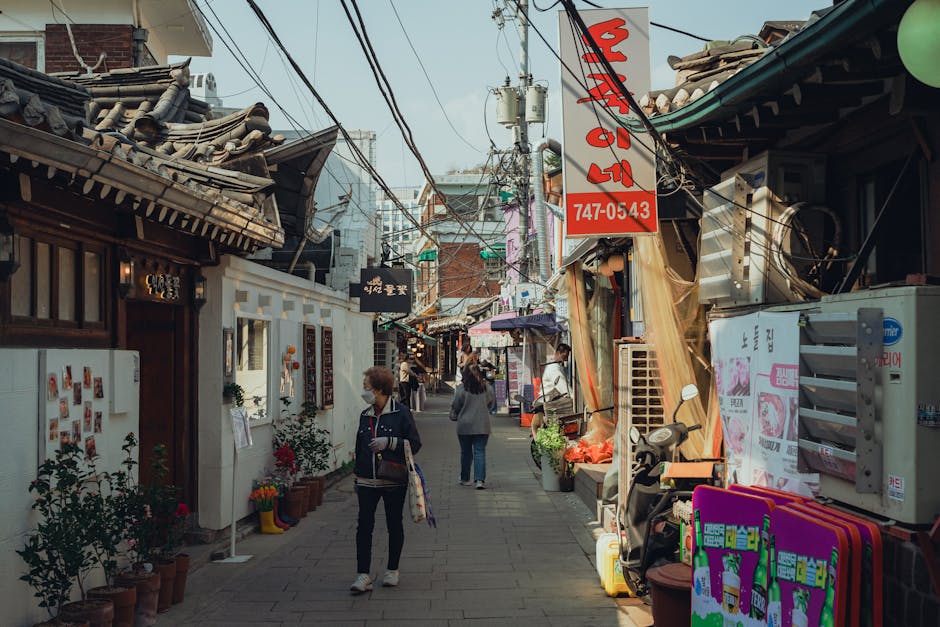
    Korea has become a tantalizing destination for travelers from all corners of the globe. With its rich history, dynamic culture, and stunning landscapes, many are drawn to this vibrant nation for various reasons. However, there are often hidden motivations behind the desire to explore this fascinating land. Let us delve into some of the less obvious factors that inspire people to visit Korea.

    1. The Allure of K-Culture

    One of the most evident draws to Korea is the worldwide phenomenon of K-culture, which encompasses everything from K-pop music to popular dramas. The surge in the prominence of Korean entertainment has created an irresistible pull for many individuals who wish to experience the culture behind the art they admire.

    For example, visitors flock to Seoul to witness live concerts, participate in fan meetings, and visit iconic filming locations. These experiences deepen the appreciation for K-culture, transforming passive fans into active participants. In Korean daily life, it’s common to see groups of young people enthusiastically singing the latest K-pop songs or excitedly discussing dramas, showcasing the cultural connection that foreigners yearn to explore firsthand.

    2. Culinary Adventures Await

    Food is often a key motivation for choosing Korea as a travel destination. The unique flavors and rich traditions behind Korean cuisine intrigue and beckon food enthusiasts from all over the world. From kimchi to bibimbap, the variety can be both exciting and overwhelming for new visitors seeking to expand their culinary repertoire.

    Many travelers often indulge in local street food, sampling delicacies from bustling markets. I have observed that the communal nature of dining in Korea, where people share a table filled with different dishes, fosters a sense of connection and warmth. For food lovers, participating in a traditional Korean meal is an experience that transcends the plate, inviting deeper cultural interactions.

    3. The Fascination with Technology

    Korea is widely recognized as a leader in technology and innovation. The country’s advancements in artificial intelligence, robotics, and mobile technology consistently attract attention from tech enthusiasts. Tours through high-tech districts like Gangnam showcase Seoul’s futuristic side, as well as its commitment to making technology an integral part of everyday life.

    This technological environment serves as both an inspiration and a learning opportunity for visitors eager to understand how technology shapes modern society. When exploring the various tech markets and startups, one can see the locals utilizing mobile payments and smart devices seamlessly. Such firsthand experiences ignite curiosity and admiration for the innovations that define Korea’s fast-paced lifestyle.

    AdSense Area 1
    Google AdSense code can be inserted here later.
    Discovering the Hidden Reasons People Are Drawn to Korea

    4. Traditional Heritage and Stability

    In stark contrast to its modern advancements, Korea’s traditional heritage captivates many travelers seeking a connection to history and culture. Visiting historical sites such as Gyeongbokgung Palace or the ancient cities of Gyeongju provides insight into Korea’s past and illustrates how deeply embedded these traditions are in contemporary society.

    Witnessing ceremonies such as the Changing of the Guard or traditional performances allows visitors to appreciate how the past influences present customs. From what I have observed in Korean daily life, there’s a profound respect for traditions among the locals, emphasizing the importance of cultural preservation. This juxtaposition of tradition and modernity creates a unique atmosphere that travelers find irresistible.

    5. The Natural Beauty of the Landscape

    Korea’s diverse landscapes, ranging from lush mountains to serene coastlines, offer a plethora of outdoor adventures. Nature lovers are often intrigued by the breathtaking views of places like Seoraksan National Park or the picturesque Jeju Island, which is famed for its volcanic landscapes and waterfalls.

    Many visitors engage in weekend hiking trips, joining groups of locals enjoying the great outdoors. In Korean workplaces or everyday culture, I often notice that employees place a high value on work-life balance, often escaping to nature during their time off. This emphasis on connection with nature deeply resonates with travelers seeking rejuvenation amidst their busy lives.

    6. A Safe Haven for Travelers

    Safety is an often-overlooked factor motivating international visitors to explore Korea. The country consistently ranks high in global safety indexes, providing peace of mind for solo travelers and families alike. The low crime rate and polite societal norms create an environment where people feel comfortable exploring freely.

    This sense of security allows individuals to move about with ease, whether wandering through bustling markets or enjoying quiet moments in parks. Many travelers find themselves entranced by the ease with which they can navigate the city, enhancing their overall experience and enabling them to immerse themselves fully in the culture without unnecessary worry.

    7. The Language and Communication

    Though the language barrier can be daunting, many visitors are drawn to Korea to immerse themselves in the Korean language and its unique aspects. Learning new languages has become a popular trend, and Korean, with its phonetic alphabet and engaging sounds, attracts language enthusiasts.

    Visitors often invest time in language classes or engage with locals to practice their skills. From what I have observed in Korean daily life, people are typically eager to help foreigners navigate the intricacies of their language. This openness fosters cross-cultural communication and builds connections through language, enhancing travelers’ overall experiences.

    Quick Action: Choose one practical idea from this article and apply it today.
    AdSense Area 2
    Second ad placement area for longer content.

    8. The Impact of Globalization

    The increasing interconnectedness of the world has made Korea more accessible, leading many to explore its consumer culture. The influence of globalization is evident in Korea’s thriving fashion industry, where international brands and trends coalesce with local designs, creating a unique shopping experience.

    Visitors often find themselves exploring districts like Hongdae or Myeongdong, where trendy boutiques and flagship stores abound. One thing that often surprises foreign visitors is the extent to which street fashion reflects personal style, showcasing an array of influences that testify to Korea’s position as a cultural crossroads. This dynamic shopping environment encourages travelers to find unique items that represent both personal taste and cultural significance.

    9. Fostering Friendships and Connections

    Traveling to Korea also opens the door to forming friendships with locals and fellow travelers alike. This aspect of visiting can often be overlooked, yet it plays a crucial role in personal experiences. Through cultural exchanges, shared meals, and collaborative activities, meaningful connections are fostered throughout one’s journey.

    Whether it is through language exchanges in cafes or casual meet-ups through apps, visitors have countless opportunities to engage in enriching interactions. I often witness residents welcoming foreigners with open arms, eager to share their experiences and perspectives. Such connections elevate the travel experience, turning a simple visit into lifelong memories.

    10. Artistic Inspiration and Creativity

    For artists, writers, and creatives, Korea serves as a wellspring of inspiration. The vibrant street art, traditional crafts, and contemporary design found throughout the country offers a creative landscape that stimulates ideas and innovation. Art districts like Insadong, known for its galleries and workshops, encourage visitors to explore their artistic inclinations.

    Participating in workshops or attending art exhibitions allows travelers to express their creativity while gaining insight into Korea’s artistic community. In conversations with local artists, one can witness the passion that drives their work, further igniting the inspiration of visitors. Engaging with this creative culture fosters greater appreciation for artistic expression that transcends borders.

    Personal Opinion

    In my personal opinion, the hidden reasons for visiting Korea are just as compelling as the widely recognized attractions. This country, with its rich tapestry of culture, history, innovation, and community, offers something for everyone. As I observe the balancing act of tradition and modernity, it becomes clear that Korea is not merely a destination, but rather an immersive experience awaiting discovery. Whether you are entranced by K-culture, lured by culinary delights, or seeking adventure in nature, immersing yourself in Korean culture brings forth a sense of connection that is truly profound. Every traveler’s story intertwines with the essence of Korea, marking it as a truly special place on the global map.

    Discovering the Hidden Reasons People Are Drawn to Korea

    Profit Flow Daily shares practical insights on global markets, crypto, investing, online income, and Korean culture.

    This article is for informational purposes only and should not be considered financial, investment, legal, medical, or tax advice.
  • Exploring the Unique Atmosphere of Korean Cities for Foreign Visitors

    Exploring the Unique Atmosphere of Korean Cities for Foreign Visitors

    Exploring the Unique Atmosphere of Korean Cities for Foreign Visitors

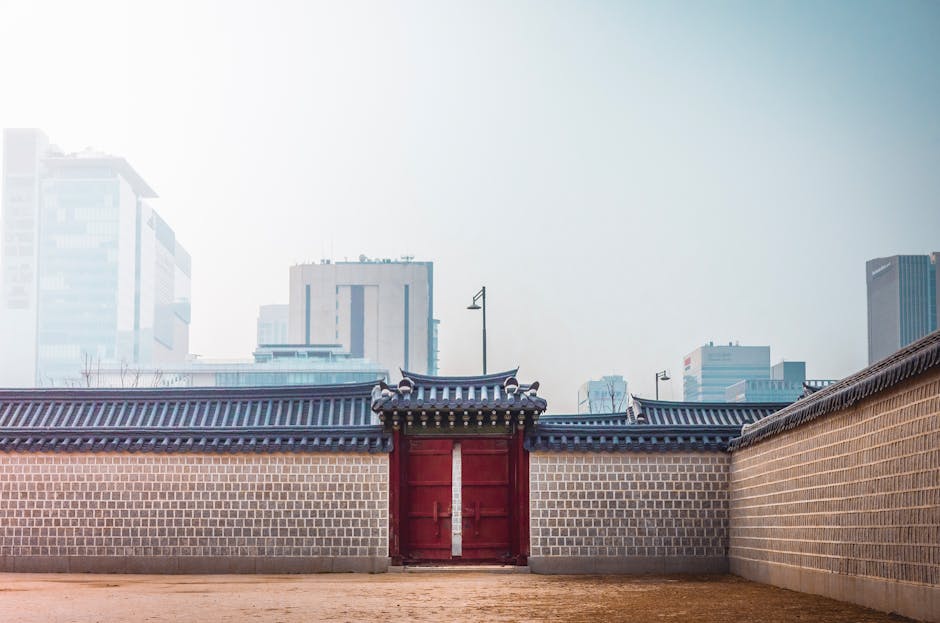
    Korea is a fascinating destination that showcases vibrant urban landscapes, rich cultural experiences, and a blend of the modern and the traditional. Each city offers its own unique atmosphere, captivating foreign visitors who come to explore. From towering skyscrapers to ancient palaces, the Korean cities provide an array of experiences that leave lasting impressions. Let’s delve into how different aspects of Korean cities resonate with foreign visitors.

    1. Vibrant Urban Life

    Korean cities are characterized by their fast-paced urban life that exudes energy and innovation. For example, in Seoul, the capital city, you can witness a constant buzz of activity. Streets are lined with shops, bustling markets, and countless cafes where locals and tourists alike congregate. Public transportation, known for its efficiency, helps visitors navigate the urban landscape seamlessly.

    Foreign visitors often find themselves enthralled by the vibrant nightlife as well. Areas like Hongdae and Gangnam become lively after sunset, filled with music, performances, and social gatherings. The juxtaposition of the historic and the modern is quite striking. While one can enjoy a night out at contemporary establishments, just a few blocks away, ancient temples and traditional hanok villages stand still, echoing the past.

    2. Cultural Richness

    One of the most delightful aspects of exploring Korean cities is their rich cultural heritage. Visitors often express admiration for the seamless integration of traditional customs within modern life. For instance, in Busan, its famous Jagalchi Fish Market allows people to witness firsthand the deeply ingrained seafood culture while enjoying fresh catches prepared right in front of them.

    In places like Gyeongju, often referred to as “the museum without walls,” tourists can explore ancient tombs and temples that date back to the Silla Dynasty. This historical appreciation is enhanced by enthusiastic locals willing to share stories and insights about their traditions. The availability of cultural events, such as festivals showcasing traditional dance and music, invites tourists to indulge in local customs and traditions.

    3. Culinary Adventures

    Korean cuisine is a highlight for many who visit these bustling cities. Not only do tourists get to enjoy the distinctive flavors of dishes like kimchi, bibimbap, and bulgogi, but the experience also often extends to cooking classes and street food tours. In areas like Myeongdong, street vendors offer an array of tantalizing treats, drawing foreign visitors into a culinary adventure.

    Food experiences in Korea are more than just meals; they’re a social event. From what I have observed in Korean daily life, sharing food is a significant part of socializing. Many visitors recount memorable moments enjoying meals in lively settings, often being welcomed to join local tables at traditional restaurants. The communal aspect of dining adds a layer of warmth to the culinary experience, and it’s common to see locals inviting foreigners to try dishes or explaining how to enjoy certain foods.

    AdSense Area 1
    Google AdSense code can be inserted here later.
    Exploring the Unique Atmosphere of Korean Cities for Foreign Visitors

    4. Technology and Modernization

    Korean cities are renowned for their advanced technology, which often leaves a strong impression on foreign visitors. In Seoul, the prevalence of high-tech solutions, from smart public transport systems to digital payment options, paints a picture of a forward-thinking society. The convenience provided by these technologies often impresses travelers, making their stay more comfortable and user-friendly.

    Moreover, Korean innovations extend beyond technology into everyday life as well. In places like Incheon, the airport is often cited as a prime example of modern efficiency, showcasing cutting-edge design and technology right from the moment one arrives in the country. Visitors are often curious about how such advances have become part of the daily routine for Koreans, creating a fascinating contrast to their home countries.

    5. Traditional and Modern Harmony

    The harmonious coexistence of modernity and tradition in Korean cities provides a unique visual and cultural experience. Areas such as Insadong in Seoul and the Bukchon Hanok Village offer glimpses of traditional architecture amid the towering skyline. Visitors often find it striking how these two worlds coexist so peacefully, providing a rich tapestry of experiences across urban areas.

    In Korean workplaces or everyday culture, I often notice a deep respect for tradition that permeates through even the most modern practices. For example, many offices still honor traditional customs such as bowing when greeting superiors, showcasing a respect for their history even while fully engaging with contemporary work environments. This balance resonates with many visitors, prompting them to reflect on their values and practices.

    6. Cleanliness and Order

    Cleanliness is a notable feature of Korean cities, mentioned frequently by international travelers. The attention to maintaining public spaces like parks, streets, and even subways speaks volumes about the collective respect Koreans have for their surroundings. The sight of city workers diligently cleaning and the absence of litter creates a welcoming environment for tourists.

    Furthermore, public amenities, including clean restrooms and accessible facilities, contribute positively to the overall experience. Visitors often comment on how these aspects make them feel more comfortable and appreciated as guests in the country. This level of care fosters a sense of pride among locals as well, who take ownership of their shared environment.

    7. Warmth and Hospitality

    The warmth and hospitality of the Korean people significantly enhance the overall experience for visitors. Many foreigners are pleasantly surprised by the approachable nature of locals, who often go out of their way to assist those who might need directions or recommendations. One thing that often surprises foreign visitors is how readily people engage in conversation or offer help, regardless of language barriers.

    Quick Action: Choose one practical idea from this article and apply it today.
    AdSense Area 2
    Second ad placement area for longer content.

    Such genuine gestures make travelers feel welcomed and cherished. Through daily interactions, visitors often leave with heartwarming stories, whether it’s sharing a meal with a family or receiving complimentary snacks from a shopkeeper. This hospitality becomes a memorable aspect of their journey, showcasing the Korean spirit of community and kindness.

    8. Artistic Expression

    Art and creativity thrive in Korean cities, presenting a visual feast for onlookers. Visitors often encounter street art, galleries, and traditional crafts that encapsulate the nation’s rich artistic heritage. Areas like Itaewon are filled with murals and art installations that reflect contemporary Korean problems and societal issues, drawing in both locals and visitors keen to appreciate diverse artistic expressions.

    Moreover, the prominence of K-pop and Korean cinema has transformed Korea into a cultural powerhouse. Tourists flock to locations made famous by their favorite idols or movies, eager to feel a connection to what they love. Engaging in artistic experiences, from K-pop dance classes to visiting filming sets, allows visitors to immerse themselves in the vibrant culture surrounding modern Korean art.

    9. Environmental Awareness

    Many foreign visitors observe a growing concern for environmental sustainability within Korean cities. Public campaigns promoting recycling and the use of public transportation reflect a broader cultural shift towards eco-friendliness that many find commendable. During my visits, I’ve noticed an abundance of bike-sharing programs and initiatives meant to reduce reliance on cars.

    This environmental consciousness resonates particularly well with tourists from countries where ecological efforts are equally valued. Engaging with local events focused on sustainability or visiting eco-friendly establishments allows visitors to explore Korea’s commitment to protecting nature while furthering their understanding of cultural perspectives on environmental issues.

    Personal Opinion

    In my personal opinion, the unique tapestry of experiences that Korean cities offer is what makes them so compelling for foreign visitors. The blend of modern conveniences with rich traditions creates a welcoming atmosphere that is both electrifying and calming. Observing the day-to-day lives of locals allows outsiders to appreciate their values and customs, enriching the travel experience. From the warmth of the people to the vibrancy of the food and cultural activities, there is an undeniable charm found in the intricate details of each city. As globalization continues to connect the world more closely, the opportunity to explore these realms of culture becomes not just an adventure, but a vital part of understanding humanity’s shared narrative through the lens of Korea’s dynamic cities.

    Exploring the Unique Atmosphere of Korean Cities for Foreign Visitors

    Profit Flow Daily shares practical insights on global markets, crypto, investing, online income, and Korean culture.

    This article is for informational purposes only and should not be considered financial, investment, legal, medical, or tax advice.