Traveling to Korea for the first time can be an exciting and transformative experience. This vibrant country, rich in culture and history, has much to offer. However, understanding some key aspects can significantly enhance your visit. Below are several important considerations to keep in mind before setting off on your journey.
1. Cultural Etiquette and Customs
The way locals interact is deeply rooted in respect and tradition. From what I have observed in Korean daily life, bowing is often used as a greeting and gesture of respect. When meeting someone, a slight bow can convey politeness. Furthermore, using both hands when giving or receiving items, such as gifts or business cards, demonstrates consideration. In a culture where respect for elders is paramount, you may find that addressing someone by their proper title is essential.
Another aspect to bear in mind is the importance of saving face, which means avoiding situations that could embarrass someone publicly. This often translates into indirect communication, so foreigners might find that Koreans are more likely to say “yes” or avoid direct refusals to maintain harmony. When dining, avoiding loud talking and using table manners—such as not sticking chopsticks upright in rice—can also help in gaining respect in social situations.
2. Language Considerations
While English is taught in schools and increasingly used in business settings, the majority of conversations in daily life occur in Korean. In my experience around Korean workplaces, streets, cafes, and stores, it’s clear that knowing a few basic phrases can be incredibly helpful. Simple sentences like “안녕하세요” (annyeonghaseyo – hello) or “감사합니다” (gamsahamnida – thank you) can significantly enhance interpersonal interactions.
Additionally, learning to read Hangul—the Korean alphabet—can be beneficial. Most signs, menus, and labels are written in Hangul, and while many places offer English translations, being able to read basic signage will improve your navigation skills. There are various resources and apps that can help you familiarize yourself with the language before you arrive.
3. Transportation System
Korea boasts an extensive and efficient public transportation system that includes subways, buses, and high-speed trains. From what I have observed in urban areas, like Seoul, the subway is not only clean and safe but also remarkably user-friendly. Most signs and announcements are available in both Korean and English, making it easier for newcomers to navigate the system.
To facilitate your travels, consider purchasing a T-money card, which can be used on public transport as well as in convenience stores. This tool simplifies the payment process; simply tap the card at the turnstiles or payment terminals. By planning your route using apps like Kakao Maps or Naver Maps, you can find the quickest and most convenient options, ensuring a smooth travel experience.
AdSense Area 1 Google AdSense code can be inserted here later.
4. Culinary Adventures
Korean cuisine is a delightful aspect of the country, offering flavors and dishes that are unique to the culture. One thing foreigners may not notice at first is the variety of banchan—side dishes served with meals. Each meal typically includes multiple banchan, and trying these can enhance your understanding of Korean flavors. From kimchi to pickled vegetables, each side dish has its own story and significance.
When dining, it’s common for meals to be shared among those at the table, so don’t hesitate to dive into a communal dish or ask for recommendations. Street food in areas such as Myeongdong or Gwangjang Market is also a must-try. Popular items include tteokbokki (spicy rice cakes) and hotteok (sweet pancakes), which provide an affordable and authentic taste of local culture.
5. Understanding Korean Time and Punctuality
In Korea, punctuality is highly valued, especially in business and social settings. From my experience in various situations, being late can be considered disrespectful, and it’s preferable to arrive a few minutes early. This applies to social gatherings as well; it’s common for people to show up on time or slightly ahead, so understanding this unwritten rule will help you adapt to the local way of life.
When planning activities, such as meeting someone for dinner or participating in events, be mindful of the time. If you find yourself running late, contacting your host to notify them is essential. This small courtesy goes a long way toward showing respect for their time and willingness to accommodate any delays.
6. Social Media and Communication
Korea is known for its advanced technology and high connectivity; social media usage is prevalent among locals. Many Koreans communicate through platforms like KakaoTalk and Line, which are popular messaging apps. If you’re forming friendships or engaging in social interactions, being open to using these platforms may enhance connections with your peers.
Moreover, if you have a smartphone with international roaming or a local SIM card, you’ll find accessing the internet quite straightforward. Most cafes and restaurants offer Wi-Fi, and being connected can help you out with navigation or finding local attractions. However, remember to balance online interactions with in-person experiences to truly immerse yourself in the culture.
7. Shopping Etiquette
Korea is a shopping paradise, from high-end boutiques in Gangnam to traditional markets in Insadong. At shops, you may notice that bargaining is uncommon when purchasing from large retailers, but it can be accepted in local markets. When entering a shop, it’s polite to greet the staff even if it’s just a nod. Many retail employees take pride in their service, so showing appreciation can increase the warmth of the interaction.
When paying, using cash is still popular, but credit cards are widely accepted. It’s worth noting that some stores may have additional charges for using foreign cards, so keeping a mix of cash and cards is advisable. Furthermore, tax refunds are available for tourists on qualifying purchases, so don’t forget to ask for a refund form when making your purchases.
Quick Action: Choose one practical idea from this article and apply it today.
AdSense Area 2 Second ad placement area for longer content.
8. Festivals and Celebrations
Korea has a wealth of festivals and celebrations that reflect its cultural heritage. One of the most celebrated is Chuseok, a harvest festival akin to Thanksgiving. During this time, families gather to pay respect to their ancestors and share traditional food. Visitors during this period might observe beautiful decorations and feel the warmth of family gatherings.
Additionally, the Boryeong Mud Festival, held annually on the west coast, attracts both locals and tourists. It offers a unique blend of fun activities involving mud, live music, and food stalls. Engaging in local festivals can provide valuable insights into the cultural fabric of Korea and create lasting memories.
9. Understanding the Seasons
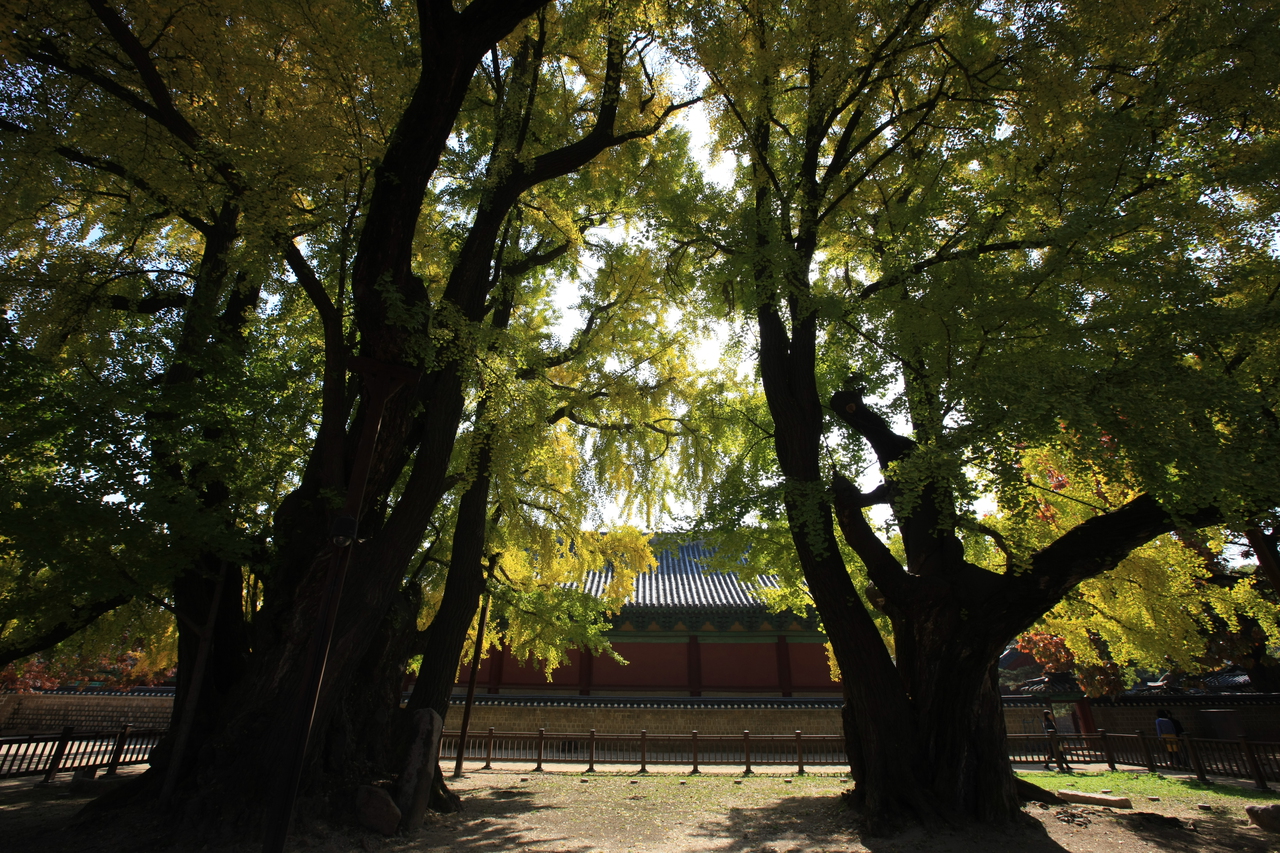
Korea experiences four distinct seasons, which greatly influence its activities and lifestyle. From my observations, spring is particularly beautiful, with cherry blossoms adorning streets and parks. Autumn is another stunning season, as the foliage turns brilliant shades of red and gold. Planning your visit according to the seasons can enhance your overall experience, as specific regional festivals and events align with each season.
During winter, you can experience snow activities like skiing in popular resorts, while summer can be hot and humid. It’s wise to check weather forecasts and pack appropriately, considering both temperature and precipitation throughout your stay. Being prepared for these variations ensures that your trip remains enjoyable and comfortable.
10. Respecting Nature and the Environment
As a nation, Korea places a strong emphasis on the environment, and this is especially evident in urban areas. One important observation is that littering is frowned upon, and you will find designated trash and recycling bins in public facilities. Adhering to local recycling practices demonstrates respect for the community and its commitment to sustainability.
Additionally, when visiting natural sites such as national parks or scenic areas, follow the guidelines provided. Korea’s breathtaking landscapes are a treasure, and preserving their beauty requires collective responsibility. Engaging in eco-friendly practices during your visit will not only reflect well on you but also contribute positively to the environment.
Personal Opinion
In my personal opinion, understanding and adapting to the nuances of Korean culture can significantly elevate your experience in this remarkable country. Embracing local customs, trying the delicious food, and connecting with people will lead to meaningful interactions and lasting memories. Each journey is an opportunity for learning, and Korea’s rich landscape is ready to welcome you with open arms.
Profit Flow Daily shares practical insights on global markets, online income, Korean culture, Korean food, beauty, travel, and work life.
This article is for informational purposes only and should not be considered financial, investment, legal, medical, or tax advice.




답글 남기기