Korea is a fascinating destination that showcases vibrant urban landscapes, rich cultural experiences, and a blend of the modern and the traditional. Each city offers its own unique atmosphere, captivating foreign visitors who come to explore. From towering skyscrapers to ancient palaces, the Korean cities provide an array of experiences that leave lasting impressions. Let’s delve into how different aspects of Korean cities resonate with foreign visitors.
1. Vibrant Urban Life
Korean cities are characterized by their fast-paced urban life that exudes energy and innovation. For example, in Seoul, the capital city, you can witness a constant buzz of activity. Streets are lined with shops, bustling markets, and countless cafes where locals and tourists alike congregate. Public transportation, known for its efficiency, helps visitors navigate the urban landscape seamlessly.
Foreign visitors often find themselves enthralled by the vibrant nightlife as well. Areas like Hongdae and Gangnam become lively after sunset, filled with music, performances, and social gatherings. The juxtaposition of the historic and the modern is quite striking. While one can enjoy a night out at contemporary establishments, just a few blocks away, ancient temples and traditional hanok villages stand still, echoing the past.
2. Cultural Richness
One of the most delightful aspects of exploring Korean cities is their rich cultural heritage. Visitors often express admiration for the seamless integration of traditional customs within modern life. For instance, in Busan, its famous Jagalchi Fish Market allows people to witness firsthand the deeply ingrained seafood culture while enjoying fresh catches prepared right in front of them.
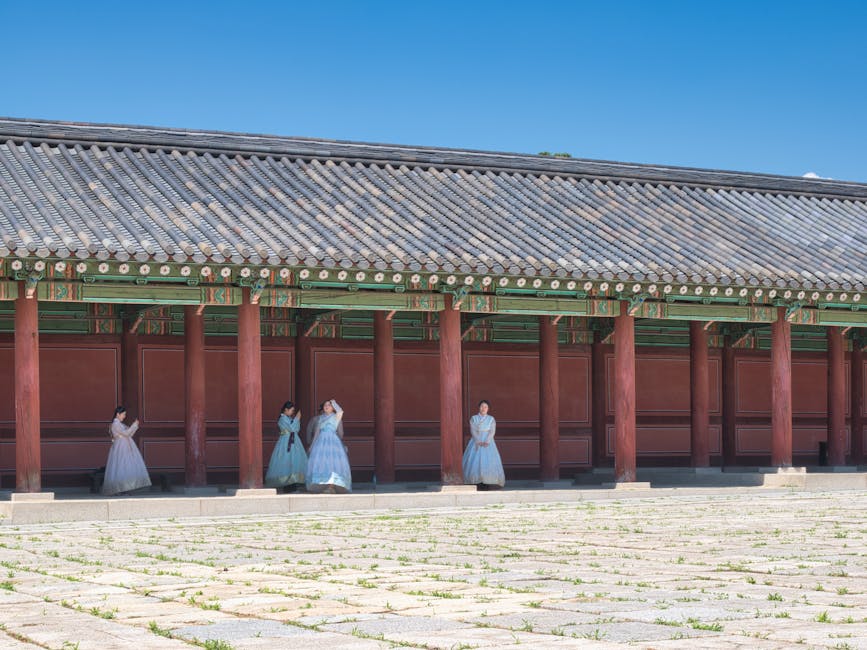
In places like Gyeongju, often referred to as “the museum without walls,” tourists can explore ancient tombs and temples that date back to the Silla Dynasty. This historical appreciation is enhanced by enthusiastic locals willing to share stories and insights about their traditions. The availability of cultural events, such as festivals showcasing traditional dance and music, invites tourists to indulge in local customs and traditions.
3. Culinary Adventures
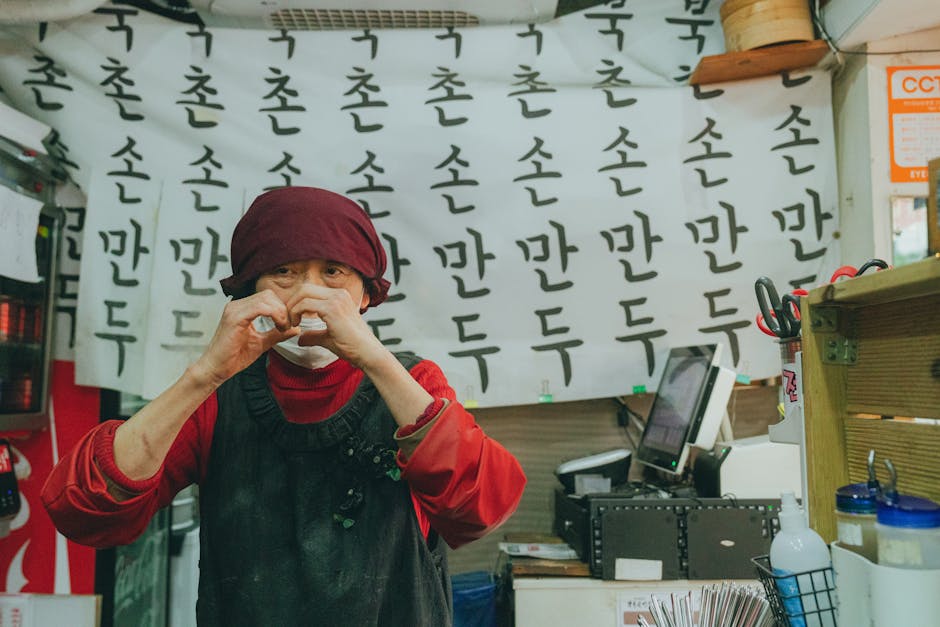
Korean cuisine is a highlight for many who visit these bustling cities. Not only do tourists get to enjoy the distinctive flavors of dishes like kimchi, bibimbap, and bulgogi, but the experience also often extends to cooking classes and street food tours. In areas like Myeongdong, street vendors offer an array of tantalizing treats, drawing foreign visitors into a culinary adventure.
Food experiences in Korea are more than just meals; they’re a social event. From what I have observed in Korean daily life, sharing food is a significant part of socializing. Many visitors recount memorable moments enjoying meals in lively settings, often being welcomed to join local tables at traditional restaurants. The communal aspect of dining adds a layer of warmth to the culinary experience, and it’s common to see locals inviting foreigners to try dishes or explaining how to enjoy certain foods.
AdSense Area 1 Google AdSense code can be inserted here later.
4. Technology and Modernization
Korean cities are renowned for their advanced technology, which often leaves a strong impression on foreign visitors. In Seoul, the prevalence of high-tech solutions, from smart public transport systems to digital payment options, paints a picture of a forward-thinking society. The convenience provided by these technologies often impresses travelers, making their stay more comfortable and user-friendly.
Moreover, Korean innovations extend beyond technology into everyday life as well. In places like Incheon, the airport is often cited as a prime example of modern efficiency, showcasing cutting-edge design and technology right from the moment one arrives in the country. Visitors are often curious about how such advances have become part of the daily routine for Koreans, creating a fascinating contrast to their home countries.
5. Traditional and Modern Harmony
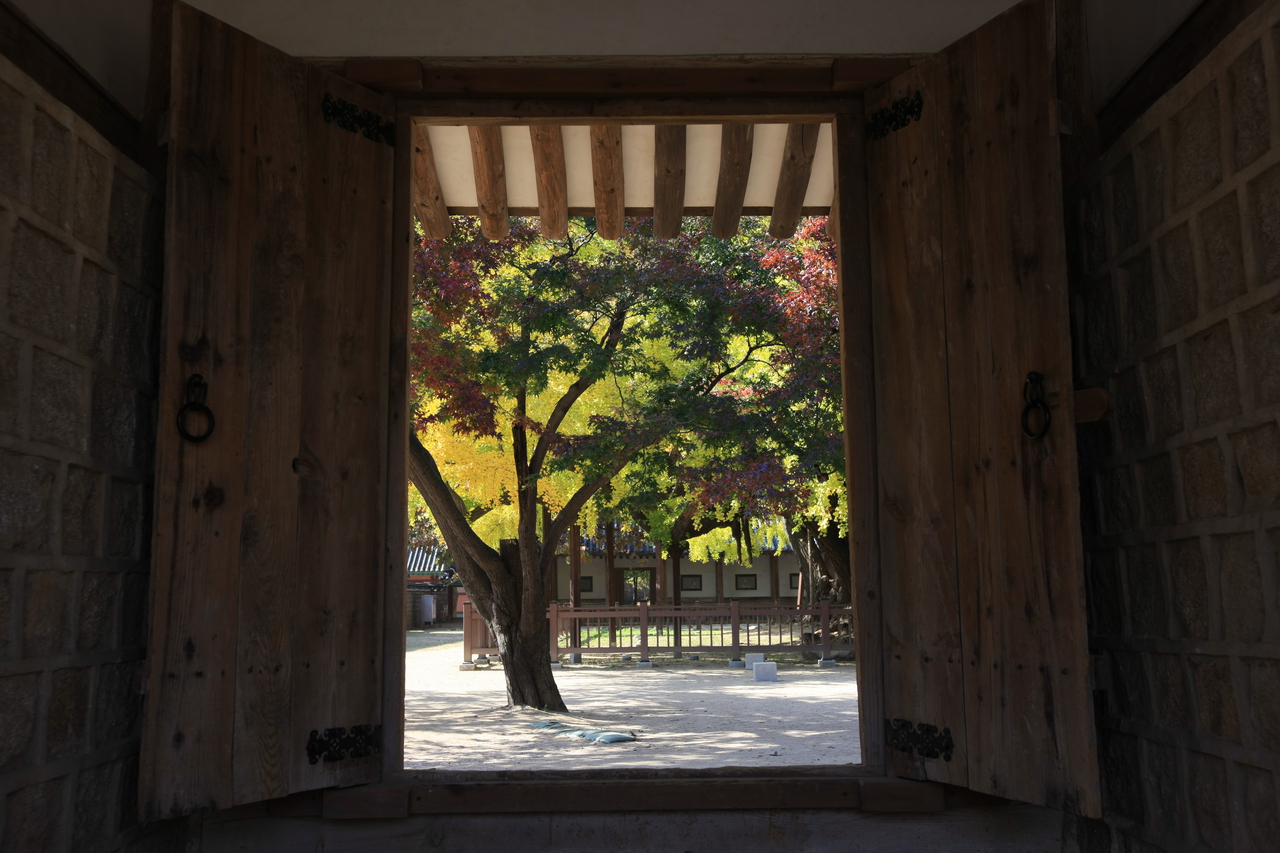
The harmonious coexistence of modernity and tradition in Korean cities provides a unique visual and cultural experience. Areas such as Insadong in Seoul and the Bukchon Hanok Village offer glimpses of traditional architecture amid the towering skyline. Visitors often find it striking how these two worlds coexist so peacefully, providing a rich tapestry of experiences across urban areas.
In Korean workplaces or everyday culture, I often notice a deep respect for tradition that permeates through even the most modern practices. For example, many offices still honor traditional customs such as bowing when greeting superiors, showcasing a respect for their history even while fully engaging with contemporary work environments. This balance resonates with many visitors, prompting them to reflect on their values and practices.
6. Cleanliness and Order
Cleanliness is a notable feature of Korean cities, mentioned frequently by international travelers. The attention to maintaining public spaces like parks, streets, and even subways speaks volumes about the collective respect Koreans have for their surroundings. The sight of city workers diligently cleaning and the absence of litter creates a welcoming environment for tourists.
Furthermore, public amenities, including clean restrooms and accessible facilities, contribute positively to the overall experience. Visitors often comment on how these aspects make them feel more comfortable and appreciated as guests in the country. This level of care fosters a sense of pride among locals as well, who take ownership of their shared environment.
7. Warmth and Hospitality
The warmth and hospitality of the Korean people significantly enhance the overall experience for visitors. Many foreigners are pleasantly surprised by the approachable nature of locals, who often go out of their way to assist those who might need directions or recommendations. One thing that often surprises foreign visitors is how readily people engage in conversation or offer help, regardless of language barriers.
Quick Action: Choose one practical idea from this article and apply it today.
AdSense Area 2 Second ad placement area for longer content.
Such genuine gestures make travelers feel welcomed and cherished. Through daily interactions, visitors often leave with heartwarming stories, whether it’s sharing a meal with a family or receiving complimentary snacks from a shopkeeper. This hospitality becomes a memorable aspect of their journey, showcasing the Korean spirit of community and kindness.
8. Artistic Expression
Art and creativity thrive in Korean cities, presenting a visual feast for onlookers. Visitors often encounter street art, galleries, and traditional crafts that encapsulate the nation’s rich artistic heritage. Areas like Itaewon are filled with murals and art installations that reflect contemporary Korean problems and societal issues, drawing in both locals and visitors keen to appreciate diverse artistic expressions.
Moreover, the prominence of K-pop and Korean cinema has transformed Korea into a cultural powerhouse. Tourists flock to locations made famous by their favorite idols or movies, eager to feel a connection to what they love. Engaging in artistic experiences, from K-pop dance classes to visiting filming sets, allows visitors to immerse themselves in the vibrant culture surrounding modern Korean art.
9. Environmental Awareness
Many foreign visitors observe a growing concern for environmental sustainability within Korean cities. Public campaigns promoting recycling and the use of public transportation reflect a broader cultural shift towards eco-friendliness that many find commendable. During my visits, I’ve noticed an abundance of bike-sharing programs and initiatives meant to reduce reliance on cars.
This environmental consciousness resonates particularly well with tourists from countries where ecological efforts are equally valued. Engaging with local events focused on sustainability or visiting eco-friendly establishments allows visitors to explore Korea’s commitment to protecting nature while furthering their understanding of cultural perspectives on environmental issues.
Personal Opinion
In my personal opinion, the unique tapestry of experiences that Korean cities offer is what makes them so compelling for foreign visitors. The blend of modern conveniences with rich traditions creates a welcoming atmosphere that is both electrifying and calming. Observing the day-to-day lives of locals allows outsiders to appreciate their values and customs, enriching the travel experience. From the warmth of the people to the vibrancy of the food and cultural activities, there is an undeniable charm found in the intricate details of each city. As globalization continues to connect the world more closely, the opportunity to explore these realms of culture becomes not just an adventure, but a vital part of understanding humanity’s shared narrative through the lens of Korea’s dynamic cities.
Profit Flow Daily shares practical insights on global markets, crypto, investing, online income, and Korean culture.
This article is for informational purposes only and should not be considered financial, investment, legal, medical, or tax advice.




답글 남기기