
Interest rates play a pivotal role in the functioning of the global economy, affecting everything from consumer spending to investment decisions. Their fluctuations can create ripples across various sectors, influencing economic growth, inflation, and employment rates. Understanding how interest rates impact the global landscape can help individuals and businesses make more informed financial decisions.
The Fundamentals of Interest Rates
Interest rates represent the cost of borrowing money or the return on savings. They are set by central banks and can fluctuate based on a variety of economic indicators, including inflation rates and economic growth. When rates are low, borrowing becomes cheaper, encouraging spending and investment. Conversely, when rates rise, the cost of borrowing increases, possibly leading to a slowdown in economic activity.
An example of this can be seen in the aftermath of the 2008 financial crisis. Many central banks, including the Federal Reserve, lowered interest rates to near-zero levels to stimulate the economy. This led to increased borrowing by consumers and businesses, which contributed to the recovery. On the other hand, the recent increase in rates in 2022 aimed to combat rising inflation but has also raised concerns about potential recessionary effects.
1. The Impact on Consumers
One of the most direct effects of changing interest rates is on consumer behavior. Lower rates typically lead to increased consumer spending. When rates are lower, mortgages become cheaper, resulting in higher home purchases. Additionally, low credit card rates can encourage consumers to make larger purchases or take on new debts.
For example, if someone is considering buying a car, they may find it more affordable to finance that purchase when rates are low. However, as rates climb, the cost of borrowing increases, which may lead consumers to delay significant purchases. This change in consumer spending can have cascading effects on the broader economy, as reduced spending can slow down growth and lead to lower employment rates.
2. Business Investment and Growth
Changes in interest rates can also significantly affect business investment strategies. Companies often rely on borrowing to expand operations, invest in new technologies, or enter new markets. When interest rates are low, businesses are more likely to take risks and invest in growth opportunities. This investment can lead to job creation and increased productivity.
A practical way to start evaluating how these fluctuations may impact a business is to analyze the cost of financing for new projects. During periods of low rates, businesses can afford to take on larger projects that might otherwise be too expensive. Conversely, higher interest rates may lead to more conservative spending and investment choices, which can stifle growth opportunities.
3. The Relationship Between Inflation and Interest Rates
The interplay between inflation and interest rates is a critical aspect of economic policy. Central banks often raise interest rates in response to rising inflation. The idea is to contain inflation by making borrowing more expensive, thus cooling off spending and slowing economic activity.
Google AdSense code can be inserted here later.
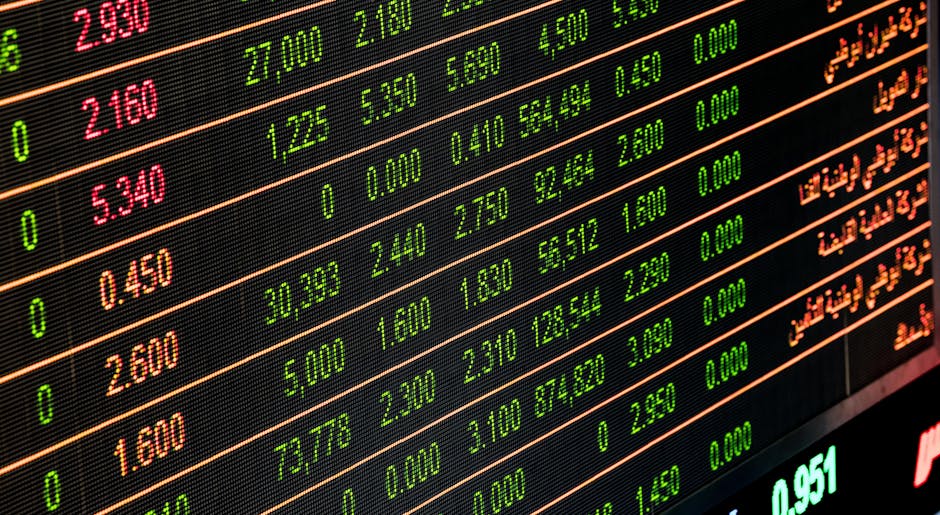
An illustrative case would be the situation during periods of rapid inflation, such as what was observed globally in 2022. Many countries increased their rates in hopes of controlling the inflationary pressures that were making goods and services more expensive. While this can help stabilize prices, it can also lead to a slowdown in economic growth if implemented too aggressively.
4. Global Financial Markets
Interest rates have a profound impact on global financial markets. Changes in U.S. rates, for example, can influence investment flows around the world as capital seeks the best returns. High U.S. interest rates may attract foreign investors looking for better yields, which can lead to fluctuations in currency values and thus impact international trade.
For instance, when the Federal Reserve raises interest rates, it often strengthens the U.S. dollar against other currencies. This can make U.S. exports more expensive for foreign buyers while making imports cheaper for Americans. As a result, companies involved in international trade must navigate these fluctuations carefully, as they can affect profit margins and competitiveness.
5. Investment Strategies During Rate Changes
For individual investors, understanding the trends related to interest rates can greatly influence investment strategies. Different asset classes react differently to shifts in rates. For example, bond prices typically fall when interest rates rise, while equities may also experience volatility depending on how rate increases are perceived by the market.
A practical way to start is by diversifying portfolios to hedge against rate-related risks. For those holding bonds, it may be worthwhile to consider shorter-duration bonds that are less sensitive to rate changes. Real estate investments might also present opportunities during periods of rising rates, particularly in sectors that cater to demographic shifts like urbanization.
6. The Role of Central Banks
Central banks play a crucial role in managing interest rates to promote economic stability. Their policies are typically aimed at balancing inflation and unemployment, ensuring that economies do not overheat or fall into recession. The decisions made by these institutions can have profound effects, often leading markets to react sharply to anticipated changes.
The mistake I often see beginners make is ignoring the influence of central bank announcements on their investments. It’s essential to stay informed about upcoming policy meetings and statements, as these can signal shifts that may affect various investment classes. For example, after a central bank hints about a potential rate hike, investors might readjust their portfolios accordingly to mitigate risks associated with rising rates.
7. Long-Term Economic Growth and Stability
For long-term economic growth, the stability of interest rates is crucial. Fluctuating rates can lead to uncertainty for consumers and businesses, making planning for the future more challenging. A stable interest rate environment can encourage both consumer confidence and business investments, ultimately leading to sustainable growth.
Second ad placement area for longer content.
What I would do first is to keep an eye on broader economic indicators, such as employment rates and inflation metrics, to gauge the potential direction of interest rates. By understanding the underlying economic health, individuals and businesses can make proactive decisions that align with long-term goals. Regularly reviewing financial positions in light of changing economic conditions can also help leverage opportunities or mitigate risks.
8. Investment in Emerging Markets
Emerging markets can present unique opportunities and challenges related to interest rates. Often, these countries have higher growth rates, but they can also be more sensitive to changes in global interest rates. As developed countries raise rates, capital might flow out of emerging markets seeking better returns in higher-yielding assets.
A strategic approach for investors interested in emerging markets is to diversify into different regions or sectors to manage risk effectively. Understanding each market’s response to global interest rate changes can help investors navigate potential pitfalls while capitalizing on opportunities created by changing economic conditions.
9. The Psychological Effects of Interest Rate Changes
The psychological impact of interest rates should not be overlooked. Consumer confidence can be heavily influenced by perceived economic stability, which can be shaped by changes in borrowing costs. For instance, when rates are low, consumers may feel more inclined to spend, whereas rising rates may foster a sense of caution.
10. Preparing for Future Rate Changes
With the unpredictability of global economic events, preparation is vital for individuals and businesses facing potential interest rate changes. Establishing a financial buffer, such as an emergency fund, can provide more stability when rates fluctuate, allowing for better management of unforeseen expenses.
Additionally, reviewing financial plans more frequently in light of interest rate trends is critical. The mistake many make is treating financial planning as a one-time exercise. Regular reassessment allows for alignment with changing economic conditions, ensuring that strategies remain relevant and effective. A practical example would be recalibrating investment strategies to reflect the current market environment, potentially shifting from fixed income to more equity-focused investments during periods of rising rates.
Personal Opinion
In my personal opinion, understanding the multifaceted impact of interest rates on the global economy is crucial for anyone looking to navigate these complexities successfully. It’s not merely about keeping an eye on the latest economic news; it’s about understanding how these changes affect personal finances, investment strategies, and business decisions. By adopting a proactive approach and regularly reviewing economic indicators, individuals and businesses can better prepare for the ebbs and flows of interest rates, ultimately leading to more informed financial choices.

Profit Flow Daily shares practical insights on global markets, crypto, investing, online income, and Korean culture.
This article is for informational purposes only and should not be considered financial, investment, legal, medical, or tax advice.






답글 남기기