블로그

  • Why Understanding Bitcoin Price Fluctuations Is Essential for Every Investor

    Why Understanding Bitcoin Price Fluctuations Is Essential for Every Investor

    Why Understanding Bitcoin Price Fluctuations Is Essential for Every Investor

    In the world of cryptocurrency, few topics generate as much interest—and uncertainty—as the price of Bitcoin. As this digital currency continues to capture the imagination and investments of individuals worldwide, the fluctuations in its value can either be a source of wealth or worry. Understanding the dynamics driving Bitcoin’s price is not just for seasoned traders anymore; it’s becoming essential knowledge for anyone interested in this vibrant financial landscape.

    The recent swings in Bitcoin’s valuation have left many investors puzzled. Sometimes the price soars to unparalleled heights, while at other times it plummets, leaving investors questioning their positions. This uncertainty can be daunting, especially for those who have recently entered the market and are still familiarizing themselves with the crypto environment. In the following sections, we will delve into the elements influencing Bitcoin’s price and offer actionable insights for navigating this unpredictable terrain.

    Factors Influencing Bitcoin Price Fluctuations

    • Market Demand and Supply – The law of supply and demand is integral to Bitcoin’s valuation. When more people want to buy Bitcoin than sell it, prices rise. For instance, the surge in interest during 2020, driven by institutional investment and retail interest, led to record highs. Conversely, when selling pressure increases—often triggered by market sentiment or negative news—prices can sharply drop. Understanding these cycles can help you anticipate potential movements in prices.
    • Regulatory News – The cryptocurrency market is heavily influenced by news regarding regulations and legal frameworks. When governments announce more favorable regulations, it usually leads to bullish market trends, attracting more investors. However, when negative regulations are proposed, such as strict rules around trading or ICOs, it can lead to dramatic sell-offs. Investors should stay informed about significant regulatory developments to gauge the immediate impact on Bitcoin’s price.

    Understanding Market Sentiment

    • Fear and Greed Index – Market sentiment is often indicated by what’s known as the Fear and Greed Index. When the index is low, indicating fear, many investors may sell their holdings, causing prices to drop. Conversely, high levels of greed can inflate prices as buyers become overly optimistic. Monitoring this index can provide valuable insight into the current market mood and help you make more informed trading decisions.
    • News Impact – Social media, news articles, and influential personalities can significantly sway market sentiment. For example, tweets from prominent figures can lead to rapid price changes. It’s vital to assess news thoroughly, discerning between long-term impact and reactions to shorter-term developments.

    Practical Actions for Navigating Bitcoin Price Uncertainty

    As the list of factors influencing Bitcoin’s price grows, taking practical steps can mitigate the anxiety associated with investing in digital currencies. Here are some actionable strategies to consider:

    • Diversify Your Portfolio – One effective way to deal with volatility is not to put all your eggs in one basket. Instead of investing solely in Bitcoin, consider diversifying across various cryptocurrencies. By doing this, you can reduce risk exposure; when Bitcoin might be experiencing a downturn, a portion of your investments could be performing well in another sector.
    • Implement Stop-Loss Orders – Set risk tolerance levels by using stop-loss orders to protect your investment. A stop-loss order automatically sells your assets when it reaches a certain price, preventing further losses. Even though it doesn’t guarantee total safety, it can help manage emotional reactions during price fluctuations.

    What I Would Do

    Reflecting on my insights into Bitcoin trading, I recommend a cautious approach for those interested in entering the crypto market. First and foremost, I would thoroughly educate myself on the various aspects of cryptocurrency, studying both technical and fundamental analysis. Understanding price trends and patterns allows for informed decision-making rather than impulsive reactions. Moreover, I believe in actively participating in relevant forums and community discussions to build knowledge and share experiences.

    AdSense Area 1
    Google AdSense code can be inserted here later.

    Why Understanding Bitcoin Price Fluctuations Is Essential for Every Investor
    Quick Action: Pick one idea from this article and apply it today. Small financial decisions compound over time.

    Additionally, I would establish a budget strictly for trading purposes—one that I am willing to lose without affecting my financial security. This ensures that I remain rational and detached from the emotional stress that often accompanies trading during volatile times.

    Checklist for Bitcoin Investors

    • Educate yourself on market trends and analysis tools.
    • Set a specific budget for your cryptocurrency investments.
    • Diversify your investments beyond Bitcoin.
    • Monitor market sentiment using tools like the Fear and Greed Index.
    • Utilize stop-loss orders to manage risks effectively.

    Common Mistakes to Avoid

    Many new investors succumb to common pitfalls that can be detrimental to their financial health. Here are some errors to steer clear of:

    • Chasing Losses – In the face of losses, particularly after a market downturn, some investors are tempted to buy more Bitcoin to recover losses quickly. This strategy often leads to further declines in their investment as it compounds the initial loss. Instead, focus on a rational analysis of your investment strategy rather than emotional moves.
    • Ignoring Security Measures – The growing interest in cryptocurrency has made it a target for hackers and fraudsters. Ensure your investments are secured in reputable wallets, and never share your private keys. Protection should be a priority to avoid losses from theft.

    Final Thoughts

    Navigating the world of Bitcoin requires patience, knowledge, and a keen awareness of market dynamics. By understanding the factors contributing to price fluctuations and implementing best practices, investors can cultivate a more secure and strategic approach to trading. While uncertainty is a common thread in the cryptocurrency realm, arming yourself with the right tools and insights can empower your position in this evolving landscape.

    As you forge ahead, remember that the landscape can change rapidly, and continuous learning along with timely adaptations can make all the difference in your investment journey.

    🔥 Takeaway: Keep checking Profit Flow Daily for practical money, crypto, investing, and online income strategies.
    Why Understanding Bitcoin Price Fluctuations Is Essential for Every Investor

    Profit Flow Daily shares practical insights on global markets, crypto, investing, money, and online income.

    This article is for informational purposes only and should not be considered financial advice.

  • 8 Essential Strategies to Safeguard Your Wealth From Inflation

    8 Essential Strategies to Safeguard Your Wealth From Inflation

    8 Essential Strategies to Safeguard Your Wealth From Inflation

    In today’s world, where inflation seems to creep into every economy, safeguarding your wealth is more crucial than ever. As the cost of living rises, the value of your savings may diminish, leaving you vulnerable to financial instability. Understanding how to effectively protect your money during inflation is not only essential but can also lead to long-term financial success.

    Inflation can erode purchasing power, affecting your daily expenses and investments. Many individuals often find it challenging to navigate these uncertain financial waters, resulting in poor choices that can further diminish their wealth. By taking proactive measures, investors can shield their assets from inflationary pressures and potentially yield greater returns.

    Understanding the Mechanisms of Inflation

    Before implementing strategies to protect your money, it is imperative to grasp how inflation works. Inflation occurs when the prices of goods and services rise, meaning that a dollar will buy less than it did in the past. This often leads to increased prices on essentials, including food, energy, and housing. Factors such as increased demand, supply chain disruptions, and monetary policy play critical roles in influencing inflation rates.

    For instance, during periods of high inflation, consumers may notice their grocery bills rising significantly. This not only affects day-to-day living but extends to investment markets as well, making it a key concern for anyone looking to sustain their financial stability. Understanding these underlying mechanisms can empower you to make informed financial decisions.

    1. Diversify Your Investment Portfolio

    Diversification is a well-known investment strategy aimed at reducing risk and enhancing returns by spreading investments across different asset classes. During inflationary times, certain assets tend to perform better than others. For example, commodities like gold and silver often appreciate when inflation rises, serving as a hedge against the declining dollar value.

    Additionally, real estate investments can also provide a safeguard during inflation. Properties often appreciate over time, and rental income can increase with inflation, providing a natural hedge. By including a diverse mix of stocks, bonds, real estate, and commodities in your portfolio, you can better weather the storm of rising prices.

    2. Consider Inflation-Protected Securities

    Inflation-protected securities, such as Treasury Inflation-Protected Securities (TIPS) or similar global offerings, are designed to protect against inflation. The principal value of these bonds increases with inflation, ensuring that the purchasing power of your investment remains intact over time.

    AdSense Area 1
    Google AdSense code can be inserted here later.
    8 Essential Strategies to Safeguard Your Wealth From Inflation

    Investing in these securities can yield not only the traditional interest payments but also contribute to wealth preservation during inflationary periods. While these might not provide massive returns like equities, the stability they offer can be vital for your overall financial strategy.

    3. Invest in Real Assets

    Real assets, such as commodities, agricultural products, or energy resources, tend to hold value and can even appreciate during inflation. Investing in physical goods or assets can help you counter the effects of diminishing purchasing power, providing a protective buffer against rising prices.

    For example, oil and gas prices often rise with inflation due to increased demand and limited supply. Many investors turn to these resources not only for their potential returns but for their role in maintaining value over time. Investing in physical assets can be a practical way to insulate yourself from the negative effects of inflation.

    4. Adjust Your Savings Strategy

    Saving is a vital component of financial health, yet traditional savings accounts often do not keep pace with inflation. Instead of keeping large amounts in low-interest accounts, consider high-yield savings accounts or certificates of deposit (CDs) that may offer better interest rates. Additionally, look for opportunities in online platforms that guarantee higher yields, although always assess the associated risks.

    By regularly updating your savings strategy to focus on higher-yield opportunities, you can ensure that your money grows at a rate that at least matches, if not exceeds, inflationary trends. This proactive approach can help you maintain the value of your financial assets.

    5. Reassess Your Budget and Spending Habits

    With inflation influencing the cost of daily essentials, it is crucial to revisit your budgeting strategies regularly. Identify areas where you can cut excess expenses, redirecting those funds into more productive financial avenues. Essential categories to evaluate include subscriptions, dining out, and discretionary spending.

    By monitoring these aspects of your spending, you not only free up more capital for investments but also manage your overall financial health better. Budgeting becomes even more critical during inflation, as recognizing areas for improvement can positively impact your purchasing power.

    Quick Action: Pick one idea from this article and apply it today. Small financial decisions compound over time.
    AdSense Area 2
    Second ad placement area for longer content.

    6. Explore Alternative Investments

    Alternative investments, such as peer-to-peer lending, real estate crowdfunding, or cryptocurrencies, can provide unique opportunities for growth during inflationary periods. These avenues often yield higher returns compared to traditional investment options. However, it is crucial to conduct thorough research and assess the potential risks involved.

    Exploring these non-traditional investments may diversify your portfolio further, providing additional safeguards against inflation’s adverse effects. As with any investment, knowledge is power; thus, staying informed about market trends will ensure you are making educated financial choices.

    7. Utilize Dollar-Cost Averaging

    Dollar-cost averaging is an investment strategy that reduces the impact of volatility by spreading out purchases over time. Rather than investing a lump sum, investing fixed amounts regularly can take advantage of market fluctuations, allowing you to buy more shares when prices are low and fewer when prices rise.

    This method can help mitigate risks during uncertain economic times and serves as a great way to build wealth steadily. For instance, if an investor commits to investing a set amount each month, they can mitigate the adverse effects of inflation by ensuring they are consistently participating in the investment market.

    8. Stay Informed and Adaptable

    The financial landscape is ever-evolving, especially during inflationary periods. Staying vigilant by monitoring economic trends and adjusting your financial strategies accordingly can provide added protection. Subscribe to credible finance resources, attend webinars, and join forums to keep yourself informed.

    Adaptability is crucial in finance. Being proactive rather than reactive will empower you to make strategic decisions promptly. Changes in inflation trends may require a reassessment of your portfolio or cash flow management. Evaluate your investment approach regularly to ensure it aligns with the current economic climate and your financial goals.

    Checklist for Protecting Wealth During Inflation

    • Diversify across multiple asset classes.
    • Invest in inflation-protected securities.
    • Incorporate real assets in your portfolio.
    • Opt for high-yield savings options.
    • Review and adjust your budget frequently.
    • Explore alternative investment platforms.
    • Implement dollar-cost averaging in your purchasing strategy.
    • Stay updated on market trends and economic changes.

    Mistakes to Avoid When Protecting Your Money

    • Failing to diversify your investments can lead to significant losses during inflation.
    • Overreliance on low-yield savings accounts may erode your wealth.
    • Neglecting to reassess your budget can lead to unintentional overspending.
    • Not keeping an eye on economic trends may result in missed opportunities for adjustments.
    • Confusing short-term market fluctuations with long-term trends may skew your investment strategy.

    Conclusion

    Protecting your wealth from inflation requires a multi-faceted approach that includes smart investing, proactive budgeting, and relentless adaptability. By employing these strategies, you can not only safeguard your assets but also position yourself for growth in an unpredictable economic climate. Approach these recommendations with a mindset focused on long-term stability, and remember that the goal is to maintain and increase your wealth in the face of rising prices. Stay informed, be proactive, and take control of your financial future.

    🔥 Takeaway: Keep checking Profit Flow Daily for practical money, crypto, investing, and online income strategies.
    8 Essential Strategies to Safeguard Your Wealth From Inflation

    Profit Flow Daily shares practical insights on global markets, crypto, investing, money, and online income.

    This article is for informational purposes only and should not be considered financial advice.

  • 5 Crucial Strategies to Protect Household Finances Amid Economic Slowdown

    5 Crucial Strategies to Protect Household Finances Amid Economic Slowdown

    5 Crucial Strategies to Protect Household Finances Amid Economic Slowdown

    The impact of an economic slowdown can be felt in households around the world. As inflation rises and global markets fluctuate, many individuals find their financial security hanging in the balance. It’s crucial to take proactive steps now to safeguard your financial health and prepare for potential challenges ahead.

    With uncertainties clouding the economic landscape, understanding how to navigate your household finances becomes paramount. The choices you make today can significantly affect your financial stability tomorrow. In this blog post, we’ll delve into practical strategies designed to help you manage your finances effectively during these turbulent times.

    Understanding the Financial Implications of an Economic Slowdown

    The first step in protecting your household finances is recognizing the specific threats posed by a downturn. Economic slowdowns can lead to job losses, reduced access to credit, increasing interest rates, and heightened expenses. Each of these factors can negatively influence your cash flow and financial obligations.

    For example, layoffs may deprive your household of a primary income source, while increased costs of goods can diminish purchasing power. It’s essential to develop a keen awareness of these issues to create a robust strategy that counters their effects. Understanding these risks allows you to make informed decisions that can limit their impact.

    1. Create a Comprehensive Budget

    Having a well-structured budget is foundational for financial health during uncertain economic periods. Start by examining your current income and expenses comprehensively. List all sources of income and categorize your monthly expenditures into fixed and variable expenses.

    Fixed expenses include rent or mortgage payments, utilities, and insurance, while variable expenses may encompass groceries, dining out, and entertainment. By identifying areas where you can cut back, you can redirect funds toward savings or debt reduction, thus increasing your financial resilience in the face of an economic downturn.

    AdSense Area 1
    Google AdSense code can be inserted here later.
    5 Crucial Strategies to Protect Household Finances Amid Economic Slowdown

    2. Build an Emergency Fund

    An emergency fund serves as a financial safety net during challenging times. Aim to save at least three to six months’ worth of living expenses, which can help cover unexpected costs such as medical bills or car repairs and protect against income loss. Start small if necessary; even saving a little each month can lead to significant future security.

    Open a high-yield savings account to help your emergency fund grow, ensuring that your money is easily accessible when you need it most. Remember, the goal is to be prepared and cushion the blow of financial surprises that could otherwise derail your household budget.

    3. Reduce Non-Essential Spending

    In times of economic instability, reassessing non-essential expenses can go a long way. Take a closer look at discretionary spending, such as dining, entertainment, and luxury items. Consider whether these expenses are necessary and identify ways to enjoy similar experiences at a lower cost. For instance, try cooking meals at home instead of dining out.

    By prioritizing essential needs over wants, you can free up more resources for savings and investments that contribute to long-term financial health. It’s critical to remember that even small adjustments can have a significant cumulative effect on your overall budget.

    4. Explore Additional Income Streams

    In a fluctuating economy, diversifying your income can provide an essential buffer against potential financial strain. Consider leveraging your skills through freelance work, online tutoring, or even starting a side business. The gig economy offers numerous opportunities to monetize your talents beyond traditional employment.

    For those with additional time, exploring part-time work or online platforms that pay for writing, graphic design, or consulting can serve as effective avenues for creating supplementary income. Diversifying your income not only helps meet existing obligations but can also advance your savings strategies.

    Quick Action: Pick one idea from this article and apply it today. Small financial decisions compound over time.
    AdSense Area 2
    Second ad placement area for longer content.

    5. Stay Informed and Adaptable

    Economic conditions can change rapidly; staying informed about local and global financial news will help you navigate uncertain waters. Subscribe to reputable financial publications and blogs, attend webinars, or engage in online forums focused on financial literacy. Being aware of potential shifts in the economy can assist you in adjusting your strategy proactively.

    Flexibility is key. Should your circumstances change or new opportunities present themselves, having the ability to adapt your financial strategy will enhance your overall resilience. Always be willing to re-evaluate your budget, savings strategies, and income sources, adjusting your approach as necessary.

    What I Would Do

    If faced with an economic slowdown, I believe taking immediate action is paramount. First, I would conduct a thorough review of my current financial situation, evaluating my income streams and expenses closely. This would set the groundwork for future financial decisions. Next, I would prioritize building an emergency fund, even if it meant making short-term sacrifices in luxury spending.

    Additionally, exploring side income opportunities would be a key focus for me. Online platforms offer ample possibilities to generate additional revenue. I would actively seek to diversify my income, paving the way for greater financial security in an unpredictable economy. This combination of cash flow management and proactive income diversification would be my guiding principle.

    Checklist for Financial Resilience

    • Conduct a detailed personal finance review.
    • Establish or enhance your emergency fund.
    • Identify non-essential spending to cut.
    • Explore and initiate additional income streams.
    • Stay updated with economic trends and news.
    • Adjust your budget regularly to reflect current realities.

    Common Mistakes to Avoid

    • Neglecting to create a budget: Without a clear outline of your finances, it’s easy to overspend and lose sight of your financial goals.
    • Using your emergency fund for non-emergencies: Reserve this fund solely for unexpected expenses to maintain its intended purpose.
    • Failing to track changes in income: Regularly monitor any shifts in your income to adjust your budget accordingly.
    • Forgetting to revisit financial goals: Life changes frequently, and your financial objectives should reflect your current situation.
    • Overlooking the importance of diversification: Relying solely on one income source can lead to vulnerability during economic downturns.

    Conclusion: Take Action Now

    The reality of an economic slowdown can be daunting, but taking proactive measures can shield your household finances from potential fallout. By budgeting, building an emergency fund, cutting non-essential spending, exploring additional income streams, and staying informed, you can fortify your financial stability and resilience.

    Don’t wait for uncertainty to dictate your financial future; establish control over your household finances today. Applying these strategies will empower you to navigate through turbulence and emerge with greater financial security.

    🔥 Takeaway: Keep checking Profit Flow Daily for practical money, crypto, investing, and online income strategies.
    5 Crucial Strategies to Protect Household Finances Amid Economic Slowdown

    Profit Flow Daily shares practical insights on global markets, crypto, investing, money, and online income.

    This article is for informational purposes only and should not be considered financial advice.

  • 6 Strategic Investment Options to Consider in Times of Market Volatility

    6 Strategic Investment Options to Consider in Times of Market Volatility

    6 Strategic Investment Options to Consider in Times of Market Volatility

    In an unpredictable economic climate, many investors find themselves in a quandary, unsure of the best paths to safeguard their assets and pursue growth. The uncertainty can stem from various factors such as economic downturns, geopolitical tensions, and shifts in market dynamics. Understanding where to allocate your funds during these tumultuous times can provide peace of mind and potential financial resilience.

    The critical question is this: how can you make smart investment choices when the markets are fluctuating? This blog post delves into strategic options that can help mitigate risks and uncover opportunities for growth.

    1. Diversify Your Portfolio

    Diversification remains a cornerstone principle in investment strategy, especially during market uncertainty. By spreading investments across different asset classes—such as stocks, bonds, real estate, and commodities—you can reduce the risk associated with any single investment’s poor performance. For example, while stocks may fluctuate wildly due to market sentiments, bonds or gold may provide a safety net during downturns.

    A diversified approach may not yield maximum returns in bullish markets, but it often stabilizes portfolio performance when uncertainty looms. Consider assessing your current investments for over-concentration and exploring new sectors that may perform well under different economic conditions.

    2. Look into Defensive Stocks

    Defensive stocks, typically associated with essential goods and services, are known for their resilience during economic slumps. Companies in sectors like utilities, healthcare, and consumer staples have historically shown slower declines and often rebound more readily than growth stocks. Investing in defensive stocks can shield your portfolio against extreme market volatility.

    AdSense Area 1
    Google AdSense code can be inserted here later.
    6 Strategic Investment Options to Consider in Times of Market Volatility

    A practical action step would be to review companies in these sectors, analyze their stable earnings, and consider including them in your portfolio. This strategy can yield dividends and retain value even when broader markets are under pressure. Moreover, researching their latest performance metrics could expose stocks with undervalued prices ready for recovery.

    3. Consider Precious Metals

    Investing in precious metals can be done either through physical purchases—like bullion or coins—or through ETFs that track these commodities. If you opt for the latter, it’s essential to choose ETFs with low management fees and high liquidity to improve your investment’s resilience.

    4. Explore Alternative Investments

    During periods of market turmoil, diversifying into alternative investments such as real estate or peer-to-peer lending can provide unique opportunities for income generation and capital appreciation. Real estate has the potential to appreciate over time and can generate passive income through rental properties, providing a buffer against stock market volatility.

    Peer-to-peer lending also offers an attractive alternative, enabling you to earn interest on loans made to individuals or businesses. It’s critical, however, to assess the associated risks, as not all borrowers will repay their loans. Conduct thorough research or consult with a financial advisor to understand the risk-reward balance in your chosen alternative investment.

    Quick Action: Pick one idea from this article and apply it today. Small financial decisions compound over time.
    AdSense Area 2
    Second ad placement area for longer content.

    5. Invest in High-Quality Bonds

    Investing in high-quality bonds can be a reliable strategy during economic uncertainty. These bonds—typically issued by stable governments or blue-chip corporations—offer fixed interest payments and are perceived as safer than stocks. Evaluating the yield on these bonds relative to inflation can be a sound approach to protecting your purchasing power.

    An effective action step would be to create a bond ladder, which enables you to invest in bonds with varying maturities. This strategy helps mitigate interest rate risk and can provide regular income to reinvest or support living expenses during downturns.

    6. Stay Informed and Flexible

    Finally, the most potent tool in navigating market uncertainty is continuous education and flexibility in strategy. Financial markets are dynamic, with trends and indicators changing rapidly. Staying informed through reliable financial news sources, market analysis, and economic forecasts can help you make timely decisions about adjusting your portfolio.

    Consider setting up alerts for key market moves or subscribing to financial newsletters that provide insights into macroeconomic conditions. Adopting a flexible mindset allows you to pivot strategies when market conditions change, ensuring that your investments remain relevant and adequately positioned for potential growth.

    Quick Checklist for Investors

    • Review and diversify your portfolio to spread risk across different asset classes.
    • Consider allocating funds to defensive stocks in sectors like healthcare and utilities.
    • Research and invest in precious metals for hedging against market volatility.
    • Explore alternative investments, such as real estate and peer-to-peer lending.
    • Invest in high-quality bonds and consider a bond ladder strategy.
    • Stay informed on economic trends and adjust your strategies accordingly.

    Mistakes to Avoid in Uncertain Markets

    • Concentrating investments in a single sector—this increases risk in volatile environments.
    • Panic selling during downturns can lead to realized losses; have a long-term perspective.
    • Neglecting research on potential investments could lead to poor decisions based on emotions rather than trends.
    • Ignoring asset allocation; regularly rebalance your portfolio based on market conditions.
    • Failing to set realistic financial goals can result in frustration and poor investment decisions.

    In conclusion, investing during market uncertainty poses challenges and opportunities. By implementing strategies such as diversifying your portfolio, exploring defensive stocks, and seeking knowledge, you can navigate through turbulent times with more confidence. Personal adaptability combined with a commitment to informed decision-making can prevent missteps, ultimately allowing for more strategic investment growth.

    🔥 Takeaway: Keep checking Profit Flow Daily for practical money, crypto, investing, and online income strategies.
    6 Strategic Investment Options to Consider in Times of Market Volatility

    Profit Flow Daily shares practical insights on global markets, crypto, investing, money, and online income.

    This article is for informational purposes only and should not be considered financial advice.

  • 5 Crucial Insights on Global Inflation and Its Impact on Your Finances

    5 Crucial Insights on Global Inflation and Its Impact on Your Finances

    5 Crucial Insights on Global Inflation and Its Impact on Your Finances

    In today’s interconnected economy, the implications of inflation ripple far beyond local markets, affecting individuals and businesses worldwide. Understanding how inflation influences purchasing power, investment opportunities, and overall economic stability is essential for anyone looking to protect or grow their wealth.

    The rising cost of living and fluctuating currency values combined with unpredictable market conditions are creating new challenges and uncertainties. Many are left wondering how to navigate these turbulent waters and safeguard their finances amidst widespread inflationary pressures.

    The Widespread Impact of Inflation

    When inflation increases, the value of money decreases, leading to higher prices for goods and services. This phenomenon does not occur in isolation; it affects every country, influencing global trade relationships, investment decisions, and individual financial planning. For instance, a rise in oil prices impacts not only the gas pumps in one nation but also logistics and transportation costs across the globe, leading to a cascading effect on everything from food prices to manufacturing costs.

    AdSense Area 1
    Google AdSense code can be inserted here later.
    5 Crucial Insights on Global Inflation and Its Impact on Your Finances

    Inflation can create uncertainty for businesses, causing them to hold back on expansion or investments, which in turn can lead to reduced economic growth. A slowdown in economic growth can affect employment rates and limit wage increases, further straining the financial well-being of individuals and families, regardless of geographic location. Thus, addressing and adapting to inflation is an essential skill set that everyone should develop.

    Practical Steps to Mitigate Inflation Effects

    To effectively manage your finances in an inflationary environment, consider these actionable strategies:

    • Diversify Your Investments: Relying solely on traditional stock or fixed-income investments can expose you to significant risk during periods of inflation. Diversifying your portfolio to include commodities, real estate, and inflation-protected securities can help cushion against rising prices. For example, investing in real estate often allows you to hedge against inflation, as property values and rents tend to increase over time.
    • Review and Adjust Your Budget: Regularly revisiting your budget is crucial in an inflationary economy. Assessing your spending habits and identifying areas where you can cut back or seek alternatives will keep your financial health intact. As prices rise for essential goods, it might be beneficial to embrace bulk buying, seek out deals, or even switch brands to more cost-effective options.

    What I Would Do

    If I were navigating these inflationary waters, my first step would be to reassess my investment strategy. I’d consult with financial advisors to ensure that my portfolio is resilient and well-diversified. Additionally, adopting a stringent budgeting process by monitoring monthly expenses closely would become a renewed priority. Small changes can lead to significant savings over time, and staying informed about market trends is just as crucial.

    Quick Action: Pick one idea from this article and apply it today. Small financial decisions compound over time.
    AdSense Area 2
    Second ad placement area for longer content.

    Checklist for Inflation Preparedness

    Ensuring that you are well-prepared for the implications of inflation can make a significant difference in your financial resilience:

    • Understand Your Current Financial Situation: Have a clear picture of your income, expenses, savings, and investments.
    • Stay Informed: Regularly monitor inflation rates and economic forecasts to make informed decisions.
    • Prioritize High-Interest Debt Repayment: Focus on eliminating high-interest debt to free up resources.
    • Explore Alternative Income Streams: Investigate part-time or freelance work that can supplement your income.
    • Review Insurance Policies: Ensure your policies provide adequate coverage against rising costs.

    Common Pitfalls to Avoid

    If you want to effectively manage inflation’s impact, steer clear of these common mistakes:

    • Ignoring the Signs: Failing to recognize inflationary trends can leave you unprepared. Staying informed enables proactive responses.
    • Overexposing to Cash Savings: Keeping too much cash on hand can diminish purchasing power due to inflation. Instead, consider investments that can offer potential returns exceeding inflation rates.
    • Neglecting Long-Term Financial Goals: It can be easy to focus on short-term survival during inflation spikes. However, maintaining your long-term investment and savings plan is crucial for building sustainable wealth over time.

    Conclusion: A Call to Action

    Understanding the global impact of inflation is not merely an academic exercise but a necessary element of sound financial management. By diversifying your investments, adjusting your budgeting practices, and remaining proactive, you can safeguard your financial future against inflation’s erosive effects. The urgency to act is clear; the longer one waits to adjust their financial strategies, the more challenging it may become. Start taking steps now to protect and potentially enhance your financial position in today’s inflation-driven world.

    🔥 Takeaway: Keep checking Profit Flow Daily for practical money, crypto, investing, and online income strategies.
    5 Crucial Insights on Global Inflation and Its Impact on Your Finances

    Profit Flow Daily shares practical insights on global markets, crypto, investing, money, and online income.

    This article is for informational purposes only and should not be considered financial advice.

  • 10 Safe Investment Ideas for Long-Term Financial Stability

    10 Safe Investment Ideas for Long-Term Financial Stability

    10 Safe Investment Ideas for Long-Term Financial Stability

    In an era marked by uncertainty and market volatility, the quest for stable investment options has become a critical focus for long-term investors. Many are fatigued by the relentless ups and downs of traditional stocks and are in search of alternatives that promise both safety and growth over time. If you are one of those investors seeking the right path to financial security, you’re in the right place.

    Safeguarding your hard-earned money while still striving for wealth accumulation can feel challenging—but it doesn’t have to be. Understanding the principles behind safe investment ideas not only protects your capital but also helps you achieve your long-term financial goals with confidence. Let’s delve into ten robust strategies that offer a balanced approach to investing.

    1. High-Quality Dividend Stocks

    Investing in established companies that consistently pay dividends is a tried-and-true strategy. Companies that offer dividends typically showcase strong business fundamentals, meaning they are not only profitable but have a history of returning value to shareholders. Dividend stocks can provide you with a regular income stream, which can be reinvested for compounding growth or withdrawn for your expenses.

    For example, consider investing in blue-chip stocks, which tend to have solid dividend records and potential for capital appreciation. It’s wise to focus on industries with stable performance, such as consumer goods or healthcare. Evaluate dividend yield and payout ratios to ensure sustainability. This approach allows you to enjoy the benefits of market growth while simultaneously reducing your risk compared to non-dividend-paying stocks.

    2. Real Estate Investment Trusts (REITs)

    Real estate can be a lucrative area for long-term investors looking for safety, and REITs present an accessible entry point. These companies own or finance income-producing real estate and pay out at least 90% of their taxable income as dividends to shareholders. This means you can earn consistent income without the challenges of being a landlord.

    Investing in REITs offers exposure to a diversified portfolio of properties, which can include commercial buildings, shopping malls, and residential complexes. To mitigate risk, focus on publicly traded REITs, as they are usually more established and regulated. Furthermore, assess the sector they operate in—healthcare and residential REITs have shown resilience in various economic climates.

    3. Bonds and Bond Funds

    Bonds are considered a safer investment compared to stocks, particularly government bonds, which have lower risk and offer a predictable return. When you invest in bonds, you are essentially lending money to an entity in exchange for periodic interest payments and the return of the bond’s face value upon maturity.

    Diversifying into municipal and corporate bonds can help you achieve a balanced portfolio. Municipal bonds, for example, are typically exempt from federal taxes, which can be beneficial for those in higher tax brackets. If you prefer more liquidity and diversification, consider bond funds, which allow you to invest in a collection of bonds instead of individual ones.

    AdSense Area 1
    Google AdSense code can be inserted here later.
    10 Safe Investment Ideas for Long-Term Financial Stability

    4. Index Funds

    For those looking to invest in the stock market without picking individual stocks, index funds provide a safe and efficient alternative. These funds track a specific market index, such as the S&P 500, offering you exposure to a broad range of companies while minimizing the risks associated with stock selection.

    Investing consistently in index funds not only reduces investment fees but also leverages the overall market’s growth. Consider a dollar-cost averaging strategy where you invest a fixed amount regularly, regardless of market conditions. This approach alleviates the risk of market timing and helps you build wealth steadily over the long term.

    5. Certificates of Deposit (CDs)

    For risk-averse individuals, CDs offer a low-risk option with modest returns. These time deposits require you to lock in your money for a specified term in exchange for a guaranteed interest rate, which is typically higher than traditional savings accounts. In today’s economy, where interest rates may fluctuate, they provide predictable and secure returns.

    When considering CDs, evaluate the terms and penalties for early withdrawal. Laddering multiple CDs with varying maturity dates can help you manage liquidity while maximizing returns. This strategy ensures that part of your investment remains accessible without sacrificing the benefits of higher interest rates.

    6. Peer-to-Peer Lending

    Although it carries more risk than traditional banking avenues, peer-to-peer lending can offer higher returns. In this model, individuals can lend money directly to borrowers, typically through online platforms that facilitate the process. By assessing borrower profiles and associated risks, investors can target their lending activities and earn interest payments over time.

    To navigate this space safely, diversify your lending across various borrowers and projects to mitigate the risk of default. Review platform ratings and borrower profiles carefully—investing in established platforms with a proven track record can enhance your chances of a positive experience.

    7. Precious Metals

    Investing in precious metals like gold, silver, and platinum can serve as a hedge against inflation and currency fluctuations. These metals are coveted and maintain intrinsic value over time, making them a worthwhile consideration for long-term investors.

    Investing can be done through physical assets, ETFs, or mining stocks, each offering its respective advantages and risks. When allocating a portion of your portfolio to precious metals, consider the market conditions and historical performance—reverting to gold during economic downturns has often been a strategy to preserve wealth.

    Quick Action: Pick one idea from this article and apply it today. Small financial decisions compound over time.
    AdSense Area 2
    Second ad placement area for longer content.

    8. Low-Cost Exchange-Traded Funds (ETFs)

    ETFs present a flexible and cost-effective way to diversify your investments across various sectors, geographic regions, or asset classes. These funds are traded like stocks but contain a broader range of securities, allowing you to gain exposure without needing to manage a complex portfolio actively.

    Look for low-cost ETFs to maximize your investment returns. Many platforms offer commission-free trading, which further reduces expenses. Evaluate the funds based on their underlying holdings and ensure they’re aligned with your investment goals.

    9. Sustainable Investments

    As global awareness of environmental, social, and governance (ESG) issues rises, sustainable investments are gaining popularity. Investing in companies with strong sustainability practices not only aligns with ethical considerations but can also lead to long-term profitability, as they stand to benefit from the ongoing shift toward sustainable practices.

    Research companies that are actively managing their carbon footprint, waste, and social impact. Sustainable mutual funds and ETFs can offer diversified access to these investments. As the demand for green solutions increases, your investment’s growth potential may also strengthen.

    10. Annuities

    For those seeking long-term income security, annuities may provide a viable solution. These contracts with insurance companies can offer guaranteed payments over a specified period, allowing you to enjoy a stable income during retirement. Various types—fixed, variable, and indexed—allow for tailored solutions based on your individual risk tolerance and income needs.

    Before committing to an annuity, assess the fees, terms, and payout options. Ensure you understand the long-term implications, as some annuities involve penalties for early withdrawals. However, if structured appropriately, they can serve as a robust supplement to retirement income.

    Checklist for Safe Investing

    • Assess your risk tolerance
    • Diversify your investments
    • Research thoroughly before making decisions
    • Set clear long-term financial goals
    • Regularly review your investment portfolio

    Common Mistakes to Avoid

    • Failing to diversify, leading to heightened risks
    • Chasing high returns without proper due diligence
    • Panic selling during market downturns
    • Neglecting to regularly reassess your financial goals
    • Overlooking investment fees that erode profits

    Conclusion: Take Action Now

    By now, you should have a solid understanding of various safe investment concepts that can help secure your financial future. Remember, the key to successful investing lies in understanding your personal financial goals, risk tolerance, and the importance of diversifying your investment portfolio. Before diving in, take the time to reflect on your individual circumstances and craft a plan tailored to your needs. Make informed decisions, pursue opportunities that align with your values, and most importantly, act decisively. The journey of building wealth begins with your first step.

    🔥 Takeaway: Keep checking Profit Flow Daily for practical money, crypto, investing, and online income strategies.
    10 Safe Investment Ideas for Long-Term Financial Stability

    Profit Flow Daily shares practical insights on global markets, crypto, investing, money, and online income.

    This article is for informational purposes only and should not be considered financial advice.

  • 10 Essential Strategies for Thriving in a Crypto Bear Market

    10 Essential Strategies for Thriving in a Crypto Bear Market

    10 Essential Strategies for Thriving in a Crypto Bear Market

    The crypto market can be a wild ride, often fluctuating dramatically in a short span. When trends turn south, many investors feel overwhelmed, uncertain about the future of their assets. However, knowing how to navigate these challenging times is crucial for long-term success. Thriving amidst the downturn is not just about hunkering down; it’s an opportunity to reassess and recalibrate your investment strategies.

    This moment in the market is not the end but rather a natural cycle. While the atmosphere may seem bleak, those who adopt the right mindset and action plan can utilize the situation to their advantage. Let’s explore some effective strategies that can help you not only survive but thrive during a bear market.

    Understand the Market Cycles

    Before diving into specific strategies, it’s vital to understand that the cryptocurrency market operates in cycles. Cycles can generally be broken down into accumulation, bullish, and bearish phases. A bear market signifies a stage where many coins experience significant declines in value, often leading to panic among investors. Understanding these patterns can provide you with insights on when to enter or exit positions strategically.

    For instance, during a bear market, prominent cryptocurrencies such as Bitcoin and Ethereum often lead the trend, setting the stage for altcoins to follow suit. A careful analysis of these patterns can help investors identify potential buying opportunities, allowing them to add to their portfolios at discounted prices while everyone else is selling off their assets.

    Analyze Your Portfolio

    During downturns, it’s essential to conduct a comprehensive review of your current investments. Examine which assets are underperforming and assess their potential for recovery. **Don’t panic-sell**; instead, look for projects that have solid fundamentals and long-term potential, as these are often worth holding during market fluctuations.

    AdSense Area 1
    Google AdSense code can be inserted here later.
    10 Essential Strategies for Thriving in a Crypto Bear Market

    Your analysis should also encompass diversification. If you’re heavily invested in one sector of the crypto market, consider reallocating some funds into sectors expected to perform better. For instance, if DeFi tokens are experiencing substantial growth while others are plummeting, it might be prudent to shift funds into promising DeFi projects for a potential rebound.

    Maintain a Strong Emotional Discipline

    One significant challenge during market downturns is emotional decision-making. Fear and greed can heavily influence investors, often leading to poor choices. Maintaining emotional discipline is crucial. Set specific rules and stick to them—this can include establishing stop-loss orders to automate losses, thereby removing impulsive decisions.

    Additionally, take the time to educate yourself further about market trends and price action. Knowledge can help alleviate fear and create a sense of control, providing you with the confidence needed to navigate turbulent waters. Real-world examples of seasoned investors demonstrate that those who remained calm and rational often outperformed those swayed by market noise.

    Explore Staking and Yield Farming

    When markets are down, generating passive income through staking or yield farming can provide essential rewards. Many platforms allow users to earn interest on their crypto holdings, effectively counterbalancing potential losses from price declines. Determine which assets in your portfolio can be staked and research platforms that offer lucrative rates.

    For example, cryptocurrencies like Cardano and Cosmos have staking protocols that allow users to earn rewards simply by holding their coins in a compatible wallet. This process not only generates income but also encourages you to hold onto your assets, resisting the urge to sell amidst fear.

    Quick Action: Pick one idea from this article and apply it today. Small financial decisions compound over time.
    AdSense Area 2
    Second ad placement area for longer content.

    Develop a Resilient Mindset

    In the face of adversity, adopting a resilient mindset is vital. Investing is not just about numbers; it’s about cultivating a comprehensive understanding of human behavior and market cycles. Forgo the notion of immediate gratification; focus instead on long-term goals and asset sustainability.

    Consider joining online communities or forums where investors discuss their strategies and experiences. Learning from the community can offer insights into how others adapt their strategies during tough times, further fortifying your own approach and mindset.

    What I Would Do: A Personal Approach

    Reflecting on the current landscape, I would focus on maintaining my emotional discipline while seizing buying opportunities. I might also allocate a portion of my assets into yield-generating projects to enhance my overall returns. The idea is to remain proactive rather than reactive; finding solace in logical, well-informed decisions tends to yield better long-term results.

    Additionally, I would continue educating myself on new trends and technologies within cryptocurrency, understanding that innovation can frequently turn the tide. Technologies like blockchain interoperability and scalability solutions are areas I would concentrate on, as they typically signify long-term potential even during bear markets.

    Checklist: Key Actions to Consider

    • Conduct comprehensive portfolio analysis regularly, focusing on strong long-term projects.
    • Implement automated tools like stop-loss orders to safeguard against drastic losses.
    • Dive into staking or yield farming options with your current assets to create passive income.
    • Engage with seasoned crypto communities for shared knowledge and experiences.
    • Maintain emotional discipline by sticking to your predetermined investment strategy.

    Mistakes to Avoid

    • Avoid panic-selling your assets; selling in fear often leads to losses.
    • Do not ignore the fundamentals; focus on projects with solid utility and community backing.
    • Understand that every bear market is temporary; don’t let short-term emotions dictate long-term investments.
    • Stay away from FOMO (fear of missing out) on quick recovery plays without research.
    • Neglecting risk management can lead to significant losses; always be prepared for volatility.

    Conclusion: Take Action Today

    Emerging from a bear market victorious is entirely possible when armed with knowledge and a robust action plan. By implementing sound strategies, analyzing your portfolio, maintaining emotional discipline, and exploring income-generating opportunities, survival becomes not only feasible but rewarding. The current downturn does not signify the demise of the cryptocurrency market; it’s an opportunity for those willing to adapt and learn. Take action today to position yourself for success when the market eventually brightens.

    🔥 Takeaway: Keep checking Profit Flow Daily for practical money, crypto, investing, and online income strategies.
    10 Essential Strategies for Thriving in a Crypto Bear Market

    Profit Flow Daily shares practical insights on global markets, crypto, investing, money, and online income.

    This article is for informational purposes only and should not be considered financial advice.

  • 10 Remote Income Ideas for Beginners That You Can Start Today

    10 Remote Income Ideas for Beginners That You Can Start Today

    10 Remote Income Ideas for Beginners That You Can Start Today

    In today’s fast-paced world, the prospect of generating income from anywhere is more appealing than ever. Whether you’re a stay-at-home parent, a student, or simply looking to diversify your income streams, remote work can provide that flexibility. However, many beginners feel overwhelmed by the vast options available. The key is to choose avenues that align with your skills and interests while also being beginner-friendly.

    The challenge often lies in knowing where to start and how to effectively navigate the online landscape. The internet is teeming with opportunities, yet many can seem daunting. Fear not; we’ve compiled a collection of practical, manageable remote income ideas that anyone can explore, even if you’re just starting your journey.

    1. Freelancing Your Skills

    Freelancing is one of the most versatile ways to generate income online. Platforms like Upwork, Fiverr, and Freelancer connect you with a global marketplace of clients seeking various skills, from graphic design to copywriting. To get started, identify your strengths and choose a niche that allows you to showcase your capabilities effectively. For instance, if you have a knack for writing, consider creating profiles on multiple platforms highlighting your writing samples and expertise.

    What makes freelancing attractive is the flexibility it offers. You can set your own rates, choose your workload, and work from virtually anywhere. For beginners, it’s wise to start small—take on a few projects to build your portfolio and develop a reputation. Personally, I recommend focusing on delivering high-quality work initially rather than starving yourself with low rates. This approach can help you earn higher-paying clients over time.

    2. Online Tutoring

    If you have expertise in a particular subject area, online tutoring can be an excellent way to earn extra income. Platforms such as VIPKid, Chegg Tutors, or Tutor.com cater to a global audience looking for knowledgeable individuals to help them succeed academically. Not only does this provide financial benefits, but it also allows you to engage with students and make a positive impact in their lives.

    To maximize your tutoring experience, focus on subjects that you’re passionate about, as this enthusiasm can translate into better teaching. Consider preparing tailored lesson plans and engaging resources to help students understand complex concepts. What I would do is establish a consistent schedule and be responsive to student inquiries, as excellent communication is key to building a successful tutoring relationship.

    3. Affiliate Marketing

    A popular method for making money online, affiliate marketing involves promoting products or services and earning a commission for each sale made through your referral link. This can be done via blogs, social media, or email marketing. Start by choosing a niche that interests you and selecting relevant affiliate programs. Examples include Amazon Associates or ShareASale, which offer extensive product ranges that can be showcased on your platforms.

    To effectively generate income from affiliate marketing, it’s crucial to create content that resonates with your audience. Offer genuine insights, build trust, and only recommend products you believe in. I would suggest creating a dedicated website or blog where you can share your thoughts and experiences with different products, increasing your chances of earning commissions.

    AdSense Area 1
    Google AdSense code can be inserted here later.
    10 Remote Income Ideas for Beginners That You Can Start Today

    4. Virtual Assistant Services

    As businesses increasingly move their operations online, virtual assistant roles have surged in demand. These positions typically involve administrative tasks like email management, scheduling, social media management, and data entry. You can find virtual assistant opportunities on various job boards and freelance websites. To stand out, craft a strong resume that highlights your organizational skills, multitasking abilities, and any relevant experience.

    A successful virtual assistant not only possesses these skills but also knows how to communicate effectively with clients. When starting out, it’s beneficial to complete a few smaller projects to gain experience and build your client base. In my opinion, maintaining an organized system and scheduling regular check-in meetings can significantly enhance the client-VA relationship.

    5. Content Creation on YouTube

    YouTube offers a fantastic platform for aspiring content creators to share their knowledge, skills, or passions while monetizing their content through ads. With over 2 billion users globally, the potential audience is immense. Focus on creating engaging, high-quality videos around topics you love. Remember, consistency is critical; posting regular content can help build a loyal following over time.

    What I would do is research trending topics in your niche and incorporate them into your content strategy. It’s also essential to promote your channel across social media platforms to reach a broader audience. Engaging with your viewers through comments and social media can help you establish a dedicated community eager to support your growth.

    6. Selling Digital Products

    If you have expertise in a specific area, consider creating and selling digital products such as eBooks, online courses, or printables. Platforms like Gumroad and Teachable allow you to sell your creations to a global audience easily. Start by identifying a niche where there’s demand and where your skills can shine, then create valuable content that addresses common pain points.

    The beauty of digital products is that they can generate passive income. Once created, there’s minimal upkeep other than marketing your products to potential buyers. Personally, I would recommend focusing on quality over quantity when developing your products to ensure customers feel they are getting real value.

    7. Dropshipping Business

    Dropshipping is another method that allows you to sell products online without the hassle of inventory management. You partner with a supplier who handles storage and shipping while you market the products on your website or through social media. Finding reputable suppliers and selecting a niche market are critical first steps. Shopify and Oberlo are great tools to help you get started.

    Building a dropshipping business requires a solid marketing plan to attract customers. Consider investing time into learning effective online marketing strategies, such as SEO and social media ads, to help your store stand out. In my experience, creating a visually appealing website with clear product descriptions can significantly enhance conversions.

    Quick Action: Pick one idea from this article and apply it today. Small financial decisions compound over time.
    AdSense Area 2
    Second ad placement area for longer content.

    8. Print on Demand

    If you have a flair for design, print on demand (POD) allows you to create and sell custom products like t-shirts, mugs, or posters. You collaborate with POD platforms such as Printful or Redbubble, which fulfill orders on your behalf. This business model lets you focus on marketing and promoting your designs without worrying about inventory or shipping logistics.

    The key to success in this venture is identifying a target audience and creating designs that appeal to them. Utilize social media to showcase your products and connect with your audience. I believe that experimenting with different promotional strategies and gathering customer feedback can be invaluable in refining your offerings.

    9. Online Surveys and Market Research

    Participating in online surveys and market research can provide a straightforward method of earning some extra cash. Websites like Survey Junkie or Swagbucks allow you to share your opinions on products and services in exchange for rewards or cash. While not a full-time income source, this can be a quick way to make some extra money during your free time.

    To maximize your earnings, consider signing up for multiple survey sites and checking back regularly for new opportunities. Keep your profile updated to qualify for various surveys. Personally, I find that setting aside a specific time each week to complete surveys can help ensure I’m consistently making the most of this opportunity.

    10. Blogging

    Blogging not only allows you to express your passions but can also become a source of income through advertising, sponsored posts, or affiliate marketing. Starting a blog requires only a domain and web hosting, which can be relatively inexpensive. Choose a niche that resonates with you and produce valuable content that engages readers.

    To generate traffic, focus on SEO strategies like keyword research, optimizing your content, and promoting your posts on social media. What I would do here is invest time in creating evergreen content that continues to attract readers over time, leading to potential long-term income. Be patient; successful blogs often take time to gain traction.

    Checklist for Getting Started

    • Identify your strengths and interests.
    • Research potential income sources that align with your skills.
    • Create a plan to develop or enhance the required skills.
    • Engage with online communities related to your chosen methods.
    • Stay consistent and patient as you build your income.

    Mistakes to Avoid

    • Neglecting to set realistic expectations about your income timeline.
    • Choosing methods solely based on potential profits instead of your interests.
    • Failing to maintain effective time management, leading to burnout.
    • Ignoring the importance of marketing your skills or products.
    • Procrastinating on creating content or pursuing opportunities.

    In conclusion, the digital landscape is ripe with possibilities for generating online income, even for beginners. By carefully assessing your skills and interests and selecting the right avenues to explore, you can create a rewarding online income stream. Take actionable steps today and embrace the journey ahead. Remember to stay patient, consistent, and willing to learn along the way to reap the rewards of your hard work.

    🔥 Takeaway: Keep checking Profit Flow Daily for practical money, crypto, investing, and online income strategies.
    10 Remote Income Ideas for Beginners That You Can Start Today

    Profit Flow Daily shares practical insights on global markets, crypto, investing, money, and online income.

    This article is for informational purposes only and should not be considered financial advice.

  • 9 Urgent Strategies to Navigate the Global Cost of Living Crisis

    9 Urgent Strategies to Navigate the Global Cost of Living Crisis

    9 Urgent Strategies to Navigate the Global Cost of Living Crisis

    The cost of living crisis is affecting people globally, with skyrocketing prices reining in budgets and creating a wave of uncertainty. Many individuals are feeling the pressure as essential items like food, housing, and energy continue to rise, compelling us to rethink our financial strategies and adapt to a rapidly changing world.

    It’s essential to understand that this situation is not a mere inconvenience but a significant economic challenge that calls for immediate action. From inflation to supply chain disruptions, we are living in an era where the cost of basic necessities has dramatically increased, evoking fear and concern among consumers worldwide. This is the time to be proactive, strategizing effectively to mitigate the impacts on personal finances.

    Understanding the Global Cost of Living Crisis

    The crux of the current crisis lies in inflation, driven by various factors such as increased production costs, high energy prices, and ongoing conflicts which disrupt supply chains. As a result, people around the world are experiencing diminished purchasing power, leaving many in a tight financial spot. Understanding these dynamics is crucial; it allows individuals to frame their financial decisions contextually.

    For instance, a rise in oil prices not only affects gas bills but also impacts transportation costs of goods and food, leading to increased grocery prices. Recognizing these interconnected factors allows you to anticipate future expenses and adjust your budget accordingly. Keeping informed through economic news sources will enable you to stay ahead of these changes.

    AdSense Area 1
    Google AdSense code can be inserted here later.
    9 Urgent Strategies to Navigate the Global Cost of Living Crisis

    Adapting Your Budget

    One of the first steps to take is to revise and adapt your budget to reflect the reality of rising costs. Begin by tracking your expenses comprehensively to identify areas where cuts can be made. Utilize budgeting applications or traditional spreadsheets to categorize your spending and determine non-essential items you can reduce or eliminate.

    Moreover, you may consider switching service providers to find better rates on utilities or insurance or look into alternative options for frequently purchased items. A monthly review of your budget will keep you accountable and help you make necessary adjustments in real-time.

    What I Would Do

    If I were in this situation, I would focus on understanding my spending habits first. By doing this, I could identify where the bulk of my expenses lay and target those for reductions. I’d start with subscriptions—many of us have services we rarely use but continue to pay for. Canceling those would be my immediate action.

    Next, I’d explore switching to grocery stores with lower prices or bulk buying essential items to save over time. This approach can not only cut costs but also ensure you have stocked up on necessities during uncertain times.

    Quick Action: Pick one idea from this article and apply it today. Small financial decisions compound over time.
    AdSense Area 2
    Second ad placement area for longer content.

    Practical Steps to Counteract Price Increases

    • Embrace Smart Shopping: Sign up for loyalty programs and weekly specials to maximize savings. This practical adjustment can lead to substantial discounts over time. Moreover, utilizing shopping apps that compare prices can help you determine the best deals on your purchases.
    • Invest in Skills Development: It’s essential to invest in yourself by acquiring new skills or improving existing ones. Online courses, often affordable or free, can elevate your employability, even in a fluctuating economy. Skills such as digital marketing, coding, or graphic design have high demand and can open new income avenues.
    • Start a Side Hustle: Beyond traditional employment, consider starting a side business or freelance work that utilizes your skills and hobbies. This can not only supplement your income but also provide an avenue for financial growth. Whether it’s selling handmade goods online or offering freelance writing services, side hustles can bridge the gap of increased living costs.
    • Network Strategically: Build relationships with like-minded individuals who are navigating the same challenges. Networking can lead to job opportunities or collaborative projects that enhance your financial resilience. Social media platforms and professional organizations can be valuable resources for making these connections.

    Checklist for Navigating the Crisis

    • Review your monthly budget and identify areas where you can cut non-essential expenses.
    • Sign up for loyalty programs and take advantage of discounts whenever possible.
    • Consider bulk purchasing items that do not perish quickly to save in the long run.
    • Explore new income opportunities by enhancing your skills or starting a side hustle.
    • Stay informed of economic trends and adapt your financial strategies accordingly.

    Common Mistakes to Avoid

    During such times, it’s easy to fall into common traps that can worsen financial strain. One major mistake is neglecting to reassess your financial situation regularly. Fixed expenses can change, and failing to take note can lead to unnecessary overspending. Set a routine to analyze your budget at least monthly to catch discrepancies early.

    Another pitfall is complacency; it’s easy to become overwhelmed and do nothing, hoping for improvement. Taking small frequent steps can lead to significant progress. Lastly, avoid impulse purchases that go against your financial goals; stay focused on your budget and long-term strategies.

    Conclusion: Take Action Now

    As the global cost of living crisis unfolds, taking actionable steps is crucial for personal and financial well-being. Every step taken toward budgeting, saving, and earning extra income counts. The beauty of this challenge lies in the opportunities it provides for personal growth and financial resilience.

    Be proactive—start today by reevaluating your financial priorities, cut unnecessary costs, and explore new income streams. Preparing for future uncertainties is essential in this evolving economic landscape. Remember, staying informed and flexible is your best defense against rising living costs.

    🔥 Takeaway: Keep checking Profit Flow Daily for practical money, crypto, investing, and online income strategies.
    9 Urgent Strategies to Navigate the Global Cost of Living Crisis

    Profit Flow Daily shares practical insights on global markets, crypto, investing, money, and online income.

    This article is for informational purposes only and should not be considered financial advice.
  • 5 Key Factors Behind Bitcoin Price Uncertainty You Must Understand

    5 Key Factors Behind Bitcoin Price Uncertainty You Must Understand

    5 Key Factors Behind Bitcoin Price Uncertainty You Must Understand

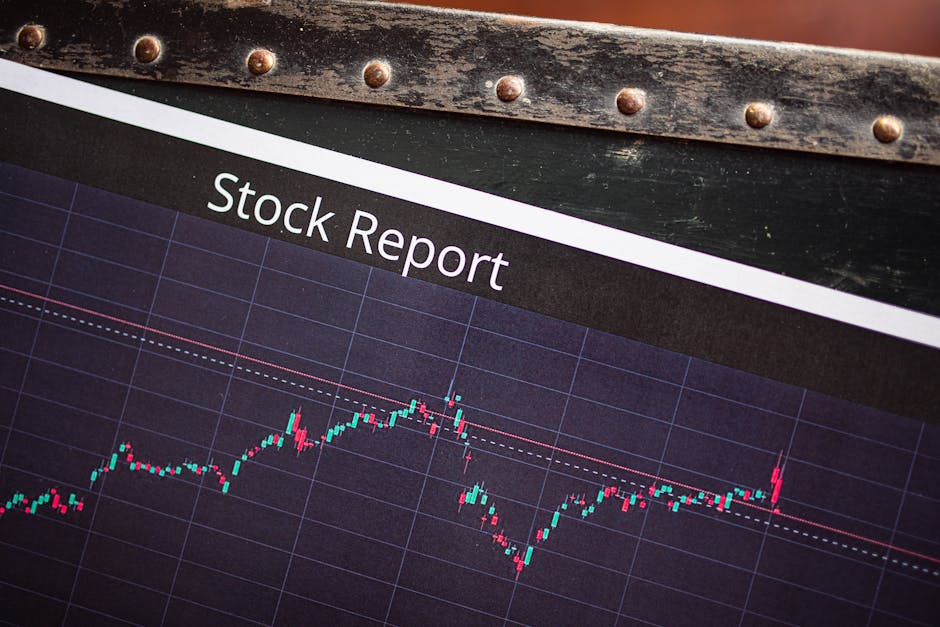
    Bitcoin has always been a topic of intrigue and trepidation among investors. The fluctuations in its price can be dizzying, creating a chasm of uncertainty that can scare even the most seasoned traders. If you’re looking to navigate this unpredictable digital landscape, grasping the intricacies behind the volatility is absolutely critical.

    As you watch the Bitcoin market change from hour to hour, it’s easy to feel anxious. Many prospective investors worry about missing their chance or entering at the wrong time. However, understanding the factors that contribute to price fluctuations can arm you with the knowledge to make informed decisions and mitigate risks.

    Understanding Market Sentiment and News Impact

    Market sentiment plays a formidable role in driving Bitcoin prices. When news about regulations, approvals, or significant institutional investment surfaces, emotions can run high, causing prices to spike or plummet. Let’s look at some instances: when major companies like Tesla began accepting Bitcoin for payments, the market surged. Conversely, regulatory setbacks from governments can spark panic selling.

    To navigate these sentiment swings effectively, it’s paramount to stay informed. Subscribe to reputable cryptocurrency news sources and join community forums to understand the collective attitude of other investors. Engaging with various viewpoints gives you a clearer picture of how sentiment might shift and why a particular news item could lead to price changes.

    The Role of Supply and Demand Dynamics

    Supply and demand is the bedrock of any financial market, and Bitcoin is no different. The total supply of Bitcoin is capped at 21 million coins, and as we inch closer to that limit, the scarcity can drive prices upward, especially with rising demand. However, shifts in demand—whether due to market trends, alternative cryptocurrencies gaining popularity, or economic factors—can create fluctuations.

    AdSense Area 1
    Google AdSense code can be inserted here later.
    5 Key Factors Behind Bitcoin Price Uncertainty You Must Understand

    To make the most of supply-demand dynamics, consider analyzing market trends. Research the current demand indicators such as trading volumes, interest from institutional investors, and global adoption rates. By linking these indicators with Bitcoin’s price movements, you can better anticipate potential changes in value.

    Technological Developments and Upgrades

    Technological improvements or setbacks can substantially influence Bitcoin’s market performance. The implementation of updates such as the Lightning Network aims to enhance transaction speed and scalability, which can foster greater use and, consequently, demand.

    Keep an eye on the Bitcoin development community and major technological announcements. Understanding upcoming upgrades or potential security issues can provide insights into future price movements. Additionally, staying current with other cryptocurrencies’ technological advancements can help gauge Bitcoin’s competitive position.

    Investor Behavior and Market Psychology

    The psychology of market participants can lead to irrational behavior, especially in a volatile market like cryptocurrency. Fear of missing out (FOMO), panic selling, or herd mentality can prompt dramatic price swings—often leading to regrettable investment decisions.

    As you engage with the market, strive to sidestep emotional trading decisions. One practical approach is to establish a disciplined investment plan that outlines your risk tolerance, investment goals, and profit targets. Having a strategy helps you remain focused on long-term outcomes rather than being swayed by immediate market fluctuations.

    Quick Action: Pick one idea from this article and apply it today. Small financial decisions compound over time.
    AdSense Area 2
    Second ad placement area for longer content.

    Global Economic Indicators and Events

    Bitcoin doesn’t exist in a vacuum. Global economic conditions—such as inflation rates, currency devaluation, or geopolitical tensions—can play a critical role in shaping investor behavior towards Bitcoin. For instance, during economic downturns, some might flock to Bitcoin as a hedge against traditional financial systems.

    To make well-informed decisions, monitor economic news, central bank policies, and global economic indicators. Understanding how these factors mesh with Bitcoin can assist you in setting expectations about its price fluctuations during various economic scenarios.

    Checklist for Navigating Bitcoin Price Uncertainty

    • Stay updated with reputable news sources on cryptocurrency.
    • Regularly track supply-demand dynamics and major market trends.
    • Familiarize yourself with technological upgrades within the Bitcoin network.
    • Maintain a disciplined trading strategy to control emotional trading.
    • Be aware of global economic indicators and their potential impacts on Bitcoin.

    Common Mistakes to Avoid

    • Ignoring market sentiment: Always stay abreast of news and community sentiment trends.
    • Overreacting to price fluctuations: Prices can be extremely volatile; look for patterns instead of panicking.
    • Neglecting diversification: Invest in a variety of cryptocurrencies to spread risk.
    • Disregarding fundamentals: Guard against making decisions based solely on speculation.
    • Failing to set clear investment goals: Know your targets and stick to your investment plan.

    Final Thoughts: Take Charge of Your Investment Journey

    As Bitcoin continues to assert itself in the financial landscape, understanding the various factors driving its volatility can empower you to make informed decisions. While uncertainty will always shroud cryptocurrencies, adapting strategies and staying educated can reduce risks and maximize potential returns.

    In your journey, remember that there’s no shortcut to success. Taking measured steps, being aware of market sentiment, and embracing informed decision-making can help navigate the unpredictable waters of Bitcoin investing. With knowledge comes confidence, and that’s your best ally in this exciting yet uncertain market journey.

    🔥 Takeaway: Keep checking Profit Flow Daily for practical money, crypto, investing, and online income strategies.
    5 Key Factors Behind Bitcoin Price Uncertainty You Must Understand

    Profit Flow Daily shares practical insights on global markets, crypto, investing, money, and online income.

    This article is for informational purposes only and should not be considered financial advice.