
[태그:] alternative investments

  • 5 Essential Investment Strategies to Navigate Uncertain Markets

    5 Essential Investment Strategies to Navigate Uncertain Markets

    5 Essential Investment Strategies to Navigate Uncertain Markets

    In a world characterized by shifting economic indicators and geopolitical tensions, uncertainty in the financial markets has become commonplace. Whether you’re a seasoned investor or just starting out, knowing where to place your hard-earned money during such volatile times is paramount. The stakes are high, and making informed decisions can be the difference between preserving wealth and facing significant losses.

    Many investors are left grappling with questions like, ‘Should I remain in the stock market or pivot to safer assets?’ or ‘What are the investment vehicles that tend to thrive during economic downturns?’ By understanding different strategies and asset classes that can withstand turbulent periods, you can position yourself for potential success even when the market is unpredictable.

    Understanding the Market Landscape

    Before diving into investment options, it’s crucial to grasp the economic landscape. Economic cycles consist of periods of expansion, peak, contraction, and trough. During the contraction phase, which often signals market uncertainty, investors typically gravitate towards safer investment options. Understanding these phases can help you make educated decisions about where to invest.

    Market uncertainty can also arise from various global factors, such as inflation rates, interest rates, and geopolitical events. For example, the COVID-19 pandemic shook the markets in 2020, prompting investors to reassess their portfolios. By being aware of these trends and timing your investments strategically, you can potentially mitigate risks.

    1. Diversifying Across Asset Classes

    Diversification is one of the bedrocks of sound investment strategy. By spreading your investments across different asset classes—stocks, bonds, real estate, and commodities—you can reduce overall portfolio risk. For instance, while equities may suffer during market downturns, bonds or precious metals like gold often perform better, acting as a buffer.

    AdSense Area 1
    Google AdSense code can be inserted here later.

    5 Essential Investment Strategies to Navigate Uncertain Markets

    Consider building a portfolio that includes a variety of asset classes. A balanced allocation may involve holding 60% equities for growth, 30% bonds for stability, and 10% commodities for inflation protection. As market conditions shift, adjusting this mix can position you to optimize returns while managing risk. Analyzing past market trends can provide insight into how various asset classes react during periods of uncertainty.

    2. Investing in Defensive Stocks

    Defensive stocks are shares in companies that tend to remain stable regardless of market conditions. These often include sectors such as utilities, healthcare, and consumer staples. These industries provide essential products and services that people need, regardless of the economic climate.

    For example, during economic downturns, companies like Procter & Gamble or Johnson & Johnson often maintain steady revenues due to ongoing consumer demand. Investing in defensive stocks can help safeguard your investment portfolio against losses, providing more consistent returns during turbulent periods. It’s wise to research these companies thoroughly to evaluate their financial health and market position.

    3. Exploring Alternative Investments

    Alternative investments such as real estate, private equity, and hedge funds can be appealing during uncertain times. These assets often have a low correlation with traditional investments like stocks and bonds, which can provide additional protection against market volatility.

    For instance, real estate investment trusts (REITs) allow you to invest in property without having to purchase physical assets. During uncertain times, residential real estate may remain stable as people always need a place to live. Additionally, investing in commodities like gold can be a hedge against inflation and a decline in currency value. Exploring these options can broaden your investment landscape, making your portfolio more resilient.

    4. Utilizing Dollar-Cost Averaging

    Dollar-cost averaging is a strategy where you consistently invest a fixed amount of money over time, regardless of market conditions. This approach can reduce the impact of volatility since it allows you to purchase more shares when prices are low and fewer when they are high.

    Quick Action: Pick one idea from this article and apply it today. Small financial decisions compound over time.
    AdSense Area 2
    Second ad placement area for longer content.

    For example, if you have a long-term investment horizon, committing to invest a set amount each month can help smooth out your investment trajectory. It removes the emotional aspect of trying to time the market, which is challenging even for seasoned investors. This disciplined approach cultivates a habit of consistent investing, which can be beneficial over the long run.

    5. Keeping Cash Reserves for Opportunities

    Maintaining a cash reserve can be instrumental during periods of market uncertainty. This not only provides liquidity for immediate needs, but it also enables you to seize investment opportunities that may arise when assets are undervalued.

    For instance, during sharp market corrections, high-quality stocks may become available at attractive prices. Having cash on hand allows you to take advantage of these opportunities rather than being forced to sell other investments at unfavorable prices. Create a modest cash reserve that balances your need for liquidity with your investment objectives.

    Checklist for Navigating Market Uncertainty

    • Evaluate your risk tolerance: Understand your capacity to endure market fluctuations.
    • Review your investment goals: Ensure they align with your current financial situation.
    • Diversify your portfolio: Include various asset classes and sectors to manage risk.
    • Stay informed: Keep abreast of economic trends and market news.
    • Create a strategy: Have a plan that adjusts your investments according to market conditions.

    Mistakes to Avoid

    • Panic selling: Making emotional decisions in response to market volatility can lead to significant losses.
    • Ignoring diversification: Concentrating your investments too heavily in one asset class increases risk.
    • Chasing trends: Following hot investment fads without proper research can result in poor choices.
    • Overreacting to headlines: Assess information critically rather than relying solely on sensational news.

    Conclusion: Taking Charge of Your Financial Future

    In a climate of uncertainty, informed decision-making can be your greatest asset. Proactively implementing the strategies discussed can help protect your wealth and uncover new opportunities. Remember, investing is a long-term endeavor, and adjusting your approach based on market conditions can offer the resilience needed to navigate challenges.

    As a final piece of advice, treat your investment choices as an ongoing journey. Periodic review and adjustment can reveal potential pathways and ensure that you remain aligned with your financial goals. Take small steps today to secure your financial future amidst market uncertainty.

    🔥 Takeaway: Keep checking Profit Flow Daily for practical money, crypto, investing, and online income strategies.
    5 Essential Investment Strategies to Navigate Uncertain Markets

    Profit Flow Daily shares practical insights on global markets, crypto, investing, money, and online income.

    This article is for informational purposes only and should not be considered financial advice.

  • 5 Essential Strategies to Safeguard Your Investments During Market Turmoil

    5 Essential Strategies to Safeguard Your Investments During Market Turmoil

    5 Essential Strategies to Safeguard Your Investments During Market Turmoil

    In today’s dynamic financial landscape, uncertainty can create both challenges and opportunities for investors. As markets fluctuate due to global events, economic shifts, and geopolitical tensions, many individuals find themselves questioning where to place their money. The ability to make informed decisions during these turbulent times is crucial to not only preserve capital but also to identify potential growth avenues.

    The irony is that while market uncertainty can lead to panic, it can also present unique prospects for strategic thinkers. Savvy investors recognize that certain asset classes may perform better than others during downturns. For those with a proactive mindset, understanding various investment strategies is essential in navigating this complex environment.

    Understanding the Landscape of Market Uncertainty

    Market uncertainty arises from numerous influences ranging from economic downturns to political instability and natural disasters. Each of these factors can have significant ripple effects on financial markets worldwide. Understanding these influences is paramount to making strategic investment choices. For instance, during a recession, consumer spending typically decreases, impacting company earnings and stock prices.

    Moreover, global events can lead to volatility in specific sectors—consider the impact of geopolitical conflicts on oil prices or trade disputes on technology stocks. By keeping abreast of current affairs, you can better foresee potential implications for your investments. An informed investor often performs better in adapting their strategy to weather the storm.

    1. Diversify Your Portfolio

    Diversification is among the key principles in investing, especially during uncertain times. By spreading your investments across different asset classes—stocks, bonds, real estate, commodities, and alternative investments—you can mitigate risks associated with any single investment. For example, while stocks may be underperforming, bonds or real estate may provide stability and even growth.

    AdSense Area 1
    Google AdSense code can be inserted here later.
    5 Essential Strategies to Safeguard Your Investments During Market Turmoil

    To achieve effective diversification, consider allocating a portion of your portfolio to international assets, which may not be influenced by local market dynamics. This global approach allows you to tap into growth in emerging markets while balancing risks associated with domestic investments. As a rule of thumb, strive for a mix that aligns with your risk tolerance and investment horizon.

    2. Invest in Defensive Stocks

    Defensive stocks are a smart choice during uncertain times, as they typically outperform the market in downturns. Companies in sectors such as utilities, healthcare, and consumer staples provide products and services that remain in demand regardless of economic conditions. For instance, utility firms often provide steady income through dividends even during market fluctuations.

    Investing in dividend-paying stocks in these sectors can offer a reliable source of income while mitigating potential losses. A portfolio with a solid foundation of defensive stocks can withstand market volatility, providing peace of mind during turbulent times. Researching companies with a history of strong dividend payments and sound fundamentals can enhance your investment strategy.

    3. Explore Alternative Investments

    Alternative investments can serve as a buffer against traditional market volatility. Options such as real estate, commodities, or even cryptocurrencies offer different risk and return profiles. For instance, precious metals like gold often increase in value during economic strain and can serve as a hedge against inflation.

    Peer-to-peer lending and crowdfunding real estate platforms have also gained popularity, allowing everyday investors to enter markets that were once exclusive to institutional players. However, these investments carry their unique risks and require careful analysis. It’s crucial to assess your risk tolerance and do thorough research before allocating substantial capital.

    4. Keep a Cash Reserve

    In uncertain markets, liquidity plays a vital role. Maintaining a cash reserve allows investors to take advantage of temporary dips in the market. By having funds readily available, you can purchase undervalued assets during market drops, positioning yourself for potential growth when markets stabilize.

    Quick Action: Pick one idea from this article and apply it today. Small financial decisions compound over time.
    AdSense Area 2
    Second ad placement area for longer content.

    Moreover, a cash reserve acts as a financial safety net, providing peace of mind in case of unexpected expenses or income disruptions. Evaluating your monthly cash flow and determining an appropriate reserve, typically three to six months’ worth of expenses, can prepare you for unforeseen circumstances that could arise during uncertain times.

    5. Stay Informed and Adaptable

    The importance of staying informed cannot be overstated. The financial markets are often influenced by ever-changing conditions; therefore, it’s essential to remain educated and adaptable to adjust your investment strategy accordingly. Regularly engage with financial news, subscribe to reputable investment analysis platforms, and consider joining investment communities where like-minded individuals share insights and strategies.

    Establishing a routine for reviewing your investments will help you stay on track and make necessary adjustments. It’s important to remember that flexibility is key. Should your strategy need recalibrating based on updated information or changing market conditions, being proactive can equip you to seize opportunities as they arise.

    Checklist for Successful Investment During Uncertainty

    • Assess your risk tolerance and investment goals regularly.
    • Diversify across various asset classes to minimize risk.
    • Identify and research potential defensive stocks to add to your portfolio.
    • Explore alternative investments suited to your risk profile.
    • Establish and maintain a reliable cash reserve for liquidity.
    • Stay informed by following financial news and market trends.
    • Review and adjust your investment strategy periodically.

    Common Mistakes to Avoid

    • Reacting emotionally to market fluctuations can lead to poor investment choices. It’s crucial to remain calm and analytical.
    • Failing to diversify your portfolio can expose you to unnecessary risks. Always ensure that you are not overly concentrated in one area.
    • Neglecting to research defensive stocks and relying solely on growth-oriented investments can result in losses during downturns.
    • Overcommitting capital to alternative investments that you do not fully understand can lead to unforeseen risks and complexity.
    • Ignoring the necessity of maintaining liquidity can leave you unprepared in crisis situations.

    Conclusion: Take Charge of Your Financial Future

    In the face of market uncertainties, adopting strategic investment approaches is crucial for long-term success. By diversifying your portfolio, investing in defensive stocks, exploring alternative assets, maintaining a cash reserve, and staying informed, you can navigate turbulent waters with confidence. Remember to put your plan into action now, rather than waiting for the market to dictate your choices.

    Taking proactive steps today sets the stage for potential growth and stability tomorrow. Empower yourself with knowledge, remain adaptable, and keep your eyes on your financial goals. Your financial future is worth the effort.

    🔥 Takeaway: Keep checking Profit Flow Daily for practical money, crypto, investing, and online income strategies.
    5 Essential Strategies to Safeguard Your Investments During Market Turmoil

    Profit Flow Daily shares practical insights on global markets, crypto, investing, money, and online income.

    This article is for informational purposes only and should not be considered financial advice.
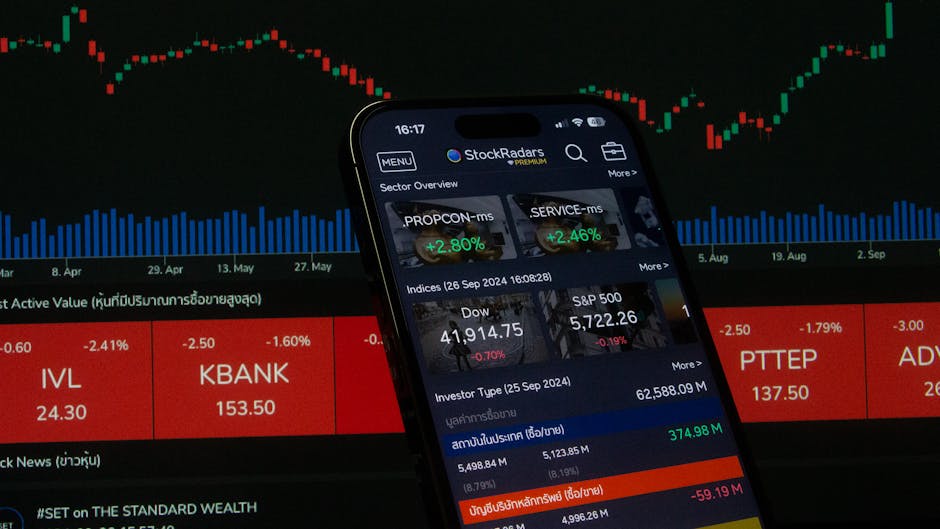
  • 5 Smart Strategies to Invest Wisely During Market Uncertainty

    5 Smart Strategies to Invest Wisely During Market Uncertainty

    5 Smart Strategies to Invest Wisely During Market Uncertainty

    In times of market uncertainty, finding the right investment strategies can feel overwhelming. Investors often find themselves grappling with volatile markets, economic downturns, and shifting geopolitical landscapes. But herein lies an opportunity — understanding how to navigate these challenges can not only protect your assets but also uncover new avenues for growth.

    With economic indicators fluctuating and global concerns amplifying, many wonder where to allocate their funds. By adopting strategic approaches, you can safeguard your investments and potentially yield promising returns. Let’s explore essential strategies that can guide your investment decisions when the market feels precarious.

    1. Diversification Across Asset Classes

    Diversifying your investments across various asset classes can mitigate risks during uncertain times. Instead of concentrating your funds in one sector, it’s wise to spread them across equities, bonds, real estate, and even commodities like gold. This strategy helps balance potential losses in one area with gains in another.

    Take, for example, an investment portfolio that includes tech stocks, government bonds, and real estate investment trusts (REITs). If tech shares decline due to market turmoil, gains from bonds or REITs can alleviate overall portfolio losses. As a practical action step, consider allocating 60% of your funds to stocks, 30% to bonds, and 10% to real estate to start reaping the benefits of diversification.

    2. Embrace Defensive Stocks

    When the market is volatile, defensive stocks can serve as a protective shield for your investment portfolio. These stocks belong to companies that offer essential goods and services, such as utilities and consumer staples, showing resilience irrespective of market conditions. This stability can be particularly beneficial during economic downturns.

    AdSense Area 1
    Google AdSense code can be inserted here later.
    5 Smart Strategies to Invest Wisely During Market Uncertainty

    For instance, investing in companies like Procter & Gamble or Coca-Cola can provide consistent dividends and stability, even when larger market trends may be unfavorable. An actionable strategy could be to research and buy shares of these types of companies, ensuring your portfolio remains fortified during turbulence.

    3. Consider Alternative Investments

    In uncertain times, exploring alternative investment options such as peer-to-peer lending, cryptocurrencies, or art can diversify your portfolio while presenting unique opportunities. Though these options can carry higher risks, they also have the potential to yield significant returns, making them worth investigating.

    For instance, if you allocate a small percentage of your investment funds into cryptocurrencies like Ethereum or Bitcoin, you might find yourself navigating new profit avenues, especially as crypto markets can behave differently than traditional markets. Conduct extensive research before diving into alternatives to ensure you understand the risks and returns associated with these investments.

    4. Bonds as a Safe Haven

    Investing in bonds, particularly government bonds or high-quality corporate bonds, can offer security during unsettling market conditions. They typically provide fixed interest payments, presenting a steady income stream, which can be particularly comforting when stock prices plummet.

    By including bonds in your investment strategy, you can create a financial cushion. For instance, allocating 30% of your portfolio to bonds may provide a balance to your equities during market downturns. This allocation could ensure consistent returns while stock values may be fluctuating, allowing for greater financial stability.

    5. Stay Liquid with Cash Investments

    In volatile markets, keeping liquidity at hand allows you to seize opportunities as they arise, such as purchasing undervalued stocks or other investment vehicles when prices are lower. Building a cash reserve can benefit you now and in the long run when you might need to access funds quickly.

    Quick Action: Pick one idea from this article and apply it today. Small financial decisions compound over time.
    AdSense Area 2
    Second ad placement area for longer content.

    Set a target for maintaining a cash reserve of approximately 10-15% of your investment portfolio. This amount will give you the flexibility to act swiftly and take advantage of market dips, potentially leading to significant financial gains when market conditions improve.

    What I Would Do

    In contemplating my investments amid uncertainty, I would take a balanced approach centered on diversification and the inclusion of defensive stocks. Personally, I’m cautious about jumping into the fray without thorough analysis. I would keep a close eye on global developments while consistently reviewing my portfolio to ensure it aligns with my risk tolerance and financial goals.

    Each choice I make would be deliberate, targeting stability through investments in sectors that have historically remained resilient, with an eye on liquid cash options to capitalize on impulsive market movements.

    Checklist for Strategic Investing During Market Uncertainty

    • Review your current portfolio for diversification.
    • Research defensive stocks and consider adding them to your investments.
    • Explore alternative investments that suit your risk profile.
    • Allocate a portion of your funds towards bonds for stability.
    • Ensure you have a cash reserve ready for unexpected market opportunities.

    Common Mistakes to Avoid

    • Neglecting diversification, which can expose you to risk in volatile markets.
    • Panic selling during market dips instead of evaluating the long-term potential.
    • Focusing solely on high-risk investments without a balanced approach.
    • Ignoring the importance of research and analysis before making investment decisions.
    • Overlooking the need to reassess your portfolio regularly as market conditions change.

    Conclusion: Taking Control of Your Investment Journey

    Investing successfully amidst market uncertainty requires a strategic mindset and careful planning. By implementing diversified strategies, recognizing the value of defensive investments, and maintaining liquidity, you can navigate through turbulent economic waters. Remember to evaluate your decisions critically and remain informed about global market cues.

    Focus on long-term goals rather than short-term gains, and you will likely emerge from periods of instability as a more resilient investor, better equipped to deal with future market fluctuations.

    🔥 Takeaway: Keep checking Profit Flow Daily for practical money, crypto, investing, and online income strategies.
    5 Smart Strategies to Invest Wisely During Market Uncertainty

    Profit Flow Daily shares practical insights on global markets, crypto, investing, money, and online income.

    This article is for informational purposes only and should not be considered financial advice.

  • Smart Strategies to Protect Your Wealth in Times of Inflation

    Smart Strategies to Protect Your Wealth in Times of Inflation

    Smart Strategies to Protect Your Wealth in Times of Inflation
    Smart Strategies to Protect Your Wealth in Times of Inflation

    Inflation can be an investor’s worst nightmare, eroding purchasing power and diminishing the value of hard-earned savings. However, with some proactive strategies, you can safeguard your money and even thrive during such uncertain economic times. Here, we explore practical advice for protecting your wealth amid rising inflation.

    Understanding Inflation

    Before diving into protective strategies, it’s essential to understand what inflation is. Inflation occurs when there is a general rise in prices for goods and services in an economy, leading to a decline in the purchasing power of money. Many factors contribute to inflation, including increased production costs, increased demand, and monetary policy decisions. It can affect everyone, making it crucial to have strategies to protect your wealth.

    Diversify Your Investment Portfolio

    Diversification is one of the key principles of investing. By spreading your investments across different asset classes, you can reduce the overall risk associated with inflation. Consider the following:

    • Stocks: Historically, stocks have outperformed inflation over the long term. Focus on companies with strong pricing power and fundamental stability.
    • Bonds: While traditionally seen as safer, some bonds may not keep pace with inflation. Look for inflation-protected securities, like Treasury Inflation-Protected Securities (TIPS), which adjust with inflation.
    • Real Estate: Property values and rental income tend to rise with inflation, making real estate a solid hedge against inflation.
    • Commodities: Precious metals like gold and silver often serve as a safe haven during inflationary periods.

    Invest in Precious Metals

    One of the oldest and most trusted ways to protect against inflation is investing in precious metals. Gold and silver have intrinsic value and are seen as a safe haven asset:

    • Gold: Historically, gold has maintained its value over time, making it a popular choice during inflationary periods.
    • Silver: Often considered an affordable alternative to gold, silver can also offer significant protection and potential for growth.

    Consider purchasing these metals in physical form, ETFs, or mining stocks. Regardless of how you choose to invest, these commodities can act as a hedge against inflation.

    Explore Alternative Investments

    As inflation continues to impact global economies, alternative investments can provide unique opportunities for preserving wealth. Consider these options:

    AdSense Area
    Google AdSense code can be inserted here later.
    Smart Strategies to Protect Your Wealth in Times of Inflation
    • Cryptocurrencies: Despite their volatility, cryptocurrencies like Bitcoin are increasingly being viewed as a hedge against inflation due to their limited supply.
    • Peer-to-Peer Lending: Investing in peer-to-peer lending platforms can yield higher returns than traditional savings accounts, which may not keep up with inflation.
    • Art and Collectibles: Tangible assets such as art, classic cars, and wine can appreciate in value and act as a hedge against economic downturns.

    Maintain an Emergency Fund

    During periods of inflation, maintaining a robust emergency fund is more important than ever. An adequate emergency fund provides liquidity and can safeguard you against unexpected financial challenges. Aim to have at least three to six months’ worth of living expenses set aside in a high-yield savings account. This also protects you from having to sell investments at inappropriate times due to immediate cash needs.

    Consider Inflation-Protected Bonds

    Investing in inflation-protected bonds can be a smart strategic move. These bonds adjust their principal with inflation, ensuring that your investment retains its purchasing power. Some options you may explore include:

    • Treasury Inflation-Protected Securities (TIPS): These U.S. government-issued bonds provide interest payments plus an increase in the principal based on inflation.
    • Inflation-linked bonds from other countries: Look for similar instruments available internationally which may suit your investment strategy.

    Stay Informed and Adjust Your Strategy

    The financial landscape is constantly changing, especially during inflationary periods. It’s crucial to remain informed about market trends and economic indicators. Regularly review your investment portfolio and adjust your strategy accordingly. Consider the following:

    • Market Research: Stay updated on economic forecasts and financial news that may impact inflation rates.
    • Professional Advice: Consult with a financial advisor if necessary, particularly if navigating complex investments or market environments.

    Conclusion

    While inflation can pose significant challenges, it also presents opportunities for informed investors. By diversifying your investments, considering alternative asset classes, and remaining proactive, you can protect and grow your wealth even in the face of rising prices. Remember, investing always comes with risks, and it’s essential to remain within your financial comfort zone.

    As you put these strategies into action, continually seek knowledge and adapt to the changing economic climate. Your financial future is worth the effort!

    🔥 Takeaway: Keep checking Profit Flow Daily for practical money, crypto, investing, and online income strategies.
    Smart Strategies to Protect Your Wealth in Times of Inflation

    Profit Flow Daily shares practical insights on global markets, crypto, investing, money, and online income.

    This article is for informational purposes only and should not be considered financial advice.

  • Smart Strategies to Safeguard Your Wealth Against Inflation

    Smart Strategies to Safeguard Your Wealth Against Inflation

    Smart Strategies to Safeguard Your Wealth Against Inflation
    Smart Strategies to Safeguard Your Wealth Against Inflation

    Inflation can quietly and insidiously erode the value of your money, reducing purchasing power and creating uncertainty in financial planning. As individuals increasingly seek to protect their hard-earned wealth, it becomes essential to explore strategic avenues for safeguarding investments during periods of rising costs. This post outlines actionable strategies that can help you preserve the value of your assets, regardless of your geographical location.

    Understanding Inflation and Its Effects on Investments

    Inflation refers to the rate at which the general level of prices for goods and services rises, leading to a decrease in purchasing power. Understanding the impact of inflation on your investments is critical. It affects everything from stocks to bonds, and even real estate. When inflation rises, the central banks may increase interest rates, which can adversely affect certain asset classes.

    Diversification: Your Best Defense

    One of the most effective ways to protect your money is through diversification. By spreading your investments across various asset classes, you reduce the risk of a significant loss. Here are some specifics:

    • Global Equities: Consider investing in international stocks. They can provide a hedge against local inflation since their earnings may be more stable or grow during inflationary periods.
    • Real Estate: Investing in real estate can serve as a hedge against inflation. Property values and rental prices often increase during inflationary times.
    • Commodities: Commodities such as gold and silver tend to maintain value during inflation, making them a popular choice for safeguarding wealth.

    Investing in Inflation-Protected Securities

    Investors should explore inflation-protected securities such as Treasury Inflation-Protected Securities (TIPS) and similar products available in various markets. These securities automatically adjust their principal value based on inflation rates:

    • Pros: Regular interest payments and principal adjustments protect your investment against inflation.
    • Cons: Returns may be lower compared to other securities, so it’s essential to consider your overall portfolio strategy.

    Stay Informed: Continuously Monitor Economic Indicators

    In navigating inflation, knowledge is power. Keep an eye on key economic indicators such as the Consumer Price Index (CPI) and producer price index (PPI). Additionally, follow global market trends and monetary policies that can influence inflationary rates. Making informed decisions based on up-to-date information can help you adjust your investment strategies promptly.

    AdSense Area
    Google AdSense code can be inserted here later.
    Smart Strategies to Safeguard Your Wealth Against Inflation

    Leveraging Alternative Investments

    In an era of uncertainty, alternative investments can add another layer of protection:

    • Cryptocurrencies: While volatile, cryptocurrencies like Bitcoin may offer a hedge against inflation as they are not tied to any central bank.
    • Art and Collectibles: Investing in art, antiques, or other collectibles can maintain value over time, often appreciating during inflation.
    • Peer-to-Peer Lending: Engaging in peer-to-peer lending can yield high returns, offsetting inflation’s pressure on traditional savings.

    Personal Finance Adjustments

    Aside from traditional investment strategies, consider making adjustments to your personal finances to better combat the effects of inflation:

    • Budgeting: Reassess your budget periodically to account for rising costs and allocate resources more efficiently.
    • Emergency Fund: Maintain an emergency fund in high-yield savings accounts to ensure liquidity while earning some interest.
    • Income Diversification: Explore opportunities for remote work or side gigs that can increase your income, helping you adapt to inflationary pressures.

    Final Thoughts: A Future-Ready Investment Strategy

    Protecting your money during inflation is not about chasing guaranteed profits; rather, it’s about making informed, strategic decisions that align with your financial goals. By taking a proactive, diversified approach and being willing to adapt to changing economic conditions, you can position yourself better to weather inflation’s storm.

    As a global citizen in an interconnected economy, staying aware of inflationary trends in different regions can further enhance your strategy. Always remember: the key to resilient investing lies in knowledge and careful planning. Take charge of your investment journey today.

    🔥 Takeaway: Keep checking Profit Flow Daily for practical money, crypto, investing, and online income strategies.
    Smart Strategies to Safeguard Your Wealth Against Inflation

    Profit Flow Daily shares practical insights on global markets, crypto, investing, money, and online income.

    This article is for informational purposes only and should not be considered financial advice.