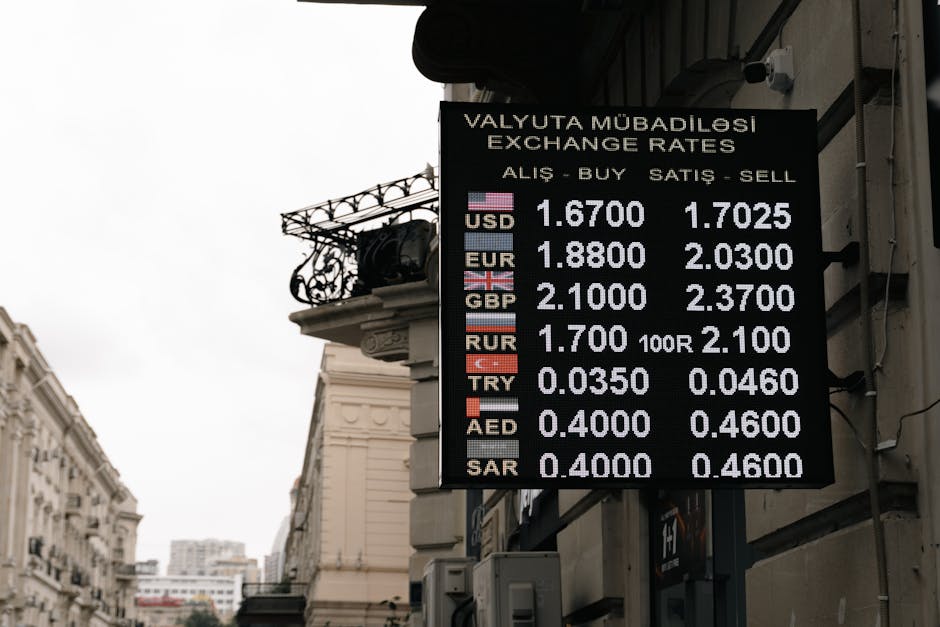
The whispers of an impending global market crash are growing louder, and savvy investors are starting to pay close attention. In today’s interconnected economy, signs of a downturn can emerge from seemingly unrelated areas, leading to volatility that affects markets across the globe. Recognizing these early warning signs may be the key to preserving your wealth and capitalizing on potential opportunities.
Understanding the nuances of economic indicators can help you gauge when a market correction is on the horizon. This awareness not only protects your financial health but puts you in a better position to react swiftly and strategically. This article delves into five critical market indicators that underscore the potential for a downturn, accompanied by practical guidance to safeguard your investments.
1. Rising Interest Rates
Rising interest rates typically signal a shift in economic policy aimed at curbing inflation. Central banks globally, such as the Federal Reserve or the European Central Bank, might increase rates to stabilize an overheated economy. For investors, this can spell trouble. Higher borrowing costs can reduce corporate profits, leading to decreased stock prices.
The immediate impact of increased interest rates can be seen in the real estate and borrowing sectors. As mortgage rates rise, housing sales may decline, slowing down consumer spending and overall economic growth. Keep an eye on central bank announcements and economic forecasts, as these can guide your investment strategy. Diversifying into fixed-income securities or defensive stocks can offer a buffer against the turbulence that typically follows an interest rate hike.
Google AdSense code can be inserted here later.

2. Decreasing Consumer Confidence
Consumer confidence is a barometer of economic health, reflecting how optimistic consumers feel about their financial situation and the economy. A decline in this metric often results in reduced spending, which in turn can lead to lower corporate revenues and a corresponding drop in stock prices. Tracking consumer confidence indices published by research organizations can give you insights into potential downturns.
What I would do: As consumer spending accounts for a significant portion of economic activity, I closely monitor trends in consumer behavior. By reconsidering investments in sectors heavily reliant on consumer spending, such as retail and travel, I can pivot to more resilient industries like utilities or consumer staples, which tend to weather economic storms better.
3. Supply Chain Disruptions
Global supply chains are incredibly intricate and sensitive to disruptions. Events such as natural disasters, geopolitical tensions, or health crises can lead to significant interruptions, which can ultimately trigger increased costs and delays in production. In these scenarios, companies might struggle to maintain profitability, leading to stock declines.
To protect yourself during supply chain crises, it’s crucial to stay informed about global events and industry shifts. For example, if disruptions in semiconductor manufacturing occur, technology stocks can be adversely affected. Actively reallocating your portfolio to include commodities or companies with localized supply chains can mitigate your risk during such disruptions.
4. Widespread Stock Market Volatility
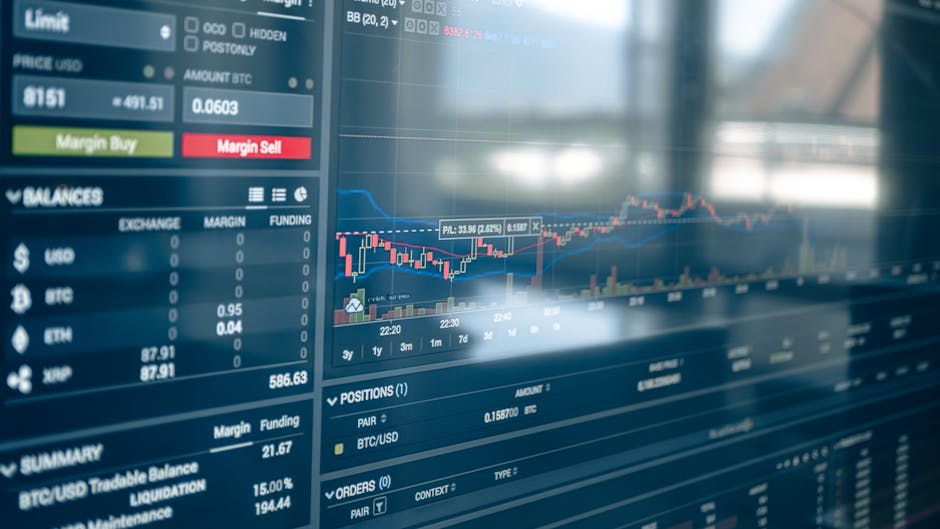
Increased fluctuations in stock prices can be an indicator of underlying instability, often linked to uncertainty in the market. Events like earnings reports that miss expectations or economic data that signals weakness can trigger knee-jerk reactions from investors, leading to dramatic swings. Consistent volatility can stress investors, prompting panic selling and further driving down prices.
Second ad placement area for longer content.
Being vigilant about market trends and reacting calmly is essential. Implementing stop-loss orders can protect your investments by limiting potential losses during periods of volatility. Additionally, focusing on long-term investment strategies and not letting fear dictate your decisions can help manage this uncertainty.
5. High Levels of Corporate Debt
As businesses borrow to fund growth, elevated levels of corporate debt can become problematic, particularly during economic downturns. Companies with significant debt may struggle to meet their obligations if the economic environment becomes unfavorable, leading to higher default risks and stock price declines.
When assessing investments, consider balance sheets and debt-to-equity ratios. Favor companies with manageable debt levels and strong cash flows that can weather downturns. Additionally, diversifying your portfolio with investments less sensitive to economic cycles can provide stability in the face of potential corporate debt crises.
Checklist for Monitoring Economic Indicators
- Regularly check central bank announcements and understand their implications.
- Monitor consumer confidence indices and analyze related spending trends.
- Stay updated on global events and supply chain statuses affecting industries.
- Watch for stock market volatility and set up protective measures.
- Assess corporate balance sheets for debt levels before investing.
Common Mistakes to Avoid
- Ignoring economic indicators due to overconfidence in market conditions.
- Failing to adjust investment portfolios based on emerging trends.
- Panic selling during market drops without a strategic plan.
- Neglecting diversification, which can lead to concentrated risks.
- Underestimating the impact of global events on various sectors.
Final Observations and Action Steps
Being proactive and aware of the signs of a potential market crash is crucial in today’s economy. By staying informed, diversifying investments, and preparing for volatility, you can better shield your assets. While market conditions fluctuate and uncertainty prevails, you have the power to make informed decisions that align with your financial goals. Keep tracking the indicators, and act decisively as situations evolve.
Profit Flow Daily shares practical insights on global markets, crypto, investing, money, and online income.
This article is for informational purposes only and should not be considered financial advice.