[태그:] cryptocurrency market

  • Understanding Altcoin Rotation: Navigating Hidden Risks in the Crypto Market

    Understanding Altcoin Rotation: Navigating Hidden Risks in the Crypto Market

    Understanding Altcoin Rotation: Navigating Hidden Risks in the Crypto Market
    Understanding Altcoin Rotation: Navigating Hidden Risks in the Crypto Market

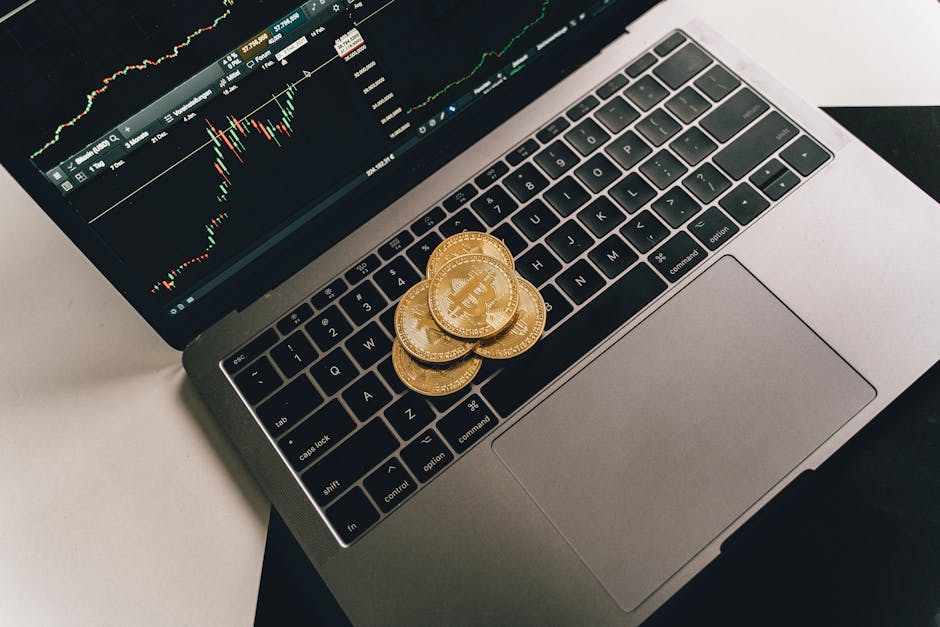
    The world of cryptocurrencies is an ever-evolving landscape, and as investors seek opportunities beyond the dominant Bitcoin and Ethereum, altcoin rotation becomes a hot topic. While diversifying into altcoins can potentially yield significant returns, it also presents various hidden risks that every investor should be aware of. This post aims to delve into the intricacies of altcoin rotation and provide practical advice to help investors make informed decisions.

    What is Altcoin Rotation?

    Altcoin rotation refers to the strategy of shifting investments from one altcoin to another in response to market trends, performance changes, or specific news events. It involves selecting altcoins that are expected to outperform others, which can lead to lucrative gains if executed correctly. However, the altcoin market is notoriously volatile, and this strategy is not without its challenges.

    The Appeal of Altcoins

    • High Potential Returns: Many altcoins have shown the potential for explosive growth, often outpacing Bitcoin during bullish market conditions.
    • Diverse Options: The sheer variety of altcoins available allows investors to diversify their portfolios and reduce the risk associated with a single asset.
    • Innovation: Altcoins often introduce groundbreaking technologies and solutions, appealing to those looking to invest in future-oriented projects.

    Understanding the Risks

    While the potential rewards can be enticing, it is crucial to acknowledge the accompanying risks of altcoin investments. Failure to recognize these risks can lead to significant losses.

    1. Market Volatility

    Altcoins are significantly more volatile than major cryptocurrencies like Bitcoin and Ethereum. Price swings can be drastic, and investors might find it challenging to manage their positions effectively. Here are ways to mitigate this risk:

    • Consider setting stop-loss orders to protect your capital.
    • Limit the percentage of your portfolio allocated to any single altcoin.

    2. Lack of Regulation

    The altcoin market is less regulated compared to traditional financial markets. This creates an environment ripe for fraud and scams. To safeguard your investments:

    • Conduct thorough research before investing in any altcoin.
    • Stay informed about regulatory changes that may affect your investments.

    3. Project Viability

    Not all altcoins are created equal. Many projects may not have a clear use case or roadmap, leading to their devaluation over time. To avoid falling for dead projects:

    • Examine the team’s background and experience in the crypto space.
    • Look for projects with active community engagement and development.

    4. Market Sentiment

    Altcoins are often influenced heavily by market sentiment and social media trends. A sudden shift in public opinion can lead to panic selling or irrational buying. To navigate this risk, consider:

    • Staying objective and not allowing emotions to dictate your investment decisions.
    • Being cautious about relying too much on social media for investment insights.

    Strategies for Successful Altcoin Rotation

    To effectively implement an altcoin rotation strategy while mitigating risks, consider the following approaches:

    AdSense Area
    Google AdSense code can be inserted here later.

    Understanding Altcoin Rotation: Navigating Hidden Risks in the Crypto Market

    1. Research and Analysis

    Conduct extensive research on altcoins before purchasing. Utilize fundamental and technical analysis to identify potential winners.

    2. Diversification

    Avoid putting all your funds into a single altcoin. Instead, create a diversified portfolio that spreads risk across multiple assets.

    3. Stay Informed

    Engage with the community, follow market news, and keep an eye on relevant indicators to make timely decisions about when to rotate altcoins.

    4. Set Clear Goals

    Define what you aim to achieve with your rotation strategy, whether it’s short-term gains or long-term investment. This will help guide your choices.

    5. Be Prepared to Adapt

    The crypto market is unpredictable. Be prepared to adapt your strategy based on changing market conditions and emerging trends.

    Final Thoughts

    Altcoin rotation can be a valuable strategy for capturing potential profits in the rapidly changing crypto market. However, it is essential to exercise caution and remain vigilant against the inherent risks. By researching thoroughly, diversifying your investments, and staying informed, you can navigate altcoin investments with greater confidence.

    Remember, there are no guarantees in the world of cryptocurrencies; prudent decision-making based on comprehensive analysis is vital for success. Happy investing!
    🔥 Takeaway: Keep checking Profit Flow Daily for practical money, crypto, investing, and online income strategies.
    Understanding Altcoin Rotation: Navigating Hidden Risks in the Crypto Market


    Profit Flow Daily shares practical insights on global markets, crypto, investing, money, and online income.

    This article is for informational purposes only and should not be considered financial advice.

  • Understanding Bitcoin Volatility: Strategies for the Modern Investor

    Understanding Bitcoin Volatility: Strategies for the Modern Investor

    Understanding Bitcoin Volatility: Strategies for the Modern Investor
    Understanding Bitcoin Volatility: Strategies for the Modern Investor

    Bitcoin has always been a rollercoaster ride for investors, characterized by extreme highs and lows that can leave even the most experienced traders feeling dizzy. For anyone looking to capitalize on this digital asset, understanding the nuances of Bitcoin volatility is crucial. In this post, we’ll delve into what causes these fluctuations and explore effective strategies for navigating the complex landscape of cryptocurrency investments.

    The Nature of Bitcoin Volatility

    Bitcoin’s volatility is a defining feature that sets it apart from traditional investments. Several factors contribute to this phenomenon:

    • Market Sentiment: Emotion drives market movements. News, speculation, and social media hype can rapidly affect Bitcoin’s price.
    • Regulatory Changes: As governments around the world develop regulations for cryptocurrencies, announcements can lead to immediate price shifts.
    • Technological Developments: Updates to the Bitcoin network or related technologies can generate excitement or concern, affecting investor confidence.
    • Liquidity: The relatively low market capitalization of Bitcoin compared to traditional assets means that significant buy/sell orders can lead to large price swings.
    • Macro-Economic Factors: Global economic conditions, such as inflation rates and monetary policy, can influence investment in Bitcoin as an alternative asset class.

    Investor Strategies to Tame the Volatility

    Navigating the turbulent waters of Bitcoin investment requires a well-thought-out strategy. Here are several approaches that can help you manage volatility and make informed decisions:

    Dollar-Cost Averaging (DCA)

    DCA is an investment strategy where you invest a fixed amount of money into Bitcoin at regular intervals, regardless of its price. This method helps smooth the impact of volatility by averaging your purchase price over time.

    • **Pros:** Reduces the emotional impact of volatility; Less likelihood of making rash decisions during market downturns.
    • **Cons:** You may miss opportunities if Bitcoin’s price rises sharply after a dip.

    HODLing: Holding for the Long Term

    HODL, a misspelling of ‘hold,’ encourages investors to buy Bitcoin and retain it for the long term, regardless of short-term price fluctuations.

    • **Pros:** Historical data shows that Bitcoin has generally trended upwards over extended periods.
    • **Cons:** Requires patience and conviction; some may panic sell during downturns.

    Stay Informed

    Education is your greatest ally. Keeping abreast of market trends, news, and technological advances can equip you to make more informed decisions. Utilize resources like crypto news websites, forums, and podcasts.

    AdSense Area
    Google AdSense code can be inserted here later.
    Understanding Bitcoin Volatility: Strategies for the Modern Investor

    • **Pros:** Knowledge helps mitigate risks and capitalize on opportunities as they arise.
    • **Cons:** Overwhelm can occur if you attempt to absorb too much information at once.

    Technical Analysis

    For those willing to dive deeper, understanding technical analysis—using historical price data to predict future movements—can be beneficial. This involves studying charts, trends, and technical indicators to identify potential market patterns.

    • **Pros:** Ability to make educated predictions about price movements.
    • **Cons:** Not foolproof; can lead to overconfidence if you rely solely on charts.

    Risk Management: The Key to Survival

    Regardless of your chosen strategy, managing risk is essential when investing in Bitcoin:

    • Diversification: Don’t put all your eggs in one basket. Consider spreading investments across different cryptocurrencies and asset classes.
    • Set Stop-Loss Orders: Setting up stop-loss orders can prevent significant losses by automatically selling Bitcoin when its price falls to a certain level.
    • Invest Only What You Can Afford to Lose: The unpredictable nature of Bitcoin means you should invest funds that won’t jeopardize your financial stability.

    The Psychological Side of Investing

    Adopting an effective investing strategy isn’t purely analytical; it’s also significantly psychological. Successful investors often exhibit traits like discipline, patience, and emotional stability.

    • Control Emotions: Recognize that fear and greed are powerful drivers of market movement. Avoid making decisions based solely on these emotions.
    • Stay Focused on Your Strategy: Once you’ve developed an investment strategy, stick to it, rather than reacting impulsively to market changes.

    Personal Perspective on Bitcoin Investment

    Having navigated the ups and downs of Bitcoin investment myself, I can personally attest to the importance of developing a solid strategy. In my early days, I often fell prey to market emotions, buying high and selling low out of fear. However, by adopting principles like DCA and HODLing, I’ve found greater peace of mind. It’s essential to remind oneself that volatility is a natural part of the crypto landscape, and patience often pays off.

    Final Thoughts

    Bitcoin’s volatility is daunting yet presents numerous opportunities. By remaining informed, adopting sound strategies, and managing risk effectively, investors can navigate this exhilarating market and potentially benefit from its long-term growth. Remember, there are no guarantees in investing, particularly in the world of cryptocurrency. Focus on developing a strategy that aligns with your financial goals and risk tolerance.

    🔥 Takeaway: Keep checking Profit Flow Daily for practical money, crypto, investing, and online income strategies.
    Understanding Bitcoin Volatility: Strategies for the Modern Investor


    Profit Flow Daily shares practical insights on global markets, crypto, investing, money, and online income.

    This article is for informational purposes only and should not be considered financial advice.

  • Understanding the Risks Behind the Crypto Market Crash

    Understanding the Risks Behind the Crypto Market Crash

    Understanding the Risks Behind the Crypto Market Crash
    Understanding the Risks Behind the Crypto Market Crash

    The cryptocurrency market has always been a roller coaster, with significant fluctuations making headlines almost daily. In recent times, another substantial volatility wave has raised concerns about the sustainability of the crypto boom. Understanding the risks behind these market crashes is essential for investors and enthusiasts alike. In this post, we’ll explore the factors influencing these downturns, the impact on investors, and how you can navigate these turbulent waters.

    The Nature of Cryptocurrency Volatility

    The crypto market is infamous for its volatility, often experiencing drastic price swings in a matter of hours or days. This unpredictability stems from several factors:

    • Market Sentiment: Investor emotions can drive the market in irrational directions.
    • Regulatory Changes: News regarding legal frameworks can cause immediate market reactions.
    • Technological Flaws: Vulnerabilities in blockchain technology can lead to significant losses.
    • Market Manipulation: Whales or large holders can manipulate prices to their advantage.

    Key Risks Leading to Market Crashes

    1. Regulatory Scrutiny

    Regulatory bodies around the world are becoming increasingly vigilant regarding cryptocurrencies. They have begun establishing frameworks that can both stabilize and destabilize the market. For instance, crackdowns on exchanges have historically led to sharp declines in market prices. Keeping abreast of regulatory news and adapting your strategy accordingly is vital.

    2. Security Breaches

    Exchanges and wallets are often prime targets for hackers. High-profile hacks have caused market crashes that erased billions in value. Ensure that you secure your digital assets properly and consider diversifying storage solutions to mitigate risk.

    3. Market Speculation

    Much of the trading activity in cryptocurrencies is driven by speculation. When a new token launches or a new trend emerges, FOMO (fear of missing out) can lead to inflated valuations. When the hype dies down, corrections often follow. It’s crucial to do thorough research before investing in trending coins.

    4. Economic Factors

    Global economic conditions, including inflation rates and market downturns, can also impact the cryptocurrency market. As investors pull out of riskier assets to safeguard their wealth, cryptocurrencies often experience significant downturns. Keep an eye on economic indicators and adjust your investment strategy accordingly.

    AdSense Area
    Google AdSense code can be inserted here later.
    Understanding the Risks Behind the Crypto Market Crash

    5. Media Influence

    Media narratives can shape public perception, directly influencing market movements. Positive news can drive prices up while negative reports often have the reverse effect. Being aware of how media impacts sentiment can give you an advantage over other traders.

    Historical Context: Learning from Past Crashes

    Understanding previous market crashes can offer valuable insights into current risks:

    • 2018 Crash: Following the peak of Bitcoin’s value in 2017, the market saw a prolonged bear trend that lasted well into 2019. It served as a wake-up call for many investors.
    • March 2020 Dip: The global panic caused by the COVID-19 pandemic resulted in an abrupt crash in various markets, including cryptocurrencies. It showcased how external factors can lead to market-wide panic.
    • The 2021 Market Correction: After a significant bull run, the market correction in May 2021 reminded investors of the cyclical nature of markets.

    Practical Advice for Navigating Crypto Risks

    While risks are inherent in cryptocurrency trading, there are several measures you can take to protect your investments:

    • Diversification: Do not put all your eggs in one basket. Consider a balanced portfolio of various cryptocurrencies and other assets.
    • Educating Yourself: The more you know, the less likely you are to be swayed by market hype. Stay informed about market trends, technologies, and potential risks.
    • Using Stop-Loss Orders: Mitigate potential losses by setting up stop-loss orders that automatically sell your assets once they reach a certain price.
    • Long-Term Perspective: Markets will fluctuate. Having a long-term investment strategy can help you ride out volatility, allowing you to focus less on short-term price action.
    • Emerging Technologies: Keep an eye on projects and technologies that bring real-world applications to the forefront. Fundamentals can often provide a buffer during turbulent market phases.

    Reflections: The Journey Ahead

    The world of cryptocurrencies is complex and ever-evolving. As we strive to understand the risks associated with potential market crashes, we must also recognize the opportunities that exist for informed and strategic investors. Instead of fearing volatility, view it as a natural part of an emerging market that is still finding its footing. By arming yourself with knowledge, remaining adaptive, and approaching investments with caution, you can better navigate this financial landscape.

    Successfully investing in cryptocurrency is not merely about buy and sell tactics. It’s about comprehending the landscape, acknowledging the risks, and developing a strategy that fits your financial goals. Happy investing!

    🔥 Takeaway: Keep checking Profit Flow Daily for practical money, crypto, investing, and online income strategies.
    Understanding the Risks Behind the Crypto Market Crash


    Profit Flow Daily shares practical insights on global markets, crypto, investing, money, and online income.

    This article is for informational purposes only and should not be considered financial advice.