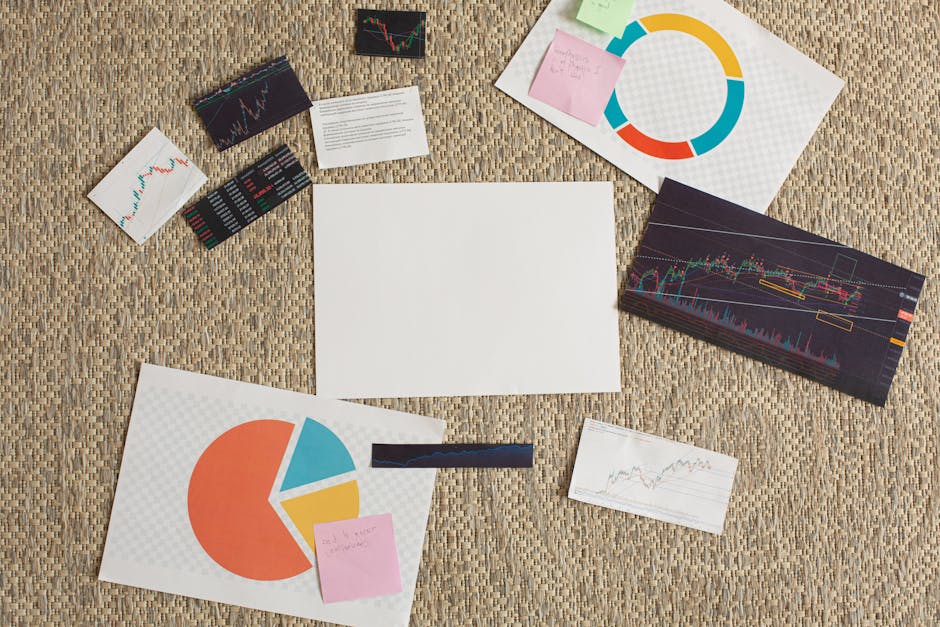
In recent years, inflation has emerged as a significant global concern, affecting economies, businesses, and individuals alike. As prices surge in various sectors, the implications stretch far beyond local markets, influencing global trade and economic stability. This article delves into the multifaceted impacts of inflation worldwide and offers practical strategies for individuals and businesses to mitigate its effects.
What is Inflation?
Inflation is an economic term that describes the rate at which the general level of prices for goods and services rises, subsequently eroding purchasing power. Central banks, like the Federal Reserve in the United States or the European Central Bank, monitor inflation closely, as it influences monetary policy decisions. A moderate level of inflation is normal in a growing economy; however, when it rises too quickly or to excessively high levels, it can pose serious challenges.
Global Trends in Inflation
Historically, inflation has varied by region, influenced by factors such as supply chain disruptions, geopolitical tensions, and changes in consumer behavior. Recent events, including the Covid-19 pandemic, have accelerated inflationary pressures worldwide, leading to:
- Supply Chain Disruptions: Lockdowns and labor shortages have resulted in bottlenecks, making it difficult for goods to reach their final destinations.
- Increased Demand: As economies recover, pent-up consumer demand has surged, driving prices higher.
- Energy Costs: Fluctuations in oil and gas prices have also contributed significantly to the overall rise in inflation.
How Inflation Impacts Different Economic Sectors
The effects of inflation are felt across various sectors of the global economy:
- Consumer Goods: Prices for essential goods and services, such as food and household items, have seen notable increases. This can strain household budgets, forcing consumers to make difficult choices.
- Real Estate: Rising inflation often leads to higher interest rates, impacting mortgage rates and making housing less affordable for many.
- Investment Markets: Investors may seek to hedge against inflation by investing in assets like commodities, real estate, or inflation-indexed bonds.
- Wages and Employment: Businesses facing higher costs may hesitate to hire new employees or may need to raise wages to attract talent, which can lead to further inflationary pressures.
Strategies to Cope with Inflation
While inflation can create financial uncertainty, there are practical strategies individuals and businesses can adopt to mitigate its impact:
Google AdSense code can be inserted here later.
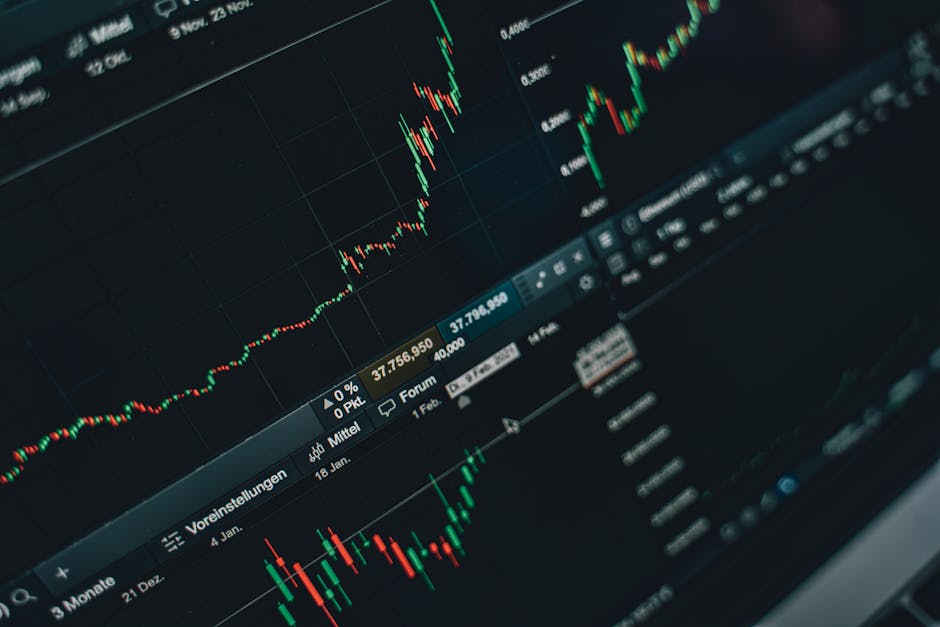
For Individuals:
- Budgeting: Reevaluating your monthly budget can help you identify areas where you can cut back on spending, ensuring that essential expenses are prioritized.
- Diversify Investments: Consider diversifying your investment portfolio to include assets that historically perform well during inflationary periods, such as real estate or precious metals.
- Secure Fixed-Rate Loans: Locking in a fixed-rate mortgage or personal loan can provide protection against rising interest rates, which often accompany inflation.
- Enhance Skills: Upskilling or reskilling can increase your job security and potential earning power, especially in competitive job markets.
For Businesses:
- Cost Management: Conducting a thorough review of operational costs can highlight areas for reduction, ensuring the business remains profitable despite rising input costs.
- Flexible Pricing Strategies: Adapting pricing strategies, such as gradual price increases or introducing premium product lines, can help maintain margins.
- Supply Chain Resilience: Strengthening supply chains by building relationships with multiple suppliers can mitigate risks associated with disruptions and price increases.
- Monitor Financial Indicators: Keeping a close eye on financial indicators, including inflation rates and consumer spending patterns, can help businesses make informed strategic decisions.
Personal Commentary: The Road Ahead
The trajectory of inflation remains uncertain, yet its impact is undeniably profound. Individuals and businesses must not only react to current trends but also proactively prepare for possible future scenarios. Inflation can act as a catalyst for change, prompting us to rethink spending habits, investment strategies, and even our careers.
Ultimately, the most resilient individuals and businesses are those that adapt to shifting economic landscapes, leveraging challenges as opportunities for growth. By remaining informed and flexible, you can navigate the complexities of inflation and emerge stronger.
Conclusion
Inflation may pose a significant challenge, but with careful planning and prudent decision-making, it can be managed. Whether you are an individual looking to safeguard your financial future or a business striving to maintain profitability, understanding the impacts of inflation is crucial. As we move forward, ongoing vigilance and adaptability will be key in the face of economic shifts.
By staying informed and proactive, we can all navigate these inflationary times with greater confidence and resilience.
Profit Flow Daily shares practical insights on global markets, crypto, investing, money, and online income.
This article is for informational purposes only and should not be considered financial advice.