[태그:] financial tips

  • 10 Critical Crypto Investing Mistakes to Avoid in 2023

    10 Critical Crypto Investing Mistakes to Avoid in 2023

    10 Critical Crypto Investing Mistakes to Avoid in 2023

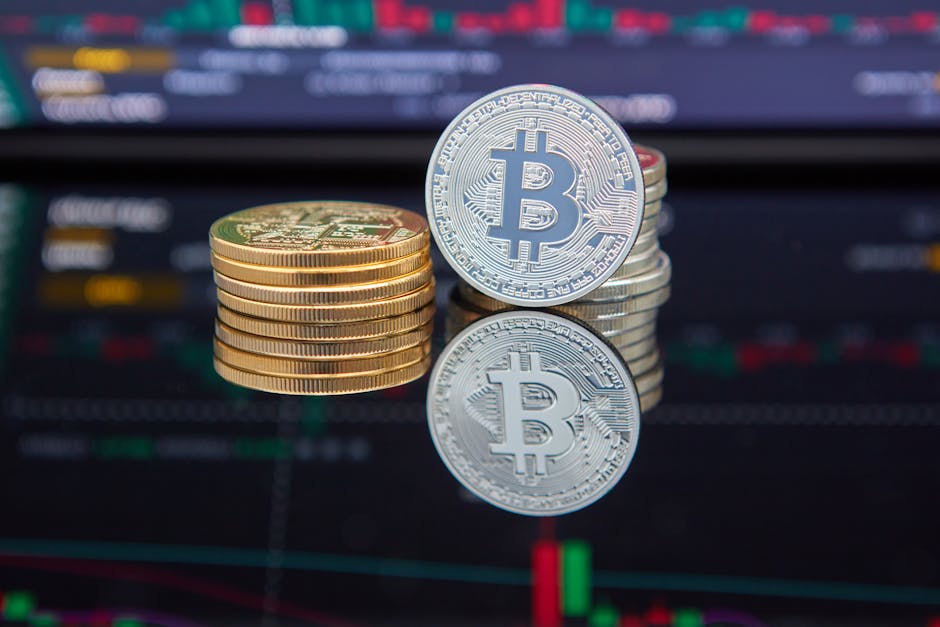
    The world of cryptocurrency can feel like a thrilling roller coaster, with its ups and downs captivating countless investors. However, many newcomers find themselves facing daunting challenges that can quickly turn excitement into disillusionment. Understanding the common pitfalls is crucial for anyone looking to succeed in this digital gold rush. Every mistake made can be a costly lesson, so let’s delve into the critical missteps you need to avoid.

    Investing in crypto isn’t merely about buying low and selling high; it’s about making informed decisions based on research, market conditions, and your financial goals. With the volatility that cryptocurrencies experience, knowledge and prudence become your best allies. In this extensive guide, we’ll walk you through ten significant investing mistakes and arm you with strategies to sidestep them.

    1. Neglecting Fundamental Research

    A serious mistake that many novice investors commit is plunging into investments without understanding the underlying technology, purpose, or team of a cryptocurrency. Each digital currency has its unique value proposition, and knowing what you are investing in is essential. Take Bitcoin, for instance; understanding its role as a decentralized currency and how it functions within the blockchain is critical before you allocate funds to it.

    To avoid this mistake, dedicate time to research the projects you’re interested in. Look into whitepapers, read articles from credible sources, and stay updated with industry trends. Make it a habit to join crypto communities or forums where you can discuss with more experienced investors. This proactive approach will deepen your knowledge and help you make informed decisions.

    2. Overtrading

    Many investors become addicted to the thrill of trading, leading to overtrading—a situation where they buy and sell assets too frequently. This habit can drain your resources and increase transaction fees, significantly reducing profitability over time. Emotional reactions to market fluctuations often fuel this mistake, leading to impulsive decisions rather than strategic planning.

    The best way to combat overtrading is by establishing a clear investment strategy or plan. Set specific criteria for when to buy and sell. For instance, consider using technical analysis tools to determine entry and exit points. Limiting the frequency of your trades can help you think more strategically rather than emotionally.

    3. FOMO (Fear of Missing Out)

    It’s common to feel a sense of urgency when witnessing others make profits in the crypto market. This emotional trap, known as FOMO, can lead to hasty investment decisions, often resulting in losses. When you invest under pressure to keep up with others, you may miss critical evaluation steps and enter the market at a peak.

    To circumvent FOMO-induced mistakes, remind yourself that the crypto market will always present new opportunities. Before making any investment, take a deep breath and assess your current portfolio and risk tolerance. Practicing patience and maintaining a long-term perspective can help you avoid rash decisions driven by market emotions.

    AdSense Area 1
    Google AdSense code can be inserted here later.
    10 Critical Crypto Investing Mistakes to Avoid in 2023

    4. Ignoring Security Measures

    Investing in cryptocurrency often involves managing digital assets, which can be vulnerable to hacks and scams if proper security measures are not in place. Neglecting to secure your wallets, exchanges, and accounts can lead to unfortunate outcomes, including significant financial loss.

    Enhancing your security protocols should be a top priority. Use hardware wallets for storing major holdings, enable two-factor authentication on all your accounts, and be cautious of phishing attempts. Educating yourself about common scams within the crypto landscape will equip you to recognize red flags and protect your investment.

    5. Lack of Diversification

    Concentrating your investments into a single cryptocurrency may seem appealing due to its potential for high returns, but it poses considerable risks. If that particular asset underperforms, the consequences can be devastating. Diversifying your portfolio mitigates risk and provides a balanced approach to investing.

    To achieve a well-diversified portfolio, consider allocating funds across various cryptocurrencies with different purposes and technologies. For example, you might invest in established coins like Bitcoin and Ethereum while also experimenting with emerging, promising projects. Regularly re-evaluate your asset allocation to ensure your portfolio remains well-balanced and aligns with your investment goals.

    6. Neglecting Tax Obligations

    Many investors become so engrossed in trading that they overlook the tax implications associated with cryptocurrency transactions. Failing to report gains can lead to severe penalties down the line. Understanding how your trades will be taxed in your jurisdiction is a necessary aspect of responsible investing.

    Stay informed about the tax laws related to crypto in your country. Maintain comprehensive records of your transactions, including the date, amount, and type of each trade. It can also be beneficial to consult a tax professional experienced in cryptocurrency to ensure compliance and maximize your tax efficiency.

    7. Chasing Hype Coins

    New cryptocurrencies often emerge with significant hype, promising massive returns that attract eager investors. However, chasing these coins can lead to disappointment as it is difficult to differentiate between genuinely promising projects and those destined for a quick demise. It is critical to approach such investments with caution and skepticism.

    Before diving into any hype-driven asset, conduct thorough due diligence. Assess the project’s use case, its development team, and market trends before making decisions. Often, the most stable investments are those with established credibility and utility rather than those riding a current wave of celebrity endorsements or social media buzz.

    Quick Action: Pick one idea from this article and apply it today. Small financial decisions compound over time.
    AdSense Area 2
    Second ad placement area for longer content.

    8. Forgetting to Set Stop-Loss Orders

    While emotions can influence investment decisions, leaving your investments unprotected can be catastrophic, especially in the volatile crypto landscape. Not implementing stop-loss orders can lead to unprecedented losses during sharp price declines, trapping your capital in depreciating assets.

    To protect your portfolio, establish stop-loss orders for each position within your investment strategy. Determine the percentage loss you are willing to tolerate, and set your triggers accordingly. This approach will allow you to minimize losses by automatically selling your assets if they fall below a particular price point, giving you peace of mind amidst market fluctuations.

    9. Timing the Market

    Attempting to time entry and exit points to maximize profits is a gamble. Many investors believe they can ‘predict’ the best moments to buy or sell based on market trends; however, the unpredictability inherent in cryptocurrency often proves otherwise. This strategy can result in missed opportunities or unnecessary loss.

    Instead of trying to time the market, consider employing dollar-cost averaging as an alternate strategy. This approach involves regularly investing a fixed amount, regardless of price fluctuations. It reduces the impact of volatility while allowing you to accumulate assets systematically over time.

    10. Failing to Have a Clear Investment Strategy

    No investment should be made casually; each should be the result of a solid investment strategy tailored to meet your goals. Winging it can lead to erratic trading practices that often result in financial loss. Recognizing what you want to achieve—whether it be wealth accumulation, diversification, or hedging—shapes your overall approach.

    Establish clear investment objectives and identify metrics for success. Create a plan outlining the types of cryptocurrencies you wish to invest in, how much you are willing to risk, and your projected timeline. This structured framework fosters disciplined investment habits and minimizes the likelihood of making impulsive decisions.

    Checklist for Successful Crypto Investing

    • Conduct thorough research before investing.
    • Establish a clear investment strategy.
    • Diversify your cryptocurrency portfolio.
    • Implement security measures to protect your investments.
    • Set stop-loss orders on trades.
    • Keep meticulous records for tax purposes.
    • Practice patience and avoid emotional trading.

    Common Cryptocurrency Mistakes to Avoid

    • Failing to stay informed about changing regulations and market dynamics.
    • Ignoring the importance of community engagement and feedback.
    • Underestimating the impact of external factors such as regulatory changes or economic trends.

    Final Thoughts

    The landscape of cryptocurrency investing is complex and fraught with challenges, but by being aware of common mistakes, you can navigate it with greater confidence. Building a solid foundation through research, security, and sound strategies will amplify your chances of success. Remember, patience and a keen understanding of your objectives are vital as you venture into this exciting market. Begin your crypto journey today armed with the knowledge that protects your investments and leads to sustainable growth.
    🔥 Takeaway: Keep checking Profit Flow Daily for practical money, crypto, investing, and online income strategies.
    10 Critical Crypto Investing Mistakes to Avoid in 2023

    Profit Flow Daily shares practical insights on global markets, crypto, investing, money, and online income.

    This article is for informational purposes only and should not be considered financial advice.

  • 5 Essential Strategies to Navigate Investment During Market Turbulence

    5 Essential Strategies to Navigate Investment During Market Turbulence

    5 Essential Strategies to Navigate Investment During Market Turbulence

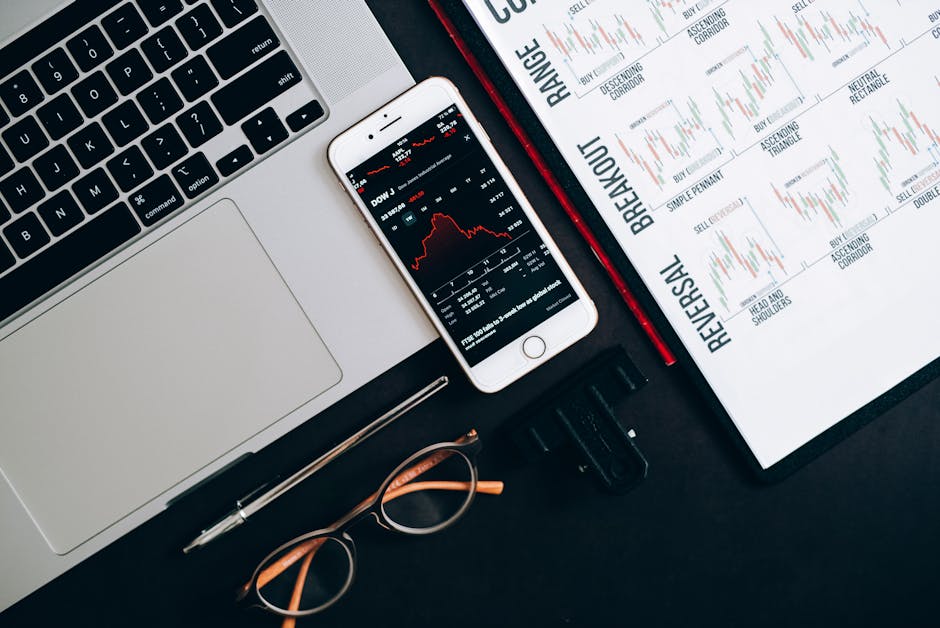
    In today’s financial landscape, uncertainty has become the norm rather than the exception. Investors are often left grappling with questions about how to safeguard their assets in a tumultuous market environment. With fluctuations affecting everything from stocks to bonds and commodities, the stakes are high, and the impact of volatility can be significant. But fear not, as this article will guide you through essential strategies to effectively invest during times of market instability.

    Understanding market volatility is crucial for any investor. A volatile market can invoke panic, causing many to react impulsively, ultimately leading to suboptimal investment decisions. However, it also presents unique opportunities for those equipped with the right strategies. Whether you are a seasoned investor or just starting, knowing how to approach these periods can be the difference between capitalizing on market dips and suffering major losses.

    1. Diversification Is Key

    Diversity in your investment portfolio is one of the most effective shields against market volatility. By spreading your investments across various asset classes—stocks, bonds, commodities, real estate—you significantly reduce your overall risk. If one sector experiences a downturn, the impact on your portfolio is cushioned by gains or stability in others.

    A practical approach involves considering global markets and sectors. For instance, if technology stocks plummet, investments in utility stocks or international markets might still perform well. Research emerging markets or sectors that tend to thrive during uncertain times, such as healthcare or essential goods. This not only provides a safety net but can also lead to untapped opportunities that might yield significant returns.

    AdSense Area 1
    Google AdSense code can be inserted here later.
    5 Essential Strategies to Navigate Investment During Market Turbulence

    2. Focus on Quality Investments

    When markets become unpredictable, quality often outranks quantity. Shift your attention towards companies with strong fundamentals—those with solid balance sheets, stable earnings, and proven business models. These companies are more likely to weather economic storms and emerge stronger when the dust settles.

    Evaluate companies based on their debt levels, earnings growth, and market positioning. Look for companies that deliver consistent dividends, as these often indicate financial health and a commitment to return value to shareholders. Additionally, investing in index funds or exchange-traded funds (ETFs) that focus on high-quality stocks can also offer a diversified approach to minimizing risk during volatile periods.

    3. Stay Informed and Update Your Strategy

    In a rapidly changing market, staying informed is essential. Regularly review economic indicators, company earnings reports, and global events that could impact your investments. Having the latest information allows you to make timely adjustments to your portfolio.

    Establish a routine to research market trends and developments, subscribing to financial news platforms or utilizing investment research tools. Being proactive about your investments mitigates the risk of overlooking critical information, which can lead to missed opportunities or unexpected losses.

    4. Consider Dollar-Cost Averaging

    Dollar-cost averaging refers to the strategy of consistently investing a fixed amount of money into a particular investment, regardless of its price at the time. This approach can help reduce the emotional burden of trying to time the market, which can be particularly challenging during periods of volatility.

    Quick Action: Pick one idea from this article and apply it today. Small financial decisions compound over time.
    AdSense Area 2
    Second ad placement area for longer content.

    For instance, when prices are low, your fixed investment buys more shares, and when prices are high, it buys fewer. Over time, this can average out your investment cost, reducing the overall impact of volatility on your portfolio. Implementing this strategy provides a disciplined approach to investing, fostering long-term growth while minimizing risk.

    5. Have an Exit Plan

    Every investor must have a clear exit strategy. Knowing when to sell is as crucial as knowing when to buy. Decide in advance the conditions under which you would sell your investments—whether this is tied to price thresholds, economic events, or changes in business fundamentals.

    Consider utilizing stop-loss orders, which automatically sell your stocks if they drop below a certain price. This mechanism helps safeguard your investments from further losses during volatile periods. Additionally, continually reassess your goals and adjust your exit strategy accordingly to remain aligned with your long-term objectives.

    Checklist for Investing During Market Volatility

    • Assess your current investment portfolio and identify areas for diversification.
    • Research and invest in quality companies with strong fundamentals.
    • Establish a routine for staying updated on market trends and economic news.
    • Implement dollar-cost averaging to manage investment timing.
    • Create and periodically review your exit strategy.

    Common Mistakes to Avoid

    • Reacting impulsively to market fluctuations—maintain a long-term perspective.
    • Neglecting to adjust your investment strategy as market conditions change.
    • Concentrating investments in one area or asset class, which increases risk.
    • Ignoring the importance of research and being uninformed about your investments.
    • Failing to have a clear exit plan, resulting in emotional decision-making when selling.

    In conclusion, navigating investment during turbulent times requires a strategic approach. By diversifying your portfolio, focusing on quality investments, staying informed, utilizing dollar-cost averaging, and having a clear exit plan, you empower yourself to not just survive but thrive in volatile markets. Each strategy offers a layer of protection and opportunity, enhancing your ability to achieve long-term financial success. Remember, investing is a journey, and being well-prepared is your best bet against unpredictability.

    🔥 Takeaway: Keep checking Profit Flow Daily for practical money, crypto, investing, and online income strategies.
    5 Essential Strategies to Navigate Investment During Market Turbulence

    Profit Flow Daily shares practical insights on global markets, crypto, investing, money, and online income.

    This article is for informational purposes only and should not be considered financial advice.
  • 10 Essential Strategies to Navigate the Global Cost of Living Crisis

    10 Essential Strategies to Navigate the Global Cost of Living Crisis

    10 Essential Strategies to Navigate the Global Cost of Living Crisis

    The world is experiencing an unprecedented cost of living crisis that affects individuals and families from all walks of life. Inflation rates are soaring, energy prices are rising, and food costs are eating into what little disposable income remains. For many, it feels like a financial storm with no clear end in sight. Understanding how to effectively manage personal finances during these challenging times is crucial for survival.

    As prices continue to climb, it’s easy to feel overwhelmed and powerless. However, by taking proactive steps and adopting effective strategies, you can regain control over your financial situation. This article explores ten critical actions you can undertake to navigate this global crisis and emerge more financially secure.

    1. Review and Adjust Your Budget

    Creating and adhering to a budget is fundamental, especially during times of economic uncertainty. Start by listing all your income sources and expenses. Categorize your expenditures into needs and wants to see where you can cut back. This could mean reducing dining out, canceling unused subscriptions, or even shopping smarter.

    Once you identify areas for improvement, adjust your budget to account for rising costs. For instance, if groceries have gone up, allocate more funds toward essentials while cutting back on non-essential items. A flexible budget allows you to prioritize what truly matters while maintaining financial health.

    2. Explore Cost-Effective Alternatives

    In response to rising prices, many are turning to cost-effective alternatives. This could involve switching to generic brands, asking for bulk discounts, or even utilizing public transportation instead of driving. Small changes can lead to significant savings over time.

    For example, consider meal planning with seasonal produce or utilizing local markets for fresh ingredients. Not only can you save money, but you can often find more nutritious options as well. Identify opportunities to reduce your overall expenses without sacrificing quality of life.

    3. Increase Your Earning Potential

    As the cost of living rises, relying solely on a single income source can be risky. Explore opportunities to increase your earnings, whether through side hustles, freelance work, or upskilling in your current profession to attain a promotion. Diversifying your income streams can provide a buffer against economic fluctuations.

    For example, if you have a hobby like crafting, you might consider selling your creations online. Many individuals have turned their passions into profitable businesses, thus enhancing their financial stability. Investing time into learning new skills can ultimately lead to higher income and job security.

    AdSense Area 1
    Google AdSense code can be inserted here later.
    10 Essential Strategies to Navigate the Global Cost of Living Crisis

    4. Build an Emergency Fund

    An emergency fund serves as a financial safety net and is more important than ever during a cost of living crisis. Aim to save at least three to six months’ worth of living expenses in a dedicated savings account. This fund can provide a crucial buffer in the event of unexpected costs or job loss.

    Start by setting aside a small percentage of your income each month until you reach your goal. Automating your savings can help you build your fund consistently without the temptation to spend that money elsewhere. Having this cushion will provide peace of mind during uncertain times.

    5. Monitor and Manage Debt

    High levels of debt can exacerbate financial stress, especially when interest rates are on the rise. It’s vital to assess your current debt situation and create a strategy for managing it effectively. Start by listing all debts, their interest rates, and payment schedules.

    Consider consolidating high-interest debts into a lower-interest option if feasible. This can lower monthly payments and overall interest paid. Additionally, prioritize paying off debts with the highest interest rates first. Reducing debt not only minimizes financial strain but can also improve your credit score over time.

    6. Take Advantage of Community Resources

    Many communities offer resources that can assist during a cost of living crisis. These might include food banks, community meal programs, or financial counseling services. Research local offerings and don’t hesitate to utilize them when needed. It’s important to remember that seeking help is a sign of strength, not weakness.

    Additionally, connect with local online forums or social media groups to stay informed about any community initiatives. Many organizations can provide support in various ways that can help alleviate financial pressure.

    7. Embrace Minimalism

    Consider adopting a minimalist lifestyle, focusing on experiences rather than material possessions. This doesn’t mean you have to give up everything, but rather prioritize what genuinely adds value to your life. By simplifying your environment and reducing clutter, you can decrease spending on unnecessary items.

    A minimalist approach can also lead to enhanced mental clarity and reduced stress. Focus on high-quality items that serve multiple purposes. This shift in mindset can not only save money but also lead to a more fulfilling quality of life.

    Quick Action: Pick one idea from this article and apply it today. Small financial decisions compound over time.
    AdSense Area 2
    Second ad placement area for longer content.

    8. Network and Collaborate

    Engaging with others can open doors to new ideas and opportunities. Networking with like-minded individuals can provide insights into personal finance strategies or new income opportunities. Attend local workshops, online seminars, or discussion panels related to finance.

    Collaborating with people can also lead to shared resources or cost-saving initiatives. For instance, consider pooling resources for shared hobbies or communal living arrangements. Connecting with a network of support can strengthen your resilience during challenging times.

    9. Keep Learning About Finance

    Knowledge is power, especially in finance. Commit to continually educating yourself on personal finance topics. This can range from reading books, following finance blogs, or enrolling in online courses focusing on money management.

    Staying informed about market trends, economic indicators, and personal finance strategies can empower you to make smarter decisions. The more you know, the better equipped you will be to navigate financial challenges as they arise.

    10. Regularly Assess Your Progress

    To stay on track, regularly assess your financial health. Set periodic reviews to analyze your budget, spending habits, and saving progress. This allows you to identify what’s working and what needs adjustments.

    Establish personal finance goals and celebrate milestones along the way. Whether it’s paying off a debt, reaching a savings target, or successfully cutting discretionary expenses, acknowledging progress keeps motivation high and builds lasting financial habits.

    Checklist for Financial Resilience

    • Review and adjust your budget regularly.
    • Identify and pursue cost-effective alternatives.
    • Explore options to create additional revenue streams.
    • Establish an emergency fund to mitigate unexpected costs.
    • Monitor and manage existing debt effectively.
    • Utilize community resources for support.
    • Consider adopting a minimalistic lifestyle.
    • Engage in networking opportunities.
    • Commit to continuous financial education.
    • Conduct regular assessments of your financial health.

    Mistakes to Avoid During a Cost of Living Crisis

    • Ignoring your budget and financial status can lead to overspending and further debt.
    • Avoid making impulsive financial decisions out of fear; take a calculated approach instead.
    • Don’t neglect the importance of building an emergency fund, which can be vital in emergencies.
    • Be wary of predatory lending or high-interest debt options; these can exacerbate financial issues.
    • Do not isolate yourself; engage with others for support and resources.

    As global economies continue to weather storms of rising prices and inflation, it’s essential to adopt proactive strategies to safeguard your finances. The steps outlined in this article are not merely suggestions; they are actionable approaches that can empower you to create a more stable financial future. By taking control of your spending, seeking additional income, and learning continuously, you can not only survive this crisis but potentially thrive in its aftermath.

    Remember, understanding your financial landscape and making informed decisions is key to ensuring long-term stability. Take the steps outlined here and watch how they can change your financial health for the better.

    🔥 Takeaway: Keep checking Profit Flow Daily for practical money, crypto, investing, and online income strategies.
    10 Essential Strategies to Navigate the Global Cost of Living Crisis

    Profit Flow Daily shares practical insights on global markets, crypto, investing, money, and online income.

    This article is for informational purposes only and should not be considered financial advice.

  • 10 Reasons Why Prices Are Rising Globally: What You Need to Know

    10 Reasons Why Prices Are Rising Globally: What You Need to Know

    10 Reasons Why Prices Are Rising Globally: What You Need to Know

    The world has been experiencing a persistent increase in prices, affecting various sectors from groceries to housing. This global phenomenon concerns consumers, businesses, and policymakers alike. The future seems uncertain as rising costs create a ripple effect across economies, imposing challenges for everyday living.

    As inflation rates climb steadily, understanding the underlying causes becomes vital. From disrupted supply chains to shifting consumer demand, several intertwined factors contribute to this inflationary surge, urging individuals and organizations to adapt their strategies accordingly.

    Understanding the Supply Chain Disruptions

    One of the primary reasons for the price rise is significant disruptions in global supply chains. Events such as natural disasters, pandemics, or geopolitical tensions can halt production and transportation processes, leading to shortages. For example, during the COVID-19 pandemic, many manufacturers faced shutdowns, creating a bottleneck in the delivery of goods.

    Consumers and businesses experienced the effects as the scarcity of products led to increased prices. For instance, electronics became more expensive as chips became scarce. Hence, understanding and monitoring supply chain health is critical for individuals who are planning future purchases or investments.

    The Role of Energy Prices

    Energy prices significantly influence inflation rates. Fluctuations in oil and gas prices directly impact production costs and transportation expenses, thereby contributing to the overall price increase of goods and services. When crude oil prices skyrocket due to geopolitical tensions or natural calamities, industries pass on these costs to consumers.

    AdSense Area 1
    Google AdSense code can be inserted here later.
    10 Reasons Why Prices Are Rising Globally: What You Need to Know

    For example, consider the spike in energy prices following political instability in oil-producing regions. As fuel becomes costlier, logistics and supply become more expensive, leading to price hikes across various sectors. Individuals should pay attention to energy market trends, as they can predict future expenses in their everyday lives.

    Labor Shortages and Wage Growth

    Labor shortages have become a pressing issue in many industries worldwide. As the demand for skilled labor outpaces supply, employers feel the pressure to increase wages. While higher wages can enhance workers’ living standards, they also raise operational costs for businesses, which may transfer these costs to consumers through higher prices.

    For instance, the hospitality and retail sectors faced abrupt staff shortages during the pandemic, prompting employers to raise wages significantly. This wage inflation feeds into the cost structure, resulting in increased prices for services. To mitigate potential impacts, businesses might invest in employee training and retention strategies.

    Global Demand vs. Supply

    As economies recover from downturns, consumer demand surges. While demand can stimulate growth, if supply cannot keep up, it leads to inflation. In a recovering global economy, people tend to spend more, driving up prices further when supply chains can’t accommodate this increase.

    A clear illustration can be seen in the automotive industry, where demand for new vehicles skyrocketed, but supply was hindered due to chip shortages. The imbalance led to inflated car prices. Individuals should ideally balance their spending habits, being aware of market trends and adjusting their purchases accordingly.

    Quick Action: Pick one idea from this article and apply it today. Small financial decisions compound over time.
    AdSense Area 2
    Second ad placement area for longer content.

    The Impact of Stimulus Measures

    Many governments across the globe implemented stimulus packages to revive economies during downturns. While these measures provided immediate relief, they also injected substantial amounts of money into economies, which sometimes contributes to inflation. Increased liquidity can amplify demand, further straining supply that’s already under pressure.

    For instance, when governments provided direct payments to citizens, it stimulated immediate spending. In the long run, this increased demand can lead to rising prices, as observed after various relief packages were rolled out. Awareness of economic policies can guide individuals and businesses in making informed decisions about spending and saving.

    Checklist for Managing Expenses During Inflationary Times

    • Budget Assessment: Review and adjust your budget based on rising prices.
    • Prioritize Essentials: Focus on purchasing essential items while delaying non-essential expenditures.
    • Shop Smart: Consider bulk purchases and promotions to reduce costs.
    • Stay Informed: Keep abreast of economic trends that could affect your finances.
    • Invest Wisely: Consider investments that can hedge against inflation, such as real assets or commodities.

    Common Mistakes to Avoid

    • Panic Buying: Avoid the urge to stockpile unnecessary items as it can lead to wastage.
    • Ignoring Trends: Not keeping track of inflation trends might lead to larger financial setbacks.
    • Short-Sighted Spending: Making hasty financial decisions without considering long-term implications can be detrimental.
    • Over-Reliance on Fixed Income: Depending solely on fixed income can be risky during periods of rising prices.
    • Neglecting Investments: Failing to diversify investments may lead to lost opportunities for growth.

    Concluding Thoughts: Taking Charge of Your Financial Future

    As prices continue to rise globally, staying well-informed and proactive can make a significant difference in managing personal finances. By understanding the contributing factors and taking practical actions, individuals can better navigate these economic challenges. Embrace budgeting, smart purchasing decisions, and investment opportunities that align with your financial goals and risk tolerance.

    This journey may require adapting your financial strategy as conditions change. The key is to remain alert, informed, and ready to adjust your plans according to market trends. Taking charge of your financial future means lessening the impact of inflation on your life and maintaining financial stability.

    🔥 Takeaway: Keep checking Profit Flow Daily for practical money, crypto, investing, and online income strategies.
    10 Reasons Why Prices Are Rising Globally: What You Need to Know

    Profit Flow Daily shares practical insights on global markets, crypto, investing, money, and online income.

    This article is for informational purposes only and should not be considered financial advice.

  • Understanding the Global Impact of Inflation: What You Need to Know

    Understanding the Global Impact of Inflation: What You Need to Know

    Understanding the Global Impact of Inflation: What You Need to Know
    Understanding the Global Impact of Inflation: What You Need to Know

    As inflation rates surge around the world, individuals and businesses alike are feeling the pressure. Whether you’re a consumer facing rising prices or an entrepreneur trying to keep costs manageable, understanding the implications of inflation is crucial. In this article, we will delve into how inflation affects different economies globally, the underlying causes, and what steps you can take to mitigate its impact on your personal and financial well-being.

    What is Inflation?

    Inflation is the rate at which the general level of prices for goods and services rises, eroding purchasing power. Central banks, such as the Federal Reserve in the United States and the European Central Bank, often aim to maintain a stable inflation rate to promote sustainable economic growth.

    Current Trends in Global Inflation Rates

    In recent years, inflation rates have seen unprecedented increases largely due to various factors including:

    • Pandemic Aftermath: The supply chain disruptions caused by COVID-19 have resulted in shortages of goods, thereby driving up prices.
    • Energy Prices: Fluctuations in oil and gas prices have a direct impact on transportation and production costs, cascading through the economy.
    • Geopolitical Events: Conflicts can disrupt supply lines and create uncertainty in markets, affecting the prices of vital commodities.
    • Monetary Policy Changes: Central banks have at times injected significant liquidity into economies, which can lead to inflation when supply can’t meet demand.

    The Global Effects of Inflation

    Inflation does not just impact consumers; its ripples can be felt throughout entire economies and on an international scale. Below are some of the significant effects inflation has globally:

    1. Decreased Purchasing Power

    As prices rise, the amount that consumers can buy with their income decreases. This can lead to a reduction in overall spending, pushing economies into slower growth or recession.

    2. Impacts on Investments

    Higher inflation can lead to increased interest rates as central banks attempt to control it. This can make borrowing more expensive and dampen investment opportunities for businesses and individuals.

    3. Currency Value Fluctuations

    Inflation can lead to depreciation of currencies as confidence wanes. As currencies lose value, it can have a direct impact on international trade, making imports more expensive and potentially leading to trade imbalances.

    4. Increased Cost of Living

    From basic goods to housing, inflation can significantly increase the cost of living across the globe, compelling consumers to reassess their budgets and spending habits.

    AdSense Area
    Google AdSense code can be inserted here later.
    Understanding the Global Impact of Inflation: What You Need to Know

    5. Social Disparities

    Inflation can disproportionately affect lower-income households, which spend a higher percentage of their incomes on essential goods. This can exacerbate social inequalities and create greater economic divides.

    Practical Steps to Manage Personal Finances Amid Inflation

    While inflation presents significant challenges, there are several strategies individuals can adopt to manage their finances effectively:

    • Budget Adjustments: Re-evaluate your budget to allocate more towards essential expenses and find areas where you can cut back.
    • Diverse Investments: Consider diversifying your investment portfolio, including assets that typically hold value well against inflation, such as real estate or commodities.
    • Staying Informed: Keep track of economic indicators and inflation trends to anticipate changes and adjust your financial strategies accordingly.
    • Emergency Savings: Building or maintaining a strong emergency fund can cushion you against unexpected price hikes or economic slowdowns.
    • Negotiation Skills: Don’t hesitate to negotiate contracts, salaries, or even everyday expenses. Inflation can mean that service providers and vendors are more willing to negotiate to retain customers.

    Looking Ahead: Solutions to Inflationary Pressures

    Despite the challenges posed by inflation, there are both short-term and long-term solutions that can be explored globally to address rising prices:

    1. Enhanced Supply Chain Management

    Improving supply chain efficiencies can help alleviate some inflationary pressures by reducing costs and ensuring that products reach consumers quicker.

    2. Investments in Renewable Energy

    Shifting to sustainable energy sources can provide more stable prices over time and reduce vulnerability to oil price shocks.

    3. Collaborative Policy Approaches

    Governments and central banks working together can develop coordinated monetary and fiscal policies that stabilize economies and mitigate the impacts of inflation.

    Final Thoughts

    Inflation is a complex issue that affects economies around the globe in various ways. While it presents significant challenges for both consumers and businesses, by understanding its impact and implementing practical strategies, it is possible to navigate this economic landscape. Remember that awareness and adaptability are your allies in facing inflation head-on.

    As we continue to monitor the global economic climate, staying informed and proactive will empower individuals and businesses to thrive, regardless of economic conditions.

    🔥 Takeaway: Keep checking Profit Flow Daily for practical money, crypto, investing, and online income strategies.
    Understanding the Global Impact of Inflation: What You Need to Know


    Profit Flow Daily shares practical insights on global markets, crypto, investing, money, and online income.

    This article is for informational purposes only and should not be considered financial advice.

  • Are We Facing a Global Market Crash? Key Warning Signs You Shouldn’t Ignore

    Are We Facing a Global Market Crash? Key Warning Signs You Shouldn’t Ignore

    Are We Facing a Global Market Crash? Key Warning Signs You Shouldn’t Ignore
    Are We Facing a Global Market Crash? Key Warning Signs You Shouldn’t Ignore

    The global economy is continually shifting, influenced by a myriad of factors ranging from geopolitical tensions to market sentiment. As investors and individuals looking to secure their financial future, understanding the warning signs of an impending market crash is crucial. In this article, we will explore the red flags that indicate a potential downturn, the global implications of such events, and what actions you can take to protect your resources.

    Recognizing the Warning Signs

    Market crashes often develop quietly before a sudden plunge. Being able to identify these warning signs is essential for any investor. Here are some of the primary indicators to watch out for:

    • High Valuation Levels: When stock market valuations are significantly higher than historical averages, it may indicate overvaluation, leading to a market correction.
    • Increasing Interest Rates: Central banks often raise interest rates to combat inflation. Higher rates can dampen borrowing and spending, potentially slowing economic growth.
    • Weakening Economic Indicators: A decline in GDP growth, rising unemployment rates, or decreasing industrial production can signal underlying economic weaknesses.
    • Geopolitical Tensions: Events such as trade wars, military conflicts, or significant political unrest can create uncertainty, leading to decreased investor confidence.
    • Sudden Volatility in Financial Markets: A sharp increase in market volatility may indicate deeper issues within the financial system, leading to panic selling.

    The Impact of Globalization

    In our interconnected world, financial markets are not isolated to one region. A downturn in one economy can ripple across the globe. For example, if a major economy, such as the Eurozone or China, indicates signs of contraction, global markets may react negatively.

    Historical Context: Lessons from the Past

    Understanding past market crashes can provide valuable insights. For instance, the 2008 financial crisis was primarily triggered by excessive risk-taking in the housing market and subprime mortgage lending. Similarly, the dot-com bubble in the early 2000s resulted from speculative investments in internet companies. Each event had its unique catalysts, but the common thread was a failure to heed the warning signs.

    Practical Advice for Investors

    While it’s important to stay informed about market trends, you also need to take proactive steps to safeguard your investments. Here are some strategies to consider:

    AdSense Area
    Google AdSense code can be inserted here later.
    Are We Facing a Global Market Crash? Key Warning Signs You Shouldn’t Ignore
    • Diversify Your Portfolio: Diversification across various asset classes—stocks, bonds, commodities, and real estate—can help mitigate risks during market downturns.
    • Maintain Liquid Assets: Ensure you have sufficient liquid assets or cash on hand. During market crashes, having cash can provide buying opportunities.
    • Limit Exposure to High-Risk Investments: While high-risk investments can yield high rewards, it is wise to limit exposure, especially during uncertain times.
    • Stay Updated: Regularly review economic reports and financial news to stay informed about potential risks.
    • Consider Defensive Stocks: Invest in sectors that tend to be less affected by economic downturns, such as utilities or consumer staples, which often perform better in a recession.

    Economic Changes on the Horizon

    As we navigate through a volatile economic landscape, one must keep an eye on both macroeconomic trends and minor market fluctuations. Shifts in monetary policy, international trade agreements, and technological disruptions can all play a role in shaping the market’s trajectory.

    Personal Commentary: Preparing for Uncertainty

    As someone who has followed the economic landscape for years, I believe that being prepared is crucial. It’s not only about watching the news but also about understanding how those events translate into market dynamics. With the looming possibility of a global market crash, I recommend investors maintain a cautious outlook and think strategically about their financial future.

    Ultimately, the goal is not to panic but to remain informed and proactive. The signs may not always be crystal clear, but with careful observation and proper planning, you can navigate through economic uncertainties more effectively.

    Conclusion

    Market crashes are part of the financial landscape and recognizing warning signs can significantly enhance your ability to prepare and respond. By understanding the risks and applying protective strategies, you can better safeguard your investments against potential downturns. The road ahead may seem uncertain, but with the right knowledge and preparation, you can navigate the challenges that lie ahead.

    🔥 Takeaway: Keep checking Profit Flow Daily for practical money, crypto, investing, and online income strategies.
    Are We Facing a Global Market Crash? Key Warning Signs You Shouldn’t Ignore

    Profit Flow Daily shares practical insights on global markets, crypto, investing, money, and online income.

    This article is for informational purposes only and should not be considered financial advice.