[태그:] global economy

  • How Rising Interest Rates are Shaping the Global Economy in 2023

    How Rising Interest Rates are Shaping the Global Economy in 2023

    How Rising Interest Rates are Shaping the Global Economy in 2023
    How Rising Interest Rates are Shaping the Global Economy in 2023

    The global economy is a complex tapestry woven from countless threads, and one of the most critical of these is interest rates. As we step into 2023, the world is witnessing a notable shift in the interest rate landscape, and understanding how these changes affect economies worldwide is more crucial than ever.

    What Are Interest Rates?

    Interest rates represent the cost of borrowing money or the return on investment for savings. Central banks around the world manipulate these rates to influence economic activity. Lower rates typically encourage borrowing and spending, while higher rates tend to curb inflation but can also slow economic growth.

    The Current State of Interest Rates Globally

    As of late 2023, many central banks have begun increasing interest rates in response to rising inflation, supply chain disruptions, and other economic pressures. This has created a ripple effect across various sectors of the global economy.

    The Drivers Behind Rising Interest Rates

    • Inflation: Throughout 2023, many nations have experienced heightened inflation, spurred by supply chain issues, increased demand, and geopolitical tensions.
    • Economic Recovery: Post-pandemic recovery has led to higher consumption, putting pressure on goods and services and contributing to inflation.
    • Geopolitical Risks: Ongoing global conflicts and tensions can strain economies, prompting central banks to adjust their monetary policies to stabilize markets.

    Impact on Consumer Behavior

    As interest rates rise, consumers may alter their financial habits. The following trends are observed:

    • Increased Borrowing Costs: Higher interest rates result in more expensive loans, including mortgages and personal loans, potentially dampening consumer spending.
    • Shift Toward Saving: With higher rates, saving may become more attractive, leading some consumers to prioritize savings over spending.
    • Real Estate Market Cooling: Rising interest rates can slow down the housing market as potential homebuyers reevaluate their financial capabilities.

    The Global Business Landscape

    Businesses are also feeling the impact of rising interest rates:

    AdSense Area
    Google AdSense code can be inserted here later.

    How Rising Interest Rates are Shaping the Global Economy in 2023

    • Investment Decisions: Companies may delay expansion plans or new projects due to the increased cost of borrowing.
    • Operating Costs: Higher interest rates can lead to increased costs for businesses that require loans to operate, affecting their profitability.
    • Market Volatility: Stock markets often react negatively to interest rate hikes, which can create uncertainty for businesses and investors alike.

    Strategies for Individuals and Businesses

    In light of these changes, here are some practical strategies to navigate the rising interest rate environment:

    • Evaluate Financial Goals: Individuals should reassess their financial goals and consider how rising interest rates may impact their long-term plans.
    • Refinance Existing Debt: If you’re holding higher-interest loans, consider refinancing them at a lower rate before further increases occur.
    • Diversify Investments: To mitigate risks, consider diversifying investment portfolios to include assets that traditionally perform well in high-interest-rate environments.
    • Build an Emergency Fund: With economic uncertainty on the rise, having a financial cushion can provide security.
    • Stay Informed: Monitor global economic trends and adjust your financial strategies accordingly. Knowledge is your best ally in uncertain times.

    Personal Commentary

    As someone deeply entrenched in the world of finance, witnessing these shifts in interest rates and their effects on the global economy reminds me of the intricate balance that must be maintained in economic management. Economic policies are not just numbers on a page; they impact real lives across the globe. It’s crucial for both individuals and businesses to remain agile and responsive to these changes, adapting our strategies as necessary.

    The Future Outlook

    Looking ahead, the future of interest rates remains uncertain. Analysts predict that if inflationary pressures persist, central banks may continue to adjust rates, further influencing economic activity worldwide. Keeping abreast of these changes is essential for making informed financial decisions.

    As we navigate this evolving financial landscape, remember that preparing for potential shifts in the economy is vital. By understanding the implications of rising interest rates, you can better position yourself to thrive, no matter the economic climate.
    🔥 Takeaway: Keep checking Profit Flow Daily for practical money, crypto, investing, and online income strategies.
    How Rising Interest Rates are Shaping the Global Economy in 2023


    Profit Flow Daily shares practical insights on global markets, crypto, investing, money, and online income.

    This article is for informational purposes only and should not be considered financial advice.
  • How Changing Interest Rates Shape Our Global Economy

    How Changing Interest Rates Shape Our Global Economy

    How Changing Interest Rates Shape Our Global Economy
    How Changing Interest Rates Shape Our Global Economy

    In recent years, interest rates have been a focal point for economists and financial analysts around the globe. As nations recover from pandemic-related disruptions and grapple with inflation, understanding the wave of changes in interest rate policies is crucial for everyone. In this article, we will dive into how these adjustments impact the global economy, influence consumer behavior, and affect investment strategies.

    The Role of Interest Rates in the Economy

    Interest rates play a pivotal role in determining the cost of borrowing and the return on savings. When central banks alter interest rates, they set off a chain reaction that influences everything from individual loans to global trade. High-interest rates typically dampen consumer spending since borrowing becomes more expensive, whereas lower rates tend to stimulate economic growth by making credit more accessible.

    Global Economic Recovery and Interest Rates

    As the global economy began to recover post-pandemic, many countries faced the dilemma of low growth and rising inflation. Central banks, such as the European Central Bank (ECB) and the Bank of England, have raised interest rates to combat inflation while ensuring that their economies do not falter.

    • Inflation Control: Central banks aim to keep inflation within a target range. By increasing interest rates, they can cool down excessive spending and investment that may lead to higher prices.
    • Stimulating Growth: Conversely, if a economy shows signs of stagnation, cutting interest rates may provide the necessary boost and encourage people to spend more.

    This balancing act is delicate and complex, and how well it is managed can significantly affect global trade and investment flows.

    Consumer Behavior and Borrowing Trends

    The decisions made by central banks resonate widely, influencing consumer behavior across the world. For instance, when interest rates are increased, consumers tend to minimize their spending.

    • Decreased Loan Applications: With higher rates, consumers think twice before taking out loans for big purchases such as homes and cars.
    • Shift in Savings: On the other hand, higher interest rates can benefit savers as they receive better returns on their savings accounts and fixed deposits.

    As consumers react to these changes, their spending and saving habits can further compound the ongoing economic recovery efforts.

    Investment Strategies in a Changing Rate Environment

    Investors must adapt their strategies based on movements in interest rates. Here are some practical tips to navigate investments in today’s dynamic landscape:

    AdSense Area
    Google AdSense code can be inserted here later.
    How Changing Interest Rates Shape Our Global Economy

    • Diversify Assets: In an environment of fluctuating interest rates, having a diversified portfolio can mitigate risks. Explore various asset classes including stocks, bonds, and real estate.
    • Consider Fixed Income: With rising interest rates, new bonds may offer higher yields. Investing in these can provide better returns compared to older bonds.
    • Stay Informed: Keeping an eye on economic indicators and central bank announcements can provide valuable insights for making informed investment choices.

    It’s important to stay agile and informed about how changing rates can impact your financial decisions.

    Global Trade Dynamics

    Interest rates also affect international trade. A country with higher interest rates may attract foreign investment, resulting in a stronger currency. This can make exports more expensive for other nations, potentially affecting trade balances.

    • Currency Strength: A strong currency may reduce the competitiveness of export goods, while a weaker currency may boost exports but increase the cost of imports.
    • Foreign Investments: High interest rates can attract foreign investors looking for better returns, while low rates may drive them away.

    Merchants and manufacturers alike must stay alert to these changes to navigate their business strategies effectively.

    The Psychological Impact of Rate Changes

    Beyond the financial figures, interest rate changes can also evoke psychological responses in consumers and investors. The perception of an economy can shift rapidly with the news of a rate adjustment, affecting sentiment and, in turn, economic activity.

    • Consumer Confidence: If consumers believe the economy is on shaky ground, they may be less likely to spend, regardless of their financial situation.
    • Investor Sentiment: Investors often react more to news and sentiment than the actual changes in economic fundamentals.

    Emotion, therefore, plays a critical role in the economic landscape shaped by interest rates.

    Conclusion

    Navigating the complexities of interest rates requires not only understanding the economic fundamentals but also being aware of the psychological and behavioral aspects at play. As we look to the future, it is essential for consumers, investors, and policymakers alike to pay close attention to how these rates evolve and their broader implications on the global economy.

    Staying informed and adapting to these changes can empower individuals and businesses to make savvy financial decisions in an ever-evolving landscape.

    🔥 Takeaway: Keep checking Profit Flow Daily for practical money, crypto, investing, and online income strategies.
    How Changing Interest Rates Shape Our Global Economy


    Profit Flow Daily shares practical insights on global markets, crypto, investing, money, and online income.

    This article is for informational purposes only and should not be considered financial advice.

  • Navigating the Rising Tide of Interest Rates: What It Means for the Global Economy

    Navigating the Rising Tide of Interest Rates: What It Means for the Global Economy

    Navigating the Rising Tide of Interest Rates: What It Means for the Global Economy
    Navigating the Rising Tide of Interest Rates: What It Means for the Global Economy

    Interest rates are often viewed as a barometer of economic health, influencing everything from consumer spending to investment decisions. As nations around the globe adjust their monetary policies, understanding the implications of rising interest rates becomes essential for individuals and businesses alike. In this post, we’ll explore how changing interest rates can shape the global economy, alongside practical advice for navigating this financial landscape.

    Understanding Interest Rates

    Interest rates refer to the amount charged by lenders to borrowers for loaned money, expressed as a percentage of the total loan amount. Central banks, such as the Federal Reserve in the United States and the European Central Bank in the Eurozone, set benchmark interest rates to manage economic activity. When these rates rise, borrowing generally becomes more expensive, which can reduce spending and investment.

    The Global Impact of Changing Interest Rates

    Interest rates affect various aspects of the global economy, including:

    • Consumer Behavior: Higher interest rates can lead to higher borrowing costs, discouraging consumers from taking out loans for big-ticket items like homes and cars.
    • Business Investment: Companies may delay or scale back investments in new projects and capital, stifling growth.
    • Exchange Rates: Rising interest rates often attract foreign investment, leading to an appreciation of the local currency.
    • Inflation Control: Central banks may raise rates to combat inflation, thereby affecting purchasing power worldwide.

    Reasons Behind Rising Interest Rates

    Several factors contribute to the increase in interest rates on a global scale:

    • Economic Recovery: Following downturns, nations often implement policies that lead to rising interest rates as a sign of economic recovery and decreasing unemployment.
    • Inflation Pressures: If inflation rises above target levels, central banks may respond by increasing interest rates to stabilize prices.
    • Global Crises: Events like pandemics or geopolitical conflicts can disrupt markets and lead to swift adjustments in monetary policy.

    What Rising Interest Rates Mean for Your Finances

    As an individual, the implications of rising interest rates can be significant:

    AdSense Area
    Google AdSense code can be inserted here later.
    Navigating the Rising Tide of Interest Rates: What It Means for the Global Economy

    • Loan Costs: If you’re considering a mortgage or other loans, now may be the time to act before rates increase further. Locking in a lower rate can save you money in the long run.
    • Investment Strategy: Higher interest rates might lead you to rethink your investment strategy, as bond yields rise and certain equities become less attractive.
    • Debt Management: If you have variable-rate loans, prepare for potential increases in monthly payments. Budget accordingly to accommodate these changes.

    Practical Advice for Individuals and Businesses

    Here are some steps you can take in response to rising interest rates:

    • Review Your Financial Obligations: Take stock of all loans and debts. Consider refinancing high-interest debt while rates are still manageable.
    • Build an Emergency Fund: Increased interest rates could mean economic uncertainty. Having savings readily available can provide a cushion during volatility.
    • Diversify Your Investments: Explore investment opportunities that are less sensitive to interest rate changes, such as commodities or international stocks not tied to higher domestic rates.
    • Stay Informed: Regularly read economic news and central bank announcements to anticipate changes in the financial landscape, allowing you to adjust your strategy accordingly.

    Personal Commentary

    As I reflect on the current economic climate, it’s clear that the interconnectedness of the global economy means that interest rates not only affect domestic markets but can ripple across borders. For many individuals, navigating this financial landscape requires not just knowledge but proactive management of personal and business finances.

    While I do not advocate for panic, I encourage my readers to remain informed and engaged with their financial decisions. Understanding the broader implications of interest rates not only positions you to make better choices today but also equips you for the future.

    Conclusion

    Rising interest rates are a critical factor in shaping the global economic framework. From individual spending habits to corporate investment plans, the effects can be far-reaching. By staying informed and adapting your financial plans, you can navigate the evolving economic currents with confidence and foresight.

    As always, consult with financial advisors to tailor your strategies to your unique circumstances. In an ever-changing world, these adaptations can mean the difference between financial stability and uncertainty.

    🔥 Takeaway: Keep checking Profit Flow Daily for practical money, crypto, investing, and online income strategies.
    Navigating the Rising Tide of Interest Rates: What It Means for the Global Economy


    Profit Flow Daily shares practical insights on global markets, crypto, investing, money, and online income.

    This article is for informational purposes only and should not be considered financial advice.

  • Are We Facing a Global Market Crash? Key Warning Signs You Shouldn’t Ignore

    Are We Facing a Global Market Crash? Key Warning Signs You Shouldn’t Ignore

    Are We Facing a Global Market Crash? Key Warning Signs You Shouldn’t Ignore
    Are We Facing a Global Market Crash? Key Warning Signs You Shouldn’t Ignore

    The global economy is continually shifting, influenced by a myriad of factors ranging from geopolitical tensions to market sentiment. As investors and individuals looking to secure their financial future, understanding the warning signs of an impending market crash is crucial. In this article, we will explore the red flags that indicate a potential downturn, the global implications of such events, and what actions you can take to protect your resources.

    Recognizing the Warning Signs

    Market crashes often develop quietly before a sudden plunge. Being able to identify these warning signs is essential for any investor. Here are some of the primary indicators to watch out for:

    • High Valuation Levels: When stock market valuations are significantly higher than historical averages, it may indicate overvaluation, leading to a market correction.
    • Increasing Interest Rates: Central banks often raise interest rates to combat inflation. Higher rates can dampen borrowing and spending, potentially slowing economic growth.
    • Weakening Economic Indicators: A decline in GDP growth, rising unemployment rates, or decreasing industrial production can signal underlying economic weaknesses.
    • Geopolitical Tensions: Events such as trade wars, military conflicts, or significant political unrest can create uncertainty, leading to decreased investor confidence.
    • Sudden Volatility in Financial Markets: A sharp increase in market volatility may indicate deeper issues within the financial system, leading to panic selling.

    The Impact of Globalization

    In our interconnected world, financial markets are not isolated to one region. A downturn in one economy can ripple across the globe. For example, if a major economy, such as the Eurozone or China, indicates signs of contraction, global markets may react negatively.

    Historical Context: Lessons from the Past

    Understanding past market crashes can provide valuable insights. For instance, the 2008 financial crisis was primarily triggered by excessive risk-taking in the housing market and subprime mortgage lending. Similarly, the dot-com bubble in the early 2000s resulted from speculative investments in internet companies. Each event had its unique catalysts, but the common thread was a failure to heed the warning signs.

    Practical Advice for Investors

    While it’s important to stay informed about market trends, you also need to take proactive steps to safeguard your investments. Here are some strategies to consider:

    AdSense Area
    Google AdSense code can be inserted here later.
    Are We Facing a Global Market Crash? Key Warning Signs You Shouldn’t Ignore
    • Diversify Your Portfolio: Diversification across various asset classes—stocks, bonds, commodities, and real estate—can help mitigate risks during market downturns.
    • Maintain Liquid Assets: Ensure you have sufficient liquid assets or cash on hand. During market crashes, having cash can provide buying opportunities.
    • Limit Exposure to High-Risk Investments: While high-risk investments can yield high rewards, it is wise to limit exposure, especially during uncertain times.
    • Stay Updated: Regularly review economic reports and financial news to stay informed about potential risks.
    • Consider Defensive Stocks: Invest in sectors that tend to be less affected by economic downturns, such as utilities or consumer staples, which often perform better in a recession.

    Economic Changes on the Horizon

    As we navigate through a volatile economic landscape, one must keep an eye on both macroeconomic trends and minor market fluctuations. Shifts in monetary policy, international trade agreements, and technological disruptions can all play a role in shaping the market’s trajectory.

    Personal Commentary: Preparing for Uncertainty

    As someone who has followed the economic landscape for years, I believe that being prepared is crucial. It’s not only about watching the news but also about understanding how those events translate into market dynamics. With the looming possibility of a global market crash, I recommend investors maintain a cautious outlook and think strategically about their financial future.

    Ultimately, the goal is not to panic but to remain informed and proactive. The signs may not always be crystal clear, but with careful observation and proper planning, you can navigate through economic uncertainties more effectively.

    Conclusion

    Market crashes are part of the financial landscape and recognizing warning signs can significantly enhance your ability to prepare and respond. By understanding the risks and applying protective strategies, you can better safeguard your investments against potential downturns. The road ahead may seem uncertain, but with the right knowledge and preparation, you can navigate the challenges that lie ahead.

    🔥 Takeaway: Keep checking Profit Flow Daily for practical money, crypto, investing, and online income strategies.
    Are We Facing a Global Market Crash? Key Warning Signs You Shouldn’t Ignore

    Profit Flow Daily shares practical insights on global markets, crypto, investing, money, and online income.

    This article is for informational purposes only and should not be considered financial advice.

  • How Rising Interest Rates Are Shaping the Global Economy: What You Need to Know

    How Rising Interest Rates Are Shaping the Global Economy: What You Need to Know

    How Rising Interest Rates Are Shaping the Global Economy: What You Need to Know
    How Rising Interest Rates Are Shaping the Global Economy: What You Need to Know

    In recent months, interest rates have become a focal point in the global economic landscape. Their fluctuations not only affect national economies but also have profound implications for individual investors, businesses, and consumers worldwide. Understanding these dynamics is crucial for anyone looking to navigate the financial world.

    The Surge in Interest Rates: A Global Overview

    The past few years have brought unprecedented economic challenges, largely driven by the aftermath of the pandemic, supply chain disruptions, and escalating inflation. Central banks around the world have responded by tightening monetary policy, leading to rising interest rates. This global trend is significant, as it can affect everything from mortgage rates and consumer spending to business investments and international trade.

    • Central Banks’ Agenda: Central banks aim to control inflation and stabilize their economies by adjusting interest rates. As rates rise, borrowing costs increase, which can slow down economic activity.
    • Impact on Consumers: Higher interest rates mean more expensive loans. For individuals looking to buy homes or finance big purchases, this can sway their decision-making.
    • Global Investment Horizons: Investors are reevaluating their portfolios, as higher rates can lead to lower stock prices and affect asset allocation strategies.

    Understanding the Implications for the Global Economy

    The interconnectedness of today’s economies means that changes in one region can quickly ripple across the globe. So what does this mean for the average person? Here are some potential impacts:

    • Elevated Borrowing Costs: Consumers and businesses may face higher costs when taking out loans. This can reduce spending, impacting economic growth worldwide.
    • Currency Valuations: Rising interest rates often strengthen a country’s currency as foreign investors seek higher returns. However, this can make exports more expensive and reduce competitiveness in international markets.
    • Investment Adjustments: Stock markets may experience volatility as investors adjust their strategies in response to changing interest rate environments. Many will flock to bonds for stability, while others may explore alternative investments.

    Practical Advice for Navigating a High-Interest Landscape

    With the ongoing changes in interest rates, it’s vital to rethink your financial strategies. Here are some practical tips to help you adapt:

    AdSense Area
    Google AdSense code can be inserted here later.
    How Rising Interest Rates Are Shaping the Global Economy: What You Need to Know
    • Review Your Budget: As interest rates rise, evaluate your spending and savings budget. Keep an eye on increased costs associated with loans or credit cards. Consider ways to cut unnecessary expenses to accommodate higher interest payments.
    • Refinance Smartly: If you currently have high-interest debt, explore refinance options. A lower interest rate can save you significant money over the long term, but be mindful of closing costs and fees.
    • Diversify Investments: Maintaining a diverse investment portfolio is essential, as it spreads risk. Consider reallocating your assets to ensure you aren’t overly invested in poor-performing sectors during economic downturns.
    • Stay Informed: Follow economic news and interest rate trends closely. This awareness will help you make informed decisions, whether in personal spending, investments, or business strategies.
    • Consult Financial Advisors: If the changes feel overwhelming, don’t hesitate to seek professional advice. Financial experts can help tailor plans according to your risk tolerance and financial goals.

    The Personal Perspective: Emerging from Economic Shifts

    As an investor and a consumer, I have witnessed how rising interest rates can create turbulence in both personal and professional finances. The key lies in adaptability. I remember a time when I had to pivot my investment strategy completely because of shifting interest rates. Adjusting to new economic realities can be a challenge, but it also presents opportunities for growth. This could be the best time to explore emerging markets or alternative sectors that may not be sensitive to interest rate changes.

    The Future of Interest Rates: Where Do We Go from Here?

    Looking ahead, the trajectory of interest rates remains uncertain. Experts have varied opinions on whether we will see rates stabilize, continue to rise, or even lower in response to changing economic conditions. Factors such as inflation, employment rates, and geopolitical events will significantly influence this path.

    • Monitoring Inflation Trends: Inflation will be a crucial metric for central banks as they make decisions regarding future rate hikes. Keeping an eye on these trends can help you anticipate changes.
    • Global Events Impacting Economics: Major global events can disrupt or accelerate interest rate changes. Stay informed about geopolitical issues that could steer economic policies.

    Conclusion: Building Resilience in a Shifting Economy

    As we move forward, one choice is clear: we must be proactive and resilient. Understanding the nuances of how rising interest rates impact the global economy is vital in crafting an effective financial strategy. Whether you are a consumer, investor, or entrepreneur, adapting to these changes will allow you to thrive amid uncertainties.

    With the right approach, higher interest rates may not just be seen as a challenge, but also as an opportunity for growth and innovation in our financial endeavors.

    🔥 Takeaway: Keep checking Profit Flow Daily for practical money, crypto, investing, and online income strategies.
    How Rising Interest Rates Are Shaping the Global Economy: What You Need to Know

    Profit Flow Daily shares practical insights on global markets, crypto, investing, money, and online income.

    This article is for informational purposes only and should not be considered financial advice.
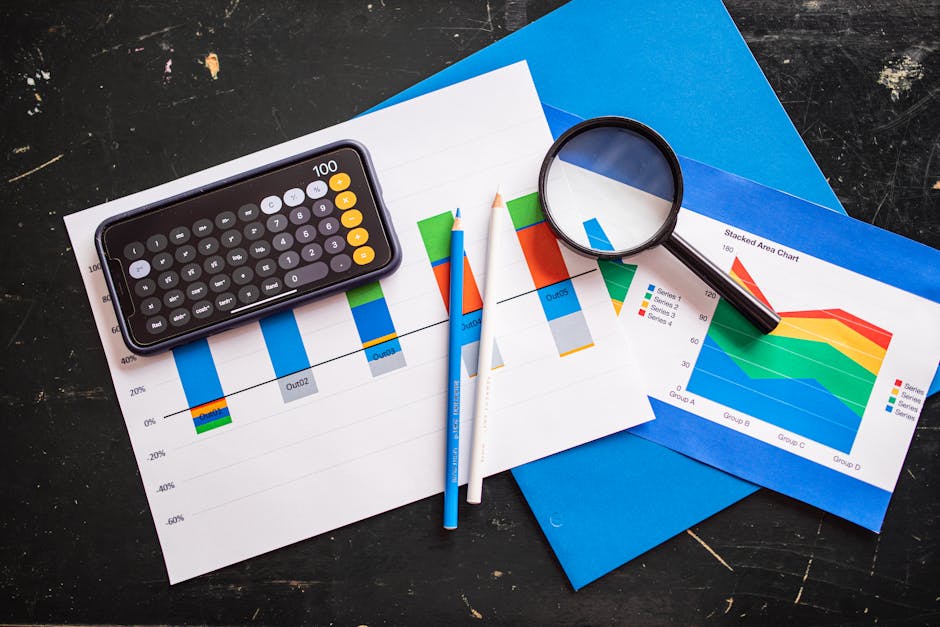
  • Navigating the Storm: Key Warning Signs of a Global Market Crash

    Navigating the Storm: Key Warning Signs of a Global Market Crash

    Navigating the Storm: Key Warning Signs of a Global Market Crash
    Navigating the Storm: Key Warning Signs of a Global Market Crash

    The world economy is a complex system, influenced by countless factors ranging from geopolitical tensions to technological advancements. As we navigate through these tumultuous times, it is crucial for both investors and everyday individuals to stay informed about the warning signs indicating a potential global market crash. In this article, we will explore various indicators that may suggest an impending downturn and offer practical advice on how to prepare.

    Understanding Global Financial Signals

    To effectively navigate the global market, one must grasp the numerous signals that can indicate potential risks. Keeping a close eye on certain economic indicators can provide valuable insights into the overall health of the global economy.

    1. Economic Data Releases

    Regularly updated economic reports can serve as early warning signs. Watch for trends in key indicators such as:

    • GDP Growth Rates: Slowing growth rates can often precede a recession.
    • Unemployment Figures: A sudden spike in unemployment can signal economic distress.
    • Manufacturing Indexes: Declining manufacturing activity may suggest weakening demand.

    2. Stock Market Volatility

    While stock market fluctuations are normal, extreme volatility can be a signal of underlying economic issues. When major indexes experience significant drops over a short period, it might be time to reassess your investment strategies.

    Consider the implications of sustained downturns on sectors such as technology, energy, and consumer goods. Diversifying your investments across a range of asset classes can help mitigate risks during volatile periods.

    3. Increased Debt Levels

    High levels of corporate and government debt are intrinsic warning signals. In an unstable economy, entities struggling to manage their debt could face defaults, sending ripples through the global markets. Regularly analyzing debt-to-GDP ratios can provide insight into fiscal health.

    4. Geopolitical Tensions

    Political instability and rising tensions in various regions contribute to market uncertainty. Events such as trade wars, sanities, or conflicts can have an immediate impact on investor confidence and global collaboration. Staying informed about geopolitical developments is essential for anticipating market shifts.

    5. Changes in Monetary Policy

    Central banks around the world, including the Federal Reserve and the European Central Bank, play a pivotal role in stabilizing economies. Monitoring shifts in monetary policy, such as interest rate changes or quantitative easing measures, can signal a response to economic conditions or unforeseen challenges.

    AdSense Area
    Google AdSense code can be inserted here later.
    Navigating the Storm: Key Warning Signs of a Global Market Crash

    Personal Strategies for Protection

    Understanding the indicators is just the beginning. Here’s how you can prepare yourself against potential market fluctuations:

    1. Diversify Your Investments

    • Invest in various asset classes such as stocks, bonds, real estate, and commodities.
    • Consider alternative investments like cryptocurrencies or peer-to-peer lending to spread risk.

    2. Build an Emergency Fund

    Ensure you have a robust emergency fund that can cover at least six months of expenses. This financial cushion provides peace of mind and flexibility during turbulent times.

    3. Stay Informed and Educated

    Continuously educate yourself on investment strategies and market conditions. Follow reputable financial news outlets and subscribe to relevant industry reports to stay updated.

    4. Consult with Financial Experts

    Consider enlisting the guidance of financial advisors or market analysts who can provide tailored advice based on your unique financial circumstances. They can help in reassessing your portfolio to align with your risk tolerance.

    5. Practice Risk Management

    Implement strict risk management strategies by setting stop-loss orders on investments and periodically reviewing your allocations based on market changes. Avoiding emotional decisions in trading can protect your capital in the long run.

    Conclusion: Prepare for Uncertainty

    The global economic landscape is filled with both opportunity and danger. While it’s impossible to predict every market downturn, recognizing warning signs can help investors prepare and respond effectively. By staying informed and implementing proactive financial strategies, you can safeguard your assets and navigate potential downturns with confidence.

    Remember, successful investing is not just about making profits, but learning to mitigate risks and prepare for whatever may lie ahead in this ever-changing global market.

    🔥 Takeaway: Keep checking Profit Flow Daily for practical money, crypto, investing, and online income strategies.
    Navigating the Storm: Key Warning Signs of a Global Market Crash

    Profit Flow Daily shares practical insights on global markets, crypto, investing, money, and online income.

    This article is for informational purposes only and should not be considered financial advice.

  • Spotting the Next Global Market Crash: Key Warning Signs to Watch

    Spotting the Next Global Market Crash: Key Warning Signs to Watch

    Spotting the Next Global Market Crash: Key Warning Signs to Watch
    Spotting the Next Global Market Crash: Key Warning Signs to Watch

    The global economy is a complex and ever-shifting landscape, making it crucial for investors and everyday individuals to stay alert to potential warning signs of an impending market crash. Over the years, seasoned investors have learned to pick up on subtle indicators that suggest turbulence ahead. In this article, we will discuss prominent warning signs of a global market crash and offer practical advice on how to navigate through uncertain times.

    Understanding the Market Dynamics

    Before we dive into specific warning signs, it’s important to grasp the basic dynamics that drive global markets. Factors such as geopolitical tensions, interest rate fluctuations, and economic policies from major countries all contribute to instability. So how can you prepare yourself for a potential downturn?

    Key Warning Signs to Look For

    • Rising Inflation Rates: Inflation has a direct impact on purchasing power and can indicate broader economic issues. Watch for consistent increases in the Consumer Price Index (CPI) and Producer Price Index (PPI).
    • Inverted Yield Curve: When long-term interest rates fall below short-term rates, it often signifies that investors expect economic slowdown. Monitor the yield curve closely.
    • Decreasing Consumer Confidence: A dip in consumer confidence can lead to reduced spending, ultimately affecting economic growth. Keep an eye on consumer sentiment surveys.
    • Corporate Earnings Reports: Declining profits or negative earnings forecasts from major corporations can signal a downturn. Look for trends in quarterly earnings reports.
    • Stock Market Volatility: Frequent and unpredictable swings in the stock market are indicative of underlying issues. Measure volatility through the VIX index and news events.

    Geopolitical Issues

    Global markets are sensitive to geopolitical events. Tensions, whether in the form of trade wars or military conflict, can lead to an unstable market environment. For instance, escalating conflicts or diplomatic crises often cause sell-offs as investors seek to minimize risk.

    Economic Indicators to Watch

    To successfully navigate the murky waters of market fluctuations, familiarize yourself with key economic indicators:

    AdSense Area
    Google AdSense code can be inserted here later.
    Spotting the Next Global Market Crash: Key Warning Signs to Watch
    • Unemployment Rates: High unemployment levels can reflect economic decline, leading to decreased consumer spending.
    • Interest Rates: Central banks play a significant role in economic stability. Rising interest rates could hinder spending and investment.

    Practical Advice for Investors

    Knowing what to look for is only half the battle. Here are practical strategies to prepare for a potential market downturn:

    • Diversify Your Investments: Spread your investments across different assets to mitigate risks. Consider a mix of stocks, bonds, and alternative investments.
    • Maintain a Cash Reserve: Having liquid cash on hand allows you to take advantage of opportunities when markets decline.
    • Adopt a Long-Term Perspective: Avoid making impulsive decisions based on market panic. Take a longer view with your investments, allowing for more stability.
    • Stay Informed: Regularly read financial news and analysis from reputable sources to keep up with market trends.
    • Consider Professional Advice: Consulting financial advisers can provide tailored insights for your unique circumstances.

    Staying Calm Amidst Chaos

    The prospect of a market crash can induce fear. However, maintaining a rational approach is key. Understanding market cycles can help ease anxiety. History shows that markets often bounce back, providing opportunities for those who stay informed and prepared.

    Conclusion

    While predicting a market crash requires careful observation and insight, recognizing the warning signs can provide you with the upper hand. Whether you’re an experienced investor or just starting out, adopting proactive strategies can help reduce risks and capitalize on opportunities when they arise. By keeping your finger on the pulse of the economy and adapting your strategy accordingly, you can better weather economic storms.

    🔥 Takeaway: Keep checking Profit Flow Daily for practical money, crypto, investing, and online income strategies.
    Spotting the Next Global Market Crash: Key Warning Signs to Watch

    Profit Flow Daily shares practical insights on global markets, crypto, investing, money, and online income.

    This article is for informational purposes only and should not be considered financial advice.

  • Are We Facing a Global Market Crash? Key Warning Signs to Watch For

    Are We Facing a Global Market Crash? Key Warning Signs to Watch For

    Are We Facing a Global Market Crash? Key Warning Signs to Watch For
    Are We Facing a Global Market Crash? Key Warning Signs to Watch For

    The global economy is a complex and interconnected system, where the actions in one corner can send shockwaves across the world. Recently, many economists and financial analysts have raised alarms about potential warning signs indicating a global market crash. In this article, we’ll delve deep into these warning signs, offering practical advice on how to navigate uncertain times and safeguard your financial future.

    Understanding Economic Indicators

    Before we can identify warning signs, it’s crucial to understand the economic indicators that can signal distress. Some key indicators include:

    • Stock Market Volatility: Sharp increases in market volatility often indicate investor uncertainty and panic.
    • Inflation Rates: Rising inflation can erode purchasing power and destabilize economies.
    • Interest Rates: Central banks may raise interest rates to control inflation, which can dampen growth.
    • Unemployment Rates: Increasing unemployment typically suggests economic instability.
    • Consumer Confidence Index: This measures how optimistic consumers feel about the economy, which can influence their spending habits.

    Current Warning Signs

    As of late 2023, several warning signs have emerged that point towards a potential global market crash:

    1. Rising Inflation and Cost of Living Adjustments

    Inflation continues to surge in various regions, driven by supply chain disruptions, rising energy prices, and increased demand post-pandemic. Central banks are pressured to increase interest rates to combat this inflation, which can lead to a slowdown in economic growth.

    2. Bank Failures and Financial Instability

    In recent months, reports of bank failures and financial institution collapses have raised eyebrows. Trust in banking systems is paramount, and any signs of instability can lead to panic withdrawals and further economic turmoil.

    3. Geopolitical Tensions

    Heightened geopolitical tensions, particularly between major global players, can disrupt markets. Trade wars, sanctions, and conflicts can create significant volatility, impacting global supply chains and investor confidence.

    4. Asset Bubbles

    In recent years, we have seen an explosion in asset prices, particularly in technology and real estate markets. Economists warn that these can lead to asset bubbles that are unsustainable and may burst, leading to severe economic corrections.

    5. Decrease in Consumer Spending

    If consumers begin to pull back on spending due to uncertainty or financial strain, this can have a domino effect across various sectors. Companies may see reduced revenues, leading to layoffs and further economic decline.

    AdSense Area
    Google AdSense code can be inserted here later.
    Are We Facing a Global Market Crash? Key Warning Signs to Watch For

    What Can You Do?

    In light of these warning signs, it’s essential to take proactive measures to protect your finances. Here are some practical strategies to consider:

    Diversify Your Investments

    • Consider diversifying your portfolio across different asset classes, including stocks, bonds, and real estate. This can help mitigate risks associated with market downturns.
    • Invest in international markets to spread your risk geographically.

    Emergency Fund

    Building an emergency fund that covers 3 to 6 months of living expenses can provide a safety net during economic downturns. This money should be easily accessible, so consider keeping it in a high-yield savings account.

    Stay Informed and Educated

    Keeping up-to-date with global economic trends can help you make informed decisions. Engage with financial news outlets, podcasts, and webinars that focus on the intricacies of the global economy.

    Evaluate Financial Goals

    It’s crucial to assess your financial goals regularly. Consider short-term and long-term objectives, and adjust your strategy as necessary based on economic conditions.

    Reflecting on Past Crashes

    History has shown that financial markets are cyclical. Learning from past market crashes can provide valuable insights into current economic challenges. The 2008 financial crisis, for example, taught us the importance of risk management, investor behavior, and regulatory oversight.

    While every market crash is unique, understanding previous patterns can offer context for today’s landscape.

    Conclusion

    While the current warning signs may appear daunting, being proactive and informed can help you navigate through unpredictable times. The global economy is ever-evolving, and adaptability is vital. Remember, preparation is key, and by implementing sound financial strategies, you can safeguard your financial future regardless of economic conditions.

    🔥 Takeaway: Keep checking Profit Flow Daily for practical money, crypto, investing, and online income strategies.
    Are We Facing a Global Market Crash? Key Warning Signs to Watch For

    Profit Flow Daily shares practical insights on global markets, crypto, investing, money, and online income.

    This article is for informational purposes only and should not be considered financial advice.

  • 🌍 The Inflation Wave: Are You Prepared for the Global Impact? ⏳

    The Inflation Wave: Are You Prepared for the Global Impact?

    In recent times, inflation has emerged as a pressing concern that reverberates across the globe. From rising prices in everyday goods to shifts in investment strategies, the ramifications of inflation are complex and multifaceted. This article aims to dissect the worldwide impact of inflation, offering insights into its causes, effects, and how you can navigate the storm.

    Understanding Inflation

    Inflation is defined as the rate at which the general level of prices for goods and services rises, leading to a decrease in purchasing power. While a moderate level of inflation is normal in a growing economy, soaring inflation can have dire consequences, affecting consumers, businesses, and economies alike.

    The Causes of Global Inflation

    • Supply Chain Disruptions: Global events, such as pandemics or natural disasters, have shown us how quickly supply chains can be disrupted. These interruptions lead to shortages, which ultimately drive prices higher.
    • Monetary Policy Decisions: Central banks worldwide may choose to print more money to stimulate economies, particularly after crises. This increase in money supply without a corresponding rise in goods can inflate prices.
    • Geopolitical Instability: Tensions and conflicts can lead to uncertainty in markets and affect the supply of crucial commodities like oil and gas, directly causing price spikes.
    • Increased Demand: Following economic recoveries, consumer demand can outpace supply, leading to higher prices. This is particularly noticeable in sectors such as travel, hospitality, and housing.
    • Currency Depreciation: A weakening national currency can make imports more expensive, contributing to overall inflation in a given region.

    The Effects of Inflation on Different Sectors

    1. Consumers

    For everyday consumers, inflation manifests as higher costs for groceries, gas, and other necessities. Households may find their budgets stretched thin, forcing difficult choices between spending and saving. Living standards may decline as a direct result.

    2. Businesses

    For businesses, particularly small and medium enterprises, inflation can squeeze profit margins. Rising costs for raw materials and labor can either lead companies to increase prices, potentially losing customers, or absorb costs, reducing profitability. Strategic planning becomes essential for navigating these turbulent waters.

    3. Investors

    Inflation can reshape investment strategies, pushing investors toward assets like real estate, commodities, or stocks in sectors that typically perform well during inflationary periods. Fixed-income investments, such as traditional bonds, may lose appeal as their returns often lag behind inflation rates.

    4. Governments

    Governments around the world may face challenges in managing inflation through monetary and fiscal policies. Decisions regarding interest rates, taxation, and spending must be weighed carefully to avoid exacerbating inflationary pressures while also maintaining economic growth.

    5. Global Trade

    As inflation affects the relative costs of goods and services, global trade dynamics shift. Countries that are able to maintain stable prices may gain competitive advantages over those struggling with inflation, leading to potential trade imbalances.

    Navigating the Inflationary Landscape

    As inflation continues to pose challenges, individuals and organizations must adapt to the changing environment:

    • Budgeting Wisely: With rising expenses, creating a detailed budget can help track spending and prioritize essential purchases.
    • Investing in Inflation-Resistant Assets: Consider diversifying investment portfolios to include assets that historically perform well during inflation.
    • Staying Informed: Keeping abreast of economic trends and forecasts can help anticipate future shifts in inflation and make informed decisions.
    • Government Action: Engage with policymakers and advocate for measures aimed at stabilizing prices and supporting vulnerable populations affected by inflation.

    Conclusion

    Inflation is a global concern that has the potential to significantly impact individuals, businesses, and economies worldwide. While the specific causes and effects can vary by region, the urgency to address this issue is universal. As we move forward, understanding and preparing for these changes will be paramount in maintaining economic stability. Are you equipped to face the challenges of inflation? The time to act is now!

    AdSense

    🔥 More strategies

  • 🌍🌪️ The Urgent Reality of Worldwide Inflation: What You Need to Know!

    The Urgent Reality of Worldwide Inflation: What You Need to Know!

    In an interconnected global economy, inflation is no longer just a national concern; it has evolved into an issue that impacts everyone, no matter where you live. As prices rise and purchasing power diminishes, the repercussions of inflation ripple through communities, businesses, and individuals around the world. Understanding the implications of inflation has never been more crucial. This article explores the causes, consequences, and potential solutions associated with inflation on a global scale.

    What is Inflation?

    Inflation is defined as the rate at which the general level of prices for goods and services rises, resulting in a decrease of purchasing power. It’s measured by indexes such as the Consumer Price Index (CPI) and reflects how much more expensive a set of goods and services has become over a certain period, typically a year. While some level of inflation is normal in a growing economy, excessive inflation can lead to significant economic instability.

    The Drivers of Global Inflation

    Several factors contribute to rising inflation worldwide:

    • Supply Chain Disruptions: Events like the COVID-19 pandemic have disrupted supply chains globally, creating shortages of essential goods and driving prices up.
    • Increased Consumer Demand: As the world recovers from economic slowdowns, pent-up consumer demand can outstrip supply, leading to price spikes.
    • Monetary Policies: Central banks around the world have implemented aggressive monetary policies, including low interest rates and quantitative easing, which can contribute to inflation if the money supply grows too quickly.
    • Geopolitical Instability: Conflicts and tensions can lead to energy price increases and commodity shortages, both of which further fuel inflation.
    • Climate Change: Environmental factors, including natural disasters and changes in agricultural production, can also impact supply and prices.

    Global Consequences of Inflation

    The effects of inflation are widespread and varied, impacting individuals, businesses, and governments worldwide:

    • Decreased Purchasing Power: As prices increase, the ability of consumers to purchase goods and services shrinks. This disproportionately affects low- and middle-income households.
    • Higher Living Costs: Everyday essentials, such as food, transportation, and housing, become more expensive, leading to increased financial strain.
    • Interest Rate Hikes: Central banks may respond to rising inflation by increasing interest rates, which can decrease borrowing and stifle economic growth.
    • Investment Uncertainty: Inflation can create an unpredictable economic environment, making it difficult for businesses to plan for the future and discouraging investment.
    • Social Unrest: Prolonged inflation can lead to dissatisfaction among the populace, resulting in protests and social movements as people demand action from their governments.

    Impact on Different Sectors

    Inflation does not affect all sectors equally; some industries may thrive while others struggle:

    • Retail and Consumer Goods: Increased prices can lead to decreased consumer spending, harming retailers and manufacturers.
    • Real Estate: Rising inflation often leads to higher property values, which can benefit existing homeowners but make housing less affordable for newcomers.
    • Energy Sector: Prices for oil and gas often rise during inflationary periods, benefiting energy producers while increasing costs for consumers.
    • Agriculture: Farmers may face increased costs for inputs, which can raise food prices and affect food security globally.
    • Finance: Financial institutions may benefit from rising interest rates, but volatility in the market can create risks.

    Strategies for Mitigating Inflation

    While inflation can seem overwhelming, there are strategies that individuals and businesses can adopt to mitigate its effects:

    • Financial Planning: Creating a robust financial plan and budget can help individuals and families navigate rising costs.
    • Investing in Commodities: Investing in physical assets, such as gold or agricultural commodities, can help preserve wealth during inflationary periods.
    • Reducing Debt: Lowering personal debt can provide greater financial flexibility when interest rates rise.
    • Advocacy for Policy Change: Citizens can advocate for policies that address inflation directly, such as responsible fiscal management and measures to enhance supply chain resilience.
    • Diverse Investments: For businesses, diversifying investments can reduce risk and help adapt to changing economic conditions.

    The Future of Inflation

    As we look to the future, it’s critical to consider how global inflation trends will evolve. Economists predict that while inflation may stabilize in the coming years, it could remain elevated due to ongoing supply chain challenges and geopolitical tensions. Additionally, climate change will continue to play a significant role in food and resource availability, making it a key factor in inflationary pressures.

    In a world that is ever-changing, staying informed and prepared is essential. By understanding inflation’s dynamics, individuals and businesses can take proactive steps to protect their economic well-being.

    Conclusion

    Inflation is a pressing issue that transcends borders and affects us all. While we cannot control the global economic landscape, we can equip ourselves with knowledge and strategies to navigate its complexities. As consumers and participants in the global economy, our awareness and actions can play pivotal roles in addressing the challenges posed by inflation. Stay informed, stay prepared, and take action to safeguard your future!

    AdSense

    🔥 More strategies