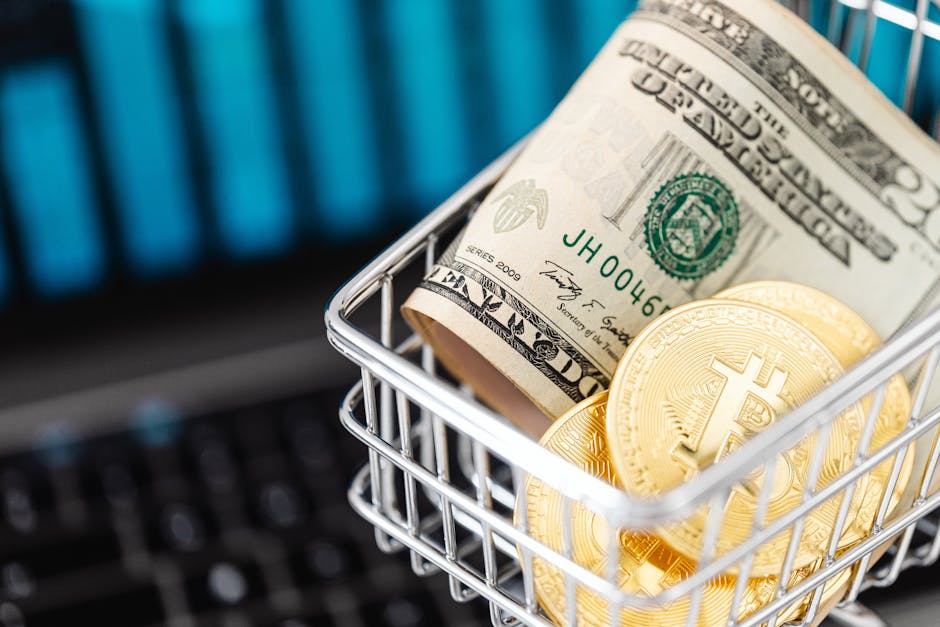

As inflation rates surge around the world, individuals and businesses alike are feeling the pressure. Whether you’re a consumer facing rising prices or an entrepreneur trying to keep costs manageable, understanding the implications of inflation is crucial. In this article, we will delve into how inflation affects different economies globally, the underlying causes, and what steps you can take to mitigate its impact on your personal and financial well-being.
What is Inflation?
Inflation is the rate at which the general level of prices for goods and services rises, eroding purchasing power. Central banks, such as the Federal Reserve in the United States and the European Central Bank, often aim to maintain a stable inflation rate to promote sustainable economic growth.
Current Trends in Global Inflation Rates
In recent years, inflation rates have seen unprecedented increases largely due to various factors including:
- Pandemic Aftermath: The supply chain disruptions caused by COVID-19 have resulted in shortages of goods, thereby driving up prices.
- Energy Prices: Fluctuations in oil and gas prices have a direct impact on transportation and production costs, cascading through the economy.
- Geopolitical Events: Conflicts can disrupt supply lines and create uncertainty in markets, affecting the prices of vital commodities.
- Monetary Policy Changes: Central banks have at times injected significant liquidity into economies, which can lead to inflation when supply can’t meet demand.
The Global Effects of Inflation
Inflation does not just impact consumers; its ripples can be felt throughout entire economies and on an international scale. Below are some of the significant effects inflation has globally:
1. Decreased Purchasing Power
As prices rise, the amount that consumers can buy with their income decreases. This can lead to a reduction in overall spending, pushing economies into slower growth or recession.
2. Impacts on Investments
Higher inflation can lead to increased interest rates as central banks attempt to control it. This can make borrowing more expensive and dampen investment opportunities for businesses and individuals.
3. Currency Value Fluctuations
Inflation can lead to depreciation of currencies as confidence wanes. As currencies lose value, it can have a direct impact on international trade, making imports more expensive and potentially leading to trade imbalances.
4. Increased Cost of Living
From basic goods to housing, inflation can significantly increase the cost of living across the globe, compelling consumers to reassess their budgets and spending habits.
Google AdSense code can be inserted here later.

5. Social Disparities
Inflation can disproportionately affect lower-income households, which spend a higher percentage of their incomes on essential goods. This can exacerbate social inequalities and create greater economic divides.
Practical Steps to Manage Personal Finances Amid Inflation
While inflation presents significant challenges, there are several strategies individuals can adopt to manage their finances effectively:
- Budget Adjustments: Re-evaluate your budget to allocate more towards essential expenses and find areas where you can cut back.
- Diverse Investments: Consider diversifying your investment portfolio, including assets that typically hold value well against inflation, such as real estate or commodities.
- Staying Informed: Keep track of economic indicators and inflation trends to anticipate changes and adjust your financial strategies accordingly.
- Emergency Savings: Building or maintaining a strong emergency fund can cushion you against unexpected price hikes or economic slowdowns.
- Negotiation Skills: Don’t hesitate to negotiate contracts, salaries, or even everyday expenses. Inflation can mean that service providers and vendors are more willing to negotiate to retain customers.
Looking Ahead: Solutions to Inflationary Pressures
Despite the challenges posed by inflation, there are both short-term and long-term solutions that can be explored globally to address rising prices:
1. Enhanced Supply Chain Management
Improving supply chain efficiencies can help alleviate some inflationary pressures by reducing costs and ensuring that products reach consumers quicker.
2. Investments in Renewable Energy
Shifting to sustainable energy sources can provide more stable prices over time and reduce vulnerability to oil price shocks.
3. Collaborative Policy Approaches
Governments and central banks working together can develop coordinated monetary and fiscal policies that stabilize economies and mitigate the impacts of inflation.
Final Thoughts
Inflation is a complex issue that affects economies around the globe in various ways. While it presents significant challenges for both consumers and businesses, by understanding its impact and implementing practical strategies, it is possible to navigate this economic landscape. Remember that awareness and adaptability are your allies in facing inflation head-on.
As we continue to monitor the global economic climate, staying informed and proactive will empower individuals and businesses to thrive, regardless of economic conditions.

Profit Flow Daily shares practical insights on global markets, crypto, investing, money, and online income.
This article is for informational purposes only and should not be considered financial advice.