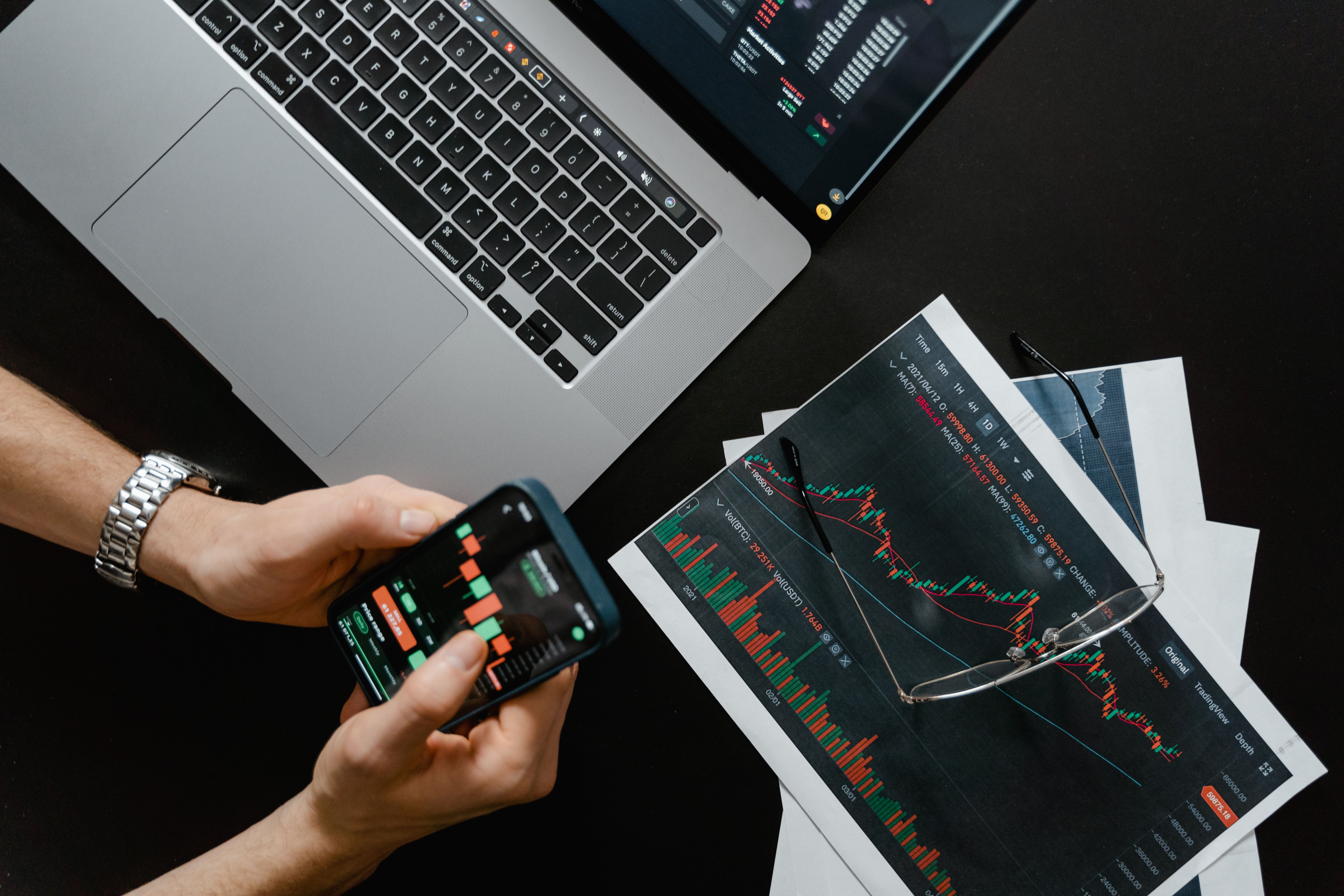

[태그:] Investment Strategies

  • Understanding Altcoin Rotation: Navigating the Hidden Risks in Your Crypto Portfolio

    Understanding Altcoin Rotation: Navigating the Hidden Risks in Your Crypto Portfolio

    Understanding Altcoin Rotation: Navigating the Hidden Risks in Your Crypto Portfolio
    Understanding Altcoin Rotation: Navigating the Hidden Risks in Your Crypto Portfolio

    In the rapidly evolving landscape of cryptocurrency, altcoins have become a focal point for investors seeking new opportunities beyond the mainstream giants like Bitcoin and Ethereum. However, while altcoin rotation can present lucrative possibilities, it also comes with inherent risks that can catch even seasoned investors off guard. In this post, we’ll delve into the concept of altcoin rotation, uncover the potential hidden risks, and provide practical advice to help you navigate these waters effectively.

    What is Altcoin Rotation?

    Altcoin rotation refers to the practice of shifting investments from one cryptocurrency to another, typically driven by market conditions, trends, or technological advancements. Investors often engage in this strategy to capitalize on short-term price movements or to diversify their portfolios, seeking to hold a mix of various altcoins that may outperform Bitcoin in the medium to long term.

    Why Investors Rotate Altcoins

    • Market Sentiment: Changes in the crypto market can affect investor sentiment. If a particular altcoin is gaining traction due to news or hype, investors might rotate into that asset.
    • Technological Developments: Innovations related to an altcoin, such as upgrades or partnerships, can make it more appealing, prompting investors to shift their holdings.
    • Diversification: By not putting all eggs in one basket, investors hope to minimize risk across their portfolios by holding a variety of different cryptocurrencies.

    The Risks of Altcoin Rotation

    While the potential for profit is a driving factor behind altcoin rotation, several hidden risks can undermine your strategy. Here are some to keep in mind:

    1. Volatility

    Altcoins are notoriously volatile, and price fluctuations can be extreme. During a market dip, an altcoin’s value can plummet, leading to significant losses. Unlike Bitcoin’s relative stability, many altcoins can be subject to dramatic swings, making timely entries and exits crucial.

    2. Lack of Liquidity

    Some lesser-known altcoins may suffer from low trading volumes, which can present challenges when trying to buy or sell your holdings. When liquidity is low, your order may not be filled at the desired price, potentially causing you to incur losses.

    3. Overexposure to New Projects

    New projects can be enticing due to the potential for rapid growth; however, they also come with a high degree of risk. Many new altcoins can fail without warning, while others may be scams or poorly managed ventures. Conduct thorough due diligence before investing.

    AdSense Area
    Google AdSense code can be inserted here later.

    Understanding Altcoin Rotation: Navigating the Hidden Risks in Your Crypto Portfolio

    4. Emotional Decision-Making

    Investors may be drawn into emotional decision-making when it comes to altcoin rotation, often driven by FOMO (Fear of Missing Out) or panic selling during market downturns. Implementing a more structured approach, such as setting clear entry and exit points, can help mitigate impulsive decisions driven by mood swings.

    5. Regulatory Changes

    The regulatory landscape for cryptocurrencies continues to evolve on a global scale, which may inherently affect certain altcoins more than others. New regulations can lead to operational limitations or changes in how a cryptocurrency functions, impacting its long-term viability.

    Practical Advice for Mitigating Risks

    Understanding these risks is the first step to mitigating them. Here are some strategies that can help you better manage altcoin rotation:

    • Research Extensively: Always conduct thorough research on altcoins you consider investing in—understand their technology, use cases, and the team behind them. Look for whitepapers that clearly outline the project’s objectives.
    • Diversify Wisely: While diversifying can minimize risk, avoid overexposure to numerous altcoins. Aim for a balanced approach and allocate a fixed percentage of your portfolio to each currency.
    • Set Clear Goals: Having specific investment goals can help guide your decision-making process. Determine whether you’re looking for long-term holdings or speculative short-term trades.
    • Use Stop-Loss Orders: A stop-loss order can serve as an automatic way to limit potential losses. By setting this up, you can mitigate some losses without checking your portfolio constantly.
    • Stay Informed: Regularly follow crypto news and market trends to stay ahead of potential shifts that could impact your investments. Understanding the bigger picture can prevent hasty decisions.

    Final Thoughts

    Altcoin rotation can be a compelling strategy within the broader scope of cryptocurrency investing, as long as you navigate the associated risks effectively. By understanding the market dynamics and being mindful of the common pitfalls, you can position yourself to make informed decisions that align with your financial goals. Remember that investing in cryptocurrencies carries inherent risks and no strategy is foolproof, so always invest responsibly.

    We hope this exploration of altcoin rotation and its hidden risks has provided valuable insights for your crypto investment journey. Happy trading and stay vigilant!

    🔥 Takeaway: Keep checking Profit Flow Daily for practical money, crypto, investing, and online income strategies.
    Understanding Altcoin Rotation: Navigating the Hidden Risks in Your Crypto Portfolio

    Profit Flow Daily shares practical insights on global markets, crypto, investing, money, and online income.

    This article is for informational purposes only and should not be considered financial advice.

  • Navigating the Storm: Key Warning Signs of a Global Market Crash

    Navigating the Storm: Key Warning Signs of a Global Market Crash

    Navigating the Storm: Key Warning Signs of a Global Market Crash
    Navigating the Storm: Key Warning Signs of a Global Market Crash

    The world economy is a complex system, influenced by countless factors ranging from geopolitical tensions to technological advancements. As we navigate through these tumultuous times, it is crucial for both investors and everyday individuals to stay informed about the warning signs indicating a potential global market crash. In this article, we will explore various indicators that may suggest an impending downturn and offer practical advice on how to prepare.

    Understanding Global Financial Signals

    To effectively navigate the global market, one must grasp the numerous signals that can indicate potential risks. Keeping a close eye on certain economic indicators can provide valuable insights into the overall health of the global economy.

    1. Economic Data Releases

    Regularly updated economic reports can serve as early warning signs. Watch for trends in key indicators such as:

    • GDP Growth Rates: Slowing growth rates can often precede a recession.
    • Unemployment Figures: A sudden spike in unemployment can signal economic distress.
    • Manufacturing Indexes: Declining manufacturing activity may suggest weakening demand.

    2. Stock Market Volatility

    While stock market fluctuations are normal, extreme volatility can be a signal of underlying economic issues. When major indexes experience significant drops over a short period, it might be time to reassess your investment strategies.

    Consider the implications of sustained downturns on sectors such as technology, energy, and consumer goods. Diversifying your investments across a range of asset classes can help mitigate risks during volatile periods.

    3. Increased Debt Levels

    High levels of corporate and government debt are intrinsic warning signals. In an unstable economy, entities struggling to manage their debt could face defaults, sending ripples through the global markets. Regularly analyzing debt-to-GDP ratios can provide insight into fiscal health.

    4. Geopolitical Tensions

    Political instability and rising tensions in various regions contribute to market uncertainty. Events such as trade wars, sanities, or conflicts can have an immediate impact on investor confidence and global collaboration. Staying informed about geopolitical developments is essential for anticipating market shifts.

    5. Changes in Monetary Policy

    Central banks around the world, including the Federal Reserve and the European Central Bank, play a pivotal role in stabilizing economies. Monitoring shifts in monetary policy, such as interest rate changes or quantitative easing measures, can signal a response to economic conditions or unforeseen challenges.

    AdSense Area
    Google AdSense code can be inserted here later.
    Navigating the Storm: Key Warning Signs of a Global Market Crash

    Personal Strategies for Protection

    Understanding the indicators is just the beginning. Here’s how you can prepare yourself against potential market fluctuations:

    1. Diversify Your Investments

    • Invest in various asset classes such as stocks, bonds, real estate, and commodities.
    • Consider alternative investments like cryptocurrencies or peer-to-peer lending to spread risk.

    2. Build an Emergency Fund

    Ensure you have a robust emergency fund that can cover at least six months of expenses. This financial cushion provides peace of mind and flexibility during turbulent times.

    3. Stay Informed and Educated

    Continuously educate yourself on investment strategies and market conditions. Follow reputable financial news outlets and subscribe to relevant industry reports to stay updated.

    4. Consult with Financial Experts

    Consider enlisting the guidance of financial advisors or market analysts who can provide tailored advice based on your unique financial circumstances. They can help in reassessing your portfolio to align with your risk tolerance.

    5. Practice Risk Management

    Implement strict risk management strategies by setting stop-loss orders on investments and periodically reviewing your allocations based on market changes. Avoiding emotional decisions in trading can protect your capital in the long run.

    Conclusion: Prepare for Uncertainty

    The global economic landscape is filled with both opportunity and danger. While it’s impossible to predict every market downturn, recognizing warning signs can help investors prepare and respond effectively. By staying informed and implementing proactive financial strategies, you can safeguard your assets and navigate potential downturns with confidence.

    Remember, successful investing is not just about making profits, but learning to mitigate risks and prepare for whatever may lie ahead in this ever-changing global market.

    🔥 Takeaway: Keep checking Profit Flow Daily for practical money, crypto, investing, and online income strategies.
    Navigating the Storm: Key Warning Signs of a Global Market Crash

    Profit Flow Daily shares practical insights on global markets, crypto, investing, money, and online income.

    This article is for informational purposes only and should not be considered financial advice.

  • Spotting the Next Global Market Crash: Key Warning Signs to Watch

    Spotting the Next Global Market Crash: Key Warning Signs to Watch

    Spotting the Next Global Market Crash: Key Warning Signs to Watch
    Spotting the Next Global Market Crash: Key Warning Signs to Watch

    The global economy is a complex and ever-shifting landscape, making it crucial for investors and everyday individuals to stay alert to potential warning signs of an impending market crash. Over the years, seasoned investors have learned to pick up on subtle indicators that suggest turbulence ahead. In this article, we will discuss prominent warning signs of a global market crash and offer practical advice on how to navigate through uncertain times.

    Understanding the Market Dynamics

    Before we dive into specific warning signs, it’s important to grasp the basic dynamics that drive global markets. Factors such as geopolitical tensions, interest rate fluctuations, and economic policies from major countries all contribute to instability. So how can you prepare yourself for a potential downturn?

    Key Warning Signs to Look For

    • Rising Inflation Rates: Inflation has a direct impact on purchasing power and can indicate broader economic issues. Watch for consistent increases in the Consumer Price Index (CPI) and Producer Price Index (PPI).
    • Inverted Yield Curve: When long-term interest rates fall below short-term rates, it often signifies that investors expect economic slowdown. Monitor the yield curve closely.
    • Decreasing Consumer Confidence: A dip in consumer confidence can lead to reduced spending, ultimately affecting economic growth. Keep an eye on consumer sentiment surveys.
    • Corporate Earnings Reports: Declining profits or negative earnings forecasts from major corporations can signal a downturn. Look for trends in quarterly earnings reports.
    • Stock Market Volatility: Frequent and unpredictable swings in the stock market are indicative of underlying issues. Measure volatility through the VIX index and news events.

    Geopolitical Issues

    Global markets are sensitive to geopolitical events. Tensions, whether in the form of trade wars or military conflict, can lead to an unstable market environment. For instance, escalating conflicts or diplomatic crises often cause sell-offs as investors seek to minimize risk.

    Economic Indicators to Watch

    To successfully navigate the murky waters of market fluctuations, familiarize yourself with key economic indicators:

    AdSense Area
    Google AdSense code can be inserted here later.
    Spotting the Next Global Market Crash: Key Warning Signs to Watch
    • Unemployment Rates: High unemployment levels can reflect economic decline, leading to decreased consumer spending.
    • Interest Rates: Central banks play a significant role in economic stability. Rising interest rates could hinder spending and investment.

    Practical Advice for Investors

    Knowing what to look for is only half the battle. Here are practical strategies to prepare for a potential market downturn:

    • Diversify Your Investments: Spread your investments across different assets to mitigate risks. Consider a mix of stocks, bonds, and alternative investments.
    • Maintain a Cash Reserve: Having liquid cash on hand allows you to take advantage of opportunities when markets decline.
    • Adopt a Long-Term Perspective: Avoid making impulsive decisions based on market panic. Take a longer view with your investments, allowing for more stability.
    • Stay Informed: Regularly read financial news and analysis from reputable sources to keep up with market trends.
    • Consider Professional Advice: Consulting financial advisers can provide tailored insights for your unique circumstances.

    Staying Calm Amidst Chaos

    The prospect of a market crash can induce fear. However, maintaining a rational approach is key. Understanding market cycles can help ease anxiety. History shows that markets often bounce back, providing opportunities for those who stay informed and prepared.

    Conclusion

    While predicting a market crash requires careful observation and insight, recognizing the warning signs can provide you with the upper hand. Whether you’re an experienced investor or just starting out, adopting proactive strategies can help reduce risks and capitalize on opportunities when they arise. By keeping your finger on the pulse of the economy and adapting your strategy accordingly, you can better weather economic storms.

    🔥 Takeaway: Keep checking Profit Flow Daily for practical money, crypto, investing, and online income strategies.
    Spotting the Next Global Market Crash: Key Warning Signs to Watch

    Profit Flow Daily shares practical insights on global markets, crypto, investing, money, and online income.

    This article is for informational purposes only and should not be considered financial advice.
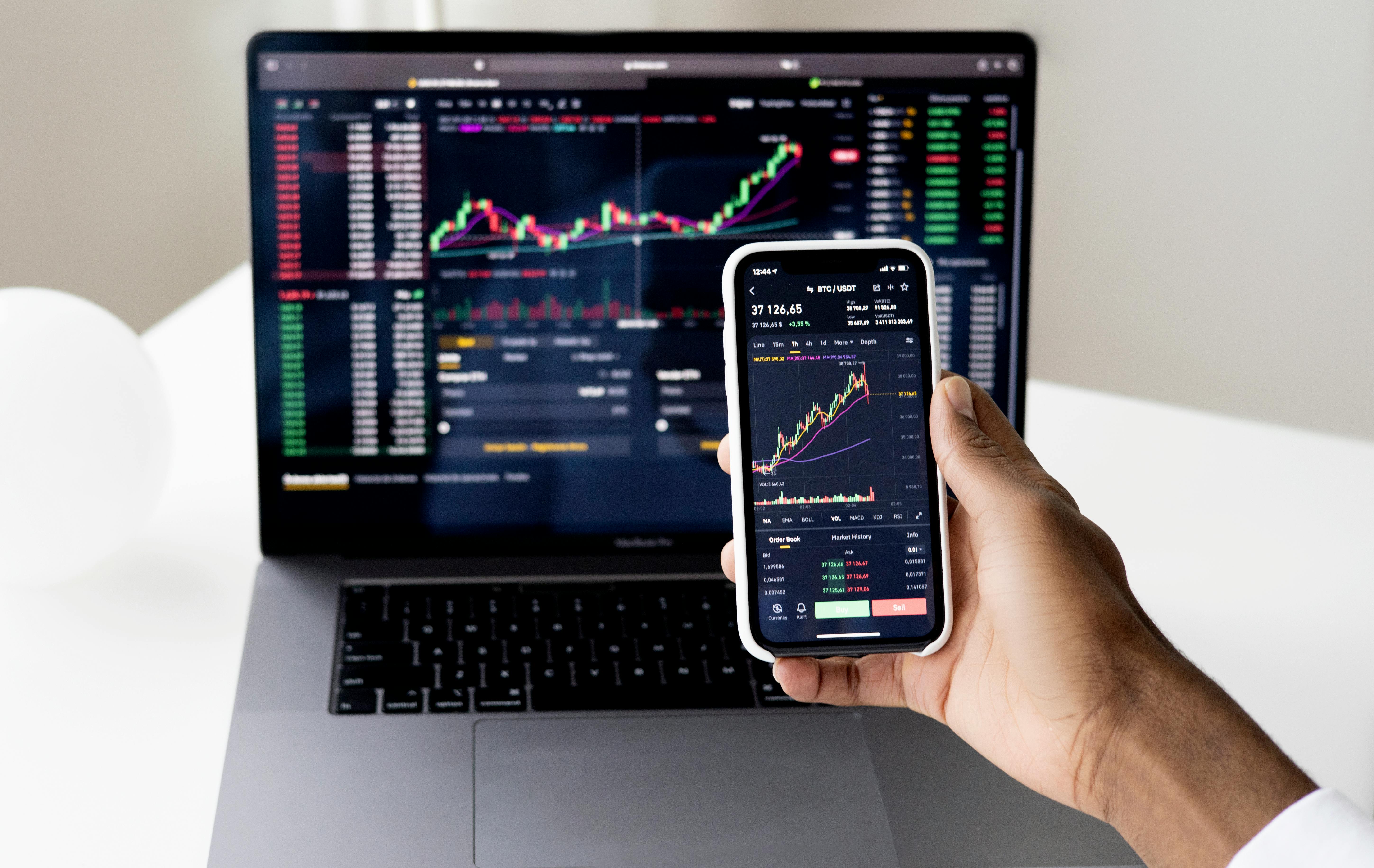
  • Understanding the Risks of a Crypto Market Crash: What You Need to Know

    Understanding the Risks of a Crypto Market Crash: What You Need to Know

    Understanding the Risks of a Crypto Market Crash: What You Need to Know
    Understanding the Risks of a Crypto Market Crash: What You Need to Know

    The cryptocurrency market has come a long way since the inception of Bitcoin over a decade ago. From a niche interest to a multi-trillion-dollar industry, it presents both extraordinary opportunities and substantial risks. Recent trends indicate volatility that could signal a potential market crash. In this article, we will delve into the risks associated with a crypto market downturn, offer practical advice for navigating these turbulent waters, and explore how to safeguard your investments.

    The Current Landscape of the Crypto Market

    As of October 2023, the cryptocurrency market is experiencing fluctuations that make it crucial to stay informed. Prices of major cryptocurrencies like Bitcoin and Ethereum have been erratic, leading to a mix of apprehension and speculation among investors.

    Why Are There Concerns About a Market Crash?

    Several factors can contribute to a market crash in the cryptocurrency space, including:

    • Regulatory Changes: Increased scrutiny from governments worldwide can lead to sudden market reactions. New regulations can make it harder for exchanges to operate, which in turn can trigger price declines.
    • Market Sentiment: Cryptocurrency markets are significantly influenced by public opinion and media coverage. Negative news can quickly lead to panic selling.
    • Technological Challenges: Security issues, hacks, or technological failures can erode trust in specific coins or the market as a whole.
    • Global Economic Conditions: Macroeconomic factors, including recession fears or inflationary pressures, can also impact investor behaviors.
    • Market Manipulation: The susceptibility of the crypto market to manipulation by large holders, or whales, can create artificial price movements that mislead other investors.

    Understanding Crypto Volatility

    Volatility is inherent in the cryptocurrency market, with prices capable of swinging dramatically within and even outside of traditional market hours. Understanding this volatility is crucial for any investor. Strategies that might work in conventional asset classes may not yield the same results in crypto.

    Key Indicators to Monitor

    1. Trading Volume: A sharp increase in trading volume often precedes significant price changes.

    2. Market Capitalization: Keeping an eye on total market cap can give you insights into the overall health of the crypto ecosystem.

    3. Bitcoin Dominance: Bitcoin’s market share compared to other cryptocurrencies can signify trends. A decrease may indicate that investors are moving into altcoins, which could be risky.

    AdSense Area
    Google AdSense code can be inserted here later.
    Understanding the Risks of a Crypto Market Crash: What You Need to Know

    Practical Advice for Crypto Investors

    Whether you are a novice investor or a seasoned trader, risk management should be your priority in the crypto space.

    Diversification: The Best Defense

    Diversifying your investments across multiple assets can mitigate risks associated with a single coin crashing. Consider allocating funds to a mix of cryptocurrencies, stablecoins, and even traditional assets like stocks or bonds. This strategy helps cushion against the impacts of a downturn while still allowing for growth opportunities.

    Setting Stop-Loss Orders

    Setting stop-loss orders can help you limit losses during abrupt market dips. By pre-defining a price point at which you will sell your assets, you can automatically exit a position before it results in a substantial loss.

    Staying Educated and Informed

    Keenly following market trends, news, and educational content is vital. Engage with reliable sources and consider joining online forums to discuss trends with experienced investors. Knowledge is power in the rapidly ideating world of cryptocurrency.

    Personal Commentary: The Need for Caution

    Having been involved in the crypto space for several years, I’ve witnessed the highs of soaring prices and the lows of plummeting values. The enticing allure of quick profits should not overshadow the importance of a cautionary approach. Approaching cryptocurrency as part of a broader investment strategy built on sound principles is advisable.

    Conclusion: Be Prepared for Any Outcome

    While the potential for gain in the cryptocurrency market is considerable, so too are the risks associated with a crash. Keeping informed on market trends, employing effective risk management strategies, and remaining cautious can protect your investments. With continued turbulence in the financial world, awareness and preparation can be your keys to thriving amidst the risks.

    🔥 Takeaway: Keep checking Profit Flow Daily for practical money, crypto, investing, and online income strategies.
    Understanding the Risks of a Crypto Market Crash: What You Need to Know

    Profit Flow Daily shares practical insights on global markets, crypto, investing, money, and online income.

    This article is for informational purposes only and should not be considered financial advice.
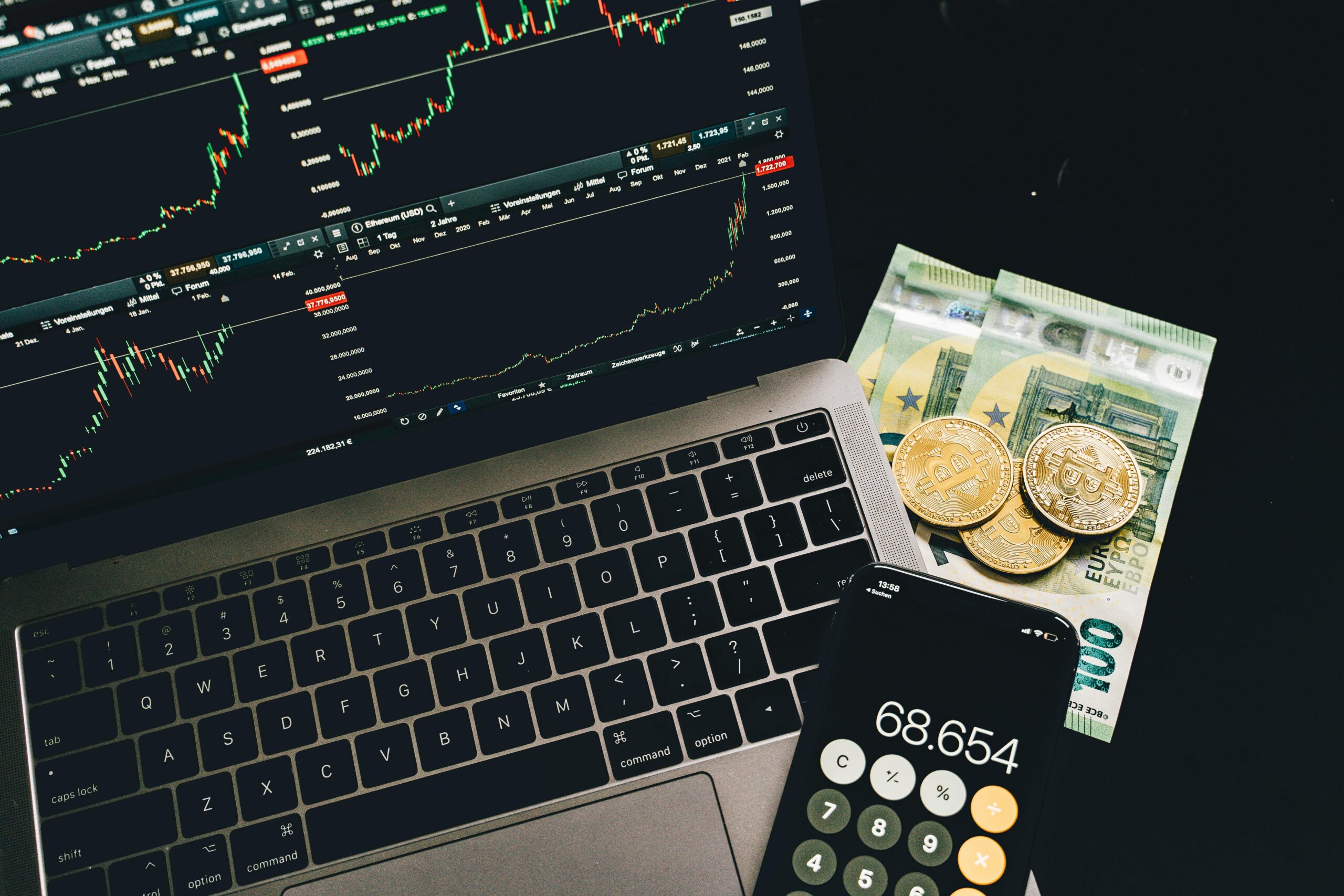
  • Essential Strategies for Crypto Investors: How to Manage Risk Effectively

    Essential Strategies for Crypto Investors: How to Manage Risk Effectively

    Essential Strategies for Crypto Investors: How to Manage Risk Effectively
    Essential Strategies for Crypto Investors: How to Manage Risk Effectively

    The cryptocurrency market is known for its high volatility and unpredictable price movements. As more investors seek to capitalize on the potential for significant returns, understanding how to manage risk becomes paramount. In this article, we’ll explore effective strategies that can help crypto investors navigate this dynamic landscape while minimizing potential losses.

    Understanding the Nature of Crypto Markets

    Before diving into risk management strategies, it’s important to understand the unique characteristics of cryptocurrency markets:

    • Volatility: Prices can swing dramatically in a short time frame, sometimes within hours.
    • Lack of Regulation: The crypto space is still developing in terms of regulatory oversight, leading to increased risk.
    • 24/7 Trading: Unlike traditional markets, crypto trades around the clock, which can cause investors to experience fatigue or make impulsive decisions.

    Assessing Your Risk Tolerance

    The first step in managing risk in crypto investing is evaluating your risk tolerance. Reflect on the following questions:

    • How much of your total investment are you comfortable losing?
    • What is your investment horizon? Are you looking for short-term gains or long-term wealth-building?
    • How do you emotionally react to market fluctuations? Can you stay calm during downturns?

    By answering these questions, you can establish a framework for making informed decisions that align with your financial goals and emotional resilience.

    Diversification: Not Putting All Eggs in One Basket

    Diversifying your crypto portfolio is one of the most effective strategies to manage risk. Consider the following:

    • Invest in a mix of different cryptocurrencies rather than just one. This could include established coins like Bitcoin and Ethereum, along with emerging altcoins.
    • Balance your portfolio with non-crypto investments such as stocks, bonds, or real estate.

    Diversification spreads out your risk, minimizing the impact of any one asset’s poor performance on your overall portfolio.

    Implementing Stop-Loss Orders

    Stop-loss orders are a critical tool for managing risk in crypto trading. A stop-loss order automatically sells your asset when it reaches a predetermined price. Here’s how to use them effectively:

    • Set your stop-loss at a level that reflects your risk tolerance. A common approach is to set it at 5-10% below your purchase price.
    • Regularly adjust your stop-loss orders as your asset appreciates to lock in profits while still providing downside protection.

    Using stop-loss orders can mitigate potential losses and allow you to engage in trading with more confidence.

    AdSense Area
    Google AdSense code can be inserted here later.
    Essential Strategies for Crypto Investors: How to Manage Risk Effectively

    Continuous Learning and Market Research

    The crypto landscape evolves rapidly, and continuous learning is vital. Here are ways to stay informed:

    • Follow reputable crypto news outlets and market analysis platforms.
    • Join online communities and forums to discuss trends and strategies with other investors.
    • Attend webinars and conferences to learn from industry experts.

    By staying informed, you can make well-rounded decisions and anticipate potential market changes.

    Emotional Control: The Investor’s Game

    Many investors make critical mistakes when their emotions take control. Here are tips to maintain composure:

    • Set a clear investment plan and stick to it, regardless of market hype.
    • Avoid making impulsive decisions based on fear or greed. Take time to assess the situation before acting.
    • Consider using a trading journal to record your feelings and decisions to identify patterns in your behavior.

    Adopting a disciplined mindset ensures that your decisions are based on logic and strategy rather than fleeting emotions.

    Regular Portfolio Review and Adjustment

    Investing in cryptocurrencies isn’t a one-time event; it requires ongoing assessment. Implement a routine for reviewing and adjusting your portfolio:

    • Set aside time monthly or quarterly to evaluate your investments against your original goals.
    • Use analytics tools to track performance and identify underperforming assets.
    • Stay flexible; if a coin’s fundamentals change, be willing to exit your position.

    Regular reviews allow you to adapt to market conditions and ensure your portfolio aligns with your risk management strategy.

    Conclusion

    Managing risk as a crypto investor requires a well-rounded approach that encompasses understanding your own risk tolerance, diversifying your investments, utilizing stop-loss orders, and maintaining emotional discipline. As the cryptocurrency landscape continues to evolve, staying informed and adaptable will enable you to thrive amid volatility. Remember, while the potential for profit exists, so too does risk, and the key to success lies in balancing the two.

    🔥 Takeaway: Keep checking Profit Flow Daily for practical money, crypto, investing, and online income strategies.
    Essential Strategies for Crypto Investors: How to Manage Risk Effectively

    Profit Flow Daily shares practical insights on global markets, crypto, investing, money, and online income.

    This article is for informational purposes only and should not be considered financial advice.
  • Uncovering the Hidden Risks of Altcoin Rotation: What Every Investor Should Know

    Uncovering the Hidden Risks of Altcoin Rotation: What Every Investor Should Know

    Uncovering the Hidden Risks of Altcoin Rotation: What Every Investor Should Know
    Uncovering the Hidden Risks of Altcoin Rotation: What Every Investor Should Know

    The world of cryptocurrency is ever-changing, and for many investors, the phrase ‘altcoin rotation’ has become a popular topic. But what does it mean, and more importantly, what are the risks associated with this strategy? In this article, we will delve into the nuances of altcoin rotation, explore the potential hazards, and offer advice on how to navigate this volatile landscape effectively.

    Understanding Altcoin Rotation

    At its core, altcoin rotation refers to the practice of shifting investments from one altcoin to another based on market conditions, trends, and anticipated performance. Investors aim to capitalize on short-term price movements and maximize their returns by moving their capital into altcoins they believe are on the verge of a significant increase.

    Why Investors Engage in Altcoin Rotation

    • Market Volatility: The cryptocurrency market is known for its dramatic price swings. Altcoin rotation allows investors to quickly respond to these changes and seize profitable opportunities.
    • Diversification: By rotating investments, individuals can diversify their portfolios, reducing exposure to any single asset’s decline.
    • News and Developments: Innovations, partnerships, or regulatory news can significantly impact specific altcoins. Investors can exploit this information through rotating their assets.

    The Allure of Quick Gains

    For many investors, the appeal of altcoin rotation lies in the prospect of quick gains. Short-term trading can be attractive, especially in a market as dynamic as cryptocurrency. However, while the potential for profit exists, it’s essential to recognize that the same volatility that enables these gains also introduces significant risks.

    Identifying Hidden Risks

    • Market Manipulation: The relatively low market capitalization of many altcoins makes them susceptible to manipulation. Sudden price shifts could be driven by pump-and-dump schemes, affecting unsuspecting investors.
    • Liquidity Concerns: Not all altcoins are created equal. Poorly liquid markets can lead to challenges when trying to sell investments, resulting in losses that far exceed initial expectations.
    • Emotional Trading: The rush of short-term trading can lead to impulsive decisions. Fear and greed can cloud judgment, resulting in misplaced investments or premature sell-offs.
    • Lack of Fundamental Analysis: Many investors get caught up in the excitement of price movements without adequately assessing the underlying value or potential of an altcoin.
    • Fees and Taxes: Frequent trading may incur high fees or tax implications that can eat into profits, negating the advantages of short-term trading.

    Practical Advice for Navigating Altcoin Rotation

    Being aware of the risks is the first step toward successful investing in altcoins. Here are some practical strategies to mitigate these dangers:

    1. Conduct Thorough Research

    Before investing in any altcoin, it’s critical to evaluate its fundamentals. Look into the project’s whitepaper, its team, market potential, and historical performance. Consider joining community discussions to gauge sentiment and analysis.

    AdSense Area
    Google AdSense code can be inserted here later.
    Uncovering the Hidden Risks of Altcoin Rotation: What Every Investor Should Know

    2. Employ a Risk Management Strategy

    Establish clear guidelines regarding how much of your portfolio you are willing to risk on any particular trade. Setting stop-loss orders can help protect against significant losses when the market turns against you.

    3. Stay Informed About Market Trends

    Keeping an eye on broader market trends can provide valuable context for your investments. Utilize available analytics tools and resources that track price trends, volume spikes, and news reports that can affect prices.

    4. Avoid Emotional Decision-Making

    Emotional trading can often lead to ruin. Design a trading plan ahead of time and adhere to it—this discipline can help cushion the effects of market volatility.

    5. Monitor Your Portfolio Regularly

    Be vigilant about the performance of your investments. Regularly reassess your portfolio and be prepared to make changes based on new information or market developments.

    Conclusion

    While the potential for profit during altcoin rotation is undeniably enticing, it is essential to navigate the market with caution. By understanding the inherent risks and employing effective strategies, investors can better position themselves to take advantage of opportunities while minimizing potential losses. Like any investment strategy, the key is to remain informed, stay disciplined, and constantly evaluate your approach to investing in this exciting and unpredictable market.

    🔥 Takeaway: Keep checking Profit Flow Daily for practical money, crypto, investing, and online income strategies.
    Uncovering the Hidden Risks of Altcoin Rotation: What Every Investor Should Know

    Profit Flow Daily shares practical insights on global markets, crypto, investing, money, and online income.

    This article is for informational purposes only and should not be considered financial advice.

  • Smart Strategies to Protect Your Wealth in Times of Inflation

    Smart Strategies to Protect Your Wealth in Times of Inflation

    Smart Strategies to Protect Your Wealth in Times of Inflation
    Smart Strategies to Protect Your Wealth in Times of Inflation

    Inflation can be an investor’s worst nightmare, eroding purchasing power and diminishing the value of hard-earned savings. However, with some proactive strategies, you can safeguard your money and even thrive during such uncertain economic times. Here, we explore practical advice for protecting your wealth amid rising inflation.

    Understanding Inflation

    Before diving into protective strategies, it’s essential to understand what inflation is. Inflation occurs when there is a general rise in prices for goods and services in an economy, leading to a decline in the purchasing power of money. Many factors contribute to inflation, including increased production costs, increased demand, and monetary policy decisions. It can affect everyone, making it crucial to have strategies to protect your wealth.

    Diversify Your Investment Portfolio

    Diversification is one of the key principles of investing. By spreading your investments across different asset classes, you can reduce the overall risk associated with inflation. Consider the following:

    • Stocks: Historically, stocks have outperformed inflation over the long term. Focus on companies with strong pricing power and fundamental stability.
    • Bonds: While traditionally seen as safer, some bonds may not keep pace with inflation. Look for inflation-protected securities, like Treasury Inflation-Protected Securities (TIPS), which adjust with inflation.
    • Real Estate: Property values and rental income tend to rise with inflation, making real estate a solid hedge against inflation.
    • Commodities: Precious metals like gold and silver often serve as a safe haven during inflationary periods.

    Invest in Precious Metals

    One of the oldest and most trusted ways to protect against inflation is investing in precious metals. Gold and silver have intrinsic value and are seen as a safe haven asset:

    • Gold: Historically, gold has maintained its value over time, making it a popular choice during inflationary periods.
    • Silver: Often considered an affordable alternative to gold, silver can also offer significant protection and potential for growth.

    Consider purchasing these metals in physical form, ETFs, or mining stocks. Regardless of how you choose to invest, these commodities can act as a hedge against inflation.

    Explore Alternative Investments

    As inflation continues to impact global economies, alternative investments can provide unique opportunities for preserving wealth. Consider these options:

    AdSense Area
    Google AdSense code can be inserted here later.
    Smart Strategies to Protect Your Wealth in Times of Inflation
    • Cryptocurrencies: Despite their volatility, cryptocurrencies like Bitcoin are increasingly being viewed as a hedge against inflation due to their limited supply.
    • Peer-to-Peer Lending: Investing in peer-to-peer lending platforms can yield higher returns than traditional savings accounts, which may not keep up with inflation.
    • Art and Collectibles: Tangible assets such as art, classic cars, and wine can appreciate in value and act as a hedge against economic downturns.

    Maintain an Emergency Fund

    During periods of inflation, maintaining a robust emergency fund is more important than ever. An adequate emergency fund provides liquidity and can safeguard you against unexpected financial challenges. Aim to have at least three to six months’ worth of living expenses set aside in a high-yield savings account. This also protects you from having to sell investments at inappropriate times due to immediate cash needs.

    Consider Inflation-Protected Bonds

    Investing in inflation-protected bonds can be a smart strategic move. These bonds adjust their principal with inflation, ensuring that your investment retains its purchasing power. Some options you may explore include:

    • Treasury Inflation-Protected Securities (TIPS): These U.S. government-issued bonds provide interest payments plus an increase in the principal based on inflation.
    • Inflation-linked bonds from other countries: Look for similar instruments available internationally which may suit your investment strategy.

    Stay Informed and Adjust Your Strategy

    The financial landscape is constantly changing, especially during inflationary periods. It’s crucial to remain informed about market trends and economic indicators. Regularly review your investment portfolio and adjust your strategy accordingly. Consider the following:

    • Market Research: Stay updated on economic forecasts and financial news that may impact inflation rates.
    • Professional Advice: Consult with a financial advisor if necessary, particularly if navigating complex investments or market environments.

    Conclusion

    While inflation can pose significant challenges, it also presents opportunities for informed investors. By diversifying your investments, considering alternative asset classes, and remaining proactive, you can protect and grow your wealth even in the face of rising prices. Remember, investing always comes with risks, and it’s essential to remain within your financial comfort zone.

    As you put these strategies into action, continually seek knowledge and adapt to the changing economic climate. Your financial future is worth the effort!

    🔥 Takeaway: Keep checking Profit Flow Daily for practical money, crypto, investing, and online income strategies.
    Smart Strategies to Protect Your Wealth in Times of Inflation

    Profit Flow Daily shares practical insights on global markets, crypto, investing, money, and online income.

    This article is for informational purposes only and should not be considered financial advice.

  • 🌍 The Inflation Wave: Are You Prepared for the Global Impact? ⏳

    The Inflation Wave: Are You Prepared for the Global Impact?

    In recent times, inflation has emerged as a pressing concern that reverberates across the globe. From rising prices in everyday goods to shifts in investment strategies, the ramifications of inflation are complex and multifaceted. This article aims to dissect the worldwide impact of inflation, offering insights into its causes, effects, and how you can navigate the storm.

    Understanding Inflation

    Inflation is defined as the rate at which the general level of prices for goods and services rises, leading to a decrease in purchasing power. While a moderate level of inflation is normal in a growing economy, soaring inflation can have dire consequences, affecting consumers, businesses, and economies alike.

    The Causes of Global Inflation

    • Supply Chain Disruptions: Global events, such as pandemics or natural disasters, have shown us how quickly supply chains can be disrupted. These interruptions lead to shortages, which ultimately drive prices higher.
    • Monetary Policy Decisions: Central banks worldwide may choose to print more money to stimulate economies, particularly after crises. This increase in money supply without a corresponding rise in goods can inflate prices.
    • Geopolitical Instability: Tensions and conflicts can lead to uncertainty in markets and affect the supply of crucial commodities like oil and gas, directly causing price spikes.
    • Increased Demand: Following economic recoveries, consumer demand can outpace supply, leading to higher prices. This is particularly noticeable in sectors such as travel, hospitality, and housing.
    • Currency Depreciation: A weakening national currency can make imports more expensive, contributing to overall inflation in a given region.

    The Effects of Inflation on Different Sectors

    1. Consumers

    For everyday consumers, inflation manifests as higher costs for groceries, gas, and other necessities. Households may find their budgets stretched thin, forcing difficult choices between spending and saving. Living standards may decline as a direct result.

    2. Businesses

    For businesses, particularly small and medium enterprises, inflation can squeeze profit margins. Rising costs for raw materials and labor can either lead companies to increase prices, potentially losing customers, or absorb costs, reducing profitability. Strategic planning becomes essential for navigating these turbulent waters.

    3. Investors

    Inflation can reshape investment strategies, pushing investors toward assets like real estate, commodities, or stocks in sectors that typically perform well during inflationary periods. Fixed-income investments, such as traditional bonds, may lose appeal as their returns often lag behind inflation rates.

    4. Governments

    Governments around the world may face challenges in managing inflation through monetary and fiscal policies. Decisions regarding interest rates, taxation, and spending must be weighed carefully to avoid exacerbating inflationary pressures while also maintaining economic growth.

    5. Global Trade

    As inflation affects the relative costs of goods and services, global trade dynamics shift. Countries that are able to maintain stable prices may gain competitive advantages over those struggling with inflation, leading to potential trade imbalances.

    Navigating the Inflationary Landscape

    As inflation continues to pose challenges, individuals and organizations must adapt to the changing environment:

    • Budgeting Wisely: With rising expenses, creating a detailed budget can help track spending and prioritize essential purchases.
    • Investing in Inflation-Resistant Assets: Consider diversifying investment portfolios to include assets that historically perform well during inflation.
    • Staying Informed: Keeping abreast of economic trends and forecasts can help anticipate future shifts in inflation and make informed decisions.
    • Government Action: Engage with policymakers and advocate for measures aimed at stabilizing prices and supporting vulnerable populations affected by inflation.

    Conclusion

    Inflation is a global concern that has the potential to significantly impact individuals, businesses, and economies worldwide. While the specific causes and effects can vary by region, the urgency to address this issue is universal. As we move forward, understanding and preparing for these changes will be paramount in maintaining economic stability. Are you equipped to face the challenges of inflation? The time to act is now!

    AdSense

    🔥 More strategies