[태그:] Market Trends

  • Understanding Interest Rates: Their Impact on Your Daily Financial Choices

    Understanding Interest Rates: Their Impact on Your Daily Financial Choices

    Understanding Interest Rates: Their Impact on Your Daily Financial Choices

    The useful lesson from how interest rates influence everyday money decisions is usually found in real behavior, not slogans.

    How Interest Rates Affect Borrowing Costs

    When interest rates change, the cost of borrowing money shifts significantly. For instance, when rates are low, individuals are more likely to take out loans for major purchases, such as homes or cars.

    Consider a mortgage: if the interest rate drops from 4% to 3%, a $300,000 mortgage would save about $60,000 over 30 years, providing a strong incentive for home buyers to act quickly.

    Consumer Loans and Interest Rates

    The effect of interest rates on personal loans is similar. If a bank offers a personal loan at 8% interest instead of 12% due to a decrease in the benchmark rate, more consumers will likely take that loan to fund expenses like home improvements or vacations. For example, this shift can help someone who might defer a necessary roof repair decide to proceed, knowing that the lower interest rate will make the borrowing more manageable.

    Saving Habits Impacted by Rates

    Interest rates also have a direct correlation with savings behavior. When rates are higher, traditional savings accounts or certificates of deposit (CDs) offer better returns. This encourages individuals to save rather than spend impulsively.

    For instance, a high-yield savings account with a 2.5% interest rate may lead someone to hold off on a large purchase, opting instead to build their savings. If such an account were to drop to 0.5%, the same person might prioritize spending on immediate needs or desires, rather than delaying for better savings growth.

    Investments and Interest Rate Fluctuations

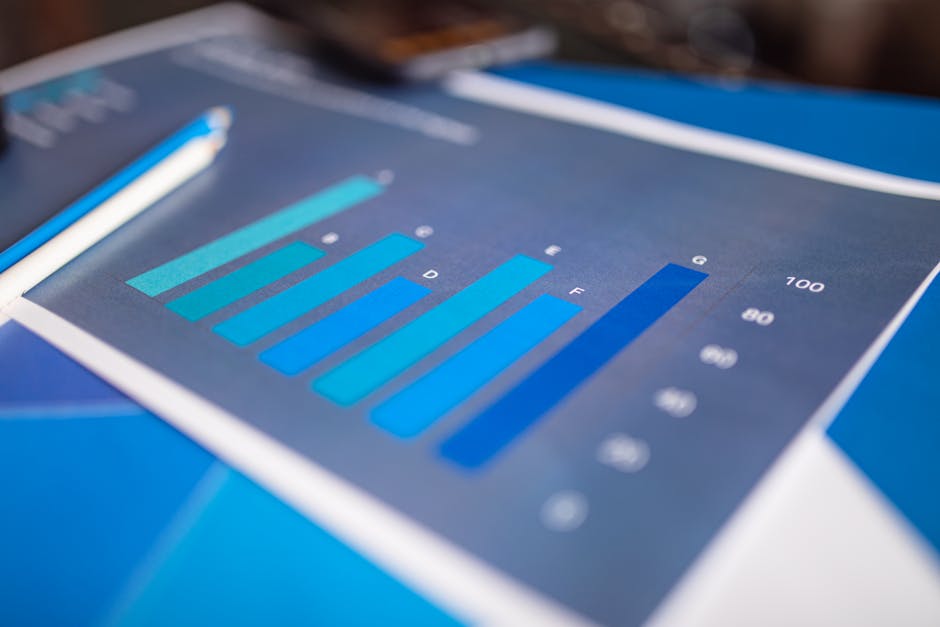
    Investment decisions also bear the brunt of interest rate changes. For example, higher rates tend to raise borrowing costs for companies, which can negatively impact stock prices as future cash flows are discounted at a higher rate. An investor might choose to sell off shares of companies that depend on cheap financing, thus rethinking their portfolio during such times.

    AdSense Area 1
    Google AdSense code can be inserted here later.
    Understanding Interest Rates: Their Impact on Your Daily Financial Choices

    On the other hand, lower interest rates often lead to a surge in stock market activity. An investor may feel encouraged to invest in stocks instead of bonds because the latter yield less. A person might note this trend when they see high-profile companies expanding operations due to cheaper loans.

    The Interplay of Interest Rates and Inflation

    The relationship between interest rates and inflation cannot be overlooked. Central banks often raise interest rates to combat inflation, as higher rates can reduce spending and borrowing, thus cooling an overheating economy.

    If inflation is high and interest rates are not keeping pace, individuals might find their purchasing power diminishing. A grocery bill that totaled $200 last year could easily increase to $250 if inflation goes unchecked. In this scenario, consumers may decide to seek discounts, shop at different stores, or reduce non-essential spending.

    Daily Financial Decisions Reflecting Rate Changes

    Everyday financial decisions are influenced by where interest rates stand. Suppose someone is eyeing a new car and sees that interest rates for auto loans are hovering around 5%. They might push their purchase to a later time if they believe rates will drop, opting to save more in the interim. In contrast, a friend who needs to buy a car immediately might settle for the 5% loan, weighing the benefits of acquiring the vehicle now versus waiting.

    Credit Cards Usage and Interest Rates

    Credit card interest rates fluctuate as well, impacting consumer behavior significantly. With higher rates, the consequences of carrying a balance can become more severe, prompting users to pay down credit card debt more aggressively. If someone routinely had a balance on their card at an interest rate of 20%, they might change their spending habits when faced with higher rates, perhaps by reducing discretionary expenses.

    Conversely, a reduction in rates can encourage a more balanced approach to credit card use. If the rate drops to 15%, consumers may feel more comfortable carrying a smaller balance, thereby potentially enabling them to allocate money toward other investments.

    Business Financing Considerations

    The effect of interest rates extends beyond personal finance; it also affects businesses. Lower rates can help stimulate economic growth by making it cheaper for companies to borrow money for expansion or innovation. Imagine a small business owner considering an expansion project, like opening a new location. With a favorable interest rate, they might move forward with their plans, creating jobs and boosting local economic activity.

    Decisions Based on Economic Outlook

    A business seeks to predict consumer behavior in light of interest rates forecasts. If rates are expected to rise, businesses may ramp up production and spending before the costs of borrowing increase. This anticipation can lead to more hires and investments, all based on projections about rate changes. Conversely, predicting a downturn can cause companies to cut back on spending, affecting economic growth.

    Quick Action: Choose one practical idea from this article and apply it today.
    AdSense Area 2
    Second ad placement area for longer content.

    Personal Budgeting and Financial Planning

    Effective budgeting often hinges on an understanding of interest rates. A family may choose to overpay their mortgage when rates are rising to get ahead of interest payments or refinance to snag a better deal when rates drop.

    A practical example might involve someone with multiple debts including student loans, credit cards, and a car loan. If they know interest rates are likely to rise, it could motivate them to prioritize paying down their highest-interest debts sooner rather than later.

    Real Estate Market Dynamics

    The real estate market is intricately linked to interest rates. When rates drop, homebuyers may compete for limited inventory, driving up prices as they rush to secure affordable financing. Alternately, rising rates could cool the housing market as potential buyers step back, awaiting more favorable conditions.

    A clear case is seen when people decide whether to buy or rent. High rates might discourage purchasing, prompting many to remain in rental situations longer, which shifts demand and affects rental prices.

    Future Financial Education

    The influence of interest rates is not just felt in immediate financial decisions. Understanding these dynamics allows for better long-term planning. For instance, someone looking to retire in 20 years must consider whether their pension or savings will hold up against potential increases in living costs due to interest rate fluctuations.

    Developing Resilience to Financial Changes

    Being aware of how rates can shift helps individuals and families to adapt their strategies accordingly. For example, a family may regularly assess their investments, adjusting asset allocations in response to predictions about rate hikes or declines. This proactive approach can cushion the impact of rapid economic changes.

    Personal Opinion

    In my personal opinion, readers should treat this as practical guidance, not a promise. For economic news, the best use of information is to adjust spending, saving, and planning more wisely.

    Understanding Interest Rates: Their Impact on Your Daily Financial Choices

    Profit Flow Daily shares practical insights on online income, investing, economic trends, Korean food, and Korean travel.

    This article is for informational purposes only and should not be considered financial, investment, legal, medical, or tax advice.


  • Adjusting Family Finances: Strategies for Rising Prices

    Adjusting Family Finances: Strategies for Rising Prices

    Adjusting Family Finances: Strategies for Rising Prices

    The first thing to know about how families adjust spending when prices keep rising is that context matters.

    Understanding the Impact of Inflation

    Inflation affects families in different ways, depending on their income levels, spending habits, and geographic locations. When prices for essential goods, such as food and fuel, begin to soar, it forces households to reevaluate their financial priorities. For instance, a family faced with increased grocery bills may start substituting more expensive items with less costly alternatives, opting for bulk purchases or store brands to help stretch their budget further.

    Revisiting the Household Budget

    One of the most effective adjustments families can make is to revisit their monthly budgets. This practice helps identify areas where they can cut back without sacrificing quality of life. For example, a family may decide to limit dining out, which not only reduces costs but also encourages home-cooked meals. They may also discover subscriptions or services that are no longer valuable and can be canceled to free up funds. Regularly updating a budget allows families to remain agile in adapting to economic changes.

    Coping with Rising Food Prices

    Food often comprises a significant portion of a family’s budget. As prices rise, adopting strategies such as meal planning can make a difference. By planning meals a week in advance and shopping with a list, families minimize impulse buys and food waste. Furthermore, participating in community-supported agriculture (CSA) programs or shopping at local farmers’ markets can provide fresh produce at more budget-friendly prices.

    Utilizing Seasonal Products

    Buying seasonal produce can significantly reduce grocery bills. For example, purchasing strawberries in June when they are plentiful and cheaper than in winter can save money and enhance meal diversity. By being mindful of food seasons, families can plan their shopping around these cost-effective choices.

    Transportation Adjustments

    Rising fuel costs prompt many families to reconsider their transportation options. Carpooling or using public transportation where available can reduce expenses significantly. Additionally, families may evaluate their vehicle usage; consolidating errands into one trip can minimize fuel consumption and decrease wear and tear on their vehicles.

    Exploring Flexible Work Arrangements

    With remote work becoming more mainstream, families might explore options to reduce commuting costs entirely. Working from home saves not only on fuel expenses but also on wear and tear from daily travel. Some families may even choose to relocate closer to their workplaces or find employment that offers remote options explicitly to alleviate transportation concerns.

    AdSense Area 1
    Google AdSense code can be inserted here later.
    Adjusting Family Finances: Strategies for Rising Prices

    Energy Efficiency at Home

    Utility costs can climb during periods of inflation, prompting families to adopt measures to enhance energy efficiency. Simple adjustments, such as using energy-efficient appliances and routinely checking for drafts in windows, can lead to noticeable savings. Families can also reconsider their heating and cooling habits; lowering the thermostat in winter or minimizing air conditioning use in the summer can help cut energy bills.

    Investing in Home Improvement

    Though it requires upfront investment, making specific improvements can lead to long-term savings. For example, insulating a home can reduce heating and cooling costs significantly over time. Many households undertake these projects incrementally, focusing on one room or area at a time to manage expenses effectively.

    Emphasizing Smart Shopping Practices

    Adopting smart shopping strategies can also help families navigate the rising costs of goods. Techniques such as using coupons, loyalty programs, and cashback offers can maximize savings. Families may look out for flash sales or clearance events, allowing them to stock up on essential items at reduced prices.

    Leveraging Online Shopping

    Online shopping has become another practical avenue for families to seek savings. Many retailers offer exclusive online discounts, and comparing prices across various platforms helps ensure getting the best deal. Setting price alerts on specific items can also help families buy when prices drop.

    Finding Additional Income Streams

    As inflation tightens budgets, some families might explore alternative income sources to boost their financial resilience. Side hustles—like freelance work, virtual tutoring, or selling handmade goods—can offer a valuable supplement to household income. Families can leverage existing skills or hobbies to create opportunities that fit into their schedules.

    The Power of Community Resources

    Utilizing community resources effectively can help families stretch their finances. Community centers often host free workshops on budgeting, cooking, and energy savings. Engaging with local groups or online forums can provide support, advice, and someone to share experiences with during tough financial times.

    Encouraging Financial Literacy in Households

    Equipping family members, especially children, with financial knowledge is critical for long-term sustainability. Families can instill smart financial habits by involving children in budgeting discussions, setting financial goals, and even holding family meetings focused on spending reviews. Such practices encourage accountability and prepare younger members for future financial decisions.

    Quick Action: Choose one practical idea from this article and apply it today.
    AdSense Area 2
    Second ad placement area for longer content.

    Teaching Money-Saving Techniques

    Taking the time to teach children the importance of saving, comparing prices, and the value of money can shape their future financial behaviors. Simple activities, like giving them a small allowance to manage, can provide hands-on lessons about making choices and understanding trade-offs.

    Embracing Minimalism

    For some families, adjusting to rising costs might also drive a shift towards minimalism. By reducing clutter and focusing on needs rather than wants, families can simplify their lives and minimize ongoing expenses. Events like garage sales or thrift store donations can also turn excess items into much-needed cash.

    Creating a Less Material-Driven Lifestyle

    A minimalistic approach doesn’t mean sacrificing comfort; rather, it emphasizes the value of experiences over possessions. Families might prioritize spending on activities that build memories—such as outings, community events, or volunteering—over purchasing material goods.

    Monitoring Monthly Financial Health

    Regularly reviewing financial health is essential in adapting to rising prices. Many families find it beneficial to track spending through apps or spreadsheets, developing a clearer picture of where their money goes. Staying informed about their financial habits can lead to swift adjustments when costs change.

    Setting Financial Goals

    Establishing clear financial goals—be they short-term or long-term—can keep families focused on their priorities. Whether it’s saving for a vacation, paying down debt, or building an emergency fund, having a shared vision can motivate households to make necessary sacrifices and improve financial literacy in the process.

    Personal Opinion

    In my personal opinion, this topic is a reminder that simple habits often shape bigger results. For economic news, the best use of information is to adjust spending, saving, and planning more wisely.

    Adjusting Family Finances: Strategies for Rising Prices

    Profit Flow Daily shares practical insights on online income, investing, economic trends, Korean food, and Korean travel.

    This article is for informational purposes only and should not be considered financial, investment, legal, medical, or tax advice.
  • Smart Spending: How Families Navigate Rising Prices

    Smart Spending: How Families Navigate Rising Prices

    Smart Spending: How Families Navigate Rising Prices

    What stands out about how families adjust spending when prices keep rising is how often small habits create bigger results over time.

    Understanding Household Budgets

    Maintaining a household budget is essential, especially during periods of inflation. Families often begin by reviewing their regular expenses like groceries, utilities, and entertainment. For instance, a family can track their monthly grocery spending to identify where they can cut back. If they notice that snack items take a significant chunk of their budget, they might decide to buy these items in bulk or opt for store brands instead of more expensive national brands.

    Embracing Frugal Living

    Frugal living is a practical approach that many families adopt during tough economic times. This doesn’t necessarily mean giving up on enjoyment; rather, it’s about prioritizing needs over wants. For example, a family might choose to dine out less frequently and instead explore cooking new recipes at home. This adjustment not only saves money but can also become a fun family activity. They might explore local farms for fresh produce, which is often cheaper and healthier than grocery store options.

    Cutting Entertainment Costs

    Entertainment is often one of the first areas families consider when reassessing their budget. Instead of attending costly events or engaging in expensive hobbies, families can explore free or low-cost alternatives. Community parks, local festivals, or movie nights at home can be entertaining without breaking the bank. For example, a family could create a game night tradition, where each member picks a favorite board game, fostering both creativity and bonding at negligible costs.

    AdSense Area 1
    Google AdSense code can be inserted here later.
    Smart Spending: How Families Navigate Rising Prices

    Adjusting Transportation Expenses

    With rising fuel prices, many families are also looking for ways to reduce their transportation costs. Carpooling or using public transportation can greatly reduce expenditures. For those who commute long distances, this might mean coordinating with neighbors or co-workers to share rides. Additionally, families might consider choosing to cycle for short trips, not only saving on fuel costs but also promoting a healthier lifestyle.

    Reevaluating Subscription Services

    Families often find themselves subscribed to multiple streaming services or subscription boxes that can accumulate substantial charges. A practical step is taking stock of all subscriptions and evaluating their actual usage. A family might decide to keep only their favorite streaming service while rotating others on a quarterly basis to keep content fresh. This can lead to potential savings while still enjoying entertainment options.

    Making Smart Grocery Choices

    Grocery shopping habits can significantly impact a family’s budget. To adjust to rising prices, many families are opting for meal planning. By planning meals for the week, they can create precise shopping lists that reduce impulse buys. Additionally, using digital coupons or loyalty programs can lead to small savings that add up. A practical example would be a family dedicating one day a week to plan their meals and shop strategically.

    Educating Children About Finances

    Teaching children about financial responsibility can help families navigate tough economic times together. Simple lessons about saving, budgeting, and the difference between needs and wants can foster a sense of shared responsibility. For instance, parents can give their children a small allowance, encouraging them to save for a desired item. This experience can instill habits that will benefit them in the long run.

    Quick Action: Choose one practical idea from this article and apply it today.
    AdSense Area 2
    Second ad placement area for longer content.

    Utilizing Community Resources

    Communities often have resources that families can leverage to aid in budgeting. Food banks, clothing swaps, and local libraries can provide free or low-cost goods. For example, taking advantage of a local library can eliminate the need to purchase books, and many libraries even offer free access to digital resources. Engaging with these community resources not only saves money but also fosters connections with neighbors.

    Monthly Reflection on Spending

    At the end of each month, families can benefit from reflecting on their spending habits. Keeping a journal or a digital tracker of expenses allows families to identify patterns and areas for improvement. For instance, if the family realizes they spent more on take-out than intended, they can set stricter guidelines for dining out. This reflection process creates a proactive approach to managing finances, rather than a reactive one.

    Building a Support Network

    Creating a network of friends or family members who share similar financial goals can provide motivation and accountability. Whether through a group chat or regular gatherings, families can exchange tips, deals, and encouragement. For example, a monthly potluck dinner can minimize restaurant costs while allowing families to save and share their culinary skills.

    Personal Opinion

    In my personal opinion, readers should focus on what is repeatable. For households, economic trends matter most when they affect daily decisions.

    Smart Spending: How Families Navigate Rising Prices

    Profit Flow Daily shares practical insights on online income, investing, economic trends, Korean food, and Korean travel.

    This article is for informational purposes only and should not be considered financial, investment, legal, medical, or tax advice.
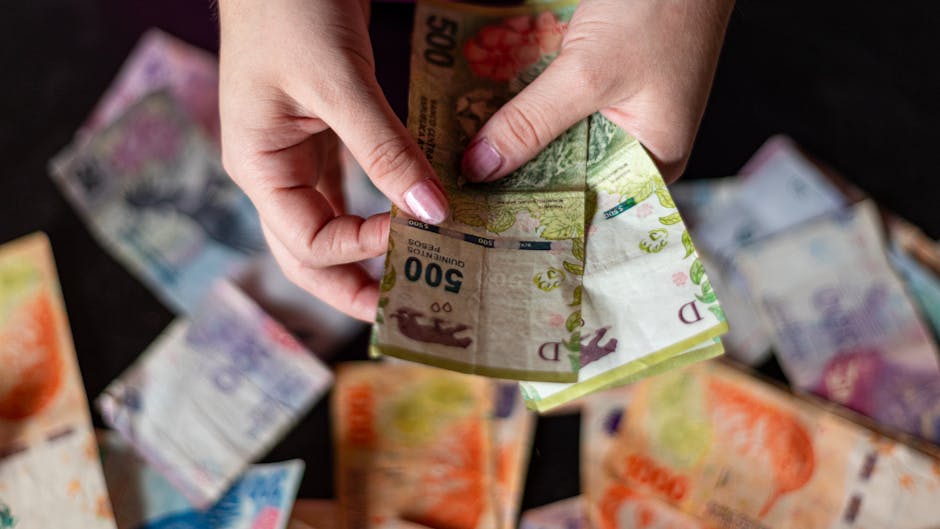
  • How Inflation Impacts Household Budgets and Spending Choices

    How Inflation Impacts Household Budgets and Spending Choices

    How Inflation Impacts Household Budgets and Spending Choices

    What makes how inflation changes household spending habits interesting is the gap between what people expect and what actually happens.

    Understanding Inflation and Its Effects

    Inflation is more than just a rise in prices; it reflects a significant shift in the purchasing power of consumers. When inflation rates climb, households often reevaluate their budgets. For example, if the cost of groceries increases by 10%, families might start favoring budget-friendly stores or buying in bulk to mitigate increasing costs. Adjustments in spending can yield immediate monthly savings but can have long-term effects on lifestyle and consumption patterns.

    Shifts in Consumption Patterns

    Inflation influences not only how much people spend but also what they choose to buy. Take clothing as an example; when inflation drives prices higher, shoppers may prioritize essentials over luxury items. Families may opt for discounts or second-hand stores, illustrating a shift toward more conservative spending. According to recent retail reports, discount stores often see higher foot traffic during inflationary periods as consumers seek value. This behavior can lead to a more pronounced preference for quality over quantity, where durability becomes a priority in purchasing decisions.

    AdSense Area 1
    Google AdSense code can be inserted here later.
    How Inflation Impacts Household Budgets and Spending Choices

    Adjusting Household Budgets

    During inflationary times, households are forced to reexamine their budgets. One common adjustment is cutting discretionary spending. Trips to restaurants might decrease, with families choosing to prepare meals at home to save money. For instance, individuals could opt for meal kits that provide cost-effective and convenient cooking options. With inflation straining finances, meal prepping becomes a strategic approach to enjoy diverse diets while controlling costs. Another effective method is adopting a zero-based budgeting system, where every dollar is assigned a specific purpose, helping to ensure that essential expenses get prioritized.

    Impact on Saving and Investing

    With rising prices, household savings often take a hit. Some people resort to using savings to cover everyday expenses as inflation increases. A relevant example is the rising interest rates, which can discourage individuals from borrowing but simultaneously encourage saving as returns improve. Families may choose high-yield savings accounts to combat inflation’s erosion of value. However, this also means individuals need to be strategic about where to allocate their money, opting for investments that tend to perform well during inflationary times, such as real estate or commodities.

    The Role of Technology in Managing Finances

    The digital age has introduced various tools allowing consumers to manage their finances more effectively amidst inflation. Budgeting apps can track expenses in real-time and highlight areas where cuts can be made. For instance, apps like Mint or YNAB (You Need a Budget) allow users to set spending limits and receive alerts when nearing those limits. Furthermore, online resources provide comparative pricing for goods, enabling smarter shopping decisions. By analyzing price trends and using cashback offers or discount codes, households can ease the burden of index rising prices.

    Quick Action: Choose one practical idea from this article and apply it today.
    AdSense Area 2
    Second ad placement area for longer content.

    Behavioral Changes Inspired by Inflation

    During times of economic uncertainty, behaviors often change. Consumers may feel the need to stockpile specific items, leading to potential shortages and shifts in market dynamics. For example, during uncertain markets, many buyers find themselves purchasing more non-perishable goods, leading to inflated demand for products like rice and pasta. This consumer behavior can sometimes prompt hoarding, resulting in even steeper price increases for those items. Retailers might also respond by implementing restrictions on bulk purchases, aiming to ensure fair access.

    Looking Ahead: Environmental and Economic Factors

    As inflation persists, households must remain adaptable. Rising costs influenced by supply chain issues, environmental factors, or geopolitical events can bring about sudden price changes. For example, the increase in gas prices not only impacts transportation costs but also raises the prices of goods that rely on transportation, creating a domino effect. Households are shaped by these changes, promoting a trend toward local and sustainable purchasing habits, as consumers seek products with a lower carbon footprint and regional availability.

    Personal Opinion

    In my personal opinion, this topic becomes more valuable when it is connected with real examples. For economic news, the best use of information is to adjust spending, saving, and planning more wisely.

    How Inflation Impacts Household Budgets and Spending Choices

    Profit Flow Daily shares practical insights on online income, investing, economic trends, Korean food, and Korean travel.

    This article is for informational purposes only and should not be considered financial, investment, legal, medical, or tax advice.

  • How Interest Rates Shape Your Daily Financial Choices

    How Interest Rates Shape Your Daily Financial Choices

    How Interest Rates Shape Your Daily Financial Choices

    Understanding the impact of interest rates on personal finances is crucial for making informed decisions every day. Whether you’re considering a loan, saving money, or investing, interest rates play a pivotal role in shaping your financial landscape. This article delves into how these rates influence everyday money decisions and provides practical insights to navigate these influences effectively.

    The Basics of Interest Rates

    Interest rates represent the cost of borrowing money or the return on savings over time, typically expressed as a percentage. When central banks increase rates, borrowing becomes more expensive and saving more appealing. Conversely, lower rates can stimulate spending and investment. Understanding these fundamentals helps in making better financial decisions.

    The Immediate Impact of Rate Changes

    When central banks adjust interest rates, the effects are often felt immediately across various segments of the economy. For individuals, a rise in interest rates means higher monthly payments on adjustable-rate loans, such as mortgages. If I were considering such a loan, I would review my current financial situation and possibly refinance to lock in a lower rate before any hikes occur.

    The mistake I often see beginners make is overlooking how even a small change in interest rates can significantly affect their loan costs over time. For example, a mere increase of one percentage point on a $300,000 mortgage can result in additional payments of roughly $200 each month. Evaluating the overall cost of borrowing becomes essential in such scenarios.

    The Influence on Saving Behavior

    Higher interest rates tend to encourage saving as individuals get more return on their deposits. If I were looking to maximize my savings, I would first compare various savings accounts and opt for those with competitive rates. This practice not only helps in accumulating wealth but also prepares for emergencies.

    Conversely, when rates are low, many people might feel disinclined to save, opting instead to spend or invest in riskier assets in search of better returns. A practical way to combat this tendency is to establish a personal savings goal. For instance, setting aside a fixed amount each month, regardless of the prevailing interest rates, can help build a steady financial cushion.

    AdSense Area 1
    Google AdSense code can be inserted here later.
    How Interest Rates Shape Your Daily Financial Choices

    Interest Rates and Borrowing Decisions

    The cost of borrowing significantly impacts whether individuals pursue loans for personal projects, education, or home purchases. When I consider taking out a loan, I assess the current interest rate environment carefully. If rates are expected to rise, I might expedite my borrowing to avoid higher future payments.

    Furthermore, it’s crucial to calculate total loan costs, including principal, interest, and any fees. A common oversight is focusing solely on monthly payments without considering the loan duration or the total interest payable over the lifetime of the loan. This holistic view can save a significant sum in the long run.

    The Role of Fixed vs. Variable Rates

    Understanding the difference between fixed and variable interest rates is vital when making borrowing choices. A fixed rate provides certainty, as monthly payments remain constant regardless of market fluctuations. If I were planning to stay in a home long-term, a fixed mortgage would be appealing to me, especially in a rising interest rate environment.

    On the other hand, variable rates can start lower but can increase based solely on market conditions. The temptation is to go for lower initial payments, but what I often see is that this can lead to financial strain if rates escalate unexpectedly. Budgeting for potential increases is a wise action step to take when considering such loans.

    Investing in a High-Interest Rate Environment

    Investing can take on a new dimension during times of high-interest rates. Traditionally, bond prices fall when interest rates rise, which can lead to some hesitation among potential investors. If I were advising someone during such a period, I’d suggest reviewing the overall market and exploring alternative investments rather than succumbing to fear.

    Real estate can often be a viable investment choice, despite higher borrowing costs, if approached wisely. Some investors might capitalize on buying undervalued properties or market segments driven by high demand. Ultimately, it’s important to stay informed about trends and adapt investment strategies as economic conditions evolve.

    Consumer Confidence and Spending Behavior

    Consumer confidence is intricately tied to interest rates. When rates are low, people feel more confident making purchases and taking on debt. Conversely, high rates may lead to cautious spending and delayed purchases. I often notice that consumers may hold off on major expenses, such as cars or electronics, when faced with higher borrowing costs.

    Quick Action: Choose one practical idea from this article and apply it today.
    AdSense Area 2
    Second ad placement area for longer content.

    To counteract this, it’s beneficial to focus on budgeting and preparing for future expenditures. I would recommend creating a spending plan that prioritizes essential and planned purchases, ensuring that one can still make significant investments while being mindful of interest rate impacts.

    The Psychological Impact of Interest Rates

    The effects of interest rates extend beyond the practical financial implications; there is a psychological element at play as well. High rates can create a sense of anxiety about managing debt and making large purchases. Recognizing this, it’s important to maintain a balanced mindset when assessing financial decisions.

    Practicing mindfulness about spending and saving can buffer the stress that comes from economic fluctuations. I find it helpful to regularly revisit my financial goals and reassess priorities based on the current economic climate. This reflection helps maintain a progressive outlook rather than succumbing to negativity.

    The Future of Interest Rates and Individual Impact

    The trajectory of interest rates in the coming years will be influenced by numerous factors, including inflation, employment rates, and economic growth. Anticipating these changes is complex, yet staying informed is invaluable. If I were setting up my financial plans, I would continuously educate myself through credible news sources and financial analysis.

    Having a proactive rather than reactive approach can pave the way for better long-term financial health. Establishing a flexible financial plan that can adjust to changing circumstances is a sound strategy. As conditions fluctuate, being prepared to pivot can empower you to make the most of each scenario.

    Personal Opinion

    In my personal opinion, understanding how interest rates influence financial decisions is critical for anyone looking to manage their finances effectively. While the numbers may seem daunting, approaching them with a practical and observative mindset can lead to making choices that serve our best interests. My experience has shown that taking proactive measures, being open to learning, and maintaining a flexible approach leads to better outcomes in not just managing money but also in planning for the future. Every decision, influenced by a nuanced understanding of interest rates, can bolster financial well-being and foster a secure financial environment.

    How Interest Rates Shape Your Daily Financial Choices

    Profit Flow Daily shares practical insights on global markets, online income, Korean culture, Korean food, beauty, travel, and work life.

    This article is for informational purposes only and should not be considered financial, investment, legal, medical, or tax advice.
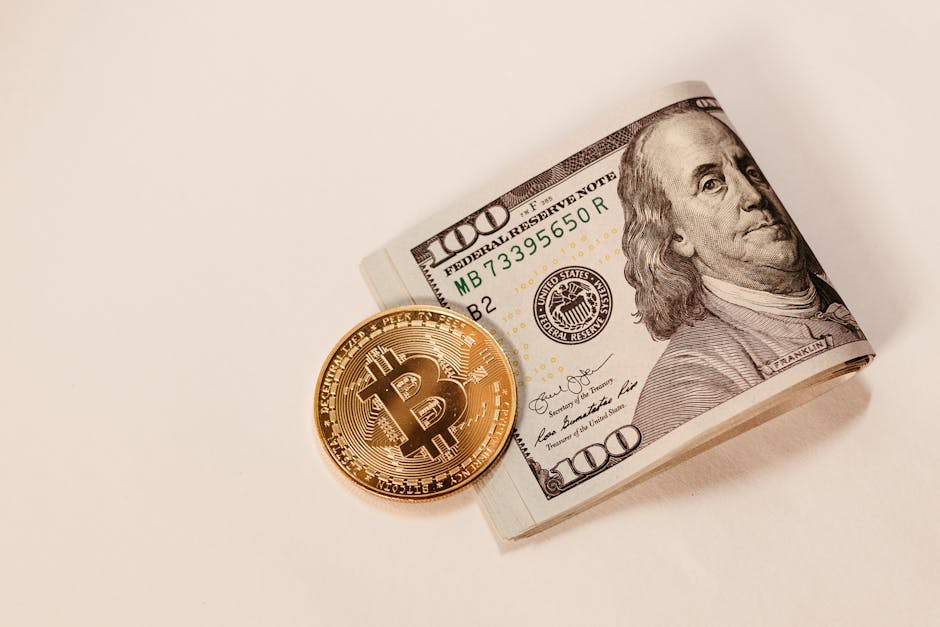
  • Navigating Global Economic Uncertainty: Insights for Everyday People

    Navigating Global Economic Uncertainty: Insights for Everyday People

    Navigating Global Economic Uncertainty: Insights for Everyday People

    As the world grapples with economic upheaval, many individuals are left wondering what this uncertainty means for their daily lives. Each news cycle brings a new wave of worries—rising prices, fluctuating job markets, and even questions about food security. For average citizens, these factors alarmingly disrupt the predictability of life. Understanding the implications of this economic climate can better prepare each of us to navigate the unknown.

    Understanding Economic Uncertainty

    Economic uncertainty isn’t just a buzzword for economists; it translates into real challenges for everyone. Fluctuations in markets can lead to instability in jobs, income, and the overall cost of living. When businesses face uncertainty, they may cut costs, which can result in layoffs or reduced hours for employees. As someone watching these shifts, I can feel the ripples they create—whether it’s a family member’s job being affected or rising costs making it hard to stretch a budget.

    The Role of Consumer Confidence

    Consumer confidence plays a crucial role in economic stability. If people are apprehensive about their financial situation, they tend to spend less, which can further exacerbate economic challenges. For instance, during times of uncertainty, I often notice that people hesitate to make significant purchases, from cars to home appliances. This paralyzing fear can have a snowball effect, impacting local businesses and, ultimately, the broader economy.

    To counter this, individuals should focus on building their confidence in financial decision-making. What I would do first is consider my own spending habits. Evaluating what are necessary purchases against discretionary ones can mitigate financial pressure. A practical way to start during these uncertain times is by creating a personal budget that prioritizes essentials while allowing some wiggle room for entertainment, minimizing financial anxiety.

    Strategies for Financial Stability

    In times like these, it’s crucial to reassess financial priorities. Here are some actionable strategies that can help individuals navigate uncertain economic waters.

    • Build an Emergency Fund: One of the first practical steps to take is establishing a rainy-day fund. An emergency fund can safeguard against unexpected expenses that arise amid economic fluctuations, such as medical bills or car repairs. Saving the equivalent of three to six months’ worth of living expenses can provide peace of mind and financial cushioning.
    • Many people underestimate the importance of having this financial buffer. The mistake I often see beginners make is solely focusing on saving for big goals like vacations or major purchases, while neglecting to set aside funds for emergencies. A good practice is to automate transfers to a savings account, ensuring that saving becomes a regular, effortless habit.

      AdSense Area 1
      Google AdSense code can be inserted here later.
      Navigating Global Economic Uncertainty: Insights for Everyday People
    • Diversify Income Streams: The modern economy often requires multiple income sources to stay afloat comfortably. Freelancing, consulting, or turning hobbies into side businesses can be effective ways to generate additional income. I remember a friend who started a blog about personal finance and photography; not only did it fulfill a personal passion, but it also generated some income through ads and affiliate marketing.
    • While diversifying income can lead to greater financial security, it’s essential to choose pursuits that align with one’s skills and interests. A practical way to start is by exploring platforms that allow skill-sharing or offers freelance gigs. It also helps to network and engage with communities that share similar professional interests, which may open up more opportunities.

    Adjusting Spending Habits

    Re-evaluating spending habits can save you money while navigating economic uncertainty. Taking the time to scrutinize monthly expenditures often reveals areas where savings can be made. A practical method is to categorize expenses into needs versus wants, creating a clearer picture of where adjustments can be made.

    For instance, I’ve realized that many subscriptions I once thought were necessary can often be eliminated or downgraded. Analyzing these recurring costs can redirect funds to more significant priorities, such as savings or debt repayment. The mistake I see many individuals make is ignoring small expenses, believing they aren’t impactful. However, those seemingly trivial amounts can accumulate quickly and affect overall financial health.

    Investment Perspectives

    Amid uncertainty, the investment landscape can appear to be alarming. Numerous factors, such as inflation or market swings, can influence investment returns. However, it’s vital to maintain perspective during these turbulent times.

    • Long-Term Mindset: It’s easy to panic during downturns; however, history has shown that markets tend to recover over time. The significance of this understanding cannot be overstated for individuals looking to invest. A long-term investment strategy often yields far better results than reacting hastily to market fluctuations.
    • A practical approach would be to revisit your financial goals and assess if your investments align with them. Diversifying your portfolio across various asset classes, like stocks, bonds, and real estate, can help mitigate risk. Besides, exploring cost-effective investment options such as index funds can be beneficial even for novice investors.

    • Seek Professional Guidance: Engaging with a financial advisor can provide tailored insights suited to your unique situation. However, the key is finding a professional who prioritizes your interests and educates you about the process. Researching different advisors and asking questions about their strategies can help build a trusting relationship.
    • The mistake I often see is people waiting until they are in dire straits before seeking help. It’s more beneficial to form a connection with an advisor during stable periods, so you have a trusted resource to turn to when uncertainty arises. Having a professional by your side can help navigate complex decisions and keep your financial plans on track.

    Adjusting to Changing Employment Landscape

    The contemporary job market is evolving rapidly, influenced by technology and globalization. Many roles are transforming, presenting both opportunities and challenges for workers. Understanding these dynamics is key to making informed career choices.

    Quick Action: Choose one practical idea from this article and apply it today.
    AdSense Area 2
    Second ad placement area for longer content.
    • Continuous Learning and Upskilling: In a time of significant economic shifts, committing to lifelong learning is crucial. Upskilling through online courses or workshops can enhance employability and open doors to new opportunities. For example, platforms like Coursera or Skillshare offer various courses that can help individuals acquire skills relevant to today’s job market.
    • I’ve seen firsthand how upskilling can dramatically boost confidence and adaptability. Many individuals have successfully transitioned into tech-oriented roles by picking up coding or digital marketing skills. In my personal observation, the mistake people often make is feeling intimidated by the prospect of learning something new. Embracing growth means recognizing that it’s never too late to expand your skill set.

    • Networking Effectively: Building professional connections is more beneficial now than ever before. Networking can facilitate job opportunities and enrich your career. Engaging with others on platforms like LinkedIn or attending Industry meetups can position you well for emerging job prospects.
    • I have observed how individuals can often underestimate the power of networking. Many assume it’s merely about seeking a job, but the relationships fostered can lead to mentorship opportunities and valuable insights into emerging trends. If you’re hesitant, I recommend starting small—reach out to someone in your field and inquire about their experiences or advice.

    Emotional Resilience in Uncertain Times

    Alongside practical measures, it’s essential to prioritize emotional well-being amid economic uncertainty. The stress generated by financial hardships can impact mental health significantly. Developing emotional resilience can go a long way in maintaining balance during tough times.

    • Practicing Mindfulness: Mindfulness can be a powerful tool for managing anxiety related to financial uncertainties. Engaging in meditation or deep breathing exercises fosters a clearer mindset and reduces overwhelming feelings. Free resources are available online for those interested in exploring mindfulness further.
    • In my experience, I’ve found that dedicating as little as ten minutes a day to focus on my breathing can yield remarkable benefits for mental clarity. The mistake I often see is individuals neglecting self-care practices during stressful periods, leading to increased pressure. Remember, tending to mental health is just as crucial as managing finances.

    • Creating a Support System: Surrounding oneself with a supportive community can lessen the burden of financial anxiety. Connecting with friends, family, or even support groups can promote shared experiences and alleviate worries. Having someone to discuss fears and triumphs can nurture resilience during challenging times.
    • For instance, I’ve benefited from joining local community groups, where people share tips and strategies for navigating economic hardships. Many overlook this advantage; the belief that one must endure challenges alone often leads to added pressure. However, building a supportive network can foster encouragement and motivation.

    Personal Opinion

    In my personal opinion, navigating through the sea of uncertainty presents an opportunity for personal growth and adaptation. While the landscape may seem daunting, focusing on resilience, practical strategies, and emotional well-being can empower individuals to face economic challenges head-on. It’s about taking proactive steps to safeguard oneself financially while maintaining a grounded perspective on the bigger picture. By embracing learning, building a support network, and prioritizing health—both emotional and financial—we can not only weather the storm but emerge stronger when the clouds clear.

    Navigating Global Economic Uncertainty: Insights for Everyday People

    Profit Flow Daily shares practical insights on global markets, online income, Korean culture, Korean food, beauty, travel, and work life.

    This article is for informational purposes only and should not be considered financial, investment, legal, medical, or tax advice.
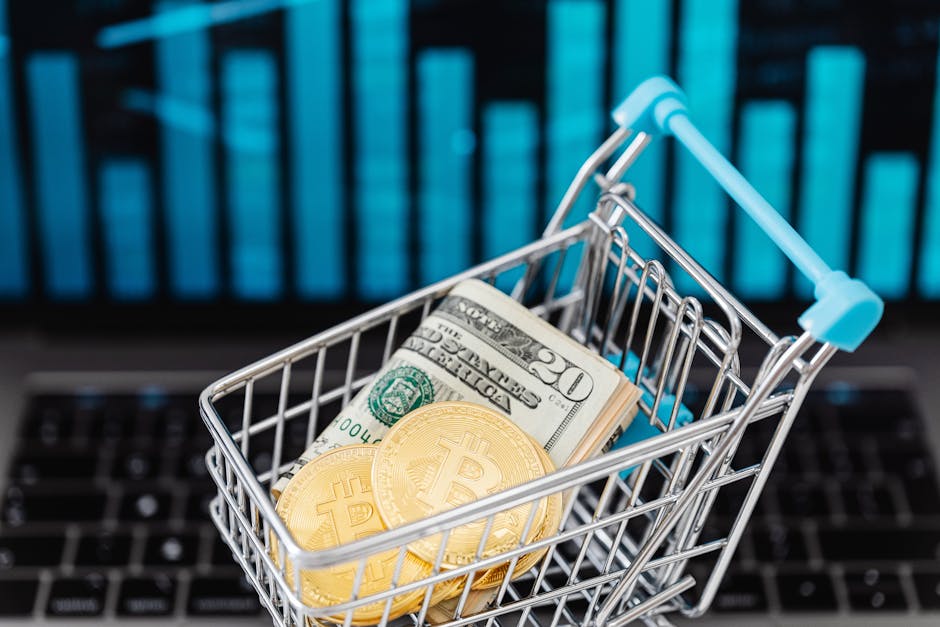
  • The Impact of Inflation on Family Budgets: Insights and Strategies

    The Impact of Inflation on Family Budgets: Insights and Strategies

    The Impact of Inflation on Family Budgets: Insights and Strategies

    As inflation continues to affect economies across the globe, households are experiencing shifts in their spending habits. Rising prices for essentials such as food, gas, and housing can trigger changes in consumer behavior that can be felt in every sector of the economy. Understanding how inflation alters spending is crucial for both managing personal finances and navigating the broader economic landscape.

    Understanding Inflation and Its Effects

    To grasp the impact of inflation on household spending, it’s essential to understand what inflation is. Simply put, it refers to the rate at which the general level of prices for goods and services rises, leading to a decrease in purchasing power. When inflation increases, consumers find that their money doesn’t stretch as far as it used to, which can prompt significant changes in their spending habits.

    When prices rise, households often need to evaluate their expenditures more critically. Basic needs may take precedence over discretionary spending, forcing families to prioritize essentials like groceries, rent, and utilities while cutting back on fun activities or luxury items.

    1. Shifts in Grocery Shopping Habits

    One of the first areas where families feel the pinch is in their grocery budgets. Every trip to the supermarket can serve as a wake-up call regarding how quickly prices can climb. For example, if the price of a staple item like bread increases, families might start opting for generic brands or considering bulk purchases. This adjustment could also lead to exploring less expensive alternatives or adjusting meal planning strategies to accommodate for rising food costs.

    In this scenario, what I would do first is assess weekly shopping lists and identify items that can be substituted or removed without compromising nutritional value. Utilizing coupon apps or joining supermarket loyalty programs can also provide significant savings over time. Observing sales patterns and being open to switching brands based on price trends can lead to substantial monthly savings.

    2. Changes in Dining Out Preferences

    The cost of dining out has surged during inflationary periods as well. Many families once found dining out convenient and enjoyable, but as prices soar, going to restaurants becomes a more significant financial decision. Consequently, households may switch from frequent dining out to a culture of cooking more at home, experimenting with new recipes to replace favorite culinary experiences.

    AdSense Area 1
    Google AdSense code can be inserted here later.
    The Impact of Inflation on Family Budgets: Insights and Strategies

    A practical way to start is to create a weekly meal plan that incorporates more home-cooked meals. This not only reduces expenses but also fosters creativity in the kitchen. The mistake I often see beginners make is holding onto expensive habits, thinking that they can still afford them without reevaluating their budgets. By understanding the implications of inflation on restaurant prices, families can make conscious choices about when and how often to indulge in dining out.

    3. Transportation and Commuting Adjustments

    With rising fuel costs, many households are reevaluating their transportation methods. Car ownership and maintenance expenses can become burdensome, prompting families to consider alternatives such as public transportation, carpooling, or even biking. This shift can lead to environmental benefits and foster community connections among neighbors.

    To effectively navigate transportation costs, one action step is to regularly monitor fuel prices and adjust travel routes to maximize efficiency. For example, combining errands into a single trip can minimize fuel expenses. Families may also look into remote work options if available, significantly reducing commuting costs and time.

    4. Impact on Housing Decisions

    Housing expenses represent one of the most significant financial burdens for many families. As inflation drives up rental costs and property values, families may reassess their living situations. Some may find it necessary to downgrade to more affordable accommodations or move to regions where living expenses are lower.

    The best course of action is to evaluate current living conditions critically. I would suggest exploring options for renegotiating lease terms or considering shared living arrangements to mitigate costs. For those with the flexibility, relocating to areas with better affordability could also be a viable solution.

    5. Modifications in Budget Planning

    As inflation affects spending habits, households often revisit their financial plans to account for rising costs. This can include stricter budgeting techniques, such as the zero-sum budget approach, where every dollar is allocated, leaving no room for overspending.

    Quick Action: Choose one practical idea from this article and apply it today.
    AdSense Area 2
    Second ad placement area for longer content.

    A practical way to start is by listing all income sources and current expenditures. Families can then track spending patterns over a few months to identify non-essential expenses that can be eliminated or reduced. Adaptability in budgeting is crucial during inflationary periods, encouraging a proactive approach to managing finances.

    6. Increased Savings and Emergency Funds

    Amidst rising prices, families might prioritize building up savings or emergency funds. This focus can provide a safety net for unforeseen expenses and reduce reliance on credit, which can become a burden during times of economic uncertainty.

    To build an emergency fund, what I would advise is starting small. Even setting aside a minimal amount each month can lead to accumulating a significant reserve over time. Families can initiate this process by automating transfers to a savings account each payday, ensuring consistent growth without needing to rethink their strategies regularly.

    7. Reevaluation of Long-Term Financial Plans

    Lastly, inflation can affect long-term financial goals and investment strategies. Individuals may find that current savings strategies need adjusting to account for the changing economic climate. This could include re-evaluating retirement plans or investment portfolios to mitigate potential risks associated with inflation.

    A thoughtful way to navigate these challenges is to consult with a financial advisor with experience in inflationary markets. Families should analyze how inflation impacts their long-term financial outlook and make informed decisions to adapt to changing circumstances. The mistake I often see is a passive approach—waiting and hoping conditions will improve instead of actively seeking solutions.

    Personal Opinion

    In my personal opinion, while inflation can be daunting, it provides an opportunity for families to reassess and realign their financial priorities. By adopting a proactive approach to budgeting and spending habits, families can successfully navigate these turbulent economic waters. The key is to remain adaptable and open to change, creating positive behaviors that extend beyond inflationary periods. Moreover, sharing strategies and challenges with friends and family can foster community support, turning a stressful situation into a cooperative learning experience. Let’s embrace this period as a time for growth, not just in finances but in resourcefulness and resilience.

    The Impact of Inflation on Family Budgets: Insights and Strategies

    Profit Flow Daily shares practical insights on global markets, online income, Korean culture, Korean food, beauty, travel, and work life.

    This article is for informational purposes only and should not be considered financial, investment, legal, medical, or tax advice.

  • Navigating Economic Uncertainty: A Guide for Everyday Individuals

    Navigating Economic Uncertainty: A Guide for Everyday Individuals

    Navigating Economic Uncertainty: A Guide for Everyday Individuals

    In times of economic uncertainty, many individuals find themselves feeling anxious about their financial future. Factors such as inflation, fluctuating job markets, and global events can create a sense of turmoil that affects daily living. Understanding what these uncertainties mean for you is essential for making informed decisions that can help mitigate risks and improve your financial stability.

    Understanding Economic Indicators

    Economic indicators are statistics that provide insight into the health of an economy. They can range from unemployment rates to consumer spending. During periods of uncertainty, these indicators often become highly scrutinized, impacting public confidence and behavior.

    The first step is to familiarize yourself with key indicators that directly affect your life. For example, if job growth slows down, fewer companies may be hiring, which could make it more challenging for individuals who are seeking employment. Keeping track of these changes and understanding their significance can empower you to make better financial decisions.

    1. Unemployment Rates

    Unemployment rates are a crucial indicator of economic health. A rising unemployment rate can indicate that businesses are struggling and may lead to job insecurity for many. When I observe trends like this, my first thought is to assess my own job stability and that of my peers.

    A practical way to start is to enhance your skill set. This not only improves your employability but also signals to employers that you’re adaptable and committed to growth, making you a more attractive candidate during tough times. Investing in online courses or certifications can pay dividends in job security.

    2. Inflation Rates

    Inflation reflects the rate at which prices for goods and services rise, eroding purchasing power. When inflation is high, people often feel squeezed as their paychecks buy less than they used to. The mistake I often see beginners make is ignoring these signs, thinking they can continue to manage their budgets as before without adjustments.

    A practical approach is to revisit and adjust your budget during inflationary periods. Look for non-essential items you can cut back on and consider how you might prioritize critical expenses. For instance, if gas prices soar, limiting unnecessary travel can make a significant difference in your budget.

    3. Consumer Confidence

    Consumer confidence measures how optimistic or pessimistic consumers are about the economy. When confidence falls, spending typically decreases, leading to a slowdown in economic growth. I remember a time when consumer sentiment plummeted, and it was evident in local shops as sales dropped.

    As a response, consider your spending habits during uncertain times. Focusing on supporting local businesses not only fosters community but can also create a safety net for yourself, ensuring that you have access to essential goods and services even if larger national chains fluctuate.

    AdSense Area 1
    Google AdSense code can be inserted here later.
    Navigating Economic Uncertainty: A Guide for Everyday Individuals

    Impact on Personal Finances

    When faced with uncertainty, personal finances often take center stage. It’s important to evaluate your financial health and have strategies in place to cope with potential changes. Recognizing the state of your finances allows you to navigate through uncertain times more smoothly.

    The first thing to evaluate is your savings. Having a sufficient emergency fund can alleviate some fears. A common suggestion is to save at least three to six months’ worth of living expenses. However, some may need to adjust this based on their personal circumstances, especially in a fluctuating economy.

    1. Building an Emergency Fund

    An emergency fund serves as a financial buffer against unexpected expenses. During economic downturns, this fund plays a critical role in providing peace of mind. What I would do first is assess current savings, aiming for specific financial goals, like achieving a certain balance in the fund.

    A practical way to start is by setting up automatic transfers from your checking account to your savings. Even small amounts add up over time, and having this fund can significantly reduce the stress of unforeseen situations, whether it’s job loss or sudden medical expenses.

    2. Reviewing Debts

    Debt can become particularly burdensome in uncertain economic climates. If income fluctuates, even a small amount of debt can become overwhelming. The mistake I often see individuals make is ignoring their debt situation, allowing it to accumulate instead of proactively managing it.

    Your focus should be on prioritizing high-interest debts, as these can quickly become unmanageable. A practical action is to create a debt repayment plan that focuses on minimizing interest payments while still making regular payments on all debts. This not only frees up cash flow but also reduces overall financial stress.

    Investment Strategies for Uncertain Times

    Investing might seem counterintuitive during economic uncertainty, but even in such conditions, there are opportunities for building wealth. A level-headed approach to investment can help you make thoughtful decisions rather than reactive ones.

    Understanding your risk tolerance is critical. In turbulent markets, you may be tempted to pull out of investments or switch strategies, which could lead to losses. Instead, consider diversifying your portfolio to minimize risks associated with market volatility.

    1. Diversification

    Diversifying means spreading investments across different asset classes or sectors. This strategy helps mitigate risks, as not all sectors will react the same way to economic shifts. What I would do first is review my current investments to ensure I’m not overly reliant on a single sector.

    A practical way to achieve diversification is through index funds or ETFs that cover a broader range of stocks. By investing in these vehicles, you can gain exposure to various markets while reducing the risk associated with individual stocks since their performance often balances each other out during downturns.

    Quick Action: Choose one practical idea from this article and apply it today.
    AdSense Area 2
    Second ad placement area for longer content.

    2. Long-Term Perspective

    It’s easy to get caught up in daily market fluctuations, especially when the news is filled with negative reports. However, maintaining a long-term perspective can be beneficial. The mistake I often see begins with investors reacting to short-term trends instead of considering their long-term plans.

    Focusing on long-term goals rather than short-term gains can lead to better investment decisions. Establishing a commitment to your investment strategy—even in volatile times—can help you stick to your plan and minimize impulsive reactions during downturns.

    Adjusting Lifestyle Choices

    Your lifestyle decisions can have a significant impact on how well you weather economic uncertainty. Small adjustments in everyday habits can lead to substantial savings or different approaches to financial management.

    A valuable first step is to create a spending plan aligned with your financial goals. I often advise others to track their expenses, allowing them to visualize where their money is going and identify potential savings opportunities.

    1. Frugal Living Practices

    Adopting frugal living practices can help ensure you’re living within your means. During times of economic downturn, this becomes even more critical, and many find that living simply alleviates financial pressure. For instance, I have seen firsthand how meal prep can reduce restaurant spending significantly.

    One practical way to start is by exploring local markets for seasonal produce or bulk buying essentials. This not only supports local farmers but also provides significant cost advantages while encouraging healthier eating habits.

    2. Financial Education

    Misinformation can lead to poor financial choices, especially during uncertain times. Investing time in financial education can empower you and improve decision-making. I’ve found that many people tend to overlook resources available through local community programs or online platforms.

    Consider setting aside time each week to read articles, listen to podcasts, or attend webinars on financial literacy. By doing so, you’ll be better equipped to navigate economic challenges and identify opportunities that align with your personal goals.

    Personal Opinion

    In my personal opinion, navigating economic uncertainty requires a blend of strategic foresight and adaptability. While the general atmosphere may feel daunting, it’s essential to approach it with preparedness rather than fear. Educating oneself about financial matters, maintaining a realistic budget, and being mindful of spending can greatly impact how you weather the storm. In the end, while external factors are beyond control, our responses to these challenges are what ultimately define our financial resilience.

    Navigating Economic Uncertainty: A Guide for Everyday Individuals

    Profit Flow Daily shares practical insights on global markets, online income, Korean culture, Korean food, beauty, travel, and work life.

    This article is for informational purposes only and should not be considered financial, investment, legal, medical, or tax advice.

  • Understanding the Impact of Inflation on Household Spending Behavior

    Understanding the Impact of Inflation on Household Spending Behavior

    Understanding the Impact of Inflation on Household Spending Behavior

    Inflation affects nearly every aspect of the economy, but its impact on household spending is particularly profound. With rising prices for goods and services, families must make critical adjustments in their budgets to cope with the financial strain. Understanding these changes not only helps individuals plan better but also allows businesses to respond appropriately to shifting consumer behavior.

    1. Prioritizing Essential Purchases

    When inflation hits, the first instinct for most households is to reevaluate their spending priorities. Essentials such as groceries, utilities, and medical expenses often become the focal point of budgets. This shift can lead to reduced spending on non-essential items, which impacts both consumer habits and businesses that rely on discretionary spending.

    For instance, families may find themselves buying less organic produce and opting for generic brands instead. Observing this change, grocery stores might respond with sales promotions on essential items or bulk buying options to attract budget-conscious consumers. This trend highlights the importance of businesses adjusting their offerings according to changing consumer needs.

    2. Altering Purchasing Patterns

    Another significant change that occurs during inflationary periods is the shift in purchasing patterns. Households tend to seek value, gravitating towards discount stores, thrift shops, and online sales to stretch their budgets. This adjustment not only reflects a change in shopping habits but also indicates a decline in confidence towards the economy.

    A practical way to start saving is by creating a list of the necessary items and top brands that offer good quality at a lower price point. For example, rather than purchasing new clothes, families might decide to shop at consignment stores or swap clothes with friends. Such actions can help reduce expenditure while still fulfilling needs.

    3. Emphasizing Utility Over Luxury

    As disposable income shrinks due to rising costs, households often prioritize utility over luxury. Items that previously may have been viewed as essential might now be categorized as luxuries. Instead of treating themselves to a nice dinner out or a weekend getaway, families are more likely to invest in home improvements or durable goods that offer long-term value.

    The mistake I often see beginners make is not factoring in the necessity of evaluating their longer-term purchases. For example, while replacing a faulty appliance, it may seem prudent to choose the cheapest option. However, a more durable appliance with better energy efficiency may offer savings in the long run. This change in mindset is crucial during times of inflation.

    AdSense Area 1
    Google AdSense code can be inserted here later.
    Understanding the Impact of Inflation on Household Spending Behavior

    4. Seeking Alternatives

    In tight financial circumstances, households often become more creative and resourceful. Seeking alternatives for common expenses can lead to innovation in budgeting. Families may start using public transportation instead of driving, cooking at home instead of dining out, or even swapping services with friends to save money.

    A practical way to start is by brainstorming simple alternatives for common expenses. For instance, consider pooling resources with neighbors for bulk buying groceries or sharing tools for home repairs. This collaborative approach not only saves money but can also foster stronger community bonds.

    5. Increasing Savings for Emergencies

    Inflation can create a sense of uncertainty, prompting many households to increase their savings for emergency funds. By setting aside extra money that might usually go towards discretionary spending, families can buffer against potential financial shocks. This increase in savings can help limit stress and provide a financial cushion amidst rising costs.

    To effectively grow an emergency fund, families can automate their savings, transferring a specific percentage of their income directly into a savings account each month. A practical way to encourage this habit is to start small, perhaps allocating just 1% of their income to savings, which can gradually increase over time as spending patterns change.

    6. Reassessing Investment Strategies

    With increased inflation, many households reconsider their investment strategies. Higher inflation often leads to increased interest rates, meaning that traditional savings accounts will yield lower returns, prompting families to seek alternatives like bonds, stocks, or real estate investments that may serve as hedges against inflation.

    However, the mistake many make is diving into investment decisions without sufficient research. A practical action step is to consult reputable financial articles or seek advice from a financial advisor to ensure that investment choices reflect current economic conditions while aligning with personal risk tolerance and financial goals.

    7. Navigating Debt Responsibly

    During periods of inflation, managing existing debt can become more daunting as interest rates may rise. Households need to strategize on how to navigate their debts while still covering essential expenses. This may involve focusing on paying off high-interest debts first while ensuring that minimum payments are met for other obligations.

    A common mistake is ignoring the impact of inflation on debt repayment strategies. For example, while it may seem like a good idea to use savings to pay down debts, rising prices could necessitate those savings for unexpected costs. A better approach might be to maintain a balanced strategy that considers both debt repayment and maintaining necessary cash flow.

    Quick Action: Choose one practical idea from this article and apply it today.
    AdSense Area 2
    Second ad placement area for longer content.

    8. Understanding Ethical Consumerism

    The current economic climate prompts many consumers to think critically about their purchasing choices. Ethical consumerism may see a rise as households become increasingly aware of how their spending impacts both society and the environment. Thus, more families may choose to support local businesses or brands that align with their values during inflationary periods.

    For example, instead of purchasing from large corporations, families might invest in locally sourced products, which often circulate more of their money back into the community. A practical recommendation is to research local artisans or cooperatives that offer high-quality products at competitive prices.

    9. The Role of Education in Financial Literacy

    In an era of rising costs, educating oneself about financial literacy becomes increasingly crucial. Households that understand economic principles and financial management can make more informed decisions regarding their spending, saving, and investments, leading to better outcomes in an inflationary context.

    A practical way to begin enhancing financial literacy is to read books or take online courses focusing on budgeting and investing. Additionally, engaging in discussions with knowledgeable friends or family can provide valuable insights and different perspectives on navigating financial challenges.

    10. The Importance of Community Support

    No one should navigate economic challenges alone. Community support structures, such as local food banks or cooperative initiatives, can provide essential resources for families struggling with high prices. These organizations play a vital role in fostering a sense of togetherness and shared resilience during tough times.

    A practical action is to get involved in community resources, whether through volunteering, donating, or simply utilizing services that provide support. Building a network of support can alleviate some financial pressure and cultivate lasting relationships within the community.

    Personal Opinion

    In my personal opinion, understanding the multifaceted effects of inflation on household spending can empower consumers to make informed decisions. Adapting to changing economic conditions is part of life, and those who approach these shifts thoughtfully will fare better in both personal finances and communal engagement. Adjusting spending habits, fostering community connections, and investing in financial knowledge are pivotal in maneuvering through inflation. Establishing a mindset that welcomes change, rather than fearing it, can lead to not just survival but also growth beyond economic challenges.

    Understanding the Impact of Inflation on Household Spending Behavior

    Profit Flow Daily shares practical insights on global markets, online income, Korean culture, Korean food, beauty, travel, and work life.

    This article is for informational purposes only and should not be considered financial, investment, legal, medical, or tax advice.

  • Understanding the Impact of Inflation on Household Spending Patterns

    Understanding the Impact of Inflation on Household Spending Patterns

    Understanding the Impact of Inflation on Household Spending Patterns

    Inflation has a profound effect on the economic landscape, influencing household budgets and spending behaviors. As prices rise, families often find themselves reassessing their expenditures, seeking ways to make their money stretch further. In this piece, we will explore how heightened inflation is reshaping consumer behavior, impacting various sectors, and prompting adjustments in household spending habits.

    Why Inflation Matters

    Inflation refers to the rate at which the general level of prices for goods and services rises, resulting in decreased purchasing power. When inflation rises, consumers experience a noticeable change in their daily lives, from grocery shopping to major purchases. The importance of understanding inflation cannot be overstated; it affects not only individual households but also the economy as a whole.

    Household Budgeting in Inflationary Times

    What I would do first is take a long, hard look at my household budget. Many families find that their expenses shift dramatically during periods of inflation. For instance, you might notice a spike in food prices, which influences grocery shopping habits. Families may opt for cheaper brands or decide to buy in bulk to save money over time. Examining your monthly expenditures is crucial for identifying where changes are necessary.

    A practical way to start is by categorizing your spending into essentials and non-essentials. Essentials include housing, utilities, food, and transportation, while non-essentials cover items like entertainment, dining out, and luxury goods. This distinction allows households to prioritize spending in essential categories first and make informed cuts in areas where they can afford to decrease costs.

    Shifting Priorities: Essentials vs. Non-Essentials

    The mistake I often see beginners make is neglecting to reevaluate their priorities during economic changes. As inflation rises, what used to be considered luxuries can quickly transform into unaffordable expenses. For example, a family may reduce the frequency of dining out or cancel streaming subscriptions. These adjustments are necessary to allocate financial resources towards rising costs for essentials.

    Moreover, this shift encourages households to find innovative ways to enjoy leisure without significant spending. For instance, hosting potluck gatherings instead of dining out can foster community while keeping expenses down. Engaging in local community events, many of which are free, can also help families entertain themselves without straining their budgets.

    Long-Term Financial Planning in an Inflationary Climate

    As inflation impacts household finances, long-term financial strategies must be revisted. Families might consider opting for fixed-rate loans when purchasing homes or vehicles, enabling them to lock in lower payments amidst rising prices. This can protect against the likelihood of increased interest rates combined with higher prices.

    AdSense Area 1
    Google AdSense code can be inserted here later.
    Understanding the Impact of Inflation on Household Spending Patterns

    Additionally, creating an emergency fund becomes imperatively important. This financial safety net allows households to manage unexpected expenses that may arise from price fluctuations associated with inflation. Setting aside a small percentage of income each month into a dedicated savings account can prepare you for unanticipated financial challenges in the future.

    Exploring Alternative Spending Strategies

    Another strategy to consider is exploring alternative purchasing methods. Buying second-hand or refurbished items is gaining popularity as inflation influences consumer choices. Thrift shops and online marketplaces offer significant savings, with many high-quality goods available at a fraction of retail prices.

    For example, rather than purchasing a brand-new appliance, consider visiting local resale shops or checking out online forums where people sell gently used items. This not only supports sustainable practices but also aligns with smarter spending in an inflationary environment.

    Adapting Meal Planning and Grocery Shopping

    In light of fluctuating food prices, meal planning can be an effective tool for combating inflation’s impact on grocery budgets. Families can save significantly by reviewing weekly sales and preparing a list based on what is affordable. This approach minimizes impulsive purchases and helps avoid overspending on items that aren’t necessary.

    A practical action step is to dedicate one day a week to plan meals based on what’s on sale that week. This strategy not only saves money but also reduces food waste, ensuring that you enjoy meals without breaking the bank.

    The Role of Technology in Household Spending

    As inflation alters spending patterns, technology can play a crucial role in managing finances. Various budgeting apps help families track their spending habits, offering insights into where money is going and where adjustments can be made. These tools allow for real-time monitoring of expenses and empower households to make more informed financial decisions.

    Additionally, subscribing to price comparison websites can help families stay aware of price changes across stores. An example of this could be tracking the price of specific groceries over time to determine the best store for particular items, ultimately leading to smarter shopping choices.

    Quick Action: Choose one practical idea from this article and apply it today.
    AdSense Area 2
    Second ad placement area for longer content.

    Community Support and Shared Resources

    In times of economic strain, community support networks become more vital than ever. Many neighborhoods organize sharing programs, where residents exchange services or goods. For instance, bulk purchasing groups can reduce costs for groceries and other essentials through collective buying.

    Being proactive in community initiatives not only helps families save money but also fosters social connections that can prove invaluable during tough economic times. In today’s hyper-connected world, leveraging social media can also bring about opportunities for resources, knowledge, and shared experiences.

    Adjusting Investment Strategies

    Households not only need to adapt their spending but also reconsider their investment strategies when inflation looms large. For instance, fixed-income investments often suffer during inflationary periods due to reduced purchasing power. Families may want to explore assets that traditionally perform well in inflationary environments, such as commodities or real estate.

    However, the mistake I see with investors is waiting too long to diversify their portfolios. Being proactive about diversifying investments helps mitigate risk and better positions families against future economic uncertainty.

    Learning from Financial Education Resources

    Financial literacy plays a paramount role in navigating inflation’s challenges. Families should prioritize education about managing finances, understanding inflation, and exploring strategic investments. Online courses, webinars, and workshops can provide valuable insight into prudent financial planning.

    By educating themselves, families become empowered to make informed decisions about adjustments in their spending habits in response to economic changes, ultimately promoting a higher standard of financial wellness.

    Personal Opinion

    In my personal opinion, the ability to adapt to changing economic conditions presents a true test of resilience. It’s important to be proactive rather than reactive when it comes to household finances, especially during challenging times. By revisiting budgets, prioritizing essential expenditures, and seeking alternative strategies, families can navigate inflationary pressures more effectively. Ultimately, fostering a mindset of flexibility and willingness to change can lead to better financial stability. Investing time in understanding how inflation affects spending habits equips families to make decisions that will serve them well into the future.

    Understanding the Impact of Inflation on Household Spending Patterns

    Profit Flow Daily shares practical insights on global markets, online income, Korean culture, Korean food, beauty, travel, and work life.

    This article is for informational purposes only and should not be considered financial, investment, legal, medical, or tax advice.