Korean skincare has taken the beauty world by storm in recent years, capturing the hearts and routines of beauty enthusiasts globally. Its unique formulations, innovative techniques, and holistic approach to skin health make it stand out in a crowded market. But what exactly drives this phenomenon, and why do so many people swear by products originating from Korea?
1. Emphasis on Natural Ingredients
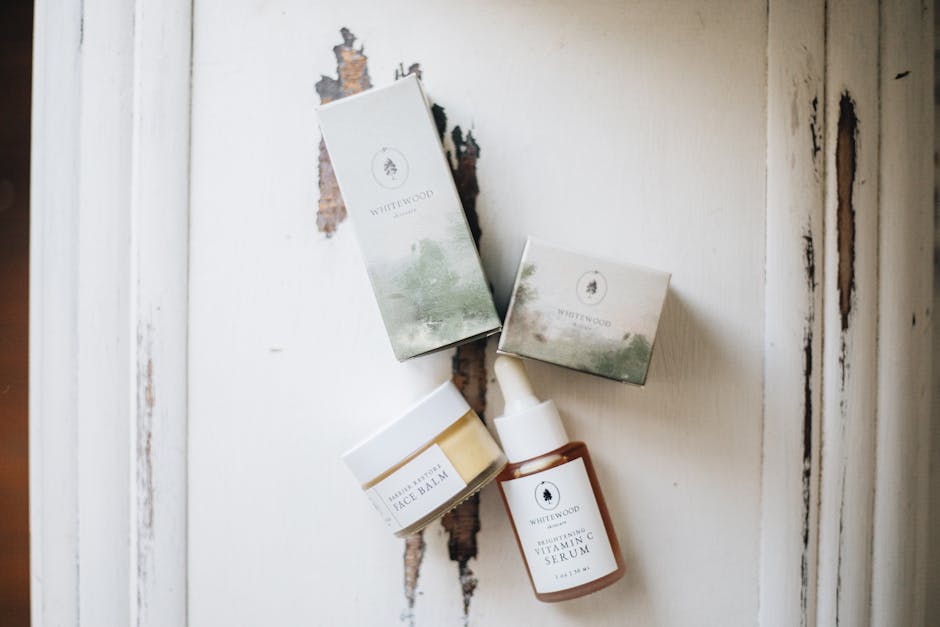
One of the key aspects that set Korean skincare apart is its focus on natural ingredients. Brands often utilize botanical extracts, herbs, and various oils that are not only gentle on the skin but also effective. Ingredients like ginseng, green tea, and rice are often highlighted for their beneficial properties. These components are chosen not just for their skin benefits but also for their cultural significance in Korea.
This dedication to natural ingredients allows many consumers to feel that they are making a safer choice for their skin. For example, the inclusion of fermented ingredients such as fermented rice or soy helps improve skin texture and maintain a youthful appearance. Many users appreciate the fact that they are not just slathering chemicals on their face but applying products that are grounded in the practices of centuries-old traditions.
2. Layering and Consistency
The multi-step skincare routine popularized by K-beauty advocates a layering technique that emphasizes consistency and personalized care. Typically, a comprehensive regimen can include anywhere from five to ten steps, often starting with a gentle cleanser and working up to sunscreen. This methodology allows for deep hydration and a focused approach to specific skin concerns.
This practice has been beneficial for individuals with diverse skin types. For instance, someone with oily skin could tailor their routine to include lighter, water-based products, while someone with dry skin might opt for thicker creams and oils. The emphasis on layering also sends a message about the importance of skincare as a self-care ritual—allowing individuals to take time for themselves in a busy world.
3. Innovation and Technology
The Korean beauty industry is known for its cutting-edge research and development. Brands are constantly releasing new products that incorporate the latest advancements in science, often focusing on unique textures and formulations. For example, products like Mizon’s Snail Repair Cream utilize snail mucin as an innovative key ingredient that has gained immense popularity for its healing properties.
AdSense Area 1 Google AdSense code can be inserted here later.
Furthermore, the rapid pace of change in the industry means consumers are often presented with novel options, keeping their skincare routine fresh and exciting. Many K-beauty brands also focus on transparency regarding the science behind their products, which helps to build trust with consumers around the world. This blending of tradition with modern innovation is a compelling attraction for those seeking effective skincare solutions.
4. Cultural Influence and K-Beauty Trends
Korean culture, including its music, films, and television dramas, has significantly shaped the global appeal of Korean skincare. The rise of K-Pop and the Hallyu Wave has created a massive platform for promoting skincare routines modeled by popular idols and celebrities, who often share their own beauty tips. Artists frequently endorse products, influencing fans to emulate their beauty regimes. A notable example is the skincare routine of BTS members, which fans have taken inspiration from.
This cultural exchange has transformed skincare into a lifestyle choice rather than just a necessity. Fans of K-culture are often motivated not just by the products themselves but by the lifestyles and values they represent. For many, adopting Korean skincare routines is a way to connect more deeply with this vibrant culture, thus fueling the demand for these products worldwide.
5. Accessibility and Pricing
Another factor contributing to the success of Korean skincare on a global scale is its wide array of pricing options. K-beauty brands cater to various budgets; whether someone is seeking high-end luxury products or affordable drugstore finds, there is something available for everyone. Brands like Innisfree and The Face Shop offer quality at accessible price points, allowing many to experiment without breaking the bank.
This accessibility encourages consumers to try multiple products, which aligns well with the layering philosophy. Additionally, many K-beauty products come in innovative packaging and convenient sizes, making them user-friendly and fun to incorporate into everyday routines. As online shopping becomes increasingly popular, international consumers can easily obtain these products from various e-commerce platforms, further enhancing accessibility.
6. Educational Resources and Community Support
The internet has played a crucial role in spreading knowledge about K-beauty and has fostered communities where individuals share their experiences, tips, and product recommendations. Social media platforms like Instagram, TikTok, and YouTube are rife with tutorials, reviews, and unboxing videos that help newcomers navigate the sometimes overwhelming array of available products.
Quick Action: Choose one practical idea from this article and apply it today.
AdSense Area 2 Second ad placement area for longer content.
This educational aspect is particularly important for beginners who might not know where to start. Many influencers break down multi-step routines and demystify the ingredients list, making it easier for everyone to understand how to care for their skin. By creating an engaged community around K-beauty, brands and consumers alike can discuss their challenges, share results, and celebrate successes together.
7. Holistic Approach to Beauty
Korean skincare advocates a holistic approach that emphasizes not only external care but also internal health and mindfulness. Regular practices such as meditation, eating well, and maintaining a balanced lifestyle are often seen as integral to achieving healthy skin. This philosophy relates directly to the idea that beauty is not just skin-deep but a reflection of one’s overall health and well-being.
Consumers have begun to appreciate the mental health aspects of a skincare routine—taking the time to care for one’s skin can serve as a form of self-care. This self-reflective methodology resonates with many, sparking a deeper connection to the brand and its philosophy. By viewing beauty as a comprehensive lifestyle experience, rather than a superficial trend, K-beauty promotes a more sustainable and fulfilling approach.
Personal Opinion
In my personal opinion, the surge in popularity of Korean skincare stems from more than just effective products; it embodies a cultural exchange that resonates on numerous levels. From what I have observed in Korean daily life, there is a deep commitment to self-care and holistic well-being that creates a powerful narrative around skincare. One thing that often surprises is how much value is placed on skin health as a form of self-expression and identity in Korean culture.
In Korean workplaces or everyday culture, I often notice an emphasis on appearance and presentation, which can motivate individuals to invest time and effort into their skincare routines. This not only boosts personal confidence but adds a communal aspect, as friends share recommendations and support each other through their skincare journeys. Overall, the combination of effective ingredients, cultural influence, and the joy of experimenting with various products makes Korean skincare a compelling option for countless individuals worldwide.
Profit Flow Daily shares practical insights on global markets, crypto, investing, online income, and Korean culture.
This article is for informational purposes only and should not be considered financial, investment, legal, medical, or tax advice.


답글 남기기