The rise of Korean food on the global stage is a captivating phenomenon that showcases not just a culinary trend, but a cultural exchange that highlights the richness of Korea’s culinary heritage. From spicy kimchi to savory bulgogi, Korean cuisine has struck a chord with food enthusiasts around the world. This shift can be attributed to various factors that intertwine the unique flavors of Korea with global appreciation for diverse culinary experiences.
1. The Influence of K-Dramas and K-Pop
One major factor contributing to the popularity of Korean food is the rise of K-culture, particularly K-dramas and K-pop. These entertainment mediums have significantly raised global awareness and interest in Korean lifestyle, including its food. K-dramas often include scenes featuring appetizing dishes that reflect cultural values and family bonds, which resonates deeply with viewers. Fans not only want to watch their favorite characters enjoy these meals, but they often seek out these dishes to experience a taste of the story themselves.
K-pop has similarly created a massive platform for the promotion of Korean culture. Music videos often showcase vibrant food and dining experiences, making them an integral part of the visual storytelling. Fans find themselves intrigued not just by the music, but also by the lifestyle that surrounds it. As a result, global audiences have developed a curiosity about the meals depicted, leading many to dine at Korean restaurants or try their hand at cooking traditional dishes at home.
2. Health Benefits of Korean Cuisine
The growing emphasis on healthy eating has also played a pivotal role in enhancing the popularity of Korean food. Korean dishes often highlight fresh ingredients, fermented foods, and a balance of flavors that cater to contemporary health-conscious consumers. For instance, vegetables are used abundantly in traditional recipes, and many dishes are prepared with minimal oil, allowing the natural taste of the ingredients to shine through.
Moreover, fermented foods like kimchi are rich in probiotics, which have been linked to various health benefits, such as improved digestion and enhanced immune function. This has garnered attention from nutritionists and health enthusiasts who advocate for a balanced diet. As more people become aware of these benefits, they are turning to Korean cuisine as a flavorful and healthy alternative to their usual meals.
3. The Role of Social Media
Social media platforms have transformed how people discover and celebrate food. Instagram, TikTok, and YouTube abound with food influencers and creators showcasing their culinary experiences, and Korean cuisine is frequently a star on these platforms. The vibrant and colorful presentation of dishes such as bibimbap and tteokbokki is inherently photogenic, making it perfect for social media sharing.
AdSense Area 1 Google AdSense code can be inserted here later.
Many individuals have learned how to prepare Korean meals through online tutorials, further driving their interest and involvement in Korean cooking. Users are not just passive consumers; they engage actively by sharing their own renditions of Korean dishes, creating a community centered around appreciation for this cuisine. This sharing culture elevates Korean food’s visibility and encourages even more people to try it.
4. Accessibility of Korean Ingredients
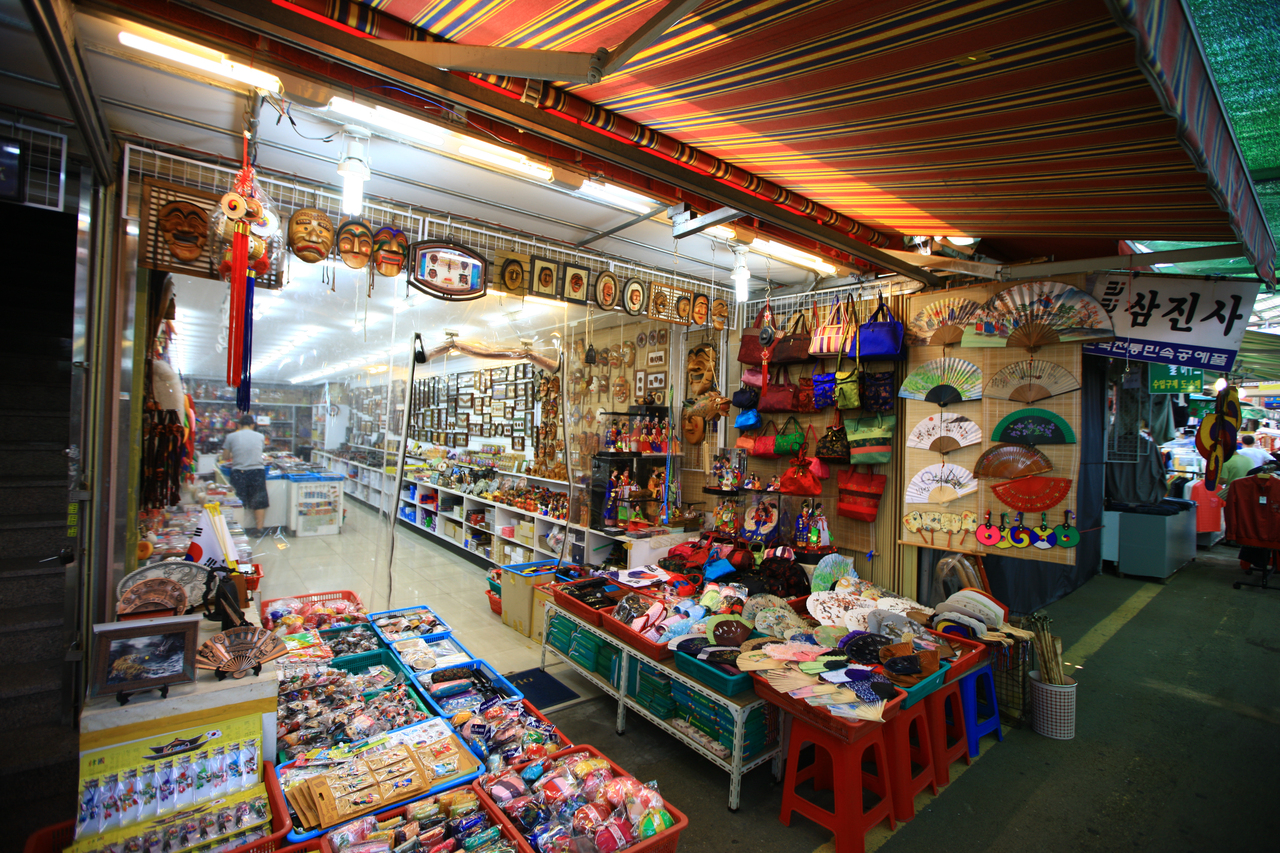
The globalization of the food supply chain has made it easier for people outside Korea to access Korean ingredients. Asian supermarkets are now prevalent in many urban areas around the world, allowing home cooks to find essential ingredients for authentic Korean dishes without hassle. Key ingredients such as gochujang (red chili paste), doenjang (fermented soybean paste), and various kinds of rice have become increasingly available.
The surge of online shopping has also contributed to this accessibility. Many e-commerce platforms offer Korean cooking kits and ingredient shopping options, enabling interested diners to bring Korean flavors into their own kitchens. As people become familiar with using these ingredients, their interest in Korean cooking grows, leading to increased demand for recipes and more diverse offerings in restaurants.
5. The Appeal of Unique Flavors
Korean cuisine is known for its unique and bold flavors that are often a delightful surprise to many. The combination of sweet, spicy, sour, and savory makes each dish compelling and offers a varied dining experience. For instance, the use of garlic and ginger in marinades creates a depth of flavor that is incomparable, while the various textures found in dishes add to the overall enjoyment.
Additionally, the communal aspect of dining in Korean culture, which often involves sharing multiple dishes among diners, enhances the experience. This not only encourages social interaction but allows individuals to sample a wide range of flavors in one sitting. The overall dining philosophy promotes a unique experience, leading to a more fulfilling meal compared to typical individual servings found in many other cuisines.
6. Korean Food Festivals and Culinary Events
Food festivals and culinary events focusing on Korean cuisine have gained traction around the world, further elevating its profile. These events often showcase the versatility of Korean dishes and offer attendees a chance to experience authentic flavors prepared by skilled chefs. Festivals may also feature cooking classes, cultural performances, and tastings, creating a holistic introduction to Korean culinary traditions and practices.
Quick Action: Choose one practical idea from this article and apply it today.
AdSense Area 2 Second ad placement area for longer content.
For example, events like the Korean Food Festival in Los Angeles or K-food events in London introduce a wide audience to various aspects of Korean cuisine, including live cooking demonstrations and food sampling. These events have proven invaluable in educating participants about Korean culture while simultaneously enhancing the global appreciation of its food.
7. The Growth of Korean Restaurants Globally
As the appreciation for Korean cuisine has expanded, so has the supply of Korean restaurants globally. Diners can now find Korean BBQ, restaurants offering traditional dishes, and fusion concepts that blend Korean flavors with local ingredients. This variety caters to diverse tastes and preferences, making it easier for more people to try and enjoy Korean food.
The trend of food trucks and pop-up restaurants has also contributed to this boom. These less formal dining options provide a convenient entry point for individuals unfamiliar with Korean cuisine, allowing them to experiment without a full commitment. With positive experiences, these diners often return to explore further or visit traditional restaurants, creating a ripple effect in the interest of Korean food.
8. Korean Food as a Cultural Ambassador
Korean cuisine serves as a cultural ambassador, opening conversations about Korea’s rich heritage and traditions. From what I have observed in Korean daily life, meals are not just about sustenance but are often an essential part of gatherings and celebrations. Every dish carries a story, and sharing food provides a tangible way to explore and appreciate cultural values.
This cultural significance is a selling point for many people interested in more than just the flavors; they are intrigued by experiencing a piece of Korean culture through its food. This makes each dining experience an opportunity for cultural exploration and fosters a greater appreciation for international diversity.
Personal Opinion
In my personal opinion, the rise of Korean food globally is more than just a passing trend. It reflects a broader acceptance of culinary diversity and an eagerness to explore new flavors and traditions. As someone who observes the interconnectedness brought about by globalization, it’s gratifying to see people worldwide embracing not just the dishes but the stories and culture behind them. Korean cuisine has undeniably earned its place at the global table, and its future seems promising as it continues to bring people together through shared meals and experiences.
Profit Flow Daily shares practical insights on global markets, crypto, investing, online income, and Korean culture.
This article is for informational purposes only and should not be considered financial, investment, legal, medical, or tax advice.






답글 남기기