The world of cryptocurrencies has been both fascinating and tumultuous. With the rise of Bitcoin, Ethereum, and thousands of altcoins, investors have often found themselves on a rollercoaster ride of price fluctuations. While the potential for profit is alluring, it’s vital to consider the risks associated with crashes in this volatile market. This article explores different factors that may contribute to a market crash and how investors can safeguard their investments.
1. Market Volatility
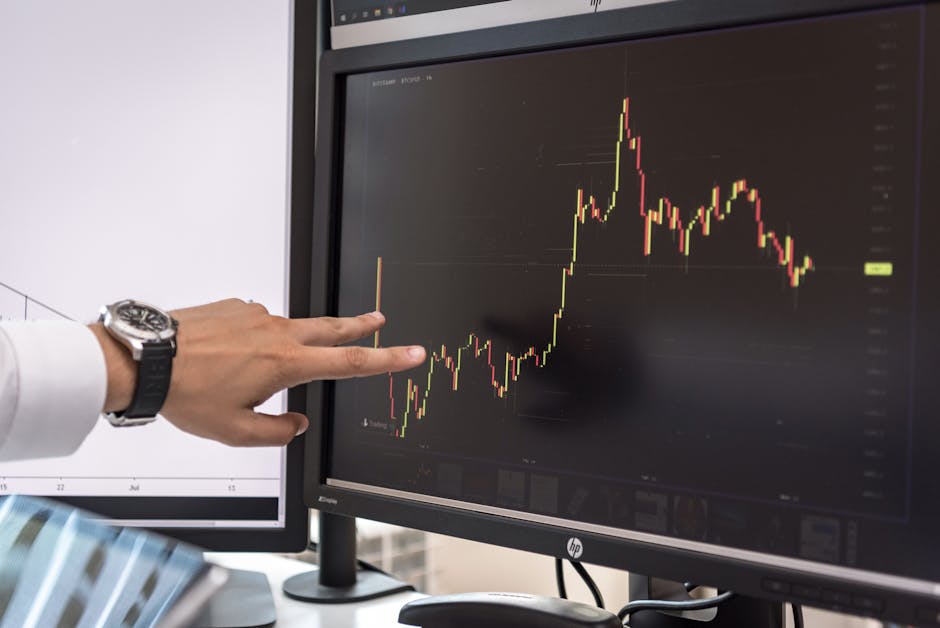
One of the most defining characteristics of the cryptocurrency market is its inherent volatility. Prices can swing dramatically within short time frames, driven by market sentiment, news events, and trading activities. For newcomers, it can feel bewildering as they try to make sense of these rapid changes.
Consider the example of Bitcoin’s price movements during significant events, such as regulatory announcements or technological advancements. When news emerges that may affect market sentiment—positive or negative—traders react instantly, causing prices to surge or plummet. This volatility can lead to a market crash if mass panic sets in, causing a rapid sell-off. What I would do first is to closely monitor news sources and social media channels that focus on cryptos to gauge market sentiment before making investment decisions.
2. Regulatory Changes
Regulation is another significant factor that can influence the stability of cryptocurrency markets. As governments and financial authorities around the world establish their stance on digital currencies, any sudden regulatory announcement can send chills through the market. For instance, when China banned cryptocurrency mining and trading activities, global markets reacted dramatically, resulting in a temporary crash.
The mistake I often see beginners make is assuming that regulations are only a local issue. In reality, global markets are interconnected, meaning that regulatory developments in one country can have repercussions worldwide. A practical way to start is to familiarize yourself with the regulatory landscape in key markets. Follow updates regarding legislation that may impact the crypto sector, especially in major economies that significantly influence market sentiment.
3. Overleveraging and Margin Trading
With the rise of leveraged trading, many cryptocurrency exchanges offer users the option to trade on margin. While this can amplify gains, it also heightens risk significantly. When the market moves against leveraged positions, traders can face liquidation, prompting them to sell their assets hastily, thereby exacerbating downward market trends.
Academically speaking, during the last notable crash in 2021, many traders overextended themselves, leading to cascading liquidations that amplified the drop in prices. A practical way to mitigate risk is to avoid using excessive leverage. Setting strict limits on how much you are willing to risk on leveraged positions can spare you from catastrophic losses in periods of volatility.
AdSense Area 1 Google AdSense code can be inserted here later.
4. Market Manipulation
Another risk factor that has been a point of contention in the cryptocurrency space is market manipulation. This manipulation can take various forms, including pump-and-dump schemes, where a group of traders artificially inflates an asset’s price, only to sell off their holdings at the peak, leaving other investors holding the bag.
Observing patterns in trading volume and price action can often reveal suspicious activities. A practical step is to educate yourself on how to identify potential manipulation tactics. Tools like trading charts and volume indicators can assist in recognizing unusual movements, helping investors make more informed decisions. Ultimately, staying vigilant and exercising caution in trades can help you evade the traps set by malicious actors.
5. Psychological Factors
The psychological aspect of trading cannot be overstated. Fear and greed are powerful motivators that can drive market behavior, leading to irrational decision-making. During bullish trends, investors may become overly confident, while during bear markets, fear can lead to panic selling.
An anecdote that illustrates this point is how during the COVID-19 pandemic, many crypto investors faced psychological pressure when the market dipped drastically in March 2020. Rather than sticking to their investment plans, many were swayed by fear, leading to hasty decisions that they later regretted. A good practice is to create a well-researched investment plan, including entry and exit strategies, and stick to it, regardless of market sentiment.
6. Security Risks
Security breaches pose significant risks in the cryptocurrency landscape as well. Hacks on exchanges where users store their assets can result in massive losses overnight. Calculated attacks can target weaknesses in security protocols, leading to the loss of funds for many individuals.
For instance, the Mt. Gox hack in 2014 resulted in the loss of 850,000 Bitcoins, highlighting the urgency of security in crypto storage. What I would do first is to use hardware wallets rather than keeping assets on exchanges. Private and secure storage options can safeguard your investments from potential hacks.
7. Lack of Fundamental Value
Unlike traditional investments that may generate cash flow or dividends, many cryptocurrencies lack a clear underlying value proposition. When the excitement surrounding a particular coin or token fades, investors may become disenchanted, leading to mass sell-offs, and ultimately, a crash.
Quick Action: Choose one practical idea from this article and apply it today.
AdSense Area 2 Second ad placement area for longer content.
For example, during the initial hype phase of various altcoins, many became overvalued based on speculation rather than solid fundamentals. To navigate this risk, a practical approach is prioritizing thorough research before investing in any cryptocurrency. Understanding what the project aims to solve and its use case in the real world can help you make better investment decisions.
8. External Economic Factors
The broader economic landscape can also impact the cryptocurrency market significantly. Interest rates, inflation rates, and economic stability are important variables that can lead to a downturn in both traditional and crypto markets. For example, changes in monetary policy by central banks can influence liquidity across markets, leading to shifts in investment behavior.
During times of financial uncertainty, investors may retreat to safe-haven assets such as gold, resulting in capital draining from riskier assets like cryptocurrencies. The mistake I often see beginners make is viewing cryptocurrencies in isolation. Keeping an eye on economic indicators can provide a clearer view of potential market trends. A practical way to prepare for such changes is to diversify your portfolio, lessening the impact of adverse movements in one area.
9. Investor Education and Awareness
Lastly, the level of investor education plays a critical role in mitigating risks. Many new investors enter the cryptocurrency space without proper understanding or preparation, making them more vulnerable to the risks discussed above. An informed investor is less likely to fall victim to the whims of the market.
A practical way to bolster your investment acumen is by engaging with educational content. Community forums, webinars, and courses can offer insights and strategies on risk management and investment philosophy tailored to cryptocurrencies. Furthermore, surrounding yourself with experienced investors can bolster your knowledge and help you avoid common pitfalls.
Personal Opinion
In my personal opinion, navigating the world of cryptocurrencies requires a cautious and educated approach. While the allure of quick profits is tempting, the associated risks can lead to significant financial loss if not managed properly. I highly advise anyone interested in this space to commit to continuous learning and to remain wary of impulsive decisions driven by market volatility. Set clear goals, maintain discipline, and remember that investing is a marathon, not a sprint. This mindset will serve you well in the ever-changing environment of crypto markets.
Profit Flow Daily shares practical insights on global markets, crypto, investing, online income, and Korean culture.
This article is for informational purposes only and should not be considered financial, investment, legal, medical, or tax advice.




답글 남기기