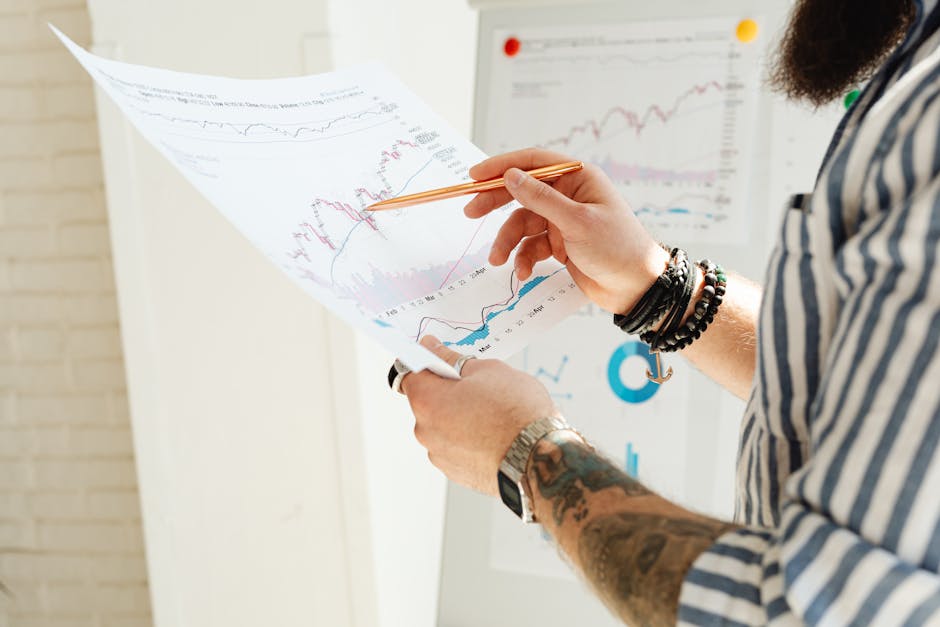
Inflation has become a pressing issue around the globe, affecting everything from the cost of groceries to interest rates on loans. As economies try to recover from the pandemic and adjust to changing market conditions, the implications of rising prices are felt across various sectors. Understanding how inflation affects global economies is crucial for individuals and businesses alike.
1. The Rise of Inflation Rates
In recent years, many countries have witnessed a significant uptick in inflation rates. Central banks, tasked with maintaining price stability, often face the challenge of reacting to sudden inflation spikes. For instance, supply chain disruptions, the result of pandemic-related restrictions and geopolitical tensions, have led to scarcity in goods, pushing prices upward. An increase in demand coupled with insufficient supply often results in inflation, making essential products more expensive.
What I would do first is to regularly monitor the Consumer Price Index (CPI) or similar inflation indicators to stay informed about the economic landscape. This information is vital for making decisions related to purchasing, saving, and investing. Being proactive rather than reactive can help mitigate some potential negative impacts of inflation.
2. Effects on Consumers
As inflation rises, consumers are likely to notice that their purchasing power has diminished. This means that the same amount of money buys fewer goods and services than it did before. Essential items such as food and energy are often the most affected. This can lead to difficult decisions regarding spending priorities, especially for low- and middle-income families.
A practical way to start budgeting amid rising prices is to reassess needs versus wants. For instance, prioritizing essentials like groceries and housing while cutting back on discretionary spending can create a buffer against increased costs. Keeping a detailed budget can help individuals navigate these changes and make informed choices.
3. Inflation and Investment Decisions
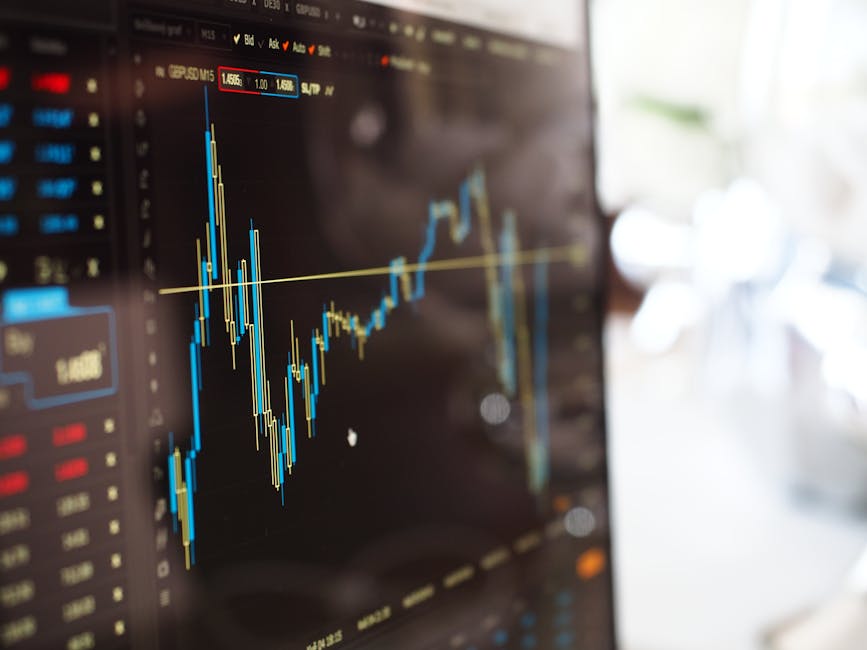
Rising inflation can also impact investment strategies. Traditionally, stocks and real estate tend to perform well over times of inflation, but the risk profile may change. Investors often consider inflation-adjusted returns to determine the true value of their investments. As interest rates rise, the cost of borrowing increases, which could lead to lower consumer spending and slower economic growth.
The mistake I often see beginners make is rushing into investments without understanding the implications of inflation on returns. A well-thought-out investment strategy considers both current economic conditions and long-term trends. Diversifying a portfolio and including inflation-protected securities, such as Treasury Inflation-Protected Securities (TIPS), could provide some level of protection against rising prices.
Google AdSense code can be inserted here later.
4. Business Adaptation Strategies
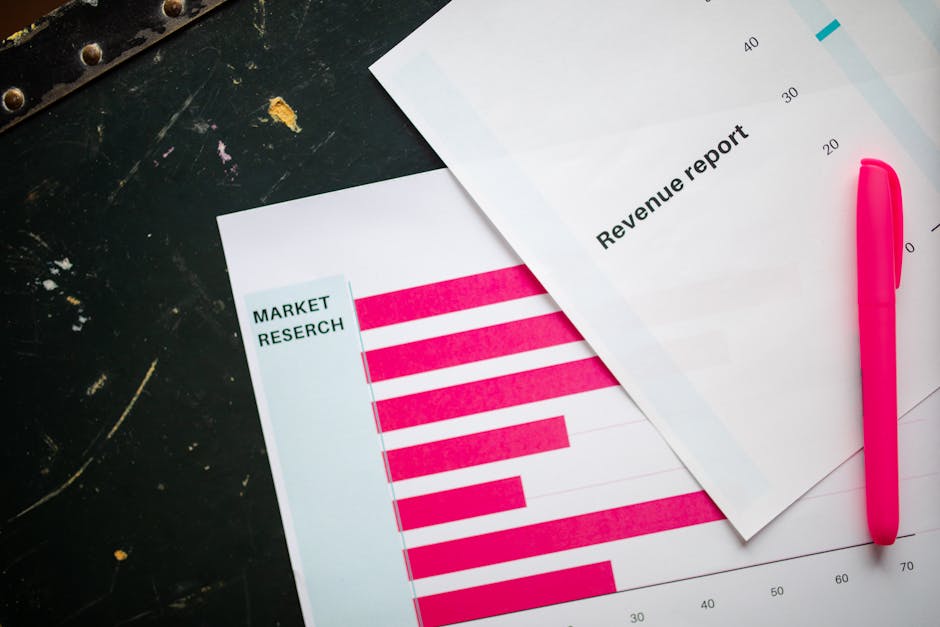
For businesses, inflation presents hurdles such as increased operating costs, which can squeeze profit margins. Companies may face rising wages, higher costs for raw materials, and changes in consumer demand as prices rise. Being adaptive is crucial; businesses must innovate to cope with these changes. This could mean adjusting pricing strategies or investing in efficiency improvements.
A practical step businesses can take is to conduct regular reviews of their supply chains to identify areas where cost savings can be achieved without sacrificing quality. Implementing technology, such as inventory management systems, can also help streamline operations and reduce costs, which might mitigate the impact of inflation on their bottom line.
5. The Role of Central Banks
Central banks play a pivotal role in controlling inflation through monetary policy. They may increase interest rates to cool down an overheating economy or provide incentives to stimulate economic activity during periods of low inflation. The balance between these two tools is delicate; too much tightening can hamper growth, while too little can lead to runaway inflation.
Understanding how central banks operate can be beneficial. Individuals and businesses should keep an eye on announcements from these institutions and adjust their financial plans accordingly. For instance, if rate hikes are anticipated, it might be wise to lock in fixed-rate loans before further increases.
6. Global Dependencies
With globalization, the effects of inflation are not confined to one country. Rising prices in one nation can influence economies worldwide due to interconnected trade relationships. For example, if a major exporter experiences inflation, the cost of goods imported by other nations could rise, creating a ripple effect.
To navigate this interconnectedness, countries may need to collaborate on trade policies and economic strategies. Businesses can also benefit by building a diverse supply chain that reduces reliance on single sources, thereby buffering against global inflationary pressures. This strategy fosters resilience against shocks in specific markets.
7. Long-Term Economic Growth
Inflation, while often seen as a negative indicator, can be a sign of a growing economy. Moderate inflation indicates that consumer demand is strong enough to drive prices higher. However, persistent high inflation can undermine long-term economic growth if not managed properly, leading to uncertainty that affects investment and consumption.
Second ad placement area for longer content.
Regular investments in education and infrastructure can support sustainable growth and minimize inflationary pressures. Governments should prioritize policies that foster innovation and improve productivity, creating an environment that can sustain growth even in inflationary periods.
8. Strategies for Personal Finance
In response to rising inflation, individuals should consider adjusting their financial strategies. This can include evaluating existing debts to understand how interest rate changes could impact monthly payments. Refinancing existing loans when rates are still favorable might be an action worth considering.
Additionally, focusing on building an emergency fund and exploring ways to secure a secondary income could provide a cushion during inflationary periods. The mistake many make is underestimating the importance of financial diversification—instead of relying solely on one income source, multiple streams can offer stability during economic fluctuations.
9. Inflation-Protected Assets
During times of high inflation, considering alternative asset classes can be beneficial. Real assets such as real estate or commodities often retain value better than cash instruments. Gold and other precious metals traditionally serve as a hedge against inflation due to their intrinsic value.
A practical strategy to diversify investment portfolios is to include assets that historically perform well during inflation. Regularly reassessing one’s portfolio to include such assets can mitigate risks associated with rising consumer prices while leveraging opportunities for growth.
Personal Opinion
In my personal opinion, the effects of inflation are complex and require careful consideration and planning. Individuals and businesses cannot afford to take a passive approach; staying informed and proactive is essential. Monitoring economic indicators, diversifying investments, and continuously reassessing financial strategies will equip both individuals and organizations to navigate these turbulent waters more effectively. Ultimately, understanding the dynamics of inflation is key to making sound financial decisions in an ever-changing global economy.
Profit Flow Daily shares practical insights on global markets, crypto, investing, online income, and Korean culture.
This article is for informational purposes only and should not be considered financial, investment, legal, medical, or tax advice.


답글 남기기