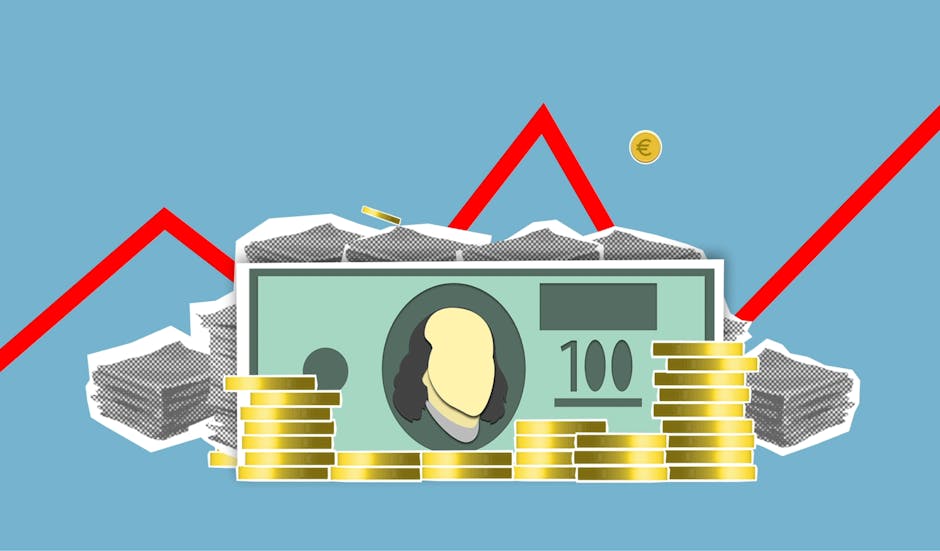
Inflation has emerged as one of the most pressing economic issues affecting countries around the world. As the cost of living rises, its effects touch almost every corner of the globe, from developed nations to emerging markets. Understanding the broad implications of inflation is essential for everyone, especially as it shapes economic policies, consumer behavior, and investment opportunities.
1. Understanding Inflation
At its core, inflation refers to the general increase in prices and the corresponding decline in the purchasing power of money. It can stem from a variety of factors, including increased production costs, heightened demand for products, or supply chain disruptions. When inflation occurs at a high rate, it can create significant challenges for individuals and governments alike.
One particular aspect that often complicates understanding inflation is the different types: demand-pull inflation and cost-push inflation. Demand-pull inflation occurs when consumer demand outstrips supply, leading to price increases. On the other hand, cost-push inflation raises prices due to increased costs of production materials and labor. Grasping these concepts is crucial for developing strategies to navigate the financial landscape during inflationary times.
2. Inflation’s Effect on Everyday Costs
The most immediate impact of inflation is felt in the cost of everyday goods and services. From groceries to gas, consumers notice a rise in prices that can significantly affect their purchasing decisions. As prices increase, many people may find themselves re-evaluating their budgets and spending habits.
A practical example can be seen with food prices. If a family was spending $500 a month on groceries and suddenly inflation drives that cost up to $600, they may be compelled to consider cheaper options or even reduce the quantity of food they purchase. This shift can create a ripple effect in food supply chains and affect local economies. For individuals, this means being more conscious about where and how they shop, searching for discounts or bulk deals, or even exploring alternatives like community gardens.
3. Impact on Investments
Inflation plays a significant role in shaping investment strategies. When inflation rates are high, traditional investments such as bonds may yield returns that don’t keep pace with inflation, effectively eroding the value of returns for investors. On the other hand, assets like real estate or commodities may appreciate in value during inflationary periods.
AdSense Area 1 Google AdSense code can be inserted here later.
Investors looking to safeguard their portfolios often diversify their holdings. They might consider investing in real estate, which typically holds its value or even appreciates during inflation, thus serving as a hedge against rising costs. Another alternative is to explore commodities, such as gold or oil, which historically retain value during inflationary spikes. Seeking advice from financial professionals and conducting thorough research can help to navigate these investment waters successfully.
4. Inflation and Wage Growth
One of the most contentious issues surrounding inflation is its relationship with wage growth. As the cost of living increases, there is often pressure on employers to raise wages so that employees can maintain their purchasing power. However, wage increases can lead to a wage-price spiral, where rising wages contribute to even higher inflation.
For workers, understanding this relationship is critical. If employees demand higher wages during inflation without corresponding productivity increases, businesses may respond by increasing prices to cover the additional costs, leading to further inflation. A practical way to address this is through continuous learning and skills development, which can enhance job security and open doors to higher-paying opportunities, enabling people to counteract the purchasing power loss due to inflation.
5. Inflation’s Global Reach
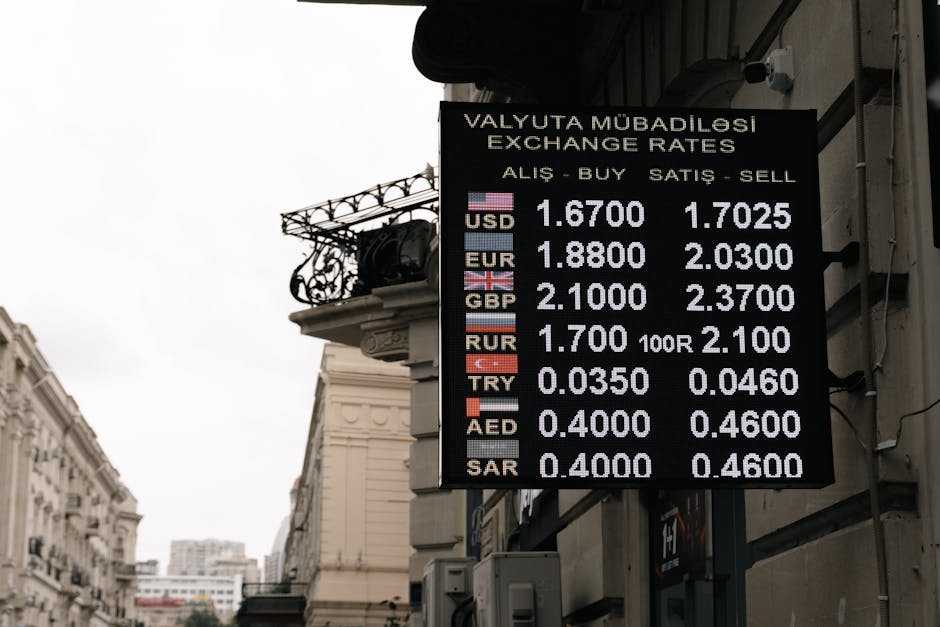
Inflation is not a phenomenon limited to one geographical area; it has a global reach. Countries can experience inflation differently based on their economic structures, supply chains, and monetary policies. For instance, while developed nations might manage inflation through relative stability in supply chains and control over economic levers, emerging markets may be more susceptible to external shocks.
The recent global pandemic highlighted how interconnected our economies are. Many nations faced inflationary pressures because disruptions in production or shipping in one part of the world impacted the availability and price of goods elsewhere. Economic policies such as stimulus packages increased money supply, further exacerbating inflationary conditions in various regions. Understanding these dynamics encourages a broader perspective on how global events can influence local economies and highlight the importance of building resilient supply chains.
6. Government Responses to Inflation
Governments and central banks typically respond to rising inflation through various monetary and fiscal policies. Monetary policy might involve raising interest rates to reduce money supply and discourage borrowing, which can help alleviate inflationary pressure. Fiscal policies could include reducing government spending or adjusting tax policies to influence overall economic activity.
Quick Action: Choose one practical idea from this article and apply it today.
AdSense Area 2 Second ad placement area for longer content.
A practical step for individuals is to stay informed about governmental actions aimed at combating inflation. By understanding potential implications of these policies, such as shifts in employment rates, housing markets, or investment opportunities, one can better position themselves to make informed financial decisions. It is also prudent to develop financial plans that include provisions for inflationary shocks, such as maintaining an emergency fund or diversifying income sources.
7. Preparing for Future Inflation
As inflation can rise unexpectedly, preparing for its potential impacts is wise. Individuals can benefit by maintaining a proactive approach, involving budgeting, understanding personal debt levels, and exploring sustainable investments. Creating a budget that accounts for not only current expenses but also potential inflation-related rises helps in better financial management.
Additionally, proactive financial education can empower people to seek multiple streams of income. Investing in skills that facilitate side hustles or passive income avenues can create additional earnings that may help offset inflation’s impact. What I would do first is evaluate my current financial situation and establish a solid plan that factors inflation into my financial future.
8. The Psychological Aspect of Inflation
Beyond the economics, inflation also carries significant psychological effects. Rising prices can lead to consumer anxiety and uncertainty, prompting shifts in spending behavior. For instance, during periods of high inflation, consumers may become more cautious, leading to decreased spending on non-essential goods, which in turn can slow economic growth further.
Understanding these psychological implications can also help in strategy formulation. If consumers anticipate inflation continuing to rise, they might rush to purchase large items before prices increase further, resulting in temporary spikes in demand. A practical way to start navigating these psychological responses is through consumer education, helping individuals understand market trends and encouraging rational decision-making during turbulent economic periods.
Personal Opinion
In my personal opinion, developing a comprehensive understanding of inflation and its far-reaching effects is more crucial now than ever. Navigating inflation successfully requires not only staying informed but also being adaptive in personal and financial planning. What I often see is individuals reacting reactively rather than proactively, which can lead to financial hurdles. Individuals can better prepare by actively seeking knowledge about their financial health and market conditions, staying versatile in their approach to investments, and prioritizing continuous learning. These steps can empower people to withstand inflation’s pressures and emerge resilient.
Profit Flow Daily shares practical insights on global markets, crypto, investing, online income, and Korean culture.
This article is for informational purposes only and should not be considered financial, investment, legal, medical, or tax advice.

답글 남기기