Walking through the bustling streets of Korea, the air often carries an irresistible aroma that beckons passersby to indulge in a variety of snacks. While many countries offer their own street food, there’s something uniquely captivating about the offerings found here. Delving deeper into the various aspects that contribute to this distinctiveness reveals why these snacks transcend the ordinary.
1. The Culture of Sharing
In Korea, food is not just a means of sustenance; it represents a fundamental aspect of social life. Street food vendors often see customers gathering around tables or sitting on low stools, sharing plates and trying different dishes. This culture promotes a sense of community, allowing friends, family, and even strangers to bond over their love for food.
Unlike typical snack experiences in other countries that can often feel solitary, sharing street food creates an inviting atmosphere. For instance, while enjoying tteokbokki (spicy rice cakes), it’s common to see groups of friends enthusiastically sampling each other’s portions, deepening connections in a casual yet vibrant setting. This communal aspect transforms eating into a shared experience encapsulated by laughter, discussion, and mutual enjoyment.
2. A Symphony of Flavors
One thing that stands out about Korean street food is the boldness of its flavors. Ingredients are often infused with spices and seasonings that deliver vibrant, punchy tastes. Dishes like hotteok (sweet pancakes filled with sugar and nuts) offer a delightful mixture of sweetness and warmth, while spicy chicken skewers present a fiery kick that ignites the palate.
In contrast to ordinary snacks, which may offer simplistic flavors, the complexity in Korean street food sets it apart. From what I have observed, the combination of savory, spicy, and sweet flavors creates a more dynamic eating experience. These layers of taste are a testament to Korea’s culinary heritage, drawing from its diverse regional influences that give each dish a unique flair.
3. Fresh Ingredients on Display
Korean street food vendors emphasize the importance of freshness and visibility. Many stalls proudly showcase their ingredients, allowing customers to watch as their food is prepared. This level of transparency fosters trust and excitement, encouraging people to engage with the culinary process.
Take, for example, the preparation of kimbap (seaweed rice rolls). Vendors often have vibrant displays of vegetables, rice, and seaweed, all ready to be rolled into a delicious snack right before your eyes. This not only enhances the sensory experience of eating but also assures consumers that they are purchasing high-quality, fresh food, unlike pre-packaged snacks where ingredients may be less apparent.
AdSense Area 1 Google AdSense code can be inserted here later.
4. Innovation Meets Tradition
Street food in Korea is a delightful blend of age-old traditions and modern interpretations. Traditional dishes are innovatively reimagined, often resulting in fusion products that excite the taste buds. For instance, you might encounter Korean-style tacos, which combine elements of beloved street foods with international flavors.
This innovation often attracts younger generations while still honoring the roots of Korean cuisine. From my experience, the balance between tradition and modernity is not just appealing; it rejuvenates interest in cultural heritage while making traditional foods accessible to a global audience. Vendors embrace creativity, ensuring that the street food scene remains lively and ever-evolving.
5. Accessibility and Affordability
Korean street food is remarkably accessible, both in terms of physical presence and price point. Vendors set up stalls in busy urban areas, universities, and local markets, making it easy for anyone to grab a bite. This convenience is essential, especially for students looking for quick meals between classes.
Moreover, the affordability of these snacks offers a diverse culinary experience without straining the wallet. A typical serving of odeng (fish cake) or twigim (tempura) can be found for just a few thousand won. For newcomers wanting to immerse themselves in local cuisine, this is an advantageous way to sample a variety of dishes without committing to a full meal in a restaurant.
6. Seasonal and Regional Specialties
The availability of street food items often reflects Korea’s diverse seasons and regions. Vendors may offer seasonal specialties, allowing food enthusiasts to experience the changing flavors of the country. For instance, during the spring, you might find refreshing dishes that incorporate seasonal greens, while winter brings out hot meals that warm the soul, like sweet potato soup.
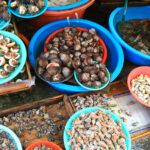
Regions also take pride in their local delicacies. A visit to Busan, for example, warrants an exploration of its famous seafood street food stalls, serving up tasty raw fish and grilled octopus. This emphasis on seasonal and regional varieties adds yet another layer of intrigue to the street food experience, making it a genuine reflection of Korea’s dynamic food culture.
7. The Visual Feast
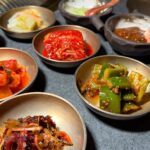
Every dish served on the streets of Korea is a visual delight, often crafted with care to ensure they are not only flavorful but also appealing to the eye. Vendors frequently present their food with vibrant colors and artistic arrangements, turning each plate into a small work of art. Dishes like bibimbap (mixed rice with vegetables and meat) are not just about taste but also about the aesthetic experience they provide.
This attention to presentation heightens the overall enjoyment of eating. From bright green vegetables to richly colored sauces, the visual aspect encourages people to take that first bite. It’s common to see people hovering over their plates, capturing the perfect photo before diving in, showcasing how good looks complement good food in Korean street culture.
Quick Action: Choose one practical idea from this article and apply it today.
AdSense Area 2 Second ad placement area for longer content.
8. The Personal Touch
Korean street food vendors often bring a personal touch to their offerings. Many of them are small family-run businesses, where recipes are handed down through generations. The passion that they have for their food is often visible in the way they engage with customers.
Listening to a vendor recount the story behind a particular dish adds depth to the overall experience. This personal connection not only enhances the appreciation of the food but also makes the visit special. For instance, a vendor might share the traditional methods of preparation, reflecting their family’s culinary legacy, embedding a personal narrative in every bite.
9. Street Food Festivals and Events
Throughout the year, Korea hosts various street food festivals that celebrate the rich culinary landscape of the nation. These events feature a plethora of stalls offering everything from traditional bites to innovative creations. Attending such a festival can be an exhilarating experience.
At these festivals, one can taste a wide array of dishes, interact with passionate vendors, and witness cooking demonstrations. This communal atmosphere amplifies the enjoyment of tasting food and serves as an opportunity to engage with local culture. From what I have seen, these festivals are not merely about eating but embody the essence of gathering, sharing, and celebrating Korea’s vibrant street food culture.
10. Challenges and Sustainability
As delightful as Korean street food is, it also faces challenges, particularly regarding sustainability and waste management. Many vendors rely heavily on single-use plastics, which raises environmental concerns in a country that is striving for greener practices. However, some are beginning to adapt by using eco-friendly packaging and encouraging recycling among customers.
For anyone interested in supporting sustainability, opt for vendors who emphasize environmentally friendly practices. Consumers also play a critical role by making choices that reflect a desire for responsible consumption. Participation in community discussions geared towards improving street food practices can lead to positive changes for both vendors and consumers.
Personal Opinion
In my personal opinion, the essence of Korean street food transcends mere dietary pleasure. It fosters community, showcases cultural heritage, and brings innovation to the forefront. Each bite reflects a story waiting to be told, marrying tradition with modern flavors while supporting local economies. As both a resident and an enthusiastic consumer, I find it fascinating how street food encapsulates the spirit of Korea, inviting people from all walks of life to partake in a shared culinary journey. The unique experience of savoring these exceptional snacks is something that truly enhances daily life here, making it a cherished aspect of the vibrant culture.
Profit Flow Daily shares practical insights on global markets, online income, Korean culture, Korean food, beauty, travel, and work life.
This article is for informational purposes only and should not be considered financial, investment, legal, medical, or tax advice.






답글 남기기