Korean work culture is often characterized by intense dedication, hierarchical structures, and a strong team spirit. Many aspects of this culture may seem foreign or extreme to outsiders, yet it offers valuable insights into workplace dynamics that can benefit professionals globally. In this post, we will explore essential elements of Korean work culture and how they can influence and improve work practices across various regions.
1. The Emphasis on Teamwork
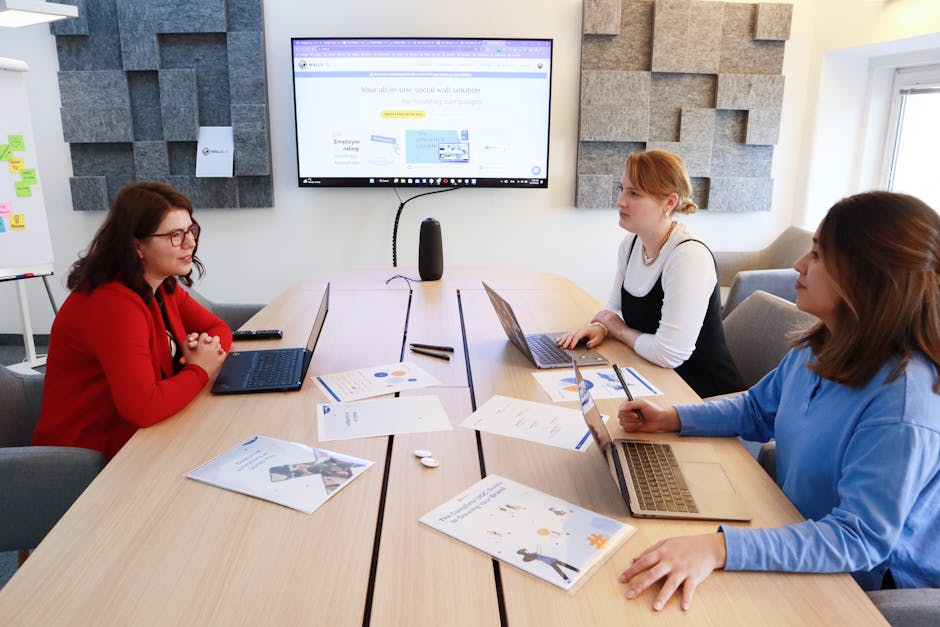
One of the most prominent features of Korean workplaces is the high value placed on teamwork. In many companies, the concept of ‘we’ takes precedence over ‘I’. This collective mindset helps to foster camaraderie and a supportive environment where employees can rely on each other.
From what I have observed in Korean daily life, teams often engage in activities outside of regular work hours to strengthen their bonds. This can involve dining together or participating in social gatherings. For global professionals, adopting a similar approach can improve communication and collaboration. Team-building exercises or informal outings can create a more cohesive work environment, leading to enhanced productivity.
2. Respect for Hierarchy
Korean workplaces tend to have a clear hierarchical structure, which influences daily interactions and decision-making processes. Senior employees are often regarded as mentors and leaders, and their experience is respected. This respect for hierarchy ensures that decisions are made by those deemed most qualified.
In Korean daily work life, it is not uncommon for junior employees to seek guidance from their seniors, creating a mentorship culture. Adaptations of this can include establishing clear reporting lines, fostering mentorship programs, and encouraging open communication between different levels of staff. Organizations worldwide can benefit from highlighting the importance of experience while empowering junior employees to voice their opinions, thus blending respect for hierarchy with inclusivity.
3. Work Ethic
The work ethic in Korea is often described as rigorous and demanding. Many employees work long hours, demonstrating an unwavering commitment to their tasks. This dedication can lead to impressive outcomes, but also raises concerns about work-life balance.
One thing that often surprises foreign visitors is the prevalence of late-night office culture, where employees choose to stay back and complete their tasks. Global readers might consider ways to integrate this diligence while remembering the importance of maintaining mental health. Encouraging a culture that values hard work but also prioritizes health and well-being can lead to sustainable productivity for teams, ensuring that employees are both engaged and balanced.
AdSense Area 1 Google AdSense code can be inserted here later.
4. Continuous Learning
In the fast-paced and competitive landscape of Korean industries, continuous learning is considered critical for career advancement. Employees are often encouraged to pursue additional training and education to enhance their skills, making them more adept in their roles.
In Korean workplaces or everyday culture, I often notice companies investing in employee development programs. This could range from sponsored seminars to providing time off for attending academic courses. For other regions, fostering a culture of lifelong learning can be achieved by offering professional development opportunities, encouraging self-improvement initiatives, or creating a library of resources available to all employees. This not only benefits career growth but also shapes a workforce that is adaptable and innovative.
5. The Role of Communication
Korean work culture places great importance on effective communication within the workplace. Open and honest discussions are integral to ensuring everyone is on the same page and that processes run smoothly. Despite the hierarchical nature of operations, employees are encouraged to communicate ideas and feedback.
In observing how teams in Korea handle conflict or brainstorming sessions, I find that constructive feedback is often given positively, promoting an environment where all voices can be heard. Companies globally might consider implementing regular feedback sessions or communication training to foster clarity and understanding. This attention to effective communication can lead to improved relationships among colleagues and more efficient problem-solving across teams.
6. Work-Life Integration
A growing trend in Korean work culture is the shift toward work-life integration rather than the traditional work-life balance. Employees often blend their personal lives with their professional responsibilities, leading to both challenges and rewards. While this might mean longer hours, it can also foster a greater sense of fulfillment in one’s life.
From what I have observed, many professionals manage their schedules in a way that allows them to attend to family needs while completing work tasks. For global readers, this could mean advocating for flexible work arrangements that allow personal and professional commitments to intertwine smoothly. Encouraging employees to set boundaries and ensuring that their personal needs are recognized can lead to a happier and more productive workforce.
7. A Focus on Relationship Building
Building strong relationships in the workplace is a fundamental aspect of Korean culture. Networking and socializing form the basis of who gets ahead in a professional setting. This goes beyond just formal meetings; it includes establishing trust and rapport through shared experiences.
In everyday encounters, I often see colleagues spending lunch breaks together, discussing both work-related and personal topics. For professionals around the world, prioritizing relationship building by facilitating informal gatherings, encouraging mentorships, and promoting team outings can foster deeper connections among employees. Such practices can create a positive workplace environment where individuals feel valued and engaged.
Quick Action: Choose one practical idea from this article and apply it today.
AdSense Area 2 Second ad placement area for longer content.
8. Dealing with Pressure
High expectations and pressure often characterize Korean workplaces. Employees frequently deal with demanding schedules and tight deadlines, which can lead to stress. However, many companies have begun adopting measures to help their workforce navigate this pressure more effectively.
In Korean daily life, I often notice organizations implementing wellness programs or providing mental health resources. These initiatives can play a critical role in preventing burnout while promoting resilience. For professionals globally, creating a supportive environment that acknowledges the challenges of high-pressure roles can be achieved through regular check-ins, access to mental health resources, and encouraging open dialogue about stress management. Such strategies can ensure that employees maintain their well-being while onboarding the rigor of their jobs.
9. Celebrating Achievements
Recognizing and celebrating achievements is a significant part of the Korean work ethos. Celebrations can take place for both individual and team accomplishments, with companies often organizing events to honor outstanding performance.
I have seen firsthand how these occasions deepen connections among team members and boost morale. For global readers, considering ways to formally acknowledge successes can enhance workplace satisfaction and motivation. Implementing recognition programs, celebrating milestones, or simply expressing gratitude can foster a positive atmosphere that encourages individuals to strive for excellence.
10. Innovation and Adaptability
With technological advancements rapidly changing the business landscape, adaptability has become a necessity within Korean work culture. Companies often invest in research and development, encouraging employees to embrace change and think innovatively.
In observing the work environments, I see that employees are encouraged to share innovative ideas and solutions. To benefit from this adaptive mindset, global professionals can create environments that promote creativity, encourage risk-taking, and celebrate innovation. Providing resources for brainstorming sessions or allowing time for experimentation can ensure that organizations remain competitive while nurturing a forward-thinking workforce.
Personal Opinion
In my personal opinion, the elements of Korean work culture offer valuable lessons for organizations around the world. While some features may seem intense, the underlying principles of teamwork, respect, continuous learning, and well-being are universal. Adapting these facets into different cultural landscapes doesn’t merely enhance productivity but also cultivates happier, more engaged employees. Embracing the strengths of diverse work cultures can lead to more fulfilled professionals, leading to the success of companies globally.
Profit Flow Daily shares practical insights on global markets, crypto, investing, online income, and Korean culture.
This article is for informational purposes only and should not be considered financial, investment, legal, medical, or tax advice.







답글 남기기