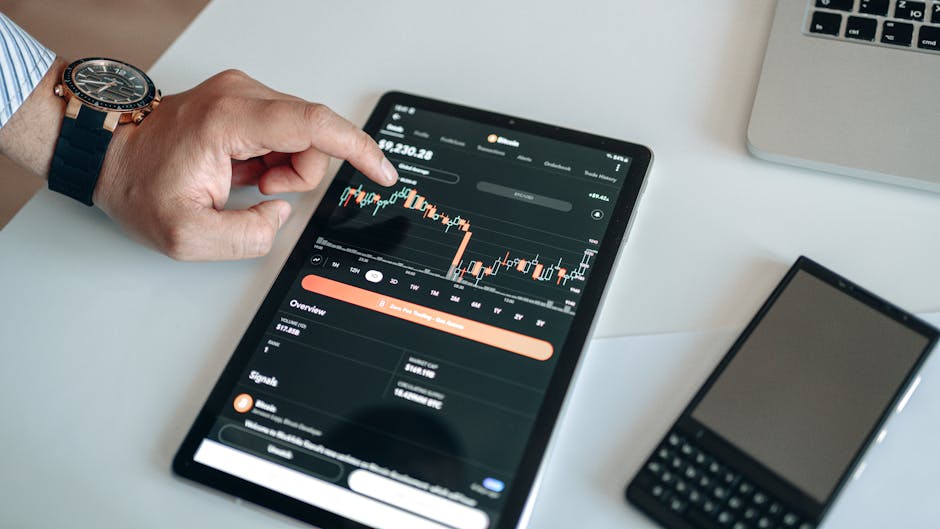
We’ve all had those gut-wrenching moments when the market turns against us, and our stocks don’t perform as expected. If you’re feeling the weight of a loss, here’s a practical checklist to help you get back on track.
1. Acknowledge the Loss
It’s tempting to ignore the loss and hope for a market rebound. But denial doesn’t help. Accepting the situation is important. Why? Because it allows you to avoid making impulsive decisions based on emotion.
Action Item:
Take some time to reflect on what’s going on. Check how much you’ve lost. For example, if you invested $2,000 in a stock now worth $1,200, acknowledge that $800 loss. Write it down; facing reality helps you plan your next steps.
2. Review Your Investment Strategy
Now’s the time to evaluate your current strategy. Was this loss a result of poor stock choice, market conditions, or perhaps an overly aggressive approach? Consider the following:
- Exit Strategy: Did you have a plan for when to sell? For instance, if your stock was supposed to be a temporary hold but turned into a long-term drag, it’s time to reassess.
- Risk Tolerance: Did this loss align with your risk profile? A loss that makes you panic indicates you might be taking on too much risk.
Action Item:
Use the information from your evaluation to adjust your portfolio accordingly. If you realize you were too invested in one sector—like tech—you might need to diversify.
3. Educate Yourself on Market Conditions
Understanding what’s happening in the market can provide clarity. Are economic indicators signaling a wider downturn? Is your stock part of a broader trend, or is it an isolated incident?
For instance, economic reports may reveal that rising interest rates are affecting technology stocks, impacting your investment in that sector. Familiarizing yourself with these conditions can guide future decisions.

Action Item:
Set a goal to read one reputable financial news article each day or follow business segments on news channels. This will keep you informed without being overwhelmed.
4. Discuss with a Trusted Advisor
If you’re feeling lost, consider talking to a financial advisor. They can offer personalized insights based on your situation. Be sure to prepare specific questions to help structure the conversation:
- What adjustments can I make to my holdings?
- Is it time to cut my losses on specific stocks?
- How can I better diversify?
Action Item:
Before your meeting, create a bullet-point list of your losses and any emotions associated with them. This helps focus the discussion and provides clarity for both you and the advisor.
5. Consider Dollar-Cost Averaging
If you’re still interested in the market, look into dollar-cost averaging, which involves regularly investing a fixed amount of money regardless of stock price. This approach can help reduce the impact of volatility. For example, let’s say you decide to invest $200 every month into a fund. If the price is low, you buy more shares. If it’s high, you buy fewer. Over time, this evens out your investments.
Action Item:
Create a schedule for your investments. Select a consistent day each month, so you establish a habit. This can help eliminate emotional decisions associated with trying to time the market.
6. Set New Financial Goals
What do you want to achieve moving forward? Setting clear, realistic milestones can guide your investment strategy. Here are some goals to think about:
- Short-Term: Build an emergency fund to cover 3-6 months of expenses.
- Medium-Term: Save for a major purchase, like a home or vehicle.
- Long-Term: Plan for retirement, aiming for a certain amount saved by a specific age.
Action Item:
Write down your goals with specific numbers and timelines. For example, “I want to save $10,000 for a down payment in the next two years.” This clarity will keep you focused.

7. Avoid Revenge Trading
When people lose money, they can feel inclined to take bold risks to recover losses quickly. This mindset often leads to more significant losses. Avoid the temptation to “get back” at the market.
Action Item:
Before making any trades, take a 24-hour pause. If the urge is still there after that, consider discussing it with a trusted friend or advisor first.
8. Create a Watchlist
If you’re thinking about getting back into stocks, establish a watchlist of companies you believe in. Focus on quality over quantity. Research companies you’ve always wanted to invest in and keep tabs on their stock performance. Knowing what you want to buy is a powerful motivator, and when you’re ready, it becomes easier to act.
Action Item:
Set a small budget for doing this research each week. For example, plan to review two companies a week to stay informed and ready.
9. Monitor Your Emotions
Lastly, remember that the stock market is not just numbers; it’s tied to human behavior. Recognizing how you feel about your investments and generally financial situation is paramount. Here’s a quick emotional checklist:
- Are you feeling anxious every time you check your portfolio?
- Do you find yourself obsessing over stock prices?
- How are you coping with the loss? Are you making rash decisions based on those feelings?
Action Item:
Consider journaling your thoughts about your investments. Document how you feel and why. This exercise can help you identify patterns in your trading behavior and emotional responses.
Your Actions Post-Loss
It’s natural to feel overwhelmed after losing money in stocks, and these steps can help you regain control. Remember that investing is a long-term journey, not a sprint. Consider this checklist as a guide, and don’t hesitate to reach out for professional help when you need it. Get started on your path to recovery today!
| Loss Amount | Investment Amount | Percentage Loss |
|---|---|---|
| $800 | $2,000 | 40% |
| $500 | $3,500 | 14% |
| $1,200 | $5,000 | 24% |
Profit Flow Daily answers practical questions about everyday money, household budgets, investing decisions, saving, debt, and realistic side income.
This article is for informational purposes only and should not be considered financial, investment, legal, medical, or tax advice.


답글 남기기