[작성자:] dbsdudah

  • Smart Strategies to Protect Your Wealth from Inflation

    Smart Strategies to Protect Your Wealth from Inflation

    Smart Strategies to Protect Your Wealth from Inflation

    Inflation can be a significant threat to your financial well-being, eroding purchasing power and impacting investments. As prices rise, the income we earn may not stretch as far as it once did. To safeguard against financial erosion, it’s crucial to adapt strategies that not only preserve wealth but also enable growth. Here, we’ll explore various actionable methods to manage money effectively during inflationary periods.

    1. Diversify Your Investments

    One of the first steps I would recommend is to diversify your investment portfolio. Inflation affects different assets in various ways; some will hold their value while others will diminish. By spreading your investments across multiple asset classes, such as stocks, bonds, real estate, and commodities, you’re less vulnerable to losses from any single market downturn.

    A practical way to start is to allocate a portion of your funds into asset classes traditionally considered inflation hedges, like real estate or commodities like gold. For example, investing in real estate can provide rental income that might rise with inflation, while gold is often viewed as a store of value in times of economic uncertainty.

    2. Explore Inflation-Protected Securities

    Another effective tactic is to consider inflation-protected securities. This type of investment is specifically designed to protect your investment against inflation. U.S. Treasury Inflation-Protected Securities (TIPS) are a prime example where the principal value adjusts based on the Consumer Price Index.

    The mistake I often see beginners make is underestimating the importance of these investments. TIPS can provide a reliable income stream while ensuring that your purchasing power is maintained over time. If you’re considering this option, be sure to research how they work, including their tax implications, which can vary depending on where you reside.

    3. Keep Learning and Stay Informed

    Staying educated about financial markets and economic indicators is critical. What I would do first is to regularly read financial news and analyses to understand the forces driving inflation. Knowledge is power, especially in tumultuous economic environments.

    There are many reliable financial news outlets and economic blogs that provide insights into current trends. I find that subscribing to newsletters or joining financial forums can keep you engaged and informed. The more you learn about inflation’s impact on various sectors, the better equipped you will be to make informed decisions about where to allocate your resources.

    AdSense Area 1
    Google AdSense code can be inserted here later.

    Smart Strategies to Protect Your Wealth from Inflation

    4. Consider Alternative Investments

    In addition to traditional asset classes, alternative investments can be a viable strategy during inflationary periods. This may include investments in art, collectibles, or even cryptocurrency. While these markets can be volatile, they may provide excellent opportunities for growth when traditional investments falter.

    A practical step here is to research specific alternative assets that interest you. For instance, consider whether there are local art shows or online platforms where emerging artists sell their work. Many collectors find that investing in art not only brings personal joy but can also prove lucrative over time if the choice of artwork appreciates significantly in value.

    5. Increase Your Savings Rate

    Amid rising costs, it becomes crucial to bolster your savings rate. The practical advice I’d suggest is to review your budget and see where you can cut unnecessary expenses. Allocating more towards savings can serve as a buffer against inflation.

    A simple action step is to set up automated transfers to a high-yield savings account. This ensures that a portion of your income is consistently saved, reducing the temptation to overspend. Even small increases in savings can accumulate over time, providing a better financial cushion should inflation continue to climb.

    6. Fix Your Interest Rates

    If you have existing debts, consider locking in fixed interest rates on your loans. Inflation tends to increase borrowing costs, and having a stable rate can save you significant amounts over the life of a loan. Before entering into any loan agreement, it’s advisable to compare rates and terms actively.

    The mistake I often see is people taking on variable-rate loans without understanding potential future costs. By fully understanding and locking in fixed rates, you’re securing your financial commitment against possible escalations in interest rates, which can often accompany inflationary environments.

    7. Review and Adjust Your Income Opportunities

    During periods of inflation, the value of your salary might not keep pace with rising costs. Therefore, I believe it’s essential to explore ways to diversify your income streams. This could involve starting a side business or taking on freelance work, which leverages your skills.

    A practical way to start is by assessing your current skills and interests. For example, if you enjoy writing, consider freelance opportunities that allow you to earn additional income. Platforms like Upwork or Fiverr can connect you to clients seeking your expertise and provide a faster way to offset inflation’s impact.

    Quick Action: Choose one practical idea from this article and apply it today.
    AdSense Area 2
    Second ad placement area for longer content.

    8. Review Real Estate Investments

    Your real estate investments may offer excellent protection against inflation as property values and rents typically increase alongside inflation. If you’re a homeowner, refinancing your mortgage could reduce monthly payments and improve cash flow.

    To ensure your real estate strategy aligns with inflation, conduct regular property assessments. What I would do is regularly analyze the local market trends and rental yields periodically. This can help you identify if it’s time to increase rent or if it’s better to invest in property improvements to enhance overall value.

    9. Establish an Emergency Fund

    Creating and maintaining an emergency fund is vital, especially during uncertain economic times. This fund should ideally cover three to six months of your expenses, providing financial security against unexpected costs that rising inflation might precipitate.

    A practical step I recommend is to separate this fund in a high-interest savings account separate from your daily expenditure accounts. This keeps your emergency funds liquid and accessible while earning interest, thereby further protecting your assets from inflation.

    10. Monitor Your Financial Goals Regularly

    Lastly, keeping a pulse on your financial goals can help you make timely adjustments to your strategies. I find it beneficial to review my financial objectives at least twice a year, considering how much time has passed, the impact of inflation, and changes in my life or financial landscape.

    Set reminders to reassess your financial goals in light of changing economic conditions. Whether you need to adjust your investment strategy or redefine your savings targets, regular evaluations can keep you on track and mitigate any disadvantages caused by inflation.

    Personal Opinion

    In my personal opinion, facing inflation should not be a source of panic but rather an opportunity to refine your financial strategies. By adopting a proactive approach and being open to new methods of wealth preservation and growth, you can navigate through challenging economic times. Inconsistent economic landscapes will always exist, but with a solid plan in place, you can mitigate risks and ensure financial stability for the future.
    Smart Strategies to Protect Your Wealth from Inflation

    Profit Flow Daily shares practical insights on global markets, online income, Korean culture, Korean food, beauty, travel, and work life.

    This article is for informational purposes only and should not be considered financial, investment, legal, medical, or tax advice.


  • The Importance of Speed and Detail in the Work Ethic of Korean Engineers and Office Workers

    The Importance of Speed and Detail in the Work Ethic of Korean Engineers and Office Workers

    The Importance of Speed and Detail in the Work Ethic of Korean Engineers and Office Workers

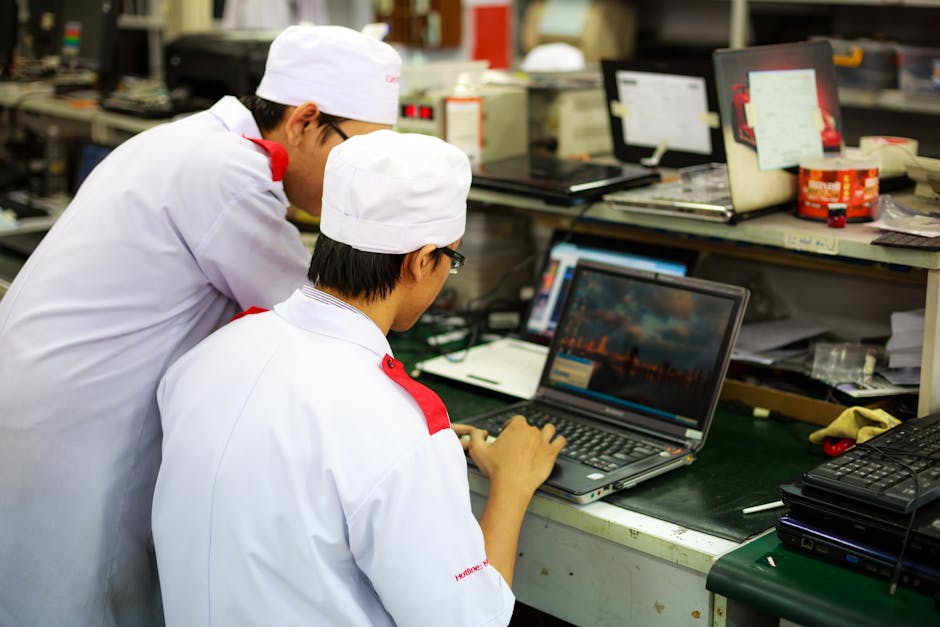
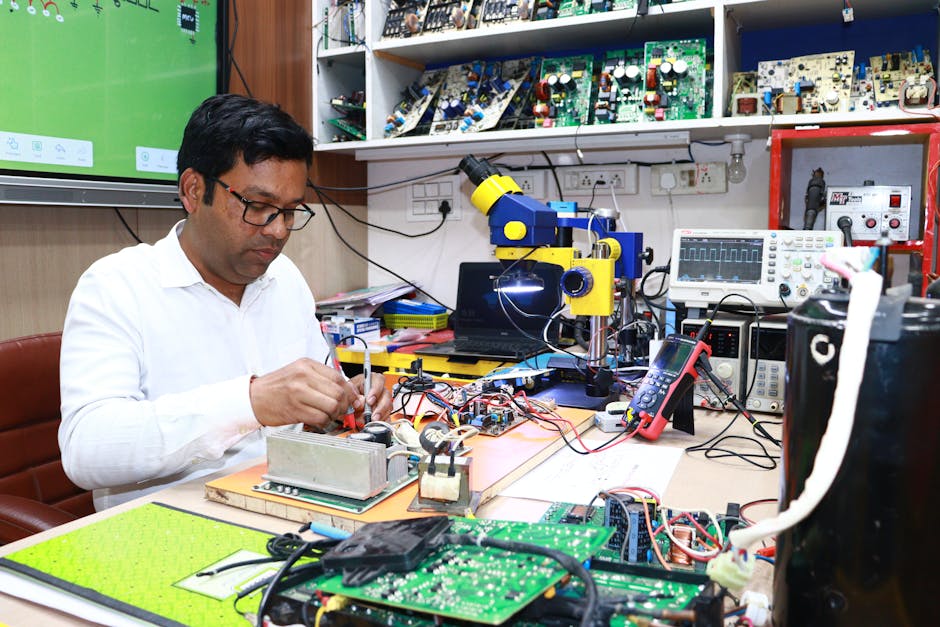
    In today’s fast-paced world, the emphasis on both speed and attention to detail has become increasingly critical, especially within the engineering and office sectors in Korea. From what I have observed in Korean daily life, this dual focus is not merely a cultural quirk but a deeply ingrained aspect of professional life that stems from historical, social, and economic factors.

    This phenomenon manifests itself in various ways, including the rapid execution of projects, meticulous attention to specifications, and a persistent drive for optimization. It offers valuable insights into the work ethic that many worldwide might find interesting and beneficial to understand.

    The Historical Context of Speed and Detail

    To comprehend why speed and detail are prioritized, one must consider the historical backdrop of Korea’s economic development. The rapid growth following the Korean War has shaped a national mindset focused on efficiency and excellence.

    For many years, Korea has faced fierce competition in the international arena, particularly in technology and manufacturing. Companies like Samsung and LG are known for their ability to produce high-quality products swiftly and efficiently. This was a national response to regain economic stability and build a reputation in global markets.

    • Emphasis on Education: The educational system in Korea rigorously prepares students for a competitive workforce. Students often spend significant amounts of time mastering subjects, aiming not just for understanding but for perfection. This deep-seated belief in education translates into the workplace, where employees are expected to apply their knowledge meticulously.
    • Continuous Improvement Culture: The philosophy of ‘kaizen’ or continuous improvement has been adopted by many Korean firms. Engineers and office workers are encouraged to refine their processes and outputs constantly. This not only enhances speed but ensures that details are not overlooked in the pursuit of excellence.

    Workplace Dynamics and Expectations

    The atmosphere within Korean workplaces accentuates the need for swift project turnaround without compromising quality. From my experience around Korean workplaces, there is an underlying expectation to not only meet deadlines but to break them. Managers often push for faster results, creating a culture that normalizes high-speed execution.

    This pressure impacts how teams collaborate. Engineers frequently coordinate closely, utilizing agile practices to ensure projects remain on track and are adjusted instantaneously based on real-time feedback. This agility is vital in industries prone to rapid change and demands constant refinement.

    AdSense Area 1
    Google AdSense code can be inserted here later.
    The Importance of Speed and Detail in the Work Ethic of Korean Engineers and Office Workers
    • Group Work Ethic: Collaboration is not just encouraged; it’s essential. Projects are seldom a one-person effort. While teamwork fosters speed by pooling resources and ideas, it also ensures that every detail gets the necessary attention, as multiple perspectives can help identify oversights.
    • Formal Feedback Mechanisms: Regular review meetings are part of the fabric of working life. These sessions aim to assess progress and troubleshoot any issues that may arise. This structured feedback ensures that teams remain aligned in their goals and are quick to adapt to any changes necessary to achieve them.

    Technology’s Role in Enhancing Efficiency

    Technological advancements have significantly influenced the focus on speed and detail in Korean workplaces. From my observations in various sectors, companies leverage cutting-edge technology to enhance productivity and accuracy.

    Innovative tools, such as project management software and advanced data analytics, streamline workflows and facilitate better communication. These technologies not only allow for faster decision-making but also enable teams to monitor the smallest details with unprecedented precision, enhancing overall output quality.

    • Automation: Many companies are investing in automation to handle repetitive tasks. This not only speeds up processes but diminishes the risk of human error. For example, the use of robotic process automation (RPA) in data management has reduced processing time while ensuring high accuracy in reporting.
    • Cloud Computing: Cloud-based platforms foster collaboration among remote teams. Engineers and office workers can access, edit, and share documents in real-time, which significantly accelerates the project development cycle without sacrificing detail.

    Cultural Factors Influencing Work Habits

    Cultural elements play a pivotal role in shaping the work habits of Korean engineers and office workers. One thing foreigners may not notice at first is how deeply rooted values such as respect, hierarchy, and diligence impact workplace dynamics.

    Respect for authority and hierarchical structures often dictates the flow of information and decision-making processes. This can lead to a focus on swift delivery of work results as subordinates aim to meet the expectations set by their superiors while ensuring quality.

    • Workaholic Culture: The typical work hours in Korea can stretch significantly longer than in many other nations, with many employees committing to their roles even outside standard office hours. This commitment often leads to an understanding that speed is almost an expected norm.
    • Sense of Responsibility: The societal value placed on individual responsibility drives many to ensure their contributions are perfect and timely. Employees internalize that their output reflects not only personal capability but also team reputation.

    Globalization and Its Impact on Korean Work Ethics

    The entrance of global companies in the Korean market has further accelerated the emphasis on speed and detail. Companies are motivated to meet international standards of productivity and quality, pushing local engineers and office employees to adapt swiftly to stay competitive.

    As more professionals work with international clients or colleagues, they also adopt best practices from around the globe, blending them with local methodologies. This integration often results in workflows aimed at rapid execution without sacrificing meticulous attention to detail.

    Quick Action: Choose one practical idea from this article and apply it today.
    AdSense Area 2
    Second ad placement area for longer content.
    • Understanding Global Standards: Working with diverse teams requires awareness of different expectations regarding speed and quality. For example, a project manager may need to quickly adjust timelines and deliverables according to client preferences in diverse markets.
    • Learning from Global Competitors: Observing how global competitors operate can spark internal changes. Companies may implement best practices from abroad to enhance their operational speed and detail orientation, maintaining competitiveness on a larger stage.

    Challenges and Solutions

    Despite the benefits, the relentless pursuit of speed and detail can lead to burnout and stress among workers. The competitive environment may create high expectations, sometimes to overwhelming levels. However, there are strategies companies and individuals can adopt to mitigate these challenges.

    Promoting work-life balance, fostering a supportive atmosphere, and encouraging breaks can lead to a healthier work environment. For instance, some organizations have initiated policies that promote flexible work hours, allowing members to recharge, which can actually enhance productivity when they return.

    • Implementing Support Systems: Establishing mentorship programs and mental health resources can provide employees with the emotional support necessary to navigate high-pressure scenarios. When engineers and office workers feel supported, their ability to deliver quick and precise work increases.
    • Encouraging Healthy Competition: Cultivating a spirit of healthy competition, rather than cutthroat rivalry, can drive innovation while still ensuring collaboration and detail orientation. Organizations might give recognition and rewards for quality work that meets tight deadlines, thus balancing speed with thoroughness.

    Future Trends in Work Efficiency

    The landscape of work is continually evolving, with trends indicating a shift towards more sustainable and mindful practices within workplaces. Increasing mindfulness of mental health has begun to redefine expectations surrounding speed, with more emphasis on quality over sheer speed.

    Practicing detailed-oriented work does not mean sacrificing health. In fact, a shift towards prioritizing wellbeing and job satisfaction is likely to catalyze even greater efficiency in the long run. Companies investing in employee welfare may cultivate loyal working environments where teams deliver incredible results.

    • Emphasizing Quality Assurance: The future may see an increased focus on quality control processes, ensuring that attention to detail remains paramount even as the speed of execution continues to evolve. This may involve automated checks or peer reviews to uphold standards.
    • Remote Work Capability: As remote work continues to be prominent, technologies that allow for easy communication and collaboration will further redefine how speed is measured in the workplace. Companies might begin to implement cloud-driven solutions that emphasize productivity while preserving high-quality output.

    Personal Opinion

    In my personal opinion, the focus on speed and detail within Korean work culture offers an effective framework that can benefit professionals globally. The lessons learned — whether they revolve around continuous improvement, the value of teamwork, or the integration of technology — are universally applicable. There must, however, be a balanced approach to ensure that speed does not come at the cost of employee well-being. Moving forward, a fusion of efficiency, mental health awareness, and sustained creativity may eventually shape a new paradigm in workplaces worldwide.

    The Importance of Speed and Detail in the Work Ethic of Korean Engineers and Office Workers

    Profit Flow Daily shares practical insights on global markets, online income, Korean culture, Korean food, beauty, travel, and work life.

    This article is for informational purposes only and should not be considered financial, investment, legal, medical, or tax advice.

  • Efficient Money Management Tactics During Inflation: A Guide for Savvy Investors

    Efficient Money Management Tactics During Inflation: A Guide for Savvy Investors

    Efficient Money Management Tactics During Inflation: A Guide for Savvy Investors

    In times of inflation, many individuals feel stressed about their financial security. Prices rise, purchasing power diminishes, and investments can seem risky. This situation prompts a need for proactive money management strategies. Here we discuss practical avenues to navigate through inflation effectively, ensuring your financial health remains robust.

    1. Diversifying Investments

    A common mistake I often see beginners make is placing all their money into one asset class, usually stocks or bonds. This can be particularly detrimental during inflationary periods. Instead, diversifying your investment portfolio across various asset classes can help mitigate risk and enhance your chances of maintaining value. For instance, incorporating commodities like gold or silver, which often appreciate during inflation, can provide a hedge against rising costs.

    Practical steps include allocating a portion of your investments to real estate or REITs, which tend to adjust their income with inflation, as well as exploring commodities. Utilizing exchange-traded funds (ETFs) that focus on inflation-hedged assets can also be a savvy way to diversify with lower effort.

    2. Focusing on Dividend-Paying Stocks

    Not all stocks perform well during inflation. Value stocks and those with consistent dividend payouts can be more resilient in such economic environments. What I would do first is evaluate my current stock holdings and identify companies with strong balance sheets and a history of increasing dividends. These companies often possess a solid business model that allows them to pass on rising costs to consumers.

    By reinvesting dividends, you can benefit from compound growth, making your investments grow even in tougher times. You might consider setting up a dividend reinvestment plan (DRIP) to automatically reinvest your dividends, capitalizing on this effect without needing to take any manual steps.

    3. Establishing an Emergency Fund

    In an inflationary environment, having liquid savings can be invaluable. The mistake many make is neglecting to set aside sufficient emergency funds. With price rises affecting essential goods, having ready access to cash can provide a safety net. Ideally, aim for a fund that covers at least six months’ worth of living expenses.

    A practical way to start is to build your emergency fund incrementally. Set a fixed amount to save each month, store these funds in a high-yield savings account for ease of access, and focus on making this saving a non-negotiable monthly line in your budget.

    AdSense Area 1
    Google AdSense code can be inserted here later.
    Efficient Money Management Tactics During Inflation: A Guide for Savvy Investors

    4. Adjusting Your Budget

    Tracking expenses is crucial during inflation. Many people often overlook the need to adjust their budgets to reflect increasing costs. A good practice would be to conduct an in-depth review of your monthly expenses every three months. This allows you to identify patterns and adjust accordingly.

    Consider categorizing your spending into essential and discretionary. Focus on cutting back on non-essential expenses. For example, subscription services or frequently dining out can be areas to reduce spending, allowing you to allocate more funds towards investing or saving during tough economic times.

    5. Exploring Alternative Income Streams

    Relying solely on a single income source can be precarious, especially when inflation eats into purchasing power. A practical way to start is by exploring passive income opportunities such as freelance work, online tutoring, or even creating a side hustle. This not only helps you to maintain your financial stability but also allows your investments to grow.

    Moreover, exploring skills you can monetize or learning new ones can increase your income potential. For instance, if you have a knack for writing, consider starting a blog or offering freelance services. Online courses or platforms where you can sell artwork or crafts are also accessible ways to create new income streams.

    6. Investing in Inflation-Protected Securities

    Another step that savvy investors often consider is adding inflation-indexed securities. These instruments, such as Treasury Inflation-Protected Securities (TIPS) in the United States, are specifically designed to protect against inflation, making them an excellent addition to portfolios at risk.

    Think critically about how these investments work; the principal increases with inflation, meaning that with rising prices, the return also rises. Allocating a small portion of your investment portfolio to TIPS or similar products in other regions can be a practical step toward preserving your purchasing power in an inflationary environment.

    7. Continuous Education on Financial Trends

    Staying informed about economic conditions is paramount, especially during inflationary times. A mistake I often see is individuals not keeping up with financial news or skipping over the finer details about how inflation impacts their personal finances. Allocating regular time to research financial articles, listen to podcasts, or attend webinars can provide useful insights.

    Utilize online platforms that provide market analysis and forecasts. Content from reputable financial outlets can give you a clearer picture of how inflation is affecting various sectors, allowing you to make informed decisions regarding your investments and budgetary adjustments.

    Quick Action: Choose one practical idea from this article and apply it today.
    AdSense Area 2
    Second ad placement area for longer content.

    8. Being Wary of Debt

    In times of rising prices, the burden of debt can become significantly heavier. Many tend to overlook how escalating interest rates impact their existing debt obligations. Assessing the levels of your debt and formulating a repayment strategy becomes crucial. Paying off high-interest debts should be prioritized to free up cash flow that you can allocate elsewhere.

    A practical strategy is to focus on the debt avalanche method, where you pay off debts starting from the highest interest rates downwards. This method not only reduces the total interest paid over time but also accelerates being debt-free, allowing you to re-allocate funds toward investments or savings.

    9. Being Flexible with Investment Strategies

    Flexibility can be a crucial asset when navigating inflation. Many investors fall into the trap of sticking rigidly to a strategy that may have worked well in different economic situations. It’s significant to remain open to adjusting your investment strategies accordingly. Regularly evaluating the performance of your investments and being willing to pivot when necessary is essential.

    For example, if certain sectors are performing poorly due to inflationary pressures, consider reallocating funds to better-performing sectors that may benefit from these economic conditions. An agile approach allows you to adapt to the changing financial landscape, maximizing potential opportunities in variable environments.

    10. Consulting with a Financial Advisor

    Lastly, while self-education is key, there are circumstances when professional guidance can greatly enhance your financial strategies. A financial advisor can provide tailored advice based on your unique financial situation, risk tolerance, and long-term goals. What I would do is seek out advisors with a proven track record who understand global economic conditions, especially during inflationary times.

    Advisors can also assist in creating a well-rounded investment plan with the agility needed to navigate volatile markets. Regular check-ins and reviews with a financial professional can ensure that your strategies remain relevant and effective as conditions change.

    Personal Opinion

    In my personal opinion, navigating through inflation requires taking proactive and thoughtful steps. It’s vital to adopt a multifaceted approach that encompasses diversification, continuous learning, and prudent financial management. By staying vigilant and flexible, you can safeguard your financial future even in challenging economic climates. Embracing these strategies not only provides a buffer against inflation but also encourages a more empowered way of handling personal finances over the long term.

    Efficient Money Management Tactics During Inflation: A Guide for Savvy Investors

    Profit Flow Daily shares practical insights on global markets, online income, Korean culture, Korean food, beauty, travel, and work life.

    This article is for informational purposes only and should not be considered financial, investment, legal, medical, or tax advice.

  • Understanding the Unique Allure of Korean Street Food

    Understanding the Unique Allure of Korean Street Food

    Understanding the Unique Allure of Korean Street Food

    Walking through the bustling streets of Korea, the air often carries an irresistible aroma that beckons passersby to indulge in a variety of snacks. While many countries offer their own street food, there’s something uniquely captivating about the offerings found here. Delving deeper into the various aspects that contribute to this distinctiveness reveals why these snacks transcend the ordinary.

    1. The Culture of Sharing

    In Korea, food is not just a means of sustenance; it represents a fundamental aspect of social life. Street food vendors often see customers gathering around tables or sitting on low stools, sharing plates and trying different dishes. This culture promotes a sense of community, allowing friends, family, and even strangers to bond over their love for food.

    Unlike typical snack experiences in other countries that can often feel solitary, sharing street food creates an inviting atmosphere. For instance, while enjoying tteokbokki (spicy rice cakes), it’s common to see groups of friends enthusiastically sampling each other’s portions, deepening connections in a casual yet vibrant setting. This communal aspect transforms eating into a shared experience encapsulated by laughter, discussion, and mutual enjoyment.

    2. A Symphony of Flavors

    One thing that stands out about Korean street food is the boldness of its flavors. Ingredients are often infused with spices and seasonings that deliver vibrant, punchy tastes. Dishes like hotteok (sweet pancakes filled with sugar and nuts) offer a delightful mixture of sweetness and warmth, while spicy chicken skewers present a fiery kick that ignites the palate.

    In contrast to ordinary snacks, which may offer simplistic flavors, the complexity in Korean street food sets it apart. From what I have observed, the combination of savory, spicy, and sweet flavors creates a more dynamic eating experience. These layers of taste are a testament to Korea’s culinary heritage, drawing from its diverse regional influences that give each dish a unique flair.

    3. Fresh Ingredients on Display

    Korean street food vendors emphasize the importance of freshness and visibility. Many stalls proudly showcase their ingredients, allowing customers to watch as their food is prepared. This level of transparency fosters trust and excitement, encouraging people to engage with the culinary process.

    Take, for example, the preparation of kimbap (seaweed rice rolls). Vendors often have vibrant displays of vegetables, rice, and seaweed, all ready to be rolled into a delicious snack right before your eyes. This not only enhances the sensory experience of eating but also assures consumers that they are purchasing high-quality, fresh food, unlike pre-packaged snacks where ingredients may be less apparent.

    AdSense Area 1
    Google AdSense code can be inserted here later.
    Understanding the Unique Allure of Korean Street Food

    4. Innovation Meets Tradition

    Street food in Korea is a delightful blend of age-old traditions and modern interpretations. Traditional dishes are innovatively reimagined, often resulting in fusion products that excite the taste buds. For instance, you might encounter Korean-style tacos, which combine elements of beloved street foods with international flavors.

    This innovation often attracts younger generations while still honoring the roots of Korean cuisine. From my experience, the balance between tradition and modernity is not just appealing; it rejuvenates interest in cultural heritage while making traditional foods accessible to a global audience. Vendors embrace creativity, ensuring that the street food scene remains lively and ever-evolving.

    5. Accessibility and Affordability

    Korean street food is remarkably accessible, both in terms of physical presence and price point. Vendors set up stalls in busy urban areas, universities, and local markets, making it easy for anyone to grab a bite. This convenience is essential, especially for students looking for quick meals between classes.

    Moreover, the affordability of these snacks offers a diverse culinary experience without straining the wallet. A typical serving of odeng (fish cake) or twigim (tempura) can be found for just a few thousand won. For newcomers wanting to immerse themselves in local cuisine, this is an advantageous way to sample a variety of dishes without committing to a full meal in a restaurant.

    6. Seasonal and Regional Specialties

    The availability of street food items often reflects Korea’s diverse seasons and regions. Vendors may offer seasonal specialties, allowing food enthusiasts to experience the changing flavors of the country. For instance, during the spring, you might find refreshing dishes that incorporate seasonal greens, while winter brings out hot meals that warm the soul, like sweet potato soup.

    Regions also take pride in their local delicacies. A visit to Busan, for example, warrants an exploration of its famous seafood street food stalls, serving up tasty raw fish and grilled octopus. This emphasis on seasonal and regional varieties adds yet another layer of intrigue to the street food experience, making it a genuine reflection of Korea’s dynamic food culture.

    7. The Visual Feast

    Every dish served on the streets of Korea is a visual delight, often crafted with care to ensure they are not only flavorful but also appealing to the eye. Vendors frequently present their food with vibrant colors and artistic arrangements, turning each plate into a small work of art. Dishes like bibimbap (mixed rice with vegetables and meat) are not just about taste but also about the aesthetic experience they provide.

    This attention to presentation heightens the overall enjoyment of eating. From bright green vegetables to richly colored sauces, the visual aspect encourages people to take that first bite. It’s common to see people hovering over their plates, capturing the perfect photo before diving in, showcasing how good looks complement good food in Korean street culture.

    Quick Action: Choose one practical idea from this article and apply it today.
    AdSense Area 2
    Second ad placement area for longer content.

    8. The Personal Touch

    Korean street food vendors often bring a personal touch to their offerings. Many of them are small family-run businesses, where recipes are handed down through generations. The passion that they have for their food is often visible in the way they engage with customers.

    Listening to a vendor recount the story behind a particular dish adds depth to the overall experience. This personal connection not only enhances the appreciation of the food but also makes the visit special. For instance, a vendor might share the traditional methods of preparation, reflecting their family’s culinary legacy, embedding a personal narrative in every bite.

    9. Street Food Festivals and Events

    Throughout the year, Korea hosts various street food festivals that celebrate the rich culinary landscape of the nation. These events feature a plethora of stalls offering everything from traditional bites to innovative creations. Attending such a festival can be an exhilarating experience.

    At these festivals, one can taste a wide array of dishes, interact with passionate vendors, and witness cooking demonstrations. This communal atmosphere amplifies the enjoyment of tasting food and serves as an opportunity to engage with local culture. From what I have seen, these festivals are not merely about eating but embody the essence of gathering, sharing, and celebrating Korea’s vibrant street food culture.

    10. Challenges and Sustainability

    As delightful as Korean street food is, it also faces challenges, particularly regarding sustainability and waste management. Many vendors rely heavily on single-use plastics, which raises environmental concerns in a country that is striving for greener practices. However, some are beginning to adapt by using eco-friendly packaging and encouraging recycling among customers.

    For anyone interested in supporting sustainability, opt for vendors who emphasize environmentally friendly practices. Consumers also play a critical role by making choices that reflect a desire for responsible consumption. Participation in community discussions geared towards improving street food practices can lead to positive changes for both vendors and consumers.

    Personal Opinion

    In my personal opinion, the essence of Korean street food transcends mere dietary pleasure. It fosters community, showcases cultural heritage, and brings innovation to the forefront. Each bite reflects a story waiting to be told, marrying tradition with modern flavors while supporting local economies. As both a resident and an enthusiastic consumer, I find it fascinating how street food encapsulates the spirit of Korea, inviting people from all walks of life to partake in a shared culinary journey. The unique experience of savoring these exceptional snacks is something that truly enhances daily life here, making it a cherished aspect of the vibrant culture.

    Understanding the Unique Allure of Korean Street Food

    Profit Flow Daily shares practical insights on global markets, online income, Korean culture, Korean food, beauty, travel, and work life.

    This article is for informational purposes only and should not be considered financial, investment, legal, medical, or tax advice.

  • Unlocking Online Income: Budget-Friendly Strategies You Can Start Today

    Unlocking Online Income: Budget-Friendly Strategies You Can Start Today

    Unlocking Online Income: Budget-Friendly Strategies You Can Start Today

    In today’s digital age, numerous opportunities exist for generating income online without requiring a significant initial investment. Whether you’re a student, a stay-at-home parent, or simply looking for an additional stream of income, there are several effective strategies that can help you achieve your financial goals. Below are several methods to consider, all of which require minimal upfront costs.

    1. Freelancing Your Skills

    One of the most straightforward ways to start earning online is through freelancing. Many professionals offer services such as writing, graphic design, web development, and more. What I would do first is identify the skills I possess that can be monetized. Platforms like Upwork and Fiverr provide a marketplace where you can showcase your skills and connect with clients.

    The mistake I often see beginners make is underpricing their services to attract clients. While it’s tempting to do this, it’s crucial to value your work appropriately. Instead, start by researching what others in your field charge, and consider pricing your services competitively without undervaluing your expertise.

    2. Affiliate Marketing

    This strategy involves promoting products or services for a commission on sales generated through your referral links. I find the easiest way to start is by creating a blog or leveraging social media platforms to share content relevant to the products you promote. For example, if you have a passion for health and wellness, consider partnering with companies that align with your interests.

    3. Online Courses and E-books

    If you are knowledgeable about a subject, creating an online course or writing an e-book could be a lucrative option. What I would recommend is, first, identifying a niche that you are both passionate and knowledgeable about. Once you have your topic, you can use platforms like Teachable or Gumroad to sell your course or book.

    AdSense Area 1
    Google AdSense code can be inserted here later.
    Unlocking Online Income: Budget-Friendly Strategies You Can Start Today

    4. Dropshipping

    Diving into e-commerce doesn’t always mean needing to invest a large budget in inventory. Dropshipping allows you to sell products online without holding physical stock. A practical way to start is by choosing a specific niche that interests you, conducting market research, and using platforms like Shopify to launch your online store.

    5. Print on Demand

    This business model allows you to create custom designs for t-shirts, mugs, and other merchandise without upfront costs. Platforms like Printful or Teespring make it easy for anyone to start selling their designs online. Initially, I would recommend creating designs that reflect your interests or passions.

    6. Virtual Assistance

    As businesses increasingly shift their operations online, the demand for virtual assistants continues to grow. If you possess organizational skills and a knack for digital communication, this may be the perfect fit for you. A practical way to start is by determining which tasks you’re most comfortable handling, such as email management, scheduling, or social media management.

    7. Social Media Management

    Many small businesses often lack the time to manage their social media accounts effectively. If you have a good understanding of various social media platforms, you can offer your services to help businesses grow their online presence. A practical way to get started is by reaching out to local businesses or entrepreneurs who may need assistance.

    Quick Action: Choose one practical idea from this article and apply it today.
    AdSense Area 2
    Second ad placement area for longer content.

    8. Content Writing or Blogging

    If you enjoy writing, consider starting a blog or offering content writing services. I would start by choosing a niche that excites you and cultivating a blog around it. Create valuable and engaging content to attract visitors. You could also write for other blogs or websites to earn income.

    9. Stock Photography

    If you have a talent for photography, consider selling your images on stock photography websites. Start by creating a portfolio of high-quality images that showcase your skills. Once prepared, upload your work to platforms such as Shutterstock or Adobe Stock.

    10. Market Research Participation

    Personal Opinion

    In my personal opinion, the best approach is to diversify your income streams. Rather than focusing on just one method, experimenting with multiple strategies can increase your chances of success. Additionally, staying informed about industry trends and continually developing your skills will enhance your earning potential. The online realm is vast, and with some creativity and effort, anyone can carve out a profitable niche without a large budget. Remember, patience is key; income generation may take time, but persistence can yield fruitful results.

    Unlocking Online Income: Budget-Friendly Strategies You Can Start Today

    Profit Flow Daily shares practical insights on global markets, online income, Korean culture, Korean food, beauty, travel, and work life.

    This article is for informational purposes only and should not be considered financial, investment, legal, medical, or tax advice.

  • The Rise of K-Beauty as an Integral Part of Korean Daily Life

    The Rise of K-Beauty as an Integral Part of Korean Daily Life

    The Rise of K-Beauty as an Integral Part of Korean Daily Life

    In Korea, the evolution of skincare and beauty routines has transcended mere cosmetic choices, becoming a deeply rooted aspect of daily culture. From what I have observed in Korean daily life, beauty goes beyond aesthetics; it reflects a philosophy of caring for oneself which is embedded in the social fabric of the country. The multifaceted nature of K-Beauty, initially influenced by traditional practices, contemporary science, and pop culture, has made it a phenomenon that has spread far beyond Korea’s borders.

    The Historical Context of Korean Beauty Practices

    The story of K-Beauty is intertwined with Korea’s rich history and cultural heritage. Traditional practices drew from holistic approaches, which revered natural ingredients and sought harmony in beauty routines. Historical texts from centuries ago indicate that Korean women utilized fermented rice, ginseng, and various herbs to maintain healthy skin.

    This respect for natural methods persists today. For instance, the popularity of products containing hanbang (traditional Korean herbal medicine) reflects a fusion of ancient wisdom with modern beauty science. Many contemporary brands have consistently innovated while preserving foundational practices, thus enabling the continuation and revival of these historical techniques within the global beauty landscape.

    The Influence of Technology and Innovation

    In modern Korea, the beauty industry is notably proactive in incorporating technological advancements into product formulation and marketing strategies. From my experience around Korean workplaces, technology is celebrated as a driving force in every sector, including beauty. Innovations like BB creams, essences, and cushion compacts were developed through rigorous research and development, setting global trends and standards for skincare.

    Additionally, beauty apps have gained traction, where consumers can try makeup virtually and engage with products before purchasing. This technological integration provides conveniences that enhance users’ experiences and reshapes how cosmetics are marketed. The ability to continually monitor and adapt to consumer preferences illustrates how K-Beauty has become both responsive and comprehensive.

    The Cultural Significance of Beauty in Daily Life

    In Korea, perceptions of beauty are deeply ingrained. Many people view skincare routines not merely as rituals but as an integral part of daily self-care. One thing foreigners may not notice at first is how often skincare products are shared and discussed in everyday conversation. Friends often recommend specific items to each other after trial and error, which fosters a culture of collective exploration and discovery in beauty.

    AdSense Area 1
    Google AdSense code can be inserted here later.
    The Rise of K-Beauty as an Integral Part of Korean Daily Life

    This camaraderie extends beyond friends and family, as beauty influencers and social media play vital roles in shaping public perception and willingness to experiment with K-Beauty products. Personal testimony from users regarding product effectiveness often feels more persuasive than traditional advertising, creating a community that celebrates not just beauty, but authenticity as well.

    Impact of K-Pop and Korean Dramas

    The surge of K-Pop and Korean dramas has significantly propelled the visibility and popularity of K-Beauty worldwide. In recent years, many idols and actors have become beauty icons, inspiring fans globally to adopt similar skincare routines. These stars frequently share their skincare secrets and endorsements, bridging the gap between celebrity culture and everyday practices.

    For example, when popular K-Pop groups or actors endorse particular products on social media or in variety shows, you can see immediate spikes in sales and interest. This connection illustrates how the entertainment industry directly contributes to elevating skincare routines into a cultural phenomenon. It creates a compelling narrative that connects consumers not just to products, but to the lifestyles and aspirations of their favorite idols.

    Accessibility and Diversity of K-Beauty Products

    The diversification of K-Beauty products has made it accessible to a broad audience. Today, Korean brands offer a vast array of items addressing different skin types, concerns, and preferences. From my observations in various beauty shops and stores, customers can find everything from deeply hydrating essences to brightening masks tailored for specific needs. This accessibility allows individuals to curate personalized routines that resonate with their identities and lifestyles.

    Moreover, the inclusivity is evident in the approach to beauty standards. There is a growing recognition that beauty is not a monolithic concept. Many brands are evolving to promote a broader range of skin tones and textures, encouraging customers from diverse backgrounds to embrace K-Beauty practices.

    Environmental Awareness in K-Beauty

    In recent years, environmental concerns have emerged as critical in the beauty industry. With global awareness gearing towards sustainability, K-Beauty brands are gradually adopting greener practices. During my visits to several K-Beauty shops, I noticed a significant rise in eco-friendly packaging and formulations that avoid harmful chemicals. Many brands are now emphasizing vegan, cruelty-free, and sustainable products, appealing to environmentally conscious consumers.

    Quick Action: Choose one practical idea from this article and apply it today.
    AdSense Area 2
    Second ad placement area for longer content.

    This shift represents an ongoing evolution where traditional beauty is marrying contemporary values. The movement encourages not just ethical consumerism among Koreans but also inspires global audiences to reconsider their purchasing habits and the environmental impacts of their beauty routines.

    Social Media’s Role in Shaping K-Beauty Trends

    Social media platforms have become pivotal in transforming K-Beauty trends, allowing users to share their experiences and beauty routines with a massive audience. In Korea, platforms like Instagram and YouTube serve as vital channels for beauty enthusiasts to discover tutorials, reviews, and product demonstrations. As a result, beauty influencers often find themselves at the forefront of setting trends by introducing innovative products.

    This visibility has created a dynamic where trends can spread rapidly, leading to phenomena such as ‘viral’ products that gain immense popularity overnight. As I have seen, the hype can be so strong that some items sell out quickly, reflecting active engagement from both creators and consumers as they respond to each other’s interests in real-time.

    Inclusivity and Globalization of K-Beauty

    As K-Beauty continues to flourish, it’s crucial to spotlight how it embraces inclusivity and diversity. The rise of the global beauty marketplace has prompted Korean brands to expand their product offerings and marketing strategies to appeal to a wide array of skin tones and types. Various brands have begun crafting formulations specifically for different demographics, ensuring that beauty is accessible for everyone.

    From what I have observed, this inclusiveness reflects a critical cultural shift that recognizes broadening definitions of beauty. Many Korean brands actively engage with international markets, adapt their messaging, and even involve global influencers to create products that resonate with diverse consumer bases.

    Personal Opinion

    In my personal opinion, K-Beauty has profoundly shaped not just the cosmetic industry in Korea but also how society perceives beauty care. It invites individuals to engage in practices that encourage self-love and self-expression. With its robust blend of tradition and innovation, K-Beauty showcases how cultural practices can evolve and thrive in a modern context, influencing a global audience in the process. The industry’s ongoing commitment to inclusivity and sustainability signals a promising future, where beauty practices can be both ethical and empowering on a global scale.

    The Rise of K-Beauty as an Integral Part of Korean Daily Life

    Profit Flow Daily shares practical insights on global markets, online income, Korean culture, Korean food, beauty, travel, and work life.

    This article is for informational purposes only and should not be considered financial, investment, legal, medical, or tax advice.
  • 10 Realistic Online Income Ideas for Beginners That You Can Start Today

    10 Realistic Online Income Ideas for Beginners That You Can Start Today

    10 Realistic Online Income Ideas for Beginners That You Can Start Today

    In today’s digital age, the potential to create a sustainable income online is more accessible than ever. For beginners, however, it can be overwhelming to navigate the myriad of options available. This article will explore specific ideas that can help you generate income online with patience and persistence.

    1. Freelancing Your Skills

    Freelancing is a powerful way to monetize your existing skills. Platforms like Upwork and Fiverr allow you to market your services to a global audience. Whether you’re a writer, designer, programmer, or digital marketer, there are opportunities to provide services that clients are looking for.

    A practical way to start is to create a profile highlighting your skills and past work. Focus on a niche where you can showcase your expertise. Perhaps you specialize in content creation for tech startups, or you have experience as a graphic designer for non-profits. Building a solid portfolio and gathering client testimonials can significantly increase your credibility.

    2. Affiliate Marketing

    This method involves promoting other companies’ products and earning a commission for each sale made through your referral. It can be done through blogs, social media, or YouTube videos. Key to success is selecting a niche that you are passionate about and understands well.

    What I would do first is sign up for affiliate programs that align with your interests. Amazon Associates is a popular starting point, but there are many options depending on your niche. Create engaging content that provides valuable information to your audience while subtly integrating affiliate links, which can lead to conversions over time.

    3. Blogging

    Starting a blog can be an excellent way to express yourself and potentially earn money. While it may take time to build an audience, once you do, you can monetize your blog through advertisements, sponsored content, and affiliate marketing.

    The mistake I often see beginners make is expecting immediate results. It’s crucial to focus on quality content and SEO practices from the outset. Choose a specific niche that resonates with your audience and create valuable, engaging content that addresses their needs. Over time, consistent blogging can lead to a profitable venture.

    AdSense Area 1
    Google AdSense code can be inserted here later.
    10 Realistic Online Income Ideas for Beginners That You Can Start Today

    4. Selling Handcrafted Goods Online

    If you’re crafty or have a talent for making handmade items, selling them online can be a lucrative venture. Platforms like Etsy provide an easy way to set up shop and reach customers looking for unique, handmade products.

    A practical way to start is to identify a niche product you’re passionate about. Perhaps you enjoy creating jewelry, home decor, or custom clothing. Take high-quality photos of your work and create thoughtful product descriptions to attract buyers. Marketing your products through social media also helps create a following and increase sales.

    5. Online Tutoring

    With the rise of remote learning, online tutoring has become a viable way to make money. If you have expertise in a particular subject, you can offer tutoring services to students around the world. Subjects can range from academic topics like math and science to music and languages.

    A good first step is to choose your subject area and determine the age group you want to target. Websites like Tutor.com or Chegg Tutors can help you find students. Creating a schedule that accommodates varying time zones will broaden your availability and attract more clients.

    6. Virtual Assistant Services

    Many businesses and entrepreneurs need help with various administrative tasks, from managing emails to social media accounts. As a virtual assistant, you can work remotely and assist multiple clients, making this an attractive income option.

    To start, identify your strengths, such as organization, communication, or technical skills. Create a professional online presence through platforms like LinkedIn or specialized job boards for virtual assistants. Networking within online communities can also attract clients looking for assistance.

    7. Creating Online Courses

    If you have knowledge in a specific field, creating and selling online courses can be a profitable endeavor. Platforms like Udemy or Teachable allow you to design courses on various subjects, from marketing strategies to coding languages.

    The first step is to outline your course content based on what you’d like to teach. Make it structured and engaging, including quizzes and interactive elements. Promoting your course through social media and your network will also help you reach your audience effectively.

    Quick Action: Choose one practical idea from this article and apply it today.
    AdSense Area 2
    Second ad placement area for longer content.

    8. Stock Photography

    If you’re skilled at photography, you can sell stock images online through platforms like Shutterstock or Adobe Stock. Brands and individuals seek high-quality images for various purposes, providing an opportunity for photographers to earn passive income.

    A practical way to get started is by building a diverse portfolio that includes various styles and subjects. Pay attention to trends in stock photography to ensure your work is in demand. Regularly submitting new photos can help keep your portfolio fresh and relevant.

    9. Dropshipping

    In dropshipping, you create an online store without needing to hold inventory. When a customer buys a product, you purchase it from a third party who ships it directly to the customer. This model minimizes risk but requires a strategic approach to market effectively.

    The first thing to do is identify a niche and seek reliable suppliers. Creating a functional and visually appealing online store can attract customers. Additionally, utilizing social media advertising and SEO practices can drive traffic to your store, increasing sales potential.

    10. Writing and Self-Publishing E-books

    If you have expertise or a story to tell, writing and self-publishing an e-book is a creative way to earn income. With platforms like Amazon Kindle Direct Publishing, you can reach a global audience without substantial upfront costs.

    The key is to choose a topic you are knowledgeable about and passionate enough to write about. Also, ensure your content is well-edited and visually appealing. Promote your e-book through your blog or social media to reach potential readers and drive sales.

    Personal Opinion

    In my personal opinion, the journey to making money online can be fulfilling but also requires commitment and a strategic approach. Each option discussed can be tailored to suit your interests and skillsets, resulting in a more enjoyable experience. Experimenting with multiple avenues may lead to discovering the best fit for you. Remember, success may not happen overnight, but with perseverance, you can create a viable online income stream.

    10 Realistic Online Income Ideas for Beginners That You Can Start Today

    Profit Flow Daily shares practical insights on global markets, online income, Korean culture, Korean food, beauty, travel, and work life.

    This article is for informational purposes only and should not be considered financial, investment, legal, medical, or tax advice.

  • Inside the Dynamics of Korean Work Culture: A Real-Life Perspective

    Inside the Dynamics of Korean Work Culture: A Real-Life Perspective

    Inside the Dynamics of Korean Work Culture: A Real-Life Perspective

    In Korea, the work culture is often characterized by a distinct blend of tradition and modernity, which can be intriguing for both locals and newcomers. The pressures of achieving success and maintaining harmony within the workplace create a unique environment that shapes daily interactions and the general atmosphere of office life. From what I have observed in Korean daily life, this culture demands a profound commitment to hard work and group cohesion, which can be both motivating and overwhelming at times.

    1. Hierarchical Structure and Respect for Seniors

    One notable feature of work culture in Korea is its strong emphasis on hierarchy, rooted in Confucian values. At any workplace, the age and rank of an employee significantly affect the dynamics of interaction. Seniors are accorded a great deal of respect, which translates into a formal communication style, especially in meetings or discussions.

    From my experience around Korean workplaces, the hierarchical structure impacts decision-making processes. Younger employees are generally expected to defer to their seniors, which can sometimes create a bottleneck in innovation or quick decision-making. For instance, when brainstorming ideas during meetings, junior team members may hold back their opinions, fearing they contradict their more senior colleagues. To navigate this atmosphere, one approach is for more experienced workers to encourage open discussions and create a safe space for everyone to voice their ideas.

    2. Importance of Teamwork and Collaboration

    Collaboration is highly valued in Korean work settings, and the concept of ‘team’ often supersedes individual achievements. In many cases, success is celebrated as a collective effort, reinforcing strong bonds among coworkers. This strong emphasis on teamwork can lead to a supportive environment, where members motivate each other to achieve common goals.

    One thing foreigners may not notice at first is the extent to which group activities are integrated into work life. After-hours gatherings, such as dinners or outings, are common to foster camaraderie. These gatherings go beyond socializing; they help individuals understand their co-workers better, thereby improving workplace communication. Engaging in these activities, if invited, can be a great way to bond with colleagues and enhance collaboration in the workplace.

    AdSense Area 1
    Google AdSense code can be inserted here later.
    Inside the Dynamics of Korean Work Culture: A Real-Life Perspective

    3. Long Working Hours and Work-Life Balance

    Another prevailing aspect of K-work life is the expectation of long working hours. From my observation, employees often feel pressured to stay late in the office, not solely due to workload but also to demonstrate commitment. This emphasis on presence can sometimes lead to burnout among staff. Many companies expect their employees to engage actively in discussions after conventional working hours, fostering a culture where leaving on time might be viewed negatively.

    To combat these pressures, some organizations are beginning to adopt policies that promote a better work-life balance. This includes flexible work hours or remote working options, which have become more commonplace, especially after the Covid-19 pandemic. Workers can benefit from finding strategies to manage their time effectively, such as setting clear boundaries on work tasks and making efficient use of their time in the office, ensuring they avoid unnecessary overexertion.

    4. Expressing Opinions and Communication Style

    Communication in Korean workplaces can be indirect, which is a contrast to many Western cultures that value straightforwardness. The preference for subtlety can sometimes lead to misunderstandings, especially for those who are unaccustomed to this approach. In discussions, criticism might be masked in very polite language, which can make it challenging to pinpoint exactly what needs improvement.

    From my experience, navigating these communication styles requires a nuanced approach. Active listening is crucial, as it helps discern underlying messages. Additionally, being culturally aware and sensitive to non-verbal cues can significantly enhance understanding. Learning to ask clarifying questions can also yield valuable insights, paving the way for more productive interactions.

    5. Emphasis on Continuous Learning and Development

    Korean work culture places considerable importance on personal and professional development. Many companies provide opportunities for ongoing training and education, reflecting a commitment to lifelong learning. This can be beneficial not only for individual employees but also for the organization as a whole.

    Employees are often encouraged to expand their skills through workshops, seminars, and courses. Industry trends in Korea also necessitate staying up-to-date with technology and innovative practices. Participating in these development programs can empower workers to enhance their skillsets significantly, thereby increasing their value within their respective companies and contributing to their overall career growth.

    Quick Action: Choose one practical idea from this article and apply it today.
    AdSense Area 2
    Second ad placement area for longer content.

    6. Balancing Tradition and Modernity

    The intersection of traditional values and modern business practices creates a unique environment in Korean workplaces. Traditional practices, such as hierarchical respect and collective achievements, blend with a growing trend of innovation and creativity in various sectors. While respecting established norms, many companies in Korea are also adapting to global business practices and cultures, promoting more dynamic work environments.

    Adopting modern practices while honoring traditional values can be challenging but beneficial. For instance, leveraging technology for better communication can supplement traditional methods and improve efficiency. Employees may be encouraged to embrace flexibility and creativity in their work roles, thus harmonizing the benefits of both worlds to foster a more inclusive workplace.

    7. Navigating Social Etiquette in a Professional Setting

    Social etiquette plays a significant role in Korean work life. From what I have observed, greeting colleagues politely and using appropriate honorifics is critical. A handshake is typically standard, accompanied by a slight bow, which shows respect. Additionally, addressing colleagues and seniors by their respective titles enhances mutual respect within the workplace.

    Understanding social cues, such as when to speak during meetings or how to conclude a discussion, is equally important. One useful strategy is mindful observation; taking note of how colleagues communicate and interact can provide insights into appropriate behavior. Incorporating this social awareness into daily practice enhances relationships and fosters a more cohesive work environment.

    Personal Opinion

    In my personal opinion, although the work culture in Korea can seem challenging, especially for newcomers, it also has its unique strengths that foster a strong sense of community. The commitment to teamwork and respect for colleagues can lead to deep-rooted professional relationships and a robust support system. However, it is vital for workplaces to continue evolving, embracing both modern practices and the spirit of well-being. Balancing these elements can help create an environment that is not only productive but also enjoyable to work in.

    Inside the Dynamics of Korean Work Culture: A Real-Life Perspective

    Profit Flow Daily shares practical insights on global markets, online income, Korean culture, Korean food, beauty, travel, and work life.

    This article is for informational purposes only and should not be considered financial, investment, legal, medical, or tax advice.

  • Understanding the Impact of Inflation on Household Spending Patterns

    Understanding the Impact of Inflation on Household Spending Patterns

    Understanding the Impact of Inflation on Household Spending Patterns

    Inflation has a profound effect on the economic landscape, influencing household budgets and spending behaviors. As prices rise, families often find themselves reassessing their expenditures, seeking ways to make their money stretch further. In this piece, we will explore how heightened inflation is reshaping consumer behavior, impacting various sectors, and prompting adjustments in household spending habits.

    Why Inflation Matters

    Inflation refers to the rate at which the general level of prices for goods and services rises, resulting in decreased purchasing power. When inflation rises, consumers experience a noticeable change in their daily lives, from grocery shopping to major purchases. The importance of understanding inflation cannot be overstated; it affects not only individual households but also the economy as a whole.

    Household Budgeting in Inflationary Times

    What I would do first is take a long, hard look at my household budget. Many families find that their expenses shift dramatically during periods of inflation. For instance, you might notice a spike in food prices, which influences grocery shopping habits. Families may opt for cheaper brands or decide to buy in bulk to save money over time. Examining your monthly expenditures is crucial for identifying where changes are necessary.

    A practical way to start is by categorizing your spending into essentials and non-essentials. Essentials include housing, utilities, food, and transportation, while non-essentials cover items like entertainment, dining out, and luxury goods. This distinction allows households to prioritize spending in essential categories first and make informed cuts in areas where they can afford to decrease costs.

    Shifting Priorities: Essentials vs. Non-Essentials

    The mistake I often see beginners make is neglecting to reevaluate their priorities during economic changes. As inflation rises, what used to be considered luxuries can quickly transform into unaffordable expenses. For example, a family may reduce the frequency of dining out or cancel streaming subscriptions. These adjustments are necessary to allocate financial resources towards rising costs for essentials.

    Moreover, this shift encourages households to find innovative ways to enjoy leisure without significant spending. For instance, hosting potluck gatherings instead of dining out can foster community while keeping expenses down. Engaging in local community events, many of which are free, can also help families entertain themselves without straining their budgets.

    Long-Term Financial Planning in an Inflationary Climate

    As inflation impacts household finances, long-term financial strategies must be revisted. Families might consider opting for fixed-rate loans when purchasing homes or vehicles, enabling them to lock in lower payments amidst rising prices. This can protect against the likelihood of increased interest rates combined with higher prices.

    AdSense Area 1
    Google AdSense code can be inserted here later.
    Understanding the Impact of Inflation on Household Spending Patterns

    Additionally, creating an emergency fund becomes imperatively important. This financial safety net allows households to manage unexpected expenses that may arise from price fluctuations associated with inflation. Setting aside a small percentage of income each month into a dedicated savings account can prepare you for unanticipated financial challenges in the future.

    Exploring Alternative Spending Strategies

    Another strategy to consider is exploring alternative purchasing methods. Buying second-hand or refurbished items is gaining popularity as inflation influences consumer choices. Thrift shops and online marketplaces offer significant savings, with many high-quality goods available at a fraction of retail prices.

    For example, rather than purchasing a brand-new appliance, consider visiting local resale shops or checking out online forums where people sell gently used items. This not only supports sustainable practices but also aligns with smarter spending in an inflationary environment.

    Adapting Meal Planning and Grocery Shopping

    In light of fluctuating food prices, meal planning can be an effective tool for combating inflation’s impact on grocery budgets. Families can save significantly by reviewing weekly sales and preparing a list based on what is affordable. This approach minimizes impulsive purchases and helps avoid overspending on items that aren’t necessary.

    A practical action step is to dedicate one day a week to plan meals based on what’s on sale that week. This strategy not only saves money but also reduces food waste, ensuring that you enjoy meals without breaking the bank.

    The Role of Technology in Household Spending

    As inflation alters spending patterns, technology can play a crucial role in managing finances. Various budgeting apps help families track their spending habits, offering insights into where money is going and where adjustments can be made. These tools allow for real-time monitoring of expenses and empower households to make more informed financial decisions.

    Additionally, subscribing to price comparison websites can help families stay aware of price changes across stores. An example of this could be tracking the price of specific groceries over time to determine the best store for particular items, ultimately leading to smarter shopping choices.

    Quick Action: Choose one practical idea from this article and apply it today.
    AdSense Area 2
    Second ad placement area for longer content.

    Community Support and Shared Resources

    In times of economic strain, community support networks become more vital than ever. Many neighborhoods organize sharing programs, where residents exchange services or goods. For instance, bulk purchasing groups can reduce costs for groceries and other essentials through collective buying.

    Being proactive in community initiatives not only helps families save money but also fosters social connections that can prove invaluable during tough economic times. In today’s hyper-connected world, leveraging social media can also bring about opportunities for resources, knowledge, and shared experiences.

    Adjusting Investment Strategies

    Households not only need to adapt their spending but also reconsider their investment strategies when inflation looms large. For instance, fixed-income investments often suffer during inflationary periods due to reduced purchasing power. Families may want to explore assets that traditionally perform well in inflationary environments, such as commodities or real estate.

    However, the mistake I see with investors is waiting too long to diversify their portfolios. Being proactive about diversifying investments helps mitigate risk and better positions families against future economic uncertainty.

    Learning from Financial Education Resources

    Financial literacy plays a paramount role in navigating inflation’s challenges. Families should prioritize education about managing finances, understanding inflation, and exploring strategic investments. Online courses, webinars, and workshops can provide valuable insight into prudent financial planning.

    By educating themselves, families become empowered to make informed decisions about adjustments in their spending habits in response to economic changes, ultimately promoting a higher standard of financial wellness.

    Personal Opinion

    In my personal opinion, the ability to adapt to changing economic conditions presents a true test of resilience. It’s important to be proactive rather than reactive when it comes to household finances, especially during challenging times. By revisiting budgets, prioritizing essential expenditures, and seeking alternative strategies, families can navigate inflationary pressures more effectively. Ultimately, fostering a mindset of flexibility and willingness to change can lead to better financial stability. Investing time in understanding how inflation affects spending habits equips families to make decisions that will serve them well into the future.

    Understanding the Impact of Inflation on Household Spending Patterns

    Profit Flow Daily shares practical insights on global markets, online income, Korean culture, Korean food, beauty, travel, and work life.

    This article is for informational purposes only and should not be considered financial, investment, legal, medical, or tax advice.

  • Smart Strategies to Protect Your Finances in Times of Inflation

    Smart Strategies to Protect Your Finances in Times of Inflation

    Smart Strategies to Protect Your Finances in Times of Inflation

    Inflation can pose significant challenges to managing personal finances. When prices rise, your purchasing power diminishes, and it can become increasingly difficult to maintain your standard of living. The key to navigating these tough economic times lies in adopting effective strategies that help safeguard your money.

    Understanding Inflation and Its Impact

    Before diving into practical methods for managing finances, it’s crucial to understand what inflation is and how it affects your financial situation. Inflation is the rate at which the general level of prices for goods and services rises, leading to a decline in purchasing power. As a consumer, you’ll notice that everyday items cost more, which can be alarming.

    An observation many people make is how inflation strips their budget. For instance, when I go grocery shopping, meals that once cost me $50 can easily climb to $70 over a few months. This change forces a reassessment of spending habits and financial priorities. Many find themselves pondering how to adapt to this reality without sacrificing quality of life.

    Create a Comprehensive Budget

    The first step in combating the effects of inflation is to create a comprehensive budget. A detailed budget allows you to track your income and expenses closely. In a time of inflation, understanding where your money goes can help you identify potential areas for cuts.

    To start, list all your monthly income sources and track every expense—fixed and variable. Use budgeting tools or apps that suit your needs. What I would do first is classify your expenses into essential and discretionary categories. This classification makes it easier to cut back on non-essentials when prices increase, giving you more room in your budget to adjust.

    Prioritize Essential Expenses

    As inflation rears its head, it’s essential to keep a keen focus on necessary spending. Prioritizing essential expenses means ensuring that your necessities—such as housing, healthcare, and food—are covered before indulging in discretionary purchases.

    The mistake I often see beginners make is overlooking the importance of this categorization. For example, many people might continue to spend on dining out or entertainment while neglecting vital living costs. It’s about finding a balance that allows for some enjoyment without jeopardizing financial stability. Review your spending regularly and adjust your priorities as needed.

    AdSense Area 1
    Google AdSense code can be inserted here later.
    Smart Strategies to Protect Your Finances in Times of Inflation

    Build an Emergency Fund

    An emergency fund serves as a financial cushion during economic downturns like inflation. Having three to six months’ worth of living expenses set aside can alleviate stress during unexpected scenarios, such as job loss or urgent repairs.

    A practical way to start is by setting a monthly savings goal. For instance, if your essential expenses are $2,000 per month, aim to save at least $500 monthly. Over time, this adds up significantly. I’ve noticed that when I have that safety net, I feel less anxious about financial fluctuations, allowing me to make smarter decisions.

    Invest in Skills and Education

    In times of rising costs, investing in your skills can pay dividends. Furthering your education or acquiring new skills can enhance your career prospects, leading to increased earning potential.

    Explore Alternative Investment Options

    Investing wisely can help offset the effects of inflation over time. While stocks and bonds are traditional investment choices, consider diversifying into assets that typically keep pace with or outpace inflation: real estate, commodities, or inflation-protected securities.

    What I would do is research these options thoroughly. Real estate, for instance, provides both rental income and the potential for appreciation. Engaging in peer-to-peer lending or investing in precious metals like gold can also be prudent strategies. Many beginners tend to shy away from these alternative investments due to perceived complexity, but starting small can demystify the process and allow you to build confidence over time.

    Consider Price-Inflation Hedged Investments

    To further protect your investments against inflation, look into price-inflation hedged investments. These include assets and securities designed to increase in value when inflation rises. Treasury Inflation-Protected Securities (TIPS) in the U.S. are one such example; they are indexed to inflation and can provide a safeguard against the devaluation of purchasing power.

    Quick Action: Choose one practical idea from this article and apply it today.
    AdSense Area 2
    Second ad placement area for longer content.

    Exploring these options can be daunting, but a good practice is to consult a financial advisor who can guide you through them. What I find helpful is utilizing online resources to compare investment products and understand their role in an inflation-proof portfolio. The more informed you become, the better equipped you’ll be to make sound financial choices.

    Cut Unnecessary Expenses

    As costs rise, it’s the perfect opportunity to reevaluate monthly subscriptions, memberships, or services that you may no longer use or need. Cutting back on unnecessary expenses can free up valuable funds that can be utilized elsewhere.

    The mistake I often see people make is holding onto subscriptions or services simply out of habit. For instance, many of us subscribe to multiple streaming services without realizing the costs add up. Take a close look at your spending—stop what you don’t use regularly. In doing so, you can reclaim money for vital investment areas or even to bolster your emergency fund.

    Stay Informed on Economic Trends

    Staying informed on economic trends can help you make more adaptive financial choices. Regularly consuming reputable financial news or research reports can give insights into emerging economic shifts, allowing you to pivot your financial strategy accordingly.

    A practical way to ensure you’re well-informed is to allocate a few minutes each day or week to read or listen to financial news updates. Following credible finance websites, podcasts, or webinars can be excellent resources. Remember to discern information carefully and avoid sensationalism. Appraising economic trends with a rational mindset can empower you to make proactive instead of reactive financial decisions.

    Personal Opinion

    In my personal opinion, successfully managing money during inflation requires a proactive mindset combined with practical strategies. It’s vital to consistently adapt your financial approach, prioritize spending, and invest thoughtfully. The most rewarding part is developing a robust financial plan that not only withstands inflation but also provides peace of mind for the future. Financial health necessitates effort and attention, and with discipline, anyone can navigate through economic challenges.

    Smart Strategies to Protect Your Finances in Times of Inflation

    Profit Flow Daily shares practical insights on global markets, online income, Korean culture, Korean food, beauty, travel, and work life.

    This article is for informational purposes only and should not be considered financial, investment, legal, medical, or tax advice.