블로그

  • Insights from Korean Work Culture: Enhancing Global Work Practices

    Insights from Korean Work Culture: Enhancing Global Work Practices

    Insights from Korean Work Culture: Enhancing Global Work Practices

    Korean work culture has garnered attention worldwide for its unique blend of dedication, teamwork, and hierarchical respect. Observing these elements can yield useful insights for employees and employers across the globe. There’s much that international entities can learn from the nuances of this cultural framework, which emphasizes loyalty, collaboration, and efficiency. In this article, we will explore several key aspects of Korean work culture that can inspire positive changes and adaptations in various professional environments.

    1. Importance of Teamwork

    In Korean workplaces, the emphasis on collective effort is paramount. Team members often prioritize the success of the group over individual accolades. This can be particularly beneficial in facilitating a harmonious and productive workplace environment. For instance, rather than focusing solely on individual achievements, employees engage in brainstorming sessions that encourage input from everyone, fostering a sense of shared ownership over projects.

    This strong commitment to teamwork is evident in the concept of ‘Hwa-Ra’- which means to harmonize or come together as one. In practice, this could manifest as collaborative meetings where team dynamics are regularly assessed and strengthened. A practical example could be organizing team-building activities, where employees can explore each other’s strengths and weaknesses outside of the conventional work setting. Organizations looking to improve their team spirit might consider planning similar initiatives that promote collective problem-solving and brainstorming.

    2. Hierarchical Respect and Structure

    Another notable characteristic of Korean work culture is the strong respect for hierarchy and authority. In many Korean companies, age and rank significantly influence workplace interactions. This structure fosters a clear delineation of roles and responsibilities, which can enhance efficiency. Employees typically address each other with honorifics that signify respect, promoting a sense of order and professionalism.

    While this hierarchical system could initially seem rigid to outsiders, it can provide clarity in communication and decision-making processes. For organizations outside Korea, adopting a respectful approach towards senior leadership while maintaining open channels for feedback can combine the best of both worlds. Creating mentoring programs that encourage senior professionals to share insights with younger team members can also bridge this gap while respecting traditional structures.

    3. Work Ethic and Dedication

    The dedication to work in Korean culture is remarkable. It is not uncommon for employees to work long hours, often exceeding standard hours. This strong work ethic is rooted in the desire to attain success and recognition. However, this can also lead to challenges such as burnout and fatigue. Many companies are beginning to recognize the importance of work-life balance, adopting practices that allow employees to recharge while still maintaining high productivity levels.

    To balance this dedication with personal well-being, organizations should be encouraged to implement flexible working hours or remote work options. In my experience, when employees feel they have autonomy over their schedules, job satisfaction increases, which ultimately leads to better performance. Leadership can also promote regular check-ins with employees to assess workloads and ensure that individuals are not stretched too thin.

    AdSense Area 1
    Google AdSense code can be inserted here later.

    Insights from Korean Work Culture: Enhancing Global Work Practices

    4. Emphasis on Lifelong Learning

    Lifelong learning is deeply ingrained in Korean culture, reflecting the belief that education does not stop after formal schooling ends. Many Korean companies invest in ongoing training and professional development programs to ensure their employees stay abreast of industry trends. This commitment extends beyond technical skills to encompass personal development, enhancing both competency and confidence in the workplace.

    For organizations worldwide, fostering a culture of continuous improvement can lead to innovation and adaptability. Action steps may include offering workshops, online courses, and resources that encourage employees to explore new skills or improve existing ones. Moreover, creating an environment where employees feel comfortable sharing their learning experiences can inspire others and foster an engaging workplace culture.

    5. Communication Styles

    Koreans often prefer indirect communication, which stems from a cultural emphasis on harmony and avoiding confrontation. This can lead to misunderstandings for those accustomed to more direct forms of communication. Understanding and adapting communication styles can enhance collaboration and relationships within diverse teams. Observationally, many workplaces employ techniques like non-verbal cues and subtle feedback rather than outright criticism to maintain a friendly environment.

    To better navigate these communication styles, multinational companies can conduct cross-cultural training sessions aimed at improving interpersonal interactions among staff from different backgrounds. Encouraging team members to express themselves through diverse channels—like team chats or written feedback—can facilitate a culture where everyone feels valued and understood. Establishing clear expectations for communication can also help mitigate potential conflicts arising from differing approaches.

    6. Networking and Relationship Building

    In Korean work culture, relationships often precede business transactions. The importance placed on building trust and understanding among colleagues can play a crucial role in professional success. This approach highlights the significance of networking, as building strong personal connections can lead to better teamwork and collaboration.

    For global entities, prioritizing relationship-building strategies in professional settings can be immensely beneficial. This may include hosting informal gatherings or team lunches to foster connections outside of a formal setting. One effective action step is implementing a buddy system or mentorship program where new employees are paired with seasoned colleagues, creating opportunities for authentic engagement and deeper understanding of workplace dynamics.

    7. Adaptability and Resilience

    The rapid pace of change in industries has necessitated a culture of adaptability and resilience among Korean professionals. With technology evolving and markets fluctuating, workers must be prepared to pivot and adjust their strategies effectively. This adaptability is often visible in the collective response to challenges, where teams come together to innovate solutions that align with changing demands.

    Quick Action: Choose one practical idea from this article and apply it today.
    AdSense Area 2
    Second ad placement area for longer content.

    Non-Korean workplaces can also benefit from fostering an adaptive mindset to cultivate resilience among their teams. Organizations might implement strategies like fostering an agile work environment, where flexibility is built into project management processes. Encouraging teams to embrace adaptiveness—by recognizing setbacks as learning opportunities and encouraging quick adjustments—can lead to growth and innovation.

    8. Healthy Workplace Practices

    A crucial aspect of Korean work culture is the growing awareness of mental health and employee wellbeing. As society becomes increasingly conscious of the pressures of work, more companies are prioritizing employee wellness initiatives. By providing resources such as access to counseling services, relaxation spaces, and wellness programs, companies underscore their commitment to employee health.

    Other businesses globally may consider adopting a wellness-first approach, integrating health-focused initiatives into their corporate culture. Establishing wellness committees or regular assessments of employee satisfaction can provide insights into areas needing improvement. Participating in workplace wellness challenges—such as fitness competitions or mindfulness workshops—can also foster a supportive environment where employees feel valued and motivated to maintain their well-being.

    9. Recognition and Reward Systems

    In Korean workplaces, recognition from leaders is highly valued. Employees often find motivation in being acknowledged for their hard work and achievements. Companies may implement various reward systems, recognizing not just the successes but the effort involved in the process as well. Celebrating milestones together fosters a sense of belonging and loyalty within the organization.

    To cultivate a positive work environment, global organizations should consider creating structured recognition programs that celebrate both team and individual successes. Platforms for employees to share their accomplishments collectively during meetings can promote motivation among peers. Additionally, offering incentives for reaching collective goals can motivate entire teams, driving productivity and morale.

    Personal Opinion

    In my personal opinion, embracing the lessons derived from Korean work culture can significantly enrich global workplace environments. The harmony of teamwork, coupled with the dedication to continuous learning and respect for hierarchy, can yield both efficiency and satisfaction. By integrating these elements into daily practices, we may create more effective and fulfilling workplace experiences for everyone involved. The global workforce continues to evolve, and drawing from diverse cultures such as Korea’s can provide a refreshing perspective on enhancing professional life.

    Insights from Korean Work Culture: Enhancing Global Work Practices

    Profit Flow Daily shares practical insights on global markets, crypto, investing, online income, and Korean culture.

    This article is for informational purposes only and should not be considered financial, investment, legal, medical, or tax advice.


  • The Global Impact of Inflation and How to Navigate It

    The Global Impact of Inflation and How to Navigate It

    The Global Impact of Inflation and How to Navigate It

    Inflation has emerged as a critical concern, impacting economies across the globe in unprecedented ways. As prices rise and the cost of living increases, the effects ripple through financial markets, business operations, and everyday consumer choices. Understanding this widespread phenomenon is essential for individuals and businesses striving to navigate a post-pandemic economic landscape efficiently. In this article, we will explore the implications of inflation and offer practical insights on how to respond effectively.

    The Mechanisms of Inflation

    Inflation is essentially the rate at which the general level of prices for goods and services rises, eroding purchasing power. There are several key mechanisms that lead to inflationary pressure in different regions and sectors.

    1. Demand-Pull Inflation

    One of the primary drivers of inflation is demand-pull inflation, which occurs when demand for goods and services exceeds supply. This is often seen in a recovering economy where consumer confidence rebuilds after downturns. Businesses may find it challenging to meet this increased demand, leading them to raise prices.

    A practical example of this can be observed during the COVID-19 pandemic, where lockdown measures throttled production but also increased demand for essential commodities. This imbalance led to noticeable price increases. To cope with such scenarios, businesses should focus on improving their supply chain efficiency. Implementing demand forecasting and strengthening supplier relationships can mitigate future demand-supply mismatches.

    2. Cost-Push Inflation

    Cost-push inflation arises when production costs increase, forcing companies to pass on those expenses to consumers in the form of higher prices. Factors contributing to cost-push inflation include rising labor costs, increased prices for raw materials, or supply chain disruptions.

    For instance, in 2021, the semiconductor shortage spawned by the pandemic caused car manufacturers to raise prices as production slowed. Individuals can take proactive measures by diversifying their skills and investing in education, allowing for greater adaptability in fluctuating job markets. Simultaneously, businesses should seek alternatives for raw materials and explore automation to reduce reliance on expensive labor.

    The Global Nature of Inflation

    Although inflation can have localized causes, its effects are felt worldwide. An interconnected global economy means that inflation in one country often has far-reaching implications elsewhere. Understanding these global interactions is important for businesses operating internationally.

    3. Currency Fluctuations

    Currency fluctuations are a significant aspect influencing global inflation rates. If a nation’s currency depreciates, imported goods become more expensive, leading to an increase in local prices. This situation can create inflationary pressure as businesses adjust to the higher costs of imports.

    For example, if the Euro weakens against the US dollar, European businesses will face increased import costs. Individuals and companies should monitor currency trends and consider hedging strategies if they rely heavily on imports. Additionally, exploring local sourcing options can help mitigate risks associated with currency fluctuations.

    AdSense Area 1
    Google AdSense code can be inserted here later.
    The Global Impact of Inflation and How to Navigate It

    4. Commodity Prices and Global Supply Chains

    The interconnected nature of global supply chains significantly influences commodity prices, including oil, food, and essential manufacturing materials. When there is instability in supply—whether from geopolitical tensions or natural disasters—it can lead to sharp increases in commodity prices, fueling inflation.

    A recent example is the surge in oil prices due to geopolitical unrest, influencing transport costs globally. To combat these potential price increases, companies should consider diversifying their sources and maintaining inventories of critical materials. Individuals can also save on transport costs by utilizing local services, thus supporting domestic supply chains while mitigating the impacts of global price fluctuations.

    The Impact on Consumers and Households

    As inflation rises, the purchasing power of consumers declines, meaning families need to adapt their financial strategies. Understanding how to navigate these changes can help individuals manage their budgets and financial plans more effectively.

    5. Budgeting for Rising Prices

    With inflation impacting the cost of essentials, creating a comprehensive budget has become more important than ever. Tracking expenses can help individuals identify areas where they can cut back, allowing for adjustments to accommodate rising prices.

    A practical way to start is by utilizing apps or spreadsheets to monitor spending habits. The mistake I often see beginners make is failing to account for fluctuating prices when planning monthly expenses. Building flexibility into budgets can facilitate better financial decision-making amid uncertain economic conditions.

    6. Investing in Inflation-Resistant Assets

    Inflation can significantly impact investment portfolios, making it crucial to evaluate asset allocations periodically. Certain investment vehicles, like real estate or commodities, often hold value against inflation, while others may suffer as purchasing power decreases.

    Individuals should consider diversifying their portfolios by including assets that typically perform well in inflationary environments. For instance, gold and real estate have historically been considered safe havens. What I would do first is look at existing investments and analyze their sensitivity to inflation. Adjusting the portfolio accordingly can enhance resilience against economic volatility.

    Business Adaptations in an Inflationary Environment

    Businesses are often at the forefront of adapting to changing economic conditions. As inflation impacts production costs and consumer spending, strategic changes can help maintain profitability and market presence.

    7. Reevaluating Pricing Strategies

    In times of inflation, businesses must assess their pricing strategies critically. While increasing prices may be necessary to keep up with cost increases, it is crucial to balance this with consumer sentiment and competitiveness in the market.

    Quick Action: Choose one practical idea from this article and apply it today.
    AdSense Area 2
    Second ad placement area for longer content.

    A successful strategy might involve tiered pricing, offering different product versions at varying price points, thus attracting a broader customer base. The mistake many businesses make is implementing blanket price increases without assessing consumer demand and market position. Engaging customers for feedback can provide insights that lead to more strategic pricing decisions.

    8. Innovating Operational Efficiency

    Finding ways to cut costs without sacrificing quality is vital during periods of inflation. Streamlining operations and adopting new technologies can lead to significant savings.

    Exploring automation or investing in more efficient production techniques can result in both short-term savings and long-term sustainability. A practical way to start is by conducting a thorough analysis of operations to identify bottlenecks or inefficiencies. Engaging in continuous improvement initiatives encourages a culture of innovation, ultimately enhancing competitiveness in the market.

    Preparing for the Future

    As the world continues to grapple with the repercussions of inflation, both consumers and businesses must develop a forward-looking approach. Recognizing trends and impending changes can foster resilience and adaptability.

    9. Keeping Abreast of Economic Indicators

    Staying informed about economic indicators, such as interest rates, consumer price indexes, and employment rates, can provide valuable insight into inflationary trends. These factors influence everything from central bank policies to consumer spending behavior.

    Individuals can utilize financial news outlets or economic blogs to align their financial strategies with global economic shifts. Businesses should periodically review macroeconomic forecasts as part of strategic planning. What I would do first is set up alerts for economic news updates to keep tabs on what directly impacts financial decisions.

    10. Building Financial Resilience

    Building an emergency fund or increasing savings can provide a buffer against economic uncertainties. In uncertain inflationary environments, having ready access to cash can prevent financial strain when prices rise unexpectedly.

    A good goal to aim for is saving three to six months’ worth of expenses. The mistake that many individuals make is underestimating the importance of a financial safety net. Initiating automatic transfers to savings accounts at designated intervals can help establish a habit of saving and foster financial security.

    Personal Opinion

    In my personal opinion, the impact of inflation extends beyond mere numbers; it fundamentally affects how we manage our lives, both personally and professionally. Adapting to these economic conditions necessitates proactive planning and adaptability. The world is evolving, and our financial strategies must evolve alongside it. It is crucial to remain informed, flexible, and open to innovation, whether through effective budgeting, smart investments, or operational changes. The strategies discussed above can serve as a foundational approach for anyone facing the complexities of rising economic costs.

    The Global Impact of Inflation and How to Navigate It

    Profit Flow Daily shares practical insights on global markets, crypto, investing, online income, and Korean culture.

    This article is for informational purposes only and should not be considered financial, investment, legal, medical, or tax advice.

  • The Global Appeal of Korean Skincare: Unpacking Its Popularity

    The Global Appeal of Korean Skincare: Unpacking Its Popularity

    The Global Appeal of Korean Skincare: Unpacking Its Popularity

    Korean skincare has taken the beauty world by storm in recent years, capturing the hearts and routines of beauty enthusiasts globally. Its unique formulations, innovative techniques, and holistic approach to skin health make it stand out in a crowded market. But what exactly drives this phenomenon, and why do so many people swear by products originating from Korea?

    1. Emphasis on Natural Ingredients

    One of the key aspects that set Korean skincare apart is its focus on natural ingredients. Brands often utilize botanical extracts, herbs, and various oils that are not only gentle on the skin but also effective. Ingredients like ginseng, green tea, and rice are often highlighted for their beneficial properties. These components are chosen not just for their skin benefits but also for their cultural significance in Korea.

    This dedication to natural ingredients allows many consumers to feel that they are making a safer choice for their skin. For example, the inclusion of fermented ingredients such as fermented rice or soy helps improve skin texture and maintain a youthful appearance. Many users appreciate the fact that they are not just slathering chemicals on their face but applying products that are grounded in the practices of centuries-old traditions.

    2. Layering and Consistency

    The multi-step skincare routine popularized by K-beauty advocates a layering technique that emphasizes consistency and personalized care. Typically, a comprehensive regimen can include anywhere from five to ten steps, often starting with a gentle cleanser and working up to sunscreen. This methodology allows for deep hydration and a focused approach to specific skin concerns.

    This practice has been beneficial for individuals with diverse skin types. For instance, someone with oily skin could tailor their routine to include lighter, water-based products, while someone with dry skin might opt for thicker creams and oils. The emphasis on layering also sends a message about the importance of skincare as a self-care ritual—allowing individuals to take time for themselves in a busy world.

    3. Innovation and Technology

    The Korean beauty industry is known for its cutting-edge research and development. Brands are constantly releasing new products that incorporate the latest advancements in science, often focusing on unique textures and formulations. For example, products like Mizon’s Snail Repair Cream utilize snail mucin as an innovative key ingredient that has gained immense popularity for its healing properties.

    AdSense Area 1
    Google AdSense code can be inserted here later.
    The Global Appeal of Korean Skincare: Unpacking Its Popularity

    Furthermore, the rapid pace of change in the industry means consumers are often presented with novel options, keeping their skincare routine fresh and exciting. Many K-beauty brands also focus on transparency regarding the science behind their products, which helps to build trust with consumers around the world. This blending of tradition with modern innovation is a compelling attraction for those seeking effective skincare solutions.

    4. Cultural Influence and K-Beauty Trends

    Korean culture, including its music, films, and television dramas, has significantly shaped the global appeal of Korean skincare. The rise of K-Pop and the Hallyu Wave has created a massive platform for promoting skincare routines modeled by popular idols and celebrities, who often share their own beauty tips. Artists frequently endorse products, influencing fans to emulate their beauty regimes. A notable example is the skincare routine of BTS members, which fans have taken inspiration from.

    This cultural exchange has transformed skincare into a lifestyle choice rather than just a necessity. Fans of K-culture are often motivated not just by the products themselves but by the lifestyles and values they represent. For many, adopting Korean skincare routines is a way to connect more deeply with this vibrant culture, thus fueling the demand for these products worldwide.

    5. Accessibility and Pricing

    Another factor contributing to the success of Korean skincare on a global scale is its wide array of pricing options. K-beauty brands cater to various budgets; whether someone is seeking high-end luxury products or affordable drugstore finds, there is something available for everyone. Brands like Innisfree and The Face Shop offer quality at accessible price points, allowing many to experiment without breaking the bank.

    This accessibility encourages consumers to try multiple products, which aligns well with the layering philosophy. Additionally, many K-beauty products come in innovative packaging and convenient sizes, making them user-friendly and fun to incorporate into everyday routines. As online shopping becomes increasingly popular, international consumers can easily obtain these products from various e-commerce platforms, further enhancing accessibility.

    6. Educational Resources and Community Support

    The internet has played a crucial role in spreading knowledge about K-beauty and has fostered communities where individuals share their experiences, tips, and product recommendations. Social media platforms like Instagram, TikTok, and YouTube are rife with tutorials, reviews, and unboxing videos that help newcomers navigate the sometimes overwhelming array of available products.

    Quick Action: Choose one practical idea from this article and apply it today.
    AdSense Area 2
    Second ad placement area for longer content.

    This educational aspect is particularly important for beginners who might not know where to start. Many influencers break down multi-step routines and demystify the ingredients list, making it easier for everyone to understand how to care for their skin. By creating an engaged community around K-beauty, brands and consumers alike can discuss their challenges, share results, and celebrate successes together.

    7. Holistic Approach to Beauty

    Korean skincare advocates a holistic approach that emphasizes not only external care but also internal health and mindfulness. Regular practices such as meditation, eating well, and maintaining a balanced lifestyle are often seen as integral to achieving healthy skin. This philosophy relates directly to the idea that beauty is not just skin-deep but a reflection of one’s overall health and well-being.

    Consumers have begun to appreciate the mental health aspects of a skincare routine—taking the time to care for one’s skin can serve as a form of self-care. This self-reflective methodology resonates with many, sparking a deeper connection to the brand and its philosophy. By viewing beauty as a comprehensive lifestyle experience, rather than a superficial trend, K-beauty promotes a more sustainable and fulfilling approach.

    Personal Opinion

    In my personal opinion, the surge in popularity of Korean skincare stems from more than just effective products; it embodies a cultural exchange that resonates on numerous levels. From what I have observed in Korean daily life, there is a deep commitment to self-care and holistic well-being that creates a powerful narrative around skincare. One thing that often surprises is how much value is placed on skin health as a form of self-expression and identity in Korean culture.

    In Korean workplaces or everyday culture, I often notice an emphasis on appearance and presentation, which can motivate individuals to invest time and effort into their skincare routines. This not only boosts personal confidence but adds a communal aspect, as friends share recommendations and support each other through their skincare journeys. Overall, the combination of effective ingredients, cultural influence, and the joy of experimenting with various products makes Korean skincare a compelling option for countless individuals worldwide.

    The Global Appeal of Korean Skincare: Unpacking Its Popularity

    Profit Flow Daily shares practical insights on global markets, crypto, investing, online income, and Korean culture.

    This article is for informational purposes only and should not be considered financial, investment, legal, medical, or tax advice.

  • Understanding Bitcoin Volatility and Developing Effective Investor Strategies

    Understanding Bitcoin Volatility and Developing Effective Investor Strategies

    Understanding Bitcoin Volatility and Developing Effective Investor Strategies

    Bitcoin has emerged as a significant player in the financial landscape, showcasing an impressive journey over the past decade. However, this cryptocurrency is notorious for its volatility, often making headlines for its dramatic price fluctuations. Understanding the nature of this volatility can substantially impact investment strategies, allowing investors to navigate the notoriously turbulent waters of the crypto market effectively.

    What Causes Bitcoin’s Volatility?

    Before diving into strategies, it’s vital to grasp the factors contributing to Bitcoin’s erratic price movements. Several elements play crucial roles, including market sentiment, regulatory news, and macroeconomic trends.

    • Market Sentiment: The crypto market often reacts sharply to social media trends, celebrity endorsements, and global events. For instance, the price can surge rapidly following a tweet from influential figures or plummet based on negative news coverage. Investors must remain vigilant about following social sentiment, as it can provide insights into potential market shifts.
    • Regulatory Changes: Bitcoin is still under scrutiny in many jurisdictions, with governments and regulatory organizations frequently adjusting their stance. Announcements regarding regulation can lead to rapid price swings. For example, when China announced crackdowns on cryptocurrency transactions, the market reacted negatively, leading to significant price declines.

    Understanding Risk Management

    To succeed in such a volatile environment, a robust risk management strategy is indispensable. Effective risk management does not just protect investors but also positions them to capitalize on potential upward movements.

    AdSense Area 1
    Google AdSense code can be inserted here later.
    Understanding Bitcoin Volatility and Developing Effective Investor Strategies
    • Diversification: One essential strategy is to diversify investments. Instead of putting all funds into Bitcoin, consider allocating a portion to other cryptocurrencies or traditional assets like stocks and bonds. This can mitigate risks associated with Bitcoin’s volatility. For example, if Bitcoin experiences a downturn, having investments in stable companies or other digital assets can offset losses.
    • Setting Stop-Loss Orders: Another powerful tool is the use of stop-loss orders, which automatically sell an asset when it reaches a predetermined price. This can protect against significant losses in a rapidly falling market. Investors must determine their risk tolerance levels and set their stop-loss levels accordingly to ensure they are not overexposed to sudden dips.

    Trading Strategies for Volatile Environments

    Crafting appropriate trading strategies is essential for navigating Bitcoin’s unpredictable nature. Various approaches could suit different investor profiles.

    • Short-Term Trading: For those who thrive on rapid price movements, short-term trading can be an exhilarating avenue. Day traders typically buy and sell Bitcoin multiple times daily, capitalizing on minor price changes. However, this approach requires a keen eye and comprehensive market understanding. A practical way to start is by using trading simulators to practice before committing real money.
    • Long-Term Holding (HODLing): Conversely, some investors adopt a long-term strategy, focusing on Bitcoin’s potential for future growth instead of its short-term fluctuations. This approach requires patience and a belief in the cryptocurrency’s technology and future. For example, those who invested in Bitcoin during its early years and held onto their positions have likely seen substantial returns despite the market’s ups and downs. The mistake I often see beginners make is trying to time the market rather than concentrating on the long-term potential.

    Emotional Discipline in Trading

    Investor behavior plays a significant role in Bitcoin trading outcomes. Emotions like fear and greed often lead to irrational decisions, causing novice traders to buy during euphoric spikes and sell during panic-induced dips.

    • Staying Rational: One way to cultivate emotional discipline is to develop a trading plan that outlines specific entry and exit strategies. This plays an essential role in preventing impulsive choices driven by market hype or despair. Additionally, it can help frame expectations realistically, allowing for more calculated decisions.
    • Regular Reviews: Conducting regular portfolio reviews can also instill discipline. By assessing performance against benchmarks or personal goals, investors can make more informed decisions about whether to adjust their strategies or holdings. Keeping a trading journal can help document decisions and emotions surrounding trades, paving the way for more informed future strategies.

    Using Education as a Tool

    Staying educated and informed about market dynamics is integral to successful investing. Various resources are available—articles, podcasts, webinars, and books—to help investors enhance their knowledge base.

    • Participate in Online Communities: Engaging with forums and online communities dedicated to Bitcoin and cryptocurrency discussions can provide valuable insights. Platforms like Reddit and specialized crypto forums often have discussions about market trends, trading strategies, and lessons learned from trading experiences. This collective knowledge can assist investors in refining their strategies.
    • Follow Credible Experts: Another effective strategy is to follow credible experts in the cryptocurrency space. Industry analysts and seasoned investors often share their insights through podcasts and video content, providing different perspectives on market behavior. Following these insights can offer a balanced view, helping investors to avoid falling into echo chambers of overly optimistic or pessimistic sentiments.

    Staying Ahead of Market Trends

    To enhance investment strategies, keeping a finger on the pulse of market trends is vital. Several tools and indicators can facilitate understanding Bitcoin’s daily fluctuations.

    Quick Action: Choose one practical idea from this article and apply it today.
    AdSense Area 2
    Second ad placement area for longer content.
    • Utilizing Technical Analysis: Many traders use technical analysis, leveraging charts, patterns, and historical price movements to forecast future trends. While this approach involves learning how to read and interpret charts and indicators, it can significantly bolster an investor’s decision-making process. A practical way to start is to familiarize yourself with key indicators like Moving Averages and support/resistance levels.
    • Staying Informed on Global Events: Macro-events can also significantly influence Bitcoin prices. Keeping track of major political developments, financial crises, or technological advancements can provide clues about market movements. For instance, if a country experiences inflation, investors may seek refuge in Bitcoin as a hedge, potentially driving prices up.

    Emphasizing Patience

    In volatile markets, cultivating patience is key. The temptation to react impulsively can lead to detrimental decisions. Establishing a clear set of criteria for trades or holds can help investors stick to their plans.

    • Setting Realistic Goals: Setting realistic, attainable investment goals is vital in the cryptocurrency sphere, where price changes can be bewildering. Rather than aiming for rapid riches, consider incremental growth targets that align with broader investment strategies. This approach can help cultivate patience, allowing time for research and analysis before acting.
    • Understanding Market Cycles: Recognizing that markets operate in cycles aids investors in maintaining perspective. Historical patterns indicate that many cryptocurrency assets go through periods of bull and bear markets. Being aware of this can prevent the feeling of urgency and encourage a longer-term perspective.

    Conclusion

    Bitcoin volatility can be daunting, yet it presents both challenges and opportunities for savvy investors. By understanding the factors behind fluctuations, engaging in robust risk management, and developing disciplined, informed strategies, investors can navigate the complex world of cryptocurrency with greater confidence.

    Personal Opinion

    In my personal opinion, the world of cryptocurrency, particularly Bitcoin, is one ripe with potential for those willing to invest the necessary time and energy to educate themselves. What I would do first is focus on understanding not just the technical aspects of trading but also the psychology behind market movements. It is beneficial to combine both educational resources and community interactions to build a well-rounded view of what the market might hold. Always remember that the crypto space is ever-evolving, and staying informed is just as important as making transactions. Patience and a strategic mindset can make a significant difference in long-term investment success.

    Understanding Bitcoin Volatility and Developing Effective Investor Strategies

    Profit Flow Daily shares practical insights on global markets, crypto, investing, online income, and Korean culture.

    This article is for informational purposes only and should not be considered financial, investment, legal, medical, or tax advice.

  • Exploring the Vibrant World of Korean Street Food Culture

    Exploring the Vibrant World of Korean Street Food Culture

    Exploring the Vibrant World of Korean Street Food Culture

    The culinary landscape of South Korea is a delightful tapestry woven with vibrant flavors, aromas, and textures, showcasing the country’s rich street food culture. Central to daily life in urban areas, street food serves not only as a quick meal option but also as a social experience that encapsulates the essence of Korean hospitality and community. By understanding the intricacies of this food culture, global readers can appreciate not just the dishes themselves but also their cultural significance.

    Historical Context of Street Food in Korea

    The origins of street food in Korea can be traced back to the Goryeo Dynasty (918-1392), where street vendors began selling snacks and meals to common folk. This tradition flourished further in the Joseon Dynasty (1392-1910), where the number of street vendors increased significantly, adapting to societal changes and the evolving lifestyles of the people.

    From what I have observed in Korean daily life, street food has always served as a means for families to supplement their income while providing affordable meals for locals. This rich history has evolved into a contemporary culture where vendors not only preserve traditional recipes but also experiment with fusion flavors that appeal to diverse palates.

    Popular Street Food Dishes

    • Tteokbokki: Often translated as spicy rice cakes, this dish is made from chewy rice cakes dunked in a sweet and spicy sauce. Street vendors often serve it hot and can be customized with fish cakes, boiled eggs, and green onions.
    • Hotteok: This sweet pancake filled with a mixture of brown sugar, honey, nuts, and cinnamon is a popular winter treat. Freshly made and served steaming hot, it is a must-try for anyone visiting Korean streets.

    Tteokbokki holds a special place in the hearts of many Koreans. The vendors prepare the dish in bubbling pots, creating an enticing aroma that draws in passersby. I often notice how groups of friends gather around stalls, enjoying the dish together, which epitomizes the social dimension of street food culture. Hotteok, on the other hand, offers a comforting taste of home. When I observe families enjoying these sweet pancakes on chilly days, it reflects the warmth and joy that food can bring to our lives.

    Significance of Street Food Stalls

    Street food stalls are more than just places to grab a quick bite; they represent community gathering spots. They often act as social equalizers where people from different backgrounds come together, blurring class distinctions.

    In Korean workplaces or everyday culture, I often notice colleagues discussing their day over street food during lunch breaks or after work. These stalls often serve as a backdrop for laughter and story-sharing, fostering camaraderie among coworkers. The open-air environment encourages interactions that might not occur in formal settings, making street food an integral aspect of South Korean social life.

    AdSense Area 1
    Google AdSense code can be inserted here later.
    Exploring the Vibrant World of Korean Street Food Culture

    The Influence of Festivals on Street Food

    Korean festivals significantly influence street food offerings, providing unique experiences and limited-time delicacies. Events such as the Boryeong Mud Festival and the Jeonju Bibimbap Festival showcase a variety of street food options that highlight regional specialties.

    The Role of Technology in Modern Street Food Culture

    The advent of technology has dramatically impacted how street food is presented and consumed. Many vendors now utilize social media platforms to advertise their offerings, showcasing tempting photographs and videos that capture the essence of their food.

    One thing that often surprises foreign visitors is the level of sophistication some street food vendors have achieved. With mobile apps now being used for food delivery and payment, patrons can conveniently enjoy delicious street food without hassle. This modernization sparks debate about the traditional vs. contemporary, as many strive to maintain the uniqueness of their offerings while adapting to changing consumer habits.

    Street Food and Globalization

    The globalization of cuisine has introduced Korean street food to international audiences, leading to a fascinating exchange of culinary practices. As international travel becomes more accessible, the demand for authentic Korean dishes has risen, inspiring many vendors to adapt their foods for global markets.

    For instance, fusion dishes that combine Korean elements with local flavors have emerged, allowing a broader appreciation of the culture. When I visit Korean restaurants abroad, it’s fascinating to see how chefs balance traditional recipes with innovative presentations that cater to local tastes. This adaptation helps to spread joy and appreciation for Korean street food globally while encouraging cultural exchange and collaboration.

    Quick Action: Choose one practical idea from this article and apply it today.
    AdSense Area 2
    Second ad placement area for longer content.

    Sustainability in Street Food Practices

    As environmental consciousness grows, many street food vendors are adopting sustainable practices to reduce waste and minimize their environmental footprint. Some are turning to biodegradable packaging, while others limit food waste through creative culinary techniques.

    From what I have observed in Korean daily life, there’s a growing awareness among consumers about the importance of supporting eco-friendly vendors. People actively seek out those who prioritize sustainability, transforming the street food scene into a model of responsible eating. Furthermore, community initiatives encouraging local sourcing of ingredients create a positive ripple effect, promoting sustainability in culinary practices.

    Future Trends in Korean Street Food

    The future of Korean street food is brimming with potential as trends evolve and consumer preferences shift. Health-conscious dining, for instance, is on the rise, with many vendors experimenting with lighter, healthier versions of traditional dishes.

    Additionally, as dining experiences become increasingly immersive, some street food vendors are blending culinary arts with performance, inviting diners to witness the preparation of their food. This adds an entertainment element that enhances the overall experience. I often notice that the idea of experiential dining resonates well with both locals and tourists, creating cherished memories tied to delicious food.

    Personal Opinion

    In my personal opinion, Korean street food is not just about satisfying hunger; it embodies the spirit of community and cultural identity. Eating street food is a ritual that goes beyond the flavors present on the plate. It’s an experience that connects people, fosters social interaction, and preserves tradition while embracing innovation. The bustling stalls filled with enticing aromas, vibrant colors, and lively chatter represent a core aspect of Korean life that I believe possesses the power to create lasting memories. To fully appreciate Korean street food culture, I encourage anyone interested to immerse themselves in the experience, explore local flavors, and engage with the vendors who play an integral role in this dynamic culinary landscape.

    Exploring the Vibrant World of Korean Street Food Culture

    Profit Flow Daily shares practical insights on global markets, crypto, investing, online income, and Korean culture.

    This article is for informational purposes only and should not be considered financial, investment, legal, medical, or tax advice.

  • Unlock Your Earning Potential: AI Tools to Make Money Online Globally

    Unlock Your Earning Potential: AI Tools to Make Money Online Globally

    Unlock Your Earning Potential: AI Tools to Make Money Online Globally

    In today’s digital era, artificial intelligence has become a powerful ally for individuals seeking to generate income online. The advent of AI tools has revolutionized how we work, providing more efficient and innovative ways to earn money. Below, we explore several AI-driven platforms and tools that can help you start generating income, irrespective of where you are in the world.

    1. Content Creation Tools

    Content is king in the online world, and with AI tools like OpenAI’s ChatGPT and Jasper, creating high-quality articles, blogs, and even marketing copy has never been easier. These tools utilize advanced natural language processing to assist you in generating engaging written content quickly.

    A practical way to start is by signing up for these platforms and experimenting with various prompts to see how they perform. For example, you can use these tools to write articles on trending topics, and then sell this content to blogs or online magazines. Just ensure you edit and personalize the output to avoid generic results. This method can pave the way for providing content writing services directly to clients.

    2. Graphic Design Solutions

    Visuals play a significant role in attracting audience attention, making graphic design tools like Canva and Adobe Express essential for online success. AI-enhanced features allow users to create stunning graphics, presentations, social media posts, and infographics, all without the need for advanced design skills.

    What I would do first is explore the extensive templates available on these platforms. After selecting a template that resonates with your brand or theme, customize it to match your style or content. You can create a portfolio of designs to showcase, which can be marketed to small businesses or influencers looking for graphic content, thereby generating a new avenue for income.

    3. AI-Powered Market Research Tools

    Understanding market trends is crucial for any successful business strategy. Tools like SEMrush and Ahrefs leverage AI to provide comprehensive insights into market behavior, competitor strategies, and keyword analysis that can drive traffic to websites or products.

    The mistake I often see beginners make is diving headfirst into content creation or advertising without thoroughly understanding their target market. By using market research tools, you can identify high-demand keywords and topics that resonate with your audience, leading to more effective campaigns. Create reports of your findings to share with potential clients or partners, showcasing your expertise in targeted marketing strategies.

    AdSense Area 1
    Google AdSense code can be inserted here later.
    Unlock Your Earning Potential: AI Tools to Make Money Online Globally

    4. E-commerce Automation Software

    For those interested in starting an online store, automation tools like Shopify and Oberlo can streamline the e-commerce process. With features powered by AI, these platforms help you manage inventory, track sales data, and even optimize pricing strategies effectively.

    A practical way to start is by selecting a niche that you are passionate about and setting up your online store using one of these platforms. Integrate AI tools to analyze sales trends and customer behavior. This insight can help you adjust your offerings and optimize your store’s layout for better conversion rates. Moreover, providing personalized shopping experiences using AI insights can greatly enhance customer satisfaction.

    5. Virtual Assistant Services

    The demand for virtual assistance has surged, with many businesses seeking support for various administrative tasks. AI tools like Zirtual and Time Etc. can help you efficiently perform tasks such as scheduling, email management, and data entry.

    What I would do first is list all the skills I can offer as a virtual assistant and target potential clients who might benefit from these services. These platforms also provide tools to manage your tasks effectively, allowing you to serve multiple clients at once. As you gain experience, it’s possible to increase your rates or expand your services to include specialized areas such as social media management or content creation.

    6. Language Translation Services

    In an increasingly globalized world, the ability to communicate across languages is essential. AI-driven translation tools like Google Translate and DeepL have made it easier for individuals with language skills to offer translation services online.

    A practical way to start is by leveraging these tools to enhance your ability to translate documents, articles, or websites for clients. You can build a portfolio that showcases your translation work in various fields, enabling you to market your services on platforms like Upwork or Fiverr. Remember to emphasize your unique linguistic skills and cultural expertise, as they can set you apart from automated services.

    7. Online Tutoring Platforms

    The rise of online education opens avenues for those proficient in specific subjects. AI tools integrated into platforms like Teachable and Udemy make it easy to create and market your courses. These platforms help automate enrollment, payment processing, and even grading, allowing you to focus on teaching.

    What I would do first is identify a subject where I have a strong knowledge base and create an outline for a comprehensive course. Utilizing AI tools for course creation can aid in organizing your content effectively and ensuring that you cover all necessary material for your students. Once your course is live, marketing it through social media and networking can help you attract a global audience eager to learn.

    Quick Action: Choose one practical idea from this article and apply it today.
    AdSense Area 2
    Second ad placement area for longer content.

    8. Affiliate Marketing with AI Support

    Affiliate marketing allows you to earn commissions by promoting other people’s products. Heavily relying on AI analytics tools can help identify profitable products and optimize your marketing strategies. Tools such as ClickFunnels and ThriveCart include features that automate tracking and reporting, saving you time.

    The mistake I often see beginners make is promoting products without a strategy. A practical way to start is by researching and selecting products that align with a niche you are passionate about. Utilize AI tools to analyze customer behavior and tailor your marketing efforts, enhancing your chances of success. Creating valuable content around these products can also establish your credibility and help drive conversions.

    9. Stock Market and Investment Tools

    Many individuals seek to enhance their income through investments. AI platforms like Robinhood and Wealthfront provide insight into market trends and portfolio management, making it easier for even novice investors to make informed decisions.

    A practical way to start is to educate yourself about investment options and risk management. By utilizing these platforms, you can analyze stock trends and receive automated advice tailored to your financial goals. However, it’s essential to remember that investing comes with risks; diversifying your portfolio is a key strategy to mitigate potential losses.

    10. Online Surveys and Market Research

    Participating in online surveys and market research can be a simple way to earn extra cash. AI tools help companies gather and analyze consumer data, while platforms like Swagbucks and Survey Junkie connect users with opportunities to provide feedback.

    What I would do first is sign up for multiple platforms to maximize potential earnings. Completing surveys consistently can add up, and some platforms offer incentives for your participation. While this might not lead to significant income, it can serve as a supplementary source of revenue, especially when paired with other income-generating methods.

    Personal Opinion

    In my personal opinion, the rise of AI tools has created unprecedented opportunities for individuals to tap into online income streams. The key to success lies in being proactive and continuously learning how to leverage these technologies to your advantage. While the potential for profit exists, it requires commitment, research, and adaptability. My advice is to begin with one tool or platform that resonates with your skills and interests, gradually expanding as you gain confidence and experience. Remember, generating income online is not about quick wins but rather building a sustainable and diversified income strategy.

    Unlock Your Earning Potential: AI Tools to Make Money Online Globally

    Profit Flow Daily shares practical insights on global markets, crypto, investing, online income, and Korean culture.

    This article is for informational purposes only and should not be considered financial, investment, legal, medical, or tax advice.

  • Simple Investing Strategies for Beginners Worldwide

    Simple Investing Strategies for Beginners Worldwide

    Simple Investing Strategies for Beginners Worldwide

    Investing can seem like a daunting task, especially for those just starting. With a multitude of options available, it’s crucial to simplify the approach to ensure a steady learning curve. For beginners, the key lies in adopting a few straightforward strategies that lay the foundation for future financial success. This article outlines several effective investment tactics that even a novice can comprehend and implement globally.

    Understanding Your Investment Goals

    The first step in any investment journey is to clearly define your goals. Are you looking to save for retirement, fund a child’s education, or simply grow your wealth over time? By pinpointing your objectives, you set a direction for your investment strategies. Without defined goals, it can become easy to lose focus and drift from your intended path.

    Take a moment to reflect on your financial aspirations. What I would do first is identify two or three financial targets. For example, saving for retirement might require one investment strategy, while saving for a vacation could necessitate a different approach. Understanding the time frame associated with each goal is equally critical, as it influences the risk level you can afford to take.

    Start with Low-Cost Index Funds

    Investing in low-cost index funds is a straightforward strategy suitable for beginners. These funds pool money from many investors to purchase a diverse selection of stocks or bonds, mimicking the performance of a particular index like the S&P 500. The great advantage here is the instant diversification, which spreads out risk across numerous investments.

    A practical way to start is to allocate a fixed amount of money every month into an index fund. This practice, known as dollar-cost averaging, helps to mitigate market volatility. For instance, during fluctuating market periods, your investment buys more shares when prices are low and fewer shares when prices are high, ultimately enhancing your overall returns over time.

    Educate Yourself Continuously

    Continuous education is essential in the ever-changing investment landscape. Reading books, following reputable financial news sources, or even taking online courses can reinforce your knowledge base and bolster your confidence as you make investment decisions.

    The mistake I often see beginners make is failing to educate themselves before diving into investments. For instance, instead of blindly following trends or stock tips from friends, take time to study market fundamentals and various investment vehicles. Commit to setting aside some time each week to learn, and gradually your understanding will deepen, leading to better investment choices.

    Diversification is Key

    Diversification involves spreading your investments across different asset classes to reduce risk. Relying solely on one type of investment can be detrimental, especially if that sector faces downturns. A diverse portfolio might include equities, bonds, real estate, and commodities.

    AdSense Area 1
    Google AdSense code can be inserted here later.
    Simple Investing Strategies for Beginners Worldwide

    Consider Dollar-Cost Averaging

    This investment strategy involves consistently investing a fixed amount of money at regular intervals, regardless of the asset’s price. This approach can lower the average cost per share over time, which can be particularly beneficial in volatile markets.

    For instance, if you invest $100 every month into a particular stock or index fund, you might buy fewer shares when the price is high and more shares when the price is low. This strategy removes the emotional component of trying to time the market, a common pitfall for beginners. Over time, dollar-cost averaging can build wealth steadily without the stress associated with market timing.

    Invest for the Long Term

    One of the most critical mindsets for investors is maintaining a long-term perspective. Markets can fluctuate wildly in the short term, but historically, investments tend to yield positive returns over extended periods. A long-term outlook not only helps in coping with short-term market volatility but also reduces the temptation to make impulsive decisions based on fear or excitement.

    What I would do first is to implement a strategy aimed at a time horizon that aligns with my financial goals. For instance, if you’re saving for retirement that’s two decades away, focusing on long-term growth through a diversified portfolio of stocks might be more beneficial than reacting to daily market changes.

    Keep an Eye on Fees and Expenses

    Investment fees can erode your returns significantly over time. When assessing potential investments, pay close attention to management fees, expense ratios, and any other costs associated with your investment choices. Low-cost investments tend to yield better results in the long run due to higher net returns.

    Utilize Technology to Your Advantage

    In today’s digital age, numerous tools can streamline the investment process. Various applications and platforms can help you monitor your portfolio, automate investments, and provide financial education resources. Utilizing these tools can simplify the investment process and keep you informed.

    Quick Action: Choose one practical idea from this article and apply it today.
    AdSense Area 2
    Second ad placement area for longer content.

    For example, robo-advisors automatically manage your portfolio based on your risk profile and investment goals. A practical step would be to research different robo-advisors and choose one that aligns with your needs. Many offer user-friendly interfaces, making them suitable for beginners who may feel intimidated by traditional investing methods.

    Monitor Your Investments Regularly

    While a long-term perspective is vital, that doesn’t mean you should neglect your investments entirely. Regular monitoring allows you to adjust your strategy if necessary. Keep track of market conditions, news, and economic indicators that might impact your investments.

    The mistake I often see beginners make is assuming their portfolio will manage itself. Even passive investments require some level of oversight. Set a schedule—perhaps quarterly—to review your performance, assess whether it aligns with your goals, and make necessary adjustments to maintain the right allocation based on your risk tolerance.

    Seek Professional Advice When Needed

    While self-education is invaluable, consulting with a financial advisor can provide tailored guidance to match your specific situation. Professional investors have knowledge and expertise that individual investors may lack, which can be beneficial, especially when making complex decisions.

    A practical step is to consider meeting with an advisor who offers a free initial consultation. Use this opportunity to gauge whether their style aligns with your objectives. Remember, it’s essential to verify their credentials and ensure they have your best interests at heart when choosing a professional to guide your investment strategy.

    Be Prepared for Market Volatility

    Markets will face ups and downs, and it’s crucial to be mentally and financially prepared for these fluctuations. Understanding that volatility is inherent in investing can enable you to react more calmly during downturns rather than impulsively selling in panic.

    Personal Opinion

    In my personal opinion, starting simple in investing can pave the way for financial security and growth. It’s essential to incorporate the fundamental strategies while remaining adaptable and open to learning. I encourage beginners to view investing as a journey rather than a sprint; patience and perseverance will yield dividends in the long run. The goal is not merely to invest money but to take calculated risks and build a financially resilient future.

    Simple Investing Strategies for Beginners Worldwide

    Profit Flow Daily shares practical insights on global markets, crypto, investing, online income, and Korean culture.

    This article is for informational purposes only and should not be considered financial, investment, legal, medical, or tax advice.

  • Essential K-Beauty Trends Every Beginner Should Know

    Essential K-Beauty Trends Every Beginner Should Know

    Essential K-Beauty Trends Every Beginner Should Know

    As the world continues to embrace the influence of Korean culture, K-beauty has emerged as a significant trend that captivates skincare enthusiasts globally. This phenomenon is not just about enhancing beauty; it also embodies a lifestyle that emphasizes self-care, health, and holistic wellness. For those just starting their journey into this vibrant realm, understanding some key K-beauty trends can provide a solid foundation for enhancing skincare routines.

    1. Multi-Step Skincare Routine

    The multi-step skincare routine is one of the most iconic aspects of K-beauty. Typically involving anywhere from 10 to 12 steps, this ritual includes a variety of products tailored for specific skin concerns. It often begins with an oil-based cleanser, followed by a water-based cleanser, exfoliators, toners, essences, serums, sheet masks, eye creams, moisturizers, and finally, sunscreen.

    A good example of this routine might start with an oil cleanser to remove makeup, followed by a foaming cleanser to ensure your skin is clean. Next, you might incorporate a gentle exfoliant a few times a week to remove dead skin cells, followed by a hydrating toner to prep your skin for the next steps. Each product serves its purpose, ensuring comprehensive care that targets various skin issues.

    2. Focus on Hydration

    In Korean skincare philosophy, hydration is key. Many K-beauty products are designed to retain and boost moisture levels in the skin. Ingredients like hyaluronic acid, glycerin, and fermented ingredients are commonly used due to their hydrating properties. This focus on hydration prevents dryness and helps create a youthful, plump appearance.

    For instance, you might find essences and serums packed with hyaluronic acid that draw moisture to the skin and keep it there. Implementing a hydrating sheet mask weekly can also boost moisture levels. From what I have observed in Korean daily life, hydration routines are not just about looking good; they’re about maintaining the skin’s health and resilience against environmental stressors.

    3. Embracing Skinimalism

    As trends shift, the concept of skinimalism is gaining traction. This approach advocates for simplified skincare regimens while promoting healthy skin over heavy makeup. Instead of trying to cover imperfections with layers of foundation, the aim is to enhance natural beauty through effective skincare practices.

    For beginners, transitioning to skinimalism means investing in fewer, high-quality products that address your specific skin concerns. For instance, a well-formulated moisturizer with antioxidants can replace several products and help achieve that coveted glow. One thing that often surprises foreign visitors is how Koreans emphasize a natural look in both daily life and special occasions, embracing their skin’s nuances rather than masking them.

    AdSense Area 1
    Google AdSense code can be inserted here later.
    Essential K-Beauty Trends Every Beginner Should Know

    4. The Popularity of Sheet Masks

    Sheet masks are a delightful and integral part of K-beauty that has captured the hearts of many. These single-use masks are typically soaked in serums and are designed to fit over the face, delivering concentrated doses of active ingredients to the skin.

    Many brands now offer a plethora of options catering to a wide array of concerns—from hydration and brightening to anti-aging. For beginners, utilizing sheet masks once or twice a week can be a straightforward way to enhance hydration and provide an instant boost of radiance. Korean workplaces or everyday culture often include using sheet masks as a form of self-care and relaxation after a long day, showcasing how beauty rituals are seamlessly integrated into daily life.

    5. Understanding Ingredients

    Understanding ingredients in skincare products is crucial when exploring K-beauty. K-beauty emphasizes a variety of potent and often unique ingredients, including ginseng, green tea, snail mucin, and propolis. Each of these is celebrated for its specific properties, such as anti-aging, soothing, and hydrating effects.

    For example, snail mucin is well-known for its regenerative properties, making it an excellent choice for those looking to heal scars or improve skin texture. Beginners should familiarize themselves with these ingredients and their benefits to make more informed choices that align with their skin needs. Learning about what works for your skin is an essential step in adopting K-beauty practices effectively.

    6. Sun Protection is Non-Negotiable

    In Korean culture, sun protection is treated with utmost importance. Daily application of sunscreen is seen as critical in preventing skin damage and aging. Many K-beauty enthusiasts apply sunscreen not only when going outdoors but also indoors when exposed to screens and artificial light.

    For those starting their K-beauty journey, selecting a lightweight, non-greasy sunscreen that fits seamlessly into your routine is vital. Look for formulations that suit your skin type, whether it’s oily, dry, or combination. I often notice that the commitment to sun safety reflects a broader cultural understanding of the damaging effects of UV rays. Adopting this habit can profoundly impact the long-term health of your skin.

    7. Customization and Personalization

    Customization is another standout feature of K-beauty. The philosophy emphasizes that everyone’s skin is unique, and thus skincare should be tailored accordingly. This approach leads to a myriad of products designed for different skin types, concerns, and ages.

    For example, some consumers may opt for products enriched with tea tree oil for oily skin, while others may choose soothing products with calming chamomile for sensitive skin. This personalization extends to layering products in a way that enhances their effectiveness based on individual skin type and concerns. This attention to personalization demonstrates how K-beauty promotes a deeper understanding of one’s own skin, encouraging an educated approach to skincare.

    Quick Action: Choose one practical idea from this article and apply it today.
    AdSense Area 2
    Second ad placement area for longer content.

    8. Cultivation of Healthy Skin from Within

    K-beauty extends beyond topical applications, emphasizing that healthy skin begins from within. Nutrition, hydration, and overall wellness play vital roles in achieving a radiant complexion. Many Koreans incorporate healthy foods rich in antioxidants, vitamins, and minerals into their diets to support skin health.

    Practically, this means beginning to focus on a balanced diet while drinking plenty of water throughout the day. Adding foods like avocados, berries, and leafy greens can contribute to a better complexion. By observing everyday life in Korea, it’s evident that this holistic approach is embraced not just in skincare but as a lifestyle choice, encouraging individuals to cultivate beauty habits every day.

    9. Community and Social Connections

    K-beauty culture often thrives on community and social connections. Beauty discussions take place on social media platforms, beauty blogs, and vlogs, creating a space for shared experiences, recommendations, and advice. Engaging with these communities can be invaluable for beginners looking to navigate the plethora of products and trends available.

    Joining forums, attending events, or even participating in local K-beauty classes can foster deeper connections and enhance one’s understanding of Korean skincare practices. These interactions provide insights that cannot be gleaned from product labels alone, as sharing personal routines and results adds layers of understanding to one’s skincare journey.

    10. The Joy of Experiencing K-Beauty

    Ultimately, K-beauty is about more than just products; it’s a celebration of self-care and self-expression. The joy of experiencing this beauty culture offers relaxation, mindfulness, and a sense of community. Engaging with K-beauty rituals can turn a mundane routine into a delightful, relaxing experience.

    For beginners, setting aside time each week to indulge in a full skincare routine can serve as a form of self-care and a way to disconnect from the stresses of daily life. This engagement underlines the holistic nature of K-beauty, where mental well-being is just as important as physical appearance, fostering an overall sense of satisfaction and wellbeing.

    Personal Opinion

    In my personal opinion, K-beauty offers a multifaceted approach to skincare that transcends superficial beauty concerns. The emphasis on health, wellness, and self-care reflects a broader cultural ethos that values taking care of oneself, both inside and out. By adopting these insights, beginners can cultivate a skincare routine that not only improves their appearance but also enhances their overall quality of life. The journey through K-beauty is not merely about the products used, but embracing a lifestyle that promotes wellness, education, and joy.

    Essential K-Beauty Trends Every Beginner Should Know

    Profit Flow Daily shares practical insights on global markets, crypto, investing, online income, and Korean culture.

    This article is for informational purposes only and should not be considered financial, investment, legal, medical, or tax advice.

  • How Interest Rates Impact the Global Economy: Insights and Practical Steps

    How Interest Rates Impact the Global Economy: Insights and Practical Steps

    How Interest Rates Impact the Global Economy: Insights and Practical Steps

    Interest rates play a pivotal role in shaping the global economy. Understanding their impact helps individuals and businesses alike navigate the financial landscape effectively. At their core, interest rates influence borrowing costs, consumer spending, and investment behavior across nations. In this article, we’ll delve into how global interest rates affect economic growth, inflation, and financial markets, offering insights and practical steps to adapt to changing conditions.

    1. The Role of Central Banks

    Central banks, such as the Federal Reserve in the United States and the European Central Bank in Europe, set the benchmark interest rates that impact all other rates in the economy. When a central bank rises its rates, it generally signifies a move to curb inflation. Conversely, lowering rates aims to stimulate economic growth by making borrowing cheaper. The interconnectedness of these policies means that actions taken by one major country can ripple throughout the global economy.

    The mistake I often see beginners make is to overlook the global implications of these decisions. For instance, when the U.S. Federal Reserve hikes interest rates, it can lead to capital outflows from emerging markets, resulting in currency devaluation and economic instability. To better understand these dynamics, individuals should monitor announcements from central banks and assess how these changes might affect their financial situations.

    2. Consumer Behavior and Spending

    As interest rates rise, the cost of loans increases, which can deter consumers from taking on new debt. This leads to reduced spending on big-ticket items like cars and homes, affecting businesses that rely heavily on consumer purchases. Conversely, lower interest rates often encourage consumers to borrow, thus spurring economic activity. An environment of low borrowing costs can create a sense of security, increasing consumer confidence and spending.

    A practical way to start is by tracking personal credit usage and making informed decisions about large purchases. For example, if rates are expected to rise, it may be wise to make necessary purchases sooner rather than later. Additionally, individuals should evaluate their existing debt; refinancing at a lower rate can lessen monthly financial burdens, freeing resources for investment or savings.

    3. Impacts on Small Businesses

    For many small businesses, access to capital hinges on interest rate fluctuations. Higher rates can mean higher monthly repayment amounts, straining cash flow and making it challenging to finance expansion or even daily operations. On the other hand, lower rates allow small businesses to invest in new equipment, hire staff, or launch marketing initiatives that can foster growth.

    AdSense Area 1
    Google AdSense code can be inserted here later.
    How Interest Rates Impact the Global Economy: Insights and Practical Steps

    What I would do first is take the time to review my business’s financial situation. Understanding existing debt and potential future borrowing allows for strategic planning. For example, if interest rates are low, it might be the right moment to secure loans for expansion. Planning investments during favorable rate periods can significantly impact a business’s growth trajectory.

    4. Inflationary Pressures

    Changes in interest rates are closely tied to inflation rates. When a central bank raises rates, it typically indicates a concern over rising inflation, which can erode purchasing power. This relationship underscores the delicate balance that central banks try to maintain: curbing inflation without stifling economic growth. A rise in interest rates can help slow down spending, which in turn can bring inflation under control.

    The mistake many individuals make during times of rising inflation is failing to adjust their financial strategies appropriately. For example, investing in assets that traditionally perform well during inflationary periods—such as commodities or real estate—can help exclude the effects of diminishing purchasing power. Monitoring economic indicators and adjusting investment strategies accordingly can be crucial for maintaining asset value.

    5. Global Markets and Investment Strategies

    The interconnectedness of global markets means that changes in interest rates can lead to significant movements in stock and bond markets. When rates rise, bond prices typically fall, as the new higher rates make existing bonds with lower yields less attractive. Stock markets can react negatively as well due to anticipated reductions in consumer spending and business investments.

    A practical way to start is to maintain a diversified investment portfolio that can withstand fluctuations in interest rates and economic conditions. For instance, if you expect interest rates to rise, switching a portion of your bond holdings to stocks or real estate may mitigate losses. Remaining informed about market indicators can help in making timely adjustments to your investment strategy, ensuring that one is prepared for volatility.

    6. Currency Valuation and Trade Balances

    Interest rates also play a significant role in currency valuation. Higher rates tend to attract foreign capital, leading to appreciation of the currency, which can impact exports and trade balances. For countries with weaker currencies, low interest rates can spur exports by making them cheaper for foreign buyers, but may also lead to imported inflation.

    Quick Action: Choose one practical idea from this article and apply it today.
    AdSense Area 2
    Second ad placement area for longer content.

    What I would do first is focus on understanding how currency fluctuations can affect personal investments and savings. For instance, if a currency weakens, assets denominated in that currency may lose value, impacting returns. Keeping a close eye on global economic health and identifying trends in currency exchange rates can provide insights into investment decisions and personal finance strategies.

    7. Long-term Economic Growth

    The implications of interest rates extend to long-term economic growth. Policies that influence rates can dictate levels of investment in infrastructure, technology, and human capital. Consistent access to capital at reasonable interest rates fosters innovation and productivity, which are key drivers of sustained economic growth.

    A practical approach for individuals is to invest in personal development and skills enhancement during times of low interest rates. This period might be an excellent opportunity to pursue education or training that can lead to better job prospects or business opportunities. By enhancing personal skills, one can take advantage of economic growth fuelled by favorable interest rates.

    8. Future Trends and Considerations

    Looking ahead, the relationship between interest rates and the global economy will continue to evolve. Factors such as demographic shifts, technological advancements, and geopolitical tensions will influence how central banks respond to economic conditions. Investors and consumers must stay agile, adapting to changes that can arise unexpectedly.

    The mistake I often see is a lack of preparedness for sudden economic shifts. It’s essential to develop contingency plans that include savings strategies, investment adjustments, and continuously educating oneself about financial matters. Remaining proactive rather than reactive can safeguard against the vagaries of economic conditions.

    Personal Opinion

    In my personal opinion, understanding the intricate dance between interest rates and the global economy is crucial for anyone looking to take control of their financial future. The interconnections can seem complex, but breaking them down into actionable insights makes the process manageable. I believe that regardless of whether an individual is a consumer, a small business owner, or an investor, preparing for changes in interest rates with tried and tested strategies is invaluable. Ultimately, staying informed, flexible, and proactive will lead to better financial health in an ever-changing landscape.

    How Interest Rates Impact the Global Economy: Insights and Practical Steps

    Profit Flow Daily shares practical insights on global markets, crypto, investing, online income, and Korean culture.

    This article is for informational purposes only and should not be considered financial, investment, legal, medical, or tax advice.
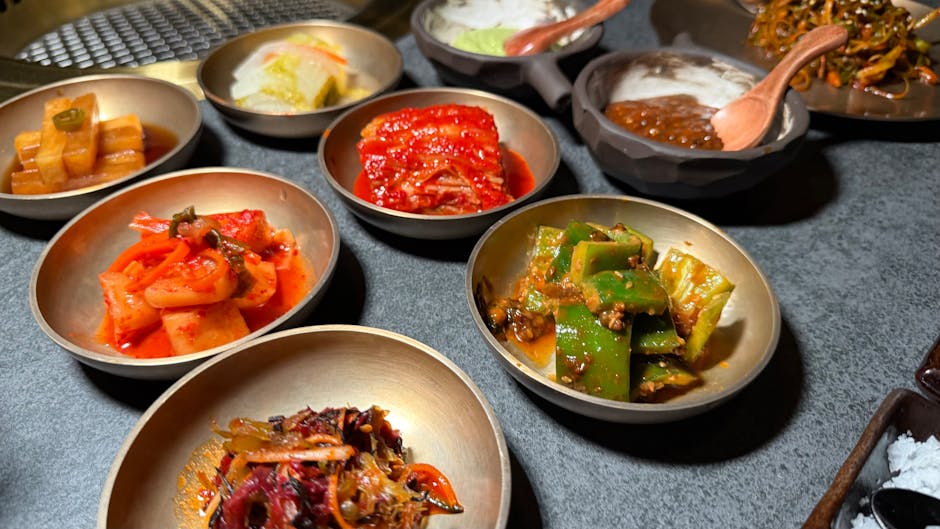
  • The Global Rise of Korean Cuisine: A Delicious Journey

    The Global Rise of Korean Cuisine: A Delicious Journey

    The Global Rise of Korean Cuisine: A Delicious Journey

    Korean food has captured the hearts and palates of people around the globe, becoming a culinary sensation in recent years. This surge in popularity can be attributed to several key factors, from the increasing global interest in diverse cuisines to the unique flavors and health benefits Korean dishes offer. Let’s explore the reasons behind this trend and how it continues to flourish worldwide.

    The Influence of K-Pop and K-Dramas

    One of the most significant drivers of Korean food’s popularity is the global influence of K-Pop and K-Dramas. These cultural phenomena have not only introduced audiences to the vibrant music and storytelling of Korea but also to its rich culinary traditions. Stars from these genres often showcase traditional meals or visit local eateries, sparking curiosity and interest in Korean cuisine.

    For example, a popular drama might feature a scene where the main character enjoys a delicious bowl of Bibimbap. Viewers who become enamored with the show may feel compelled to seek out similar dishes or even attempt to make them at home. The power of visual storytelling cannot be underestimated, as scenes rich in food imagery trigger cravings and inspire cultural curiosity.

    Health Benefits and Dietary Trends

    Another reason Korean food has gained international acclaim is its alignment with contemporary health trends. Many dishes are based on fresh, wholesome ingredients and balance, promoting a healthy lifestyle. Popular ingredients such as kimchi, lean meats, and vegetables not only offer delicious flavors but are also praised for their nutritional benefits.

    Kimchi, a staple in Korean cuisine, is loaded with probiotics that aid digestion and bolster immunity. In a time when health-conscious eating habits are on the rise, dishes that boost well-being, like Korean BBQ with marinated meats, provide flavorful yet nutritious dining options. Thus, the global audience is increasingly seeking out these meals, ensuring a growing market for Korean cuisine.

    The Role of Social Media

    The digital age has played a crucial role in popularizing various food trends, and Korean cuisine is no exception. Platforms like Instagram, TikTok, and YouTube have turned food content into a global spectacle. Eye-catching photos of beautifully presented dishes, quick recipe videos, and hashtags related to Korean cuisine propel its visibility.

    AdSense Area 1
    Google AdSense code can be inserted here later.
    The Global Rise of Korean Cuisine: A Delicious Journey

    Food influencers and content creators specifically showcase dishes like Tteokbokki (spicy rice cakes) and Jjajangmyeon (black bean noodles), introducing them to diverse audiences. When these dishes go viral, they create a ripple effect, encouraging followers to seek out authentic Korean dining experiences or attempt the recipes at home. By turning food into shareable moments, social media platforms have significantly contributed to the worldwide popularity of Korean food.

    The Appeal of Korean BBQ

    Korean BBQ represents a unique dining experience that appeals to communal eating preferences. The interactive aspect of cooking your own meat at the table engages diners and fosters a social atmosphere. This style of dining resonates particularly well with groups looking to enjoy meals together, making it a popular choice for gatherings.

    Restaurants that specialize in this culinary experience often thrive in cosmopolitan areas, catering to diverse clientele. The sizzling meats, vibrant side dishes, and the ability to tailor each meal to individual tastes create an enticing atmosphere. One thing that often surprises foreign visitors is the variety of banchan, or side dishes, that accompany the main course, allowing for a rich tapestry of flavors with every meal. This aspect of shared dining naturally entices more people to explore the richness of Korean cuisine.

    Accessibility of Ingredients

    The growing global recognition of Korean food has led to increased accessibility of ingredients in supermarkets worldwide. Shops with international foods now commonly carry essentials like gochujang (Korean chili paste) and doenjang (fermented soybean paste), making it easier for home cooks to prepare authentic Korean dishes.

    Cooking shows, blogs, and cookbooks further promote Korean culinary techniques that can be replicated at home. For those inspired to incorporate these flavors into their cooking, the availability of these ingredients signifies that Korean cuisine is not only admired but also approachable. As more individuals become accustomed to the flavors, Korean food will continue solidifying its place in the global culinary landscape.

    Korean Food Festivals

    Food festivals celebrating Korean cuisine have been sprouting up around the world, showcasing diverse culinary creations and traditional dishes. These events often feature cooking demonstrations, tastings, and performances, which provide an immersive experience of Korean culture through food.

    Such festivals serve as a platform for local Korean restaurants and chefs to introduce their specialties to a broader audience. Attendance at these events helps to create a deeper appreciation for the richness of Korean flavors and cooking techniques. By participating in these culinary celebrations, individuals not only discover new tastes but also connect with the culture and history behind the dishes.

    Quick Action: Choose one practical idea from this article and apply it today.
    AdSense Area 2
    Second ad placement area for longer content.

    Global Fusion Cuisine

    Another trend contributing to the popularity of Korean food is the innovative fusion cuisine that merges traditional Korean elements with other culinary traditions. Chefs around the world experiment by incorporating Korean flavors into familiar dishes, resulting in exciting adaptations that appeal to various tastes.

    For instance, the introduction of Korean Fried Chicken has sparked numerous variations, combining different seasoning blends and cooking styles. These hybrid creations enable a broader audience to experience Korean food while making it more relatable to their own preferences. As fusion cuisine continues to gain traction, it reflects the global exchange of culinary ideas, promoting Korean food in fresh and exciting ways.

    The Rise of Korean Restaurants

    With the increasing interest in Korean cuisine, the number of restaurants specializing in these unique flavors has surged globally. Major cities now boast a wide array of dining options, from upscale establishments to casual eateries offering street food-inspired dishes.

    The diversity in dining options allows consumers to encounter Korean food at various price points and settings, expanding its reach. In Korean workplaces or everyday culture, I often notice that sharing meals is a significant bonding experience, which many restaurants promote through their menu layouts. This communal approach invites diners to appreciate meals together, enhancing the overall enjoyment and connection to the cuisine.

    Intercultural Appreciation

    As globalization continues to connect individuals across borders, there is a growing appreciation for diverse cultures and cuisines. This cultural exchange allows food enthusiasts to engage with other customs and flavors, leading to a newfound love for Korean dishes.

    In many cases, individuals who delve into Korean food also immerse themselves in other aspects of Korean culture, such as language, music, and arts. This expanding interest promotes intercultural dialogue and enhances the understanding of the culinary traditions that shape Korean food. As a result, the world embraces Korean cuisine not just as a trend but as part of a broader appreciation for cultural diversity.

    Personal Opinion

    In my personal opinion, the global fascination with Korean food is a reflection of broader trends in culture and communication. The unique flavors, combined with the power of modern media, create an avenue where individuals can explore and celebrate differences in culinary traditions. From my observations in Korean daily life, it is clear that food is not just sustenance; it is an integral part of the cultural fabric that brings people together. As the world continues to embrace the essence of Korean cuisine, I anticipate that it will evolve while holding its foundational values—community, hospitality, and rich flavor profiles. Embracing such diversity in our eating habits ultimately enriches our shared human experience.

    The Global Rise of Korean Cuisine: A Delicious Journey

    Profit Flow Daily shares practical insights on global markets, crypto, investing, online income, and Korean culture.

    This article is for informational purposes only and should not be considered financial, investment, legal, medical, or tax advice.