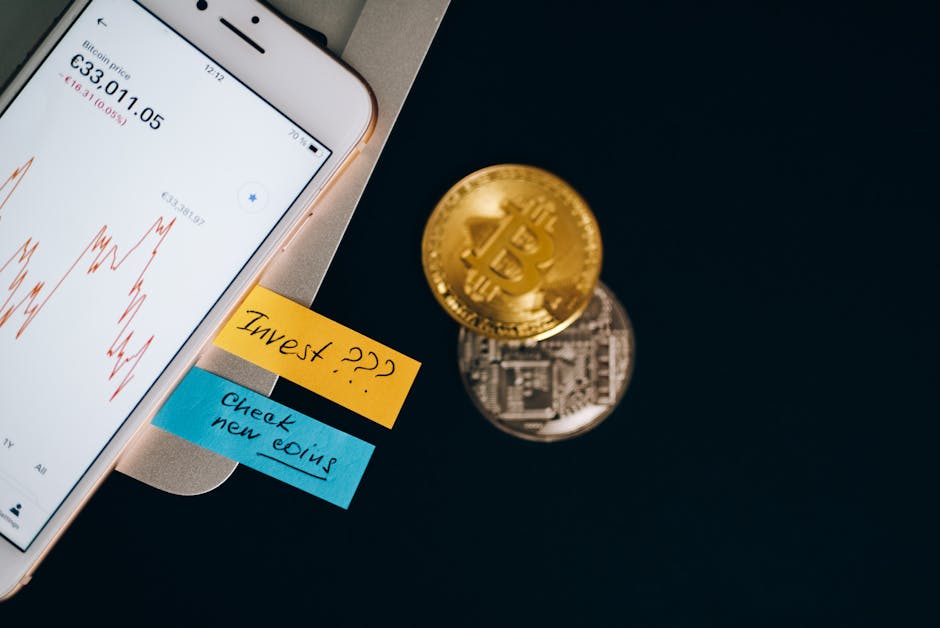
Cryptocurrency is an exciting but complex world that continues to attract newcomers seeking investment opportunities and technological advancement. However, embarking on this journey isn’t without its pitfalls. Many first-time investors are unaware of crucial factors that could negatively impact their experience. To navigate successfully, it’s important to understand the common missteps that novices often make.
1. Ignoring Security Measures
One of the most significant oversights beginners make is underestimating the importance of security when dealing with digital currencies. Hackers and scammers are prevalent in the crypto space, targeting inexperienced users specifically because they often lack robust security practices. It’s essential to protect your assets by implementing strong security protocols.
What I would do first is to use hardware wallets for storing cryptocurrencies, as they keep your private keys offline, significantly reducing the risks of hacks. Additionally, enabling two-factor authentication on your crypto accounts adds a vital layer of security. Remember, your digital assets are only as safe as the precautions you take to protect them.
2. Failing to Research Before Investing
The mistake I often see beginners make is jumping into investments without conducting proper research. The cryptocurrency market is flooded with numerous assets, some of which may not stand the test of time. Understanding the technology behind a cryptocurrency and its use case is crucial before committing your funds.
A practical way to start is to focus on established projects with a solid community and robust development team. For example, looking into Bitcoin and Ethereum can provide insights into successful blockchain applications. Resources such as white papers and community forums can offer valuable information to help make educated investment decisions.
3. Letting Emotions Drive Decisions
Cryptocurrency prices can be extremely volatile, leading to a rollercoaster of emotions such as fear and greed. Beginners frequently allow these emotions to drive their decisions, leading to irrational buying or selling at the wrong time. This emotional trading often results in losses.
To counter this, I suggest creating a set of investment rules based on strategy rather than emotion. This might include setting a specific percentage for gains and losses that you are comfortable with. For instance, establish a plan to take profits at 20% gains or to cut losses at 10%. Sticking to this plan can help mitigate emotional influences when faced with market fluctuations.
Google AdSense code can be inserted here later.

4. Neglecting to Diversify Investments
An all-too-common error for beginners is placing all their funds into a single coin, banking on it to deliver stellar returns. While the potential for high rewards may seem enticing, this strategy leaves investors vulnerable to sudden market downturns of that particular asset.
A balanced approach is crucial. I find that diversifying your portfolio across several cryptocurrencies can spread risk and potentially enhance returns. Consider allocating your funds among various assets, including a mix of established coins like Bitcoin, promising altcoins, and perhaps a small percentage in riskier ventures. This method allows you to safeguard against total loss if one asset underperforms.
5. Overtrading and Chasing Trends
Many beginners get caught up in the excitement of day trading, frequently buying and selling assets in pursuit of quick profits. This habit not only incurs fees but can also result in significant losses. The error lies in trying to chase trends or react to market volatility rather than following a solid investment strategy.
If I were advising a beginner, I would emphasize the benefits of a long-term perspective. Instead of succumbing to the urge to trade constantly, consider establishing a buy-and-hold strategy based on thorough research. By resisting the impulse to constantly monitor market movements, you may find that time in the market is more beneficial than timing the market.
6. Ignoring Tax Implications
A common yet overlooked area for newcomers is the tax implications associated with cryptocurrency trading. Many individuals unknowingly fail to report earnings and losses, which can lead to legal issues in the future. Understanding how crypto is taxed in your area is essential for responsible trading.
To begin addressing this, it’s wise to keep meticulous records of all transactions, including dates, amounts, and types of assets traded. Employing accounting software tailored for cryptocurrencies can streamline this process. Consulting with a tax professional can also clarify reporting statutes and ensure compliance with local regulations.
7. Relying Too Heavily on Social Media
While social media can be an excellent source of information, beginners often fall into the trap of relying exclusively on influencers and trends for advice. This reliance on anecdotal evidence can lead to poor investment decisions based on hype rather than fundamental analysis.
What I recommend is to use social media as just one tool in your research toolkit. Combining insights from social media with in-depth analysis, news articles, and academic perspectives can provide a more rounded understanding. Instead of following trends, focus on enhancing your knowledge about the technology behind cryptocurrencies.
Second ad placement area for longer content.
8. Underestimating the Importance of Community
In the crypto world, community plays a vital role in the development and sustainability of any project. Beginners often overlook the significance of a strong, engaged community surrounding a cryptocurrency. A supportive group can provide resources, insights, and updates that are invaluable for new investors.
A practical way to become involved is to participate in forums like Reddit or Discord channels related to particular cryptocurrencies. Engaging in discussions and learning from experienced community members can deepen your understanding and keep you informed about upcoming developments in the space.
9. Misunderstanding Wallet Types
Another mistake is a lack of comprehension regarding the different types of cryptocurrency wallets available. Some beginners mistakenly think that all wallets provide the same level of security or utility, which can lead to exposure of their assets.
I would encourage beginners to dig into the various wallet options, such as hot wallets for frequent trading and cold wallets for long-term storage. Each has its benefits and drawbacks. Understanding these distinctions can help you select the appropriate wallet type based on your trading style and security needs.
10. Neglecting Continuous Learning
The cryptocurrency landscape is continually evolving, and many novices fail to commit to ongoing education. Trends, regulations, and technological advancements change swiftly, which means staying informed is essential for long-term success.
A practical approach to continuous learning is to dedicate time each week to read new articles, research projects, or listen to podcasts about cryptocurrency. Following thought leaders and joining educational webinars can provide additional insights that will enhance your understanding of the market and its dynamics.
Personal Opinion
In my personal opinion, many of the difficulties faced by beginners in the cryptocurrency realm stem from a lack of education and preparation. By taking the time to research and understand the risks and complexities involved, new investors can reduce the temptation to rush into decisions without proper insight. The journey into cryptocurrency is undoubtedly worthwhile but requires diligence and a commitment to learning. Embracing these principles can lead to a more secure and rewarding experience.

Profit Flow Daily shares practical insights on global markets, online income, Korean culture, Korean food, beauty, travel, and work life.
This article is for informational purposes only and should not be considered financial, investment, legal, medical, or tax advice.