
Investing in cryptocurrencies can feel like navigating a turbulent sea. With its inherent volatility and rapid price changes, managing risk is crucial for anyone looking to succeed in this space. Many investors dive in without a clear plan, which often leads to poor decision-making and substantial losses. To help you steer clear of common pitfalls, I’ll outline practical strategies to manage risk effectively, ensuring you approach your investments with a well-rounded understanding.
1. Understanding Risk Tolerance
The first step in managing risk is understanding your own risk tolerance. This personal metric varies from investor to investor, influenced by financial goals, investment horizon, and emotional capacity to withstand losses. Before making any investments, it’s wise to reflect on your comfort level with volatility. For instance, a seasoned investor may be more equipped to handle market fluctuations compared to a novice.
A practical way to start assessing your risk tolerance is to consider a few key questions. What would you do if the market dropped by 20% tomorrow? Would you panic and sell, or hold onto your investments? By evaluating how you might react in various market conditions, you can gain insights into your risk profile. Moreover, consider diversifying your investments based on risk levels; this could mean allocating a portion of your portfolio to less volatile assets if you find yourself highly risk-averse.
2. Diversification: Not Putting All Your Eggs in One Basket
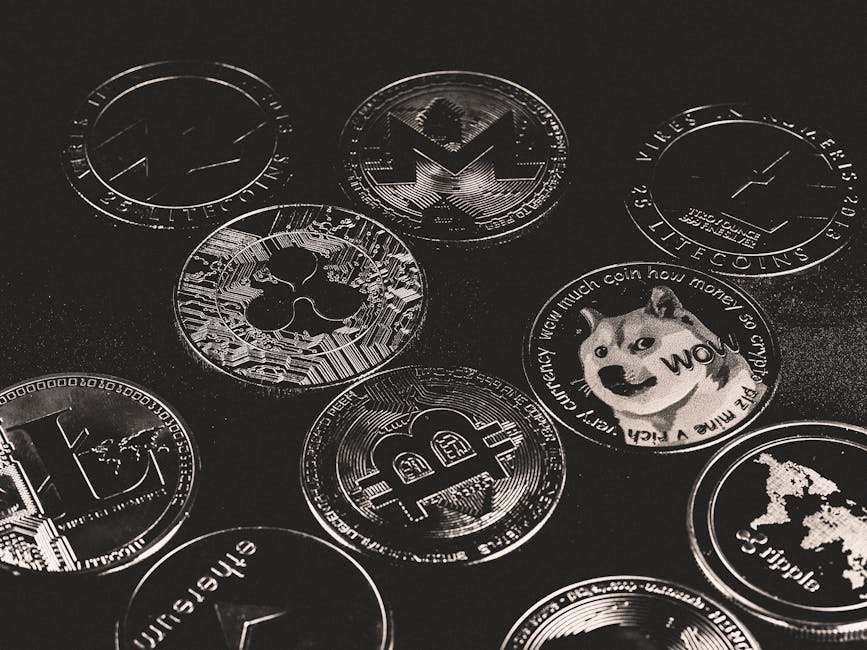
Diversification is one of the cornerstones of effective risk management. The basic principle is simple: do not put all your money into a single asset or asset class. This strategy can help mitigate losses because different assets often respond differently to market events. For crypto investors, this means spreading investments across various cryptocurrencies, including those with different market caps, sectors, and underlying technologies.
The mistake I often see beginners make is over-concentration in popular coins like Bitcoin or Ethereum, hoping to ride their wave of success. While these cryptocurrencies have demonstrated significant growth, they also come with risks. Instead, I suggest including a mix of established coins and newer projects that might diversify your portfolio and reduce overall risk. Additionally, don’t forget about altcoins and stablecoins, which might provide a buffer against extreme volatility.
3. Setting Realistic Goals and Exit Strategies
Another essential aspect of effective risk management lies in setting realistic investment goals and exit strategies. It’s easy to get caught up in the excitement of potential profits and forget to plan for losses or market downturns. Establishing clear targets helps you stay focused and disciplined, enabling you to make informed decisions rather than emotionally driven ones.
A practical approach is to determine both short-term and long-term goals. For example, you might aim for a specific percentage increase in your portfolio over six months while also planning an exit strategy for a long-term hold when a particular milestone is achieved. Remember to document these goals and revisit them regularly to gauge your progress. This way, you’ll avoid the pitfall of pricing in hopes and dreams rather than reality.
Google AdSense code can be inserted here later.

4. Utilizing Stop-Loss and Take-Profit Orders
Effectively using stop-loss and take-profit orders is an invaluable tool in any investor’s arsenal. A stop-loss order is designed to limit an investor’s loss on a position in cryptocurrency by selling the asset once it reaches a certain price point. On the other hand, take-profit orders automatically sell your asset once it hits a pre-determined profit level, allowing you to lock in gains.
For instance, if you bought a coin at $100, you might set a stop-loss order at $90 to minimize your risk exposure. Conversely, if the price rises to $120, setting a take-profit order can help you secure profits rather than waiting for an uncertain outcome. However, I’ve seen too many investors use these tools without understanding their limitations; always ensure you are familiar with how to set these orders effectively on your trading platform.
5. Regularly Reviewing Your Portfolio
Cryptocurrency markets are dynamic, which means your investment strategy must be flexible as well. Periodic portfolio reviews allow you to reassess your assets based on performance and market conditions. Regular scrutiny can help you identify underperforming coins and reallocate your capital toward more promising opportunities.
A straightforward method to conduct this review is to set a schedule—perhaps biweekly or monthly—to analyze asset performance and market trends. Take note of any external developments that could impact your investments, such as regulatory changes or technological advancements. As part of this process, I often recommend considering whether to hold, buy more, or sell certain assets based on their behavior and any relevant news. This keeps your investments active and aligned with market realities.
6. Educating Yourself about Market Trends
Staying informed is crucial for any investor, especially in a fast-evolving field like cryptocurrency. Knowledge of market trends, economic indicators, and technological advancements can equip you with insights necessary for informed decision-making. Furthermore, understanding fundamental and technical analyses can provide extra layers of risk management.
A practical way to start is by following reputable crypto news outlets, joining online forums, or even subscribing to industry newsletters. By engaging with a community of fellow investors, you can share insights and diversify your understanding of market dynamics. Remember, the more informed you are, the more effectively you can manage risk and make sound investment decisions—not relying solely on speculation but rather on educated forecasts.
7. Being Aware of Emotional Influences
Emotional discipline is often overlooked in investing, but it plays a pivotal role in effective risk management. Markets are driven by emotions, and fear and greed can cloud judgment. Investors may react impulsively to market movements, selling at a loss during downturns or buying at inflated prices during a surge.
To counteract emotional influences, I recommend practicing mindfulness or setting predetermined rules for when to buy or sell. For example, rather than reacting impulsively to a market dip, I would suggest using a structured approach, such as waiting until a specific price point is reached. Keeping a trading journal can also be beneficial, as documenting your emotions and thoughts during decision-making helps identify patterns that need addressing. Awareness of these emotional triggers can lead to more rational investment choices.
Second ad placement area for longer content.
8. Using Tools and Resources for Risk Assessment
Many tools and resources are available to help investors assess their risk levels effectively. Various platforms offer performance metrics, risk assessments, and portfolio analytics tools that allow you to understand your investments better. Utilizing these tools can provide a clearer picture of where you stand and how to adjust your strategies.
For instance, platforms like CoinMarketCap and CoinGecko provide valuable data on market capitalizations, trading volumes, and price histories. Additionally, portfolio management tools can help track performance over time, making it easier to make data-driven decisions. I would encourage you to explore these resources and use them to create a customized portfolio management strategy that aligns with your risk tolerance.
9. Recognizing the Signs of Market Manipulation
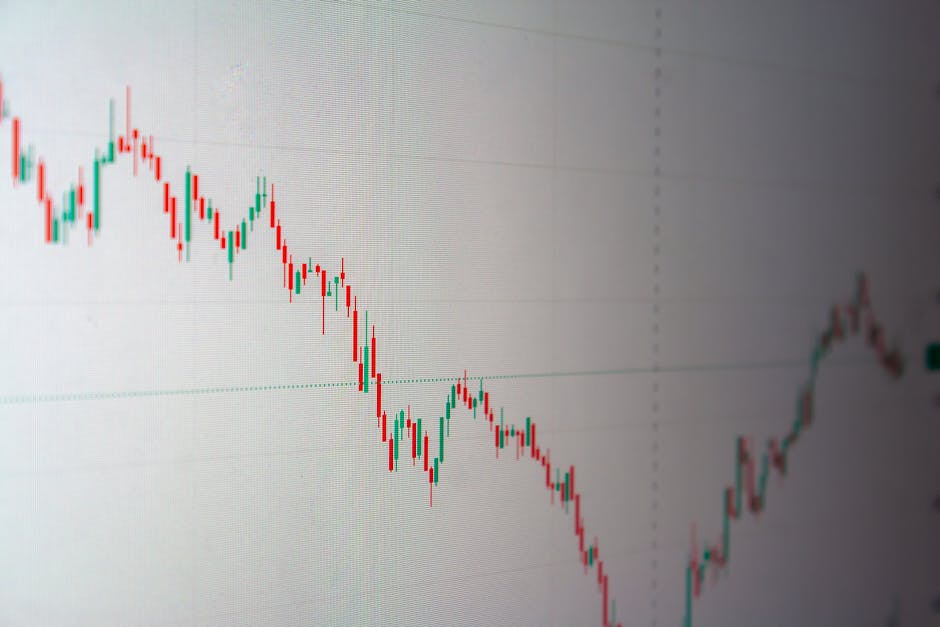
In the crypto space, market manipulation can occur more often than you might expect. Understanding the signals of potential price manipulation, such as sudden volume spikes or erratic price movements, can help you avoid entering or exiting positions at the wrong time. Awareness of these signs helps you navigate the market with greater caution and discernment.
A common manipulative tactic is ‘pump and dump,’ where a group artificially inflates an asset’s price through misinformation, only to sell it off once prices peak. As an investor, being skeptical of dubious claims or unverified opportunities can save you from significant losses. It is essential to research thoroughly before committing funds; staying connected to credible news sources can also aid in recognizing potential manipulation patterns.
10. Networking with Other Investors
Building a network with fellow investors can provide insights, support, and varying perspectives on risk management. Engaging with a community can facilitate sharing strategies, experiences, and lessons learned from past mistakes. This collective pool of knowledge can sharpen your decision-making process and inform your investment choices.
Consider participating in local meetups, online forums, or social media groups that focus on cryptocurrency investing. One of the most rewarding experiences I’ve encountered is collaborating with like-minded individuals who challenge my views and introduce me to new strategies. By tapping into the collective wisdom of your network, you can better navigate the complexities of investing in cryptocurrencies.
Personal Opinion
In my personal opinion, risk management is a continuous journey, not a one-time equation. As I navigate through my own investments, I prioritize ongoing education and adaptation. Each strategy I employ is a reflection of my understanding of the ever-changing landscape of cryptocurrencies. While it’s crucial to have a plan, remaining flexible and open to learning will substantially shape your success as an investor. Making thoughtful decisions, based on careful risk assessments rather than impulse, will ultimately yield more responsible and rewarding outcomes in the cryptosphere.

Profit Flow Daily shares practical insights on global markets, online income, Korean culture, Korean food, beauty, travel, and work life.
This article is for informational purposes only and should not be considered financial, investment, legal, medical, or tax advice.



답글 남기기