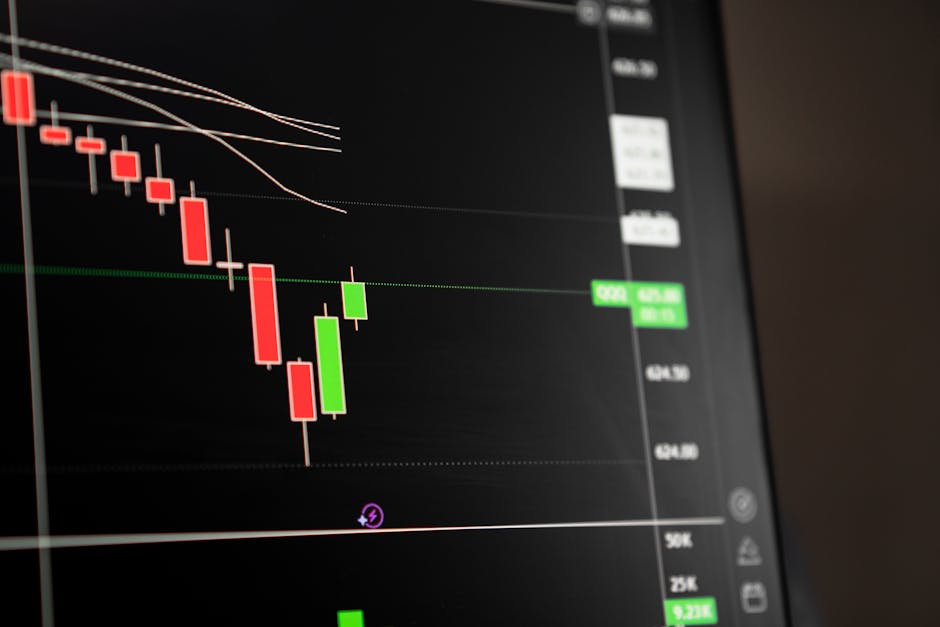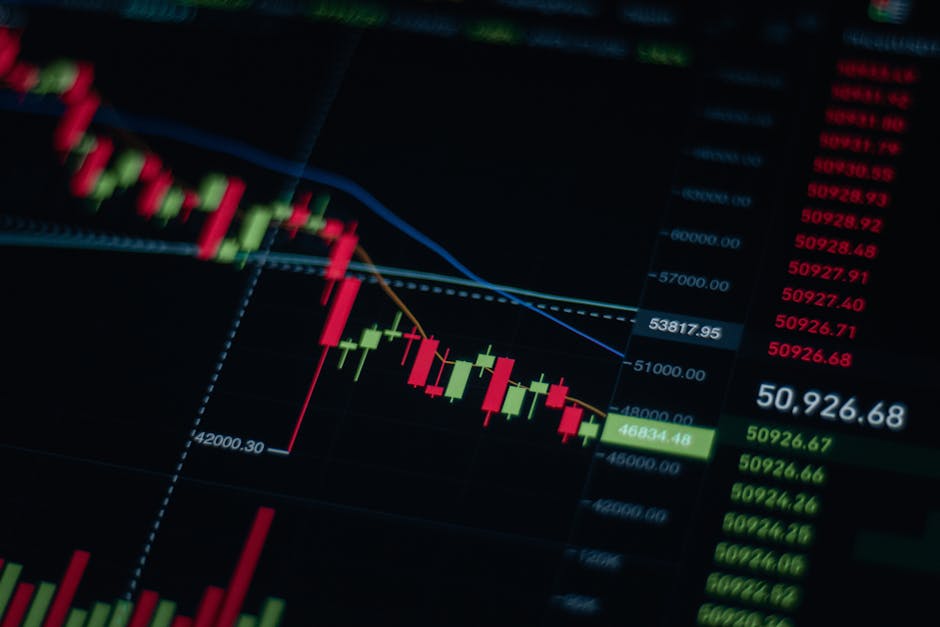
Bitcoin has captured the attention of investors around the world with its meteoric rise and dramatic falls. While many are drawn to the potential for high returns, the volatility associated with this cryptocurrency can be daunting for ordinary investors. To navigate this turbulent landscape effectively, it’s crucial to understand the factors that drive price fluctuations, how to approach investing with a strategic mindset, and the steps one can take to manage risk.
Factors Contributing to Bitcoin Volatility
Understanding the underlying causes of price volatility is the first step for anyone looking to invest in Bitcoin. Multiple factors can influence Bitcoin’s market dynamics, including supply and demand fluctuations, regulatory news, and broader economic trends.
- Supply and Demand: Bitcoin’s supply is capped at 21 million coins, which creates a scarcity effect. As more investors seek to acquire Bitcoin, the increased demand can lead to significant price surges. Conversely, when interest wanes or market sentiment shifts, prices may plummet. An example of this can be seen during the 2021 bull run, where increased institutional adoption drove prices up to nearly $65,000. However, when sentiment shifted due to regulatory crackdowns in various countries, Bitcoin’s value dropped significantly.
- Market Sentiment: The cryptocurrency market is heavily influenced by news cycles and public sentiment. Positive developments, like endorsements from influential figures or companies, can drive prices up, while negative news can trigger sell-offs. For instance, announcements regarding regulatory changes or security breaches at cryptocurrency exchanges often result in immediate reactions, which can cause rapid price changes. Observing market sentiment can provide valuable insights for timing your investments.
Understanding Market Cycles
Cryptocurrency markets are characterized by cycles of highs and lows, and Bitcoin is no exception. Recognizing these cycles can help investors make informed decisions rather than reacting impulsively to market changes.
- Bull and Bear Markets: A bull market is defined by rising prices and positive investor sentiment, while a bear market indicates falling prices and market pessimism. Bitcoin typically experiences these cycles every few years. For example, the bull market of 2017 saw prices skyrocket from around $1,000 to nearly $20,000, followed by a bear market in 2018 that saw prices drop back to about $3,200. Understanding where we stand within these cycles is vital for investment strategies.
- Historical Patterns: Historical analysis of Bitcoin prices can reveal trends that may help anticipate future movements. Many investors use tools like moving averages and Fibonacci retracements to identify potential price support and resistance levels. It’s important to remember that while historical patterns can offer insights, they do not guarantee future performance. Therefore, approach any investment with careful consideration.
Developing a Strategic Approach
Having a strategy in place is essential for any investor, especially in a volatile market like cryptocurrency. A well-defined strategy can help you stay focused and avoid making hasty decisions driven by emotions.
Google AdSense code can be inserted here later.
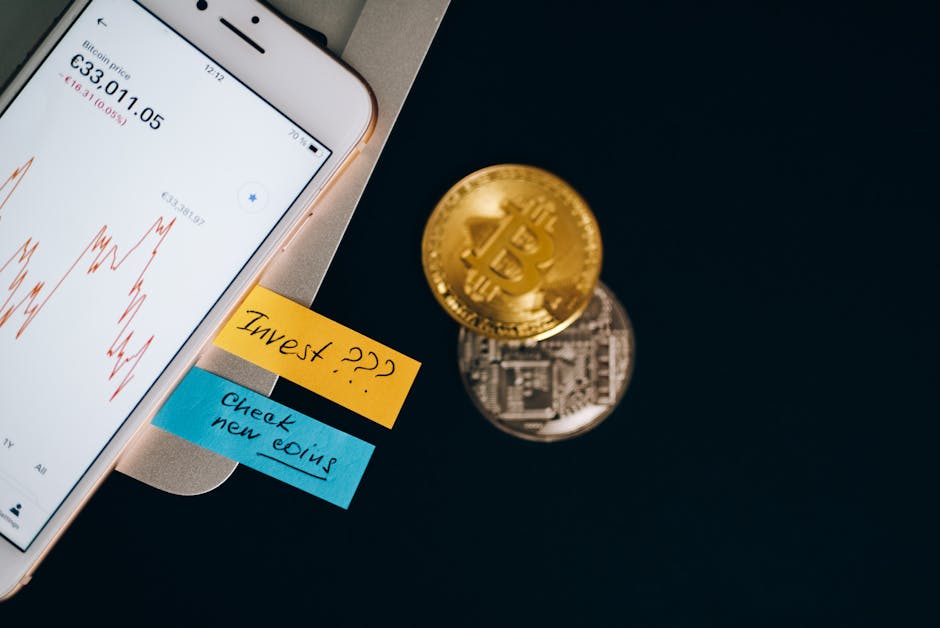
- Set Clear Goals: Before investing in Bitcoin, it’s essential to determine your financial goals. Are you looking for short-term gains, or are you prepared to hold for the long term? Clearly defined objectives can guide your purchasing decisions and help you weather market fluctuations. For instance, if you intend to hold Bitcoin for years, short-term price swings may have less impact on your overall strategy.
- Determine Risk Tolerance: Knowing how much risk you are willing to take is crucial. The mistake I often see beginners make is investing more than they can afford to lose, which can lead to significant stress during downturns. A practical way to start is by investing a small percentage of your portfolio in Bitcoin while keeping the majority in more stable investments. This diversification allows you to participate in the crypto market without overexposing yourself to risk.
Practical Risk Management Techniques
Managing risk is a key aspect of investing in any volatile asset. Learning how to protect your capital will significantly enhance your investing experience.
- Use Stop-Loss Orders: A stop-loss order is a pre-set level where you will automatically sell your Bitcoin if prices fall beyond a certain point. This can help limit potential losses and reduce the emotional burden of making snap decisions during market declines. For instance, if you buy Bitcoin at $30,000, setting a stop-loss order at $27,000 might mitigate your losses should the market turn against you.
- Regularly Reassess Your Portfolio: As market conditions change, it’s important to reassess your investment strategy and adjust your holdings accordingly. Regularly reviewing your portfolio allows you to identify how different assets perform in relation to each other, ensuring that your investments align with your financial goals and risk tolerance. A practical approach is to schedule these reviews quarterly or after significant market movements.
The Role of Education and Research
Continuous learning is vital in such a rapidly changing environment. As an investor, keeping informed about market trends, new developments, and emerging technologies can provide a significant advantage.
- Follow Credible Sources: The crypto space is rife with misinformation, so relying on trustworthy news outlets, expert analyses, and reliable data can help you better understand market dynamics. By engaging with a mix of financial news platforms, social media discussions, and dedicated cryptocurrency forums, you can gather diverse perspectives to inform your decisions.
- Participate in Online Communities: Engaging with fellow investors can facilitate the sharing of knowledge and experiences. Joining forums like BitcoinTalk or Reddit’s cryptocurrency threads can provide insights into trends and strategies others use. Actively participating in these communities can enhance your learning and keep you updated on emerging patterns in the market.
Final Thoughts
Investing in Bitcoin comes with its set of challenges, particularly due to its inherent volatility. However, with a thoughtful approach, an understanding of market dynamics, and effective risk management strategies, ordinary investors can navigate this landscape while minimizing potential pitfalls. Always remember that every investment carries risks, and it is essential to stay informed and patient as you develop your cryptocurrency portfolio.
Personal Opinion
In my personal opinion, the best way to approach investing in Bitcoin is with an open mind and a willingness to learn. Experimenting with small amounts can provide firsthand experience while you build your understanding of the market. This gradual approach can help demystify the volatility and foster confidence in your investing abilities over time.

Profit Flow Daily shares practical insights on global markets, online income, Korean culture, Korean food, beauty, travel, and work life.
This article is for informational purposes only and should not be considered financial, investment, legal, medical, or tax advice.