In the age of globalization, cultural exchanges often lead to misconceptions, especially when it comes to traditional societies like Korea. While many travelers might think they have the essence of Korean culture figured out, several nuances often escape notice. Understanding these subtleties can significantly enhance one’s experience in this vibrant landscape. Here are a few common misunderstandings that I have observed in interactions between locals and foreigners.
1. Hierarchical Relationships Are Not Strictly Formal
One thing foreigners may not notice at first is the significant influence of hierarchy in Korean society. The perception can be that hierarchical relationships dictate strict formalities; however, this is a misconception. While respect for elders and superiors is deeply ingrained in traditions, interaction styles often blend warmth with this structure.
For instance, in my experience around Korean workplaces, colleagues who belong to the same age group joke with each other despite their positions, showcasing a comfortable camaraderie. This relaxed environment can sometimes be puzzling for outsiders, who might assume that all interactions are marked by formality. Learning to navigate these relationships requires an understanding that while respect is paramount, warmth and humor often replace rigid structures in many social situations.
2. The Importance of Personal Space in Social Gatherings
Another misconception revolves around the concept of personal space in social settings. Many foreigners are accustomed to maintaining a certain distance during conversations, which may create an impression of emotional detachment. However, in Korean culture, personal space is often less pronounced among friends and acquaintances, particularly during gatherings.
In Korea, it is common for friends to stand close together during conversations, or even to share food from the same dish directly. This practice emphasizes a deep sense of community and trust. Observations from social settings, such as dinner parties or festivals, reveal that people are more comfortable being physically close to one another. When navigating social interactions, understanding this practice can foster a more relaxed atmosphere and lead to stronger connections.
3. Direct Communication Is Not Always the Norm
From what I have observed in Korean daily life, the communication style can be indirect. Many foreigners expect straightforwardness in conversations, assuming that being direct is a sign of honesty. However, in Korean culture, being indirect often serves to maintain harmony and avoid confrontation.
AdSense Area 1 Google AdSense code can be inserted here later.
For example, if a Korean person disagrees with a suggestion during a meeting, they might express their discomfort subtly rather than outright stating their perspective. This approach is often reflected in body language and phrasing, where the message is conveyed without explicit rejection. Understanding this can prevent misinterpretations and enhance mutual respect. For foreigners, practicing patience and careful observation during interactions can lead to a more meaningful exchange.
4. Food Culture Goes Beyond Just Eating
In Korea, the act of sharing a meal is deeply rooted in social customs and carries significant meaning. Many foreigners may perceive dining solely as a necessity or convenience but in my experiences, it serves as a pivotal social activity that binds relationships.
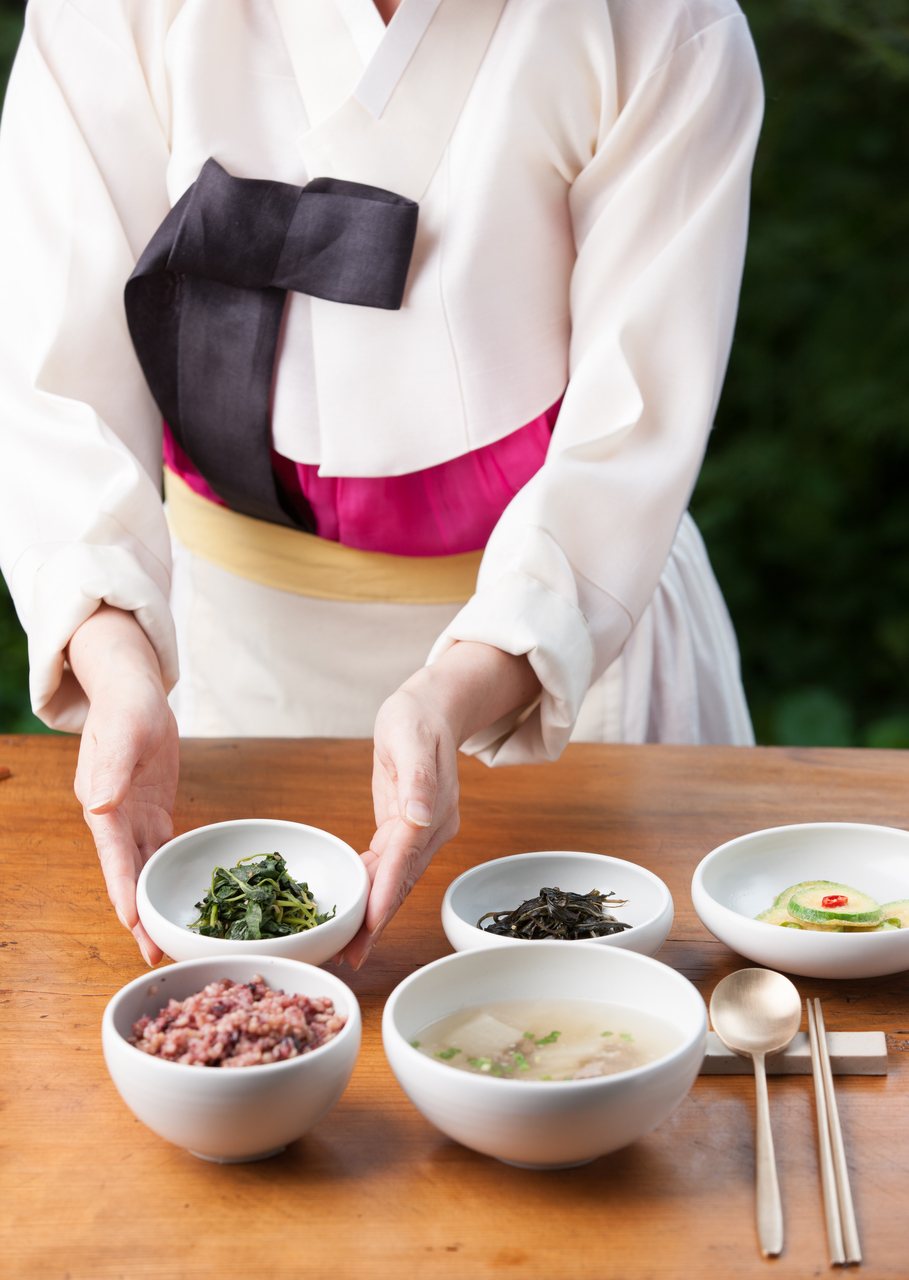
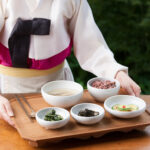
Meals are often accompanied by a series of side dishes called banchan, and sharing these dishes exemplifies togetherness. This culture around food encourages storytelling and bonding, providing a space where people are free to converse. Furthermore, the way Koreans handle food, such as pouring drinks for each other, reinforces camaraderie. For those visiting Korea, embracing this tradition can create deeper connections and enrich personal experiences.
5. K-Pop Is Just the Surface of a Rich Cultural Landscape
While the global phenomenon of K-Pop has captivated millions, it’s a common misunderstanding to equate it with the entirety of Korean culture. The music industry, with its vibrant visuals and catchy tunes, can dominate perceptions, but Korean culture is vast and diverse.
Through my observations, rich artistic expressions such as traditional music, dance, and contemporary arts reflect the nation’s history and identity. An example of this is the traditional Korean drama, which weaves complex narratives and deep emotions, offering insights into the societal values of the past. By exploring cultural venues like museums, theaters, or local performances, foreigners can gain a broader understanding and appreciation of Korea beyond the mainstream pop culture. Engaging in these experiences can lead to a more nuanced view of the cultural richness that exists here.
6. Personal Relationships Can Be Complex
In Korea, personal relationships often develop slowly and may seem less expressive than what some might expect. A foreigner might assume that friendships will mirror the openness commonly found in Western cultures. However, deeper connections often require patience and gradual understanding.
Quick Action: Choose one practical idea from this article and apply it today.
AdSense Area 2 Second ad placement area for longer content.
From my experience, friendships in Korea might first appear formal, as locals may take time to gauge trust and compatibility before opening up. Nevertheless, this doesn’t signify coldness. Friendships that evolved over time often lead to incredibly close-knit bonds. When interacting with locals, patience and respect for this process can go a long way in forming meaningful friendships.
7. Work-Life Balance Attitudes Are Changing
Many perceive South Korea as a society that prioritizes work over personal life, and while this stereotype does have a foundation in reality, the situation is evolving. Foreigners may view the long working hours as a one-dimensional characteristic of Korean culture. However, recent years have seen a concerted effort towards establishing a healthier work-life balance.
In my observations in Korean workplaces, younger generations are actively advocating for a balanced lifestyle, seeking jobs that allow for personal time and aspirations. Companies are slowly adopting flexible hours and prioritizing mental well-being. For outsiders, recognizing this shift can demystify some assumptions about the work culture and reveal an active movement towards enhancing quality of life.
8. Education Isn’t Just About High Performance
The intense focus on education in Korea often leads to misconceptions that it solely revolves around achieving high scores in exams. While academic success is crucial, it can overshadow other vital aspects of holistic education such as emotional intelligence and social skills development.
From my perspective, educational practices here emphasize encouragement, mentoring, and character building alongside scholastic achievement. There’s a wide array of extracurricular programs designed to help students develop various skills. For foreigners, understanding this multifaceted educational environment can shift perceptions, recognizing that the drive for academic excellence encompasses much more than mere grades.
Personal Opinion
In my personal opinion, these insights highlight the richness and complexity of Korean culture. Navigating through the layers of tradition and contemporary influences can be deeply rewarding for anyone willing to embrace it fully. These common misunderstandings serve not only as a learning curve for travelers but also as a bridge between cultures. With an open mind and a willing heart, one can truly appreciate the spirit of Korea, which thrives on community, respect, and the beauty of connection.
Profit Flow Daily shares practical insights on global markets, online income, Korean culture, Korean food, beauty, travel, and work life.
This article is for informational purposes only and should not be considered financial, investment, legal, medical, or tax advice.



답글 남기기