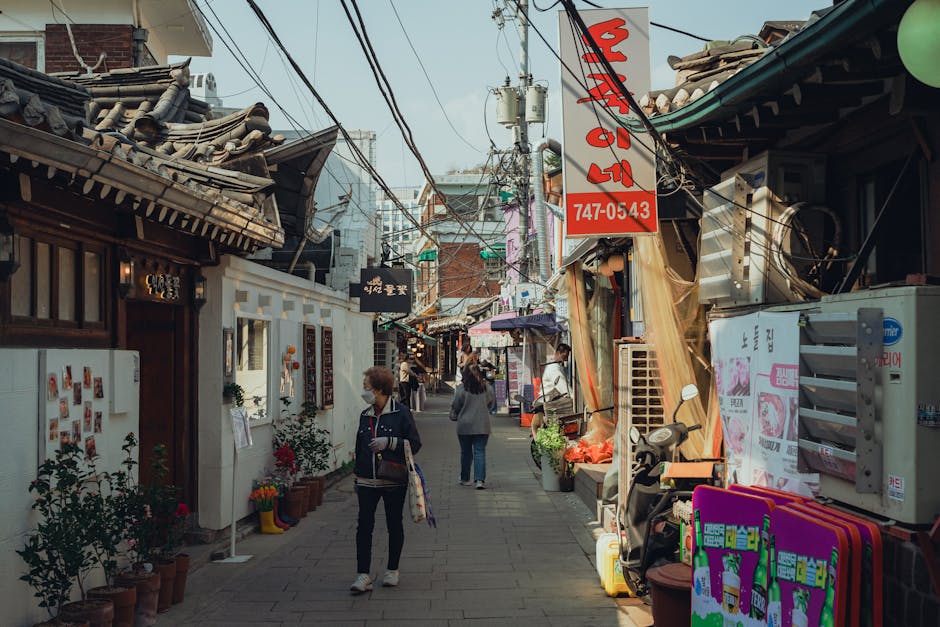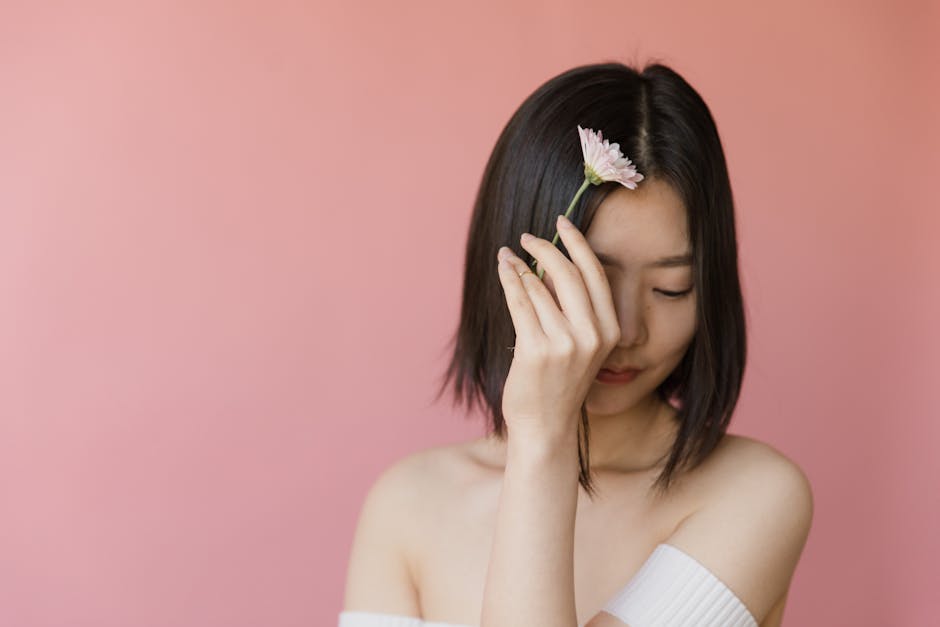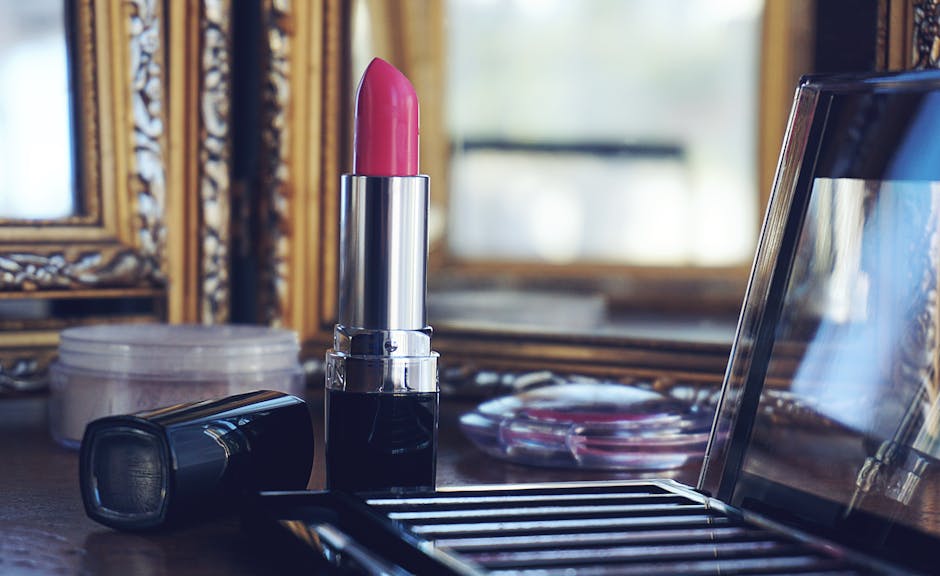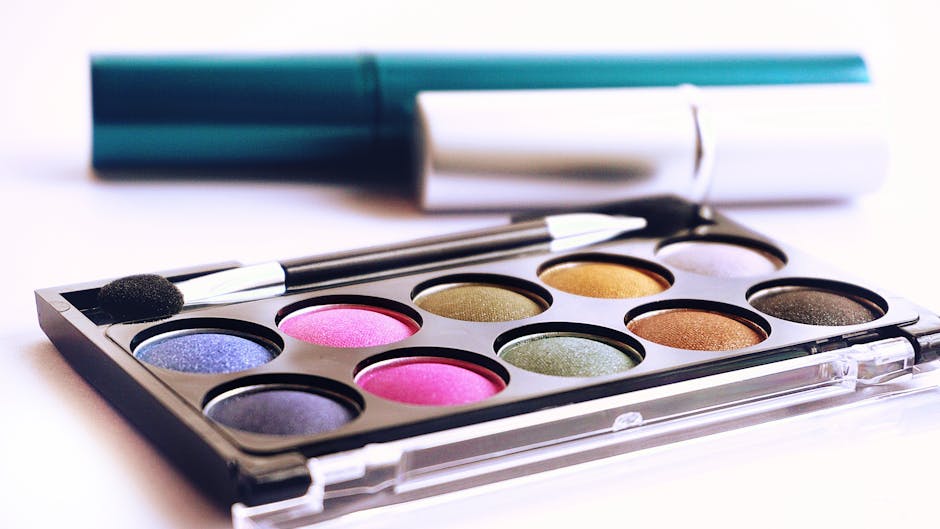
In Korea, the evolution of skincare and beauty routines has transcended mere cosmetic choices, becoming a deeply rooted aspect of daily culture. From what I have observed in Korean daily life, beauty goes beyond aesthetics; it reflects a philosophy of caring for oneself which is embedded in the social fabric of the country. The multifaceted nature of K-Beauty, initially influenced by traditional practices, contemporary science, and pop culture, has made it a phenomenon that has spread far beyond Korea’s borders.
The Historical Context of Korean Beauty Practices
The story of K-Beauty is intertwined with Korea’s rich history and cultural heritage. Traditional practices drew from holistic approaches, which revered natural ingredients and sought harmony in beauty routines. Historical texts from centuries ago indicate that Korean women utilized fermented rice, ginseng, and various herbs to maintain healthy skin.
This respect for natural methods persists today. For instance, the popularity of products containing hanbang (traditional Korean herbal medicine) reflects a fusion of ancient wisdom with modern beauty science. Many contemporary brands have consistently innovated while preserving foundational practices, thus enabling the continuation and revival of these historical techniques within the global beauty landscape.
The Influence of Technology and Innovation
In modern Korea, the beauty industry is notably proactive in incorporating technological advancements into product formulation and marketing strategies. From my experience around Korean workplaces, technology is celebrated as a driving force in every sector, including beauty. Innovations like BB creams, essences, and cushion compacts were developed through rigorous research and development, setting global trends and standards for skincare.
Additionally, beauty apps have gained traction, where consumers can try makeup virtually and engage with products before purchasing. This technological integration provides conveniences that enhance users’ experiences and reshapes how cosmetics are marketed. The ability to continually monitor and adapt to consumer preferences illustrates how K-Beauty has become both responsive and comprehensive.
The Cultural Significance of Beauty in Daily Life
In Korea, perceptions of beauty are deeply ingrained. Many people view skincare routines not merely as rituals but as an integral part of daily self-care. One thing foreigners may not notice at first is how often skincare products are shared and discussed in everyday conversation. Friends often recommend specific items to each other after trial and error, which fosters a culture of collective exploration and discovery in beauty.
Google AdSense code can be inserted here later.
This camaraderie extends beyond friends and family, as beauty influencers and social media play vital roles in shaping public perception and willingness to experiment with K-Beauty products. Personal testimony from users regarding product effectiveness often feels more persuasive than traditional advertising, creating a community that celebrates not just beauty, but authenticity as well.
Impact of K-Pop and Korean Dramas
The surge of K-Pop and Korean dramas has significantly propelled the visibility and popularity of K-Beauty worldwide. In recent years, many idols and actors have become beauty icons, inspiring fans globally to adopt similar skincare routines. These stars frequently share their skincare secrets and endorsements, bridging the gap between celebrity culture and everyday practices.
For example, when popular K-Pop groups or actors endorse particular products on social media or in variety shows, you can see immediate spikes in sales and interest. This connection illustrates how the entertainment industry directly contributes to elevating skincare routines into a cultural phenomenon. It creates a compelling narrative that connects consumers not just to products, but to the lifestyles and aspirations of their favorite idols.
Accessibility and Diversity of K-Beauty Products
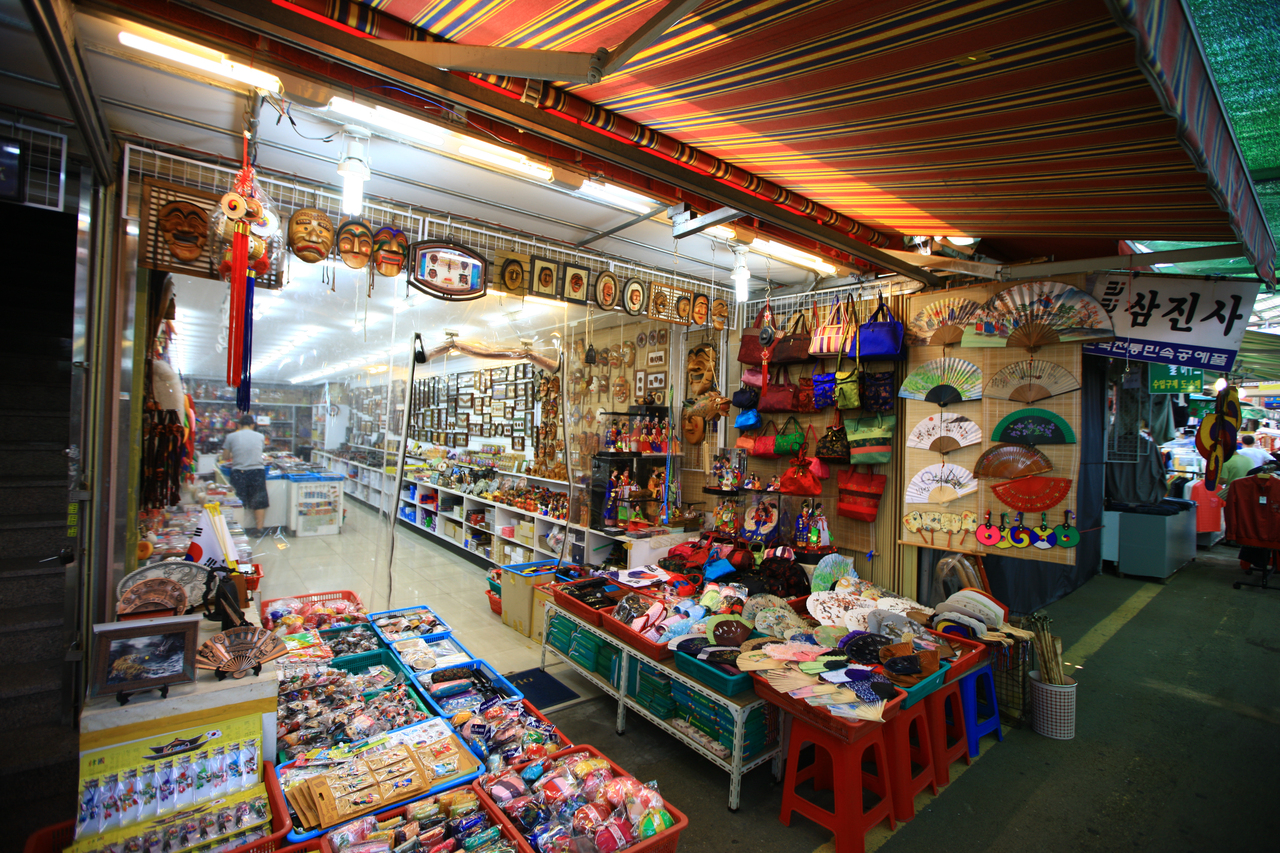
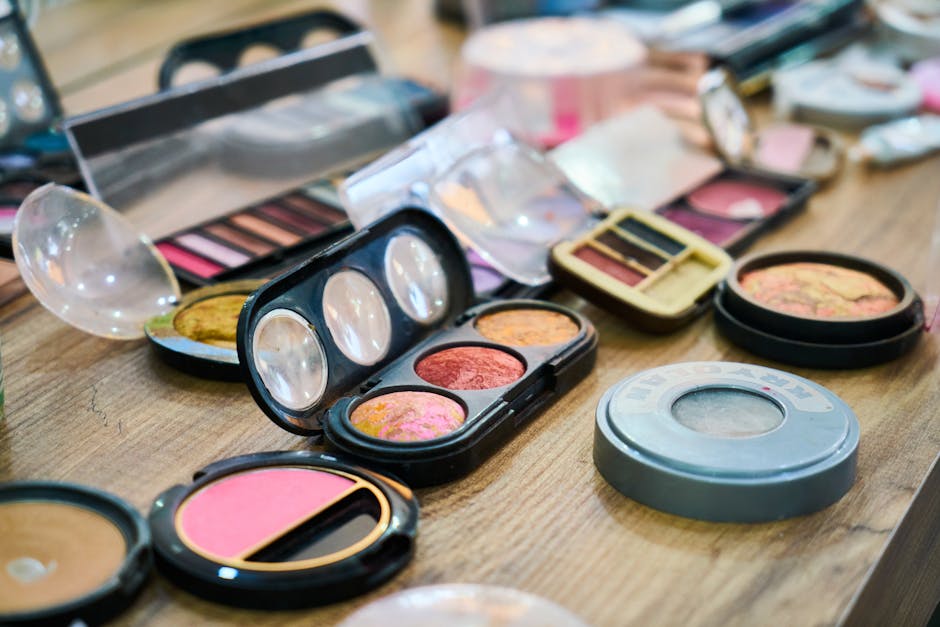
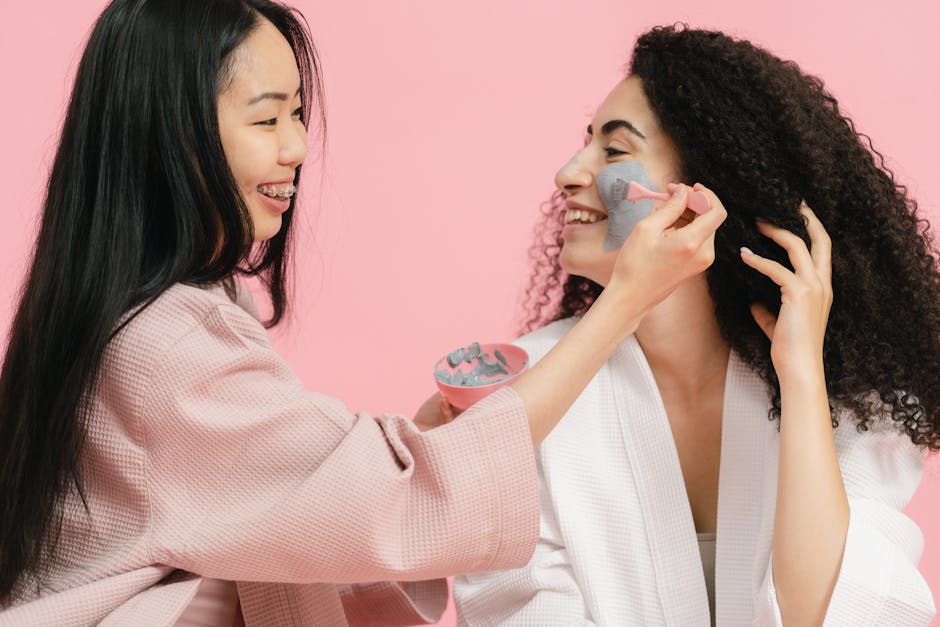
The diversification of K-Beauty products has made it accessible to a broad audience. Today, Korean brands offer a vast array of items addressing different skin types, concerns, and preferences. From my observations in various beauty shops and stores, customers can find everything from deeply hydrating essences to brightening masks tailored for specific needs. This accessibility allows individuals to curate personalized routines that resonate with their identities and lifestyles.
Moreover, the inclusivity is evident in the approach to beauty standards. There is a growing recognition that beauty is not a monolithic concept. Many brands are evolving to promote a broader range of skin tones and textures, encouraging customers from diverse backgrounds to embrace K-Beauty practices.
Environmental Awareness in K-Beauty
In recent years, environmental concerns have emerged as critical in the beauty industry. With global awareness gearing towards sustainability, K-Beauty brands are gradually adopting greener practices. During my visits to several K-Beauty shops, I noticed a significant rise in eco-friendly packaging and formulations that avoid harmful chemicals. Many brands are now emphasizing vegan, cruelty-free, and sustainable products, appealing to environmentally conscious consumers.
Second ad placement area for longer content.
This shift represents an ongoing evolution where traditional beauty is marrying contemporary values. The movement encourages not just ethical consumerism among Koreans but also inspires global audiences to reconsider their purchasing habits and the environmental impacts of their beauty routines.
Social Media’s Role in Shaping K-Beauty Trends
Social media platforms have become pivotal in transforming K-Beauty trends, allowing users to share their experiences and beauty routines with a massive audience. In Korea, platforms like Instagram and YouTube serve as vital channels for beauty enthusiasts to discover tutorials, reviews, and product demonstrations. As a result, beauty influencers often find themselves at the forefront of setting trends by introducing innovative products.
This visibility has created a dynamic where trends can spread rapidly, leading to phenomena such as ‘viral’ products that gain immense popularity overnight. As I have seen, the hype can be so strong that some items sell out quickly, reflecting active engagement from both creators and consumers as they respond to each other’s interests in real-time.
Inclusivity and Globalization of K-Beauty
As K-Beauty continues to flourish, it’s crucial to spotlight how it embraces inclusivity and diversity. The rise of the global beauty marketplace has prompted Korean brands to expand their product offerings and marketing strategies to appeal to a wide array of skin tones and types. Various brands have begun crafting formulations specifically for different demographics, ensuring that beauty is accessible for everyone.
From what I have observed, this inclusiveness reflects a critical cultural shift that recognizes broadening definitions of beauty. Many Korean brands actively engage with international markets, adapt their messaging, and even involve global influencers to create products that resonate with diverse consumer bases.
Personal Opinion
In my personal opinion, K-Beauty has profoundly shaped not just the cosmetic industry in Korea but also how society perceives beauty care. It invites individuals to engage in practices that encourage self-love and self-expression. With its robust blend of tradition and innovation, K-Beauty showcases how cultural practices can evolve and thrive in a modern context, influencing a global audience in the process. The industry’s ongoing commitment to inclusivity and sustainability signals a promising future, where beauty practices can be both ethical and empowering on a global scale.

Profit Flow Daily shares practical insights on global markets, online income, Korean culture, Korean food, beauty, travel, and work life.
This article is for informational purposes only and should not be considered financial, investment, legal, medical, or tax advice.