Understanding a country’s work culture can provide profound insights into its values, social structures, and interpersonal dynamics. Korean work culture, deeply influenced by Confucian values, offers a distinct blend of dedication, hierarchy, and collectivism. From what I have observed in Korean daily life, it goes beyond mere professional responsibilities and reflects broader societal principles.
The Importance of Hierarchy
In Korea, corporate structures are often clearly defined, with a strong emphasis on hierarchy. This layered system influences how decisions are made and how respect is shown. Younger employees, regardless of their skills or capabilities, generally defer to their seniors. From my experience around Korean workplaces, this respect manifests in everyday interactions, where younger colleagues stand up when seniors enter the room and bow slightly as a sign of respect.
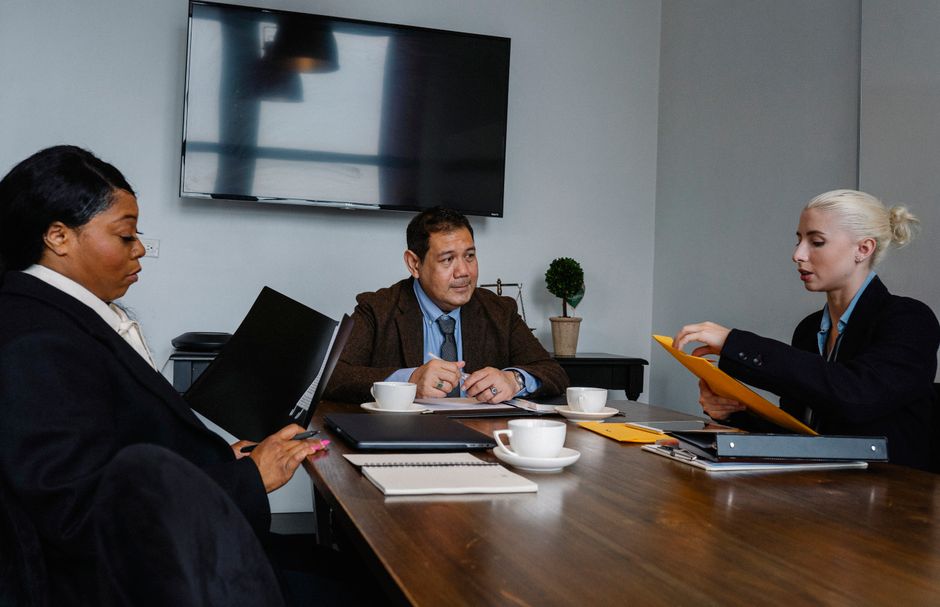
One example of this hierarchical dynamic is in how meetings are conducted. The most senior member often leads discussions, and ideas proposed by junior members might be taken less seriously initially. This can be challenging for newcomers who might be accustomed to more egalitarian work environments. It’s essential for those wishing to integrate into this culture to understand the importance of these social cues and adapt their communication style accordingly.
Work Ethic and Long Hours
Another key aspect of work culture in Korea is the prevailing work ethic, characterized by long hours and high levels of commitment. It is common to see employees working late into the evening, often well past the standard working hours. From what I have observed, this dedication to work is seen as a rite of passage and a demonstration of loyalty to the company.
This dynamic can create an atmosphere where taking time off or leaving work on time is perceived negatively. In many cases, employees feel pressure to stay late even when their tasks are completed, as they want to contribute to the team’s image of hard work. It is crucial for those engaging with Korean businesses to recognize these unwritten rules to better navigate workplace expectations without compromising their personal well-being.
Collectivism Over Individualism
Korean culture, akin to many Asian societies, favors collectivism over individualism. Team success is prioritized, and personal accomplishments often take a backseat. In office settings, this is evident as teams often celebrate collective milestones rather than focusing on individual achievements. This collective spirit can foster camaraderie but might lead to challenges for those who excel independently.
Google AdSense code can be inserted here later.
For instance, during project completions, it’s common for teams to share rewards, given that success is perceived as a joint effort. Employees might downplay their personal contributions to uphold the team ethos. It’s beneficial for newcomers to understand this sense of shared responsibility and the idea that personal achievements are often celebrated through the lens of group successes.
Socializing and Networking
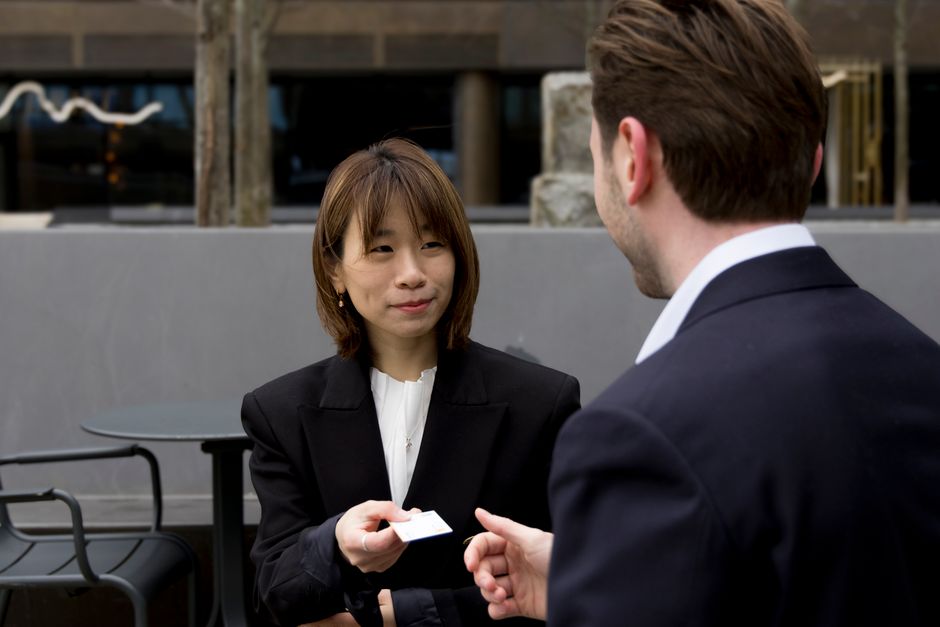
Networking plays a crucial role in professional life in Korea. After-work gatherings, known as ‘hoesik,’ are customary and serve to strengthen bonds among colleagues. These outings often involve dining and drinking, which can feel daunting for those not accustomed to such practices. However, these events are instrumental in building relationships and establishing trust.
During these gatherings, hierarchies still play a significant role. Younger employees are typically responsible for ordering food and drinks, serving, and generally attending to their seniors to show respect. This cultural practice allows for more informal interactions where team members can connect on a personal level, making it easier to collaborate during office hours. Those looking to thrive in a Korean work environment should consider participating in these social functions to create genuine connections.
Feedback and Communication Style
Feedback in Korean work culture tends to be more indirect compared to more straightforward approaches commonly used in Western workplaces. Criticism is usually delivered subtly, often to avoid embarrassment or confrontation. From my experience in various work settings, this can sometimes lead to misunderstandings where employees might not fully grasp the seriousness of feedback or feel uncertain about their performance.
This indirectness can be challenging for those from cultures that appreciate direct communication. It’s essential for foreign professionals to be attuned to non-verbal cues and to ask clarifying questions when needed, as this shows a desire to improve and adapt. As trust builds, feedback can become more open and constructive, benefiting individuals and the team overall.
Work-Life Balance Challenges
While the work culture is noted for its intensity, many Koreans are increasingly advocating for better work-life balance. Significant discussions around mental health and the importance of personal time have gained momentum, particularly among younger generations. However, while there are efforts to promote more balanced approaches, changing long-standing traditions can be slow and difficult.
Second ad placement area for longer content.
For companies trying to adapt, implementing flexible working policies or promoting the use of vacation days can be a vital first step. Those working in this environment should communicate openly about the need for balance and encourage their organizations to support initiatives aiming at improving this aspect. Understanding that many employees desire a broader life beyond their jobs might not be evident in traditional settings but is crucial in today’s evolving landscape.
Embracing Change
Korean work culture is at a crossroads, blending age-old traditions with the demands of a modern workforce. Globalization and technological advancement have catalyzed shifts in expectations among employees, particularly the younger workforce. This new generation seeks more from their work experience—flexibility, purpose, and a chance to contribute meaningfully to their families and communities without sacrificing their personal lives.
Organizations that embrace change and stay attuned to employee needs may find themselves thriving in this competitive landscape. As workplace dynamics evolve, the balance between tradition and innovation presents opportunities for companies and workers alike. This cultural evolution may take time, but fostering open dialogue and understanding between different age groups can bridge gaps and promote a more inclusive work environment.
Conclusion
Korean work culture is a rich tapestry woven from a blend of history, tradition, and modern challenges. Understanding its nuances can lead to better relationships in the workplace and more effective collaboration across diverse backgrounds. As the culture continues to evolve, both individuals and organizations are invited to participate in shaping a balanced and respectful professional landscape in Korea.
Personal Opinion
In my personal opinion, navigating the complexities of Korean work culture presents both challenges and opportunities. While the traditional aspects of hierarchy and a strong work ethic may seem daunting, understanding and adapting to these practices can foster better relationships and collaborations. It’s heartening to witness shifts toward greater work-life balance and open dialogue. Embracing these evolving ideas while respecting the rich traditions can undoubtedly create a work environment that is both productive and fulfilling for everyone involved.

Profit Flow Daily shares practical insights on global markets, online income, Korean culture, Korean food, beauty, travel, and work life.
This article is for informational purposes only and should not be considered financial, investment, legal, medical, or tax advice.