[태그:] Korean Workplace

  • What Global Readers Can Learn from Korean Work Culture

    What Global Readers Can Learn from Korean Work Culture

    What Global Readers Can Learn from Korean Work Culture

    Korean work culture is often characterized by intense dedication, hierarchical structures, and a strong team spirit. Many aspects of this culture may seem foreign or extreme to outsiders, yet it offers valuable insights into workplace dynamics that can benefit professionals globally. In this post, we will explore essential elements of Korean work culture and how they can influence and improve work practices across various regions.

    1. The Emphasis on Teamwork

    One of the most prominent features of Korean workplaces is the high value placed on teamwork. In many companies, the concept of ‘we’ takes precedence over ‘I’. This collective mindset helps to foster camaraderie and a supportive environment where employees can rely on each other.

    From what I have observed in Korean daily life, teams often engage in activities outside of regular work hours to strengthen their bonds. This can involve dining together or participating in social gatherings. For global professionals, adopting a similar approach can improve communication and collaboration. Team-building exercises or informal outings can create a more cohesive work environment, leading to enhanced productivity.

    2. Respect for Hierarchy

    Korean workplaces tend to have a clear hierarchical structure, which influences daily interactions and decision-making processes. Senior employees are often regarded as mentors and leaders, and their experience is respected. This respect for hierarchy ensures that decisions are made by those deemed most qualified.

    In Korean daily work life, it is not uncommon for junior employees to seek guidance from their seniors, creating a mentorship culture. Adaptations of this can include establishing clear reporting lines, fostering mentorship programs, and encouraging open communication between different levels of staff. Organizations worldwide can benefit from highlighting the importance of experience while empowering junior employees to voice their opinions, thus blending respect for hierarchy with inclusivity.

    3. Work Ethic

    The work ethic in Korea is often described as rigorous and demanding. Many employees work long hours, demonstrating an unwavering commitment to their tasks. This dedication can lead to impressive outcomes, but also raises concerns about work-life balance.

    One thing that often surprises foreign visitors is the prevalence of late-night office culture, where employees choose to stay back and complete their tasks. Global readers might consider ways to integrate this diligence while remembering the importance of maintaining mental health. Encouraging a culture that values hard work but also prioritizes health and well-being can lead to sustainable productivity for teams, ensuring that employees are both engaged and balanced.

    AdSense Area 1
    Google AdSense code can be inserted here later.
    What Global Readers Can Learn from Korean Work Culture

    4. Continuous Learning

    In the fast-paced and competitive landscape of Korean industries, continuous learning is considered critical for career advancement. Employees are often encouraged to pursue additional training and education to enhance their skills, making them more adept in their roles.

    In Korean workplaces or everyday culture, I often notice companies investing in employee development programs. This could range from sponsored seminars to providing time off for attending academic courses. For other regions, fostering a culture of lifelong learning can be achieved by offering professional development opportunities, encouraging self-improvement initiatives, or creating a library of resources available to all employees. This not only benefits career growth but also shapes a workforce that is adaptable and innovative.

    5. The Role of Communication

    Korean work culture places great importance on effective communication within the workplace. Open and honest discussions are integral to ensuring everyone is on the same page and that processes run smoothly. Despite the hierarchical nature of operations, employees are encouraged to communicate ideas and feedback.

    In observing how teams in Korea handle conflict or brainstorming sessions, I find that constructive feedback is often given positively, promoting an environment where all voices can be heard. Companies globally might consider implementing regular feedback sessions or communication training to foster clarity and understanding. This attention to effective communication can lead to improved relationships among colleagues and more efficient problem-solving across teams.

    6. Work-Life Integration

    A growing trend in Korean work culture is the shift toward work-life integration rather than the traditional work-life balance. Employees often blend their personal lives with their professional responsibilities, leading to both challenges and rewards. While this might mean longer hours, it can also foster a greater sense of fulfillment in one’s life.

    From what I have observed, many professionals manage their schedules in a way that allows them to attend to family needs while completing work tasks. For global readers, this could mean advocating for flexible work arrangements that allow personal and professional commitments to intertwine smoothly. Encouraging employees to set boundaries and ensuring that their personal needs are recognized can lead to a happier and more productive workforce.

    7. A Focus on Relationship Building

    Building strong relationships in the workplace is a fundamental aspect of Korean culture. Networking and socializing form the basis of who gets ahead in a professional setting. This goes beyond just formal meetings; it includes establishing trust and rapport through shared experiences.

    In everyday encounters, I often see colleagues spending lunch breaks together, discussing both work-related and personal topics. For professionals around the world, prioritizing relationship building by facilitating informal gatherings, encouraging mentorships, and promoting team outings can foster deeper connections among employees. Such practices can create a positive workplace environment where individuals feel valued and engaged.

    Quick Action: Choose one practical idea from this article and apply it today.
    AdSense Area 2
    Second ad placement area for longer content.

    8. Dealing with Pressure

    High expectations and pressure often characterize Korean workplaces. Employees frequently deal with demanding schedules and tight deadlines, which can lead to stress. However, many companies have begun adopting measures to help their workforce navigate this pressure more effectively.

    In Korean daily life, I often notice organizations implementing wellness programs or providing mental health resources. These initiatives can play a critical role in preventing burnout while promoting resilience. For professionals globally, creating a supportive environment that acknowledges the challenges of high-pressure roles can be achieved through regular check-ins, access to mental health resources, and encouraging open dialogue about stress management. Such strategies can ensure that employees maintain their well-being while onboarding the rigor of their jobs.

    9. Celebrating Achievements

    Recognizing and celebrating achievements is a significant part of the Korean work ethos. Celebrations can take place for both individual and team accomplishments, with companies often organizing events to honor outstanding performance.

    I have seen firsthand how these occasions deepen connections among team members and boost morale. For global readers, considering ways to formally acknowledge successes can enhance workplace satisfaction and motivation. Implementing recognition programs, celebrating milestones, or simply expressing gratitude can foster a positive atmosphere that encourages individuals to strive for excellence.

    10. Innovation and Adaptability

    With technological advancements rapidly changing the business landscape, adaptability has become a necessity within Korean work culture. Companies often invest in research and development, encouraging employees to embrace change and think innovatively.

    In observing the work environments, I see that employees are encouraged to share innovative ideas and solutions. To benefit from this adaptive mindset, global professionals can create environments that promote creativity, encourage risk-taking, and celebrate innovation. Providing resources for brainstorming sessions or allowing time for experimentation can ensure that organizations remain competitive while nurturing a forward-thinking workforce.

    Personal Opinion

    In my personal opinion, the elements of Korean work culture offer valuable lessons for organizations around the world. While some features may seem intense, the underlying principles of teamwork, respect, continuous learning, and well-being are universal. Adapting these facets into different cultural landscapes doesn’t merely enhance productivity but also cultivates happier, more engaged employees. Embracing the strengths of diverse work cultures can lead to more fulfilled professionals, leading to the success of companies globally.

    What Global Readers Can Learn from Korean Work Culture

    Profit Flow Daily shares practical insights on global markets, crypto, investing, online income, and Korean culture.

    This article is for informational purposes only and should not be considered financial, investment, legal, medical, or tax advice.


  • Essentials of Korean Work Culture: Insights for a Global Audience

    Essentials of Korean Work Culture: Insights for a Global Audience

    Essentials of Korean Work Culture: Insights for a Global Audience

    When it comes to work culture, each country has its unique characteristics and practices that influence how people approach their jobs. In Korea, a blend of tradition and modernity creates a fascinating work environment that global readers can learn from. Understanding these cultural nuances can help enhance collaboration, productivity, and workplace harmony, not only in Korea but around the globe. Here are key elements of Korean work culture that offer valuable lessons.

    1. Hierarchical Structure

    Korean workplaces typically have a clearly defined hierarchical structure. This organization is influenced by Confucian values, emphasizing respect for seniority and authority. Employees often address their bosses with specific titles, which helps maintain a sense of order and respect within the team.

    This hierarchy reflects in decision-making processes, where major decisions are often made by higher-ups. For global companies, understanding this structure can provide insights into navigating workplace dynamics effectively. For instance, when presenting ideas in a meeting, it is crucial to first acknowledge senior members, as doing so can foster favorable reception and encourage participation from all levels.

    2. Emphasis on Teamwork

    Another prominent aspect of Korean work culture is the emphasis on teamwork. Collaboration and a sense of community are highly valued, often seen in the practice of group lunches or post-work gatherings, referred to as “hoesik.” These social events strengthen interpersonal relationships and build camaraderie among team members.

    In your own workplace, promoting teamwork can enhance productivity and morale. For example, regular team-building activities can encourage communication and collaboration among colleagues, allowing everyone to feel more invested in the team’s success. Sharing goals and recognizing collective achievements not only boosts motivation but also fosters a cohesive work environment.

    3. Strong Work Ethic

    Koreans are known for their strong work ethic, often putting in long hours to meet the demands of their jobs. This dedication is evident in the concept of “brunch culture,” where employees not only work during official hours but often extend their day into evenings. While this commitment can lead to increased productivity, it also raises concerns about work-life balance.

    AdSense Area 1
    Google AdSense code can be inserted here later.
    Essentials of Korean Work Culture: Insights for a Global Audience

    4. Respect for Authority

    Respect for authority is deeply ingrained in Korean work culture, with senior employees expected to guide and mentor junior staff. This dynamic fosters a sense of security and provides a clear support system in the workplace. For instance, more experienced team members often take it upon themselves to teach new hires, creating a culture of learning and development.

    In your organization, developing a mentorship program can replicate this positive feature of Korean culture. Pairing experienced employees with new hires can facilitate knowledge transfer, accelerate professional growth, and nurture a sense of belonging within your company. Moreover, this mentorship can foster relationships that benefit the organization as a whole.

    5. Role of Technology in Efficiency

    In recent years, Korea has embraced technology and innovation, significantly impacting work efficiency. Tools such as project management software and communication platforms are widely adopted to optimize workflows. From what I have observed in Korean daily life, there’s a common acceptance of technology that assists in streamlining processes, increasing speed, and enhancing collaboration among teams.

    Incorporating technology into your work processes can greatly benefit your organization. For example, utilizing automated tools for mundane tasks can free up employees to focus on more strategic aspects of their jobs. Furthermore, investing in collaborative software can improve communication, especially in remote work settings, ensuring everyone stays aligned with goals and responsibilities.

    6. Relationship Building

    Building relationships in Korean workplaces often entails a significant investment of time and effort. Unlike many Western countries, where business negotiations may be punctual and straightforward, Korean culture values the relationship itself as a prerequisite to any business deal. Developing mutual trust is seen as key before engaging in formal discussions or making agreements.

    For those working globally, it is essential to allocate time for relationship-building, even when working on tight deadlines. Engaging in informal conversations or coffee breaks can strengthen ties between colleagues and clients alike. A simple practice is to take time to learn about cultural nuances in relationships, respecting and appreciating the personal aspects that individuals bring to the workplace.

    7. Cultural Sensitivity

    Korean culture encompasses a rich tapestry of traditions, which can influence workplace etiquette. Understanding customs such as bowing during greetings or using two hands to present business cards demonstrates respect and cultural sensitivity. Adapting to these norms not only reflects personal respect but also enhances professional relationships.

    To ensure respectful interactions in multinational teams, invest time in cultural training or workshops to raise awareness among employees. This knowledge equips team members to navigate diverse cultures with confidence, fostering a collaborative and inclusive work environment. Encouraging discussions about cultural differences can also help to address misunderstandings proactively.

    Quick Action: Choose one practical idea from this article and apply it today.
    AdSense Area 2
    Second ad placement area for longer content.

    8. Continuous Learning

    Another remarkable trait of Korean work culture is the focus on continuous learning and self-improvement. Employees often pursue additional training, attend workshops, and seek advanced degrees to bolster their skills and knowledge. This commitment not only benefits individuals but employers as well, as a skilled workforce contributes to overall business success.

    Creating a culture of continuous learning in your organization can drive innovation and adaptability. Providing opportunities for professional development, whether through online courses, workshops, or knowledge-sharing sessions, empowers employees to stay relevant and engaged. Encouraging teams to share their learning experiences can foster an atmosphere of curiosity and collaboration.

    9. Balance of Tradition and Modernity

    Korean work culture blends age-old traditions with modern practices, creating a distinctive work environment. For instance, traditional ceremonies and celebrations are still respected, while companies also adopt contemporary policies that promote flexibility and inclusiveness. This duality fosters respect for heritage while embracing progress.

    For global organizations, finding a similar balance can help cultivate a diverse yet cohesive workplace culture. Encourage employees to celebrate diverse cultural festivities while also integrating modern work practices. This approach not only respects individual backgrounds but also strengthens the overall company identity.

    10. Work-Life Integration

    While work-life balance is essential, Korean culture leans more toward work-life integration. This concept emphasizes blending work and personal life rather than strictly separating them. In Korean workplaces, it’s common for colleagues to engage in social outings after hours, making personal relationships an integral part of professional life.

    To incorporate this practice into your workplace, consider fostering an environment where social interactions are embraced. Organizing after-work activities, team outings, or collaborative projects can blur the lines and enhance interpersonal relations among coworkers. Acknowledging that employees have lives outside of work can lead to higher engagement and satisfaction.

    Personal Opinion

    In my personal opinion, the essence of Korean work culture offers a treasure trove of valuable lessons that can enhance any workplace environment. By embracing the principles of teamwork, respect, and continuous learning, organizations worldwide can foster productivity and collaboration. Understanding and integrating these cultural nuances can lead to a more harmonious and effective work atmosphere. Ultimately, it is the blend of tradition and innovation, along with a strong emphasis on relationships, that brings about successful outcomes in any business environment.

    Essentials of Korean Work Culture: Insights for a Global Audience

    Profit Flow Daily shares practical insights on global markets, crypto, investing, online income, and Korean culture.

    This article is for informational purposes only and should not be considered financial, investment, legal, medical, or tax advice.

  • Exploring Unique Workplace Habits in Korea and Their Global Context

    Exploring Unique Workplace Habits in Korea and Their Global Context

    Exploring Unique Workplace Habits in Korea and Their Global Context

    Workplace culture can vary significantly around the world, with each country developing unique practices that reflect its social values and business priorities. In Korea, several distinct habits and norms dominate the work environment, contributing to a culture that emphasizes hierarchy, commitment, and collective efforts. This article delves into how these practices set Korean workplaces apart from those in other countries, providing practical insights for those looking to navigate or understand this distinctive landscape.

    1. Hierarchical Structure

    One of the most noticeable characteristics of Korean workplaces is their hierarchical organization. Companies often follow a rigid structure where seniority is paramount. This system influences not only decision-making processes but also everyday interactions among colleagues. In many Western countries, a more egalitarian approach is preferred, encouraging open discussions and collective decision-making.

    This hierarchical structure manifests in various ways. For instance, titles and ranks are very important in Korea, with employees often addressing each other by their titles rather than their first names. This can create a sense of respect and formality, but it can also lead to challenges in communication. Younger employees may feel hesitant to express their opinions openly, especially in the presence of senior staff members.

    2. Long Working Hours

    Korean work culture is known for its demanding hours, frequently surpassing the global average. While many countries have shifted towards work-life balance, in Korea, there remains a strong expectation to stay late, demonstrating commitment and loyalty to the company. This practice, often referred to as “working overtime” or “diligent work ethic,” is ingrained in the cultural mindset.

    During my observations, I often notice employees remaining at their desks long after regular hours, often working into the night. Some organizations even promote team dinners after work, further blurring the lines between personal and professional life. This socializing can strengthen team bonds but can also contribute to burnout if not balanced properly.

    3. Team Orientation

    Collaboration is a cornerstone of Korean workplace culture. The emphasis on teamwork is not simply about achieving goals together but is also deeply rooted in the societal value of harmony. Unlike in countries where individual achievements might be celebrated more, Korean workplaces often prioritize group accomplishments. This can be beneficial for fostering a supportive environment, yet it may also stifle individual creativity.

    From what I have observed in Korean daily life, employees often participate in team-based activities that go beyond regular tasks. They might take part in group excursions or volunteer projects, which help to cultivate a sense of community and promote loyalty. However, this strong group dynamic can sometimes pressure individuals to conform, making it difficult for those who prefer a more independent approach to thrive.

    AdSense Area 1
    Google AdSense code can be inserted here later.
    Exploring Unique Workplace Habits in Korea and Their Global Context

    4. Formal Communication Style

    The communication style in Korean workplaces tends to be quite formal, reflecting the overarching respect for hierarchy and authority. Employees often use formal language and maintain a certain distance with superiors. This differs from many Western cultures, where informal communication is more common and often encouraged.

    In conversations, it is customary to be polite and measured in one’s speech. When delivering feedback, it is often done in a way that minimizes embarrassment for the recipient. For example, instead of directly pointing out mistakes, a senior might use indirect language or softer expressions. While this may protect feelings, it can sometimes lead to misunderstandings, especially for those not accustomed to such subtlety.

    5. Workplace Relationships

    The dynamic among colleagues often extends beyond professional boundaries in Korean workplaces. Employees frequently develop close friendships with coworkers, which can enhance collaboration and create a supportive atmosphere. This is particularly evident during company outings or social events, where employees bond over shared experiences.

    However, there is also a flip side to these close-knit relationships. In certain cases, the pressure to maintain group cohesion can overshadow personal opinions or dissenting views. Employees might hesitate to voice disagreement or alternative ideas for fear of disrupting team harmony. This can lead to stagnation in creativity and innovation.

    6. Respect for Authority

    In many cultures, questioning authority is seen as a healthy practice that fosters improvement and innovation. Conversely, Korean culture encompasses a strong respect for authority that influences workplace dynamics significantly. Employees are generally expected to follow directives from their superiors without question. This can create a stable work environment but may also limit constructive criticism and initiative.

    In practice, this means that younger employees are often more reserved about offering their viewpoints in meetings. They may feel that it is inappropriate to challenge decisions made by higher-ups, which can impede the flow of fresh ideas or differing perspectives. Organizations seeking to innovate must find ways to encourage open dialogue while respecting the existing cultural values.

    7. Employee Well-Being Initiatives

    While the demanding nature of work in Korea is well-documented, many employees are beginning to advocate for well-being initiatives to address issues such as burnout and mental health. Companies are gradually recognizing the importance of employee well-being as a critical component of productivity. This contrasts with perspectives from some Western nations, where well-being initiatives have long been considered essential.

    Organizations are increasingly implementing flexible working hours, wellness programs, and mental health resources. For example, a number of companies have started offering counseling services or creating relaxation spaces within the office. This shift indicates a growing awareness of the need for a healthier work-life balance, although there is still a long way to go.

    Quick Action: Choose one practical idea from this article and apply it today.
    AdSense Area 2
    Second ad placement area for longer content.

    8. Dress Code Norms

    In Korea, professional attire tends to skew towards the formal. Traditional business suits and conservative dress are common, especially in more conservative industries such as finance and law. This practice reflects a professional image and supports the hierarchical nature of workplace relationships.

    In contrast, many Western companies have embraced casual dress codes or ‘dress for your day’ policies, which allow employees greater freedom in their choice of attire. As Korean companies begin to modernize, there is a slow shift towards more relaxed dress norms, particularly in creative and technology sectors. However, many employees still adhere to traditional expectations, which can be challenging during the hot summer months.

    9. Emphasis on Education and Credentials

    Educational background plays a significant role in career advancement within Korea. Employers often prioritize applicants from prestigious universities, which can create intense competition among job seekers. This emphasis on credentials contrasts with practices in some other countries where experience or skills might weigh more heavily in hiring decisions.

    From what I have observed in Korean daily life, many workers place a great importance on their credentials and actively pursue further education, regardless of their current role. Continuous learning and upskilling are thus integral parts of the career journey, contributing to a culture where academic achievement is highly valued.

    10. Recognition of Seniors and Elders

    The respect for seniors and elders permeates various aspects of Korean culture, not just in social settings but significantly in workplaces as well. Younger employees are typically expected to show deference to their older counterparts. This can foster a supportive environment for mentoring and guidance, yet it may also complicate on-the-job interactions.

    In practice, this means that older employees often receive preferential treatment when it comes to responsibilities or decision-making roles. While this can help those with more experience voice their insights, it may leave younger staff feeling undervalued or overlooked. Creating a balance that encourages contributions from all age groups is essential for growth and diversity.

    Personal Opinion

    In my personal opinion, the unique habits observed in Korean workplaces reflect a rich cultural heritage that values loyalty, harmony, and respect. However, as globalization brings exposure to diverse practices and viewpoints, it is vital for Korean companies to evolve without losing sight of their strengths. By fostering open communication and embracing innovative practices while respecting tradition, organizations can create a more balanced and productive work environment. Understanding these nuances in workplace culture can significantly benefit professionals globally, as it encourages a broader perspective on collaboration, respect, and success in teamwork.

    Exploring Unique Workplace Habits in Korea and Their Global Context

    Profit Flow Daily shares practical insights on global markets, crypto, investing, online income, and Korean culture.

    This article is for informational purposes only and should not be considered financial, investment, legal, medical, or tax advice.
  • Insights from Korean Work Culture: Enhancing Global Work Practices

    Insights from Korean Work Culture: Enhancing Global Work Practices

    Insights from Korean Work Culture: Enhancing Global Work Practices

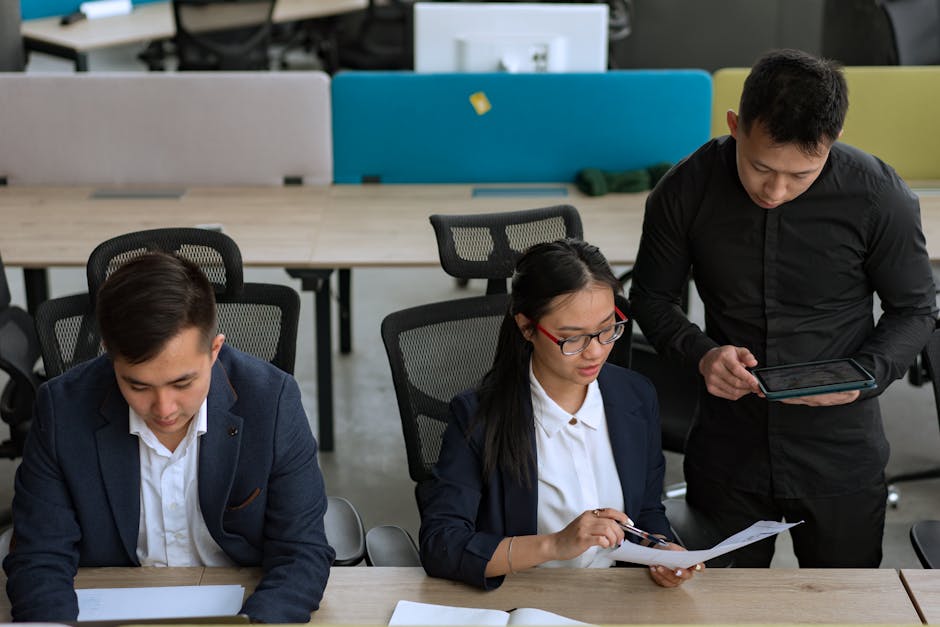
    Korean work culture has garnered attention worldwide for its unique blend of dedication, teamwork, and hierarchical respect. Observing these elements can yield useful insights for employees and employers across the globe. There’s much that international entities can learn from the nuances of this cultural framework, which emphasizes loyalty, collaboration, and efficiency. In this article, we will explore several key aspects of Korean work culture that can inspire positive changes and adaptations in various professional environments.

    1. Importance of Teamwork

    In Korean workplaces, the emphasis on collective effort is paramount. Team members often prioritize the success of the group over individual accolades. This can be particularly beneficial in facilitating a harmonious and productive workplace environment. For instance, rather than focusing solely on individual achievements, employees engage in brainstorming sessions that encourage input from everyone, fostering a sense of shared ownership over projects.

    This strong commitment to teamwork is evident in the concept of ‘Hwa-Ra’- which means to harmonize or come together as one. In practice, this could manifest as collaborative meetings where team dynamics are regularly assessed and strengthened. A practical example could be organizing team-building activities, where employees can explore each other’s strengths and weaknesses outside of the conventional work setting. Organizations looking to improve their team spirit might consider planning similar initiatives that promote collective problem-solving and brainstorming.

    2. Hierarchical Respect and Structure

    Another notable characteristic of Korean work culture is the strong respect for hierarchy and authority. In many Korean companies, age and rank significantly influence workplace interactions. This structure fosters a clear delineation of roles and responsibilities, which can enhance efficiency. Employees typically address each other with honorifics that signify respect, promoting a sense of order and professionalism.

    While this hierarchical system could initially seem rigid to outsiders, it can provide clarity in communication and decision-making processes. For organizations outside Korea, adopting a respectful approach towards senior leadership while maintaining open channels for feedback can combine the best of both worlds. Creating mentoring programs that encourage senior professionals to share insights with younger team members can also bridge this gap while respecting traditional structures.

    3. Work Ethic and Dedication

    The dedication to work in Korean culture is remarkable. It is not uncommon for employees to work long hours, often exceeding standard hours. This strong work ethic is rooted in the desire to attain success and recognition. However, this can also lead to challenges such as burnout and fatigue. Many companies are beginning to recognize the importance of work-life balance, adopting practices that allow employees to recharge while still maintaining high productivity levels.

    To balance this dedication with personal well-being, organizations should be encouraged to implement flexible working hours or remote work options. In my experience, when employees feel they have autonomy over their schedules, job satisfaction increases, which ultimately leads to better performance. Leadership can also promote regular check-ins with employees to assess workloads and ensure that individuals are not stretched too thin.

    AdSense Area 1
    Google AdSense code can be inserted here later.
    Insights from Korean Work Culture: Enhancing Global Work Practices

    4. Emphasis on Lifelong Learning

    Lifelong learning is deeply ingrained in Korean culture, reflecting the belief that education does not stop after formal schooling ends. Many Korean companies invest in ongoing training and professional development programs to ensure their employees stay abreast of industry trends. This commitment extends beyond technical skills to encompass personal development, enhancing both competency and confidence in the workplace.

    For organizations worldwide, fostering a culture of continuous improvement can lead to innovation and adaptability. Action steps may include offering workshops, online courses, and resources that encourage employees to explore new skills or improve existing ones. Moreover, creating an environment where employees feel comfortable sharing their learning experiences can inspire others and foster an engaging workplace culture.

    5. Communication Styles

    Koreans often prefer indirect communication, which stems from a cultural emphasis on harmony and avoiding confrontation. This can lead to misunderstandings for those accustomed to more direct forms of communication. Understanding and adapting communication styles can enhance collaboration and relationships within diverse teams. Observationally, many workplaces employ techniques like non-verbal cues and subtle feedback rather than outright criticism to maintain a friendly environment.

    To better navigate these communication styles, multinational companies can conduct cross-cultural training sessions aimed at improving interpersonal interactions among staff from different backgrounds. Encouraging team members to express themselves through diverse channels—like team chats or written feedback—can facilitate a culture where everyone feels valued and understood. Establishing clear expectations for communication can also help mitigate potential conflicts arising from differing approaches.

    6. Networking and Relationship Building

    In Korean work culture, relationships often precede business transactions. The importance placed on building trust and understanding among colleagues can play a crucial role in professional success. This approach highlights the significance of networking, as building strong personal connections can lead to better teamwork and collaboration.

    For global entities, prioritizing relationship-building strategies in professional settings can be immensely beneficial. This may include hosting informal gatherings or team lunches to foster connections outside of a formal setting. One effective action step is implementing a buddy system or mentorship program where new employees are paired with seasoned colleagues, creating opportunities for authentic engagement and deeper understanding of workplace dynamics.

    7. Adaptability and Resilience

    The rapid pace of change in industries has necessitated a culture of adaptability and resilience among Korean professionals. With technology evolving and markets fluctuating, workers must be prepared to pivot and adjust their strategies effectively. This adaptability is often visible in the collective response to challenges, where teams come together to innovate solutions that align with changing demands.

    Quick Action: Choose one practical idea from this article and apply it today.
    AdSense Area 2
    Second ad placement area for longer content.

    Non-Korean workplaces can also benefit from fostering an adaptive mindset to cultivate resilience among their teams. Organizations might implement strategies like fostering an agile work environment, where flexibility is built into project management processes. Encouraging teams to embrace adaptiveness—by recognizing setbacks as learning opportunities and encouraging quick adjustments—can lead to growth and innovation.

    8. Healthy Workplace Practices

    A crucial aspect of Korean work culture is the growing awareness of mental health and employee wellbeing. As society becomes increasingly conscious of the pressures of work, more companies are prioritizing employee wellness initiatives. By providing resources such as access to counseling services, relaxation spaces, and wellness programs, companies underscore their commitment to employee health.

    Other businesses globally may consider adopting a wellness-first approach, integrating health-focused initiatives into their corporate culture. Establishing wellness committees or regular assessments of employee satisfaction can provide insights into areas needing improvement. Participating in workplace wellness challenges—such as fitness competitions or mindfulness workshops—can also foster a supportive environment where employees feel valued and motivated to maintain their well-being.

    9. Recognition and Reward Systems

    In Korean workplaces, recognition from leaders is highly valued. Employees often find motivation in being acknowledged for their hard work and achievements. Companies may implement various reward systems, recognizing not just the successes but the effort involved in the process as well. Celebrating milestones together fosters a sense of belonging and loyalty within the organization.

    To cultivate a positive work environment, global organizations should consider creating structured recognition programs that celebrate both team and individual successes. Platforms for employees to share their accomplishments collectively during meetings can promote motivation among peers. Additionally, offering incentives for reaching collective goals can motivate entire teams, driving productivity and morale.

    Personal Opinion

    In my personal opinion, embracing the lessons derived from Korean work culture can significantly enrich global workplace environments. The harmony of teamwork, coupled with the dedication to continuous learning and respect for hierarchy, can yield both efficiency and satisfaction. By integrating these elements into daily practices, we may create more effective and fulfilling workplace experiences for everyone involved. The global workforce continues to evolve, and drawing from diverse cultures such as Korea’s can provide a refreshing perspective on enhancing professional life.

    Insights from Korean Work Culture: Enhancing Global Work Practices

    Profit Flow Daily shares practical insights on global markets, crypto, investing, online income, and Korean culture.

    This article is for informational purposes only and should not be considered financial, investment, legal, medical, or tax advice.