블로그

  • Unveiling the Unique Vibes of Korean Cities for Global Visitors

    Unveiling the Unique Vibes of Korean Cities for Global Visitors

    Unveiling the Unique Vibes of Korean Cities for Global Visitors

    As a resident of South Korea, I’ve had the pleasure of experiencing the vibrancy of Korean cities firsthand. Each city offers its own unique atmosphere, blending tradition and modernity. For many foreigners, the first experience of urban Korea can be overwhelming but equally enchanting. Understanding what these cities feel like is crucial for anyone planning to visit. Here’s a closer look at the dynamic experiences Korean cities have to offer to international visitors.

    The Hustle and Bustle of Seoul

    Seoul, the capital city, is often the first stop for many foreigners. Known for its rapid pace and bustling streets, it presents a stark contrast to many Western cities. From what I have observed in Korean daily life, the energy here is palpable – with locals rushing to catch subways, street vendors skillfully preparing food, and the constant hum of chatter filling the air.

    One notable aspect is the structure of the public transportation system. The subway is clean, efficient, and user-friendly, making it easy for newcomers to navigate. Additionally, stations and trains are equipped with English signage, which facilitates a smoother experience for non-Korean speakers. This accessibility may differ greatly from cities where public transport can be less intuitive.

    The Blend of Tradition and Modernity

    In Korea, this often feels different because the old coexists harmoniously with the new. Historical palaces sit next to high-tech skyscrapers, creating an intriguing juxtaposition. For instance, Gyeongbokgung Palace is a majestic representation of Korea’s rich heritage, while the Dongdaemun Design Plaza showcases cutting-edge architecture.

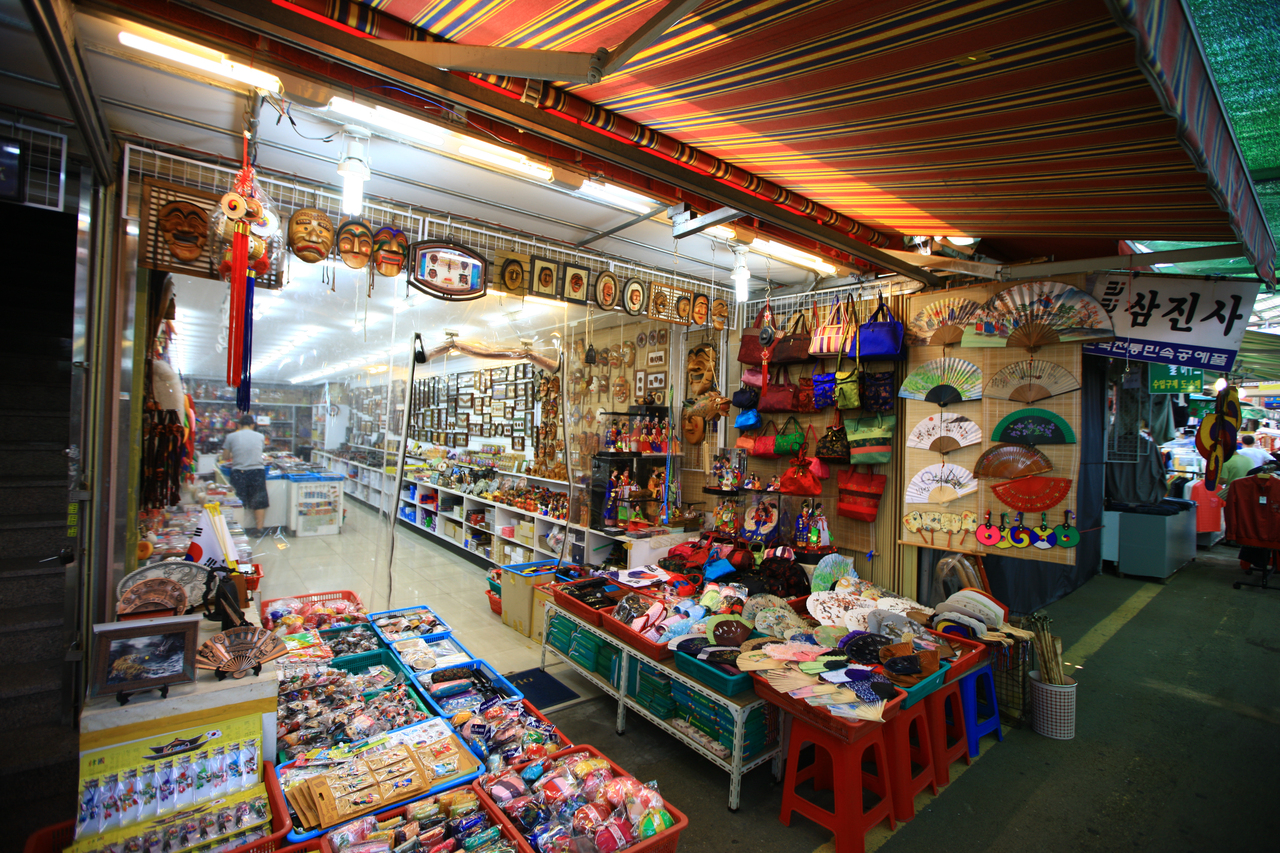
    When wandering through neighborhoods, one thing foreigners may not notice at first is how seamlessly both elements are integrated. Traditional markets coexist alongside modern shopping malls; you can enjoy a delightful street food experience right before stepping into a high-end fashion store. This blend encourages tourists to immerse themselves in various cultural experiences without having to go far.

    Culinary Adventures

    Food is central to the Korean experience, and the diverse culinary landscape reflects the country’s regional variations and historical influences. From my experience around Korean workplaces, streets, cafes, and stores, meals are often shared, and there exists a profound appreciation for culinary craftsmanship.

    Street food stalls are abundant in cities like Seoul and Busan. Tasting dishes like tteokbokki (spicy rice cakes) or hotteok (sweet syrup-filled pancakes) is a rite of passage for many visitors. Unlike simply eating in a restaurant, engaging with street vendors allows a glimpse into daily life, as these bustling food markets often serve as social hubs for locals.

    AdSense Area 1
    Google AdSense code can be inserted here later.

    Unveiling the Unique Vibes of Korean Cities for Global Visitors

    Social Interactions and Language Barriers

    When visiting Korean cities, it is essential to be aware of social etiquette. Koreans typically greet with a bow, signaling respect. In casual settings, younger generations might use more informal greetings, but for many foreigners who are still mastering the language, this can lead to misunderstandings. My firsthand observation is that addressing someone formally is always a safe bet.

    Moreover, although English is widely taught, especially among the younger population, it is not universally spoken. In urban spaces, you may find more English speakers, but in quieter, suburban areas, communication can be challenging. Basic Korean phrases can go a long way in showing respect and openness to local culture, and many Koreans appreciate the effort.

    Technology and Innovation

    Korea is often at the forefront of technology, and this is particularly noticeable in its cities. From smartphones to advanced gaming, the country’s innovations significantly influence daily life. For instance, my interactions in cafes or public spaces reveal a society that heavily relies on technology for convenience – from digital ordering systems to cashless payments.

    This technological immersion can be striking for foreign visitors. The availability of high-speed internet, even in public places, enhances navigation and communication, making it easier to adapt to life in Korea. This strong integration of technology into the social fabric allows visitors to enjoy a modern city experience while engaging with cultural aspects.

    Festivals and Cultural Events

    Attending local festivals can offer a deeper understanding of Korean culture and traditions. Major cities host a myriad of events throughout the year, celebrating everything from cherry blossoms to the harvest season. Based on my observations, such events are not only vibrant but also inclusive, welcoming both locals and tourists alike to participate.

    One significant experience is the Boryeong Mud Festival, where participants engage in a range of activities revolving around mud. This festival attracts both Koreans and visitors, creating a fun and lively atmosphere that fosters interaction and cultural exchange. It’s a perfect example of how such events can bridge cultural gaps and create memorable experiences.

    Urban Green Spaces

    Despite the urban density in cities, Korea has made considerable efforts to incorporate green spaces. Parks and riverside promenades provide an oasis of calm amidst the hustle. For those unfamiliar with the concept, these spaces serve as social gatherings where people of all ages stroll, jog, or have picnics.

    Quick Action: Choose one practical idea from this article and apply it today.
    AdSense Area 2
    Second ad placement area for longer content.

    In Seoul, places like Hangang Park are popular spots for both relaxation and recreational activities. This contrasts with many global urban areas where green spaces may be less accessible. Such areas not only support mental well-being but also allow visitors to witness how locals balance their busy lives with relaxation in nature.

    Retail Therapy: Shopping Culture

    Shopping in Korean cities is an experience that goes beyond merely purchasing items. From my experience, retail therapy here often involves visiting diverse marketplaces, department stores, and unique boutiques. Each shopping location offers its flavor of the local culture, often displaying a distinctive Korean aesthetic.

    One aspect worth noting is the rise of K-beauty products. Visitors are often surprised at how popular and diverse Korean skincare and cosmetics are. Shops dedicated to beauty products thrive, and visitors tend to leave with much more than they initially intended. The sheer variety and often affordable pricing make it an enticing attraction.

    Nightlife and Entertainment

    The nightlife in Korean cities deserves special mention, as it presents a vibrant mix of entertainment options. From bustling karaoke rooms to lively bars and clubs, there’s truly something for everyone. As someone who’s engaged in this scene, I can attest that nightlife is a communal experience, often enjoyed in groups.

    Karaoke, or noraebang, is unmissable and is a popular activity for friends, families, and colleagues. Many visitors may initially be hesitant to join in, but karaoke is an essential part of socializing. The lively atmosphere encourages participation and often leads to shared laughter and memorable moments, making it an unforgettable experience for anyone willing to try.

    Personal Opinion

    In my personal opinion, the allure of Korean cities lies in their complex yet harmonious blend of modernity and tradition. Each aspect of city life offers a unique lesson, be it through food, technology, or cultural festivities. For foreign visitors, immersing oneself in these experiences allows for a richer understanding of what makes Korea distinct. While navigating these vibrant urban spaces may come with challenges, they are ultimately outweighed by the endless opportunities for discovery and connection. With an open mind and a willingness to embrace the unexpected, anyone can truly appreciate the dynamic essence of life in Korea.
    Unveiling the Unique Vibes of Korean Cities for Global Visitors

    Profit Flow Daily shares practical insights on global markets, online income, Korean culture, Korean food, beauty, travel, and work life.

    This article is for informational purposes only and should not be considered financial, investment, legal, medical, or tax advice.


  • 10 Effective Strategies for Crypto Investors to Minimize Risk

    10 Effective Strategies for Crypto Investors to Minimize Risk

    10 Effective Strategies for Crypto Investors to Minimize Risk

    In the rapidly evolving world of cryptocurrency, managing risk without relying on guesswork is paramount. As digital assets can be incredibly volatile, investors need to adopt strategies that allow for sound decision-making based on research rather than hunches. Let’s delve into practical methods for minimizing risk.

    1. Diversify Your Portfolio

    Diversification remains one of the foundational concepts in risk management. By spreading investments across various cryptocurrencies, investors can mitigate the impact of adverse movements in a single asset. Essentially, if one asset underperforms, others may perform better, balancing your overall portfolio.

    A practical approach to diversification is to categorize cryptocurrencies based on their market capitalization. Consider allocating larger percentages to established, stable coins while also investing in smaller, promising projects that might offer higher returns. For instance, a balance between Bitcoin, Ethereum, and a few altcoins can provide a solid risk management strategy.

    2. Set Clear Investment Goals

    Before delving into any investment, clarifying your objectives is crucial. Are you seeking short-term profits or is your aim rather long-term growth? Defining these goals helps inform your investment choices and dictates the level of risk you’re willing to take.

    A practical way to start is by writing down your goals, including your risk tolerance and time horizon. This could help guide your investment strategies and decisions, ultimately leading to a more disciplined approach. For instance, if your goal is to hold assets for five years, you might be more inclined to invest in projects with solid fundamentals rather than chasing after trends.

    3. Conduct Thorough Research

    The mistake I often see beginners make is jumping into investments without understanding the fundamentals. Conducting thorough research allows you to make informed decisions rather than guesses. Evaluating the technology, team, and market potential of a cryptocurrency is essential.

    A practical way to research is to explore reputable sources, attend webinars, and join relevant communities. For example, reading white papers can give insights into project fundamentals while participating in online forums can expose you to diverse viewpoints and analyses. This research will bolster your investment decisions, minimizing risk through knowledge.

    AdSense Area 1
    Google AdSense code can be inserted here later.
    10 Effective Strategies for Crypto Investors to Minimize Risk

    4. Use Stop-Loss Orders Wisely

    Stop-loss orders are a powerful tool for managing risk, particularly in a fluctuating market. Setting predetermined sell points can help protect your investment against significant losses by automatically executing a sale if the price drops below a specified level.

    5. Stay Updated with Market Trends

    The dynamic nature of the cryptocurrency market necessitates that investors stay informed about regulations, technological developments, and market sentiment. Staying updated can provide insights into market movements and potential risks before they manifest.

    A practical approach is to subscribe to credible news sources and follow industry leaders on social media. Engaging with platforms like Twitter or Reddit can provide real-time updates and discussions that may affect your investments. Regular monitoring of the news ensures you’re not caught off-guard by significant events that may impact the crypto landscape.

    6. Understand Your Own Emotions

    Emotional trading is a common pitfall in the world of investing. When prices rise, euphoria can lead to hasty decisions, while during downturns, fear can result in panic selling. Understanding your emotional triggers is essential for maintaining a rational approach to trading.

    To manage this aspect, consider journaling your investment decisions, noting your thought process and emotions at each stage. Reflecting on these entries can help identify patterns that lead to emotional decision-making. For example, if you notice a tendency to sell during market dips, you can work on strategies to counteract that emotional response, ensuring a more balanced approach to investing.

    7. Use Dollar-Cost Averaging

    Dollar-cost averaging (DCA) is a strategy that involves investing a fixed amount of money at regular intervals, regardless of market conditions. This method can reduce the impact of volatility, allowing you to buy more coins when prices are low and fewer when prices are high.

    A practical way to implement DCA is to set a schedule, such as investing a specific amount every week or month. For example, if you choose to invest $100 weekly in a particular cryptocurrency, you’ll automatically buy regardless of the price, smoothing out the overall purchase price over time. This disciplined approach can alleviate the stress of trying to time the market, which is often fraught with uncertainty.

    Quick Action: Choose one practical idea from this article and apply it today.
    AdSense Area 2
    Second ad placement area for longer content.

    8. Keep Security at the Forefront

    With the rising number of hacks and security breaches in the crypto space, safeguarding your investments is paramount. Using hardware wallets, two-factor authentication, and strong passwords are just a few ways to protect your digital assets.

    A practical step is to regularly audit your security measures. For example, if you currently use an exchange for storage, consider transferring your holdings to a hardware wallet for added security. Additionally, educate yourself on latest security practices and remain vigilant about potential phishing attacks to ensure your investments remain safe.

    9. Regularly Review Your Portfolio

    In a constantly changing market, regular portfolio reviews are essential to ensure alignment with your investment goals and risk tolerance. An investment that was once a good fit may no longer be suitable due to shifting market dynamics.

    A practical approach to portfolio management is to schedule reviews at least once every quarter. During these sessions, reassess your asset allocation, consider rebalancing if certain assets have grown disproportionately, and evaluate whether your holdings still align with your initial goals and the current market environment.

    10. Seek Professional Guidance

    While DIY investing can be rewarding, seeking advice from financial professionals can provide valuable insight and help you navigate complex market landscapes. Financial advisors specializing in cryptocurrencies can offer tailored strategies and insights based on experience.

    When considering professional guidance, look for advisors with a solid track record and transparent fee structures. For instance, a financial advisor might suggest asset allocations based on your unique risk tolerance and investment goals, helping to shape a more balanced portfolio that aligns with your financial aspirations.

    Personal Opinion

    In my personal opinion, understanding risk management in cryptocurrency is about finding balance. As an investor, leaning on strategies that emphasize research, emotional intelligence, and continual learning can significantly enhance your ability to navigate this dynamic space. There isn’t a one-size-fits-all strategy, but by adopting a comprehensive approach, investors can make informed decisions that help mitigate risk and potentially yield fruitful results over time.

    10 Effective Strategies for Crypto Investors to Minimize Risk

    Profit Flow Daily shares practical insights on global markets, online income, Korean culture, Korean food, beauty, travel, and work life.

    This article is for informational purposes only and should not be considered financial, investment, legal, medical, or tax advice.

  • The Intricate Balance of Speed and Detail in Korean Work Culture

    The Intricate Balance of Speed and Detail in Korean Work Culture

    The Intricate Balance of Speed and Detail in Korean Work Culture

    In Korea, the fast-paced work environment is both a testament to the country’s rapid technological advancement and a reflection of its cultural values. There is a profound emphasis on speed and detail that permeates various professional sectors, especially among engineers and office workers. This focus significantly affects work performance, productivity, and interpersonal relations in the workplace.

    From what I have observed in Korean daily life, the hustle-bustle of metropolitan areas like Seoul is palpable. People move briskly, and this urgency is mirrored in their professional engagements. The collective cultural consciousness places high regard on efficiency, often leading to commendable productivity but also stress.

    The Historical Context

    Understanding the historical backdrop of Korea provides insights into why individuals prioritize speed and detail. The aftermath of the Korean War transformed the nation, catalyzing a need for rapid industrial growth. This urgency shaped a generation’s work ethic, where achieving results quickly became a national objective.

    The emphasis on rapid growth can be traced back to the developmental strategies implemented from the 1960s onwards. These strategies included investments in education and technology, promoting a culture that values meticulous planning with swift execution. As a result, many current professionals carry this mindset from their predecessors, believing that speed alongside meticulous attention to detail can secure their company’s success.

    The Cultural Influence

    Korean culture traditionally emphasizes discipline, hard work, and respect within hierarchical structures. Such cultural traits encourage individuals to work efficiently while paying close attention to the finer elements of their tasks. There is a prevailing belief that thorough and prompt work reflects directly on one’s character and professional standing.

    In my experience around Korean workplaces, I’ve noticed that teams are often structured in ways that reinforce this. Colleagues look out for one another’s timelines while ensuring that no detail is overlooked. This often translates into the collaborative effort of completing projects efficiently while upholding strict quality standards. Team meetings typically focus not only on deadlines but also on examining the precision of each aspect of the work being done.

    The Impact of Technology

    The technological framework in Korea enhances the speed at which tasks are executed. With high internet speed and advanced tools, engineers and office workers can collaborate seamlessly on projects. The combination of software that encourages rapid communication and data-sharing significantly reduces the time needed to assess and complete tasks.

    AdSense Area 1
    Google AdSense code can be inserted here later.
    The Intricate Balance of Speed and Detail in Korean Work Culture

    For instance, utilizing project management tools allows teams to keep track of progress in real-time. From my experience, the use of apps like KakaoTalk or Slack for instant messaging fosters quick discussions about ongoing work. This immediacy not only speeds up decision-making processes but also ensures everyone stays informed about relevant details, thereby improving the quality of output.

    Balancing Speed and Quality

    While the emphasis on speed may lead to expedited results, the focus on detail helps maintain high-quality standards within that speed. However, there is a fine balance that professionals must strike. Many Korean workers pride themselves on meeting fast deadlines without compromising the integrity of their work.

    One example is the engineering sector, where specifications for projects can be intricate. Engineers often face challenges that require rapid solutions; however, they must ensure that every detail complies with safety and efficiency standards. The result of this balance often leads to innovative solutions that propel the industry forward while adhering to meticulous quality checks.

    Work Life Integration

    The integration of work and personal life in Korea also plays a role in the swift pace. Many professionals, especially in the tech sector, have adopted flexible work hours. This flexibility allows them to respond to tasks dynamically, optimizing both speed and precision based on daily life circumstances.

    From what I have observed, younger professionals tend to prefer environments where they can balance their work commitments with personal interests. They often work longer hours to meet deadlines but may also utilize breaks or downtime to ensure tasks are done with care. This adjustment in work-life balance ultimately reinforces their drive to maintain quality amidst the hustle.

    Emphasis on Continuous Improvement

    A significant factor that propels the focus on speed and detail is the culture of continuous improvement, which is deeply ingrained in Korean industry practices. Employees are encouraged to regularly seek new ways to enhance their work processes, whether that means learning new software or refining their techniques.

    For example, in technology firms, engineers are often provided with opportunities to attend workshops and training sessions, allowing them to acquire skills that make them more efficient. As they learn to refine their approach, they contribute significantly to speeding up production cycles without sacrificing the quality of their output. This proactive mindset nurtures a competitive edge while ensuring that detail remains front and center.

    Quick Action: Choose one practical idea from this article and apply it today.
    AdSense Area 2
    Second ad placement area for longer content.

    Global Comparisons

    This unique combination of speed and detail stands in juxtaposition to work cultures in other countries. While many global companies value efficiency, they may not possess the same urgency as seen in Korea. For instance, Western cultures often emphasize work-life balance as a means of enhancing creativity and employee satisfaction, which can sometimes slow down the pace of work compared to the Korean context.

    One thing foreigners may not notice at first is that this urgency is not merely about meeting quotas. Instead, it is an integral part of the professional identity. Many Korean professionals derive a sense of pride from their ability to produce flawless work quickly, which feeds into the larger narrative of national competitiveness.

    Challenges and Considerations

    This relentless drive for speed and detail is not without its challenges. Employees frequently contend with stress, and an unyielding focus on productivity can lead to burnout. This reality has sparked ongoing conversations about mental health in Korean workplaces, as professionals begin to advocate for more balanced approaches to work.

    For instance, firms are slowly integrating wellness programs and strategies to promote mental health awareness among employees. Acknowledging the importance of taking breaks and encouraging open dialogues about workplace stress can significantly improve overall morale and increase productivity sustainably.

    Practical Steps for Improvement

    To embrace both speed and detail in a healthy manner, individuals can adopt certain practices that nurture their professional growth without compromising their well-being. Here are some actionable steps:

    • Set Clear Goals: Clearly defined objectives can help streamline focus and allow for efficient use of time. People should break down larger tasks into smaller, manageable goals that can be achieved quickly, yet still require attention to detail.
    • Prioritize Tasks Effectively: Utilizing tools like To-Do lists and prioritization matrices can assist in distinguishing which tasks need immediate attention and which can be addressed later, blending speed with quality in outputs.
    • Incorporate Breaks: Regular short breaks are essential to maintain focus over extended periods. Simple practices like stepping away from the screen or engaging in light stretches can rejuvenate both mind and body, preparing professionals for the next round of focused work.
    • Encourage Feedback: Asking for peer review or constructive criticism fosters a culture where continuous improvement is valued. It ensures that details are not overlooked while still speeding up project completion.
    • Embrace Technology: Leveraging the latest tools and apps can facilitate smoother collaborations and faster turnarounds. Investing time in learning new tech can yield long-term benefits in both speed and attention to detail.

    Personal Opinion

    In my personal opinion, the blend of speed and detail within Korean work culture drives innovation and excellence. However, it is crucial that individuals and companies alike recognize the potential toll it can take on mental health. By fostering a healthy balance between productivity and well-being, we can continue to uphold the values of efficiency while ensuring that individuals feel supported and valued in their roles. The future of work in Korea may very well depend on finding this equilibrium, allowing us to maintain our competitive edge while prioritizing the human experience.

    The Intricate Balance of Speed and Detail in Korean Work Culture

    Profit Flow Daily shares practical insights on global markets, online income, Korean culture, Korean food, beauty, travel, and work life.

    This article is for informational purposes only and should not be considered financial, investment, legal, medical, or tax advice.

  • The Global Allure of Korean Skincare: Understanding Its Popularity

    The Global Allure of Korean Skincare: Understanding Its Popularity

    The Global Allure of Korean Skincare: Understanding Its Popularity

    The rise of Korean skincare has been nothing short of remarkable. Once a niche interest, it has transformed into a global phenomenon, captivating beauty enthusiasts around the world. This article explores the reasons behind the worldwide popularity of Korean skincare, showcasing its unique approaches and benefits that resonate with people of all ages and backgrounds.

    1. Innovative Formulations

    Korean skincare brands are known for their innovative and often groundbreaking formulations. The beauty industry in Korea constantly pushes the envelope, developing products that incorporate novel ingredients and technology. For instance, the use of snail mucin in cosmetics, which may sound unusual to many, has gained a significant following due to its effective hydrating and healing properties.

    This spirit of innovation is found in various K-beauty products. From sheet masks infused with unique serums to hydrating essences and lightweight gel creams, the offering is vast and varied. Many consumers appreciate experiencing products that provide not only visible results but also a sensorial pleasure in application. This emphasis on unique ingredients often sets Korean skincare apart in a saturated market, drawing attention from individuals eager to try something new and effective.

    2. Holistic Approach to Skincare

    The philosophy behind Korean skincare is embedded in a holistic approach that emphasizes the importance of preventive care rather than just problem-solving. Instead of merely treating conditions like acne or signs of aging, K-beauty practices encourage maintaining skin health through consistent care and nourishment. This translates into extensive routines, focusing on cleansing, exfoliating, toning, hydrating, and moisturizing.

    In Korean daily life, I often notice the cultural significance placed on skincare as self-care and a form of personal investment. Many take pride in the multi-step routines that promote a healthy glow, rather than resorting to heavy makeup to conceal imperfections. This holistic perspective fosters a mindset where individuals feel empowered to treat their skin as a canvas that deserves attention, care, and respect.

    3. Affordable Luxury

    Korean skincare products typically offer a range of options that cater to various budgets, providing what many perceive as affordable luxury. High-quality ingredients and aesthetically pleasing packaging often come at a fraction of the cost compared to luxury Western brands. This accessibility encourages consumers to experiment with multiple products, leading to a more personalized skincare routine.

    AdSense Area 1
    Google AdSense code can be inserted here later.
    The Global Allure of Korean Skincare: Understanding Its Popularity

    For example, products such as Sheet Masks and Essence can be found in diverse price points, making it easy for users to integrate various items into their routine without breaking the bank. This democratization of beauty fosters an environment where beauty care feels achievable and enjoyable for all, contributing significantly to the global appreciation for K-beauty.

    4. Cultural Influences and Trends

    The Korean wave, or Hallyu, has played a crucial role in shaping the interest in K-beauty across the globe. As Korean dramas, music, and pop culture take center stage, the beauty standards and skincare habits showcased by celebrities become aspirational to many. This phenomenon has significantly driven the demand for the products they use, sparking curiosity and enthusiasm.

    From what I have observed in Korean daily life, there is a strong alignment between self-care practices and cultural narratives presented in media. People see actors with flawless skin, leading them to seek information and products that those stars endorse. Social media platforms are inundated with beauty influencers who share their routine and recommendations, further perpetuating trends and fostering community discussions around beauty practices.

    5. Focus on Natural Ingredients

    In recent years, there has been a significant shift toward natural and environmentally friendly ingredients in skincare formulations. Consumers are increasingly becoming more aware of what goes into the products they use, and Korean brands have responded by incorporating traditional ingredients like green tea, ginseng, and honey into their collections.

    This trend resonates particularly well with health-conscious individuals who are wary of harsh chemicals and synthetic substances. The use of natural ingredients not only appeals to a broader audience but also aligns with the growing demand for transparency in the beauty industry. When individuals understand the origins and benefits of the components in their skincare products, they are more likely to trust and invest in them.

    6. Education and Transparency

    An essential aspect of the popularity of Korean skincare is the emphasis on education and transparency that brands uphold. Many beauty companies provide detailed information about product ingredients, benefits, and application methods. This level of transparency fosters trust and allows consumers to make informed choices when selecting products.

    In Korean workplaces or everyday culture, I often notice the dedication to sharing knowledge. Whether it’s social media posts breaking down the specifics of a product or beauty workshops held in-store, this culture of education encourages people to learn about skincare fundamentals. As consumers become better educated about skincare, their engagement evolves, leading to loyalty and ongoing interest in the products offered.

    Quick Action: Choose one practical idea from this article and apply it today.
    AdSense Area 2
    Second ad placement area for longer content.

    7. Community and Engagement

    Korean skincare thrives in large part due to the sense of community fostered among users. Online platforms allow enthusiasts to share their experiences, recommendations, and reviews, creating a rich dialogue around products and routines. Social media challenges, such as 10-step routines, or special themed events, further involve users in sharing their journeys and breakthroughs in skincare.

    This engagement not only cultivates loyalty but also empowers people to support one another in achieving their skincare goals. I find that as people share their personal experiences and results, it normalizes skin concerns and promotes a collective understanding of individual beauty journeys. Such community spaces allow for discussion on what works and what doesn’t, bridging the gap for newcomers entering into the world of skincare.

    8. Marketing and Aesthetic Appeal

    Korean skincare brands excel in creating visually stunning products that are just as appealing to the eyes as they are to the skin. From colorful packaging to eye-catching advertisements, the marketing strategies utilized by these companies draw attention and intrigue. A well-designed product can make a significant impact in a consumer’s buying decision, encouraging trial and eventual loyalty.

    Many consumers find joy in the overall experience of using these products, which can elevate a daily skincare routine into a form of self-care. The impeccable presentation, engaging storytelling, and relatable marketing resonate strongly with a younger audience, who not only use the products but also share their experiences on social media platforms with pride.

    9. Continuous Trends and Evolution

    The beauty industry is constantly evolving, and K-beauty is no exception. Trends such as glass skin and honey skin have emerged, capturing the essence of the desired outcomes that users aspire to achieve. The continuous evolution of product offerings signals to consumers that there is always something new to discover in the world of skincare, keeping them engaged and coming back for more.

    This innovative cycle can be attributed to the market’s ability to adapt to shifting consumer preferences and global beauty trends. As a practical observer, it’s fascinating to see how K-beauty remains relevant and invigorating in a competitive landscape where consumer attention can quickly shift elsewhere. This adaptability is a testament to how interconnected the world of skincare has become, impacting trend cycles across nations.

    Personal Opinion

    In my personal opinion, the global appreciation for Korean skincare represents more than just a beauty trend—it’s a cultural exchange that encourages individuals to explore self-care on a deeper level. The number of brands embracing a holistic philosophy, transparent practices, and innovative products speaks to a community that values health and beauty in a more meaningful way. From my observations, K-beauty embodies a lifestyle choice that prioritizes self-care and wellness, which is incredibly relevant in today’s fast-paced world. This culture encourages individuals to take time for themselves, reigniting the conversation around caring for our largest organ—the skin. As the industry continues to grow and evolve, I look forward to seeing how it positively influences beauty practices worldwide.

    The Global Allure of Korean Skincare: Understanding Its Popularity

    Profit Flow Daily shares practical insights on global markets, crypto, investing, online income, and Korean culture.

    This article is for informational purposes only and should not be considered financial, investment, legal, medical, or tax advice.

  • Discovering the Best Investments During Recession: Strategies for Stability

    Discovering the Best Investments During Recession: Strategies for Stability

    Discovering the Best Investments During Recession: Strategies for Stability

    Economic downturns can create uncertainty, impacting consumer behavior and corporate profits. However, identifying solid investment opportunities during these challenging times can provide a safeguard against losses and even pave the way for future growth. In this discussion, we will explore various investment strategies that typically hold up well during a recession, focusing on tangible assets, defensive stocks, and other resilient options.

    1. Defensive Stocks

    Defensive stocks represent companies that provide essential goods or services, making them less vulnerable to economic fluctuations. Sectors such as consumer staples, healthcare, and utilities are often termed ‘defensive’ as they tend to maintain stable revenues even in downturns. Investors looking for a more resilient portfolio should consider these stocks as part of their strategy.

    For example, companies like Procter & Gamble (P&G) and Johnson & Johnson have consistently shown strong performances regardless of economic conditions. These businesses offer products that people need regardless of the economic climate. Diversifying your stock portfolio by including these types of companies can mitigate risks associated with market volatility.

    2. Precious Metals

    When markets fluctuate, many investors turn to precious metals like gold and silver as a safe haven. Historically, during periods of economic uncertainty, the value of these metals tends to rise as they become a hedge against inflation and currency devaluation. Allocating a portion of your investment portfolio to precious metals can provide a buffer during turbulent times.

    A practical way to start is by purchasing physical bullion or coins, or through equity shares in mining companies or ETFs that track the price of these assets. Consider tracking trends in these metals to understand when is optimal to buy or sell. The mistake I often see beginners make is overlooking transaction costs and storage concerns when investing in physical metals.

    3. Real Estate Investment Trusts (REITs)

    REITs offer a way for investors to gain exposure to real estate without the necessity to manage physical properties. These companies own, operate, or finance income-producing real estate in a range of sectors, including residential, commercial, and industrial properties. They often provide attractive dividends, making them an appealing option during recessionary periods.

    Moreover, even in tough economic climates, demand for housing remains relatively stable, providing a strong foundation for REITs focused on residential properties. It’s crucial to research various types of REITs before investing, as some may perform better than others depending on the economic cycle. For those looking to enter this market, a mix of equity REITs and mortgage REITs can create a balanced approach.

    AdSense Area 1
    Google AdSense code can be inserted here later.
    Discovering the Best Investments During Recession: Strategies for Stability

    4. Bonds and Fixed Income Instruments

    During times of market uncertainty, bonds are often seen as a safer investment compared to equities. Government and corporate bonds can provide fixed returns that are less affected by volatility, helping to stabilize your overall portfolio. Bonds are a practical way to mitigate the risk of loss as they usually maintain value even when the stock market declines.

    Investing in high-quality government bonds, such as U.S. Treasuries, or investment-grade corporate bonds can ensure a level of safety and predictability in your returns. A common mistake is to overlook the importance of bond duration; shorter-duration bonds tend to be more stable in a recession as they are less sensitive to interest rate changes. Therefore, assessing your investment horizon is vital.

    5. Consumer Staples

    Investing in companies that manufacture and sell consumer staples can provide a cushion during economic downturns. These products include basic necessities such as food, beverages, household goods, and personal care items that consumers consistently purchase regardless of their financial situation. Examples of strong candidates in this sector include companies like Coca-Cola and Unilever.

    As people continue to buy essential goods, these companies often see stable revenues, making them a safer bet during recessions. One action step would be to analyze the market performance of various companies in the consumer staples sector and assess their financial health, focusing on dividend-paying stocks that show resilience over time.

    6. Dividend-Paying Stocks

    Investors seeking reliable income streams should consider dividend-paying stocks, especially those with a history of maintaining or increasing their dividends during economic downturns. Companies that can sustain dividends often exhibit strong business models and cash flow management, contributing to their attractiveness during uncertain times.

    A practical way to start investing in dividend stocks is to create a diversified list based on yield, payout ratio, and the company’s history of dividend payments. Look for firms like McDonald’s and PepsiCo, which have consistent dividend growth even in the face of economic challenges. The mistake often seen is investors focusing solely on high-yield stocks without considering their sustainability.

    7. Utilities as Steady Performers

    Utility companies, which provide essential services such as electricity, gas, and water, tend to perform well during recessions as demand for these services consistently remains high. Their stable cash flows and regulated pricing provide a cushion against economic downturns, making them a favored choice among conservative investors.

    Investing in utility stocks can be a sound strategy during recessions. Consider creating a portfolio that includes major utility companies to capitalize on their relatively steady performance. Be aware that while these stocks can be safer, they do typically have lower growth potential compared to growth-oriented sectors, so it’s essential to balance them in your overall investment strategy.

    Quick Action: Choose one practical idea from this article and apply it today.
    AdSense Area 2
    Second ad placement area for longer content.

    8. Infrastructure Investments

    Infrastructure projects generally remain critical regardless of the economic environment, as they promote fundamental utilities and services. Investments in infrastructure can include public works, utilities, transport, and more. During recessions, government spending often includes investments in public infrastructure, offering stability and growth potential.

    9. Emerging Markets

    While domestic markets may be struggling, emerging markets can sometimes present opportunities for growth and diversification. These markets can lead the way forward, especially if they maintain solid fundamentals despite a recession in developed economies. Engaging with diverse economies allows investors to tap into different growth cycles.

    Investing in emerging markets requires diligent research into geopolitical and economic conditions in specific regions. Consider using funds or ETFs that expose you to various emerging markets while reducing individual stock risk. The mistake I often see beginners make is jumping into these markets without a thorough understanding of the inherent risks involved, such as currency fluctuations and political instability.

    10. Alternative Investments

    When conventional asset classes are under pressure, exploring alternative investments can provide unique opportunities. These might include commodities, cryptocurrencies, or peer-to-peer lending platforms. Alternatives can behave differently from stocks and bonds, offering diversification and potential returns unrelated to market performance.

    To start investing in alternative assets, begin with a small portion of your portfolio dedicated to assets that pique your interest and seem promising to you. Being educated about the risks and market trends in these options is paramount. A common mistake is investing heavily in alternatives without understanding their volatility and regulatory issues.

    Personal Opinion

    In my personal opinion, a carefully structured investment strategy during a recession is crucial for maintaining financial security. What I would do first is assess my current portfolio for risks and reallocate investments toward more resilient options, especially defensive stocks and bonds. Moreover, continuous education about market trends can provide insights that help make informed decisions. A practical recommendation is to invest gradually and maintain a long-term perspective, as knee-jerk reactions can lead to costly mistakes. Ultimately, remaining patient and vigilant during economic downturns can pave the way for emerging from the uncertainty stronger and better positioned for future growth.

    Discovering the Best Investments During Recession: Strategies for Stability

    Profit Flow Daily shares practical insights on global markets, crypto, investing, online income, and Korean culture.

    This article is for informational purposes only and should not be considered financial, investment, legal, medical, or tax advice.

  • Explore Profitable Side Hustles You Can Start from Home Anywhere

    Explore Profitable Side Hustles You Can Start from Home Anywhere

    Explore Profitable Side Hustles You Can Start from Home Anywhere

    In today’s digital age, finding opportunities to earn additional income from the comfort of your home is simpler than ever. The enhanced connectivity and vast reach of the internet allow individuals to monetize their skills and hobbies in multiple ways. Whether you have a few spare hours a week or can fully immerse yourself in a new venture, there are various side hustles to explore. Below, I’ll delve into several profitable options that can fit seamlessly into most lifestyles.

    1. Freelance Writing

    Freelance writing is an ideal side hustle for those who have a knack for storytelling or can craft engaging content. With numerous businesses seeking to strengthen their online presence, the demand for high-quality written materials continues to rise.

    What I would do first is identify niches that you are familiar with or passionate about. This can include finance, travel, technology, health, and more. You can start building your portfolio by writing blog posts, articles, or even ebooks. A practical way to start is to create a profile on platforms like Upwork or Fiverr, where you can showcase your writing samples and begin bidding on projects. Building relationships with clients is crucial, so always communicate professionally and deliver your work on time to foster long-term collaborations.

    2. Virtual Assistance

    The role of a virtual assistant is expanding, offering support to various businesses and professionals remotely. Tasks typically include managing emails, scheduling appointments, social media management, and more. This side hustle is particularly suitable for those who are organized and enjoy administrative tasks.

    The mistake I often see beginners make is underestimating the variety of services they can offer. It’s beneficial to identify your strengths, whether it’s customer service skills, project management, or social media proficiency, and cater your services accordingly. To embark on this path, consider joining virtual assistant groups and job boards to find potential clients. This can help you build your reputation and lead to referrals, enhancing your chances of securing consistent work.

    3. Online Tutoring

    If you have expertise in a particular subject or skill, online tutoring can be a lucrative avenue. From academic subjects like math and science to language instruction or music lessons, teaching others can provide significant income, especially during exam seasons.

    A practical way to start is by signing up on platforms such as VIPKid or Tutor.com, where you can connect with students who need assistance. Additionally, consider promoting your tutoring services on local community boards or social media. Providing flexible scheduling and personalized study plans is essential in attracting students and retaining them for the long term.

    AdSense Area 1
    Google AdSense code can be inserted here later.
    Explore Profitable Side Hustles You Can Start from Home Anywhere

    4. E-commerce and Dropshipping

    Setting up an online store is another popular side hustle that allows you to sell products without needing to hold inventory. Dropshipping specifically enables you to partner with suppliers who handle storage and shipping, leaving you to focus on marketing and customer service.

    The key to success here is identifying a niche market or trending products. Research and identify what products are in demand and create a user-friendly e-commerce website using platforms like Shopify. What I would do first is to utilize social media to promote your products, engage with your audience, and drive traffic to your store. Testing different marketing strategies and analyzing what works best will help you optimize your sales efforts.

    5. Affiliate Marketing

    Affiliate marketing involves promoting products or services and earning a commission for every sale made through your unique referral link. This model allows you to leverage your audience, whether it’s through a blog, social media, or email newsletters.

    A practical way to begin is to choose affiliate programs that align with your interests or expertise. Register with reputable affiliate networks such as Amazon Associates or ShareASale, and start creating content that adds value to your audience while subtly promoting related products. The mistake many beginners make is focusing solely on sales pitches; instead, aim to build trust by providing informative content and genuine recommendations.

    6. Stock Photography

    For those who have a passion for photography, selling images online can be a profitable venture. Many businesses and bloggers are on the lookout for high-quality images to enhance their content, leading to a growing market for stock photography.

    A practical way to start is to build a portfolio of your best work and submit it to stock photo websites like Shutterstock or Adobe Stock. It’s essential to understand the type of imagery that is in demand and to pay attention to image quality. Additionally, engaging with your audience on platforms like Instagram can help you promote your photography and attract potential buyers who appreciate your style.

    7. Podcasting

    Podcasting has taken the world by storm, providing an engaging medium to share information, stories, or entertainment. If you have a particular interest or expertise, starting your own podcast can not only be fulfilling but can also serve as a side income through sponsorships and listener support.

    The key to a successful podcast is identifying a niche that resonates with an audience. What I would do first is outline several episodes and focus on producing quality content before launching. Platforms like Anchor or Podbean can help you get started with minimal upfront costs. Regularly promoting your podcast on social media and engaging with listeners will foster a community around your content.

    Quick Action: Choose one practical idea from this article and apply it today.
    AdSense Area 2
    Second ad placement area for longer content.

    8. Online Courses and Workshops

    With the growing interest in self-improvement and education, creating and selling online courses can be a highly rewarding endeavor. If you possess specialized knowledge or skills, you have the potential to share this with others eager to learn.

    A practical way to start is by outlining a course based on your expertise and utilizing platforms like Udemy or Teachable. Ensure the content is engaging and actionable, providing real-life applications. The mistake I often see is underestimating the importance of marketing your course. Utilize email marketing, social media, and even free webinars to promote your offering and attract students.

    9. YouTube Channel

    Starting a YouTube channel allows you to share your passions, tutorials, or insights while generating revenue through ads and sponsorships. This side hustle requires dedication and creativity, but it can be exceptionally rewarding.

    The key is to find a unique angle or niche that you can consistently create content around. What I would do first is draft a content calendar and outline video topics while ensuring you have the necessary equipment for quality production. Regularly engaging with your audience through comments and live sessions can also help build a loyal following, which is essential for attracting advertisers.

    10. Social Media Management

    As businesses increasingly rely on social media for marketing, there’s a high demand for professionals who can manage their online presence effectively. This role typically involves creating content, scheduling posts, and engaging with followers.

    A practical way to start is by offering your services to small businesses or entrepreneurs who may not have the time or expertise to manage their accounts. What I would do first is showcase your skills by helping a few local businesses for free or at a discounted rate to build your portfolio. Networking within your community and leveraging online job platforms can help you find clients and grow your business.

    Personal Opinion

    In my personal opinion, exploring side hustles can be an empowering way to take control of your financial future. It’s essential to choose something you enjoy, as this will keep you motivated and engaged. Learning as you go is part of the process, and being open to adapting your approach is crucial in finding success. Remember, the most important step is to take action—start small, and gradually build upon your initial efforts to create a sustainable income stream.

    Explore Profitable Side Hustles You Can Start from Home Anywhere

    Profit Flow Daily shares practical insights on global markets, crypto, investing, online income, and Korean culture.

    This article is for informational purposes only and should not be considered financial, investment, legal, medical, or tax advice.

  • Exploring Workplace Habits Across Cultures: A Focus on Korea

    Exploring Workplace Habits Across Cultures: A Focus on Korea

    Exploring Workplace Habits Across Cultures: A Focus on Korea

    The global work environment is as diverse as the cultures that shape it. Understanding how workplace habits vary across countries can significantly enhance cross-cultural collaborations. South Korea, known for its rapid economic growth and technological advancements, presents distinctive workplace characteristics that differ markedly from those in Western countries and other parts of Asia. This article explores some of the most notable differences in Korean workplace habits, highlighting how they impact communication, collaboration, and employee well-being.

    Cultural Context and Hierarchical Structures

    One of the fundamental aspects of workplace culture in South Korea is the strong influence of hierarchical structures. In many Korean companies, respect for seniority is deeply ingrained in the workplace ethos. This often manifests in communication styles, decision-making processes, and daily interactions among colleagues.

    For instance, it is common for employees to address their superiors with specific titles or honorifics, reflecting their position within the company’s hierarchy. This contrasts with the flatter organizational structures often found in Western workplaces, where first-name basis and casual interactions are more prevalent. Korean employees might also defer to senior staff when making important decisions, which can sometimes lead to slower consensus-building as compared to more egalitarian approaches.

    The Role of Group Harmony

    In many cases, maintaining group harmony is paramount in Korean workplaces. This cultural emphasis, known as ‘jeong’, encourages employees to prioritize team success over individual achievements. It fosters a strong sense of community among colleagues but can sometimes suppress individual expressions or dissent in decision-making.

    For example, an employee might feel uncomfortable voicing a contrary opinion during a team meeting, even if they see a flaw in a proposed plan. This group-oriented mindset can lead to a high level of cooperation but may also stifle innovation and personal initiative. Understanding this cultural dynamic is crucial for global teams collaborating with Korean counterparts to foster an environment where all voices can be heard.

    Work Hours and Expectations

    Korean work culture is particularly distinguished by its long hours and high expectations. The traditional view of dedication to one’s job can lead employees to work beyond standard hours, a practice that may seem excessive to outsiders. The concept of ‘workaholism’ is prevalent, where being busy and putting in long hours is often equated with loyalty and hard work.

    In contrast, many Western cultures advocate for work-life balance, emphasizing the importance of personal time and well-being. In a Korean office, however, employees might feel the pressure to stay late, partly fueled by a cultural belief that physical presence equates to productivity. While this approach can lead to short-term gains in output, it may not necessarily foster long-term employee satisfaction or retention.

    AdSense Area 1
    Google AdSense code can be inserted here later.
    Exploring Workplace Habits Across Cultures: A Focus on Korea

    Emphasis on Formal Communication

    Another notable distinctiveness in Korean workplaces is the preference for formal communication, particularly in written exchanges. Emails and reports often adhere to a formal format and style that may seem overly stiff to those accustomed to casual communications.

    This emphasis on formality is rooted in respecting hierarchy and maintaining a professional atmosphere. For instance, when addressing colleagues in written correspondence, employees are likely to use polite language and maintain a clear structure, which can enhance clarity but may also make interactions feel less personal. Recognizing this aspect is vital for effective collaboration, as adapting communication styles may improve mutual understanding and rapport.

    Hierarchy in Decision-Making

    In Korean businesses, decision-making tends to be centralized, with higher management holding significant sway. This contrasts with collaborative decision-making processes commonly found in some Western organizations. Decisions in a Korean workplace might take longer to reach a conclusion, as they often require approval from various hierarchical levels.

    For instance, when proposing a new project, an employee might need to prepare extensive documentation and present it to upper management for approval, which can result in delays. While this method ensures that all decisions are carefully considered, it can lead to frustration among team members who are eager for quicker responses. Understanding this aspect is essential for foreign partners engaging with Korean firms as they navigate the decision-making landscape.

    Team-Building Activities

    Team-building is an important aspect of workplace culture in Korea, often involving social events outside of regular work hours. These activities, whether they are dining out or engaging in sports, serve to strengthen bonds among colleagues and enhance teamwork.

    However, this cultural element can be challenging for those who value personal time and prefer to maintain boundaries between work and personal life. Foreign employees may initially find themselves caught off guard by the frequency and expectation of such social gatherings. It is crucial for individuals entering the Korean job market or working with Korean colleagues to be open to these practices as they can facilitate stronger interpersonal relationships within teams.

    Dealing With Conflict

    In Korean workplaces, addressing conflicts can be quite different than in many other cultures. There tends to be a preference for resolving issues quietly and indirectly, often avoiding confrontation to preserve group harmony. This can lead to misunderstandings if not approached with sensitivity.

    Quick Action: Choose one practical idea from this article and apply it today.
    AdSense Area 2
    Second ad placement area for longer content.

    For example, if disagreements arise, employees might choose to address them with nonverbal cues or through a third party, rather than directly confronting the individual involved. This indirect approach may initially confuse colleagues from cultures that emphasize straightforward communication. However, it reflects the importance placed on maintaining relationships, which can lead to effective long-term partnerships when understood properly.

    Feedback and Performance Reviews

    When it comes to feedback or performance reviews, Korean workplaces often lean towards a more formal and structured approach. Feedback might be delivered in the context of group meetings rather than in one-on-one settings, which can feel less personal to some employees.

    The rationale behind this method is to ensure that all team members receive the same information while simultaneously maintaining a unified front. While this practice promotes transparency, it may inhibit employees from openly discussing their personal growth or areas for improvement. Adapting feedback practices to include personal, direct conversations can enhance the effectiveness of performance reviews while still respecting cultural norms.

    Corporate Social Responsibility and Community Engagement

    Increasingly, South Korean corporations are recognizing the importance of corporate social responsibility (CSR) in their operations. Unlike in some countries, where CSR is often seen as a secondary concern, in Korea it is becoming integral to business strategies.

    Companies are engaging in various community projects and sustainability initiatives that resonate with their workforce and contribute positively to society. For example, employees might participate in volunteer activities as part of their corporate duties, further blurring the lines between professional and personal commitments.

    Workplace Diversity and Inclusion

    Though traditionally homogeneous, the Korean workforce is gradually becoming more diverse, especially in larger corporations and tech industries. As globalization has increased, Korean companies are becoming more open to hiring foreign talent.
    This shift represents an opportunity for enriching workplace culture. However, it can also pose challenges, particularly in integrating diverse perspectives while maintaining harmony. Korean firms are beginning to recognize the value of inclusive practices and are adapting their workplace policies to better accommodate a varied workforce.

    Personal Opinion

    In my personal opinion, the differences in workplace habits between Korea and other countries offer a fascinating glimpse into how culture shapes professional environments. There is both strength and challenge in the traditional focus on hierarchy and group harmony. While these aspects can foster loyalty and dedication among employees, they can also inhibit open communication and innovation. By understanding these cultural nuances, global professionals can improve collaborative efforts and create more inclusive and effective working environments. As Korea continues to evolve within the global economy, it will be interesting to see how these workplace habits adapt to meet the demands of an increasingly interconnected world.

    Exploring Workplace Habits Across Cultures: A Focus on Korea

    Profit Flow Daily shares practical insights on global markets, crypto, investing, online income, and Korean culture.

    This article is for informational purposes only and should not be considered financial, investment, legal, medical, or tax advice.

  • How Interest Rates Influence the Global Economy

    How Interest Rates Influence the Global Economy

    How Interest Rates Influence the Global Economy

    Interest rates play a pivotal role in the functioning of the global economy, affecting everything from consumer spending to investment decisions. Their fluctuations can create ripples across various sectors, influencing economic growth, inflation, and employment rates. Understanding how interest rates impact the global landscape can help individuals and businesses make more informed financial decisions.

    The Fundamentals of Interest Rates

    Interest rates represent the cost of borrowing money or the return on savings. They are set by central banks and can fluctuate based on a variety of economic indicators, including inflation rates and economic growth. When rates are low, borrowing becomes cheaper, encouraging spending and investment. Conversely, when rates rise, the cost of borrowing increases, possibly leading to a slowdown in economic activity.

    An example of this can be seen in the aftermath of the 2008 financial crisis. Many central banks, including the Federal Reserve, lowered interest rates to near-zero levels to stimulate the economy. This led to increased borrowing by consumers and businesses, which contributed to the recovery. On the other hand, the recent increase in rates in 2022 aimed to combat rising inflation but has also raised concerns about potential recessionary effects.

    1. The Impact on Consumers

    One of the most direct effects of changing interest rates is on consumer behavior. Lower rates typically lead to increased consumer spending. When rates are lower, mortgages become cheaper, resulting in higher home purchases. Additionally, low credit card rates can encourage consumers to make larger purchases or take on new debts.

    For example, if someone is considering buying a car, they may find it more affordable to finance that purchase when rates are low. However, as rates climb, the cost of borrowing increases, which may lead consumers to delay significant purchases. This change in consumer spending can have cascading effects on the broader economy, as reduced spending can slow down growth and lead to lower employment rates.

    2. Business Investment and Growth

    Changes in interest rates can also significantly affect business investment strategies. Companies often rely on borrowing to expand operations, invest in new technologies, or enter new markets. When interest rates are low, businesses are more likely to take risks and invest in growth opportunities. This investment can lead to job creation and increased productivity.

    A practical way to start evaluating how these fluctuations may impact a business is to analyze the cost of financing for new projects. During periods of low rates, businesses can afford to take on larger projects that might otherwise be too expensive. Conversely, higher interest rates may lead to more conservative spending and investment choices, which can stifle growth opportunities.

    3. The Relationship Between Inflation and Interest Rates

    The interplay between inflation and interest rates is a critical aspect of economic policy. Central banks often raise interest rates in response to rising inflation. The idea is to contain inflation by making borrowing more expensive, thus cooling off spending and slowing economic activity.

    AdSense Area 1
    Google AdSense code can be inserted here later.
    How Interest Rates Influence the Global Economy

    An illustrative case would be the situation during periods of rapid inflation, such as what was observed globally in 2022. Many countries increased their rates in hopes of controlling the inflationary pressures that were making goods and services more expensive. While this can help stabilize prices, it can also lead to a slowdown in economic growth if implemented too aggressively.

    4. Global Financial Markets

    Interest rates have a profound impact on global financial markets. Changes in U.S. rates, for example, can influence investment flows around the world as capital seeks the best returns. High U.S. interest rates may attract foreign investors looking for better yields, which can lead to fluctuations in currency values and thus impact international trade.

    For instance, when the Federal Reserve raises interest rates, it often strengthens the U.S. dollar against other currencies. This can make U.S. exports more expensive for foreign buyers while making imports cheaper for Americans. As a result, companies involved in international trade must navigate these fluctuations carefully, as they can affect profit margins and competitiveness.

    5. Investment Strategies During Rate Changes

    For individual investors, understanding the trends related to interest rates can greatly influence investment strategies. Different asset classes react differently to shifts in rates. For example, bond prices typically fall when interest rates rise, while equities may also experience volatility depending on how rate increases are perceived by the market.

    A practical way to start is by diversifying portfolios to hedge against rate-related risks. For those holding bonds, it may be worthwhile to consider shorter-duration bonds that are less sensitive to rate changes. Real estate investments might also present opportunities during periods of rising rates, particularly in sectors that cater to demographic shifts like urbanization.

    6. The Role of Central Banks

    Central banks play a crucial role in managing interest rates to promote economic stability. Their policies are typically aimed at balancing inflation and unemployment, ensuring that economies do not overheat or fall into recession. The decisions made by these institutions can have profound effects, often leading markets to react sharply to anticipated changes.

    The mistake I often see beginners make is ignoring the influence of central bank announcements on their investments. It’s essential to stay informed about upcoming policy meetings and statements, as these can signal shifts that may affect various investment classes. For example, after a central bank hints about a potential rate hike, investors might readjust their portfolios accordingly to mitigate risks associated with rising rates.

    7. Long-Term Economic Growth and Stability

    For long-term economic growth, the stability of interest rates is crucial. Fluctuating rates can lead to uncertainty for consumers and businesses, making planning for the future more challenging. A stable interest rate environment can encourage both consumer confidence and business investments, ultimately leading to sustainable growth.

    Quick Action: Choose one practical idea from this article and apply it today.
    AdSense Area 2
    Second ad placement area for longer content.

    What I would do first is to keep an eye on broader economic indicators, such as employment rates and inflation metrics, to gauge the potential direction of interest rates. By understanding the underlying economic health, individuals and businesses can make proactive decisions that align with long-term goals. Regularly reviewing financial positions in light of changing economic conditions can also help leverage opportunities or mitigate risks.

    8. Investment in Emerging Markets

    Emerging markets can present unique opportunities and challenges related to interest rates. Often, these countries have higher growth rates, but they can also be more sensitive to changes in global interest rates. As developed countries raise rates, capital might flow out of emerging markets seeking better returns in higher-yielding assets.

    A strategic approach for investors interested in emerging markets is to diversify into different regions or sectors to manage risk effectively. Understanding each market’s response to global interest rate changes can help investors navigate potential pitfalls while capitalizing on opportunities created by changing economic conditions.

    9. The Psychological Effects of Interest Rate Changes

    The psychological impact of interest rates should not be overlooked. Consumer confidence can be heavily influenced by perceived economic stability, which can be shaped by changes in borrowing costs. For instance, when rates are low, consumers may feel more inclined to spend, whereas rising rates may foster a sense of caution.

    10. Preparing for Future Rate Changes

    With the unpredictability of global economic events, preparation is vital for individuals and businesses facing potential interest rate changes. Establishing a financial buffer, such as an emergency fund, can provide more stability when rates fluctuate, allowing for better management of unforeseen expenses.

    Additionally, reviewing financial plans more frequently in light of interest rate trends is critical. The mistake many make is treating financial planning as a one-time exercise. Regular reassessment allows for alignment with changing economic conditions, ensuring that strategies remain relevant and effective. A practical example would be recalibrating investment strategies to reflect the current market environment, potentially shifting from fixed income to more equity-focused investments during periods of rising rates.

    Personal Opinion

    In my personal opinion, understanding the multifaceted impact of interest rates on the global economy is crucial for anyone looking to navigate these complexities successfully. It’s not merely about keeping an eye on the latest economic news; it’s about understanding how these changes affect personal finances, investment strategies, and business decisions. By adopting a proactive approach and regularly reviewing economic indicators, individuals and businesses can better prepare for the ebbs and flows of interest rates, ultimately leading to more informed financial choices.

    How Interest Rates Influence the Global Economy

    Profit Flow Daily shares practical insights on global markets, crypto, investing, online income, and Korean culture.

    This article is for informational purposes only and should not be considered financial, investment, legal, medical, or tax advice.

  • The Global Rise of Korean Cuisine: A Deep Dive into Its Popularity

    The Global Rise of Korean Cuisine: A Deep Dive into Its Popularity

    The Global Rise of Korean Cuisine: A Deep Dive into Its Popularity

    The rise of Korean food on the global stage is a captivating phenomenon that showcases not just a culinary trend, but a cultural exchange that highlights the richness of Korea’s culinary heritage. From spicy kimchi to savory bulgogi, Korean cuisine has struck a chord with food enthusiasts around the world. This shift can be attributed to various factors that intertwine the unique flavors of Korea with global appreciation for diverse culinary experiences.

    1. The Influence of K-Dramas and K-Pop

    One major factor contributing to the popularity of Korean food is the rise of K-culture, particularly K-dramas and K-pop. These entertainment mediums have significantly raised global awareness and interest in Korean lifestyle, including its food. K-dramas often include scenes featuring appetizing dishes that reflect cultural values and family bonds, which resonates deeply with viewers. Fans not only want to watch their favorite characters enjoy these meals, but they often seek out these dishes to experience a taste of the story themselves.

    K-pop has similarly created a massive platform for the promotion of Korean culture. Music videos often showcase vibrant food and dining experiences, making them an integral part of the visual storytelling. Fans find themselves intrigued not just by the music, but also by the lifestyle that surrounds it. As a result, global audiences have developed a curiosity about the meals depicted, leading many to dine at Korean restaurants or try their hand at cooking traditional dishes at home.

    2. Health Benefits of Korean Cuisine

    The growing emphasis on healthy eating has also played a pivotal role in enhancing the popularity of Korean food. Korean dishes often highlight fresh ingredients, fermented foods, and a balance of flavors that cater to contemporary health-conscious consumers. For instance, vegetables are used abundantly in traditional recipes, and many dishes are prepared with minimal oil, allowing the natural taste of the ingredients to shine through.

    Moreover, fermented foods like kimchi are rich in probiotics, which have been linked to various health benefits, such as improved digestion and enhanced immune function. This has garnered attention from nutritionists and health enthusiasts who advocate for a balanced diet. As more people become aware of these benefits, they are turning to Korean cuisine as a flavorful and healthy alternative to their usual meals.

    3. The Role of Social Media

    Social media platforms have transformed how people discover and celebrate food. Instagram, TikTok, and YouTube abound with food influencers and creators showcasing their culinary experiences, and Korean cuisine is frequently a star on these platforms. The vibrant and colorful presentation of dishes such as bibimbap and tteokbokki is inherently photogenic, making it perfect for social media sharing.

    AdSense Area 1
    Google AdSense code can be inserted here later.
    The Global Rise of Korean Cuisine: A Deep Dive into Its Popularity

    Many individuals have learned how to prepare Korean meals through online tutorials, further driving their interest and involvement in Korean cooking. Users are not just passive consumers; they engage actively by sharing their own renditions of Korean dishes, creating a community centered around appreciation for this cuisine. This sharing culture elevates Korean food’s visibility and encourages even more people to try it.

    4. Accessibility of Korean Ingredients

    The globalization of the food supply chain has made it easier for people outside Korea to access Korean ingredients. Asian supermarkets are now prevalent in many urban areas around the world, allowing home cooks to find essential ingredients for authentic Korean dishes without hassle. Key ingredients such as gochujang (red chili paste), doenjang (fermented soybean paste), and various kinds of rice have become increasingly available.

    The surge of online shopping has also contributed to this accessibility. Many e-commerce platforms offer Korean cooking kits and ingredient shopping options, enabling interested diners to bring Korean flavors into their own kitchens. As people become familiar with using these ingredients, their interest in Korean cooking grows, leading to increased demand for recipes and more diverse offerings in restaurants.

    5. The Appeal of Unique Flavors

    Korean cuisine is known for its unique and bold flavors that are often a delightful surprise to many. The combination of sweet, spicy, sour, and savory makes each dish compelling and offers a varied dining experience. For instance, the use of garlic and ginger in marinades creates a depth of flavor that is incomparable, while the various textures found in dishes add to the overall enjoyment.

    Additionally, the communal aspect of dining in Korean culture, which often involves sharing multiple dishes among diners, enhances the experience. This not only encourages social interaction but allows individuals to sample a wide range of flavors in one sitting. The overall dining philosophy promotes a unique experience, leading to a more fulfilling meal compared to typical individual servings found in many other cuisines.

    6. Korean Food Festivals and Culinary Events

    Food festivals and culinary events focusing on Korean cuisine have gained traction around the world, further elevating its profile. These events often showcase the versatility of Korean dishes and offer attendees a chance to experience authentic flavors prepared by skilled chefs. Festivals may also feature cooking classes, cultural performances, and tastings, creating a holistic introduction to Korean culinary traditions and practices.

    Quick Action: Choose one practical idea from this article and apply it today.
    AdSense Area 2
    Second ad placement area for longer content.

    For example, events like the Korean Food Festival in Los Angeles or K-food events in London introduce a wide audience to various aspects of Korean cuisine, including live cooking demonstrations and food sampling. These events have proven invaluable in educating participants about Korean culture while simultaneously enhancing the global appreciation of its food.

    7. The Growth of Korean Restaurants Globally

    As the appreciation for Korean cuisine has expanded, so has the supply of Korean restaurants globally. Diners can now find Korean BBQ, restaurants offering traditional dishes, and fusion concepts that blend Korean flavors with local ingredients. This variety caters to diverse tastes and preferences, making it easier for more people to try and enjoy Korean food.

    The trend of food trucks and pop-up restaurants has also contributed to this boom. These less formal dining options provide a convenient entry point for individuals unfamiliar with Korean cuisine, allowing them to experiment without a full commitment. With positive experiences, these diners often return to explore further or visit traditional restaurants, creating a ripple effect in the interest of Korean food.

    8. Korean Food as a Cultural Ambassador

    Korean cuisine serves as a cultural ambassador, opening conversations about Korea’s rich heritage and traditions. From what I have observed in Korean daily life, meals are not just about sustenance but are often an essential part of gatherings and celebrations. Every dish carries a story, and sharing food provides a tangible way to explore and appreciate cultural values. 

    This cultural significance is a selling point for many people interested in more than just the flavors; they are intrigued by experiencing a piece of Korean culture through its food. This makes each dining experience an opportunity for cultural exploration and fosters a greater appreciation for international diversity.

    Personal Opinion

    In my personal opinion, the rise of Korean food globally is more than just a passing trend. It reflects a broader acceptance of culinary diversity and an eagerness to explore new flavors and traditions. As someone who observes the interconnectedness brought about by globalization, it’s gratifying to see people worldwide embracing not just the dishes but the stories and culture behind them. Korean cuisine has undeniably earned its place at the global table, and its future seems promising as it continues to bring people together through shared meals and experiences.

    The Global Rise of Korean Cuisine: A Deep Dive into Its Popularity

    Profit Flow Daily shares practical insights on global markets, crypto, investing, online income, and Korean culture.

    This article is for informational purposes only and should not be considered financial, investment, legal, medical, or tax advice.

  • Warning Signs of a Global Recession: What You Need to Know

    Warning Signs of a Global Recession: What You Need to Know

    Warning Signs of a Global Recession: What You Need to Know

    As the interconnectedness of the global economy continues to evolve, several indicators signal the potential onset of an economic downturn. Understanding these warning signs can help individuals, businesses, and investors navigate turbulent waters and make informed decisions.

    1. Declining Consumer Confidence

    One of the most significant indicators of an impending recession is a noticeable decline in consumer confidence. When consumers feel uncertain about their financial future, they are less likely to spend money, which can lead to reduced business revenues and lower economic growth.

    For example, surveys conducted by organizations such as The Conference Board often assess consumer sentiments regarding job security and income prospects. A marked decline in these surveys can suggest that households may cut back on discretionary spending, affecting industries like retail and hospitality. It’s crucial for businesses to monitor these trends closely, as early awareness can guide marketing strategies and inventory management.

    2. Increased Unemployment Rates

    Another sign that a recession may be on the horizon is a rise in unemployment rates. When companies start laying off workers or slowing their hiring processes, it reflects a lack of demand for products and services. Layoffs can create a vicious cycle; as more people lose their jobs, consumer spending drops even further.

    A practical way to start understanding the labor market’s health is by examining unemployment claims statistics released weekly by government agencies. Industries that are sensitive to economic cycles, such as construction and manufacturing, often experience the most significant swings in employment. Keeping a close eye on these fluctuations can provide actionable insights for job seekers and businesses alike.

    3. Stock Market Volatility

    While fluctuations in the stock market are a normal part of economic cycles, extreme volatility can signal growing anxiety among investors about future economic conditions. Prices may drop significantly due to concerns over corporate earnings, changes in government policies, or economic data releases that suggest weakening growth.

    To navigate this uncertainty, an investor might consider diversifying their portfolio to mitigate risks. What I would do first is assess the ratio of stocks to bonds in my investment strategy, ensuring a balance that can withstand potential downturns. Stability is key during periods of turbulence, and being well-prepared can make a substantial difference in maintaining overall financial health.

    4. Decreased Manufacturing Activity

    Tracking manufacturing activity can provide valuable insights into the economic landscape. When manufacturing indices, such as the Purchasing Managers’ Index (PMI), show contraction, it often indicates that businesses are anticipating lower demand for their products. This contraction can significantly influence the supply chain and lead to wider economic implications.

    AdSense Area 1
    Google AdSense code can be inserted here later.
    Warning Signs of a Global Recession: What You Need to Know

    The mistake I often see beginners make is ignoring these indicators during economic analysis. Monitoring manufacturing trends can help businesses adjust their production schedules, mitigating potential losses. Observing industry reports and analyses can empower companies to make preemptive adjustments and budget effectively during challenging times.

    5. Tightening Financial Conditions

    Tightening financial conditions typically manifest through higher interest rates and decreased credit availability. Central banks may raise interest rates in response to inflation or to cool down an overheated economy, which can restrict access to credit for businesses and consumers alike. Businesses may find it harder to secure loans, which can stifle growth and expansion.

    A practical way to start is to maintain a healthy credit profile and build relationships with financial institutions. Proactive financial management can provide access to necessary capital even during tightening periods. Being aware of one’s credit score and understanding loan terms can be crucial during economic downturns, as borrowing costs can significantly impact business operations.

    6. Sluggish International Trade

    Global trade dynamics frequently serve as an essential barometer for economic health. When nations impose tariffs, engage in trade wars, or experience diplomatic tensions, it can contribute to dwindling global trade volumes. A slowdown in trade can have far-reaching implications for domestic industries, especially those reliant on exports.

    For business owners, evaluating the global economic landscape is vital. Staying informed about international agreements and trade policies can prepare them for shifts in market access. Engaging in market diversification by exploring new regions can also be an effective strategy to lessen reliance on fluctuating markets.

    7. Inflationary Pressures

    While moderate inflation is often viewed as a sign of a growing economy, high inflation can erode purchasing power and consumer spending. When the cost of goods and services rises substantially, consumers may find it challenging to maintain their lifestyle, leading to reduced spending in non-essential areas.

    To safeguard against inflation, individuals can consider hedging their investments with assets that typically perform well during inflationary periods, such as commodities or real estate. A practical approach is to evaluate expenditure habits and adjust budgets accordingly, ensuring that essential needs are met without unnecessary strain on finances.

    8. Rise in Business Bankruptcies

    An uptick in business bankruptcies can indicate a broader decline in economic health. When companies face insurmountable debt, it highlights larger issues within industries or markets. This trend can lead to job losses and decreased consumer confidence, compounding the potential for a recession.

    Quick Action: Choose one practical idea from this article and apply it today.
    AdSense Area 2
    Second ad placement area for longer content.

    A proactive measure for small business owners is to conduct regular financial health checks. Monitoring cash flow, understanding liabilities, and maintaining an emergency fund can serve as critical components in weathering economic storms. As businesses face potential downturns, being prepared with a financial cushion can make a significant difference.

    9. Real Estate Market Slowdown

    A slowdown in the real estate market can also act as an indicator of economic distress. Decreased home sales, falling prices, or climbing vacancy rates can signal that consumers may be holding off on large investments and are concerned about economic stability.

    For those looking to invest in real estate or homeowners concerned about their property values, it’s worth researching local market conditions and trends. Engaging with local realtors or utilizing online platforms to understand market fluctuations can provide insights that help make informed decisions regarding buying or selling properties.

    10. Global Geopolitical Tensions

    Geopolitical tensions can have unpredictable but profound effects on the global economy. Issues such as armed conflicts, sanctions, or significant political unrest can lead to heightened uncertainty among investors and businesses alike, contributing to economic instability.

    Keeping informed about international events is vital for businesses that operate or invest globally. A practical way to remain updated is to follow reputable news sources and engage in market analysis reports. Understanding the interplay between global events and economic conditions can aid in strategic planning and risk management.

    Personal Opinion

    In my personal opinion, awareness of various economic indicators is paramount in today’s fast-paced world. What I would do first is create a routine of assessing these signs regularly, using reliable sources for data collection and analysis. This proactive approach allows individuals and businesses to prepare for economic shifts rather than react to them when it’s almost too late.

    Moreover, fostering financial literacy among individuals can create a more resilient community that is better equipped to handle such fluctuations. Whether through workshops or online resources, the more people understand economic cycles, the better they can manage their personal finances and business decisions. Taking a holistic approach to understanding one’s financial environment can be instrumental in weathering economic storms.

    Warning Signs of a Global Recession: What You Need to Know

    Profit Flow Daily shares practical insights on global markets, crypto, investing, online income, and Korean culture.

    This article is for informational purposes only and should not be considered financial, investment, legal, medical, or tax advice.