Korean beauty has captured the attention of the world, evolving into a global phenomenon. The allure of K-Beauty products and practices stems from innovative approaches and a strong cultural foundation. This article explores the factors contributing to the rise of Korean beauty culture on the global stage, highlighting key elements that have resonated with audiences worldwide.
1. The Influence of K-Dramas and K-Pop
K-Dramas and K-Pop have played an instrumental role in promoting K-Beauty culture beyond Korea. With their global reach, these forms of entertainment have created a significant interest in Korean trends, especially in beauty routines and products. Artists like BTS and actors from popular dramas showcase flawless skin, captivating hairstyles, and vibrant makeup, which undoubtedly sparks curiosity about their beauty secrets.
This cultural wave has made beauty routines an essential part of fandom engagement. When fans idolize celebrities, many also wish to emulate their looks, leading to a surge in demand for the products these stars endorse. For companies, collaborating with influencers and endorsers from the entertainment industry has become a vital aspect of marketing strategies, effectively bridging Korean beauty with global consumers.
2. Innovative Product Formulations
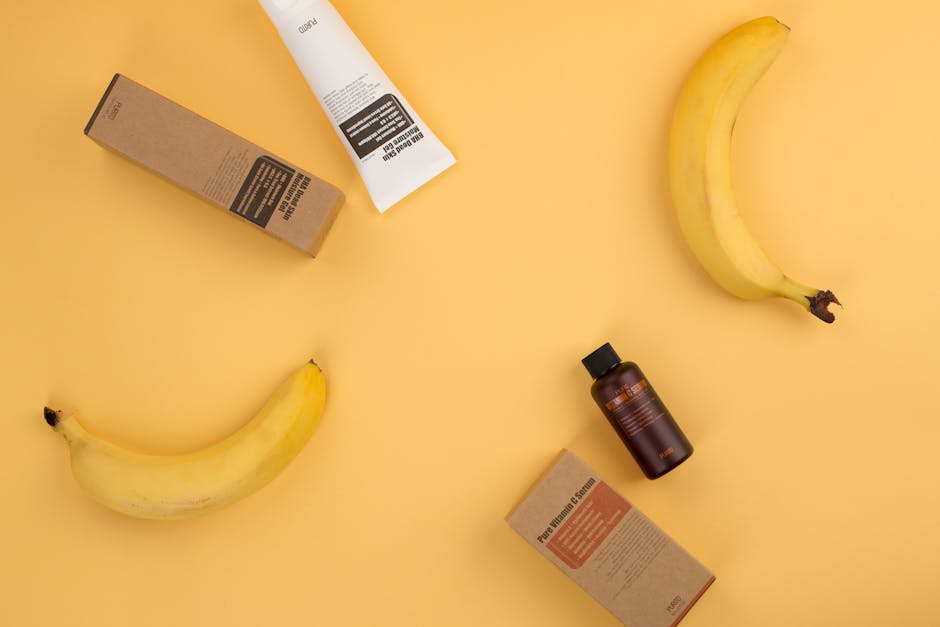
The uniqueness of K-Beauty lies in its innovative product formulations. Brands like Laneige, Innisfree, and Etude House have introduced products that often incorporate natural ingredients and advanced technology, distinguishing them from Western counterparts. For instance, the popularity of cushion compacts, which combine foundation, SPF, and skincare benefits, marked a significant shift in how makeup is perceived and used.
This approach resonates with consumers seeking multifunctional products. The desire for skin-first beauty has shifted preferences towards products that offer not just aesthetic enhancement but also hydration and nourishment. By continually introducing innovative and effective skincare solutions, K-Beauty brands fulfill a growing demand for quality while keeping the beauty experience exciting and new.
3. A Skincare-Centric Approach
Korean beauty culture emphasizes skincare over makeup, advocating a 10-step skincare routine that prioritizes healthy skin as the foundation for any beauty look. This shift from coverage to care has transformed consumer expectations and engagement. Many individuals now seek products designed to improve skin health rather than just mask imperfections.
This philosophy is evident in the rise of serums, essences, and sheet masks. For example, the application of multiple lightweight layers allows for personalized skincare experiences, making it accessible for individuals with diverse skin types and concerns. As consumers increasingly seek transparency about ingredients and the scientific backing of products, this skincare-centric approach positions K-Beauty as a trusted choice.
AdSense Area 1 Google AdSense code can be inserted here later.
4. Social Media Marketing and Online Communities
In the age of digital connectivity, social media has been a game-changer for K-Beauty’s global appeal. Platforms like Instagram, TikTok, and YouTube are rife with beauty tutorials, reviews, and product recommendations. This peer-driven environment enables users to share their experiences and expertise with one another, further promoting Korean brands.
Communities centered around beauty talk often create a sense of belonging; they encourage discussions that highlight diverse beauty standards and skincare routines. For instance, hashtags related to specific products can explode in popularity overnight, driven by user-generated content. Companies that engage effectively with consumers on these platforms can create buzz and anticipation around product launches, reminding beauty enthusiasts that the K-Beauty world is always evolving.
5. Focus on Individuality and Self-Care
The beauty philosophy in Korea steers towards emphasizing individuality and self-care, which resonates strongly with the global audience. The mantra of ‘your skin, your rules’ suggests that beauty should be about expressing personal identity rather than conforming to societal standards. This movement encourages individuals to explore their preferences, trial different products, and adopt routines that cater to their unique skin types.
Brands often promote this philosophy by encouraging consumers to celebrate their imperfections and embrace natural beauty. As a result, many international customers find solace in products that align with their pursuit of self-care and expression. The global acceptance of the personalization of beauty routines can lead individuals to greater confidence and enjoyment in everyday life.
6. Cultural Exchange Through Travel and Influence
The popularity of Korean beauty culture has also been accelerated through cultural exchange. Travelers who visit Korea often return with a newfound interest in the beauty rituals they observed. From what I have observed in Korean daily life, the beauty practices embedded within the culture are often perceived as an essential part of daily routines rather than a task. These travelers ignite a curiosity that drives further engagement with Korean products and trends.
Moreover, Korean manufacturers are adept at designing products targeted at international audiences, customizing and adapting to local preferences and markets. This cultural exchange not only amplifies the global reach of K-Beauty but also enhances the diversity of the K-Beauty product range, creating something truly universal.
7. The Role of Clean Beauty and Sustainability
With increasing awareness around environmental issues, the clean beauty movement has gained momentum within the K-Beauty sector. Many K-Beauty brands are taking strides toward sustainability, focusing on eco-friendly packaging and natural, ethically sourced ingredients. Brands like COSRX and Klairs are notable examples that prioritize transparency, showcasing a commitment to eco-consciousness.
As consumers grow more environmentally aware, the appeal of brands that not only promote effective skincare but also align with their values strengthens. This commitment to sustainability opens newer avenues for brand loyalty, compelling consumers to choose K-Beauty products that reflect their principles. Additionally, these practices can help foster a long-lasting relationship built on trust between brands and consumers worldwide.
Quick Action: Choose one practical idea from this article and apply it today.
AdSense Area 2 Second ad placement area for longer content.
8. Accessibility and E-commerce Strategies
The rise of e-commerce has made K-Beauty products easily available to a global audience. Fairly priced products, accessible shipping options, and reliable customer service combine to enhance the experience of purchasing K-Beauty items from anywhere in the world. Brands have adapted to the digital shopping environment by creating online platforms that cater to the needs of international consumers.
Moreover, the establishment of exclusive online sales events and collaborations with influencers has attracted attention, generating buzz and excitement. Shoppers benefit from personalized recommendations garnered from targeted marketing tactics, ensuring they discover products suitable for their skin. With convenience being a significant factor in consumer decision-making, K-Beauty’s e-commerce strategies are critical to its ongoing success globally.
9. Expanding the K-Beauty Shelf Life
The continued proliferation of K-Beauty is evident in the extensive range of products beyond skincare and makeup, extending to haircare, body care, and wellness supplements. For instance, the introduction of K-Beauty-inspired hair treatments and spa-like experiences in home care products allows consumers to enjoy the essence of Korean beauty in every aspect of their routine.
This diversification helps maintain interest and expand market opportunities. Brands that remain innovative while branching out into additional categories can capture the attention of consumers who might be looking for holistic beauty experiences. As the concept of beauty grows, the incorporation of K-Beauty principles into broader categories can ensure a long-lasting impact.
10. Emphasis on Education and Customer Engagement
Brands focusing on education have a distinct advantage in the K-Beauty landscape. Providing insightful content such as skincare tutorials, ingredient spotlights, and dermatological advice helps empower consumers to make informed choices. Online platforms serve as an excellent vehicle for this educational content, fostering relationships built on trust and expertise.
Furthermore, live interactions such as Q&A sessions, webinars, and virtual consultations have garnered popularity, allowing brands to engage directly with their audience. This interactive approach transforms the buyer experience by fostering community connections, solidifying brand loyalty, and heightening awareness of the benefits of incorporating K-Beauty principles into daily routines.
Personal Opinion
In my personal opinion, the global embrace of Korean beauty culture is more than just a passing trend; it reflects a deep yearning for self-care, authenticity, and innovation in the beauty industry. The myriad of influences, from entertainment to social media, has shaped a fascinating landscape where consumers can personalize their beauty experiences. Brands that prioritize sustainability and individuality resonate profoundly in today’s world, appealing to consumers who seek to express their uniqueness while being mindful of the larger implications. As Korean beauty continues to evolve, I believe it will maintain its strong position on the global stage by adapting to changing consumer needs and preferences, fostering a beauty ideal that embraces diversity and personal expression.
Profit Flow Daily shares practical insights on global markets, crypto, investing, online income, and Korean culture.
This article is for informational purposes only and should not be considered financial, investment, legal, medical, or tax advice.






답글 남기기