Korean cafes have blossomed into vibrant social spaces that play a pivotal role in the cultural fabric of contemporary Korea. They offer a unique blend of traditional aesthetics and modern conveniences, appealing to a diverse range of patrons. From what I have observed in Korean daily life, these establishments have become more than just places to grab a cup of coffee—they are hubs for social interaction, creativity, and even artistic expression.
The rapid growth of cafes in Korea can be attributed to several intertwined factors. First, the sheer variety of coffee options available, from traditional brews to innovative concoctions, has attracted a large audience. Many cafes pride themselves on sourcing beans from around the world and highlighting artisanal brewing methods. This trend reflects a growing appreciation for quality over quantity, paving the way for a highly specialized coffee culture that sets Korea apart on the global stage.
The Influence of Social Media
One significant factor that has propelled the popularity of cafes is the influence of social media. In an age where Instagram and other platforms dictate trends, it’s no surprise that visually appealing cafes are thriving. The artistry found in both the drinks and the decor makes these spots desirable as backdrops for photographs.
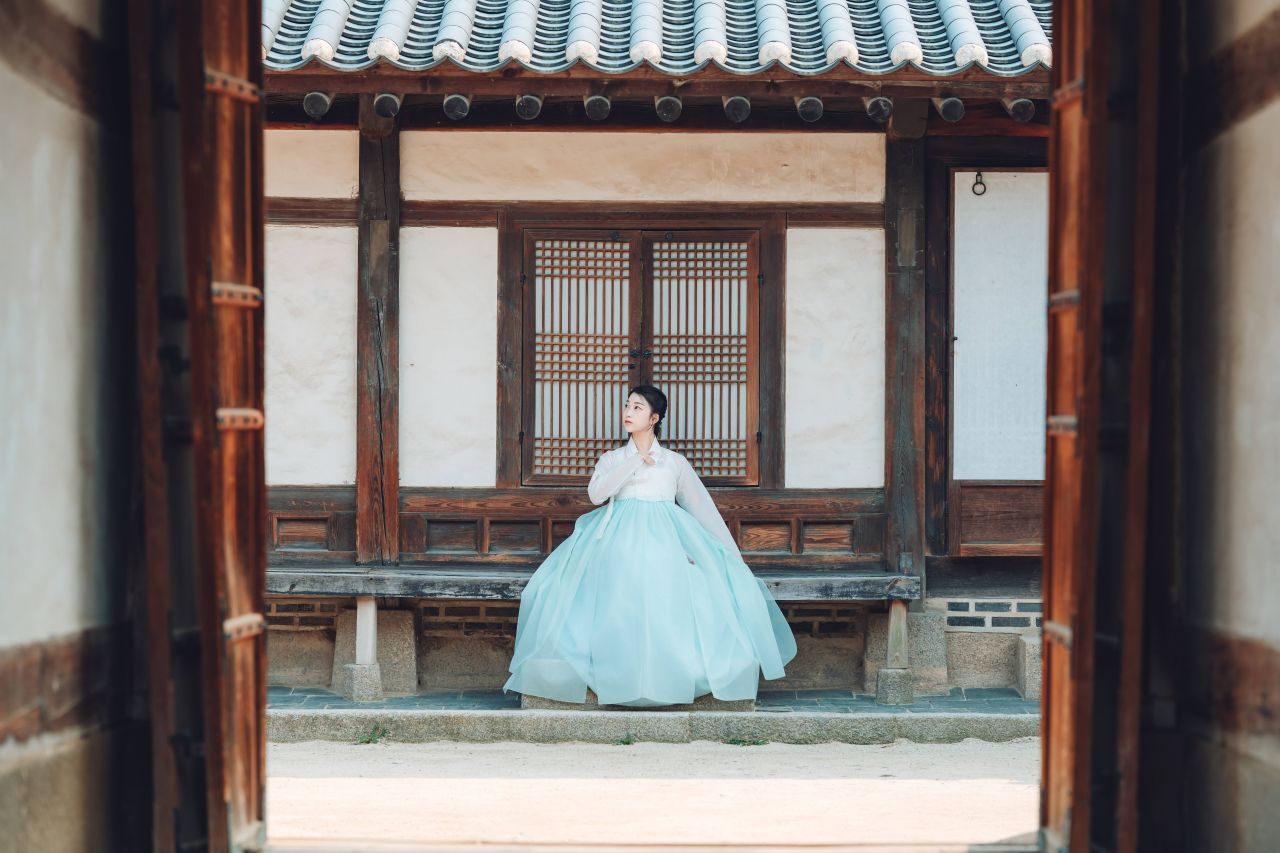
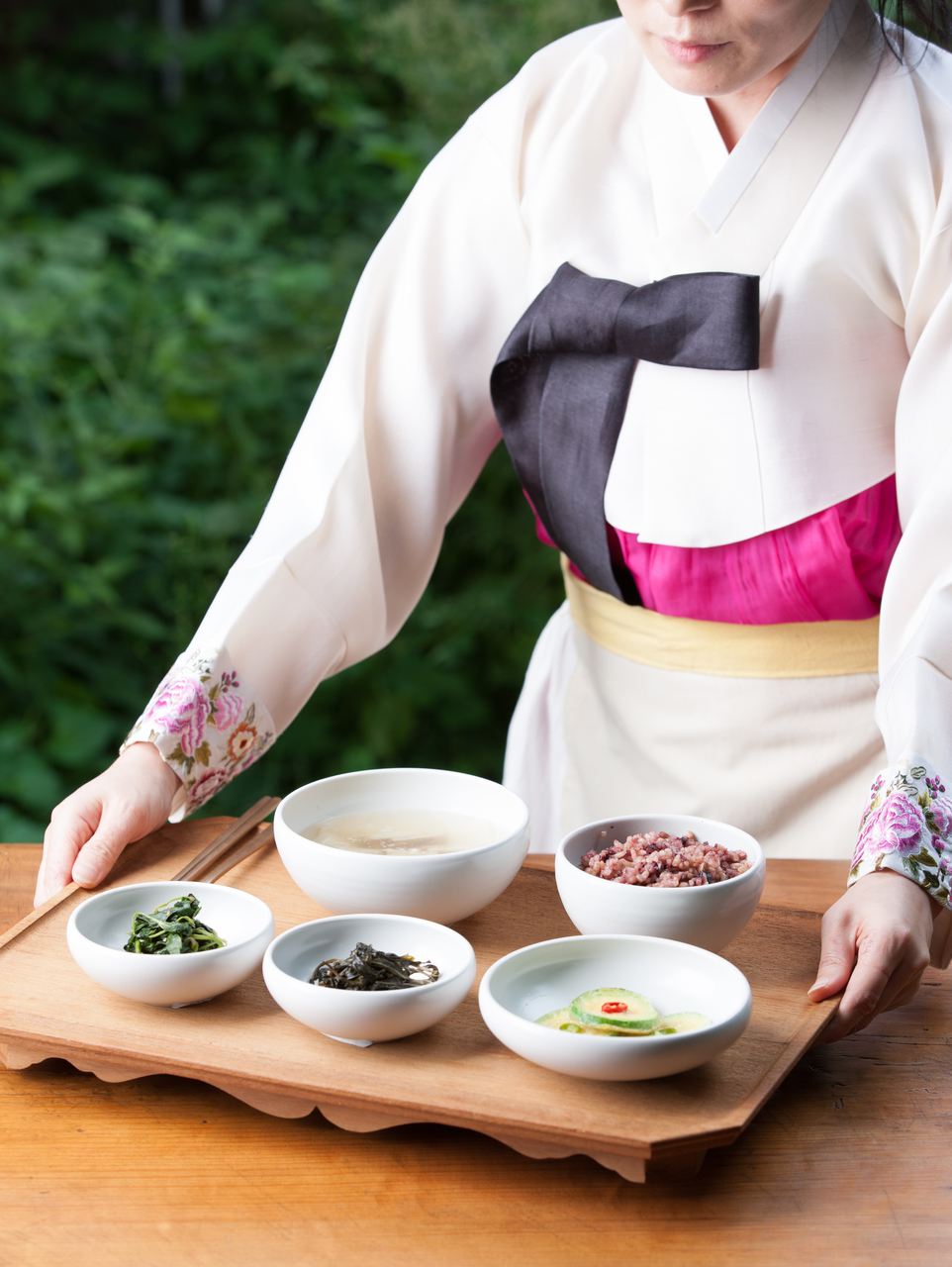
Many cafes have invested in unique interior design, featuring aesthetically pleasing décor that often draws on themes from Korean culture or modern artistic movements. For example, many places offer intricate designs, neon colors, or even traditional Korean elements like hanbok fabrics and ceramics, inviting customers to take photos. In fact, I’ve often seen friends meeting up just to capture the perfect shot to share online, which has transformed the cafe experience into a combination of relaxation and content creation.
Hybrid Spaces for Work and Leisure
Korean cafes are not merely places to drink coffee; they often serve as hybrid spaces that cater to both work and leisure. With the rise of freelance work and remote positions, many professionals have begun seeking out comfortable environments outside their traditional offices. Cafes provide a casual atmosphere for meetings or solitary work, equipped with Wi-Fi and ample seating. This setup often feels more inviting than a sterile office environment.
From my experience around Korean workplaces, it’s common to see groups of coworkers or freelancers collaborating over cappuccinos while sharing ideas and fostering creativity. This has led to a culture where cafes are seen as extensions of the workplace, and unorthodox meetings take place over lattes instead of boardroom tables.
AdSense Area 1 Google AdSense code can be inserted here later.
A Reflection of Youth Culture
The cafe scene in Korea also mirrors the evolving dynamics of youth culture. Young people often see these spaces as a place to challenge norms and connect in both casual and intimate settings. Additionally, many cafes offer themed events and activities, such as book clubs or art workshops, that encourage community engagement.
This youthful vibe is critical in shaping perceptions and social interactions, as many patrons prefer gathering at cafes to socialize instead of heading to bars or restaurants. The atmosphere fosters networking, allowing for a blend of friendly and professional gatherings. This prioritization makes cafes integral to the social lives of many young Koreans.
Cultural Fusion and International Appeal
Korean cafes embody a fusion of cultural elements that appeal to both locals and visitors. The infusion of Western cafe concepts—such as the all-day brunch menus or specialty drinks—with Korean traditions like tea ceremonies and seasonal ingredients has created an inviting dynamic. One thing foreigners may not notice at first is the way seasonal changes influence menu offerings. During summer, you might find refreshing banchan-inspired coffee drinks, and in winter, cozy hot beverages that leverage traditional flavors.
This adaptability has made these establishments popular among tourists seeking an authentic yet approachable introduction to Korean culture. For example, a cafe in Seoul might feature seasonal cherry blossom drinks in spring, drawing locals and visitors alike enamored by the beauty of the cherry blossoms. This combination allows visitors to experience a cultural exchange while enjoying a comforting beverage.
Community and Connection
Another vital aspect of the cafe phenomenon is the sense of community they foster. Many establishments host community events, craft workshops, and even music performances, creating spaces where local creatives can thrive. This approach helps cultivate a sense of belonging as patrons develop relationships with cafe staff and fellow customers over time.
I’ve personally witnessed bonds forming over shared interests, be it books or music, during events at cafes. These shared experiences encourage repeat visits, turning casual customers into regulars who feel a sense of ownership and connection to the space. In this way, cafes become integral to the community’s social fabric, offering not just beverages but a sense of camaraderie.
Quick Action: Choose one practical idea from this article and apply it today.
AdSense Area 2 Second ad placement area for longer content.
Environmentally Conscious Choices
As the global conversation around sustainability intensifies, many Korean cafes are taking steps to implement eco-friendly practices. This includes sourcing organic ingredients, utilizing biodegradable packaging, and promoting recycling initiatives. Such moves resonate with the values of younger generations who are increasingly conscious of their environmental impact.
For instance, some cafes have adopted ‘zero-waste’ principles, encouraging customers to bring their own containers for to-go orders. From what I have noticed, this practice is gaining traction among environmentally-conscious patrons. Similarly, educational campaigns on reducing waste and sustainable consumption are becoming commonplace in these spaces.
Conclusion: The Ever-Evolving Coffee Culture
Korean cafes symbolize a remarkable convergence of traditional values and modern trends, creating a unique coffee culture that reflects the country’s dynamic society. The emphasis on aesthetic experiences, community engagement, and environmentally responsible practices all contribute to their growing importance in contemporary life.
The power of cafes to nurture creativity, establish connections, and highlight cultural identity is significant. It’s not merely about the coffee; it’s an expression of modern Korean culture, underpinned by a strong sense of community and a continual evolution of what it means to enjoy a cup of coffee in Korea today.
Personal Opinion
In my personal opinion, the rise of Korean cafes is a fascinating reflection of how culture can adapt while remaining rooted in tradition. As someone who frequents these spaces, I believe they offer more than just beverages; they encapsulate stories, relationships, and a modern take on Korea’s rich cultural heritage. Observing this vibrant scene evolve is not only inspiring but also reinforces the significance of cafes in shaping modern Korean identity.
Profit Flow Daily shares practical insights on global markets, online income, Korean culture, Korean food, beauty, travel, and work life.
This article is for informational purposes only and should not be considered financial, investment, legal, medical, or tax advice.



답글 남기기