Korea, a nation rich in history and culture, has daily habits that often surprise global visitors. The contrasts between Korean lifestyles and those of other countries can lead to fascinating observations. Here are some distinctive habits I have noticed in Korean daily life that stand out to many who come from around the world.
1. The Importance of Cleanliness
From what I have observed in Korean culture, cleanliness is next to godliness, almost literally. Streets, public transportation, and even private spaces reflect an ingrained respect for hygiene. Many people will carry small hand sanitizers and tissues in their bags and often use them after touching public surfaces.
This commitment to cleanliness is not merely personal; it extends to the community level. For example, it’s quite common to see citizens participating in group clean-up activities in local parks or on beaches. Such habits not only foster a sense of civic responsibility but also encourage a cleaner environment for everyone. This might surprise visitors who are used to public cleaning being solely the government’s responsibility!
2. The Coffee Culture
In Korea, the coffee shop experience can be remarkably different from that in many Western countries. Cafes are not just for grabbing a quick caffeine fix; they serve as social hubs where people meet, chat, and work for hours. What often surprises visitors is the sheer variety of themed cafes, from cat cafes to book cafes, that are prevalent across cities.
Beyond that, Korean coffee culture emphasizes presentation. For example, it is common to see baristas go the extra mile by preparing elaborate latte art or serving cold brew in stunning glassware. This attention to detail makes visiting a cafe not just about drinking coffee but also about enjoying an entire experience. Many international visitors leave with a new appreciation for how coffee can foster community and creativity.
3. Respect for Elders
Another significant cultural aspect that frequently catches foreigners off guard is the deep-rooted respect for elders. From my experience, people in Korea often bow as a sign of respect when greeting older individuals. Additionally, you will find that younger people often defer to their elders in conversations, allowing them to speak first. This practice not only promotes harmony but also strengthens familial and social bonds.
Many young Koreans still feel compelled to take care of their elderly parents, which can include financial support and even living arrangements. This cultural practice may seem surprising to those from societies where independence is emphasized, but here, caring for family members is a source of pride and honor.
AdSense Area 1 Google AdSense code can be inserted here later.
4. Late-night Dining
While dining late might not be unique to Korea, the local twist is quite different. In bustling areas of Seoul, it is common to see restaurants and street vendors open well into the night, catering to a vibrant night-life culture. From my observations, people often eat late-night meals after social gatherings or work, indicative of a more relaxed attitude towards dining hours.
This late-night culture also includes a variety of popular dishes. For instance, enjoying a bowl of hot ramen or a platter of Korean fried chicken at 2 a.m. is not uncommon. Many visitors are amazed to find entire streets dedicated to food, where they can sample various dishes late at night, often packed with locals enjoying their evening out.
5. Collective Living
Housing in Korea can often be compact, pushing many to adopt a more communal lifestyle. From my experience around Korean workplaces and residential areas, you will notice that it’s common for young adults to live together, sharing both expenses and social lives. This practice of shared living is not restricted to college students but is also common among young professionals.
This arrangement has its benefits; communal living tends to foster friendships and the sharing of responsibilities. Moreover, it mitigates the high costs of living in major cities like Seoul. Visitors may be surprised by the extent to which this lifestyle permeates Korean culture, as it often contrasts with the individualistic approach seen in other parts of the world.
6. Work Culture and Hours
The work culture in Korea can be intense, and this is something that often surprises outsiders. In many workplaces, it’s not just about completing tasks; it’s about the amount of time you spend in the office. From my observations, employees may feel the pressure to stay late, even if their work is finished, to demonstrate commitment to the company.
After hours, there’s often a significant emphasis on team bonding, termed ‘hoeshik,’ which involves social gatherings, often over food and drinks. While this practice can lead to strong relationships among colleagues, it also raises concerns about work-life balance that many international visitors note.
7. Public Transportation Etiquette
Public transportation in Korea is known for its efficiency, cleanliness, and systemized flow. However, what stands out to many visitors is the etiquette associated with using these services. For example, I frequently observe individuals offering their seats to the elderly, pregnant women, or individuals with disabilities. Such acts of kindness create a respectful atmosphere and show the collective awareness of social responsibility.
Additionally, it’s common to see people absorbed in their phones, often engaged in gaming or scrolling through social media, yet when it comes to talking, people generally keep their voices down. This unspoken rule of maintaining a quiet environment helps make the crowded trains and buses more pleasant for everyone aboard.
Quick Action: Choose one practical idea from this article and apply it today.
AdSense Area 2 Second ad placement area for longer content.
8. Group Purchasing and Discounts
In Korea, it’s quite common for people to band together to buy items in bulk to avail discounts. From my experience, this practice highlights a communal aspect of shopping that many foreigners may not expect. It’s not unusual for friends or coworkers to collectively order meals, clothing, or even appliances to lower individual costs.
This collective purchasing approach can be an excellent way to save money, as many businesses offer special deals to groups. Visitors might find this practice quite surprising, particularly if they are from places where individual buying is the norm. It makes shopping feel more of a social activity rather than a solitary chore.
9. Unique Snack Culture
Food plays a significant role in day-to-day life in Korea, and the snack culture is no exception. From what I’ve observed, street vendors sell a myriad of snacks such as tteokbokki (spicy rice cakes) and hotteok (sweet pancakes), which are commonly enjoyed on the go. The variety and creativity of these snacks often astound visitors who might expect traditional meals only.
Moreover, convenience stores in Korea are a treasure trove of unique snacks, offering everything from flavored chips to innovative desserts. What surprises many visitors is the extent to which these snacks cater to diverse tastes, including options for health-conscious consumers. Sampling local snacks becomes an adventure of its own for those exploring Korea.
10. Festivals and Street Events
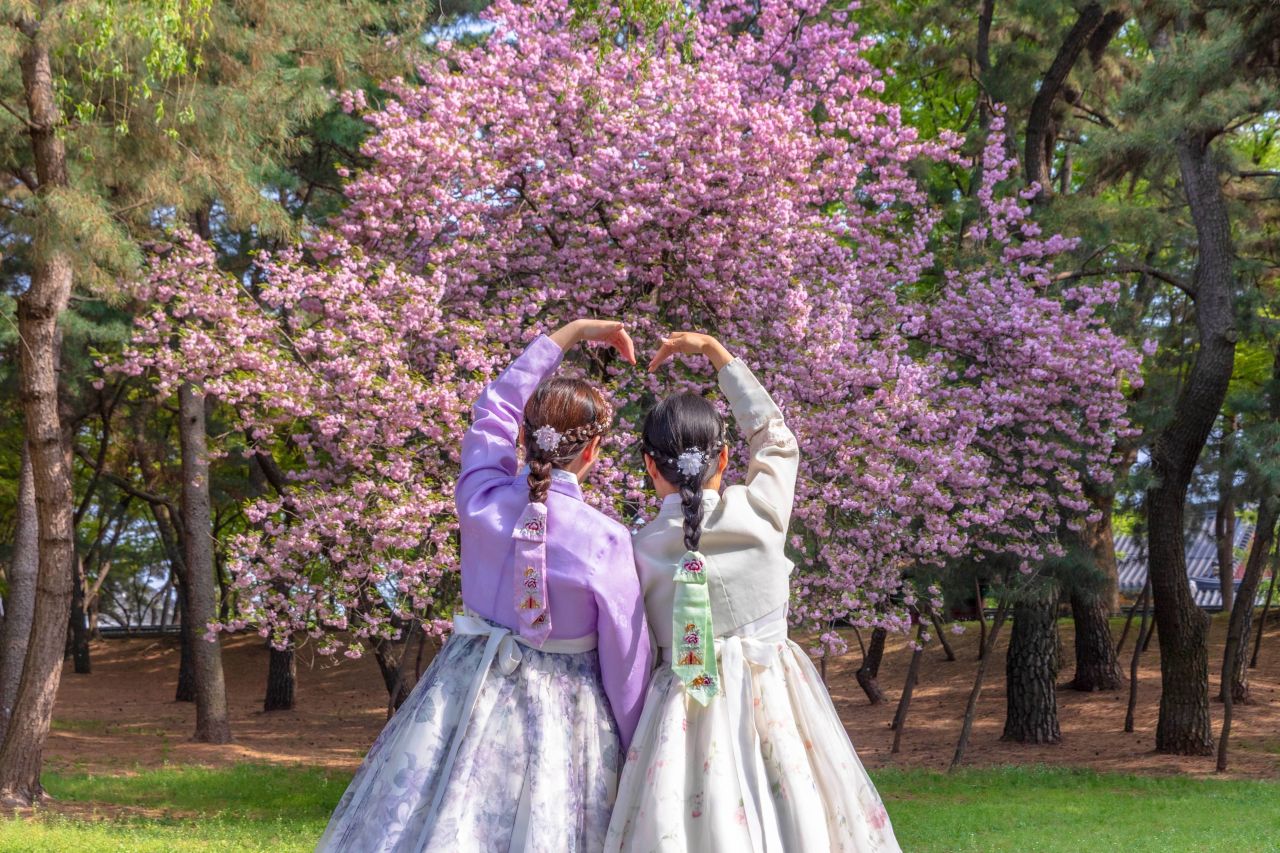
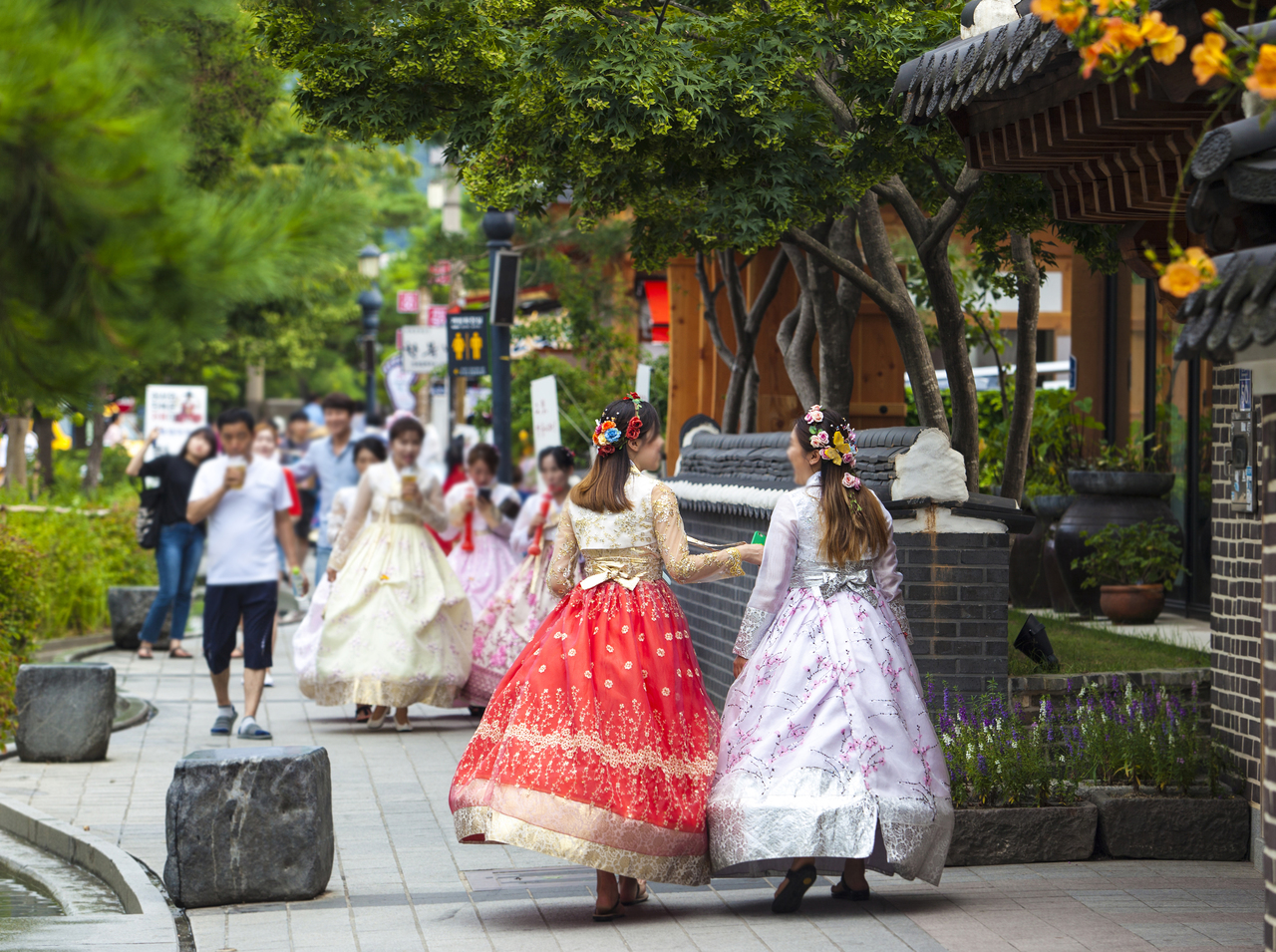
Korea has a rich tapestry of festivals and street events that celebrate everything from food to cultural heritage. Engaging in local festivals can be an eye-opening experience for international visitors. Whether it’s a lantern festival or a cherry blossom celebration, these communal gatherings allow both locals and tourists to unite in celebration.
Interestingly, many of these events often involve not just traditional performances but also opportunities for interactive participation. For example, visitors might be encouraged to try their hand at traditional crafts or sample different local cuisine. This level of engagement showcases the Korean spirit of hospitality and sharing, surprising many who are used to more passive festival experiences.
Personal Opinion
In my personal opinion, the unique daily habits of Korea add a layer of richness to its culture that is both fascinating and intricate. These customs reflect not only the values of the Korean people but also serve to create a vibrant social atmosphere that welcomes interaction and community. For global visitors, embracing these habits can lead to a deeper understanding of what makes Korea such a distinctive and compelling place to explore. Observing these habits allows one to appreciate a different way of living, one that balances tradition with modernity in remarkable ways.
Profit Flow Daily shares practical insights on global markets, online income, Korean culture, Korean food, beauty, travel, and work life.
This article is for informational purposes only and should not be considered financial, investment, legal, medical, or tax advice.


답글 남기기