As a resident of Seoul, I’ve had the opportunity to observe its vibrant, dynamic character, which often seems distinct from other major Asian cities. It may be the bustling energy, the seamless blend of modernity and tradition, or perhaps the unique daily lifestyle that sets it apart. Below, I explore several aspects that make this city an experience unlike any other in Asia.
1. A Harmonious Blend of Tradition and Modernity
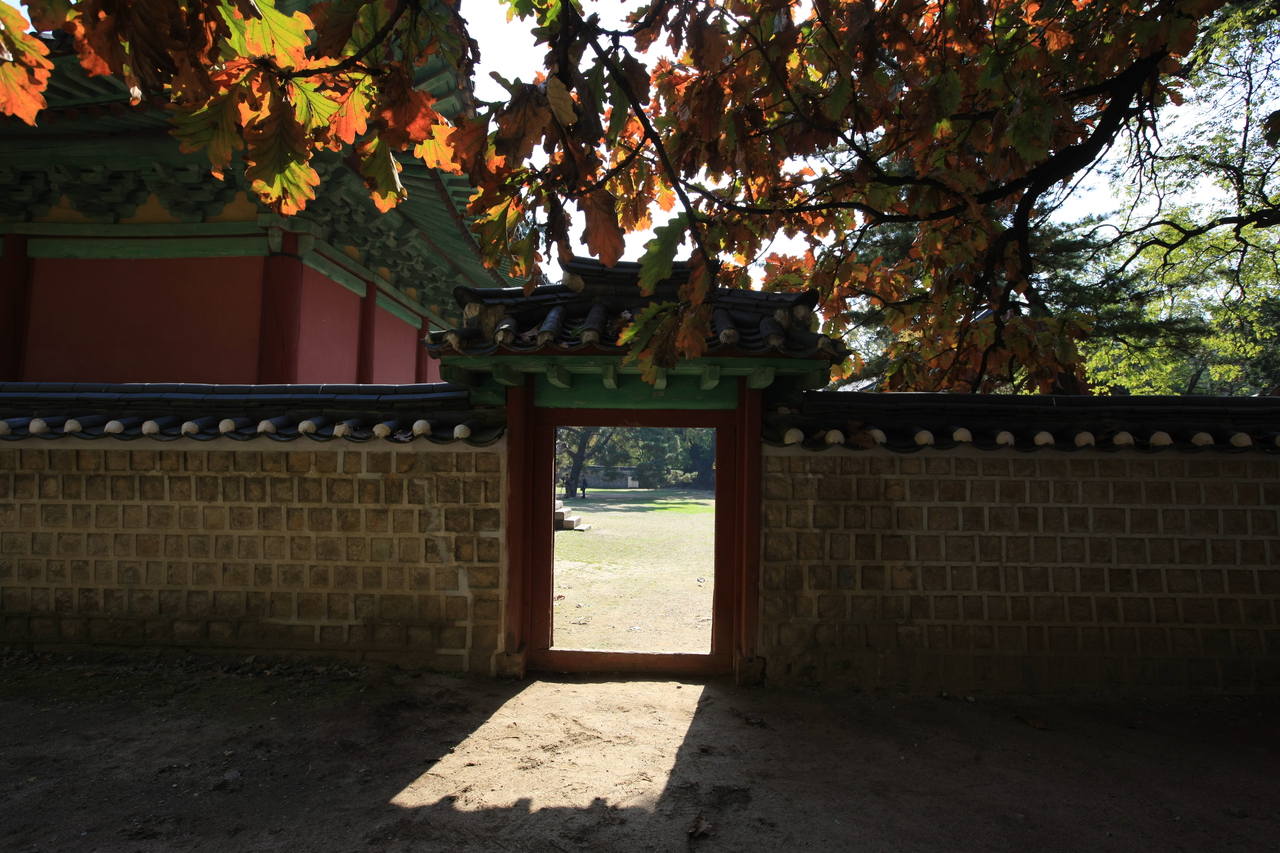
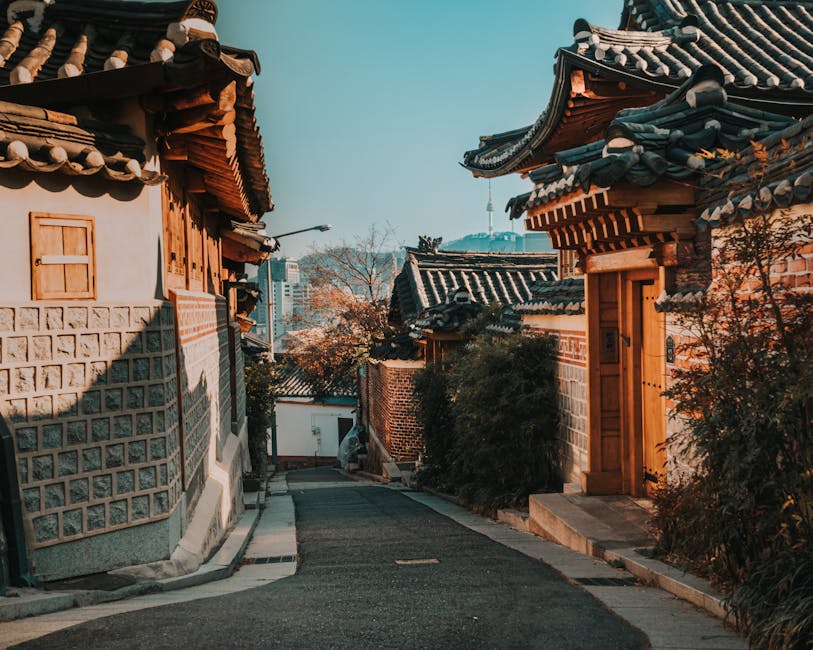
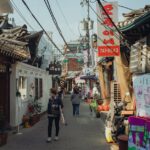
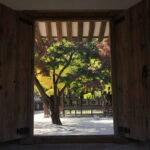
One striking feature of Seoul is the way it combines ultra-modern architecture with historical sites. As I walk through neighborhoods, it’s common to see a sleek skyscraper standing next to a centuries-old palace. This juxtaposition creates a unique atmosphere that invites exploration and reflection.
For example, the Gyeongbokgung Palace, a grand symbol of Korea’s royal history, resides in the heart of the city, surrounded by bustling streets filled with advanced technology and contemporary shopping venues. When people visit, they often find themselves transported through time, experiencing both the historical elegance and the energetic modern lifestyle, which enhances one’s connection to culture.
2. Public Transportation Efficiency
Seoul boasts one of the most efficient public transportation systems in the world. My daily commute via the subway showcases this excellence; it is not just about getting from point A to point B swiftly, but also about the overall experience. The cleanliness, punctuality, and coverage of the system is exemplary.
With extensive connections that reach even the outskirts of the city and into neighboring areas, it’s easy for locals and visitors alike to navigate. Additionally, features like signage in multiple languages and helpful apps make using public transport user-friendly. This level of accessibility sets Seoul apart and fosters a culture of reliability and convenience that enhances urban life.
3. Culinary Diversity and Innovation
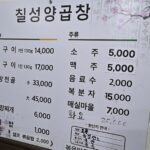
From what I have observed in Korean daily life, the food scene in Seoul is dynamic and constantly evolving. While traditional Korean dishes like kimchi and bulgogi are staples, the city’s culinary landscape also incorporates a variety of international influences, creating a unique fusion that’s deeply appealing.
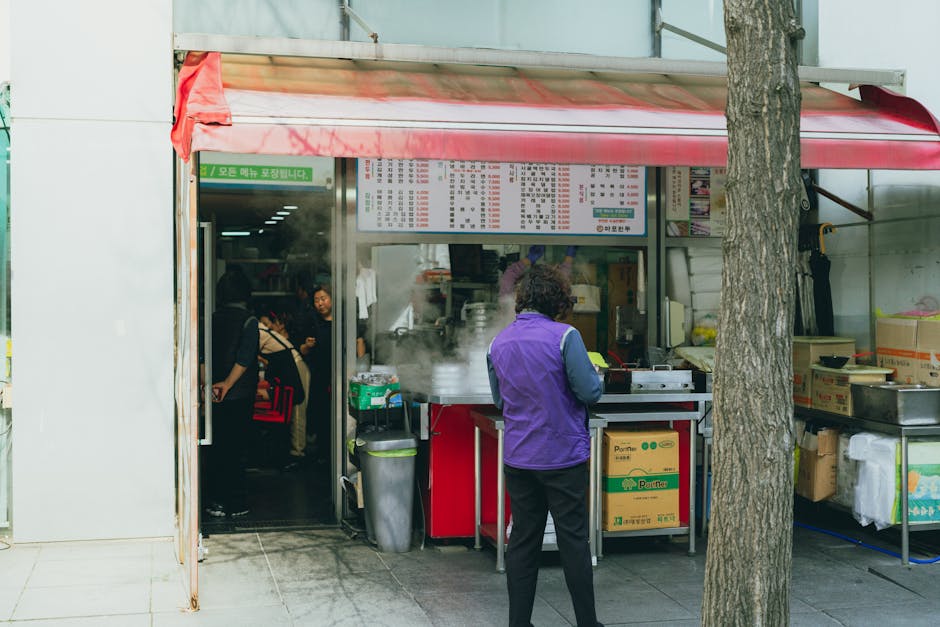
For instance, I enjoy exploring the street food scene in districts like Myeongdong, where you can find not only classic Korean snacks but also an array of global cuisines from tacos to bubble tea. Many restaurants are experimenting with ingredients and cooking styles, bringing a new twist to traditional flavors. This culinary innovation accentuates the city’s global nature and its readiness to embrace diversity.
AdSense Area 1 Google AdSense code can be inserted here later.
4. Technologically Advanced Society
Seoul is often referred to as a tech hub, and for good reason. The integration of technology into daily life is palpable. This often feels different because technology seems to coexist naturally with everyday routines, enhancing convenience rather than overwhelming the experience.
The use of wireless internet is ubiquitous in cafes and public areas, and smart devices are commonplace in both homes and workplaces. For example, the convenience of mobile payment systems and the availability of smartphone apps for virtually everything—from food delivery to public transport navigation—demonstrate an advanced lifestyle catered to enhancing productivity and leisure.
5. A Culture of Engagement and Service
In Korea, this often feels different because of the strong emphasis on hospitality and community engagement. People routinely participate in activities that foster a sense of belonging and societal responsibility. From volunteering in local charities to neighborhood clean-up days, the spirit of camaraderie thrives.
Additionally, the customer service in restaurants, stores, and public facilities is exceptional. Staff are usually attentive and eager to assist, contributing to a welcoming environment. This hospitality creates an atmosphere that feels both personal and respectful, giving both locals and visitors a memorable experience.
6. Art and Cultural Expression Everywhere
From my experience around Korean workplaces, streets, cafes, stores, and daily routines, art permeates everyday life in Seoul. Murals, street performances, and gallery exhibitions can be found around virtually every corner. This active cultural scene reflects the city’s passion for creativity and expression.
Living in areas such as Hongdae or Itaewon, one can witness artistic expressions come alive in an array of forms—from music and dance to visual arts. Events like local music festivals or art walks engage the community, offering a platform for artists while providing entertainment for everyone, further emphasizing the city’s creative spirit.
7. A Cosmopolitan Atmosphere
Seoul is undeniably cosmopolitan. With a diverse population that includes expatriates from all over the world, the city thrives on cultural exchange. This characteristic often feels different because of the inviting nature of locals and the multicultural tapestry woven into everyday life.
From my observation, neighborhoods like Gangnam and Itaewon are melting pots of cultures, bustling with a variety of international cuisines, languages, and traditions. Community events celebrating various cultural backgrounds foster understanding and appreciation among residents, contributing to a global mindset that embraces differences.
Quick Action: Choose one practical idea from this article and apply it today.
AdSense Area 2 Second ad placement area for longer content.
8. Innovative Fashion and Style
Seoul is a fashion-forward city where trends are not just about clothing but also an expression of personal identity. This vibrant fashion scene often feels different, characterized by a blend of high fashion, street style, and traditional elements.
Fashion weeks and local designers gain recognition, and residents frequently showcase their creative styles. For instance, areas like Dongdaemun and Garosu-gil are hotspots for fashion enthusiasts, where one can shop from both global brands and unique, local designers. Attending a fashion show or simply observing the street style presents a glimpse into the ever-evolving narratives that define style in the city.
9. The Emphasis on Work-Life Balance
While many might associate large cities with relentless work ethics and long hours, Seoul is making strides toward promoting a better work-life balance. Through initiatives aimed at reducing working hours and increasing leisure time, the city is shifting attitudes about productivity and personal well-being.
Community spaces and parks encourage outdoor activities and social gatherings after work, allowing individuals to unwind and enjoy life. For someone who navigates both work and leisure in Korea, the growing emphasis on balance signifies a gradual but meaningful cultural transformation.
10. A Unique Sense of Community
Finally, one thing foreigners may not notice at first is the strong sense of community that permeates everyday interactions in Seoul. Regardless of age, people often feel a sense of belonging to their neighborhoods, fostering a shared responsibility toward others.
From participating in local festivals to collaborating on community projects, the engagement is uplifting. Families often come together for neighborhood picnics or seasonal celebrations, creating bonds that enhance social cohesion. This aspect of life in Seoul can leave a lasting impact, making the city feel like a close-knit community despite its size.
Personal Opinion
In my personal opinion, the elements that define Seoul’s unique identity contribute to a rich, intricate urban tapestry that’s constantly evolving. While its pace can be hectic, the compassion shown through community participation, the dedication to innovation, and a balanced approach to life infuse the city with warmth and vitality. By embracing both tradition and modernization, Seoul not only stands out among other Asian cities but also invites a deeper, more meaningful engagement with its residents and visitors alike.
Profit Flow Daily shares practical insights on global markets, online income, Korean culture, Korean food, beauty, travel, and work life.
This article is for informational purposes only and should not be considered financial, investment, legal, medical, or tax advice.

답글 남기기