[작성자:] dbsdudah

  • Exploring the Vibrant Culture of Korean Street Food

    Exploring the Vibrant Culture of Korean Street Food

    Exploring the Vibrant Culture of Korean Street Food

    When you think of Korean cuisine, you might immediately drift towards bulgogi or kimchi, but the culinary landscape is much broader, especially when it comes to street food. The streets of South Korea pulse with life, flavored by the sizzling grills and aromatic spices wafting through the air. Street food isn’t just a quick bite; it’s an integral part of the culture, deeply rooted in tradition and social interaction.

    The Heart of Korean Street Food Culture

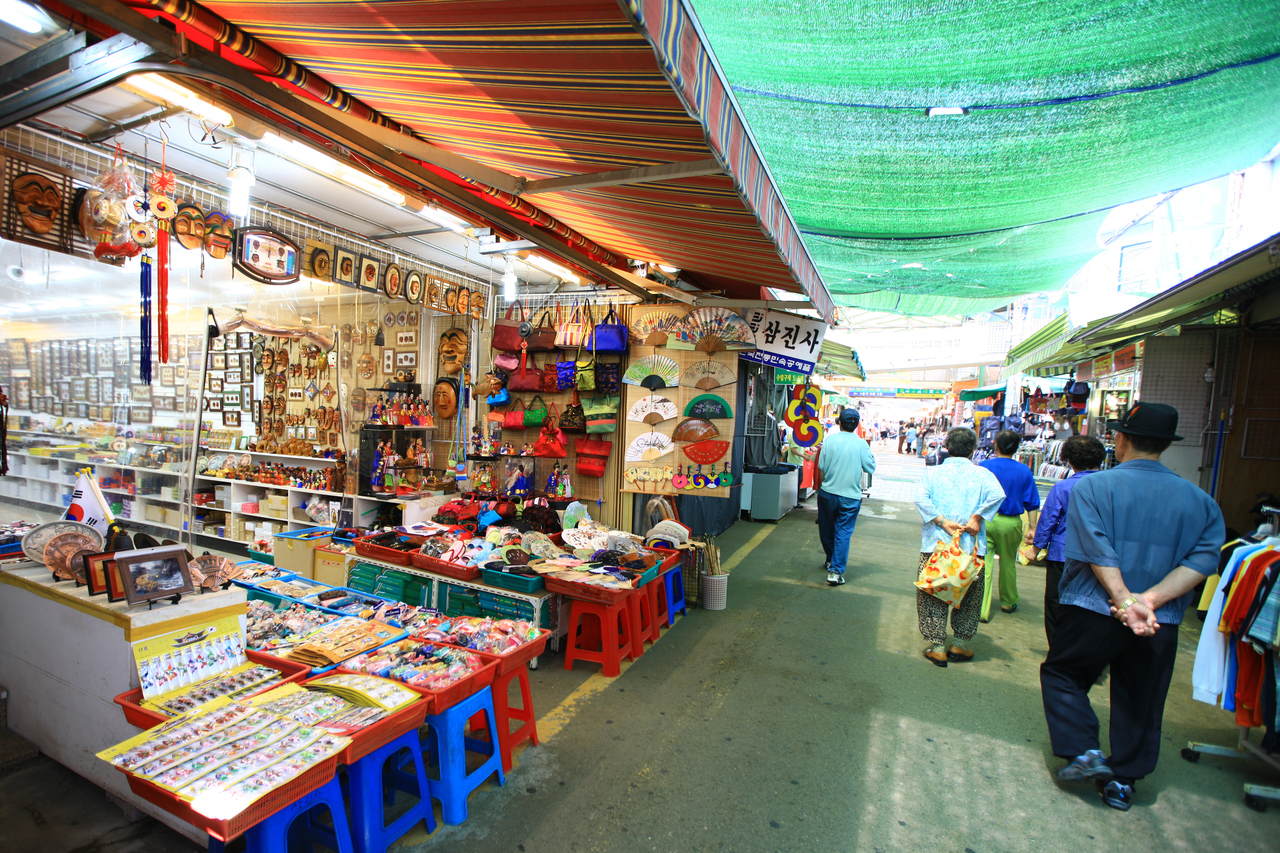
    Korean street food plays a vital role in the daily lives of locals and visitors alike. In bustling urban centers such as Seoul, street food vendors line the streets, offering a variety of quick and delicious meals. From what I have observed in Korean daily life, these food stalls serve not just as places to eat but also as social hubs where both friends and strangers gather to enjoy a shared culinary experience.

    Each street food item tells a story, often intertwined with regional pride and seasonal changes. The variety in offerings often reflects local ingredients and culinary traditions, making a visit to the street stalls a delicious journey through the different facets of Korean culture.

    Popular Street Food Dishes

    • Tteokbokki
    • Tteokbokki is one of the most iconic street foods in Korea. These chewy rice cakes are typically stir-fried in a spicy-sweet sauce made from gochujang (red chili paste), giving the dish its signature flavor. The addition of fish cakes, boiled eggs, and scallions creates a delightful mix of textures and tastes. The dish is often enjoyed as a snack or light meal, commonly shared among friends or family. In Korean workplaces or everyday culture, I often notice that people tend to buy tteokbokki after a long day at work, finding comfort in this warm, filling dish.

      If you ever find yourself in a bustling market, be sure to stop by a vendor selling tteokbokki. Watching the vendor expertly prepare the dish is part of the experience. And don’t hesitate to try it with cheese for a creamy twist!

    • Hotteok
    • Hotteok is a sweet pancake filled with brown sugar, honey, chopped nuts, and cinnamon. This popular winter snack is often sold from food carts, particularly during the colder months. While the exterior is crispy and golden-brown, the inside remains gooey and warm, creating a delightful contrast. Observing Korean friends or families enjoying hotteok during chilly evenings encapsulates the communal spirit prevalent in Korean culture.

      AdSense Area 1
      Google AdSense code can be inserted here later.

      Exploring the Vibrant Culture of Korean Street Food

      This treat can be easily made at home. You can mix flour, water, and yeast for the dough while preparing the filling with sugar and nuts. Cooking it on a hot griddle allows you to enjoy it fresh and warm, embodying the street food experience right in your own kitchen.

    • Korean Fried Chicken
    • Korean fried chicken stands out for its double-fried technique, which gives it an exceptionally crispy outer layer while keeping the meat moist and juicy. Often coated with various sauces, such as sweet and spicy gochujang or soy garlic, it has taken the world by storm with its delightful crunch. One thing that often surprises foreign visitors is how fried chicken is not merely junk food in Korea; it’s also a social dish that pairs well with drinks, making it popular for gatherings.

      To experience this at its best, look for a local fried chicken joint, as they often serve it fresh out of the fryer, accompanied by pickled radish. You can also find creative variations like chicken topped with cheese or even served in a sundae form!

    • Eomuk (Fish Cake)
    • Eomuk, or fish cake, is another street food staple that varies significantly from region to region. Often served on skewers or in a savory broth, eomuk is both hearty and flavorful. In the chilly months, warm eomuk is particularly popular among locals, as it provides comfort and warmth. The unique chewy texture can be both refreshing and satisfying, making it a beloved option for many.

      If you enjoy cooking, try making your own version by mixing fish paste with various ingredients. Experimenting with different spices can give you a unique twist and will allow you to experience Korean flavors at home.

      Street Food and Cultural Identity

      Korean street food is not only about what is served; it also provides insight into the country’s cultural identity. In urban environments, these food vendors represent a fusion of traditional and modern styles. Street food is often more than just a meal; it’s a celebration of community and local heritage. Visiting food markets showcases not only culinary skills but also an entrepreneurial spirit, as many vendors have built their businesses from small carts into thriving enterprises.

      The respect for traditional methods and the willingness to innovate keep this culinary culture vibrant. For instance, you might find traditional dishes being elevated with modern culinary techniques or presentations, appealing to both traditionalists and younger food enthusiasts.

      Quick Action: Choose one practical idea from this article and apply it today.
      AdSense Area 2
      Second ad placement area for longer content.

      Dining Etiquette and Experience

      When enjoying street food in Korea, it’s essential to understand the etiquette behind the experience. Typically, street food is designed to be eaten on the go, but people also often gather around during festivals or the evening hours to enjoy their meals together. Observing how locals interact while eating is equally enriching as the food itself.

      To truly immerse yourself in the experience, try ordering a variety of dishes to share with friends. This communal style not only promotes social interaction but also allows you to taste multiple flavors, revealing the diversity of Korean street food. Additionally, don’t forget to keep some cash handy, as many stands do not accept cards.

      The Future of Street Food

      Street food continues to evolve alongside changing trends and tastes. Recent years have seen a shift towards health-conscious options, with some vendors focusing on organic ingredients or providing vegetarian and vegan alternatives. This blend of traditional and modern, health-conscious offerings reflects not just a change in consumer behavior but also a broader societal trend where culinary practices are being reassessed.

      Interestingly, the rise of social media and food bloggers has influenced street food culture significantly. Vendors are now more focused on presentation and innovation to attract attention online. In my experience, this has led to a vibrant competition where new and exciting dishes are regularly introduced, and traditional recipes are often reimagined.

      Conclusion

      Understanding the intricacies of street food culture in Korea offers a window into the nation’s lifestyle and culinary heritage. It’s a reflection of communal dining, creative innovation, and an enduring respect for tradition. Every dish has its narrative, which resonates deeply within the culture. By diving into this world of flavors, textures, and stories, you not only satisfy your palate but also engage in the rich tapestry of Korean society.

      Personal Opinion

      In my personal opinion, the experience of indulging in Korean street food goes beyond just enjoying delicious meals; it’s about connecting with people and the culture. There’s something profoundly heartwarming about gathering around a street stall, laughing and sharing stories while savoring a steaming plate of tteokbokki. It truly exemplifies the essence of togetherness and the joy that food brings, making it an integral part of the Korean experience that everyone should seek out.

      Exploring the Vibrant Culture of Korean Street Food

      Profit Flow Daily shares practical insights on global markets, crypto, investing, online income, and Korean culture.

      This article is for informational purposes only and should not be considered financial, investment, legal, medical, or tax advice.


  • Understanding Risks of a Crypto Market Crash: What You Need to Know

    Understanding Risks of a Crypto Market Crash: What You Need to Know

    Understanding Risks of a Crypto Market Crash: What You Need to Know

    The world of cryptocurrencies has been both fascinating and tumultuous. With the rise of Bitcoin, Ethereum, and thousands of altcoins, investors have often found themselves on a rollercoaster ride of price fluctuations. While the potential for profit is alluring, it’s vital to consider the risks associated with crashes in this volatile market. This article explores different factors that may contribute to a market crash and how investors can safeguard their investments.

    1. Market Volatility

    One of the most defining characteristics of the cryptocurrency market is its inherent volatility. Prices can swing dramatically within short time frames, driven by market sentiment, news events, and trading activities. For newcomers, it can feel bewildering as they try to make sense of these rapid changes.

    Consider the example of Bitcoin’s price movements during significant events, such as regulatory announcements or technological advancements. When news emerges that may affect market sentiment—positive or negative—traders react instantly, causing prices to surge or plummet. This volatility can lead to a market crash if mass panic sets in, causing a rapid sell-off. What I would do first is to closely monitor news sources and social media channels that focus on cryptos to gauge market sentiment before making investment decisions.

    2. Regulatory Changes

    Regulation is another significant factor that can influence the stability of cryptocurrency markets. As governments and financial authorities around the world establish their stance on digital currencies, any sudden regulatory announcement can send chills through the market. For instance, when China banned cryptocurrency mining and trading activities, global markets reacted dramatically, resulting in a temporary crash.

    The mistake I often see beginners make is assuming that regulations are only a local issue. In reality, global markets are interconnected, meaning that regulatory developments in one country can have repercussions worldwide. A practical way to start is to familiarize yourself with the regulatory landscape in key markets. Follow updates regarding legislation that may impact the crypto sector, especially in major economies that significantly influence market sentiment.

    3. Overleveraging and Margin Trading

    With the rise of leveraged trading, many cryptocurrency exchanges offer users the option to trade on margin. While this can amplify gains, it also heightens risk significantly. When the market moves against leveraged positions, traders can face liquidation, prompting them to sell their assets hastily, thereby exacerbating downward market trends.

    Academically speaking, during the last notable crash in 2021, many traders overextended themselves, leading to cascading liquidations that amplified the drop in prices. A practical way to mitigate risk is to avoid using excessive leverage. Setting strict limits on how much you are willing to risk on leveraged positions can spare you from catastrophic losses in periods of volatility.

    AdSense Area 1
    Google AdSense code can be inserted here later.
    Understanding Risks of a Crypto Market Crash: What You Need to Know

    4. Market Manipulation

    Another risk factor that has been a point of contention in the cryptocurrency space is market manipulation. This manipulation can take various forms, including pump-and-dump schemes, where a group of traders artificially inflates an asset’s price, only to sell off their holdings at the peak, leaving other investors holding the bag.

    Observing patterns in trading volume and price action can often reveal suspicious activities. A practical step is to educate yourself on how to identify potential manipulation tactics. Tools like trading charts and volume indicators can assist in recognizing unusual movements, helping investors make more informed decisions. Ultimately, staying vigilant and exercising caution in trades can help you evade the traps set by malicious actors.

    5. Psychological Factors

    The psychological aspect of trading cannot be overstated. Fear and greed are powerful motivators that can drive market behavior, leading to irrational decision-making. During bullish trends, investors may become overly confident, while during bear markets, fear can lead to panic selling.

    An anecdote that illustrates this point is how during the COVID-19 pandemic, many crypto investors faced psychological pressure when the market dipped drastically in March 2020. Rather than sticking to their investment plans, many were swayed by fear, leading to hasty decisions that they later regretted. A good practice is to create a well-researched investment plan, including entry and exit strategies, and stick to it, regardless of market sentiment.

    6. Security Risks

    Security breaches pose significant risks in the cryptocurrency landscape as well. Hacks on exchanges where users store their assets can result in massive losses overnight. Calculated attacks can target weaknesses in security protocols, leading to the loss of funds for many individuals.

    For instance, the Mt. Gox hack in 2014 resulted in the loss of 850,000 Bitcoins, highlighting the urgency of security in crypto storage. What I would do first is to use hardware wallets rather than keeping assets on exchanges. Private and secure storage options can safeguard your investments from potential hacks.

    7. Lack of Fundamental Value

    Unlike traditional investments that may generate cash flow or dividends, many cryptocurrencies lack a clear underlying value proposition. When the excitement surrounding a particular coin or token fades, investors may become disenchanted, leading to mass sell-offs, and ultimately, a crash.

    Quick Action: Choose one practical idea from this article and apply it today.
    AdSense Area 2
    Second ad placement area for longer content.

    For example, during the initial hype phase of various altcoins, many became overvalued based on speculation rather than solid fundamentals. To navigate this risk, a practical approach is prioritizing thorough research before investing in any cryptocurrency. Understanding what the project aims to solve and its use case in the real world can help you make better investment decisions.

    8. External Economic Factors

    The broader economic landscape can also impact the cryptocurrency market significantly. Interest rates, inflation rates, and economic stability are important variables that can lead to a downturn in both traditional and crypto markets. For example, changes in monetary policy by central banks can influence liquidity across markets, leading to shifts in investment behavior.

    During times of financial uncertainty, investors may retreat to safe-haven assets such as gold, resulting in capital draining from riskier assets like cryptocurrencies. The mistake I often see beginners make is viewing cryptocurrencies in isolation. Keeping an eye on economic indicators can provide a clearer view of potential market trends. A practical way to prepare for such changes is to diversify your portfolio, lessening the impact of adverse movements in one area.

    9. Investor Education and Awareness

    Lastly, the level of investor education plays a critical role in mitigating risks. Many new investors enter the cryptocurrency space without proper understanding or preparation, making them more vulnerable to the risks discussed above. An informed investor is less likely to fall victim to the whims of the market.

    A practical way to bolster your investment acumen is by engaging with educational content. Community forums, webinars, and courses can offer insights and strategies on risk management and investment philosophy tailored to cryptocurrencies. Furthermore, surrounding yourself with experienced investors can bolster your knowledge and help you avoid common pitfalls.

    Personal Opinion

    In my personal opinion, navigating the world of cryptocurrencies requires a cautious and educated approach. While the allure of quick profits is tempting, the associated risks can lead to significant financial loss if not managed properly. I highly advise anyone interested in this space to commit to continuous learning and to remain wary of impulsive decisions driven by market volatility. Set clear goals, maintain discipline, and remember that investing is a marathon, not a sprint. This mindset will serve you well in the ever-changing environment of crypto markets.

    Understanding Risks of a Crypto Market Crash: What You Need to Know

    Profit Flow Daily shares practical insights on global markets, crypto, investing, online income, and Korean culture.

    This article is for informational purposes only and should not be considered financial, investment, legal, medical, or tax advice.

  • Effective Portfolio Protection Strategies During Economic Downturns

    Effective Portfolio Protection Strategies During Economic Downturns

    Effective Portfolio Protection Strategies During Economic Downturns

    In the world of investing, market downturns can be unsettling and unpredictable. For many investors, protecting their portfolios during these economically challenging times is crucial in maintaining their long-term financial goals. It is essential to develop strategies that not only shield investments during downturns but can also come into play during periods of volatility. In this article, several effective methods for protecting investments will be discussed, ranging from asset allocation to the utilization of hedging techniques.

    Understanding Market Cycles

    Before implementing any protective strategies, it’s important to understand market cycles and how they affect investments. Markets do not always rise; they experience periods of expansion followed by contractions. Recognizing these cycles can empower investors to make informed decisions. The first step in preparation involves thorough research into historical market behaviors, enabling one to identify patterns.

    Investors often make the mistake of not paying attention to the signs of an impending downturn. For instance, signs such as market speculation, inflated asset prices, and declining economic indicators may suggest that a correction is due. What I would do first is monitor these indicators closely to decide when to act. A comprehensive understanding of historical market responsiveness to different economic conditions can also enhance one’s protective measures.

    Diversification as a Key Strategy

    Diversification involves spreading investments across various asset classes, sectors, and geographical regions. This strategy mitigates risk by ensuring that not all assets are affected equally during a downturn. The simple logic behind diversification is that when some assets go down, others might hold their value or even appreciate.

    A practical way to start is by reviewing your existing portfolio and determining the level of diversification. If currently invested solely in stocks, it might be prudent to include bonds, real estate, or commodities. For example, if stocks experience a sharp decline due to geopolitical tensions, investments in gold or other commodities could provide a buffer. Always remember that an ideal diversified portfolio does not eliminate risk entirely, but it significantly reduces the potential emotional stress of market fluctuations.

    Utilizing Defensive Sectors

    Some sectors tend to outperform others during economic downturns, often referred to as defensive sectors. These sectors generally include necessities such as healthcare, utilities, and consumer staples, which have consistent demand regardless of economic conditions. Investing in these areas can provide stability when cyclical sectors struggle.

    The mistake I often see beginners make is overlooking these sectors out of excitement for high-growth tech stocks. However, a balanced allocation that includes these defensive plays can ensure more stability. A practical action step is to identify stocks within these sectors that have robust fundamentals and a history of consistent performance. For example, companies that produce essential consumer goods often continue to perform well even in challenging economic climates.

    AdSense Area 1
    Google AdSense code can be inserted here later.
    Effective Portfolio Protection Strategies During Economic Downturns

    Implementing a Market Hedging Strategy

    Hedging is an advanced strategy conceived to protect investments from adverse price movements. This is generally done through the use of options or futures contracts. While it requires a more sophisticated understanding of the market, it can be a valuable tool to consider, especially during tumultuous times.

    A crucial step is understanding how derivatives function and how they can be employed as protection against lowering asset prices. For instance, buying put options for stocks in your portfolio can help limit losses. What I would do first is take a course or consult with a financial advisor to comprehend fully the mechanics involved in hedging. While it can be complex, accessing correct information can lead to a better risk management strategy.

    Regular Portfolio Rebalancing

    Rebalancing your portfolio is essential to maintaining your desired level of risk exposure. Over time, some investments may perform exceptionally well, leading to an imbalance in asset allocation. This can expose your portfolio to higher risks than initially intended.

    A practical approach is to set a rebalancing schedule, perhaps quarterly or bi-annually. This allows investors to systematically adjust their asset allocation to align with their investment strategy. For example, if equities have surged while bonds have lagged, selling some equity to reinvest in bonds can help sustain the desired risk level. Regular rebalancing not only maintains your risk-share but also instills a disciplined investment approach.

    Establishing an Emergency Fund

    Having a readily accessible emergency fund is a fundamental strategy for financial stability, especially during downturns. While this emergency fund isn’t a direct investment, it plays a vital role in protecting your overall financial health by ensuring that you do not have to liquidate investments during unfavorable market conditions.

    A practical way to start is by aiming to save three to six months’ worth of essential expenses in a liquid and safe savings account. This reserve provides peace of mind and the flexibility to withstand financial shocks without making hasty decisions about your investments, especially during volatile periods.

    Consider Fixed-Income Investments

    In times of market pullbacks, many investors would benefit from shifting focus toward fixed-income investments. These can include government bonds, corporate bonds, or municipal bonds, which generally provide a more stable return compared to equities during turbulent times. Fixed-income investments tend to be less volatile and can serve as a reliable source of income.

    Quick Action: Choose one practical idea from this article and apply it today.
    AdSense Area 2
    Second ad placement area for longer content.

    The mistake I often see is neglecting fixed-income securities in favor of more glamorous stock opportunities. A practical action step is to include a variety of bond durations in your portfolio, which can spread interest rate risk and provide differing levels of income stability. For instance, bonds with shorter durations may reduce volatility while still offering regular income.

    Developing a Long-Term Perspective

    During downturns, it can be painfully tempting to react impulsively to market changes. However, having a long-term investment horizon can help to maintain perspective. Investors should focus not on short-term fluctuations but on the overall trajectory of their investment goals.

    A way to reinforce this mindset is by creating a well-defined financial plan that encompasses clear goals for different timeframes. What I would do first is draft a strategic plan that outlines objectives, timelines, and required actions to reach those goals. Revisiting and reviewing this plan regularly can help to remain focused on long-term success, reducing anxiety brought on by short-term market fluctuations.

    Seeking Professional Advice

    When in doubt, never hesitate to reach out to professional advisors. A skilled financial advisor can help you navigate uncertainty, providing insights based on current market conditions and personal financial situations. They can help tailor protection strategies specific to your needs.

    A practical approach to finding the right advisor involves doing thorough research, checking credentials, and understanding their fee structure. What I would do first is utilize platforms or networks to gather potential recommendations, then set up initial meetings with a few candidates to see who best aligns with my investment philosophy and comfort level.

    Personal Opinion

    In my personal opinion, the key to survival during market downturns is not about timing the market but rather timing your strategy effectively. Implementing the strategies discussed above requires discipline and patience. It’s vital to base decisions on sound data and research rather than emotions. While downturns can be daunting, having a robust plan and sticking to it can not only help safeguard investments but can also position an investor favorably once the market rebounds. Education, adaptability, and a diversified approach can undoubtedly pave the way for enduring success in challenging market landscapes.

    Effective Portfolio Protection Strategies During Economic Downturns

    Profit Flow Daily shares practical insights on global markets, crypto, investing, online income, and Korean culture.

    This article is for informational purposes only and should not be considered financial, investment, legal, medical, or tax advice.

  • Exploring the Unique Atmosphere of Korean Cities for Foreign Visitors

    Exploring the Unique Atmosphere of Korean Cities for Foreign Visitors

    Exploring the Unique Atmosphere of Korean Cities for Foreign Visitors

    Korea is a fascinating destination that showcases vibrant urban landscapes, rich cultural experiences, and a blend of the modern and the traditional. Each city offers its own unique atmosphere, captivating foreign visitors who come to explore. From towering skyscrapers to ancient palaces, the Korean cities provide an array of experiences that leave lasting impressions. Let’s delve into how different aspects of Korean cities resonate with foreign visitors.

    1. Vibrant Urban Life

    Korean cities are characterized by their fast-paced urban life that exudes energy and innovation. For example, in Seoul, the capital city, you can witness a constant buzz of activity. Streets are lined with shops, bustling markets, and countless cafes where locals and tourists alike congregate. Public transportation, known for its efficiency, helps visitors navigate the urban landscape seamlessly.

    Foreign visitors often find themselves enthralled by the vibrant nightlife as well. Areas like Hongdae and Gangnam become lively after sunset, filled with music, performances, and social gatherings. The juxtaposition of the historic and the modern is quite striking. While one can enjoy a night out at contemporary establishments, just a few blocks away, ancient temples and traditional hanok villages stand still, echoing the past.

    2. Cultural Richness

    One of the most delightful aspects of exploring Korean cities is their rich cultural heritage. Visitors often express admiration for the seamless integration of traditional customs within modern life. For instance, in Busan, its famous Jagalchi Fish Market allows people to witness firsthand the deeply ingrained seafood culture while enjoying fresh catches prepared right in front of them.

    In places like Gyeongju, often referred to as “the museum without walls,” tourists can explore ancient tombs and temples that date back to the Silla Dynasty. This historical appreciation is enhanced by enthusiastic locals willing to share stories and insights about their traditions. The availability of cultural events, such as festivals showcasing traditional dance and music, invites tourists to indulge in local customs and traditions.

    3. Culinary Adventures

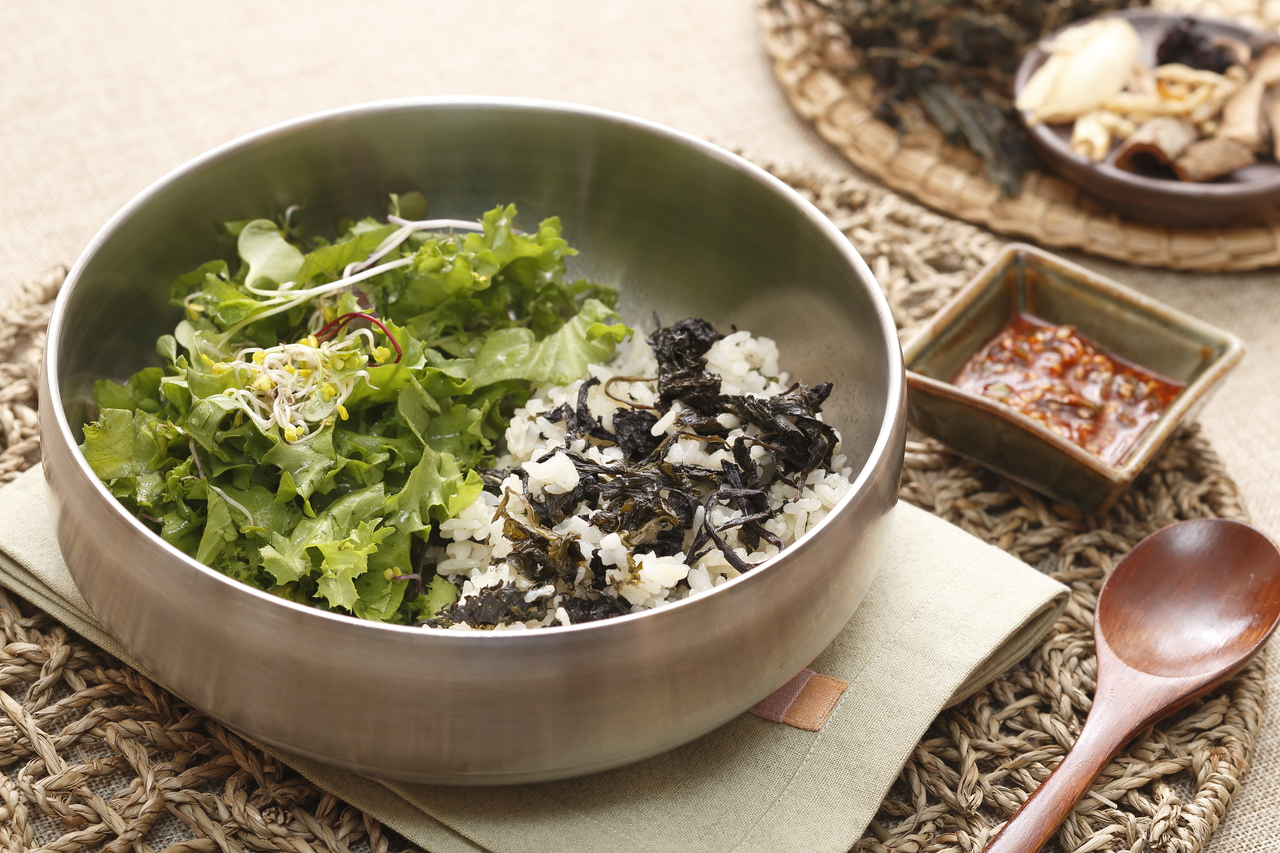
    Korean cuisine is a highlight for many who visit these bustling cities. Not only do tourists get to enjoy the distinctive flavors of dishes like kimchi, bibimbap, and bulgogi, but the experience also often extends to cooking classes and street food tours. In areas like Myeongdong, street vendors offer an array of tantalizing treats, drawing foreign visitors into a culinary adventure.

    Food experiences in Korea are more than just meals; they’re a social event. From what I have observed in Korean daily life, sharing food is a significant part of socializing. Many visitors recount memorable moments enjoying meals in lively settings, often being welcomed to join local tables at traditional restaurants. The communal aspect of dining adds a layer of warmth to the culinary experience, and it’s common to see locals inviting foreigners to try dishes or explaining how to enjoy certain foods.

    AdSense Area 1
    Google AdSense code can be inserted here later.
    Exploring the Unique Atmosphere of Korean Cities for Foreign Visitors

    4. Technology and Modernization

    Korean cities are renowned for their advanced technology, which often leaves a strong impression on foreign visitors. In Seoul, the prevalence of high-tech solutions, from smart public transport systems to digital payment options, paints a picture of a forward-thinking society. The convenience provided by these technologies often impresses travelers, making their stay more comfortable and user-friendly.

    Moreover, Korean innovations extend beyond technology into everyday life as well. In places like Incheon, the airport is often cited as a prime example of modern efficiency, showcasing cutting-edge design and technology right from the moment one arrives in the country. Visitors are often curious about how such advances have become part of the daily routine for Koreans, creating a fascinating contrast to their home countries.

    5. Traditional and Modern Harmony

    The harmonious coexistence of modernity and tradition in Korean cities provides a unique visual and cultural experience. Areas such as Insadong in Seoul and the Bukchon Hanok Village offer glimpses of traditional architecture amid the towering skyline. Visitors often find it striking how these two worlds coexist so peacefully, providing a rich tapestry of experiences across urban areas.

    In Korean workplaces or everyday culture, I often notice a deep respect for tradition that permeates through even the most modern practices. For example, many offices still honor traditional customs such as bowing when greeting superiors, showcasing a respect for their history even while fully engaging with contemporary work environments. This balance resonates with many visitors, prompting them to reflect on their values and practices.

    6. Cleanliness and Order

    Cleanliness is a notable feature of Korean cities, mentioned frequently by international travelers. The attention to maintaining public spaces like parks, streets, and even subways speaks volumes about the collective respect Koreans have for their surroundings. The sight of city workers diligently cleaning and the absence of litter creates a welcoming environment for tourists.

    Furthermore, public amenities, including clean restrooms and accessible facilities, contribute positively to the overall experience. Visitors often comment on how these aspects make them feel more comfortable and appreciated as guests in the country. This level of care fosters a sense of pride among locals as well, who take ownership of their shared environment.

    7. Warmth and Hospitality

    The warmth and hospitality of the Korean people significantly enhance the overall experience for visitors. Many foreigners are pleasantly surprised by the approachable nature of locals, who often go out of their way to assist those who might need directions or recommendations. One thing that often surprises foreign visitors is how readily people engage in conversation or offer help, regardless of language barriers.

    Quick Action: Choose one practical idea from this article and apply it today.
    AdSense Area 2
    Second ad placement area for longer content.

    Such genuine gestures make travelers feel welcomed and cherished. Through daily interactions, visitors often leave with heartwarming stories, whether it’s sharing a meal with a family or receiving complimentary snacks from a shopkeeper. This hospitality becomes a memorable aspect of their journey, showcasing the Korean spirit of community and kindness.

    8. Artistic Expression

    Art and creativity thrive in Korean cities, presenting a visual feast for onlookers. Visitors often encounter street art, galleries, and traditional crafts that encapsulate the nation’s rich artistic heritage. Areas like Itaewon are filled with murals and art installations that reflect contemporary Korean problems and societal issues, drawing in both locals and visitors keen to appreciate diverse artistic expressions.

    Moreover, the prominence of K-pop and Korean cinema has transformed Korea into a cultural powerhouse. Tourists flock to locations made famous by their favorite idols or movies, eager to feel a connection to what they love. Engaging in artistic experiences, from K-pop dance classes to visiting filming sets, allows visitors to immerse themselves in the vibrant culture surrounding modern Korean art.

    9. Environmental Awareness

    Many foreign visitors observe a growing concern for environmental sustainability within Korean cities. Public campaigns promoting recycling and the use of public transportation reflect a broader cultural shift towards eco-friendliness that many find commendable. During my visits, I’ve noticed an abundance of bike-sharing programs and initiatives meant to reduce reliance on cars.

    This environmental consciousness resonates particularly well with tourists from countries where ecological efforts are equally valued. Engaging with local events focused on sustainability or visiting eco-friendly establishments allows visitors to explore Korea’s commitment to protecting nature while furthering their understanding of cultural perspectives on environmental issues.

    Personal Opinion

    In my personal opinion, the unique tapestry of experiences that Korean cities offer is what makes them so compelling for foreign visitors. The blend of modern conveniences with rich traditions creates a welcoming atmosphere that is both electrifying and calming. Observing the day-to-day lives of locals allows outsiders to appreciate their values and customs, enriching the travel experience. From the warmth of the people to the vibrancy of the food and cultural activities, there is an undeniable charm found in the intricate details of each city. As globalization continues to connect the world more closely, the opportunity to explore these realms of culture becomes not just an adventure, but a vital part of understanding humanity’s shared narrative through the lens of Korea’s dynamic cities.

    Exploring the Unique Atmosphere of Korean Cities for Foreign Visitors

    Profit Flow Daily shares practical insights on global markets, crypto, investing, online income, and Korean culture.

    This article is for informational purposes only and should not be considered financial, investment, legal, medical, or tax advice.

  • Best Passive Income Ideas for Beginners Worldwide

    Best Passive Income Ideas for Beginners Worldwide

    Best Passive Income Ideas for Beginners Worldwide

    In an increasingly digital world, the possibilities for generating passive income have expanded significantly. For many individuals, the concept of earning money while they sleep is appealing. However, for beginners diving into this realm, it’s essential to choose strategies that are not only viable but also practical. Below are some effective ideas that can help novices embark on their passive income journey.

    1. Create an Online Course

    The online education market is thriving, and developing a course can be a fantastic way to earn money passively. What I would do first is identify a skill or knowledge area in which you excel and that others may be interested in learning. Platforms like Teachable or Udemy make it easy to package your expertise into an accessible format.

    Once your course is live, the potential for income generation is significant. The key is promoting it effectively through social media or your personal website. It’s essential to create engaging content that draws in learners. As you gain traction, consider updating your materials or creating supplementary courses to continuously engage your audience.

    2. Start a Blog

    A blog can be a source of passive income through affiliate marketing, advertisements, and sponsored posts. A practical way to start is by selecting a niche you are passionate about. This could be anything from travel to personal finance or health topics. Once you establish your blog, focus on producing high-quality content that can attract readers.

    The mistake I often see beginners make is neglecting SEO (Search Engine Optimization). By optimizing your blog for search engines, you can significantly increase visibility and traffic over time. Additionally, engaging with your audience through comments and social media can help build a loyal reader base.

    3. Invest in Dividend Stocks

    Investing in dividend stocks can create a steady income stream over time. The first step is to research reputable companies known for their dividends. Look for those with a consistent payment history and strong financial fundamentals. Start by investing a small amount that fits within your budget, and as you gain confidence, consider increasing your investment.

    While this strategy does involve some risk, the long-term potential can be rewarding. It’s essential to stay informed about market trends and keep an eye on your investments to adjust your portfolio as needed. Remember that patience is key, as building a significant dividend income can take time.

    AdSense Area 1
    Google AdSense code can be inserted here later.
    Best Passive Income Ideas for Beginners Worldwide

    4. Use Peer-to-Peer Lending Platforms

    Peer-to-peer lending offers another passive income solution. These platforms connect borrowers with lenders directly, allowing you to earn interest on your loans. A practical way to start is by choosing a reputable P2P lending platform and assessing the risks involved with various loan applicants.

    As with any investment, it’s vital to diversify your loans across different borrowers to mitigate risk. Many platforms allow you to start with a low minimum investment, making it accessible even for beginners. Keep track of your investments and be prepared for the fact that you may not see immediate returns as borrowers repay their loans over time.

    5. Create and Sell Digital Products

    Creating digital products such as e-books, printables, or photography can also provide passive income. A great starting point is to brainstorm what digital products align with your skills or expertise. For instance, if you have graphic design skills, creating templates or stock graphics could be lucrative.

    Once your products are developed, platforms like Etsy or your own website can be used for sales. The important thing is to market your products effectively. Utilize social media, email marketing, and SEO strategies to reach your target audience. This strategy requires initial work but can pay off significantly in the long run.

    6. License Your Photography or Artwork

    If you are a skilled photographer or artist, licensing your work can generate passive revenue. Platforms like Shutterstock or Adobe Stock allow creators to upload and earn royalties whenever someone purchases their work. A practical way to start is by creating a portfolio of your best images or pieces and uploading them to these platforms.

    The more you upload, the more opportunities you have for sales, especially if your work addresses a particular niche. Additionally, promote your portfolio on social media to drive traffic to your licensed art. Keep honing your skills to increase the quality and appeal of your work over time.

    7. Rent Out Property or Space

    If you have extra space in your home or property, consider renting it out on platforms like Airbnb. What I would do first is assess the local market to determine if there’s demand for short-term rentals in your area. Preparing your space to meet guests’ needs comfortably can significantly enhance your earning potential.

    Managing a rental can take some effort initially, but it often stabilizes into a passive income stream once established. Regularly updating your listing and responding promptly to inquiries can improve your reputation as a host, leading to more bookings over time.

    Quick Action: Choose one practical idea from this article and apply it today.
    AdSense Area 2
    Second ad placement area for longer content.

    8. Invest in Real Estate Investment Trusts (REITs)

    For those who may not have the capital for direct property investment, considering REITs can be a smart move. These companies own, operate, or finance income-producing real estate and offer dividend payments to shareholders. A practical way to start is to research different REIT options, focusing on those that align with your financial goals.

    Investing in REITs allows for diversification in real estate without the need to manage properties yourself. Be sure to review the performance history and market conditions before making any commitments, as each investment comes with its own risk factors to consider.

    9. Create a Mobile App or Software

    If you have coding skills or can collaborate with a developer, creating a mobile application or software can be a great source of passive income. Start by identifying a problem that needs a solution, then brainstorm app ideas that can address this. A practical way to gauge interest is to conduct market research or surveys among potential users.

    Once your app is developed, you can monetize it through ads, subscriptions, or in-app purchases. Regular updates and excellent user support can improve user retention, ensuring a steady income flow over time. Ideal apps often stem from small, simple ideas that can be expanded based on user feedback.

    10. Write a Book or an E-book

    Writing a book or an e-book can be a rewarding passive income strategy. Everyone has stories or knowledge to share, and if you have a passion for writing, this could be an excellent outlet. The first step would be to outline your ideas and set a writing schedule that you can realistically stick to.

    Once completed, you can self-publish on platforms like Amazon Kindle Direct Publishing, which provides a straightforward way for authors to reach readers. The key to ongoing sales is marketing your book effectively, utilizing social media and promotional strategies to reach your target audience. Consider hosting giveaways or creating related content to generate interest.

    Personal Opinion

    In my personal opinion, embarking on the journey of earning passive income requires patience, dedication, and a willingness to learn. Each method listed has its pros and cons, appealing to different skill sets and financial situations. I believe beginners should take the time to thoroughly research their chosen path, starting small and gradually scaling up as they gain experience. What’s most important is to find something that aligns with one’s interests and strengths, as this will make the process not only financially rewarding but also enjoyable.

    Best Passive Income Ideas for Beginners Worldwide

    Profit Flow Daily shares practical insights on global markets, crypto, investing, online income, and Korean culture.

    This article is for informational purposes only and should not be considered financial, investment, legal, medical, or tax advice.

  • Exploring the Global Appeal of Korean Cuisine

    Exploring the Global Appeal of Korean Cuisine

    Exploring the Global Appeal of Korean Cuisine

    Korean food has been experiencing a meteoric rise in popularity across many corners of the globe in recent years. This growth can be attributed to a mix of cultural, social, and culinary dynamics that come together to make it a favorite among food enthusiasts. There are numerous reasons for this trend; let us explore some of the most significant factors contributing to its global appeal.

    Culinary Diversity

    One of the primary reasons behind the growing fondness for Korean cuisine is its remarkable diversity. From savory stews to spicy barbecued meats, there is something to please every palate.

    • Variety of Flavors: Korean cuisine offers an intricate tapestry of flavors ranging from sweet and savory to spicy and tangy. Dishes like kimchi show off this flavor diversity, combining fermented vegetables with spices to create a taste sensation that is both unique and memorable. Each region in Korea boasts its own distinct dishes, influenced by the local ingredients and traditions, meaning that food lovers can continually discover new tastes.
    • Healthiness: The emphasis on fresh vegetables, lean meats, and fermented products plays into a global trend towards health-conscious eating. Korean dishes often incorporate ingredients that are not only flavorful but also nutritious. For example, although barbecue is often perceived as indulgent, when cooked with fresh vegetables and made without heavy sauces, it can be a healthier choice.

    Cultural Spread through Media

    The explosion of K-drama and K-pop has significantly influenced the culinary landscape. These cultural exports have not only captivated audiences but have also piqued their interest in Korean food.

    AdSense Area 1
    Google AdSense code can be inserted here later.
    Exploring the Global Appeal of Korean Cuisine
    • Influence of Popular Culture: Shows like ‘Goblin’ and ‘Crash Landing on You’ feature Korean meals that often appeal to viewers. As these dramas air on international platforms, they serve as a culinary tour, enticing fans to seek out the dishes featured. Social media platforms like Instagram also showcase colorful and engaging images of Korean cuisine, making it more accessible and visually appealing.
    • Emotional Connection: The stories told through K-dramas often evoke strong emotions, which can create a meaningful connection to the food presented. For viewers, eating the same dishes as their favorite characters can enhance their viewing experience, making it a more immersive encounter with the culture.

    Social Media Influence

    The role of social media in promoting global enthusiasm for Korean food cannot be overstated. Platforms like Instagram and TikTok illuminate food as an essential social experience.

    • Vibrant Representation: Korean food is visually stunning. From the colorful presentation of bibimbap to the enticing layers of kimbap, these dishes are social media-friendly, making them shareable and appealing to users keen on posting food pics. This thus helps generate interest among younger generations who frequent these platforms.
    • Communication between Cultures: With the rise of hashtags related to Korean food, a community has developed that transcends geographical boundaries. People from different backgrounds can share their cooking experiments or dining experiences, creating a sense of belonging among fans of Korean cuisine.

    Accessibility and Adaptation

    The increasing availability of Korean ingredients and restaurants has made it easier for anyone to enjoy these dishes, regardless of location.

    • Ingredient Availability: As global grocery chains expand their international sections, finding key Korean ingredients like gochujang (Korean chili paste) or doenjang (fermented soybean paste) has become easier in many places. This allows home cooks the opportunity to prepare their Korean meals, even if they may not be familiar with the cuisine.
    • Fusion Cuisine: Many chefs worldwide are experimenting with Korean flavors, blending them with local cuisines. From Korean tacos to kimchi pizzas, such adaptations make Korean food appealing to a broader audience while retaining its essence, thus developing an innovative approach that mirrors cultural diversity.

    Community Engagement

    The growth of Korean culinary festivals and food events globally lends to the social aspect of experiencing this cuisine. Engaging with food on a communal level fosters appreciation and understanding.

    • Food Festivals and Events: Cities around the world host K-food festivals that celebrate Korean culinary traditions. Such events often allow attendees to taste new dishes, learn the cooking process, and appreciate the cultural significance behind each meal. This hands-on experience can help foster a deeper, lasting appreciation for the cuisine.
    • Cooking Classes: Korean cooking classes are increasingly popular, allowing enthusiasts to engage directly with the cuisine. Participants often report that making dishes such as bulgogi or tteokbokki is much more rewarding than simply ordering them at a restaurant. The skills learned in these classes often lead individuals to prepare these meals for their families, further sharing the culture.

    Tradition Meets Modernity

    While deeply rooted in tradition, Korean food has not shied away from modernization, which has helped attract a younger audience. The balance of preserving age-old recipes while incorporating contemporary kitchens is a thoughtful fusion.

    Quick Action: Choose one practical idea from this article and apply it today.
    AdSense Area 2
    Second ad placement area for longer content.
    • Pride in Heritage: Koreans take pride in their traditional recipes, many of which have been passed down through generations. However, as the younger generation seeks faster, easier cooking methods, there has been a rise in meals that honor tradition while adapting to contemporary times. For instance, instant kimchi is now available in supermarkets, allowing people to enjoy the beloved side dish in no time.
    • Innovative Presentation: The way food is served in modern Korean eateries often attracts a younger audience. Using unique serving styles and modern plating techniques makes traditional dishes appealing in today’s café culture, contributing to the overall experience of dining out.

    Growing Diaspora Influence

    The global Korean diaspora has also been significant in spreading the culinary culture beyond its borders. Communities in many countries maintain their traditions, serving as conduits for the food culture.

    • Establishment of Korean Restaurants: As Korean expatriates establish restaurants worldwide, they bring authentic flavors to their new homes. These establishments cater not only to Korean locals but also to those eager to try something new. Some of these restaurants become cultural hubs, offering cooking classes and cultural events that further engage the community.
    • Hyperlocal Adaptations: In many locations, Korean restaurants make thoughtful adjustments to their menus, incorporating local ingredients or culinary preferences while maintaining a Korean essence. This creates dishes that resonate with a more comprehensive audience while honoring their origins.

    Personal Opinion

    In my personal opinion, the widespread appeal of Korean food exemplifies how culinary experiences can act as a bridge between cultures. From what I have observed in Korean daily life, food is not merely sustenance but a form of expression and connection. One thing that often surprises foreign visitors is how integral food is to social interaction and personal relationships in Korea. It is common for colleagues to gather for a meal after work, facilitating camaraderie and fostering deeper connections.

    Understanding Korean gastronomy goes beyond just savoring a dish; it immerses individuals in rich stories and cultural practices that elevate the entire experience. As this cuisine continues to evolve globally, the interplay between tradition and modernity will remain essential for its ongoing popularity. Engaging with Korean food allows us to discover not only new flavors but also shared values and connections that unite us all.

    Exploring the Global Appeal of Korean Cuisine

    Profit Flow Daily shares practical insights on global markets, crypto, investing, online income, and Korean culture.

    This article is for informational purposes only and should not be considered financial, investment, legal, medical, or tax advice.
  • Understanding the Impact of Interest Rates on the Global Economy

    Understanding the Impact of Interest Rates on the Global Economy

    Understanding the Impact of Interest Rates on the Global Economy

    The dynamics of interest rates play a crucial role in shaping the global economy. As central banks around the world adjust their monetary policies, the ripple effects can be felt in various sectors, influencing everything from consumer spending to international trade. In this post, we will explore how interest rates impact economies on a global scale and what steps individuals and businesses can take to navigate these changes effectively.

    The Basic Mechanism of Interest Rates

    Interest rates are the cost of borrowing money. When rates rise, borrowing becomes more expensive, which can lead to reduced consumer spending and business investment. Conversely, lower interest rates typically encourage borrowing and spending. Understanding this basic mechanism is vital for grasping how economic conditions fluctuate.

    • Monetary Policy Influence: Central banks, like the Federal Reserve in the U.S. or the European Central Bank, set benchmark interest rates that influence the wider economy. For example, when these banks signal a rate hike, it’s often in response to inflationary pressures, suggesting that the economy is overheating. Higher rates can curb inflation but at the risk of slowing down growth.
    • Consumer Behavior Changes: Individuals respond to interest rate fluctuations by altering their spending and saving behaviors. A rise in interest rates means higher mortgage and loan repayments, meaning consumers may cut back on discretionary spending. In contrast, during periods of low rates, individuals might consider purchasing homes or cars due to more manageable loan payments.

    The Influence of Interest Rates on Investment

    Investment decisions by businesses are heavily influenced by interest rate levels. When rates are low, the cost of financing projects decreases, encouraging companies to invest in expansion or new ventures. However, higher rates can lead to a more cautious approach.

    • Corporate Financing: Many firms rely on loans to fund significant investments. During periods of low interest, firms are more likely to undertake ambitious projects, which can lead to growth and job creation. For instance, a tech startup might expand its operations or invest in new technologies, harnessing the advantages of decreased interest costs.
    • Market Reactions: Financial markets also respond to interest rate changes; higher rates often lead to lower stock prices as potential earnings from investments are discounted at a higher rate. Companies that depend on heavy borrowing may see their stocks underperform during these times, as investors adjust their expectations about future profits.

    The Global Perspective

    Interest rates do not affect economies in isolation; the interconnectedness of global markets means that changes in one country can have widespread implications. International trade, currency values, and investment flows are all influenced by the interest rate environment.

    AdSense Area 1
    Google AdSense code can be inserted here later.
    Understanding the Impact of Interest Rates on the Global Economy
    Quick Action: Choose one practical idea from this article and apply it today.
    • Capital Flows: Countries with higher interest rates often attract foreign investment, as investors seek better returns. For example, if the U.S. raises rates while Europe maintains lower rates, there may be a capital flow from European markets to the U.S., impacting currency values and trade balances. This can lead to a stronger dollar, which might decrease the competitiveness of U.S. exports.
    • Emerging Markets Vulnerability: Many emerging markets are particularly sensitive to interest rate changes in developed economies. A spike in rates can increase borrowing costs for these nations, making it difficult to service existing debts. Investors may pull their funds, resulting in currency devaluation and inflationary pressures, thus exacerbating economic instability.

    Real-Life Examples of Interest Rate Changes

    Reflecting on historical instances where interest rates shifted significantly can provide valuable insights into their economic ripple effects. Two notable periods demonstrate this well.

    • The 2008 Financial Crisis: Following the collapse of major financial institutions, the U.S. Federal Reserve slashed interest rates to near-zero levels in a bid to stimulate the economy. This environment led to an increase in borrowing for home purchases and business investments, fostering a slow recovery. However, it also contributed to a prolonged period of low rates that led to concerns about asset bubbles forming.
    • The Post-Pandemic Recovery: As economies began to recover from the COVID-19 pandemic, many central banks kept interest rates low to support growth. However, as inflation rates surged in 2021, central banks like the Federal Reserve started signaling impending rate hikes. This action created anticipation in financial markets and significant shifts in investor behavior.

    Steps for Individuals and Businesses to Navigate Interest Rate Changes

    In light of the ongoing fluctuations in interest rates, understanding how to respond is essential for financial stability and growth. Here are practical steps individuals and businesses can consider.

    • Monitor Economic Indicators: Keeping an eye on indicators such as inflation rates and central bank meetings can help forecast interest rate movements. Understanding these indicators enables individuals and businesses to make informed decisions about when to borrow or invest. For example, if inflation is rising and central banks indicate an upcoming rate hike, securing loans or refinancing at lower rates may be prudent before rates increase.
    • Diversify Investments: A practical way to hedge against interest rate changes is to diversify your investment portfolio. Consider a mix of asset classes that react differently to interest rate changes. For instance, equities might suffer during rising rates while bonds will be attractive during low-rate environments. Having a balanced portfolio can help maintain stability regardless of market conditions.

    Personal Opinion

    In my personal opinion, staying informed about interest rate trends is more important than ever as we witness a volatile global economic landscape. A fundamental mistake I often see beginners make is to assume that interest rates are only relevant when they are applying for loans or mortgages. In reality, these rates influence the broader economy, affecting job markets, investment opportunities, and even day-to-day financial decisions.

    What I would do first is to create a financial plan that incorporates various scenarios based on potential interest rate movements. This way, whether rates rise or fall, you are prepared to adapt your spending, investments, and savings strategies accordingly. Additionally, engaging with financial advisors who understand macroeconomic trends can provide valuable insights and help navigate these complex waters effectively.

    Understanding the Impact of Interest Rates on the Global Economy

    Profit Flow Daily shares practical insights on global markets, crypto, investing, online income, and Korean culture.

    This article is for informational purposes only and should not be considered financial, investment, legal, medical, or tax advice.

  • Embrace the Beauty: Simple Korean Habits to Enhance Your Skincare Routine

    Embrace the Beauty: Simple Korean Habits to Enhance Your Skincare Routine

    Embrace the Beauty: Simple Korean Habits to Enhance Your Skincare Routine

    Korean beauty practices have gained worldwide acclaim for their effectiveness and simplicity. These routines often strip down complexity to reveal essential habits that can be easily adopted by anyone, regardless of their locale. Integrating these techniques into your daily regimen can lead to healthier skin and a more radiant complexion. Here are a few notable habits that anyone can incorporate into their beauty routine.

    1. Emphasis on Hydration

    In Korea, one of the most critical aspects of skincare is hydration. It is not uncommon to find people using multiple layers of moisturizing products. This method often starts with a hydrating toner, followed by essences and serums designed to lock in moisture. What many global readers may find surprising is the depth with which hydration is emphasized. Hydration isn’t only about external application; it also extends to drinking enough water throughout the day. The general rule of thumb can be roughly eight glasses a day, though this can vary based on individual needs and lifestyles.

    To start this practice, consider incorporating hydrating products that suit your skin type into your regimen. Look for a lightweight hydrating toner, an essence with key hydrating ingredients like hyaluronic acid, and finally, a nourishing cream to seal in moisture. By layering these products correctly, you can hit the sweet spot for a dewy finish that many aspire to achieve.

    2. Double Cleansing

    Another hallmark of the K-beauty routine is double cleansing. This two-step approach begins with an oil-based cleanser to dissolve makeup, sunscreen, and excess sebum. Following this, a water-based cleanser completes the process, ensuring that any residual impurities are washed away. One observation is that in Korean households, this method is often considered essential, demonstrating a stark contrast to the minimalist approach many people adopt in the West.

    To implement double cleansing, start with an oil cleanser that works best for your skin type, whether that’s an oily, combination, or dry formulation. After massaging the oil onto dry skin for a few minutes, add water to emulsify the product and then rinse thoroughly. Follow up with your preferred water-based cleanser. This method not only clarifies the skin but also prepares it to absorb other skincare products more effectively.

    3. Regular Exfoliation

    Exfoliation is another key component that many in the K-beauty scene prioritize. Various forms exist, from physical scrubs with gentle beads to chemical exfoliants containing AHAs or BHAs. Regular exfoliation helps renew the skin’s surface, paving the way for a more vibrant complexion. From what I have observed in Korean daily life, people often incorporate exfoliation into their routines at least once or twice a week, not only for aesthetic purposes but also for healthier skin.

    AdSense Area 1
    Google AdSense code can be inserted here later.
    Embrace the Beauty: Simple Korean Habits to Enhance Your Skincare Routine

    To effectively exfoliate, consider starting with a gentle scrub made from natural ingredients. If you prefer chemical exfoliants, choose one that suits your skin sensitivity. Incorporate this into your routine on a regular schedule, being cautious not to overdo it, as over-exfoliation can lead to irritation. This practice not only enhances the skin’s texture but allows other skincare products to penetrate and work more efficiently.

    4. Sheet Masks

    Sheet masks are an exciting aspect of K-beauty that global audiences have embraced. These single-use masks soaked in serums offer a quick hydration boost and are an excellent way for individuals to pamper themselves. One thing that often surprises foreign visitors is the sheer variety available—from hydrating and brightening to soothing and firming options. They can be an effective and enjoyable addition to any beauty ritual.

    In your own routine, you can use sheet masks several times a week based on your skin’s needs. For special occasions or self-care evenings, apply a sheet mask after cleansing and toning. Allow the mask to sit for the recommended time, which typically ranges from 15 to 20 minutes. This treat not only hydrates but also provides a moment of relaxation in a busy day.

    5. The Importance of Sunscreen

    Sunscreen is non-negotiable in any skincare routine, especially in Korea, where many products are formulated with sun protection in mind. The consensus is clear: consistent application of broad-spectrum sunscreen can significantly reduce the risk of skin damage, premature aging, and certain types of skin cancer. In Korean workplaces or everyday culture, I often notice that individuals apply sunscreen every morning without fail, regardless of the weather.

    For effective use, choose a sunscreen with SPF 30 or higher, and apply it to all exposed areas of skin. Remember to reapply throughout the day if you are outdoors. This habit can significantly impact how your skin ages over the years, keeping it more youthful and vibrant. If incorporating sunscreen feels tedious, look for multi-functional products that blend skincare and makeup with SPF, making it easier to stick with this crucial habit.

    6. Focus on Nutrition

    Beauty truly does start from within, and Korean diets often include foods rich in nutrients known to promote skin health. Ingredients like fermented foods, vegetables, and nutrient-dense fruits are staples. One observation is that, in many Korean meals, you’ll find skin-nourishing foods like kimchi, seaweed, and beans, which are packed with vitamins and probiotics to enhance overall wellness.

    Quick Action: Choose one practical idea from this article and apply it today.
    AdSense Area 2
    Second ad placement area for longer content.

    Incorporating more fresh produce into your meals can improve not only skin health but overall wellness. Focus on leafy greens, colorful vegetables, and fruits rich in antioxidants. This dietary shift can be beneficial over time as nutrients from food can contribute significantly to clearer and more resilient skin. You might also consider staying hydrated through herbal teas or infused water, which can further assist your skin in staying radiant and healthy.

    7. Minimal Makeup, Natural Look

    Korean beauty trends favor a natural look that enhances one’s features instead of masking them. The idea is to embrace and improve the skin’s natural beauty, rather than covering it with layers of makeup. For many, this shift can feel liberating, freeing them from the habit of heavy foundation or concealers. Many, after experiencing the shift toward a more natural look, often notice how their skin breathes better, which can inadvertently lead to improved skin conditions.

    You can apply this philosophy to your routine by selecting lightweight, breathable makeup products. Consider using BB creams or tinted moisturizers instead of thick foundations. Focus on enhancing your natural features with minimal product. Not only will this help your skin, but it can also save time in your daily routine. The key is to prioritize skincare first, letting your natural glow shine through.

    8. Consistency is Key

    One of the fundamental principles observed in K-beauty routines is consistency. Many individuals adhere to their skincare practices both day and night, regardless of their schedule. This intentional approach makes a significant difference over time, as the accumulation of small, daily practices can lead to profound changes in skin health.

    Start small if you find a complete regimen daunting. Choose two or three products to incorporate into your daily routine and commit to using them consistently. Track your progress over the weeks; you may be surprised at how effective a simple, dedicated approach can be over time. Remember, skincare is not a sprint; it’s a marathon that requires patient and consistent effort.

    Personal Opinion

    In my personal opinion, these Korean beauty habits provide a refreshing perspective on skincare. They focus not just on a surface-level approach but encourage holistic well-being. The emphasis on hydration, proper cleansing, and nutrition speaks volumes about how interconnected our overall health is with our skin. Adopting even a few of these practices can fundamentally shift how we care for ourselves and the radiance we bring to the world. By embracing simple yet effective habits, anyone can work towards achieving healthier skin while enjoying the journey of self-care.

    Embrace the Beauty: Simple Korean Habits to Enhance Your Skincare Routine

    Profit Flow Daily shares practical insights on global markets, crypto, investing, online income, and Korean culture.

    This article is for informational purposes only and should not be considered financial, investment, legal, medical, or tax advice.

  • Avoid These Common Mistakes in Crypto Investing

    Avoid These Common Mistakes in Crypto Investing

    Avoid These Common Mistakes in Crypto Investing

    Investing in cryptocurrency can be an exciting journey filled with potential rewards. However, it also comes with its fair share of pitfalls. Many new investors often find themselves making critical errors that can lead to significant losses. Understanding these common mistakes is essential for anyone looking to navigate the volatile world of crypto effectively. In this post, we will explore several key mistakes you should avoid when investing in cryptocurrencies.

    1. Neglecting Research

    The first mistake that many novice investors make is diving headfirst into the crypto market without conducting thorough research. With thousands of cryptocurrencies available, understanding what you are investing in is crucial. Each currency has its own technology, use cases, and potential for growth.

    A practical way to start is by focusing on a few major currencies initially, such as Bitcoin and Ethereum, which have well-documented histories and substantial market caps. Read whitepapers, follow trusted industry analysts, and join community forums to get a clearer picture of the projects that interest you. This foundational knowledge will help you make informed decisions rather than relying on hype or speculation.

    2. Overtrading

    Another prevalent mistake is overtrading, which refers to the act of buying and selling crypto assets at an excessive rate. Many investors feel compelled to jump into every market swing, thinking it will lead to quick profits. However, this approach often backfires, leading to losses due to high transaction fees and unfavorable market conditions.

    What I would do first is set clear investment goals and develop a long-term strategy. Limit the number of trades you make to avoid feeling overwhelmed and burned out. Utilize stop-loss orders to manage risk effectively and avoid emotional trading decisions. Remember, the crypto market is known for its volatility, and patience can often lead to better outcomes.

    3. Ignoring Security Measures

    Given the digital nature of cryptocurrencies, security should always be a top priority. A common mistake is overlooking the importance of securing your investments, resulting in losses from hacks or fraud. Many investors keep their cryptocurrencies on exchanges that are not entirely secure.

    A practical step to enhance security is to use hardware wallets for long-term storage, which keep your assets offline. Additionally, enable two-factor authentication on your accounts and remain cautious about phishing attempts. Educating yourself on security best practices can make a significant difference in protecting your investment.

    AdSense Area 1
    Google AdSense code can be inserted here later.
    Avoid These Common Mistakes in Crypto Investing

    4. FOMO (Fear of Missing Out)

    The fear of missing out is a powerful emotion that affects many investors. This often leads them to invest in rapidly growing cryptocurrencies without proper evaluation, purely based on market buzz. Riding the wave of FOMO can result in poor investment choices and significant financial losses.

    To combat FOMO, it is vital to stick to your research and investment plan. Establish predefined criteria for what makes a coin a solid investment before committing your funds. When you hear about a trending asset, take time to analyze it rather than reacting impulsively. Having a disciplined approach can help shield you from making rash decisions that stem from market excitement.

    5. Not Diversifying Your Portfolio

    Another mistake is putting all your eggs in one basket, especially in a market as unpredictable as crypto. Relying on a single asset increases the risk of substantial financial loss if that asset fails to perform as expected.

    What I would do first is consider diversifying your investments across different cryptocurrencies and even other asset classes such as stocks or bonds. This can help mitigate risks and balance your overall portfolio. For instance, you might allocate a certain percentage of your investment to established coins and another portion to newer, promising projects. This balanced approach might prevent you from facing devastating losses due to a single asset’s poor performance.

    6. Timing the Market

    Many investors attempt to time the market, trying to buy low and sell high based on short-term market trends. This strategy can be particularly tricky in the volatile world of crypto, where prices can fluctuate wildly within minutes. The mistake I often see beginners make is believing they can accurately predict market movements, which can lead to missed opportunities or significant losses.

    A better approach is to focus on dollar-cost averaging, where you invest a fixed amount regularly regardless of the market conditions. This strategy can help reduce the impact of volatility and mitigate emotional investing decisions. By maintaining a consistent investment schedule, you might find yourself better positioned for long-term success.

    7. Failing to Keep Up with Market Updates

    In the fast-paced world of cryptocurrency, failing to stay updated with market news can lead to uninformed decisions. Many investors make the mistake of ignoring news that could impact their investments. Major events, regulatory changes, and technological advancements often significantly affect market dynamics.

    To avoid missing important updates, subscribe to reputable crypto news platforms and engage with community discussions. Setting up alerts for specific currencies can also help you remain informed. By keeping your finger on the pulse of the market, you can react to changes and adjust your investment strategy accordingly.

    Quick Action: Choose one practical idea from this article and apply it today.
    AdSense Area 2
    Second ad placement area for longer content.

    8. Emotional Investing

    Emotions can be a trader’s worst enemy, particularly in a volatile market such as cryptocurrencies. The excitement of potential gains can lead to impulsive decisions, just as the fear of losses can lead to hasty sell-offs. The mistake of emotional investing can result in chaotic investment patterns, ultimately diminishing your overall success.

    What I would do first is establish a clear investment plan with specific goals and stick to it, regardless of market fluctuations. Create a checklist of criteria that can help guide your decisions in both bullish and bearish markets. By keeping your emotions in check, you stand a better chance of making sound investment decisions based on logic rather than fear or greed.

    9. Not Understanding Fees

    Many investors overlook the impact of transaction fees when trading cryptocurrencies, which can add up over time and significantly reduce profits. Different exchanges have varying fee structures, and not understanding these can lead to unintended expenses that eat away at your investment returns.

    A practical way to manage fees is to research various exchanges and compare their fee structures before choosing where to trade. Some platforms offer lower fees for frequent traders or higher trading volumes. Factor these costs into your investment plan to ensure that your potential profits align with your understanding of expenses incurred.

    10. Disregarding Tax Implications

    As cryptocurrencies become more mainstream, understanding the tax implications of your investments is becoming increasingly important. The mistake of ignoring potential tax responsibilities could lead to unexpected liabilities come tax season. Many investors are unaware that capital gains tax may apply to their trading profits.

    A practical step is to consult a tax professional familiar with cryptocurrency regulations in your jurisdiction. Keeping detailed records of your trades, including dates and amounts, can streamline the tax filing process. Being proactive in understanding tax responsibilities helps avoid penalties and ensures compliance with local laws.

    Personal Opinion

    In my personal opinion, while cryptocurrency investing offers enticing opportunities, being mindful of the common pitfalls can significantly enhance your chances of success. Many of the mistakes outlined can be avoided with education and a disciplined approach. Learning from others’ experiences can provide valuable insights that foster more informed decision-making. By adapting your strategies to account for the volatility and complexities of the crypto market, you set yourself on a path toward more sustainable growth. Always remember that careful planning and continuous learning are vital components in navigating the exciting world of cryptocurrency.

    Avoid These Common Mistakes in Crypto Investing

    Profit Flow Daily shares practical insights on global markets, crypto, investing, online income, and Korean culture.

    This article is for informational purposes only and should not be considered financial, investment, legal, medical, or tax advice.

  • Exploring the Intriguing Aspects of Modern Korean Lifestyle

    Exploring the Intriguing Aspects of Modern Korean Lifestyle

    Exploring the Intriguing Aspects of Modern Korean Lifestyle

    In recent years, the modern lifestyle of Korea has captivated audiences around the globe. This unique blend of tradition and innovation, deeply woven into the fabric of daily life, offers an array of fascinating elements that appeal to diverse global audiences. From culinary delights to entertainment, fashion trends, and technological advancements, Korean culture showcases a dynamic lifestyle that is both relatable and intriguing to many.

    Culinary Innovations

    The Korean food scene is a rich tapestry of flavors and traditions, drawing in food enthusiasts globally. Korean cuisine, often characterized by bold flavors and unique cooking techniques, has gained significant popularity. Dishes like bibimbap and bulgogi have not only made their way into international restaurants but have also inspired home cooks worldwide.

    • Health Consciousness: One notable aspect is the emphasis on health within Korean culinary practices. From what I have observed in Korean daily life, meals often incorporate a variety of vegetables, lean proteins, and fermented foods like kimchi that are rich in probiotics. This commitment to health-centric eating resonates with many globally who are increasingly paying attention to nutrition.
    • Fusion of Flavors: Another fascinating development is the fusion of traditional Korean dishes with global flavors. For instance, Korean tacos—melding Korean bulgogi with Mexican tortillas—offer an adventurous taste experience that appeals to younger generations and adventurous eaters. This creative culinary fusion makes Korean food accessible and exciting, inviting others to explore the richness of its flavors.

    Fashion Forward

    Korean fashion is another area that continues to draw admiration from around the world. Known for its innovative designs and unique sense of style, Korea has become a global fashion hub. Designers are not afraid to take risks, merging styles and cultures in ways that create fresh and exciting looks.

    • Street Style: The street style in cities like Seoul reflects a vibrant and youthful spirit that resonates with global audiences. I often notice that fashion in Korea is more than just clothing; it’s a form of self-expression. From what I have observed, local fashion trends often incorporate bold colors, experimental cuts, and layering techniques, making it a fresh source of inspiration for fashionistas everywhere.
    • Haul Culture: Additionally, the rise of social media has propelled the ‘haul culture’ where influencers showcase their latest fashion finds. This phenomenon not only promotes Korean brands but also inspires a global audience to embrace their unique styles. With platforms such as Instagram and TikTok, sharing fashion tips and ideas has become an integral part of the current global fashion dialogue.

    Entertainment Industry Globalization

    The Korean entertainment industry, particularly K-Pop and K-Dramas, has experienced phenomenal growth and recognition on the world stage. This wave of interest needs to be understood not just as a passing trend, but as a cultural movement that resonates deeply across various demographics.

    AdSense Area 1
    Google AdSense code can be inserted here later.
    Exploring the Intriguing Aspects of Modern Korean Lifestyle
    Quick Action: Choose one practical idea from this article and apply it today.
    • K-Pop’s Universal Appeal: K-Pop has transformed the music industry with its catchy melodies, intricate choreography, and impressive visuals. Bands like BTS and BLACKPINK have amassed incredible international followings, proving that language barriers can be overcome through talent and creativity. In Korean workplaces or everyday culture, I often notice how music plays an integral role in fostering a lively, social atmosphere, uniting people from different backgrounds.
    • K-Drama’s Engaging Storytelling: On the other hand, K-Dramas have captured hearts with their engaging plots and relatable characters. Themes like love, family, and friendship resonate universally, showcasing the human experience in diverse ways. Many viewers appreciate that K-Dramas often incorporate cultural elements that provide a glimpse into Korean society, familiarizing them with customs and traditions.

    Technological Advancement

    Korea is often seen as a global leader in technology, with its advancements reflecting in everyday life. The infusion of technology into various aspects of living helps to bridge the gap between traditional lifestyles and modern conveniences.

    • Smart Homes: Modern Korean homes are increasingly equipped with smart technology, making daily routines more efficient. From what I have observed in Korean daily life, these innovations help everyone streamline tasks, whether it’s controlling the home’s lighting, temperature, or even appliances through mobile apps. This allure of convenience contributes to Korea’s attractiveness as a modern lifestyle model.
    • Digital Connectivity: Moreover, Korea boasts one of the fastest internet connections in the world, which has propelled the digital economy forward. Many startups are leveraging technology and creativity to help solve everyday problems, fostering an environment where innovation is encouraged and celebrated. This rapid digital evolution excites potential entrepreneurs across the globe wandering how they can bring similar advancements into their own markets.

    Community and Collaboration

    The sense of community within Korea is both impactful and noteworthy. This aspect of the modern lifestyle promotes collaboration and support among individuals, particularly within professional environments.

    • Workplace Culture: One thing that often surprises foreign visitors is the collective mindset observed in Korean workplaces. Teamwork and collaboration are prioritized, fostering a sense of belonging and responsibility among employees. This culture leads to higher levels of job satisfaction and productivity, allowing organizations to thrive. Many global businesses can glean insights on how to create more cooperative environments by observing these practices.
    • Social Initiatives: The commitment to social causes is also prevalent in modern Korean society. Many organizations and individuals take part in volunteer initiatives, demonstrating a strong spirit of giving back. Awareness of social issues is amplified through various community efforts, encouraging a collective approach to problem-solving. This vibrant community ethos is inspiring global audiences who strive to make a difference in their own societies.

    Beauty and Wellness Trends

    Korea has emerged as a beacon of beauty and wellness innovations, offering unique approaches that entice many around the world. The dedicated focus on skincare and overall well-being is reflected in a multitude of products and practices that have become staples globally.

    • Skincare Regimen: The multi-step skincare routine popularized by Korean beauty brands has become widely adopted internationally. I often notice the emphasis on nurturing one’s skin through a regimen that includes cleansing, toning, and moisturizing—setting a standard for skincare that prioritizes health and radiance. This open sharing of beauty secrets has made Korea a pivotal player in the global beauty market.
    • Wellness Practices: Additionally, the influence of traditional Korean wellness practices, such as herbal medicine and mindfulness techniques, is growing in popularity. From yoga to aromatherapy, these practices offer holistic approaches to health that resonate with audiences looking for balance in their busy lives. These integrative methods encourage others worldwide to embrace a more balanced lifestyle.

    Personal Opinion

    In my personal opinion, the allure of modern Korean culture lies in its remarkable ability to blend the old with the new, cultivating a lifestyle that is both rich in tradition and dynamically progressive. This cultural sophistication not only garners interest but fosters connections among diverse cultures. As globalization continues to advance, the insights and innovations stemming from Korea’s modern lifestyle will undoubtedly continue to influence and shape cultural narratives around the world.

    Exploring the Intriguing Aspects of Modern Korean Lifestyle

    Profit Flow Daily shares practical insights on global markets, crypto, investing, online income, and Korean culture.

    This article is for informational purposes only and should not be considered financial, investment, legal, medical, or tax advice.