[카테고리:] Economic News

  • Understanding Interest Rates and Their Impact on the Global Economy

    Understanding Interest Rates and Their Impact on the Global Economy

    Understanding Interest Rates and Their Impact on the Global Economy

    Interest rates are a pivotal aspect of economic policy and financial markets globally. Central banks utilize interest rate adjustments to manage economic growth, control inflation, and stabilize their currency. However, these rates have cascading effects across various sectors including lending, consumer spending, and international trade. In today’s interconnected world, understanding the dynamics of interest rates and their implications on the global economy is more crucial than ever.

    The Role of Central Banks

    Central banks, such as the Federal Reserve in the United States or the European Central Bank in Europe, play a crucial role in setting interest rates. They adjust these rates primarily to either stimulate economic growth or cool down inflation. For instance, when economic growth is stagnant, a central bank may lower interest rates to encourage borrowing and spending, thereby revitalizing the economy.

    Conversely, if inflation rates surged due to excessive economic growth, central banks might increase interest rates to prevent an overheated economy. Understanding this balancing act can help individuals and businesses make informed financial decisions. For example, in 2020 during the COVID-19 pandemic, many central banks reduced their interest rates to historic lows to stimulate economic activity.

    Impact on Borrowing Costs

    Interest rates directly influence borrowing costs for consumers and businesses. When rates are low, loans become cheaper, encouraging individuals to take out mortgages, auto loans, and personal loans, while businesses may engage in more borrowing for expansion investments. This increase in borrowing can lead to heightened consumer spending and business investments.

    However, when interest rates rise, the opposite can occur. For example, if the Federal Reserve raises rates, borrowers will face higher monthly payments, which can lead to reduced consumer spending. The mistake I often see beginners make is thinking that only immediate impacts matter. It’s important to consider both short-term and long-term trends when planning financial strategies.

    Effects on Investment Strategies

    Interest rate changes profoundly impact investment strategies across the globe. Lower interest rates typically lead to higher stock market performance as investors seek better returns in equities instead of low-yielding bonds and savings accounts. Companies might also see an influx of capital as investors view lower borrowing costs as a sign of growth potential.

    AdSense Area 1
    Google AdSense code can be inserted here later.

    Understanding Interest Rates and Their Impact on the Global Economy

    On the flip side, rising interest rates can lead to decreased stock prices as investors reassess risk and seek better returns in fixed income securities. A practical way to start is to monitor interest rate changes and adjust your investment portfolio accordingly. Diversifying investments to include various asset classes can also mitigate risks associated with rising rates.

    The Global Ripple Effect

    In today’s globalized economy, changes in interest rates in one country can have ripple effects across borders. As capital seeks the best returns, fluctuations in interest rates can influence foreign exchange rates, attract or deter foreign direct investment, and even affect global trade dynamics.

    For example, if the U.S. raises interest rates, it might attract foreign investors looking for higher returns, leading to an appreciation of the U.S. dollar. This can make American goods more expensive for foreign buyers, potentially reducing exports and impacting trade balances. What I would do first is stay informed about global economic indicators and trends to better understand how they may influence my personal and business decisions.

    Consumer Confidence and Economic Outlook

    The state of interest rates also correlates with consumer confidence and economic outlook. Lower rates generally boost sentiment, as consumers feel more secure about borrowing and spending. Conversely, higher rates may lead to decreased confidence as household debt becomes more expensive, potentially leading to savings rather than spending.

    Consumer confidence is crucial for economic recovery post-recession, as high confidence encourages spending, which is a critical component of economic growth. The observation I have made is that many consumers often overlook the psychological impact of interest rates. Staying aware of these rates and their implications can provide valuable insights into timing purchases, especially significant ones like homes or vehicles.

    Debt Management in a Changing Rate Environment

    For anyone managing debt, understanding interest rates is key. In a low-rate environment, refinancing existing high-interest loans, such as credit cards or student loans, can be beneficial. This action can lead to significant savings over time.

    Quick Action: Choose one practical idea from this article and apply it today.
    AdSense Area 2
    Second ad placement area for longer content.

    However, as rates rise, variable-rate loans can become more expensive quickly. The mistake I often see beginners make is not preparing for shifts in rates when they choose loans. It’s essential to evaluate fixed versus variable interest rate options and consider potential future rate increases when borrowing.

    Global Economic Indicators to Watch

    There are several economic indicators that signal changes in interest rates and their potential impacts on the global economy. These include inflation rates, employment statistics, GDP growth, and trade balances. By keeping an eye on these metrics, individuals can gain insights into future interest rate movements.

    For instance, rising inflation usually prompts central banks to raise interest rates. A practical way to start is to regularly read financial news and updates from reputable sources. Additionally, using economic data to inform personal and business decisions can provide a competitive edge.

    Conclusion

    Interest rates play a critical role in shaping our global economy. From influencing borrowing costs to affecting consumer confidence and investment strategies, they are a fundamental aspect of economic stability. By understanding the dynamics of interest rates and their far-reaching impacts, individuals and businesses can make informed financial decisions that enhance their long-term success.

    Personal Opinion

    In my personal opinion, staying proactive in understanding financial environments is crucial. Interest rates can seem like a minor detail, but their fluctuations have immense consequences. As individuals, we must educate ourselves on economic trends and be adaptable to changing conditions. Forging a path into financial responsibility means doing thorough research and making rational choices rather than reactive decisions. In today’s fast-paced world, such awareness can yield significant rewards.
    Understanding Interest Rates and Their Impact on the Global Economy

    Profit Flow Daily shares practical insights on global markets, crypto, investing, online income, and Korean culture.

    This article is for informational purposes only and should not be considered financial, investment, legal, medical, or tax advice.
  • Warning Signs of a Global Recession: What You Need to Know

    Warning Signs of a Global Recession: What You Need to Know

    Warning Signs of a Global Recession: What You Need to Know

    As the world navigates a complex economic landscape, the idea of a global recession hangs heavily in the air. Understanding the warning signs can empower individuals, businesses, and policymakers to make informed decisions. While the economic cycle features growth periods, contractions also emerge. Observing indicators can help us prepare for potential downturns, allowing us to adapt our strategies for resilience.

    1. Declining Consumer Confidence

    One of the most telling signs of an impending recession is a decrease in consumer confidence. When consumers feel uncertain about their financial future, spending tends to decline. For instance, surveys conducted in various economies often reveal shifts in consumer sentiment, which can directly impact retail sales and service sectors.

    During downturns, consumers may opt to save rather than spend, which has a cascading effect on businesses. Companies experiencing reduced sales may lay off workers, further eroding consumer confidence. Monitoring consumer sentiment surveys can serve as a barometer of economic health, indicating whether a tightening of spending is on the horizon. Observationally, I’ve noticed that even minor shifts in public sentiment can have a significant influence on economic activities.

    2. Increasing Unemployment Rates

    A steady rise in unemployment rates is another critical indicator. When businesses begin to downsize or close, job losses mount. The correlation between unemployment and economic health is strong; as job security diminishes, consumer spending typically follows suit.

    To navigate this potential challenge, individuals may consider diversifying their income streams. What I would do first is reevaluate my skill set and explore additional training or online courses to make myself more marketable in fields that may withstand economic fluctuations. Keeping a close watch on labor market reports can help anticipate trends and prepare for potential shifts in job availability.

    3. Supply Chain Disruptions

    The interconnected nature of global trade means that supply chain disruptions can serve as precursors to economic slowdowns. Recent events, such as the COVID-19 pandemic, have highlighted vulnerabilities in supply chains, resulting in delays and increased costs for businesses. Such disruptions can lead to decreased production and ultimately affect the economy’s overall stability.

    A practical way to start addressing these vulnerabilities is to build contingency plans within businesses. Whether it’s maintaining larger inventory reserves or exploring alternative suppliers, proactive measures can mitigate the impacts of potential supply chain crises. Observing how companies respond to unforeseen challenges can offer valuable lessons for forging more resilient business strategies.

    AdSense Area 1
    Google AdSense code can be inserted here later.
    Warning Signs of a Global Recession: What You Need to Know

    4. Diminishing Business Investments

    When businesses anticipate economic turbulence, they often cut back on investments. This reduction can signal broader economic concerns. Companies may hesitate to invest in new projects, postpone equipment purchases, or even scale back on hiring new staff. A slowdown in business investment eventually translates to lower employment and consumer spending, creating a vicious cycle.

    Monitoring company earnings calls and investment behaviors can provide insights into economic trends. The mistake I often see beginners make is assuming that business investment decisions are exclusively determined by quarterly profits. However, acquiring knowledge about market trends and future projections is equally critical for understanding the larger picture. If you are an entrepreneur or investor, consider diversifying your investments to hedge against potential downturns.

    5. Fluctuating Stock Markets

    Volatility in stock markets can also indicate underlying economic issues. Rapid fluctuations often result from uncertainty surrounding corporate earnings, geopolitical tensions, or shifting economic policies. A sharp drop in stock prices, particularly across major indices, can signal investor anxiety about future economic conditions.

    For individuals looking to navigate this uncertainty, a thoughtful approach is vital. A practical way to start is by crafting a diversified investment portfolio that balances risk and stability. Avoid making impulsive investment decisions based on short-term market movements, and instead, focus on long-term growth strategies despite market volatility. Developing a habit of staying educated on market developments can provide the information needed to make sound investment choices.

    6. Central Banks’ Monetary Policy Changes

    Central banks play a pivotal role in managing economic stability through monetary policy. When banks raise interest rates, it can signal an attempt to control inflation, which, while sometimes necessary, can also lead to economic slowdown. Conversely, lowering rates might indicate an effort to stimulate spending amid concerns over economic health.

    Staying informed about monetary policy changes can provide critical insights for personal financial decisions. For example, if interest rates are expected to rise, locking in fixed-rate loans might be advisable before increases take effect. What I would do first is closely monitor announcements from central banks along with economic forecasts that indicate the possible direction of interest rates and overall economic growth.

    7. Widening Trade Deficits

    Trade deficits occur when a country imports more goods and services than it exports. A prolonged widening of trade deficits can be a warning sign of economic trouble. It may indicate that domestic industries are struggling to compete internationally, leading to reduced production and, eventually, job losses.

    A practical step is to support local businesses and industries where possible. This can help strengthen the economy and reduce reliance on imports. Additionally, fostering partnerships or investing in sectors that have export potential can create opportunities that may buffer against potential recessions. Understanding trade dynamics can empower consumers and businesses alike to make informed choices about their purchases.

    Quick Action: Choose one practical idea from this article and apply it today.
    AdSense Area 2
    Second ad placement area for longer content.

    8. Rising Inflation Rates

    Inflation affects purchasing power, impacting consumer behavior. As prices rise, the cost of living increases, and consumers may find themselves curtailing spending, particularly on non-essential items. Consistent high inflation can be indicative of more significant economic struggles that might precede a recession.

    To prepare for potential price increases, focusing on budgeting and savings strategies is crucial. A practical way to start is to review monthly expenses and identify areas where cuts can be made. Establishing an emergency fund can also provide a buffer during financially challenging times. What I often recommend is tracking your spending patterns to make informed decisions and adjustments before the pressure of rising costs impacts your financial situation.

    9. Balance of Payments Issues

    Persistent balance of payments deficits can indicate broader economic challenges. If a country consistently spends more on foreign trade than it earns, it may be a precursor to financing challenges and economic instability. These issues can arise from aggressive borrowing or shifts in global confidence in the economy.

    Being aware of how balance of payments affect overall economic health is beneficial for making informed choices. For consumers, this means keeping an eye on broader trends in national and international economics that could affect job security and financial well-being. Taking proactive steps, such as diversifying income or investing in local enterprises, may also help create a more sustainable economic environment.

    10. Geopolitical Tensions

    Geopolitical factors play a significant role in economic stability. Rising tensions between nations can lead to uncertainty in markets, affecting trade and investment flows. This can disrupt established economic patterns and contribute to a slowdown, which may extend beyond national borders.

    Staying informed about global events is essential, as these developments can influence local economies. The mistake I see many making is overlooking international factors that can impact domestic markets. A practical response is to diversify your investments across different geographic regions to mitigate risks from localized economic downturns. A global perspective can enhance your understanding of how interconnected our economic system is.

    Personal Opinion

    In my personal opinion, staying informed about these indicators is crucial for both individuals and businesses. The landscape is continually shifting, and proactive measures can make all the difference in weathering financial storms. It’s essential to adopt a mindset of adaptability and anticipation, focusing on building resilience through education, diversification, and community support. While no one can predict the exact moments of economic downturns, being prepared for potential challenges can lead to more sustainable financial health.

    Warning Signs of a Global Recession: What You Need to Know

    Profit Flow Daily shares practical insights on global markets, crypto, investing, online income, and Korean culture.

    This article is for informational purposes only and should not be considered financial, investment, legal, medical, or tax advice.
  • Understanding the Global Cost of Living Crisis: Challenges and Solutions

    Understanding the Global Cost of Living Crisis: Challenges and Solutions

    Understanding the Global Cost of Living Crisis: Challenges and Solutions

    The current cost of living crisis is a pressing issue impacting individuals and families worldwide. From food prices to housing affordability, many experience heightened financial strain. Understanding the various factors contributing to this situation can help individuals navigate these challenging times and make informed decisions to protect their financial well-being.

    1. The Impact of Rising Inflation

    In many countries, inflation has surged to levels not seen in decades, primarily driven by various global and local pressures. A fundamental issue here is that rising prices outpace wage growth, which diminishes purchasing power. This means that even if someone is earning the same salary, it may not stretch as far as it once did. The real costs of essentials like gas, groceries, and healthcare have outpaced wage increases, resulting in tougher choices for many families.

    To illustrate, consider a household where both parents work full-time but their combined income hasn’t changed significantly over the past five years. Meanwhile, essential items they rely on—such as food, utilities, and transportation—have seen steep increases. This predicament forces families to reassess their budgets and spending habits critically.

    2. Supply Chain Disruptions

    The pandemic revealed vulnerabilities in global supply chains, leading to delays and increased costs of goods. Reports from businesses indicate that logistical issues—from container shortages to shipping delays—have caused a significant spike in prices. This disruption affects various sectors, including food production and consumer electronics, ultimately influencing how much consumers pay.

    An example of this can be seen in the grocery sector. When difficulties arise in shipping ingredients, it leads to a shortage of products on shelves, pushing prices up further. Consumers are left facing diminishing options while spending more for the same items. Understanding these dynamics will help individuals comprehend why prices rise and how to prepare accordingly.

    3. Energy Costs and Their Ripple Effects

    The cost of energy, particularly fuel and electricity, has experienced significant fluctuations. In numerous regions, rising energy prices directly correlate with living expenses, since higher energy costs increase transportation and manufacturing expenses, which are often passed on to consumers.

    AdSense Area 1
    Google AdSense code can be inserted here later.
    Understanding the Global Cost of Living Crisis: Challenges and Solutions

    For instance, as gas prices rise, businesses incur higher transportation costs which often translate to increased prices for delivered goods. This is especially evident in remote areas where the cost of transporting goods is higher. Being aware of these interconnections can empower individuals to make conscious choices about their energy consumption, such as utilizing public transport when possible or purchasing locally to minimize their overall expenses.

    4. Housing Market Pressures

    The housing market has been a significant contributor to the broader cost of living crisis. As demand has outstripped supply in many areas, rent and property prices have soared, often beyond the reach of average earners. This predicament forces some to allocate an unsustainable portion of their income to housing, while others find themselves unable to purchase a home altogether.

    A practical way to start addressing this issue is to explore alternative housing situations—such as co-housing arrangements or less expensive locations—particularly for those in urban environments. Those struggling with monthly rents might consider negotiating or seeking out supportive community programs that can aid lower-income tenants. Staying informed about housing market trends can also provide valuable insights into potential opportunities for securing affordable housing.

    5. Food Insecurity and Nutritional Choices

    As food prices continue to rise due to various factors, including transport costs and agricultural supply challenges, food insecurity has become a pressing concern for many communities. It is essential to recognize that food costs don’t just impact quality of life; they can profoundly affect physical health. Individuals facing financial constraints may have to make hard choices, sometimes opting for cheaper, less nutritious food options.

    To cope with rising food costs, individuals can explore meal planning and budgeting strategies. A practical way to start is by making a shopping list and sticking to it to avoid impulse buying. Buying in bulk, when possible, can also significantly reduce overall grocery costs. Furthermore, considering community resources such as food banks or local cooperatives can provide additional support during tough times.

    6. Mental Health Implications

    The ongoing financial strain resulting from higher living costs is not just a material issue; it also carries profound implications for mental health. Stress and anxiety about making ends meet can lead to notable declines in emotional wellbeing. Moreover, this ongoing pressure can strain personal relationships and reduce overall quality of life.

    Quick Action: Choose one practical idea from this article and apply it today.
    AdSense Area 2
    Second ad placement area for longer content.

    To mitigate this, it is essential to prioritize mental health, seeking support when needed. Practical steps include establishing a support network, practicing mindfulness, or reaching out to professionals for counseling. Recognizing when you are feeling overwhelmed can empower individuals to take proactive steps toward healing and stress management.

    7. Adapting to a New Economic Reality

    In light of the ongoing cost of living crisis, adapting to a new economic reality is paramount. This may involve rethinking career strategies, pursuing additional qualifications, or exploring side-income opportunities. Many are finding that diversifying income streams is an effective way to buffer against financial instability.

    A practical way to start diversifying your income is by exploring online opportunities such as freelancing, tutoring, or even starting a small business based on your skills or hobbies. The mistake I often see beginners make is underestimating the potential of their existing skills. Utilizing online platforms or community resources can open doors to new ventures, helping to provide additional financial relief.

    8. Positioning for Future Resilience

    Looking forward, building resilience in the face of ongoing economic challenges is essential. Individuals and families can enhance their financial positions through strategic savings, investments, and educated spending. This proactive mindset not only prepares individuals for unexpected economic shifts but also empowers them to seize opportunities when they arise.

    What I would do first is create a clear plan that articulates financial goals, whether saving for emergencies, substantial purchases, or retirement. Maintaining an emergency fund can provide peace of mind, enabling individuals to navigate crises with a bit more ease. Establishing financial literacy by understanding personal finance fundamentals can also lead to improved decision-making in the long run.

    Personal Opinion

    In my personal opinion, while the current cost of living crisis presents significant challenges, it also offers an opportunity for individuals to recalibrate their financial strategies and prioritize well-being. With careful planning, education, and by leveraging community resources, it is possible to find pathways forward amid rising expenses. The key lies in adaptability and resilience, allowing us to forge stronger foundations for ourselves and our families.

    Understanding the Global Cost of Living Crisis: Challenges and Solutions

    Profit Flow Daily shares practical insights on global markets, crypto, investing, online income, and Korean culture.

    This article is for informational purposes only and should not be considered financial, investment, legal, medical, or tax advice.
  • The Global Impact of Inflation and How to Navigate It

    The Global Impact of Inflation and How to Navigate It

    The Global Impact of Inflation and How to Navigate It

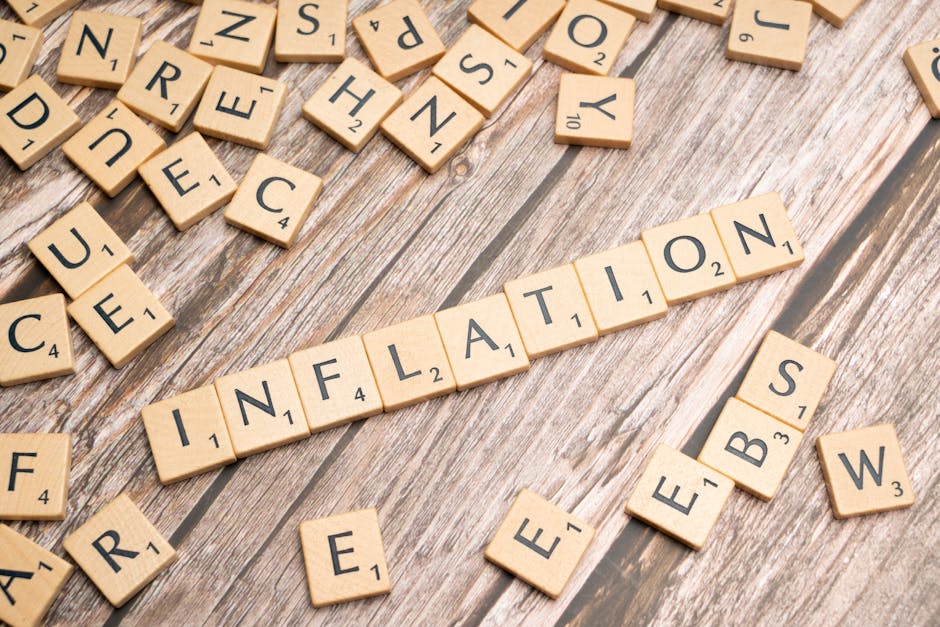
    Inflation has emerged as a critical concern, impacting economies across the globe in unprecedented ways. As prices rise and the cost of living increases, the effects ripple through financial markets, business operations, and everyday consumer choices. Understanding this widespread phenomenon is essential for individuals and businesses striving to navigate a post-pandemic economic landscape efficiently. In this article, we will explore the implications of inflation and offer practical insights on how to respond effectively.

    The Mechanisms of Inflation

    Inflation is essentially the rate at which the general level of prices for goods and services rises, eroding purchasing power. There are several key mechanisms that lead to inflationary pressure in different regions and sectors.

    1. Demand-Pull Inflation

    One of the primary drivers of inflation is demand-pull inflation, which occurs when demand for goods and services exceeds supply. This is often seen in a recovering economy where consumer confidence rebuilds after downturns. Businesses may find it challenging to meet this increased demand, leading them to raise prices.

    A practical example of this can be observed during the COVID-19 pandemic, where lockdown measures throttled production but also increased demand for essential commodities. This imbalance led to noticeable price increases. To cope with such scenarios, businesses should focus on improving their supply chain efficiency. Implementing demand forecasting and strengthening supplier relationships can mitigate future demand-supply mismatches.

    2. Cost-Push Inflation

    Cost-push inflation arises when production costs increase, forcing companies to pass on those expenses to consumers in the form of higher prices. Factors contributing to cost-push inflation include rising labor costs, increased prices for raw materials, or supply chain disruptions.

    For instance, in 2021, the semiconductor shortage spawned by the pandemic caused car manufacturers to raise prices as production slowed. Individuals can take proactive measures by diversifying their skills and investing in education, allowing for greater adaptability in fluctuating job markets. Simultaneously, businesses should seek alternatives for raw materials and explore automation to reduce reliance on expensive labor.

    The Global Nature of Inflation

    Although inflation can have localized causes, its effects are felt worldwide. An interconnected global economy means that inflation in one country often has far-reaching implications elsewhere. Understanding these global interactions is important for businesses operating internationally.

    3. Currency Fluctuations

    Currency fluctuations are a significant aspect influencing global inflation rates. If a nation’s currency depreciates, imported goods become more expensive, leading to an increase in local prices. This situation can create inflationary pressure as businesses adjust to the higher costs of imports.

    For example, if the Euro weakens against the US dollar, European businesses will face increased import costs. Individuals and companies should monitor currency trends and consider hedging strategies if they rely heavily on imports. Additionally, exploring local sourcing options can help mitigate risks associated with currency fluctuations.

    AdSense Area 1
    Google AdSense code can be inserted here later.
    The Global Impact of Inflation and How to Navigate It

    4. Commodity Prices and Global Supply Chains

    The interconnected nature of global supply chains significantly influences commodity prices, including oil, food, and essential manufacturing materials. When there is instability in supply—whether from geopolitical tensions or natural disasters—it can lead to sharp increases in commodity prices, fueling inflation.

    A recent example is the surge in oil prices due to geopolitical unrest, influencing transport costs globally. To combat these potential price increases, companies should consider diversifying their sources and maintaining inventories of critical materials. Individuals can also save on transport costs by utilizing local services, thus supporting domestic supply chains while mitigating the impacts of global price fluctuations.

    The Impact on Consumers and Households

    As inflation rises, the purchasing power of consumers declines, meaning families need to adapt their financial strategies. Understanding how to navigate these changes can help individuals manage their budgets and financial plans more effectively.

    5. Budgeting for Rising Prices

    With inflation impacting the cost of essentials, creating a comprehensive budget has become more important than ever. Tracking expenses can help individuals identify areas where they can cut back, allowing for adjustments to accommodate rising prices.

    A practical way to start is by utilizing apps or spreadsheets to monitor spending habits. The mistake I often see beginners make is failing to account for fluctuating prices when planning monthly expenses. Building flexibility into budgets can facilitate better financial decision-making amid uncertain economic conditions.

    6. Investing in Inflation-Resistant Assets

    Inflation can significantly impact investment portfolios, making it crucial to evaluate asset allocations periodically. Certain investment vehicles, like real estate or commodities, often hold value against inflation, while others may suffer as purchasing power decreases.

    Individuals should consider diversifying their portfolios by including assets that typically perform well in inflationary environments. For instance, gold and real estate have historically been considered safe havens. What I would do first is look at existing investments and analyze their sensitivity to inflation. Adjusting the portfolio accordingly can enhance resilience against economic volatility.

    Business Adaptations in an Inflationary Environment

    Businesses are often at the forefront of adapting to changing economic conditions. As inflation impacts production costs and consumer spending, strategic changes can help maintain profitability and market presence.

    7. Reevaluating Pricing Strategies

    In times of inflation, businesses must assess their pricing strategies critically. While increasing prices may be necessary to keep up with cost increases, it is crucial to balance this with consumer sentiment and competitiveness in the market.

    Quick Action: Choose one practical idea from this article and apply it today.
    AdSense Area 2
    Second ad placement area for longer content.

    A successful strategy might involve tiered pricing, offering different product versions at varying price points, thus attracting a broader customer base. The mistake many businesses make is implementing blanket price increases without assessing consumer demand and market position. Engaging customers for feedback can provide insights that lead to more strategic pricing decisions.

    8. Innovating Operational Efficiency

    Finding ways to cut costs without sacrificing quality is vital during periods of inflation. Streamlining operations and adopting new technologies can lead to significant savings.

    Exploring automation or investing in more efficient production techniques can result in both short-term savings and long-term sustainability. A practical way to start is by conducting a thorough analysis of operations to identify bottlenecks or inefficiencies. Engaging in continuous improvement initiatives encourages a culture of innovation, ultimately enhancing competitiveness in the market.

    Preparing for the Future

    As the world continues to grapple with the repercussions of inflation, both consumers and businesses must develop a forward-looking approach. Recognizing trends and impending changes can foster resilience and adaptability.

    9. Keeping Abreast of Economic Indicators

    Staying informed about economic indicators, such as interest rates, consumer price indexes, and employment rates, can provide valuable insight into inflationary trends. These factors influence everything from central bank policies to consumer spending behavior.

    Individuals can utilize financial news outlets or economic blogs to align their financial strategies with global economic shifts. Businesses should periodically review macroeconomic forecasts as part of strategic planning. What I would do first is set up alerts for economic news updates to keep tabs on what directly impacts financial decisions.

    10. Building Financial Resilience

    Building an emergency fund or increasing savings can provide a buffer against economic uncertainties. In uncertain inflationary environments, having ready access to cash can prevent financial strain when prices rise unexpectedly.

    A good goal to aim for is saving three to six months’ worth of expenses. The mistake that many individuals make is underestimating the importance of a financial safety net. Initiating automatic transfers to savings accounts at designated intervals can help establish a habit of saving and foster financial security.

    Personal Opinion

    In my personal opinion, the impact of inflation extends beyond mere numbers; it fundamentally affects how we manage our lives, both personally and professionally. Adapting to these economic conditions necessitates proactive planning and adaptability. The world is evolving, and our financial strategies must evolve alongside it. It is crucial to remain informed, flexible, and open to innovation, whether through effective budgeting, smart investments, or operational changes. The strategies discussed above can serve as a foundational approach for anyone facing the complexities of rising economic costs.

    The Global Impact of Inflation and How to Navigate It

    Profit Flow Daily shares practical insights on global markets, crypto, investing, online income, and Korean culture.

    This article is for informational purposes only and should not be considered financial, investment, legal, medical, or tax advice.

  • How Interest Rates Impact the Global Economy: Insights and Practical Steps

    How Interest Rates Impact the Global Economy: Insights and Practical Steps

    How Interest Rates Impact the Global Economy: Insights and Practical Steps

    Interest rates play a pivotal role in shaping the global economy. Understanding their impact helps individuals and businesses alike navigate the financial landscape effectively. At their core, interest rates influence borrowing costs, consumer spending, and investment behavior across nations. In this article, we’ll delve into how global interest rates affect economic growth, inflation, and financial markets, offering insights and practical steps to adapt to changing conditions.

    1. The Role of Central Banks

    Central banks, such as the Federal Reserve in the United States and the European Central Bank in Europe, set the benchmark interest rates that impact all other rates in the economy. When a central bank rises its rates, it generally signifies a move to curb inflation. Conversely, lowering rates aims to stimulate economic growth by making borrowing cheaper. The interconnectedness of these policies means that actions taken by one major country can ripple throughout the global economy.

    The mistake I often see beginners make is to overlook the global implications of these decisions. For instance, when the U.S. Federal Reserve hikes interest rates, it can lead to capital outflows from emerging markets, resulting in currency devaluation and economic instability. To better understand these dynamics, individuals should monitor announcements from central banks and assess how these changes might affect their financial situations.

    2. Consumer Behavior and Spending

    As interest rates rise, the cost of loans increases, which can deter consumers from taking on new debt. This leads to reduced spending on big-ticket items like cars and homes, affecting businesses that rely heavily on consumer purchases. Conversely, lower interest rates often encourage consumers to borrow, thus spurring economic activity. An environment of low borrowing costs can create a sense of security, increasing consumer confidence and spending.

    A practical way to start is by tracking personal credit usage and making informed decisions about large purchases. For example, if rates are expected to rise, it may be wise to make necessary purchases sooner rather than later. Additionally, individuals should evaluate their existing debt; refinancing at a lower rate can lessen monthly financial burdens, freeing resources for investment or savings.

    3. Impacts on Small Businesses

    For many small businesses, access to capital hinges on interest rate fluctuations. Higher rates can mean higher monthly repayment amounts, straining cash flow and making it challenging to finance expansion or even daily operations. On the other hand, lower rates allow small businesses to invest in new equipment, hire staff, or launch marketing initiatives that can foster growth.

    AdSense Area 1
    Google AdSense code can be inserted here later.
    How Interest Rates Impact the Global Economy: Insights and Practical Steps

    What I would do first is take the time to review my business’s financial situation. Understanding existing debt and potential future borrowing allows for strategic planning. For example, if interest rates are low, it might be the right moment to secure loans for expansion. Planning investments during favorable rate periods can significantly impact a business’s growth trajectory.

    4. Inflationary Pressures

    Changes in interest rates are closely tied to inflation rates. When a central bank raises rates, it typically indicates a concern over rising inflation, which can erode purchasing power. This relationship underscores the delicate balance that central banks try to maintain: curbing inflation without stifling economic growth. A rise in interest rates can help slow down spending, which in turn can bring inflation under control.

    The mistake many individuals make during times of rising inflation is failing to adjust their financial strategies appropriately. For example, investing in assets that traditionally perform well during inflationary periods—such as commodities or real estate—can help exclude the effects of diminishing purchasing power. Monitoring economic indicators and adjusting investment strategies accordingly can be crucial for maintaining asset value.

    5. Global Markets and Investment Strategies

    The interconnectedness of global markets means that changes in interest rates can lead to significant movements in stock and bond markets. When rates rise, bond prices typically fall, as the new higher rates make existing bonds with lower yields less attractive. Stock markets can react negatively as well due to anticipated reductions in consumer spending and business investments.

    A practical way to start is to maintain a diversified investment portfolio that can withstand fluctuations in interest rates and economic conditions. For instance, if you expect interest rates to rise, switching a portion of your bond holdings to stocks or real estate may mitigate losses. Remaining informed about market indicators can help in making timely adjustments to your investment strategy, ensuring that one is prepared for volatility.

    6. Currency Valuation and Trade Balances

    Interest rates also play a significant role in currency valuation. Higher rates tend to attract foreign capital, leading to appreciation of the currency, which can impact exports and trade balances. For countries with weaker currencies, low interest rates can spur exports by making them cheaper for foreign buyers, but may also lead to imported inflation.

    Quick Action: Choose one practical idea from this article and apply it today.
    AdSense Area 2
    Second ad placement area for longer content.

    What I would do first is focus on understanding how currency fluctuations can affect personal investments and savings. For instance, if a currency weakens, assets denominated in that currency may lose value, impacting returns. Keeping a close eye on global economic health and identifying trends in currency exchange rates can provide insights into investment decisions and personal finance strategies.

    7. Long-term Economic Growth

    The implications of interest rates extend to long-term economic growth. Policies that influence rates can dictate levels of investment in infrastructure, technology, and human capital. Consistent access to capital at reasonable interest rates fosters innovation and productivity, which are key drivers of sustained economic growth.

    A practical approach for individuals is to invest in personal development and skills enhancement during times of low interest rates. This period might be an excellent opportunity to pursue education or training that can lead to better job prospects or business opportunities. By enhancing personal skills, one can take advantage of economic growth fuelled by favorable interest rates.

    8. Future Trends and Considerations

    Looking ahead, the relationship between interest rates and the global economy will continue to evolve. Factors such as demographic shifts, technological advancements, and geopolitical tensions will influence how central banks respond to economic conditions. Investors and consumers must stay agile, adapting to changes that can arise unexpectedly.

    The mistake I often see is a lack of preparedness for sudden economic shifts. It’s essential to develop contingency plans that include savings strategies, investment adjustments, and continuously educating oneself about financial matters. Remaining proactive rather than reactive can safeguard against the vagaries of economic conditions.

    Personal Opinion

    In my personal opinion, understanding the intricate dance between interest rates and the global economy is crucial for anyone looking to take control of their financial future. The interconnections can seem complex, but breaking them down into actionable insights makes the process manageable. I believe that regardless of whether an individual is a consumer, a small business owner, or an investor, preparing for changes in interest rates with tried and tested strategies is invaluable. Ultimately, staying informed, flexible, and proactive will lead to better financial health in an ever-changing landscape.

    How Interest Rates Impact the Global Economy: Insights and Practical Steps

    Profit Flow Daily shares practical insights on global markets, crypto, investing, online income, and Korean culture.

    This article is for informational purposes only and should not be considered financial, investment, legal, medical, or tax advice.
  • Understanding the Global Impact of Inflation

    Understanding the Global Impact of Inflation

    Understanding the Global Impact of Inflation

    Inflation has emerged as one of the most pressing economic issues affecting countries around the world. As the cost of living rises, its effects touch almost every corner of the globe, from developed nations to emerging markets. Understanding the broad implications of inflation is essential for everyone, especially as it shapes economic policies, consumer behavior, and investment opportunities.

    1. Understanding Inflation

    At its core, inflation refers to the general increase in prices and the corresponding decline in the purchasing power of money. It can stem from a variety of factors, including increased production costs, heightened demand for products, or supply chain disruptions. When inflation occurs at a high rate, it can create significant challenges for individuals and governments alike.

    One particular aspect that often complicates understanding inflation is the different types: demand-pull inflation and cost-push inflation. Demand-pull inflation occurs when consumer demand outstrips supply, leading to price increases. On the other hand, cost-push inflation raises prices due to increased costs of production materials and labor. Grasping these concepts is crucial for developing strategies to navigate the financial landscape during inflationary times.

    2. Inflation’s Effect on Everyday Costs

    The most immediate impact of inflation is felt in the cost of everyday goods and services. From groceries to gas, consumers notice a rise in prices that can significantly affect their purchasing decisions. As prices increase, many people may find themselves re-evaluating their budgets and spending habits.

    A practical example can be seen with food prices. If a family was spending $500 a month on groceries and suddenly inflation drives that cost up to $600, they may be compelled to consider cheaper options or even reduce the quantity of food they purchase. This shift can create a ripple effect in food supply chains and affect local economies. For individuals, this means being more conscious about where and how they shop, searching for discounts or bulk deals, or even exploring alternatives like community gardens.

    3. Impact on Investments

    Inflation plays a significant role in shaping investment strategies. When inflation rates are high, traditional investments such as bonds may yield returns that don’t keep pace with inflation, effectively eroding the value of returns for investors. On the other hand, assets like real estate or commodities may appreciate in value during inflationary periods.

    AdSense Area 1
    Google AdSense code can be inserted here later.
    Understanding the Global Impact of Inflation

    Investors looking to safeguard their portfolios often diversify their holdings. They might consider investing in real estate, which typically holds its value or even appreciates during inflation, thus serving as a hedge against rising costs. Another alternative is to explore commodities, such as gold or oil, which historically retain value during inflationary spikes. Seeking advice from financial professionals and conducting thorough research can help to navigate these investment waters successfully.

    4. Inflation and Wage Growth

    One of the most contentious issues surrounding inflation is its relationship with wage growth. As the cost of living increases, there is often pressure on employers to raise wages so that employees can maintain their purchasing power. However, wage increases can lead to a wage-price spiral, where rising wages contribute to even higher inflation.

    For workers, understanding this relationship is critical. If employees demand higher wages during inflation without corresponding productivity increases, businesses may respond by increasing prices to cover the additional costs, leading to further inflation. A practical way to address this is through continuous learning and skills development, which can enhance job security and open doors to higher-paying opportunities, enabling people to counteract the purchasing power loss due to inflation.

    5. Inflation’s Global Reach

    Inflation is not a phenomenon limited to one geographical area; it has a global reach. Countries can experience inflation differently based on their economic structures, supply chains, and monetary policies. For instance, while developed nations might manage inflation through relative stability in supply chains and control over economic levers, emerging markets may be more susceptible to external shocks.

    The recent global pandemic highlighted how interconnected our economies are. Many nations faced inflationary pressures because disruptions in production or shipping in one part of the world impacted the availability and price of goods elsewhere. Economic policies such as stimulus packages increased money supply, further exacerbating inflationary conditions in various regions. Understanding these dynamics encourages a broader perspective on how global events can influence local economies and highlight the importance of building resilient supply chains.

    6. Government Responses to Inflation

    Governments and central banks typically respond to rising inflation through various monetary and fiscal policies. Monetary policy might involve raising interest rates to reduce money supply and discourage borrowing, which can help alleviate inflationary pressure. Fiscal policies could include reducing government spending or adjusting tax policies to influence overall economic activity.

    Quick Action: Choose one practical idea from this article and apply it today.
    AdSense Area 2
    Second ad placement area for longer content.

    A practical step for individuals is to stay informed about governmental actions aimed at combating inflation. By understanding potential implications of these policies, such as shifts in employment rates, housing markets, or investment opportunities, one can better position themselves to make informed financial decisions. It is also prudent to develop financial plans that include provisions for inflationary shocks, such as maintaining an emergency fund or diversifying income sources.

    7. Preparing for Future Inflation

    As inflation can rise unexpectedly, preparing for its potential impacts is wise. Individuals can benefit by maintaining a proactive approach, involving budgeting, understanding personal debt levels, and exploring sustainable investments. Creating a budget that accounts for not only current expenses but also potential inflation-related rises helps in better financial management.

    Additionally, proactive financial education can empower people to seek multiple streams of income. Investing in skills that facilitate side hustles or passive income avenues can create additional earnings that may help offset inflation’s impact. What I would do first is evaluate my current financial situation and establish a solid plan that factors inflation into my financial future.

    8. The Psychological Aspect of Inflation

    Beyond the economics, inflation also carries significant psychological effects. Rising prices can lead to consumer anxiety and uncertainty, prompting shifts in spending behavior. For instance, during periods of high inflation, consumers may become more cautious, leading to decreased spending on non-essential goods, which in turn can slow economic growth further.

    Understanding these psychological implications can also help in strategy formulation. If consumers anticipate inflation continuing to rise, they might rush to purchase large items before prices increase further, resulting in temporary spikes in demand. A practical way to start navigating these psychological responses is through consumer education, helping individuals understand market trends and encouraging rational decision-making during turbulent economic periods.

    Personal Opinion

    In my personal opinion, developing a comprehensive understanding of inflation and its far-reaching effects is more crucial now than ever. Navigating inflation successfully requires not only staying informed but also being adaptive in personal and financial planning. What I often see is individuals reacting reactively rather than proactively, which can lead to financial hurdles. Individuals can better prepare by actively seeking knowledge about their financial health and market conditions, staying versatile in their approach to investments, and prioritizing continuous learning. These steps can empower people to withstand inflation’s pressures and emerge resilient.

    Understanding the Global Impact of Inflation

    Profit Flow Daily shares practical insights on global markets, crypto, investing, online income, and Korean culture.

    This article is for informational purposes only and should not be considered financial, investment, legal, medical, or tax advice.
  • 5 Essential Strategies to Safeguard Your Finances in a Shifting Global Economy

    5 Essential Strategies to Safeguard Your Finances in a Shifting Global Economy

    5 Essential Strategies to Safeguard Your Finances in a Shifting Global Economy

    The global economy is in constant flux, influenced by factors such as political shifts, technological advancements, and environmental challenges. These elements can create uncertainty in the financial landscape, affecting everything from employment stability to investment opportunities. Understanding how these dynamics interplay with personal finance is crucial for navigating today’s unpredictable world.

    This awareness not only informs investment decisions but also guides your budgeting and saving strategies. Whether you’re a seasoned investor or just starting out, knowing how global trends affect your personal wealth can be the difference between thriving and merely surviving.

    1. Build an Emergency Fund

    An emergency fund serves as a financial buffer that can help you navigate turbulent economic times without resorting to debt. Aim to save three to six months’ worth of living expenses. This fund can cover essential bills, healthcare costs, and sudden repairs that may arise during economic downturns.

    To build this fund, consider setting up a separate savings account specifically for emergencies. Automate your savings by directing a portion of your income each month into this account. By doing so, you ensure that saving becomes a priority and you won’t be tempted to dip into these funds unless absolutely necessary.

    2. Diversify Your Income Sources

    Relying solely on a single income stream can expose you to significant financial risk, especially in economically volatile times. Diversifying income involves generating money from multiple sources, which can include side gigs, freelance work, investments, or passive income from assets like rental properties or dividend stocks.

    Start by identifying your skills and evaluating opportunities for monetization. Freelancing platforms, online marketplaces, and investing apps allow you to enter new markets easily. Consider creating a small business or offering online courses based on your expertise. Ensuring diversity in your income can provide more financial security during downturns.

    AdSense Area 1
    Google AdSense code can be inserted here later.
    5 Essential Strategies to Safeguard Your Finances in a Shifting Global Economy

    3. Keep Skills Relevant and Adaptable

    Continuous learning is essential for staying relevant in the job market. Economic changes can render certain skills obsolete, so investing time in enhancing your professional skills can safeguard your employment. Engage in online training, webinars, or workshops related to your field. Being adaptable not only keeps your career path intact but may also open new opportunities that wouldn’t have been accessed otherwise.

    Understand the skills that are in demand globally. Research industries that are growing, such as technology, healthcare, and renewable energy, and align your skill development with these trends. This proactive approach demonstrates adaptability to potential employers and can significantly mitigate the risk of unemployment.

    4. Monitor Investments Carefully

    In a fluctuating economic landscape, it is imperative to keep a close eye on your investments. Regularly assess your portfolio’s performance and stay informed about global market trends. Diversifying your investments across asset classes—such as stocks, bonds, and commodities—can reduce risk and increase potential returns.

    Consider engaging with financial advisors or utilizing digital platforms that provide market research and insights on global economics. The key is to avoid making impulsive decisions based on short-term market movements; a well-rounded strategy is essential for long-term success.

    5. Stay Informed About Economic Indicators

    Awareness of economic indicators such as interest rates, inflation rates, and employment statistics can significantly impact financial planning. For instance, steep inflation might indicate that it’s time to alter your investment strategy or review your savings plan. Subscribe to economic news outlets and resources that provide updates on these essential factors.

    By remaining informed about global economic conditions, you can make educated decisions that align your financial actions with prevailing trends. Setting aside time weekly or bi-weekly to review these economic indicators can keep you prepared and proactive rather than reactive.

    Quick Action: Pick one idea from this article and apply it today. Small financial decisions compound over time.
    AdSense Area 2
    Second ad placement area for longer content.

    What I Would Do: Personal Insights on Navigating Economic Trends

    If I were facing economic uncertainty today, my first step would undoubtedly be to reinvigorate my emergency fund. Starting with a target savings rate of at least 20% of my income, I’d set clear goals for reaching that three- to six-month safety net.

    Additionally, I’d diversify my income by exploring opportunities for passive earnings, perhaps through e-books or affordable online courses based on my expertise. Having multiple revenue streams not only eases financial pressure but also adds a layer of security that is invaluable in a turbulent market.

    Checklist: Strategies for Personal Financial Resilience

    • Establish a dedicated emergency fund.
    • Diversify income sources to mitigate risks.
    • Regularly enhance and adapt your skill set.
    • Monitor investments and understand market trends.
    • Stay informed about critical economic indicators.

    Common Mistakes to Avoid on Your Financial Journey

    One common mistake is failing to prioritize savings during good economic times. It’s easy to overlook building an emergency fund when everything seems stable. However, when unexpected challenges arise, you may find yourself unprepared.

    Another error is neglecting to reassess your financial plan. Life circumstances and economic conditions change, so regularly updating your finances is crucial. Sticking rigidly to an outdated plan can lead to missed opportunities or excessive risks.

    Conclusion: Take Action Now for Financial Stability

    Understanding the intricate relationship between the global economy and personal finance is essential for maintaining financial stability. By building an emergency fund, diversifying income, staying informed, and adapting your skill set, you can create a robust financial strategy that withstands uncertainties.

    Remember that taking action today will strengthen your financial future. Don’t wait for the next crisis to implement these strategies—fortify your personal finances now, so you can thrive regardless of global economic fluctuations.

    🔥 Takeaway: Keep checking Profit Flow Daily for practical money, crypto, investing, and online income strategies.
    5 Essential Strategies to Safeguard Your Finances in a Shifting Global Economy

    Profit Flow Daily shares practical insights on global markets, crypto, investing, money, and online income.

    This article is for informational purposes only and should not be considered financial advice.

  • 10 Reasons Prices Are Rising Worldwide and What You Can Do About It

    10 Reasons Prices Are Rising Worldwide and What You Can Do About It

    10 Reasons Prices Are Rising Worldwide and What You Can Do About It

    In today’s rapidly changing economic landscape, consumers across the globe find themselves grappling with the rising prices of goods and services. This phenomenon has sparked concerns and debates among economists, investors, and everyday individuals alike. Whether it’s the grocery aisle or the gas pump, price hikes are affecting budgets and sparking questions about the sustainability of our current economic climate.

    Understanding why prices are climbing is essential for everyone. It empowers individuals to make informed decisions about their finances, investments, and consumption patterns. With inflation on the rise in many regions, the urgency to comprehend these dynamics cannot be overstated. People need to navigate this challenging economic environment effectively, and it starts with understanding the core issues driving these changes.

    The Underlying Causes of Rising Prices

    Several key factors contribute to the continual rise in global prices. While some of these factors are interconnected, identifying them individually provides a clearer understanding of the economic pressures at play. The following sections will delve into the significant drivers of inflation and rising costs.

    1. Supply Chain Disruptions

    One of the most immediate reasons for rising prices lies in the disruptions of global supply chains. Events such as the COVID-19 pandemic exposed vulnerabilities in the transportation and logistics sectors, leading to delays and increased costs for goods. Manufacturers faced significant challenges in sourcing raw materials, which resulted in higher production costs passed onto consumers.

    Furthermore, geopolitical tensions and natural disasters can exacerbate these disruptions, compounding the effects on global logistics. Supply chain disruptions not only affect the availability of goods but also contribute to inflation as manufacturers and retailers adjust prices to maintain profit margins amidst rising operational costs.

    2. Increased Demand After Economic Recovery

    As economies reopen after significant downturns, pent-up consumer demand leads to increased spending. This surge in demand often outstrips supply, particularly in sectors that experienced dramatic reductions during economic shutdowns. For example, the travel and tourism industry saw a significant rebound post-pandemic, creating a surge in demand for flights, accommodations, and related services.

    AdSense Area 1
    Google AdSense code can be inserted here later.
    10 Reasons Prices Are Rising Worldwide and What You Can Do About It

    Consequently, businesses raise prices to balance the disparity between demand and supply. As consumers flock to purchasing experiences and goods, inflation can become a byproduct of this rapid economic recovery, making it crucial for individuals to adapt their spending habits accordingly.

    What Actions You Can Take

    Understanding the forces behind rising prices can help you make informed financial decisions. Here are practical actions you can take to manage your budgeting and investments in this evolving landscape:

    1. Reassess Your Budget

    A comprehensive budget review is essential. Begin by identifying which categories of your spending have seen the greatest increases. For instance, food costs may have surged, while entertainment expenses may need temporary reductions. Create a tiered priority system for your spending to adapt to changing circumstances.

    Tools like budgeting apps can also be incredibly useful, allowing you to track your expenditures in real-time. By staying informed about your spending habits, you can make proactive adjustments, ensuring that you meet your financial obligations without overspending.

    2. Explore Alternative Sources for Goods

    As prices rise, it may be beneficial to seek alternative sources for your essential goods. This could involve exploring bulk buying options, local farmer’s markets, or discount stores. Many consumers are finding that shopping in non-traditional venues can yield better prices, especially for perishable items.

    Additionally, buying online can sometimes provide significant savings, especially when taking advantage of sales or seasonal discounts. Investing time in researching options can help you maintain your standard of living while navigating increased costs.

    Personal Reflections: What I Would Do

    If I found myself in a situation where rising prices were impacting my financial situation, I would focus on diversifying my income streams. This would involve seeking side hustles or freelance opportunities that align with my skill set. The gig economy provides many avenues for generating additional income to counterbalance the effects of inflation.

    Quick Action: Pick one idea from this article and apply it today. Small financial decisions compound over time.
    AdSense Area 2
    Second ad placement area for longer content.

    Moreover, I would consider investing in assets that typically hold their value during inflationary periods, such as real estate or commodities. Making informed decisions based on research and trends would be critical to safeguarding personal finances against the impacts of rising prices.

    Checklist: Navigating Rising Prices

    • Review your monthly budget: Ensure you understand your spending patterns and adjust accordingly.
    • Identify essential vs. non-essential expenses: Prioritize your spending to focus on needs over wants.
    • Research alternative suppliers: Seek out better deals and utilize technology for cost savings.
    • Consider supplementary income opportunities: Explore freelance work or side gig options that can boost your income.
    • Invest wisely: Focus on assets that can withstand inflationary pressures to protect your financial future.

    Mistakes to Avoid in Times of Rising Prices

    Many individuals make common missteps when faced with financial pressure from increasing prices. Here are a few mistakes to be vigilant about:

    1. Panic Buying

    In times of uncertainty, it’s easy to fall into the trap of panic buying, which can lead to unnecessary expenditures. Accumulating products in bulk when prices are rising can backfire, leaving you with excess goods and a depleted bank account. Instead, focus on purchasing what you truly need and resist the urge to stockpile unnecessarily.

    2. Ignoring Investment Opportunities

    While rising prices may create a surge of concern, ignoring investment opportunities is a significant mistake. During inflation, certain assets, like stocks or real estate, can appreciate and offer protection against the erosion of purchasing power. Educate yourself about potential investment options and understand how to navigate a fluctuating market intelligently.

    Final Thoughts: Staying Informed and Prepared

    Rising prices are an unfortunate reality in today’s global economy, and understanding the dynamics at play is essential for personal financial health. By reassessing budgets, exploring alternative purchasing options, diversifying income, and avoiding common financial pitfalls, you can equip yourself to navigate through challenging economic times.

    Staying informed about economic trends and actively managing your financial strategy can help mitigate the impact of rising prices on your life. The more proactive you are, the better you can withstand and adapt to these economic fluctuations as they arise. Remember, financial resilience relies on informed choices and adaptability in a constantly evolving market.

    🔥 Takeaway: Keep checking Profit Flow Daily for practical money, crypto, investing, and online income strategies.
    10 Reasons Prices Are Rising Worldwide and What You Can Do About It

    Profit Flow Daily shares practical insights on global markets, crypto, investing, money, and online income.

    This article is for informational purposes only and should not be considered financial advice.

  • 5 Crucial Insights on the Worldwide Effects of Inflation You Cant Ignore

    5 Crucial Insights on the Worldwide Effects of Inflation You Cant Ignore

    5 Crucial Insights on the Worldwide Effects of Inflation You Cant Ignore

    As pressures on the global economy intensify, understanding the multifaceted impact of inflation has never been more critical. This pervasive issue is not just limited to rising prices; it undermines purchasing power, disrupts investment strategies, and challenges savings across various markets. It poses a direct threat to many aspects of financial stability, raising urgent questions for consumers, investors, and businesses alike.

    Inflation affects consumers as they face higher prices for everyday goods, leading to reduced spending power. For instance, a family may find their monthly grocery bills rise unexpectedly, pushing them to rethink their budgets. Meanwhile, businesses grapple with increased operational costs and may potentially pass these expenses onto consumers, creating a vicious cycle. With the global interconnectedness of economies, the implications of inflation are felt far and wide, making it essential for individuals and organizations to navigate this landscape wisely.

    Understanding the Problem: The Ripple Effects of Inflation

    Inflation influences the economy in various ways, leading to increased costs of living, which directly affects consumer behavior. Rising prices mean that households may have to allocate a larger portion of their income to essential needs such as food, housing, and transportation, potentially reducing their discretionary spending. This can lead to a slowdown in economic growth as reduced consumer spending impacts businesses, which then may cut back expenses, including hiring and investment.

    It’s vital to recognize that inflation can also erode savings, impacting long-term financial goals. As inflation outpaces interest rates on savings accounts, the real purchasing power of money diminishes, meaning individuals will have less to spend in the future. This makes it crucial for anyone looking to safeguard their financial future to reassess their savings strategies and consider alternative investment options that may provide a hedge against rising prices.

    AdSense Area 1
    Google AdSense code can be inserted here later.
    5 Crucial Insights on the Worldwide Effects of Inflation You Cant Ignore

    Practical Steps to Mitigate Inflation’s Impact

    One effective strategy to combat inflation is diversifying your investments. Instead of keeping all your money in cash or low-yield savings accounts, consider allocating a portion to assets historically known for retaining value during inflationary periods, such as commodities, real estate, or precious metals. By spreading investments across different asset classes, you can better protect your portfolio against inflation’s erosive effects.

    Additionally, adjusting your spending habits can significantly reduce the overall impact on your finances. This might include budgeting more stringently, seeking discounts, or opting for generic brands when shopping. Exploring local markets or online sales could also yield better deals and help maintain your purchasing power despite increasing prices.

    What I Would Do: Personal Commentary on Inflation Strategy

    If I were facing the rising tide of inflation today, I would start by reviewing my budget meticulously. I’d analyze where my money is going and identify areas where I can cut back without sacrificing essential needs. Additionally, I would evaluate my investment portfolio, looking for opportunities to incorporate inflation-resistant assets.

    Moreover, I would stay informed about economic trends and adjust my financial strategy regularly. Being proactive rather than reactive can make a significant difference, ensuring that I can navigate changing circumstances with greater confidence. Setting aside a reserve fund specifically designated for emergency spending could also provide a buffer against inflation-driven shocks.

    Quick Action: Pick one idea from this article and apply it today. Small financial decisions compound over time.
    AdSense Area 2
    Second ad placement area for longer content.

    Checklist for Navigating Inflation Effectively

    • Investment Diversification: Ensure you have a mix of stocks, bonds, and tangible assets.
    • Budget Review: Regularly revisit your monthly expenses and adjust for any rising costs.
    • Emergency Fund: Maintain or establish a savings reserve to buffer against unexpected expenses.
    • Market Research: Stay updated on inflation trends and local price changes for better shopping decisions.
    • Financial Education: Invest time in learning about finance management, market conditions, and investment strategies.

    Mistakes to Avoid When Dealing with Inflation

    One common mistake people make is ignoring the effects of inflation on their savings. Holding large amounts of cash without considering inflation can lead to significant losses in purchasing power. Instead, it’s vital to recognize that not all cash investments provide adequate returns to outpace inflation.

    Another error is failing to adjust investment strategies in response to inflationary trends. Relying solely on traditional investments can expose individuals to risks as inflation rises. It’s crucial to reassess and adapt strategies based on market conditions to effectively mitigate inflation’s impact on financial health.

    Conclusion: Take Action Now to Protect Financial Stability

    The overall impact of inflation on the global economic landscape necessitates responsive and proactive financial strategies. Whether adjusting your spending, diversifying investments, or enhancing financial literacy, taking action is key to maintaining economic resilience. As consumers and investors alike navigate this challenging environment, staying informed and adaptable can lead to informed decisions that safeguard financial futures. Engaging with credible information sources and seeking personal finance advice can further empower individuals to tailor their strategies to their unique circumstances.

    🔥 Takeaway: Keep checking Profit Flow Daily for practical money, crypto, investing, and online income strategies.
    5 Crucial Insights on the Worldwide Effects of Inflation You Cant Ignore

    Profit Flow Daily shares practical insights on global markets, crypto, investing, money, and online income.

    This article is for informational purposes only and should not be considered financial advice.

  • 5 Crucial Insights on Global Inflations Impact and How to Navigate It

    5 Crucial Insights on Global Inflations Impact and How to Navigate It

    5 Crucial Insights on Global Inflations Impact and How to Navigate It

    As inflation continues to rise across the globe, individuals and businesses alike are facing significant challenges. Prices of everyday goods and services are climbing, and the economic landscape is shifting in ways that can leave many feeling vulnerable. Now, more than ever, it’s crucial to understand the implications of this phenomenon and take proactive steps to safeguard your financial future.

    The impact of rising inflation is not uniform; it varies across different regions and sectors, affecting individuals’ purchasing power and investment strategies. This reality poses both risks and opportunities for those seeking to protect their assets and perhaps even capitalize on changing market conditions. Understanding this dynamic is essential for anyone looking to maintain financial stability in uncertain times.

    Understanding the Global Inflation Landscape

    To better navigate the current economic climate, it’s important to first grasp what inflation is and how it is driven. Inflation refers to the general increase in prices and fall in the purchasing value of money. Several factors can contribute to rising inflation, including increased demand for goods, supply chain disruptions, and central bank policies.

    For instance, after the global pandemic, many economies experienced an abrupt surge in demand as consumers began spending again. This increased demand, coupled with supply chain challenges, created a perfect storm for inflation to rise sharply. Real-world scenarios suggest that individuals in various sectors, from retail to real estate, must closely monitor these changes to adapt and strategize effectively.

    AdSense Area 1
    Google AdSense code can be inserted here later.
    5 Crucial Insights on Global Inflations Impact and How to Navigate It
    Quick Action: Pick one idea from this article and apply it today. Small financial decisions compound over time.

    Practical Actions to Mitigate Inflation’s Effects

    • Diversify Investments: One effective way to protect your wealth against inflation is through diversification. By spreading your investments across various asset classes—such as stocks, bonds, real estate, and commodities—you can create a balanced portfolio that may better withstand inflationary pressures. For example, stocks historically offer higher returns than fixed-income investments but come with their own risks. Assess your risk tolerance and consider including assets that typically perform well during inflationary periods, such as real estate or inflation-protected securities.
    • Review Your Budget: An inflated economy means you need to be wary of your spending habits. Conduct a thorough review of your budget, identifying areas where you can cut back or reallocate funds to essentials. For instance, consider trimming discretionary spending and focusing on value-driven purchases. Creating a budget that prioritizes savings will prepare you for future uncertainties and potential purchasing power declines.

    What I Would Do: A Personal Take

    If I were faced with the present challenges posed by rising inflation, my first step would involve reevaluating my investment portfolio. Ensuring a mix of assets could cushion against volatility and help navigate possible declines in asset value. I would also engage in regular education about investment trends and shifts in policy to make informed decisions.

    Furthermore, I would prioritize building an emergency savings fund to cover unexpected expenses. Having a financial buffer during turbulent times provides peace of mind and stability. Regularly contributing to this fund, even if the amount seems small, can build a powerful safety net over time.

    Checklist for Navigating Inflation

    • Evaluate and diversify your investment portfolio regularly.
    • Create or update your budget to reflect current market conditions.
    • Consider inflation-protected investment vehicles.
    • Establish or reinforce your emergency savings fund.
    • Stay informed about global economic trends and forecasts.

    Common Mistakes to Avoid

    • Ignoring Budget Adjustments: One of the most significant pitfalls during inflationary periods is neglecting to adjust budgets. Many people become complacent, continuing old spending habits without acknowledging their current relevance. Be proactive in adjusting your finances to fit new economic realities.
    • Over-concentration in Cash: Keeping large sums of cash may seem like a safe option, but during inflation, cash loses value over time. Instead of storing cash, consider how you can leverage it into investments that potentially outpace inflation.

    Final Thoughts and Action Items

    The rising tide of inflation affects us all, but taking informed and strategic actions can position you favorably in an evolving landscape. Protecting your financial well-being in these times requires continuous learning, vigilance, and adaptability.

    Now is the time to act. Implement the steps discussed here and regularly revisit your financial strategies based on market changes. Remaining proactive could make all the difference in navigating this complex economic environment and ensuring your financial security.

    🔥 Takeaway: Keep checking Profit Flow Daily for practical money, crypto, investing, and online income strategies.
    5 Crucial Insights on Global Inflations Impact and How to Navigate It

    Profit Flow Daily shares practical insights on global markets, crypto, investing, money, and online income.

    This article is for informational purposes only and should not be considered financial advice.