As the world navigates a complex economic landscape, the idea of a global recession hangs heavily in the air. Understanding the warning signs can empower individuals, businesses, and policymakers to make informed decisions. While the economic cycle features growth periods, contractions also emerge. Observing indicators can help us prepare for potential downturns, allowing us to adapt our strategies for resilience.
1. Declining Consumer Confidence
One of the most telling signs of an impending recession is a decrease in consumer confidence. When consumers feel uncertain about their financial future, spending tends to decline. For instance, surveys conducted in various economies often reveal shifts in consumer sentiment, which can directly impact retail sales and service sectors.
During downturns, consumers may opt to save rather than spend, which has a cascading effect on businesses. Companies experiencing reduced sales may lay off workers, further eroding consumer confidence. Monitoring consumer sentiment surveys can serve as a barometer of economic health, indicating whether a tightening of spending is on the horizon. Observationally, I’ve noticed that even minor shifts in public sentiment can have a significant influence on economic activities.
2. Increasing Unemployment Rates
A steady rise in unemployment rates is another critical indicator. When businesses begin to downsize or close, job losses mount. The correlation between unemployment and economic health is strong; as job security diminishes, consumer spending typically follows suit.
To navigate this potential challenge, individuals may consider diversifying their income streams. What I would do first is reevaluate my skill set and explore additional training or online courses to make myself more marketable in fields that may withstand economic fluctuations. Keeping a close watch on labor market reports can help anticipate trends and prepare for potential shifts in job availability.
3. Supply Chain Disruptions
The interconnected nature of global trade means that supply chain disruptions can serve as precursors to economic slowdowns. Recent events, such as the COVID-19 pandemic, have highlighted vulnerabilities in supply chains, resulting in delays and increased costs for businesses. Such disruptions can lead to decreased production and ultimately affect the economy’s overall stability.
A practical way to start addressing these vulnerabilities is to build contingency plans within businesses. Whether it’s maintaining larger inventory reserves or exploring alternative suppliers, proactive measures can mitigate the impacts of potential supply chain crises. Observing how companies respond to unforeseen challenges can offer valuable lessons for forging more resilient business strategies.
AdSense Area 1 Google AdSense code can be inserted here later.
4. Diminishing Business Investments
When businesses anticipate economic turbulence, they often cut back on investments. This reduction can signal broader economic concerns. Companies may hesitate to invest in new projects, postpone equipment purchases, or even scale back on hiring new staff. A slowdown in business investment eventually translates to lower employment and consumer spending, creating a vicious cycle.
Monitoring company earnings calls and investment behaviors can provide insights into economic trends. The mistake I often see beginners make is assuming that business investment decisions are exclusively determined by quarterly profits. However, acquiring knowledge about market trends and future projections is equally critical for understanding the larger picture. If you are an entrepreneur or investor, consider diversifying your investments to hedge against potential downturns.
5. Fluctuating Stock Markets
Volatility in stock markets can also indicate underlying economic issues. Rapid fluctuations often result from uncertainty surrounding corporate earnings, geopolitical tensions, or shifting economic policies. A sharp drop in stock prices, particularly across major indices, can signal investor anxiety about future economic conditions.
For individuals looking to navigate this uncertainty, a thoughtful approach is vital. A practical way to start is by crafting a diversified investment portfolio that balances risk and stability. Avoid making impulsive investment decisions based on short-term market movements, and instead, focus on long-term growth strategies despite market volatility. Developing a habit of staying educated on market developments can provide the information needed to make sound investment choices.
6. Central Banks’ Monetary Policy Changes
Central banks play a pivotal role in managing economic stability through monetary policy. When banks raise interest rates, it can signal an attempt to control inflation, which, while sometimes necessary, can also lead to economic slowdown. Conversely, lowering rates might indicate an effort to stimulate spending amid concerns over economic health.
Staying informed about monetary policy changes can provide critical insights for personal financial decisions. For example, if interest rates are expected to rise, locking in fixed-rate loans might be advisable before increases take effect. What I would do first is closely monitor announcements from central banks along with economic forecasts that indicate the possible direction of interest rates and overall economic growth.
7. Widening Trade Deficits
Trade deficits occur when a country imports more goods and services than it exports. A prolonged widening of trade deficits can be a warning sign of economic trouble. It may indicate that domestic industries are struggling to compete internationally, leading to reduced production and, eventually, job losses.
A practical step is to support local businesses and industries where possible. This can help strengthen the economy and reduce reliance on imports. Additionally, fostering partnerships or investing in sectors that have export potential can create opportunities that may buffer against potential recessions. Understanding trade dynamics can empower consumers and businesses alike to make informed choices about their purchases.
Quick Action: Choose one practical idea from this article and apply it today.
AdSense Area 2 Second ad placement area for longer content.
8. Rising Inflation Rates
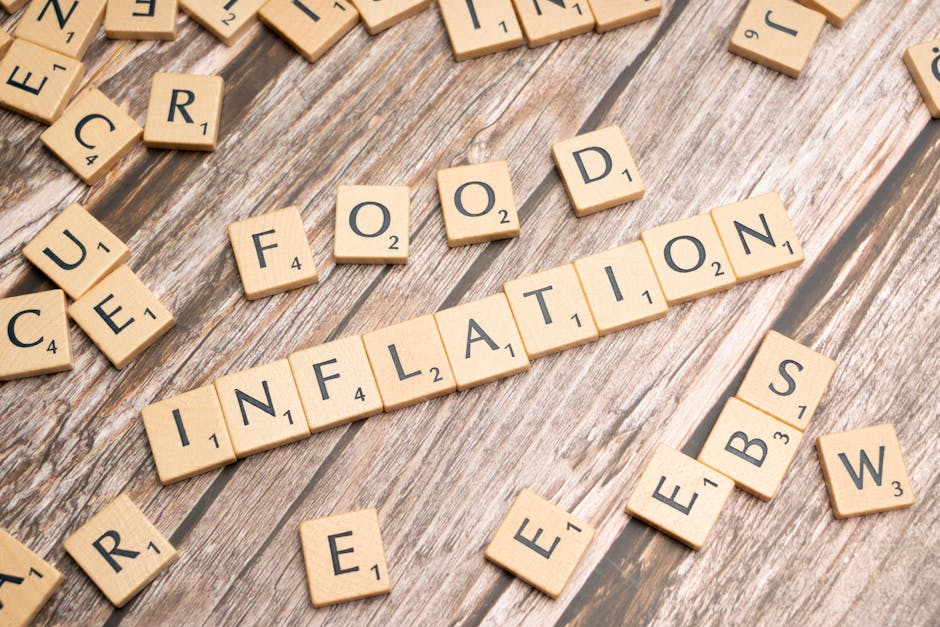
Inflation affects purchasing power, impacting consumer behavior. As prices rise, the cost of living increases, and consumers may find themselves curtailing spending, particularly on non-essential items. Consistent high inflation can be indicative of more significant economic struggles that might precede a recession.
To prepare for potential price increases, focusing on budgeting and savings strategies is crucial. A practical way to start is to review monthly expenses and identify areas where cuts can be made. Establishing an emergency fund can also provide a buffer during financially challenging times. What I often recommend is tracking your spending patterns to make informed decisions and adjustments before the pressure of rising costs impacts your financial situation.
9. Balance of Payments Issues
Persistent balance of payments deficits can indicate broader economic challenges. If a country consistently spends more on foreign trade than it earns, it may be a precursor to financing challenges and economic instability. These issues can arise from aggressive borrowing or shifts in global confidence in the economy.
Being aware of how balance of payments affect overall economic health is beneficial for making informed choices. For consumers, this means keeping an eye on broader trends in national and international economics that could affect job security and financial well-being. Taking proactive steps, such as diversifying income or investing in local enterprises, may also help create a more sustainable economic environment.
10. Geopolitical Tensions
Geopolitical factors play a significant role in economic stability. Rising tensions between nations can lead to uncertainty in markets, affecting trade and investment flows. This can disrupt established economic patterns and contribute to a slowdown, which may extend beyond national borders.
Staying informed about global events is essential, as these developments can influence local economies. The mistake I see many making is overlooking international factors that can impact domestic markets. A practical response is to diversify your investments across different geographic regions to mitigate risks from localized economic downturns. A global perspective can enhance your understanding of how interconnected our economic system is.
Personal Opinion
In my personal opinion, staying informed about these indicators is crucial for both individuals and businesses. The landscape is continually shifting, and proactive measures can make all the difference in weathering financial storms. It’s essential to adopt a mindset of adaptability and anticipation, focusing on building resilience through education, diversification, and community support. While no one can predict the exact moments of economic downturns, being prepared for potential challenges can lead to more sustainable financial health.
Profit Flow Daily shares practical insights on global markets, crypto, investing, online income, and Korean culture.
This article is for informational purposes only and should not be considered financial, investment, legal, medical, or tax advice.





답글 남기기