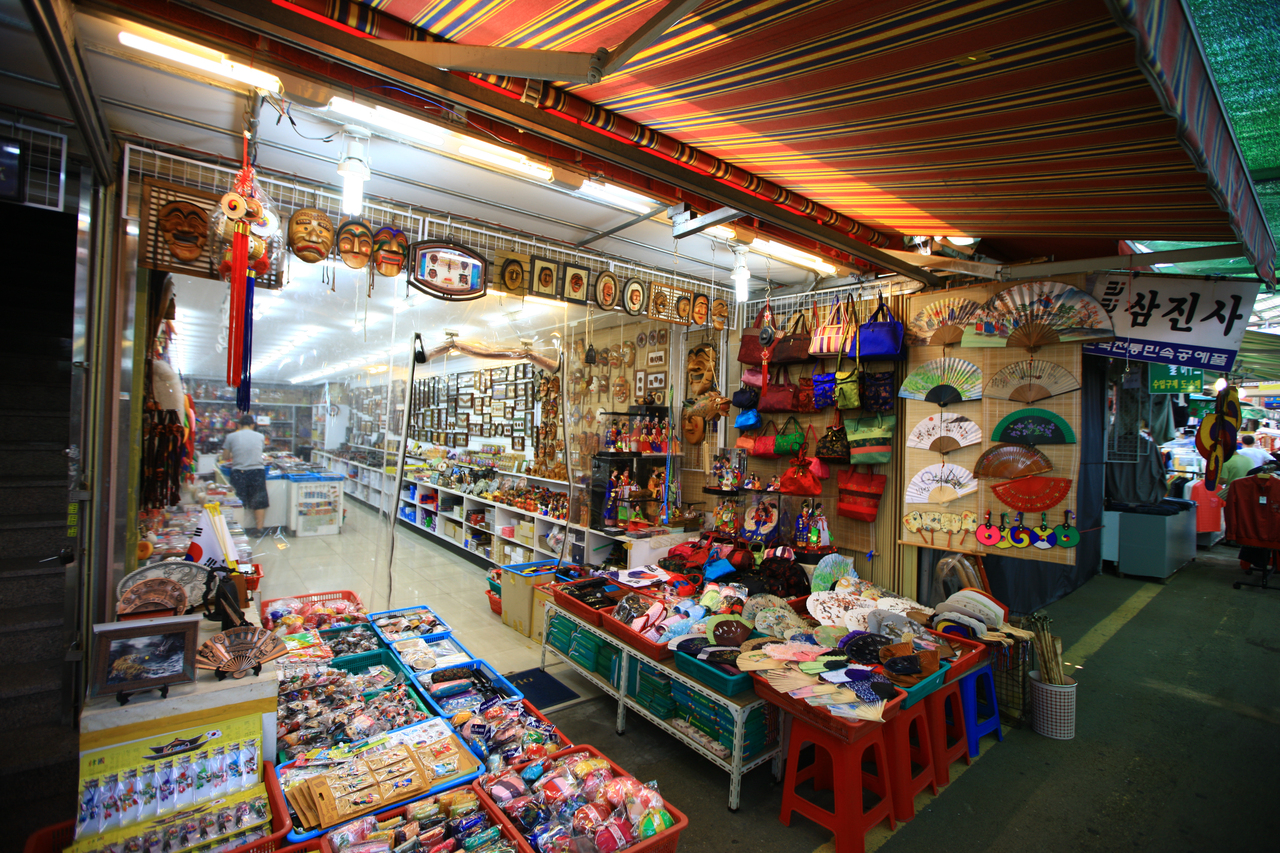
[태그:] Hallyu

  • The Harmonious Dance of Tradition and Modernity in Korean Lifestyle

    The Harmonious Dance of Tradition and Modernity in Korean Lifestyle

    The Harmonious Dance of Tradition and Modernity in Korean Lifestyle

    In Korea, the vibrant blend of tradition and modernity is evident in every aspect of daily life. This seamless fusion shapes how Koreans approach everything from dining to technology, creating a unique lifestyle that reflects cultural heritage while embracing contemporary advancements. One thing foreigners may not notice at first is how deeply rooted traditions coexist alongside the fast-paced lifestyle that urban areas exemplify.

    1. Culinary Traditions and Modern Dining

    From my experience around Korean workplaces and social gatherings, meals hold a special significance in maintaining relationships and cultural identity. Traditional dining features dishes like kimchi, bulgogi, and rice, often prepared based on family recipes passed down through generations. However, the rise of convenience and speed has led to an evolution in culinary habits.

    Many Koreans enjoy meals on the go, reflecting a lifestyle that prioritizes both nourishment and time efficiency. A growing number of establishments blend traditional recipes with fast-casual dining concepts. For example, you can find places that serve bibimbap in portable bowls that customers can enjoy while commuting. This not only preserves the essence of traditional dishes but also caters to the modern need for convenience.

    2. Fashion: Hanbok Meets Streetwear

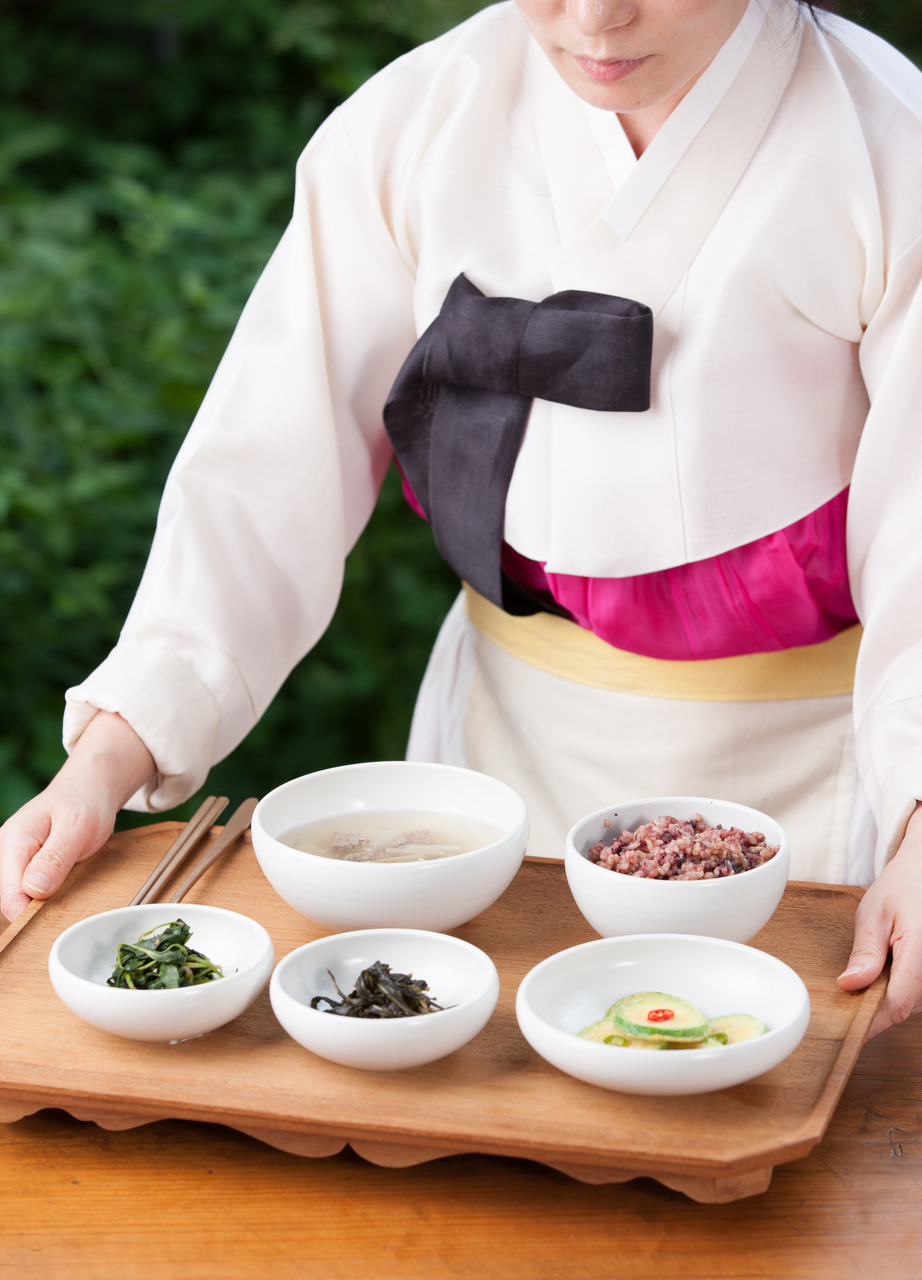
    The fashion scene in Korea is a fascinating one, characterized by a unique juxtaposition of traditional attire and contemporary streetwear. Hanbok, the traditional Korean dress, is often reserved for special occasions and celebrations. It symbolizes historical elegance and cultural pride, showing off rich colors and intricate patterns.

    However, fashion-forward individuals frequently incorporate contemporary elements into their wardrobes, often seen blending hanbok with modern pieces like oversized jackets, sneakers, and accessories. This blend not only revitalizes traditional wear but also creates a style that resonates with the younger generation’s quest for individuality and self-expression. Efforts are seen in various fashion shows where designers experiment with traditional fabrics and forms infusing them into modern aesthetics that appeal on both local and global levels.

    3. Festivals: Old Customs in Modern Celebrations

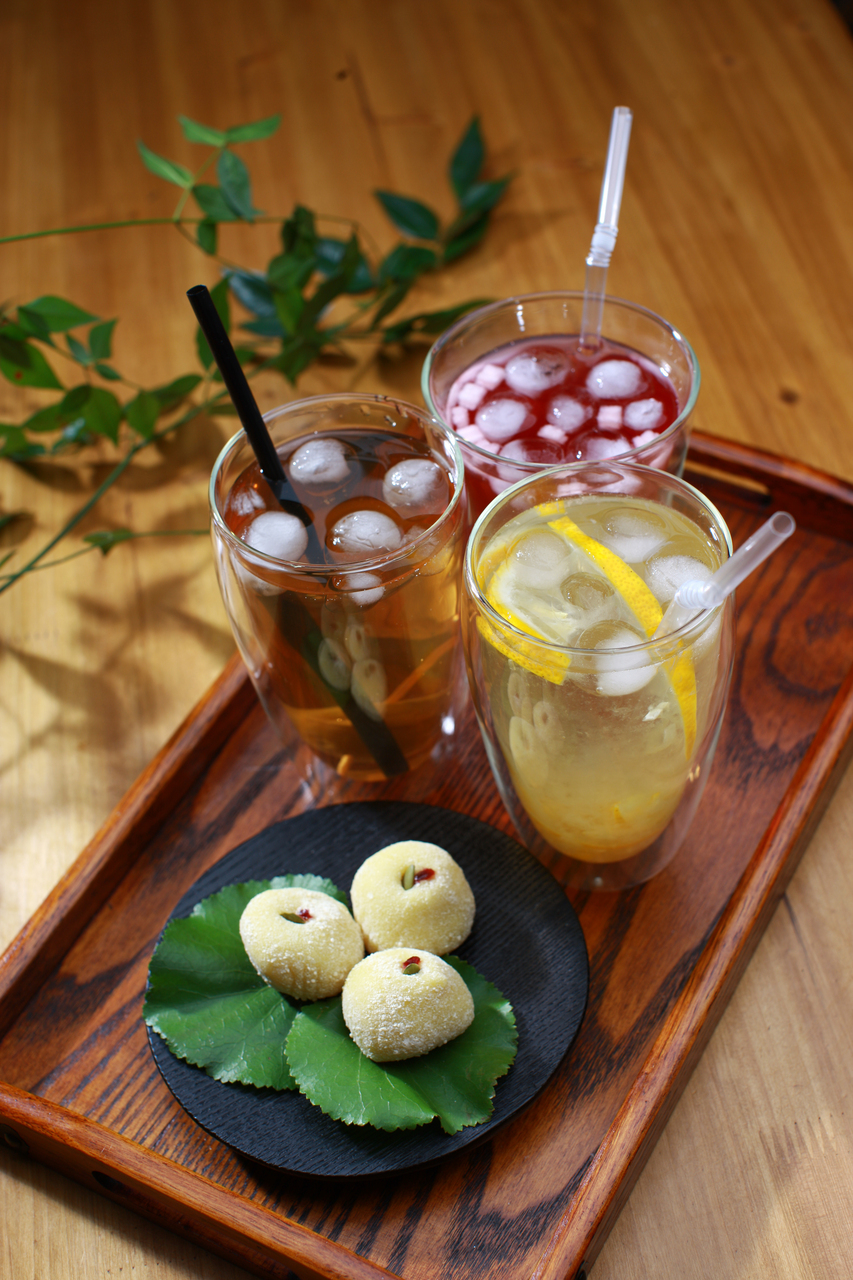
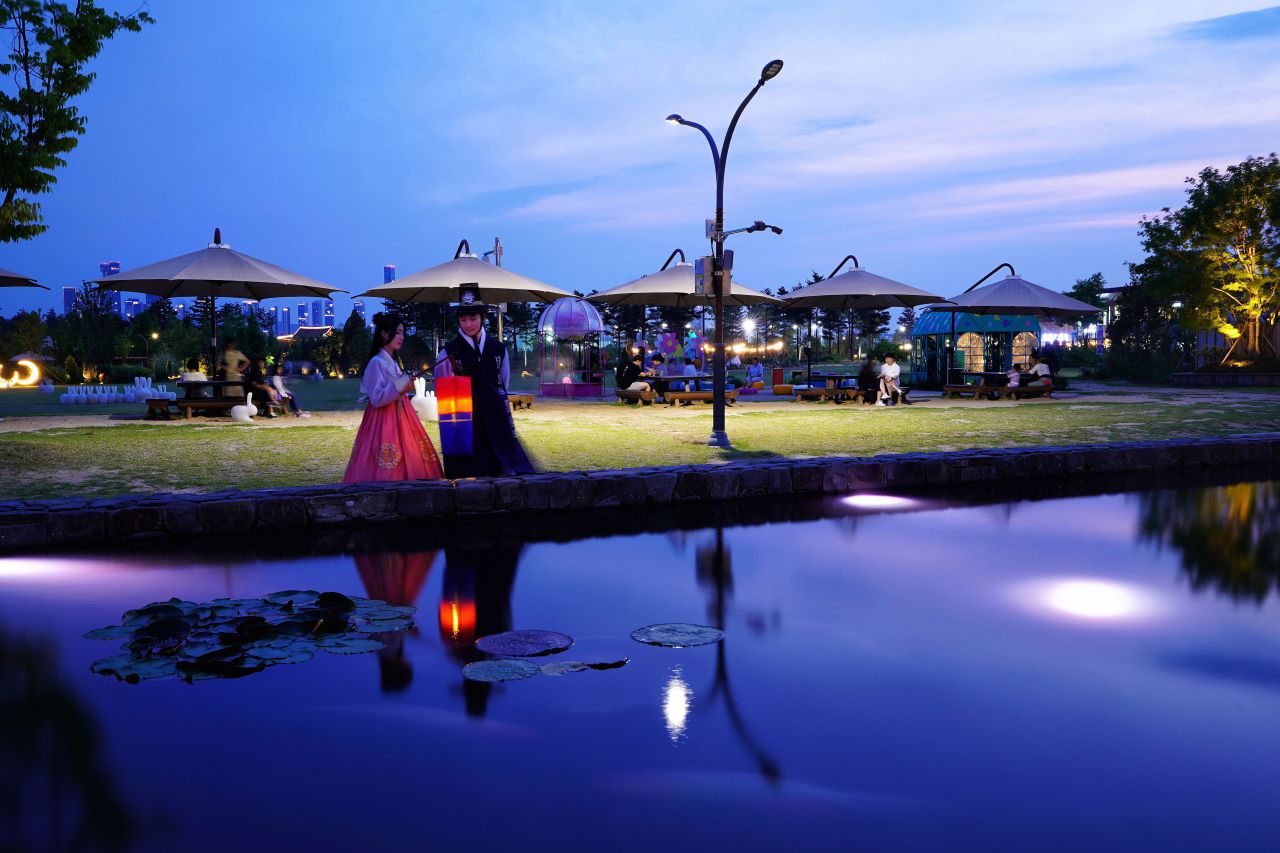
    In Korea, festivals are vibrant celebrations that honor both ancient customs and modern sensibilities. One prominent festival, Chuseok, is a harvest celebration reminiscent of Thanksgiving in Western culture. It involves rituals such as ancestor worship, family gatherings, and the sharing of traditional foods like songpyeon (rice cakes).

    AdSense Area 1
    Google AdSense code can be inserted here later.
    The Harmonious Dance of Tradition and Modernity in Korean Lifestyle

    While the core traditions remain intact, the way Chuseok is celebrated has evolved. Urban dwellers often opt for travel during the long holiday, seeking new experiences rather than the traditional family gatherings. This blending of ancient customs with contemporary lifestyle choices creates a unique celebration environment that respects the past while embracing the future, illustrating that traditions can adapt without losing their significance.

    4. Technology Integration in Daily Life

    The integration of technology into daily life exemplifies the swift pace of modern living in Korea. From what I have observed in Korean daily life, smartphones are indispensable tools that manage both personal and professional aspects efficiently. Mobile applications facilitate everything from ordering food to booking taxis, which is a far cry from the relatively slower-paced traditional methods.

    Moreover, Korean culture has embraced smart home technology, with devices that streamline household chores and enhance convenience. Products like Wi-Fi-enabled rice cookers and robotic vacuum cleaners are prevalent in many households, allowing families to enjoy more leisure time. This efficiency does not erase the traditional values of family togetherness; instead, it helps carve out time for shared experiences, drawing more people towards spending quality time together.

    5. Urban Development Influenced by Tradition

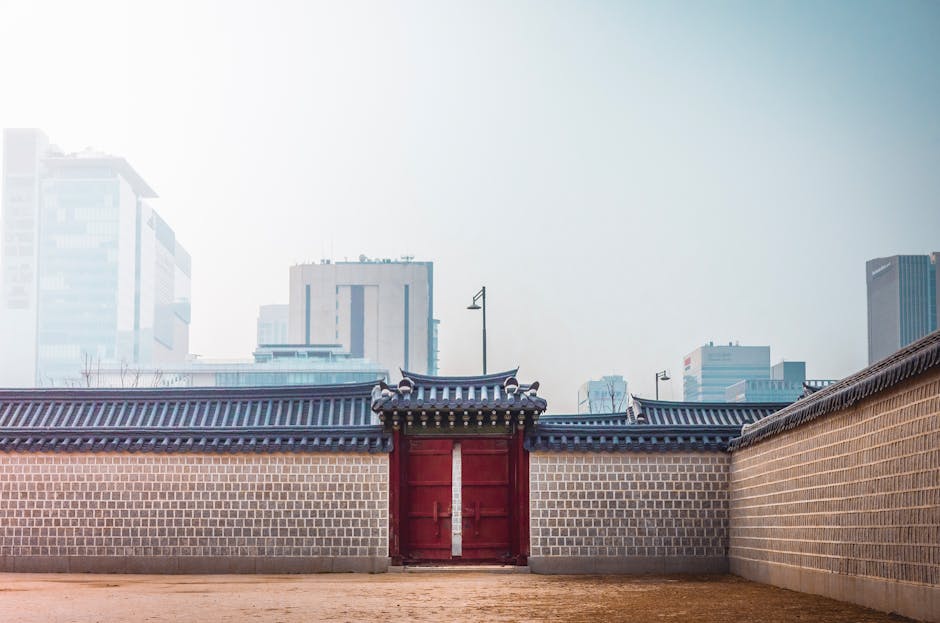
    Urban areas in Korea are constantly evolving, but the influence of traditional architecture and concepts is still notably present. Many cities, particularly Seoul, seamlessly integrate historical landmarks alongside modern skyscrapers. For instance, the Gyeongbokgung Palace stands as a majestic reminder of Korea’s royal past while the surrounding districts buzz with the life of modern cafes, malls, and office buildings.

    The development of public spaces like parks often includes elements inspired by traditional designs, encouraging community interaction. The presence of Hanok (traditional Korean houses) villages, such as Bukchon Hanok Village, among contemporary urban settings demonstrates that there is a space for cultural preservation within rapid modernization. This balance creates a layered experience for both residents and tourists who appreciate the aesthetic and historical richness of the environment.

    6. Work-Life Balance: Cultural Shifts

    In Korea, work culture has long been defined by intense schedules and a focus on productivity. This often translates into long hours at the office, creating a high-pressure environment that many find challenging. Nonetheless, there is a noticeable shift towards a more balanced approach to work and life, driven by younger generations advocating for change.

    Quick Action: Choose one practical idea from this article and apply it today.
    AdSense Area 2
    Second ad placement area for longer content.

    Companies are slowly adopting policies that encourage flexible work schedules and leisure activities that foster well-being. New initiatives promoting culture days, mental health awareness, and work-from-home options illustrate an evolving understanding that while hard work is crucial, employee satisfaction is equally essential. The blending of centuries-old work ethics with modern understanding of employee welfare presents a promising pathway towards a more harmonious lifestyle.

    7. The Influence of Hallyu: Pop Culture Phenomenon

    The Korean wave, or Hallyu, significantly impacts lifestyle and perceptions surrounding Korean culture globally. As K-pop, dramas, and fashion gain traction worldwide, they shape the daily habits and preferences of both Koreans and international fans. From my experience around Korean workplaces, no one can deny the enthusiasm that characterizes workplaces when discussing the latest K-drama or acknowledging a popular artist’s recent comeback.

    This phenomenon often leads to a blend of cultural expressions, where local artists collaborate with international talents, creating music and projects that reflect a global viewpoint. Additionally, businesses leverage this popularity by incorporating K-culture elements into their marketing strategies, from themed cafes to merchandise. This blend has essentially turned Korea into a cultural powerhouse, highlighting how quickly modern trends can rise alongside deep-rooted traditions.

    8. Social Etiquette: Traditional Norms in a Fast-Paced World

    Social etiquette in Korea remains deeply influenced by Confucian values, emphasizing respect for individuals based on age and position. This traditional framework is still prevalent, observed in greetings, dining, and general interactions where age hierarchy plays a significant role.

    Nonetheless, as younger generations engage with global influences, there are subtle shifts in these norms. For example, while traditional rules dictate formal speech, many younger individuals feel comfortable using informal language among peers, promoting camaraderie and approachability. This evolving dynamic illustrates how tradition can coexist with contemporary social practices, allowing for a culturally rich atmosphere that welcomes both old and new.

    Personal Opinion

    In my personal opinion, the unique blend of tradition and modernity in Korea creates a fascinating lifestyle that continuously evolves. Observing how cultural elements integrate with fast-paced living provides insights into the resilience of traditions that adapt to modern needs. As Korea continues to grow on the global stage, it is exciting to witness how these elements influence and inspire others while maintaining a proud cultural heritage. This balance between the traditional and the new reflects not just a way of life but an invitation to embrace diversity in our evolving global community.
    The Harmonious Dance of Tradition and Modernity in Korean Lifestyle

    Profit Flow Daily shares practical insights on global markets, online income, Korean culture, Korean food, beauty, travel, and work life.

    This article is for informational purposes only and should not be considered financial, investment, legal, medical, or tax advice.
  • Unpacking the Unique Essence of Korean Street Food Compared to Ordinary Snacks

    Unpacking the Unique Essence of Korean Street Food Compared to Ordinary Snacks

    Unpacking the Unique Essence of Korean Street Food Compared to Ordinary Snacks

    When it comes to food culture, few things offer as much vibrancy and variety as the streets of Korea. Walking through bustling markets and vibrant alleyways, you quickly realize that Korean street food is not just about satisfying hunger; it’s an experience woven into the fabric of daily life. In this exploration of street food, I will highlight several aspects that contribute to its uniquely captivating essence.

    The Role of Fresh Ingredients

    In Korea, street food vendors often emphasize the use of fresh, high-quality ingredients, which is a cornerstone of the local culinary philosophy. Each dish, whether it’s tteokbokki or hotteok, is crafted using ingredients that are sourced regularly to ensure optimal flavor and texture. Vendors take pride in ensuring that their offerings resonate with the freshness of home-cooked meals.

    For example, when enjoying a plate of kimbap from a street vendor, you’ll notice the crispness of the vegetables perfectly paired with the umami-rich seaweed and rice. This commitment to freshness means that even a simple snack feels like a substantial meal, creating a delightful contrast to many ordinary snacks that often rely on preservatives and artificial flavors.

    Street Food as a Social Experience

    One of the most distinctive features of street food in Korea is its integral role in social interactions. Sharing a plate of fried chicken or enjoying spicy squid with friends is a cherished tradition. This communal aspect elevates the dining experience; it encourages conversation, laughter, and another layer of enjoyment that goes beyond mere sustenance.

    From what I have observed in Korean daily life, gathering around a food stall fosters a sense of community. You might see groups of friends seated on makeshift benches, sharing not just food but also stories and laughter, creating memories tied closely to the culinary delights they consume. This authentic atmosphere is something that is often absent when indulging in solitary snacks.

    Variety and Innovation

    Street vendors in Korea showcase an extraordinary range of culinary options. While many countries might feature a static lineup of snacks, Korean vendors often experiment, providing not only traditional dishes but also unique twists that capture changing culinary trends. From fusion recipes to seasonal specialties, the variety is enchanting.

    AdSense Area 1
    Google AdSense code can be inserted here later.
    Unpacking the Unique Essence of Korean Street Food Compared to Ordinary Snacks

    Consider the modern twist on the traditional hotteok, a filled pancake; some vendors now offer versions stuffed with sweet potato or even ice cream, showcasing culinary creativity. Such innovation means there’s always something new to try, and this dynamic environment keeps food enthusiasts engaged, enhancing the exploration process.

    The Influence of Korean Cuisine

    Another significant aspect is how deeply rooted Korean street food is in traditional cuisine. Many snacks may be recognized globally, such as kimchi or bulgogi, but their street food counterparts often adapt these flavors to more accessible formats. The deep connection to cultural heritage enriches the taste and significant story behind each dish.

    For instance, the spicy and slightly sweet tteokbokki is reminiscent of the flavors found in more complex traditional stews. This connection to established culinary practises provides an authentic taste of Korea that is both comforting and nostalgic for locals while being a vivid introduction for international visitors.

    Aesthetic Appeal

    Visual presentation plays a critical role in the enjoyment of food across cultures, but Korean street food takes this to another level. Vendors are known for their colorful displays, eye-catching packaging, and artistic plating that can turn even the simplest of dishes into a visual feast. This attention to aesthetic details enhances the overall experience, making every meal Instagram-worthy.

    When you encounter a vibrant rainbow of skewered fish cakes or the visually appealing spiral potato on a stick, it’s hard not to feel tempted. This emphasis on presentation not only satisfies the palate but also entices the senses, creating an all-encompassing sensory experience that ordinary snacks seldom provide.

    Flavor Profiles and Bold Seasonings

    One thing foreigners may not notice at first is the intensity of flavors found in Korean street food. The use of bold, often spicy seasonings elevates even the simplest ingredients, creating memorable taste profiles that linger long after the meal is over. It’s about crafting an explosion of flavors on the palate, a characteristic that sets it apart from bland, ordinary snacks that might leave consumers less than satisfied.

    Quick Action: Choose one practical idea from this article and apply it today.
    AdSense Area 2
    Second ad placement area for longer content.

    For instance, Korean fried chicken takes the classic recipe and enhances it with a combination of garlic, gochujang (red pepper paste), and a touch of sweetness, resulting in a mouthwatering dish that feels indulgent and satisfying. This layering of flavors is a hallmark of Korean cuisine, turning a simple snack into an unforgettable experience.

    Cooking Techniques and Craftsmanship

    The cooking methods employed by street vendors also contribute significantly to the unique character of Korean street food. Techniques such as grilling, frying, and steaming are not just basic preparation methods but are deeply rooted in tradition, honed over generations to craft the ideal texture and flavor profile. The skills of the vendor shine through in how they prepare each dish.

    Take the preparation of mandu, Korean dumplings, as an example. Vendors expertly fold the dough, ensuring that each dumpling is packed perfectly with fillings. The frying or steaming process is then executed with precision for a delightful crunch or a soft and chewy texture. This craftsmanship often turns the act of purchasing food into a mini-performance, adding to the overall experience.

    Accessibility and Affordability

    Finally, one cannot ignore the accessibility and affordability of street food in Korea. Prices are typically low, allowing people from all walks of life to indulge without hefty expenses. This affordability invites a diverse crowd, amplifying the joyful hustle and bustle of the street food scene.

    From my experience around Korean workplaces, streets, cafes, stores, and daily routines, it’s not uncommon to see students grabbing tteokbokki after class or office workers enjoying spicy rice cakes during their lunch break. The accessibility of these delightful snacks means that food culture thrives daily, rather than being restricted to special occasions.

    Personal Opinion

    In my personal opinion, the distinctiveness of Korean street food lies not just in its flavors or ingredients, but in its cultural significance and the experiences it fosters. It’s a bridge that connects generations, families, and friends, encapsulating the vibrant essence of Korean life. Embracing this aspect of street food can deepen one’s understanding of the country and its people while offering a taste experience that is both rich and unforgettable. Whether it’s the warmth of shared meals around the cart or the burst of flavors that tantalize the taste buds, Korean street food is an adventure waiting to be savored.

    Unpacking the Unique Essence of Korean Street Food Compared to Ordinary Snacks

    Profit Flow Daily shares practical insights on global markets, online income, Korean culture, Korean food, beauty, travel, and work life.

    This article is for informational purposes only and should not be considered financial, investment, legal, medical, or tax advice.

  • Essential Insights for First-Time Travelers to Korea

    Essential Insights for First-Time Travelers to Korea

    Essential Insights for First-Time Travelers to Korea

    Traveling to Korea for the first time can be an exciting and transformative experience. This vibrant country, rich in culture and history, has much to offer. However, understanding some key aspects can significantly enhance your visit. Below are several important considerations to keep in mind before setting off on your journey.

    1. Cultural Etiquette and Customs

    The way locals interact is deeply rooted in respect and tradition. From what I have observed in Korean daily life, bowing is often used as a greeting and gesture of respect. When meeting someone, a slight bow can convey politeness. Furthermore, using both hands when giving or receiving items, such as gifts or business cards, demonstrates consideration. In a culture where respect for elders is paramount, you may find that addressing someone by their proper title is essential.

    Another aspect to bear in mind is the importance of saving face, which means avoiding situations that could embarrass someone publicly. This often translates into indirect communication, so foreigners might find that Koreans are more likely to say “yes” or avoid direct refusals to maintain harmony. When dining, avoiding loud talking and using table manners—such as not sticking chopsticks upright in rice—can also help in gaining respect in social situations.

    2. Language Considerations

    While English is taught in schools and increasingly used in business settings, the majority of conversations in daily life occur in Korean. In my experience around Korean workplaces, streets, cafes, and stores, it’s clear that knowing a few basic phrases can be incredibly helpful. Simple sentences like “안녕하세요” (annyeonghaseyo – hello) or “감사합니다” (gamsahamnida – thank you) can significantly enhance interpersonal interactions.

    Additionally, learning to read Hangul—the Korean alphabet—can be beneficial. Most signs, menus, and labels are written in Hangul, and while many places offer English translations, being able to read basic signage will improve your navigation skills. There are various resources and apps that can help you familiarize yourself with the language before you arrive.

    3. Transportation System

    Korea boasts an extensive and efficient public transportation system that includes subways, buses, and high-speed trains. From what I have observed in urban areas, like Seoul, the subway is not only clean and safe but also remarkably user-friendly. Most signs and announcements are available in both Korean and English, making it easier for newcomers to navigate the system.

    To facilitate your travels, consider purchasing a T-money card, which can be used on public transport as well as in convenience stores. This tool simplifies the payment process; simply tap the card at the turnstiles or payment terminals. By planning your route using apps like Kakao Maps or Naver Maps, you can find the quickest and most convenient options, ensuring a smooth travel experience.

    AdSense Area 1
    Google AdSense code can be inserted here later.
    Essential Insights for First-Time Travelers to Korea

    4. Culinary Adventures

    Korean cuisine is a delightful aspect of the country, offering flavors and dishes that are unique to the culture. One thing foreigners may not notice at first is the variety of banchan—side dishes served with meals. Each meal typically includes multiple banchan, and trying these can enhance your understanding of Korean flavors. From kimchi to pickled vegetables, each side dish has its own story and significance.

    When dining, it’s common for meals to be shared among those at the table, so don’t hesitate to dive into a communal dish or ask for recommendations. Street food in areas such as Myeongdong or Gwangjang Market is also a must-try. Popular items include tteokbokki (spicy rice cakes) and hotteok (sweet pancakes), which provide an affordable and authentic taste of local culture.

    5. Understanding Korean Time and Punctuality

    In Korea, punctuality is highly valued, especially in business and social settings. From my experience in various situations, being late can be considered disrespectful, and it’s preferable to arrive a few minutes early. This applies to social gatherings as well; it’s common for people to show up on time or slightly ahead, so understanding this unwritten rule will help you adapt to the local way of life.

    When planning activities, such as meeting someone for dinner or participating in events, be mindful of the time. If you find yourself running late, contacting your host to notify them is essential. This small courtesy goes a long way toward showing respect for their time and willingness to accommodate any delays.

    6. Social Media and Communication

    Korea is known for its advanced technology and high connectivity; social media usage is prevalent among locals. Many Koreans communicate through platforms like KakaoTalk and Line, which are popular messaging apps. If you’re forming friendships or engaging in social interactions, being open to using these platforms may enhance connections with your peers.

    Moreover, if you have a smartphone with international roaming or a local SIM card, you’ll find accessing the internet quite straightforward. Most cafes and restaurants offer Wi-Fi, and being connected can help you out with navigation or finding local attractions. However, remember to balance online interactions with in-person experiences to truly immerse yourself in the culture.

    7. Shopping Etiquette

    Korea is a shopping paradise, from high-end boutiques in Gangnam to traditional markets in Insadong. At shops, you may notice that bargaining is uncommon when purchasing from large retailers, but it can be accepted in local markets. When entering a shop, it’s polite to greet the staff even if it’s just a nod. Many retail employees take pride in their service, so showing appreciation can increase the warmth of the interaction.

    When paying, using cash is still popular, but credit cards are widely accepted. It’s worth noting that some stores may have additional charges for using foreign cards, so keeping a mix of cash and cards is advisable. Furthermore, tax refunds are available for tourists on qualifying purchases, so don’t forget to ask for a refund form when making your purchases.

    Quick Action: Choose one practical idea from this article and apply it today.
    AdSense Area 2
    Second ad placement area for longer content.

    8. Festivals and Celebrations

    Korea has a wealth of festivals and celebrations that reflect its cultural heritage. One of the most celebrated is Chuseok, a harvest festival akin to Thanksgiving. During this time, families gather to pay respect to their ancestors and share traditional food. Visitors during this period might observe beautiful decorations and feel the warmth of family gatherings.

    Additionally, the Boryeong Mud Festival, held annually on the west coast, attracts both locals and tourists. It offers a unique blend of fun activities involving mud, live music, and food stalls. Engaging in local festivals can provide valuable insights into the cultural fabric of Korea and create lasting memories.

    9. Understanding the Seasons

    Korea experiences four distinct seasons, which greatly influence its activities and lifestyle. From my observations, spring is particularly beautiful, with cherry blossoms adorning streets and parks. Autumn is another stunning season, as the foliage turns brilliant shades of red and gold. Planning your visit according to the seasons can enhance your overall experience, as specific regional festivals and events align with each season.

    During winter, you can experience snow activities like skiing in popular resorts, while summer can be hot and humid. It’s wise to check weather forecasts and pack appropriately, considering both temperature and precipitation throughout your stay. Being prepared for these variations ensures that your trip remains enjoyable and comfortable.

    10. Respecting Nature and the Environment

    As a nation, Korea places a strong emphasis on the environment, and this is especially evident in urban areas. One important observation is that littering is frowned upon, and you will find designated trash and recycling bins in public facilities. Adhering to local recycling practices demonstrates respect for the community and its commitment to sustainability.

    Additionally, when visiting natural sites such as national parks or scenic areas, follow the guidelines provided. Korea’s breathtaking landscapes are a treasure, and preserving their beauty requires collective responsibility. Engaging in eco-friendly practices during your visit will not only reflect well on you but also contribute positively to the environment.

    Personal Opinion

    In my personal opinion, understanding and adapting to the nuances of Korean culture can significantly elevate your experience in this remarkable country. Embracing local customs, trying the delicious food, and connecting with people will lead to meaningful interactions and lasting memories. Each journey is an opportunity for learning, and Korea’s rich landscape is ready to welcome you with open arms.

    Essential Insights for First-Time Travelers to Korea

    Profit Flow Daily shares practical insights on global markets, online income, Korean culture, Korean food, beauty, travel, and work life.

    This article is for informational purposes only and should not be considered financial, investment, legal, medical, or tax advice.

  • Exploring the Unique Aspects of Korean Beauty Shopping: A Locals Perspective

    Exploring the Unique Aspects of Korean Beauty Shopping: A Locals Perspective

    Exploring the Unique Aspects of Korean Beauty Shopping: A Locals Perspective

    When it comes to shopping for beauty products, South Korea stands out on the global stage with its unique approaches and cultural nuances. The experience of purchasing cosmetics and skincare products in Korea is different from what one might find in other countries, making it a fascinating topic worth exploring. Here, I will delve into some elements that set Korean beauty shopping apart from other places around the world.

    1. The Importance of Ingredients and Formulations

    In Korea, there is a profound focus on the ingredients and formulations that go into beauty products. Many consumers are highly educated on the benefits of various botanical extracts, traditional herbs, and cutting-edge chemicals that can enhance skin health. This informed perspective often leads to consumers seeking products that prioritize skin health over mere cosmetic enhancements.

    This differs substantially from other countries, where marketing and brand names may take precedence over product formulation. For instance, it’s common in Korean stores to find products made with snail mucin, green tea, and ginseng, all known for their beneficial properties. When shopping here, one will frequently encounter enthusiastic staff members ready to discuss the specific benefits of ingredients, something that can be rare elsewhere.

    2. The Emphasis on Multi-Step Routines

    Korean beauty rituals often involve comprehensive multi-step routines, sometimes encompassing up to ten products. This approach not only reflects an intricate understanding of skincare but also emphasizes the holistic aspect of beauty. Shoppers are often eager to explore items that cater to different steps of their daily regimen, from cleansing and toning to the final application of SPF.

    In contrast, many Western beauty markets tend to focus on fewer products and simpler routines. As a result, the shopping experience here invites customers to discover a variety of products that they can layer and combine. For instance, one might purchase an essence, a serum, and a moisturizer all in one visit, with each item chosen to fulfill a specific role in their personal skincare journey. This aspect leads to a richer and more engaging shopping experience.

    3. The Influence of Social Media and Trends

    Social media plays an enormous role in shaping beauty shopping habits in Korea. Platforms like Instagram and TikTok are used extensively to showcase new products, trends, and results from using specific items. Consumers engage with beauty influencers and brands through these platforms, giving rise to rapidly shifting trends that can significantly influence what is in demand at any given time.

    This fast-paced trend cycle is something that many countries are beginning to adopt, but it is particularly pronounced in Korea. For example, a specific lipstick shade can go viral overnight, leading to stock shortages in stores. This rapid cycle encourages consumers to stay updated on the latest releases and limited-edition items, creating a vibrant and dynamic shopping environment that is often missing in more static beauty markets.

    AdSense Area 1
    Google AdSense code can be inserted here later.
    Exploring the Unique Aspects of Korean Beauty Shopping: A Locals Perspective

    4. Customer Service and Consultation

    The level of customer service in Korean beauty stores is noteworthy and often exceeds expectations. Staff are typically well-trained to provide personalized consultations, helping customers choose products tailored to their unique skin needs. Many stores advocate for a consultative selling approach, taking the time to understand the customer’s skincare concerns before recommending specific items.

    This contrasts with shopping experiences in other parts of the world, where associates may focus solely on promoting bestsellers or popular items without individualized recommendations. In Korea, it’s common to see beauty advisors applying makeup or skincare products on customers to demonstrate their effectiveness, culminating in a more interactive shopping experience. Customers frequently leave stores feeling more informed and satisfied.

    5. Packaging Value and Aesthetics

    Korean beauty brands pay significant attention to the aesthetic aspect of their packaging. Sleek, colorful, and often whimsical designs not only attract consumers but often reflect the brand’s identity and messaging. This is part of a broader trend of valuing aesthetics in daily life that permeates multiple facets of Korean culture.

    In many countries, packaging may be more utilitarian, often prioritizing function over form. However, Korean shoppers expect their products to feel as good as they look. Unique packaging can make a product feel more special and increases the appeal for gifting. Shoppers here often delight in sharing aesthetically pleasing items via social media, further driving brand allure.

    6. The Integration of Traditional Practices

    Many Korean beauty products integrate traditional practices and ingredients within modern formulations. The blending of time-honored beauty secrets with contemporary science creates an intriguing shopping landscape that celebrates both heritage and innovation. This approach allows consumers to connect with their cultural roots while embracing advances in skincare technology.

    In contrast, other global markets might categorize products purely based on modern trends or chemical formulations, neglecting the rich stories and histories behind certain ingredients. In Korea, products infused with historical elements, such as those featuring lotus or fermented herbal blends, resonate deeply with consumers looking for authenticity and tradition in their skincare routines.

    7. Price Transparency and Accessibility

    Price transparency is vital in Korean beauty markets. Many brands strive to provide full details about what customers can expect to spend on their products without hidden costs. This accessibility encourages consumers to feel more in control of their choices, allowing them to compare products effectively without feeling overwhelmed or misled.

    Whereas in some regions, markups and unclear pricing structures may hinder consumer confidence, Korean beauty brands typically present their pricing straightforwardly. This practice not only fosters trust between the customer and the brand but also encourages a wider range of individuals to engage and invest in their beauty routines.

    Quick Action: Choose one practical idea from this article and apply it today.
    AdSense Area 2
    Second ad placement area for longer content.

    8. Innovations and Constant Evolution

    Innovation is the cornerstone of the Korean beauty industry. With countless brands emerging and a never-ending wave of new products, there is a strong emphasis on experimentation. From unique application methods to novel ingredients, shoppers can expect to find cutting-edge advancements regularly. This culture of innovation captivates consumers and ensures that there is always something new to explore.

    This constant evolution is oftentimes slower in other beauty markets, where brands may rely heavily on tried-and-true formulas. In Korea, the excitement of discovering the next groundbreaking product is part of the allure of shopping. Brands frequently introduce innovative solutions for existing problems, such as sheet masks that provide instant hydration or sunscreens that double as makeup bases, making every shopping trip feel like an adventure.

    9. Seasonal and Limited-Edition Offers

    Within the Korean beauty sphere, seasonal promotions and limited-edition releases are common practices. Brands strategically launch products that reflect seasonal beauty needs or holidays, allowing consumers to indulge in timely offerings that feel fresh and relevant. Limited editions create a sense of urgency and exclusivity, encouraging customers to act quickly to secure their coveted items.

    This strategy contrasts with more static product lines in some other beauty markets, where items may remain unchanged year-round. The thrill of hunting for limited-time products adds an exciting dimension to the shopping experience, often leading to passionate discussions among beauty enthusiasts and collectors.

    10. The Role of Community and Belonging

    Beauty shopping in Korea often transcends the transactional realm; it becomes a social activity that fosters community and belonging. Many consumers enjoy visiting stores with friends or attending beauty workshops together. The interactions during these experiences strengthen the community bonds around beauty practices.

    This contrasts with more solitary shopping experiences in other cultures, where individuals may often browse alone or feel disconnected. In Korea, beauty consciousness weaves itself into friendship groups, enhancing the experience of trying out or purchasing new products collectively.

    Personal Opinion

    In my personal opinion, the differences that exist in beauty shopping here compared to other countries reflect deeper cultural values around self-care and community. The emphasis on tradition married with innovation, coupled with a unique approach to customer service, creates an unparalleled experience in Seoul and beyond. As consumers, we not only engage with products on shelves; we also partake in a dynamic and evolving narrative that is distinctly Korean. This makes beauty shopping not just a chore but a shared journey of discovery, learning, and connection. If you’re considering exploring the beauty offerings here, I encourage you to immerse yourself in this vibrant culture!

    Exploring the Unique Aspects of Korean Beauty Shopping: A Locals Perspective

    Profit Flow Daily shares practical insights on global markets, online income, Korean culture, Korean food, beauty, travel, and work life.

    This article is for informational purposes only and should not be considered financial, investment, legal, medical, or tax advice.
  • Understanding the Unique Allure of Korean Street Food

    Understanding the Unique Allure of Korean Street Food

    Understanding the Unique Allure of Korean Street Food

    Walking through the bustling streets of Korea, the air often carries an irresistible aroma that beckons passersby to indulge in a variety of snacks. While many countries offer their own street food, there’s something uniquely captivating about the offerings found here. Delving deeper into the various aspects that contribute to this distinctiveness reveals why these snacks transcend the ordinary.

    1. The Culture of Sharing

    In Korea, food is not just a means of sustenance; it represents a fundamental aspect of social life. Street food vendors often see customers gathering around tables or sitting on low stools, sharing plates and trying different dishes. This culture promotes a sense of community, allowing friends, family, and even strangers to bond over their love for food.

    Unlike typical snack experiences in other countries that can often feel solitary, sharing street food creates an inviting atmosphere. For instance, while enjoying tteokbokki (spicy rice cakes), it’s common to see groups of friends enthusiastically sampling each other’s portions, deepening connections in a casual yet vibrant setting. This communal aspect transforms eating into a shared experience encapsulated by laughter, discussion, and mutual enjoyment.

    2. A Symphony of Flavors

    One thing that stands out about Korean street food is the boldness of its flavors. Ingredients are often infused with spices and seasonings that deliver vibrant, punchy tastes. Dishes like hotteok (sweet pancakes filled with sugar and nuts) offer a delightful mixture of sweetness and warmth, while spicy chicken skewers present a fiery kick that ignites the palate.

    In contrast to ordinary snacks, which may offer simplistic flavors, the complexity in Korean street food sets it apart. From what I have observed, the combination of savory, spicy, and sweet flavors creates a more dynamic eating experience. These layers of taste are a testament to Korea’s culinary heritage, drawing from its diverse regional influences that give each dish a unique flair.

    3. Fresh Ingredients on Display

    Korean street food vendors emphasize the importance of freshness and visibility. Many stalls proudly showcase their ingredients, allowing customers to watch as their food is prepared. This level of transparency fosters trust and excitement, encouraging people to engage with the culinary process.

    Take, for example, the preparation of kimbap (seaweed rice rolls). Vendors often have vibrant displays of vegetables, rice, and seaweed, all ready to be rolled into a delicious snack right before your eyes. This not only enhances the sensory experience of eating but also assures consumers that they are purchasing high-quality, fresh food, unlike pre-packaged snacks where ingredients may be less apparent.

    AdSense Area 1
    Google AdSense code can be inserted here later.
    Understanding the Unique Allure of Korean Street Food

    4. Innovation Meets Tradition

    Street food in Korea is a delightful blend of age-old traditions and modern interpretations. Traditional dishes are innovatively reimagined, often resulting in fusion products that excite the taste buds. For instance, you might encounter Korean-style tacos, which combine elements of beloved street foods with international flavors.

    This innovation often attracts younger generations while still honoring the roots of Korean cuisine. From my experience, the balance between tradition and modernity is not just appealing; it rejuvenates interest in cultural heritage while making traditional foods accessible to a global audience. Vendors embrace creativity, ensuring that the street food scene remains lively and ever-evolving.

    5. Accessibility and Affordability

    Korean street food is remarkably accessible, both in terms of physical presence and price point. Vendors set up stalls in busy urban areas, universities, and local markets, making it easy for anyone to grab a bite. This convenience is essential, especially for students looking for quick meals between classes.

    Moreover, the affordability of these snacks offers a diverse culinary experience without straining the wallet. A typical serving of odeng (fish cake) or twigim (tempura) can be found for just a few thousand won. For newcomers wanting to immerse themselves in local cuisine, this is an advantageous way to sample a variety of dishes without committing to a full meal in a restaurant.

    6. Seasonal and Regional Specialties

    The availability of street food items often reflects Korea’s diverse seasons and regions. Vendors may offer seasonal specialties, allowing food enthusiasts to experience the changing flavors of the country. For instance, during the spring, you might find refreshing dishes that incorporate seasonal greens, while winter brings out hot meals that warm the soul, like sweet potato soup.

    Regions also take pride in their local delicacies. A visit to Busan, for example, warrants an exploration of its famous seafood street food stalls, serving up tasty raw fish and grilled octopus. This emphasis on seasonal and regional varieties adds yet another layer of intrigue to the street food experience, making it a genuine reflection of Korea’s dynamic food culture.

    7. The Visual Feast

    Every dish served on the streets of Korea is a visual delight, often crafted with care to ensure they are not only flavorful but also appealing to the eye. Vendors frequently present their food with vibrant colors and artistic arrangements, turning each plate into a small work of art. Dishes like bibimbap (mixed rice with vegetables and meat) are not just about taste but also about the aesthetic experience they provide.

    This attention to presentation heightens the overall enjoyment of eating. From bright green vegetables to richly colored sauces, the visual aspect encourages people to take that first bite. It’s common to see people hovering over their plates, capturing the perfect photo before diving in, showcasing how good looks complement good food in Korean street culture.

    Quick Action: Choose one practical idea from this article and apply it today.
    AdSense Area 2
    Second ad placement area for longer content.

    8. The Personal Touch

    Korean street food vendors often bring a personal touch to their offerings. Many of them are small family-run businesses, where recipes are handed down through generations. The passion that they have for their food is often visible in the way they engage with customers.

    Listening to a vendor recount the story behind a particular dish adds depth to the overall experience. This personal connection not only enhances the appreciation of the food but also makes the visit special. For instance, a vendor might share the traditional methods of preparation, reflecting their family’s culinary legacy, embedding a personal narrative in every bite.

    9. Street Food Festivals and Events

    Throughout the year, Korea hosts various street food festivals that celebrate the rich culinary landscape of the nation. These events feature a plethora of stalls offering everything from traditional bites to innovative creations. Attending such a festival can be an exhilarating experience.

    At these festivals, one can taste a wide array of dishes, interact with passionate vendors, and witness cooking demonstrations. This communal atmosphere amplifies the enjoyment of tasting food and serves as an opportunity to engage with local culture. From what I have seen, these festivals are not merely about eating but embody the essence of gathering, sharing, and celebrating Korea’s vibrant street food culture.

    10. Challenges and Sustainability

    As delightful as Korean street food is, it also faces challenges, particularly regarding sustainability and waste management. Many vendors rely heavily on single-use plastics, which raises environmental concerns in a country that is striving for greener practices. However, some are beginning to adapt by using eco-friendly packaging and encouraging recycling among customers.

    For anyone interested in supporting sustainability, opt for vendors who emphasize environmentally friendly practices. Consumers also play a critical role by making choices that reflect a desire for responsible consumption. Participation in community discussions geared towards improving street food practices can lead to positive changes for both vendors and consumers.

    Personal Opinion

    In my personal opinion, the essence of Korean street food transcends mere dietary pleasure. It fosters community, showcases cultural heritage, and brings innovation to the forefront. Each bite reflects a story waiting to be told, marrying tradition with modern flavors while supporting local economies. As both a resident and an enthusiastic consumer, I find it fascinating how street food encapsulates the spirit of Korea, inviting people from all walks of life to partake in a shared culinary journey. The unique experience of savoring these exceptional snacks is something that truly enhances daily life here, making it a cherished aspect of the vibrant culture.

    Understanding the Unique Allure of Korean Street Food

    Profit Flow Daily shares practical insights on global markets, online income, Korean culture, Korean food, beauty, travel, and work life.

    This article is for informational purposes only and should not be considered financial, investment, legal, medical, or tax advice.
  • The Rise of K-Beauty as an Integral Part of Korean Daily Life

    The Rise of K-Beauty as an Integral Part of Korean Daily Life

    The Rise of K-Beauty as an Integral Part of Korean Daily Life

    In Korea, the evolution of skincare and beauty routines has transcended mere cosmetic choices, becoming a deeply rooted aspect of daily culture. From what I have observed in Korean daily life, beauty goes beyond aesthetics; it reflects a philosophy of caring for oneself which is embedded in the social fabric of the country. The multifaceted nature of K-Beauty, initially influenced by traditional practices, contemporary science, and pop culture, has made it a phenomenon that has spread far beyond Korea’s borders.

    The Historical Context of Korean Beauty Practices

    The story of K-Beauty is intertwined with Korea’s rich history and cultural heritage. Traditional practices drew from holistic approaches, which revered natural ingredients and sought harmony in beauty routines. Historical texts from centuries ago indicate that Korean women utilized fermented rice, ginseng, and various herbs to maintain healthy skin.

    This respect for natural methods persists today. For instance, the popularity of products containing hanbang (traditional Korean herbal medicine) reflects a fusion of ancient wisdom with modern beauty science. Many contemporary brands have consistently innovated while preserving foundational practices, thus enabling the continuation and revival of these historical techniques within the global beauty landscape.

    The Influence of Technology and Innovation

    In modern Korea, the beauty industry is notably proactive in incorporating technological advancements into product formulation and marketing strategies. From my experience around Korean workplaces, technology is celebrated as a driving force in every sector, including beauty. Innovations like BB creams, essences, and cushion compacts were developed through rigorous research and development, setting global trends and standards for skincare.

    Additionally, beauty apps have gained traction, where consumers can try makeup virtually and engage with products before purchasing. This technological integration provides conveniences that enhance users’ experiences and reshapes how cosmetics are marketed. The ability to continually monitor and adapt to consumer preferences illustrates how K-Beauty has become both responsive and comprehensive.

    The Cultural Significance of Beauty in Daily Life

    In Korea, perceptions of beauty are deeply ingrained. Many people view skincare routines not merely as rituals but as an integral part of daily self-care. One thing foreigners may not notice at first is how often skincare products are shared and discussed in everyday conversation. Friends often recommend specific items to each other after trial and error, which fosters a culture of collective exploration and discovery in beauty.

    AdSense Area 1
    Google AdSense code can be inserted here later.
    The Rise of K-Beauty as an Integral Part of Korean Daily Life

    This camaraderie extends beyond friends and family, as beauty influencers and social media play vital roles in shaping public perception and willingness to experiment with K-Beauty products. Personal testimony from users regarding product effectiveness often feels more persuasive than traditional advertising, creating a community that celebrates not just beauty, but authenticity as well.

    Impact of K-Pop and Korean Dramas

    The surge of K-Pop and Korean dramas has significantly propelled the visibility and popularity of K-Beauty worldwide. In recent years, many idols and actors have become beauty icons, inspiring fans globally to adopt similar skincare routines. These stars frequently share their skincare secrets and endorsements, bridging the gap between celebrity culture and everyday practices.

    For example, when popular K-Pop groups or actors endorse particular products on social media or in variety shows, you can see immediate spikes in sales and interest. This connection illustrates how the entertainment industry directly contributes to elevating skincare routines into a cultural phenomenon. It creates a compelling narrative that connects consumers not just to products, but to the lifestyles and aspirations of their favorite idols.

    Accessibility and Diversity of K-Beauty Products

    The diversification of K-Beauty products has made it accessible to a broad audience. Today, Korean brands offer a vast array of items addressing different skin types, concerns, and preferences. From my observations in various beauty shops and stores, customers can find everything from deeply hydrating essences to brightening masks tailored for specific needs. This accessibility allows individuals to curate personalized routines that resonate with their identities and lifestyles.

    Moreover, the inclusivity is evident in the approach to beauty standards. There is a growing recognition that beauty is not a monolithic concept. Many brands are evolving to promote a broader range of skin tones and textures, encouraging customers from diverse backgrounds to embrace K-Beauty practices.

    Environmental Awareness in K-Beauty

    In recent years, environmental concerns have emerged as critical in the beauty industry. With global awareness gearing towards sustainability, K-Beauty brands are gradually adopting greener practices. During my visits to several K-Beauty shops, I noticed a significant rise in eco-friendly packaging and formulations that avoid harmful chemicals. Many brands are now emphasizing vegan, cruelty-free, and sustainable products, appealing to environmentally conscious consumers.

    Quick Action: Choose one practical idea from this article and apply it today.
    AdSense Area 2
    Second ad placement area for longer content.

    This shift represents an ongoing evolution where traditional beauty is marrying contemporary values. The movement encourages not just ethical consumerism among Koreans but also inspires global audiences to reconsider their purchasing habits and the environmental impacts of their beauty routines.

    Social Media’s Role in Shaping K-Beauty Trends

    Social media platforms have become pivotal in transforming K-Beauty trends, allowing users to share their experiences and beauty routines with a massive audience. In Korea, platforms like Instagram and YouTube serve as vital channels for beauty enthusiasts to discover tutorials, reviews, and product demonstrations. As a result, beauty influencers often find themselves at the forefront of setting trends by introducing innovative products.

    This visibility has created a dynamic where trends can spread rapidly, leading to phenomena such as ‘viral’ products that gain immense popularity overnight. As I have seen, the hype can be so strong that some items sell out quickly, reflecting active engagement from both creators and consumers as they respond to each other’s interests in real-time.

    Inclusivity and Globalization of K-Beauty

    As K-Beauty continues to flourish, it’s crucial to spotlight how it embraces inclusivity and diversity. The rise of the global beauty marketplace has prompted Korean brands to expand their product offerings and marketing strategies to appeal to a wide array of skin tones and types. Various brands have begun crafting formulations specifically for different demographics, ensuring that beauty is accessible for everyone.

    From what I have observed, this inclusiveness reflects a critical cultural shift that recognizes broadening definitions of beauty. Many Korean brands actively engage with international markets, adapt their messaging, and even involve global influencers to create products that resonate with diverse consumer bases.

    Personal Opinion

    In my personal opinion, K-Beauty has profoundly shaped not just the cosmetic industry in Korea but also how society perceives beauty care. It invites individuals to engage in practices that encourage self-love and self-expression. With its robust blend of tradition and innovation, K-Beauty showcases how cultural practices can evolve and thrive in a modern context, influencing a global audience in the process. The industry’s ongoing commitment to inclusivity and sustainability signals a promising future, where beauty practices can be both ethical and empowering on a global scale.

    The Rise of K-Beauty as an Integral Part of Korean Daily Life

    Profit Flow Daily shares practical insights on global markets, online income, Korean culture, Korean food, beauty, travel, and work life.

    This article is for informational purposes only and should not be considered financial, investment, legal, medical, or tax advice.

  • Unveiling the Unique Vibes of Korean Cities for Global Visitors

    Unveiling the Unique Vibes of Korean Cities for Global Visitors

    Unveiling the Unique Vibes of Korean Cities for Global Visitors

    As a resident of South Korea, I’ve had the pleasure of experiencing the vibrancy of Korean cities firsthand. Each city offers its own unique atmosphere, blending tradition and modernity. For many foreigners, the first experience of urban Korea can be overwhelming but equally enchanting. Understanding what these cities feel like is crucial for anyone planning to visit. Here’s a closer look at the dynamic experiences Korean cities have to offer to international visitors.

    The Hustle and Bustle of Seoul

    Seoul, the capital city, is often the first stop for many foreigners. Known for its rapid pace and bustling streets, it presents a stark contrast to many Western cities. From what I have observed in Korean daily life, the energy here is palpable – with locals rushing to catch subways, street vendors skillfully preparing food, and the constant hum of chatter filling the air.

    One notable aspect is the structure of the public transportation system. The subway is clean, efficient, and user-friendly, making it easy for newcomers to navigate. Additionally, stations and trains are equipped with English signage, which facilitates a smoother experience for non-Korean speakers. This accessibility may differ greatly from cities where public transport can be less intuitive.

    The Blend of Tradition and Modernity

    In Korea, this often feels different because the old coexists harmoniously with the new. Historical palaces sit next to high-tech skyscrapers, creating an intriguing juxtaposition. For instance, Gyeongbokgung Palace is a majestic representation of Korea’s rich heritage, while the Dongdaemun Design Plaza showcases cutting-edge architecture.

    When wandering through neighborhoods, one thing foreigners may not notice at first is how seamlessly both elements are integrated. Traditional markets coexist alongside modern shopping malls; you can enjoy a delightful street food experience right before stepping into a high-end fashion store. This blend encourages tourists to immerse themselves in various cultural experiences without having to go far.

    Culinary Adventures

    Food is central to the Korean experience, and the diverse culinary landscape reflects the country’s regional variations and historical influences. From my experience around Korean workplaces, streets, cafes, and stores, meals are often shared, and there exists a profound appreciation for culinary craftsmanship.

    Street food stalls are abundant in cities like Seoul and Busan. Tasting dishes like tteokbokki (spicy rice cakes) or hotteok (sweet syrup-filled pancakes) is a rite of passage for many visitors. Unlike simply eating in a restaurant, engaging with street vendors allows a glimpse into daily life, as these bustling food markets often serve as social hubs for locals.

    AdSense Area 1
    Google AdSense code can be inserted here later.
    Unveiling the Unique Vibes of Korean Cities for Global Visitors

    Social Interactions and Language Barriers

    When visiting Korean cities, it is essential to be aware of social etiquette. Koreans typically greet with a bow, signaling respect. In casual settings, younger generations might use more informal greetings, but for many foreigners who are still mastering the language, this can lead to misunderstandings. My firsthand observation is that addressing someone formally is always a safe bet.

    Moreover, although English is widely taught, especially among the younger population, it is not universally spoken. In urban spaces, you may find more English speakers, but in quieter, suburban areas, communication can be challenging. Basic Korean phrases can go a long way in showing respect and openness to local culture, and many Koreans appreciate the effort.

    Technology and Innovation

    Korea is often at the forefront of technology, and this is particularly noticeable in its cities. From smartphones to advanced gaming, the country’s innovations significantly influence daily life. For instance, my interactions in cafes or public spaces reveal a society that heavily relies on technology for convenience – from digital ordering systems to cashless payments.

    This technological immersion can be striking for foreign visitors. The availability of high-speed internet, even in public places, enhances navigation and communication, making it easier to adapt to life in Korea. This strong integration of technology into the social fabric allows visitors to enjoy a modern city experience while engaging with cultural aspects.

    Festivals and Cultural Events

    Attending local festivals can offer a deeper understanding of Korean culture and traditions. Major cities host a myriad of events throughout the year, celebrating everything from cherry blossoms to the harvest season. Based on my observations, such events are not only vibrant but also inclusive, welcoming both locals and tourists alike to participate.

    One significant experience is the Boryeong Mud Festival, where participants engage in a range of activities revolving around mud. This festival attracts both Koreans and visitors, creating a fun and lively atmosphere that fosters interaction and cultural exchange. It’s a perfect example of how such events can bridge cultural gaps and create memorable experiences.

    Urban Green Spaces

    Despite the urban density in cities, Korea has made considerable efforts to incorporate green spaces. Parks and riverside promenades provide an oasis of calm amidst the hustle. For those unfamiliar with the concept, these spaces serve as social gatherings where people of all ages stroll, jog, or have picnics.

    Quick Action: Choose one practical idea from this article and apply it today.
    AdSense Area 2
    Second ad placement area for longer content.

    In Seoul, places like Hangang Park are popular spots for both relaxation and recreational activities. This contrasts with many global urban areas where green spaces may be less accessible. Such areas not only support mental well-being but also allow visitors to witness how locals balance their busy lives with relaxation in nature.

    Retail Therapy: Shopping Culture

    Shopping in Korean cities is an experience that goes beyond merely purchasing items. From my experience, retail therapy here often involves visiting diverse marketplaces, department stores, and unique boutiques. Each shopping location offers its flavor of the local culture, often displaying a distinctive Korean aesthetic.

    One aspect worth noting is the rise of K-beauty products. Visitors are often surprised at how popular and diverse Korean skincare and cosmetics are. Shops dedicated to beauty products thrive, and visitors tend to leave with much more than they initially intended. The sheer variety and often affordable pricing make it an enticing attraction.

    Nightlife and Entertainment

    The nightlife in Korean cities deserves special mention, as it presents a vibrant mix of entertainment options. From bustling karaoke rooms to lively bars and clubs, there’s truly something for everyone. As someone who’s engaged in this scene, I can attest that nightlife is a communal experience, often enjoyed in groups.

    Karaoke, or noraebang, is unmissable and is a popular activity for friends, families, and colleagues. Many visitors may initially be hesitant to join in, but karaoke is an essential part of socializing. The lively atmosphere encourages participation and often leads to shared laughter and memorable moments, making it an unforgettable experience for anyone willing to try.

    Personal Opinion

    In my personal opinion, the allure of Korean cities lies in their complex yet harmonious blend of modernity and tradition. Each aspect of city life offers a unique lesson, be it through food, technology, or cultural festivities. For foreign visitors, immersing oneself in these experiences allows for a richer understanding of what makes Korea distinct. While navigating these vibrant urban spaces may come with challenges, they are ultimately outweighed by the endless opportunities for discovery and connection. With an open mind and a willingness to embrace the unexpected, anyone can truly appreciate the dynamic essence of life in Korea.

    Unveiling the Unique Vibes of Korean Cities for Global Visitors

    Profit Flow Daily shares practical insights on global markets, online income, Korean culture, Korean food, beauty, travel, and work life.

    This article is for informational purposes only and should not be considered financial, investment, legal, medical, or tax advice.

  • The Global Allure of Korean Skincare: Understanding Its Popularity

    The Global Allure of Korean Skincare: Understanding Its Popularity

    The Global Allure of Korean Skincare: Understanding Its Popularity

    The rise of Korean skincare has been nothing short of remarkable. Once a niche interest, it has transformed into a global phenomenon, captivating beauty enthusiasts around the world. This article explores the reasons behind the worldwide popularity of Korean skincare, showcasing its unique approaches and benefits that resonate with people of all ages and backgrounds.

    1. Innovative Formulations

    Korean skincare brands are known for their innovative and often groundbreaking formulations. The beauty industry in Korea constantly pushes the envelope, developing products that incorporate novel ingredients and technology. For instance, the use of snail mucin in cosmetics, which may sound unusual to many, has gained a significant following due to its effective hydrating and healing properties.

    This spirit of innovation is found in various K-beauty products. From sheet masks infused with unique serums to hydrating essences and lightweight gel creams, the offering is vast and varied. Many consumers appreciate experiencing products that provide not only visible results but also a sensorial pleasure in application. This emphasis on unique ingredients often sets Korean skincare apart in a saturated market, drawing attention from individuals eager to try something new and effective.

    2. Holistic Approach to Skincare

    The philosophy behind Korean skincare is embedded in a holistic approach that emphasizes the importance of preventive care rather than just problem-solving. Instead of merely treating conditions like acne or signs of aging, K-beauty practices encourage maintaining skin health through consistent care and nourishment. This translates into extensive routines, focusing on cleansing, exfoliating, toning, hydrating, and moisturizing.

    In Korean daily life, I often notice the cultural significance placed on skincare as self-care and a form of personal investment. Many take pride in the multi-step routines that promote a healthy glow, rather than resorting to heavy makeup to conceal imperfections. This holistic perspective fosters a mindset where individuals feel empowered to treat their skin as a canvas that deserves attention, care, and respect.

    3. Affordable Luxury

    Korean skincare products typically offer a range of options that cater to various budgets, providing what many perceive as affordable luxury. High-quality ingredients and aesthetically pleasing packaging often come at a fraction of the cost compared to luxury Western brands. This accessibility encourages consumers to experiment with multiple products, leading to a more personalized skincare routine.

    AdSense Area 1
    Google AdSense code can be inserted here later.
    The Global Allure of Korean Skincare: Understanding Its Popularity

    For example, products such as Sheet Masks and Essence can be found in diverse price points, making it easy for users to integrate various items into their routine without breaking the bank. This democratization of beauty fosters an environment where beauty care feels achievable and enjoyable for all, contributing significantly to the global appreciation for K-beauty.

    4. Cultural Influences and Trends

    The Korean wave, or Hallyu, has played a crucial role in shaping the interest in K-beauty across the globe. As Korean dramas, music, and pop culture take center stage, the beauty standards and skincare habits showcased by celebrities become aspirational to many. This phenomenon has significantly driven the demand for the products they use, sparking curiosity and enthusiasm.

    From what I have observed in Korean daily life, there is a strong alignment between self-care practices and cultural narratives presented in media. People see actors with flawless skin, leading them to seek information and products that those stars endorse. Social media platforms are inundated with beauty influencers who share their routine and recommendations, further perpetuating trends and fostering community discussions around beauty practices.

    5. Focus on Natural Ingredients

    In recent years, there has been a significant shift toward natural and environmentally friendly ingredients in skincare formulations. Consumers are increasingly becoming more aware of what goes into the products they use, and Korean brands have responded by incorporating traditional ingredients like green tea, ginseng, and honey into their collections.

    This trend resonates particularly well with health-conscious individuals who are wary of harsh chemicals and synthetic substances. The use of natural ingredients not only appeals to a broader audience but also aligns with the growing demand for transparency in the beauty industry. When individuals understand the origins and benefits of the components in their skincare products, they are more likely to trust and invest in them.

    6. Education and Transparency

    An essential aspect of the popularity of Korean skincare is the emphasis on education and transparency that brands uphold. Many beauty companies provide detailed information about product ingredients, benefits, and application methods. This level of transparency fosters trust and allows consumers to make informed choices when selecting products.

    In Korean workplaces or everyday culture, I often notice the dedication to sharing knowledge. Whether it’s social media posts breaking down the specifics of a product or beauty workshops held in-store, this culture of education encourages people to learn about skincare fundamentals. As consumers become better educated about skincare, their engagement evolves, leading to loyalty and ongoing interest in the products offered.

    Quick Action: Choose one practical idea from this article and apply it today.
    AdSense Area 2
    Second ad placement area for longer content.

    7. Community and Engagement

    Korean skincare thrives in large part due to the sense of community fostered among users. Online platforms allow enthusiasts to share their experiences, recommendations, and reviews, creating a rich dialogue around products and routines. Social media challenges, such as 10-step routines, or special themed events, further involve users in sharing their journeys and breakthroughs in skincare.

    This engagement not only cultivates loyalty but also empowers people to support one another in achieving their skincare goals. I find that as people share their personal experiences and results, it normalizes skin concerns and promotes a collective understanding of individual beauty journeys. Such community spaces allow for discussion on what works and what doesn’t, bridging the gap for newcomers entering into the world of skincare.

    8. Marketing and Aesthetic Appeal

    Korean skincare brands excel in creating visually stunning products that are just as appealing to the eyes as they are to the skin. From colorful packaging to eye-catching advertisements, the marketing strategies utilized by these companies draw attention and intrigue. A well-designed product can make a significant impact in a consumer’s buying decision, encouraging trial and eventual loyalty.

    Many consumers find joy in the overall experience of using these products, which can elevate a daily skincare routine into a form of self-care. The impeccable presentation, engaging storytelling, and relatable marketing resonate strongly with a younger audience, who not only use the products but also share their experiences on social media platforms with pride.

    9. Continuous Trends and Evolution

    The beauty industry is constantly evolving, and K-beauty is no exception. Trends such as glass skin and honey skin have emerged, capturing the essence of the desired outcomes that users aspire to achieve. The continuous evolution of product offerings signals to consumers that there is always something new to discover in the world of skincare, keeping them engaged and coming back for more.

    This innovative cycle can be attributed to the market’s ability to adapt to shifting consumer preferences and global beauty trends. As a practical observer, it’s fascinating to see how K-beauty remains relevant and invigorating in a competitive landscape where consumer attention can quickly shift elsewhere. This adaptability is a testament to how interconnected the world of skincare has become, impacting trend cycles across nations.

    Personal Opinion

    In my personal opinion, the global appreciation for Korean skincare represents more than just a beauty trend—it’s a cultural exchange that encourages individuals to explore self-care on a deeper level. The number of brands embracing a holistic philosophy, transparent practices, and innovative products speaks to a community that values health and beauty in a more meaningful way. From my observations, K-beauty embodies a lifestyle choice that prioritizes self-care and wellness, which is incredibly relevant in today’s fast-paced world. This culture encourages individuals to take time for themselves, reigniting the conversation around caring for our largest organ—the skin. As the industry continues to grow and evolve, I look forward to seeing how it positively influences beauty practices worldwide.

    The Global Allure of Korean Skincare: Understanding Its Popularity

    Profit Flow Daily shares practical insights on global markets, crypto, investing, online income, and Korean culture.

    This article is for informational purposes only and should not be considered financial, investment, legal, medical, or tax advice.
  • The Global Rise of Korean Cuisine: A Deep Dive into Its Popularity

    The Global Rise of Korean Cuisine: A Deep Dive into Its Popularity

    The Global Rise of Korean Cuisine: A Deep Dive into Its Popularity

    The rise of Korean food on the global stage is a captivating phenomenon that showcases not just a culinary trend, but a cultural exchange that highlights the richness of Korea’s culinary heritage. From spicy kimchi to savory bulgogi, Korean cuisine has struck a chord with food enthusiasts around the world. This shift can be attributed to various factors that intertwine the unique flavors of Korea with global appreciation for diverse culinary experiences.

    1. The Influence of K-Dramas and K-Pop

    One major factor contributing to the popularity of Korean food is the rise of K-culture, particularly K-dramas and K-pop. These entertainment mediums have significantly raised global awareness and interest in Korean lifestyle, including its food. K-dramas often include scenes featuring appetizing dishes that reflect cultural values and family bonds, which resonates deeply with viewers. Fans not only want to watch their favorite characters enjoy these meals, but they often seek out these dishes to experience a taste of the story themselves.

    K-pop has similarly created a massive platform for the promotion of Korean culture. Music videos often showcase vibrant food and dining experiences, making them an integral part of the visual storytelling. Fans find themselves intrigued not just by the music, but also by the lifestyle that surrounds it. As a result, global audiences have developed a curiosity about the meals depicted, leading many to dine at Korean restaurants or try their hand at cooking traditional dishes at home.

    2. Health Benefits of Korean Cuisine

    The growing emphasis on healthy eating has also played a pivotal role in enhancing the popularity of Korean food. Korean dishes often highlight fresh ingredients, fermented foods, and a balance of flavors that cater to contemporary health-conscious consumers. For instance, vegetables are used abundantly in traditional recipes, and many dishes are prepared with minimal oil, allowing the natural taste of the ingredients to shine through.

    Moreover, fermented foods like kimchi are rich in probiotics, which have been linked to various health benefits, such as improved digestion and enhanced immune function. This has garnered attention from nutritionists and health enthusiasts who advocate for a balanced diet. As more people become aware of these benefits, they are turning to Korean cuisine as a flavorful and healthy alternative to their usual meals.

    3. The Role of Social Media

    Social media platforms have transformed how people discover and celebrate food. Instagram, TikTok, and YouTube abound with food influencers and creators showcasing their culinary experiences, and Korean cuisine is frequently a star on these platforms. The vibrant and colorful presentation of dishes such as bibimbap and tteokbokki is inherently photogenic, making it perfect for social media sharing.

    AdSense Area 1
    Google AdSense code can be inserted here later.
    The Global Rise of Korean Cuisine: A Deep Dive into Its Popularity

    Many individuals have learned how to prepare Korean meals through online tutorials, further driving their interest and involvement in Korean cooking. Users are not just passive consumers; they engage actively by sharing their own renditions of Korean dishes, creating a community centered around appreciation for this cuisine. This sharing culture elevates Korean food’s visibility and encourages even more people to try it.

    4. Accessibility of Korean Ingredients

    The globalization of the food supply chain has made it easier for people outside Korea to access Korean ingredients. Asian supermarkets are now prevalent in many urban areas around the world, allowing home cooks to find essential ingredients for authentic Korean dishes without hassle. Key ingredients such as gochujang (red chili paste), doenjang (fermented soybean paste), and various kinds of rice have become increasingly available.

    The surge of online shopping has also contributed to this accessibility. Many e-commerce platforms offer Korean cooking kits and ingredient shopping options, enabling interested diners to bring Korean flavors into their own kitchens. As people become familiar with using these ingredients, their interest in Korean cooking grows, leading to increased demand for recipes and more diverse offerings in restaurants.

    5. The Appeal of Unique Flavors

    Korean cuisine is known for its unique and bold flavors that are often a delightful surprise to many. The combination of sweet, spicy, sour, and savory makes each dish compelling and offers a varied dining experience. For instance, the use of garlic and ginger in marinades creates a depth of flavor that is incomparable, while the various textures found in dishes add to the overall enjoyment.

    Additionally, the communal aspect of dining in Korean culture, which often involves sharing multiple dishes among diners, enhances the experience. This not only encourages social interaction but allows individuals to sample a wide range of flavors in one sitting. The overall dining philosophy promotes a unique experience, leading to a more fulfilling meal compared to typical individual servings found in many other cuisines.

    6. Korean Food Festivals and Culinary Events

    Food festivals and culinary events focusing on Korean cuisine have gained traction around the world, further elevating its profile. These events often showcase the versatility of Korean dishes and offer attendees a chance to experience authentic flavors prepared by skilled chefs. Festivals may also feature cooking classes, cultural performances, and tastings, creating a holistic introduction to Korean culinary traditions and practices.

    Quick Action: Choose one practical idea from this article and apply it today.
    AdSense Area 2
    Second ad placement area for longer content.

    For example, events like the Korean Food Festival in Los Angeles or K-food events in London introduce a wide audience to various aspects of Korean cuisine, including live cooking demonstrations and food sampling. These events have proven invaluable in educating participants about Korean culture while simultaneously enhancing the global appreciation of its food.

    7. The Growth of Korean Restaurants Globally

    As the appreciation for Korean cuisine has expanded, so has the supply of Korean restaurants globally. Diners can now find Korean BBQ, restaurants offering traditional dishes, and fusion concepts that blend Korean flavors with local ingredients. This variety caters to diverse tastes and preferences, making it easier for more people to try and enjoy Korean food.

    The trend of food trucks and pop-up restaurants has also contributed to this boom. These less formal dining options provide a convenient entry point for individuals unfamiliar with Korean cuisine, allowing them to experiment without a full commitment. With positive experiences, these diners often return to explore further or visit traditional restaurants, creating a ripple effect in the interest of Korean food.

    8. Korean Food as a Cultural Ambassador

    Korean cuisine serves as a cultural ambassador, opening conversations about Korea’s rich heritage and traditions. From what I have observed in Korean daily life, meals are not just about sustenance but are often an essential part of gatherings and celebrations. Every dish carries a story, and sharing food provides a tangible way to explore and appreciate cultural values. 

    This cultural significance is a selling point for many people interested in more than just the flavors; they are intrigued by experiencing a piece of Korean culture through its food. This makes each dining experience an opportunity for cultural exploration and fosters a greater appreciation for international diversity.

    Personal Opinion

    In my personal opinion, the rise of Korean food globally is more than just a passing trend. It reflects a broader acceptance of culinary diversity and an eagerness to explore new flavors and traditions. As someone who observes the interconnectedness brought about by globalization, it’s gratifying to see people worldwide embracing not just the dishes but the stories and culture behind them. Korean cuisine has undeniably earned its place at the global table, and its future seems promising as it continues to bring people together through shared meals and experiences.

    The Global Rise of Korean Cuisine: A Deep Dive into Its Popularity

    Profit Flow Daily shares practical insights on global markets, crypto, investing, online income, and Korean culture.

    This article is for informational purposes only and should not be considered financial, investment, legal, medical, or tax advice.

  • Simple Korean Beauty Habits You Can Adopt for Radiant Skin

    Simple Korean Beauty Habits You Can Adopt for Radiant Skin

    Simple Korean Beauty Habits You Can Adopt for Radiant Skin

    When it comes to skincare, the world often looks toward Korea for innovative routines that promise radiant, healthy skin. The Korean beauty philosophy emphasizes prevention and maintenance, utilizing a variety of habits that contribute to a glowing complexion. While these practices may seem uniquely Korean, many can be easily adopted by anyone, anywhere. Below are some simple yet effective habits that can enhance your skincare routine and promote your overall well-being.

    1. Double Cleansing

    One foundational principle in Korean beauty is double cleansing. This method involves using an oil-based cleanser to remove makeup, sunscreen, and impurities, followed by a water-based cleanser to remove any remaining residue. The first step is crucial for ensuring that your skin is thoroughly cleaned without stripping it of its natural oils.

    To incorporate double cleansing into your routine, start with an oil-based cleanser suitable for your skin type—look for ingredients like jojoba oil or coconut oil. Gently massage it onto dry skin for a few minutes, then rinse with lukewarm water. Follow this with a gentle foaming or cream-based cleanser to further cleanse your skin. This two-step process not only removes dirt and excess oil but also prepares your skin for the next steps in your beauty regimen.

    2. Hydration is Key

    Staying hydrated is a crucial habit Koreans prioritize. Hydration not only comes from drinking water but also from using hydrating skincare products. Many Korean skincare items contain ingredients that draw moisture into the skin, such as hyaluronic acid, glycerin, and various plant extracts.

    To boost your hydration levels, incorporate a hydrating toner or essence after cleansing. Applying these products while your skin is still damp maximizes their absorption. Look for formulations infused with botanical ingredients or humectants that can provide long-lasting moisture. Additionally, aim to drink adequate water throughout the day, as this helps maintain skin elasticity from the inside out.

    3. Layering Products

    The layering technique is a hallmark of Korean skincare, allowing for maximum absorption of beneficial ingredients. This involves applying products in a specific order, typically starting with the thinnest consistency and building up to thicker textures. By layering, you can customize your skincare routine to meet your specific needs.

    Begin with a light toner, followed by serums that target your concerns—whether it’s hydration, brightening, or anti-aging. Finish with a moisturizer to seal in all that goodness. It’s important to let each layer absorb for about a minute before applying the next one. This method can seem time-consuming, but it provides your skin with the attention it needs to thrive.

    AdSense Area 1
    Google AdSense code can be inserted here later.
    Simple Korean Beauty Habits You Can Adopt for Radiant Skin

    4. Utilizing Sheet Masks

    Sheet masks have gained global popularity, and for good reason. These single-use masks are soaked in serums and are easy to apply. They offer an instant boost of hydration and can be customized based on your skin’s needs—whether you’re looking for brightening, calming, or anti-aging effects.

    To effectively use sheet masks, cleanse your face thoroughly and apply the mask for the recommended time—usually about 15-20 minutes. This allows the essence to penetrate deeply into your skin. You can also layer the mask over your favorite serum for enhanced benefits. Use it two to three times a week for optimal results, and enjoy the soothing experience as a moment of self-care.

    5. Sun Protection

    In Korea, protecting the skin from UV rays is a non-negotiable step in any beauty routine. Many Korean products come with added sun protection, and there are abundant options available to choose from. UV damage can accelerate aging and lead to skin issues, making prevention crucial.

    Even on cloudy days, make it a habit to apply sunscreen every morning. Choose a broad-spectrum SPF of at least 30, and reapply throughout the day if you are spending time outdoors. Consider keeping a portable sunscreen in your bag for convenience. Regular use can help maintain an even skin tone and youthful appearance over time.

    6. A Diet Rich in Antioxidants

    What we eat directly impacts our skin’s health. In Korea, diets often include a variety of fruits and vegetables, particularly those rich in antioxidants. Foods like berries, green tea, and leafy greens are staples that contribute to healthier skin.

    To enhance your skincare from within, incorporate more antioxidant-rich foods into your meals. Consider making green smoothies with spinach, kale, and berries or sipping on matcha tea. Antioxidants help combat free radicals and provide a protective barrier against environmental damage, contributing to the overall vibrancy of your skin.

    7. Mindful Practices

    In Korean culture, there’s a strong emphasis on mental well-being. Self-care is not only about physical appearance but also about nurturing the mind. Incorporating mindfulness practices can significantly impact your skin’s health, as stress can lead to breakouts and dullness.

    Engage in activities that promote relaxation, such as meditation, yoga, or simply taking a moment to enjoy a cup of tea. Daily journaling can also help clear your mind and create space for positivity. By fostering a calm state of mind, you can indirectly benefit your skin, as a balanced mindset can lead to less stress-induced skin issues.

    Quick Action: Choose one practical idea from this article and apply it today.
    AdSense Area 2
    Second ad placement area for longer content.

    8. Be Consistent

    A successful routine relies on consistency. Many often wonder why a skincare habit doesn’t yield immediate results. The truth is, maintaining a regular regimen is vital for seeing improvements. Korean beauty emphasizes the idea that gradual changes will lead to long-term benefits.

    To stay committed, create a skincare schedule and track your progress. Make it fun by trying new products or techniques that keep you engaged. Understand that just like fitness, skincare requires patience. Over time, you’ll notice enhancements in your skin’s texture and appearance.

    9. Embrace Natural Ingredients

    One of the standout features of Korean beauty is the dedication to natural ingredients. Many products incorporate elements like rice, green tea, ginseng, and various botanical extracts known for their beneficial properties. These ingredients work harmoniously with the skin, often providing multiple benefits.

    To harness the power of nature, explore products formulated with these natural components. You can also try DIY masks or treatments using home ingredients like honey, yogurt, or avocado. Nature often has the answers when it comes to skincare, so being open to natural options can enhance your routine significantly.

    10. Regular Exfoliation

    Exfoliating the skin is a crucial habit, as it aids in removing dead skin cells and allows for better absorption of products. In Korea, exfoliation is approached with care, focusing on gentle methods that don’t irritate the skin.

    Incorporate exfoliation into your routine one to two times a week. You can choose between physical exfoliants, like scrubs with fine particles, or chemical exfoliants, such as AHAs and BHAs. Always follow up with a good moisturizer afterward to replenish any lost hydration. Consistent exfoliation can bring about a brighter, smoother complexion.

    Personal Opinion

    In my personal opinion, these beauty habits offer practical solutions that resonate well beyond Korea. From what I have observed in Korean daily life, there’s a clear understanding that beauty is an ongoing journey and not just a quick fix. Adopting even a few of these habits can lead to noticeable improvements in skincare, along with a deeper appreciation for one’s daily routines. Beauty and wellness are interconnected, making it essential to care for both the skin and the mind. Whether you’re battling dryness, sensitivity, or aging, integrating simple, mindful practices can pave the way to healthier, happier skin.

    Simple Korean Beauty Habits You Can Adopt for Radiant Skin

    Profit Flow Daily shares practical insights on global markets, crypto, investing, online income, and Korean culture.

    This article is for informational purposes only and should not be considered financial, investment, legal, medical, or tax advice.